Connect with us

NewsBeat

Parched Britain: UK’s 43 days with no rain and 35C heatwave triggers ‘exceptionally severe’ wildfire warning

Published

on

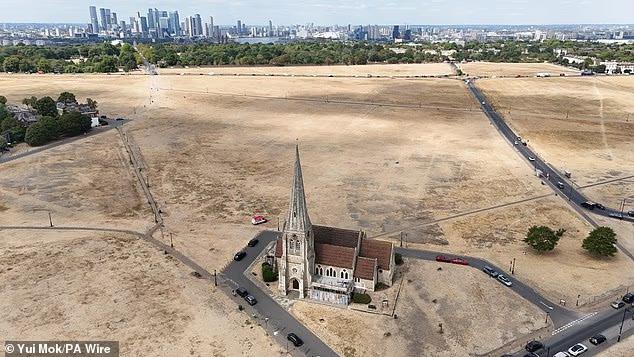
Grass in Blackheath, south-east London, has turned entirely brown

Experts have warned of ‘exceptionally severe’ wildfires as temperatures are set to soar to 35C today in the fourth heatwave of the year.

A plume of intense heat surging from North Africa is set to reach the UK today, after bringing exceptionally high temperatures to France and Spain in recent days.

Amber heat-health alerts have been issued for the East Midlands, the east, south-east and London as the mercury rises once again this summer. 

It has led to fears of wildfires on southern and eastern parts of England’s already bone-dry landscapes. 

Advertisement

The Met Office assessment showed any fires could be ‘exceptionally severe’ due to the conditions.

Fire services in England and Wales have already responded to more than 700 wildfires in 2026, with more than 200 recorded in the last two weeks, the National Fire Chiefs Council (NFCC) said.   

Fire chiefs said eight wildfires are currently burning across the UK and warned that there remains an ‘elevated risk’ of more igniting.

The Royal Horticultural Society garden in Wisley, Surrey, has been named as the driest place in the UK after going 43 days without any precipitation, turning the gardens to scorched dust.

Advertisement

If rain continues to hold off for another two days, it will equal the national record of 45 days set in the summer of 1976. 

Grass in Blackheath, south-east London, has turned entirely brown

Weeks of minimal rain and the second hottest month on record in the UK has left the fields severely parched

Weeks of minimal rain and the second hottest month on record in the UK has left the fields severely parched

Advertisement
The basin of Grafham Water in Cambridgeshire is visible, where water is receding due to the continued dry weather

The basin of Grafham Water in Cambridgeshire is visible, where water is receding due to the continued dry weather

Derbyshire Fire and Rescue Service said firefighters were continuing to ‘make progress at the major wildfire incident at Tintwistle Moor’ after 60 personnel were deployed on Tuesday.

Wildfire numbers in England and Wales remain lower than the 788 recorded by the same point last year, but fire chiefs warned that continued dry spells could raise the risk of fires starting and spreading rapidly. 

Large-scale wildfires across mainland Europe have demonstrated the threat posed by the dry conditions, with large-scale evacuations carried out in areas of France and Italy.

Advertisement

The NFCC said UK wildfires are typically smaller and different in nature to those seen in southern Europe, adding, however, that the ‘long-term effects of climate change are increasing the likelihood of larger, more complex and more resource-intensive wildfire incidents occurring’.

Phil Garrigan, chairman of the NFCC, said: ‘More than 200 wildfires in just 12 days shows how quickly the risk can escalate when hot, dry conditions take hold.

‘The scenes we’re seeing across parts of Europe are a stark reminder of what a changing climate means for fire and rescue services.

‘We are not seeing fires of that scale in the UK today, but the science tells us we should expect larger, more frequent and more complex wildfires in the future.

Advertisement

‘That’s why we need continued investment in specialist wildfire capabilities, including aerial firefighting support, so we’re prepared for the risks ahead.

‘But prevention remains our strongest defence. Most wildfires are avoidable, and we’re asking everyone to take extra care during the hot weather to help keep their communities safe.’

They called for Brits to be extra cautious with anything that could start a fire, including disposable barbecues and cigarettes. 

Photographs showed scenes of Blaenavon in Wales, on Tuesday as a major wildfire left the landscape scorched and blackened.

Advertisement

A blaze which broke out on Mynydd Garnclochdy between Blaenavon and Abersychan on Sunday, July 19, has now been burning for ten days.

Firefighters are continuing to battle flames across more than 220 hectares.

South Wales Fire and Rescue Service has been working around the clock in smoky and humid conditions, using specialist wildfire tactics and equipment to contain the flames.

Portions of Mynydd Garnclochdy and its surrounding upland common land are designated and managed as part of a Site of Special Scientific Interest (SSSI), specifically linked to the broader Blorenge SSSI ecosystem recognized for its vital peatland and moorland habitats.

Advertisement

At the height of the fire, shifting wind conditions carried smoke for miles across south Wales.

Last week, residents reported the smell of burning vegetation from as far as 30 miles away in areas such as Caerphilly, Cardiff and Newport.

A veil of smoke can be seen over the skyline of the World Heritage town.  

Up to an estimated 60 per cent of the common land used by local farmers to feed their livestock has been destroyed.

Advertisement

On Saturday, firefighters were seen battling a field blaze in Cambridgeshire, which was sending huge clouds of thick smoke into the sky.

Blackened hillsides show the devastating aftermath of the wildfire surrounding Blaenavon, Torfaen in Wales

Blackened hillsides show the devastating aftermath of the wildfire surrounding Blaenavon, Torfaen in Wales

Firefighters in Blaenavon are continuing to battle flames across more than 220 hectares after it has burned for ten days

Firefighters in Blaenavon are continuing to battle flames across more than 220 hectares after it has burned for ten days

People gather on the brown grass at the very dry Primrose Hill as heatwaves continue

People gather on the brown grass at the very dry Primrose Hill as heatwaves continue

Advertisement
Empty deckchairs on dry grass at Green Park in London

Empty deckchairs on dry grass at Green Park in London

Swithland Reservoir in Leicestershire is currently at less than 44 per cent capacity according to Severn Trent Water

Swithland Reservoir in Leicestershire is currently at less than 44 per cent capacity according to Severn Trent Water

Low water levels are seen at Howden Reservoir, Peak District, after sustained high temperatures and low rainfall

Low water levels are seen at Howden Reservoir, Peak District, after sustained high temperatures and low rainfall

Thick plumes of smoke formed over burning fields near Peakirk, Cambridgeshire

Thick plumes of smoke formed over burning fields near Peakirk, Cambridgeshire

Advertisement
Firefighters doused the burning vegetation with their hoses, stopping it from blowing towards houses

Firefighters doused the burning vegetation with their hoses, stopping it from blowing towards houses

Some 35 firefighters were needed to tackle the blaze, with Peterborough Volunteer Fire Brigade first on the scene at around 3.30pm on Saturday.

There were fears the flames would blow over to houses and allotments across the fields.

A Ministry of Housing, Communities & Local Government spokesperson said: ‘We’re investing nearly £100 million to help replace assets which can be used to tackle wildfires, including dedicated off-road vehicles which are suitable for England’s landscape.

Advertisement

‘This includes rolling out a pilot to place highly trained firefighters who specialise in wildfire response in key locations across England, working with industry experts to ensure this approach is tailored to the unique wildfire risks here.’

Fire chiefs said many wildfires are caused by everyday human activity, adding that ‘disposing of cigarettes safely, avoiding the use of disposable barbecues in open spaces and taking litter home can significantly reduce the risk of fires starting’.

As Britain continues to bake in the hot sun, images revealed the extent of the lack of rainfall in parks across the country.

Brown grass could be seen across Blackheath in London and in many parks across the capital.

Advertisement

Rivers and lakes have dried up, with the Swithland Reservoir in Leicestershire now at just 44 per cent of its capacity. 

The flash-in-the-pan heatwave is set to end on Thursday, with conditions cooling further into the weekend.

July has been 3C above average across the UK, according to provisional Met Office data, potentially putting it among the hottest three or four months of July on record.

Fire chiefs said people should report any signs of fire immediately by calling 999 and asking for the fire and rescue service.

Advertisement
Dry fairways and parched fields surround the Kendleshire golf course, south Gloucester

Dry fairways and parched fields surround the Kendleshire golf course, south Gloucester

The green square surrounded by parched, dry and yellow grass on the cricket field of Maidenhead & Bray CC during a game, in Bray, west of London

The green square surrounded by parched, dry and yellow grass on the cricket field of Maidenhead & Bray CC during a game, in Bray, west of London

A woman sunbathes on the scorched grass in Wimbledon Park over the weekend

A woman sunbathes on the scorched grass in Wimbledon Park over the weekend

A large wildfire has burned in the Cairngorms national park in northern Scotland for two weeks

 A large wildfire has burned in the Cairngorms national park in northern Scotland for two weeks

Advertisement
This Environment Agency graphic shows how little rainfall there has been since mid-June

This Environment Agency graphic shows how little rainfall there has been since mid-June

The Met Office has also said UK heatwave thresholds will need to be adjusted to account for the consistently high temperatures caused by the warming climate, after records have been broken consistently this year.

Britain’s wild animals have also struggled to adjust to the record-breaking heat, with hedgehogs and foxes being taken to animal rescue centres in their droves across the country as temperatures spiked.

The RSPCA is urging gardeners to create shaded spaces for wildlife struggling to keep cool during the scorching weather as the fourth heatwave of the year looms.

Advertisement

The animal welfare charity said two baby hedgehogs were found ‘in distress’ in a back garden in Somerset and brought into the nearby West Hatch Wildlife Centre, where they are being cared for along with ‘several other recent admissions’ due to the heat.

Recent research from veterinary group Inspiring Vet Care found that in June this year its clinics treated 179 cases of suspected heatstroke – 66 per cent higher than the 108 cases treated in the same month two years prior.

Some 316 hedgehogs were admitted to the RSPCA’s four wildlife centres in June, a 56 per cent rise on the 202 admitted in the same month the previous year. 

Amy Ockelford, a senior press officer at the RSPCA, said wildlife centres are operating at ‘maximum capacity’ and are ‘fit to bursting’, and have seen an increase in admissions of hoglets and hedgehogs.

Advertisement

She said: ‘These animals are usually not out in the daytime, but they’re coming out because they’re struggling to find food and water, and ending up with heatstroke.’

The RSPCA employee encouraged people to think about wildlife as well as pets, adding: ‘Keep out clean, cool water for wildlife and try and create shaded areas where you can for them to avoid the direct sun.’

Ms Ockelford advised people to contact the RSPCA when they see wildlife in distress.

Meanwhile, Royal Parks staff have been advised not to leave deckchairs under trees over fears branches will fall during hot weather.

Advertisement

In a statement, a spokesperson for the charity – which looks after green spaces including Hyde Park and Kensington Gardens – said it has introduced the measure as an ‘additional precaution’.

Met Office meteorologist Marco Petagna said that heatwave thresholds for some counties rose by a degree four or five years ago.

‘Going forward they’ll need to be adjusted to take into account… current climate, otherwise we’re going to more frequently go into heatwaves. It’s a moveable thing, really, as we go through a warming world,’ he added.

It comes as blazes have wrought destruction in mainland Europe this week, with 220,000 forced out of their homes in south-west France and 116,000 evacuated in Spain.

Advertisement

In Bordeaux, an ‘apocalyptic’ fire has grown so large that it is generating its own thunderstorms, with 38C (100F) heat threatening to fan the flames of the terrifying blaze.

Hedgehogs suffering from suspected heatstroke are being taken to animal rescue centres across the country

Hedgehogs suffering from suspected heatstroke are being taken to animal rescue centres across the country 

The RSPCA said two baby hedgehogs were found 'in distress' in a back garden in Somerset

The RSPCA said two baby hedgehogs were found ‘in distress’ in a back garden in Somerset

French firefighters battle a wildfire spreading in Marcheprime, south-western France, July 26 2026

French firefighters battle a wildfire spreading in Marcheprime, south-western France, July 26 2026

Advertisement
Smoke from a wildfire spreading on Cap Ferret peninsula is seen over a pine forest in Lege Cap-Ferret, south-western France, July 24 2026

Smoke from a wildfire spreading on Cap Ferret peninsula is seen over a pine forest in Lege Cap-Ferret, south-western France, July 24 2026

In what represents one of the most devastating events in the country since the Second World War, more than 240 properties have been completely destroyed – many thought to be holiday homes owned by millionaire Parisiennes.

The inferno, which started on July 12 in forests on Cap Ferret, has been steadily approaching Bordeaux ever since, because of the strong winds which have been fanning the flames westwards.

And the return of searing temperatures this week threatens to complicate firefighting efforts.

Advertisement

Emmanuel Macron said on a visit to the wine-making capital: ‘The coming weeks will be tough and we have to hold out.’


Source link

Continue Reading
Click to comment

You must be logged in to post a comment Login

Leave a Reply

NewsBeat

Why Do People Keep Pooping Themselves At Concerts?

Published

on

Why Do People Keep Pooping Themselves At Concerts?

Look, I understand that an hours-long show can be tough on the bladder. We’ve written before at HuffPost UK about the many tricks artists use if they have to “go” mid-performance.

But the fecal fiascos that have taken place in recent concerts are a different beast entirely.

First, Olivia Rodrigo told KISS Radio that she could smell her fans’ nappies from the stage.

“Everyone is wearing diapers… they sit there all day,” she shared. “I think about it kind of often… It’s a real thing.

Advertisement

Noah Kahan, meanwhile, took to X after a woman reportedly defecated near the singer’s stage. “If you have to poop at a show please dear god just go to the bathroom lmao,” he wrote.

At later gigs, he made fans “solemnly swear I will not shit my pants. And if I do, I won’t take it from my pants and put it on the floor”, and beseeched his soiling-inclined fans to “fucking put some diapers on next time”.

On Monday 27 July, meanwhile, a Devilskin metal concert was derailed by an attendee’s baffling and “vomit”-inducing decision to crap in a moshpit.

Advertisement

What, I beg my fellow grown adults, is going on?

I mean, in the case of Rodrigo, there’s at least a vile logic to the odorous decision. “I have been to certain concerts and certain festivals where people wear diapers so that they can be front row of the show,” she explained.

“And that’s been an experience as a performer that I have… smelled.”

It’s not something I think someone who has probably filed their own taxes and may even share an office loo should ever voluntarily do, to be clear.

Advertisement

However, I guess that’s what commitment looks like to some superfans – Noah himself joked(?), “I shit myself onstage in Charlottesville, but that’s because I am dedicated to my craft.”

What “craft” is refined or gig-going fantasy realised by a mid-show floor poop, though?

Please, for the love of music: can we keep that extra fetid “o” out of “pop concerts” going forwards?

Advertisement

Source link

Continue Reading

NewsBeat

Searches continue for missing Cambridgeshire man not seen for nearly a month

Published

on

Cambridgeshire Live

Police are continuing to appeal for information on the man’s whereabouts

Searches continue for a man who hasn’t been seen in nearly a month. Lewis Winter, 25, was first reported missing from Eye, near Peterborough, on July 16.

Advertisement

However, he had not been seen for some time prior to this date. Here is a timeline of Lewis’ last whereabouts:

  • CCTV released by Cambridgeshire Police shows Lewis leaving the Tasman Caravan Park in Eye at around 7pm on July 5
  • Lewis is reported missing on July 16, but it is believed he went missing before this date
  • Cambridgeshire Police has said today (Wednesday, July 29) that Lewis is still missing and searches continue for the 25-year-old

Anyone with information of Lewis’ whereabouts or has seen him should call 101 and quote incident 254 of July 16.

Do you want more of the latest Cambridgeshire news as it comes in from across the county? Sign up to our dedicated newsletter to make sure you never miss a big story from Cambridge or anywhere else in the county. You can also sign up to our dedicated Traffic and Crime newsletters for the latest updates on the topics you are most interested in.

Source link

Advertisement
Continue Reading

NewsBeat

Real reason why Prince William never wears a wedding ring

Published

on

Cambridgeshire Live

Princess Kate has been seen wearing her wedding band for years, but her husband, Prince William, is never seen with a ring on his finger – but there’s a reason for it

Among the most celebrated and instantly recognisable pieces of jewellery in history is the Princess of Wales’s engagement ring. Originally presented to the late Princess Diana upon her engagement to then-Prince Charles, the 12-carat sapphire and diamond ring enjoyed a remarkable resurgence in popularity when Prince William proposed to Kate in October 2010, sparking a widespread trend for sapphire jewellery.

Following their wedding, Kate added a gold wedding band to her ring collection, in keeping with royal matrimonial tradition. The band is crafted from Welsh gold — one of the rarest varieties of gold in the world.

Advertisement

She has since added three more rings to her collection. William is thought to have gifted Kate her first eternity band, featuring diamonds set on a white-gold band, following the birth of Prince George in 2013.

She later showed off her sapphire-and-diamond band, believed to be Cartier’s Étincelle de Cartier wedding band, in a 2024 video in which she announced she had completed her chemotherapy treatment. She also wears a delicate pavé diamond band.

Despite the Princess of Wales’s enviable collection of rings, many royal watchers have observed over the years that her husband has never been spotted wearing a wedding band — not even on their wedding day itself.

Advertisement

This stood in notable contrast to Harry and Meghan’s Windsor wedding, during which she placed a ring on his finger as part of the ceremony. St James’s Palace confirmed ahead of Prince William’s wedding to Kate Middleton on 29 April 2011 that he would not receive a ring during the ceremony at Westminster Abbey.

Why doesn’t Prince William wear a wedding ring?

While some may consider it unusual that the royal prince forgoes a wedding ring, there’s a straightforward explanation – Prince William simply dislikes wearing jewellery of any kind.

A palace source disclosed at the time of the wedding, to The Mirror, that William’s decision was purely a matter of personal taste. “He’s not one for jewellery,” they explained.

“He’s never worn any. He decided he didn’t want to wear one now. It’s all down to personal preference.”

Advertisement

William isn’t alone amongst male family members in declining to wear a wedding band, as his grandfather, Prince Philip, also chose not to wear one – a practice which is a relatively recent tradition.

According to the BBC, “World War II is considered to have heralded a seismic shift, as many Western men fighting overseas chose to wear wedding rings as a comforting reminder of their wives and families back home.”

By contrast, William’s father King Charles does wear one – a signet ring on the little finger of his left hand. While the King sports a classic gold band, Harry is believed to have preferred a more contemporary aesthetic for his special piece of jewellery, selecting a sleek platinum design for his band.

In a long-standing royal tradition, every bride who has married into the royal family has had a bespoke wedding band crafted for their special day, with gold sourced from the Clogau St David’s mine in North Wales having been used for several royal wedding rings, among them those belonging to the late Queen, Diana, Princess of Wales, Princess Kate, and Meghan Markle.

Advertisement

Source link

Continue Reading

NewsBeat

What really happens to your data when you click ‘delete’?

Published

on

What really happens to your data when you click ‘delete’?

Deletion is a common part of modern life. We send files and folders to the recycle bin all the time, and often get rid of unwanted personal accounts. But do you know what really happens when you hit the “delete” button?

The process of deletion is often poorly explained by tech providers. Lack of transparency around how requests are processed, and the absence of clear confirmation that data has been removed, are frequently highlighted in research.

These issues are not limited to operating systems. On social media platforms and a wide range of subscription services, deletion mechanisms are often just as unclear. Such misconceptions can have serious implications for the wellbeing of users, exposing them to security and privacy vulnerabilities.

A further complication is that many users fear losing data, files, photos and videos through accidental deletion – a condition dubbed “diagraphephobia”. Though this is not a recognised pathology, studies of digital hoarding behaviour show that some people get very anxious at the thought of losing or accidentally deleting personal information such as photos and music.

Advertisement

Such concerns extend the amount of personal data that sits untended but undeleted, ready for potential misappropriation.

Deletion vs erasure

A common misconception is thinking deletion means erasure – the idea that once a deleted item is no longer visible, it has been completely erased with no means of retrieving it. This is largely wrong.

When users delete files – moving them to the trash bin, then deleting permanently – the data isn’t actually erased. Rather, the system marks storage space as reusable and updates metadata to unlink the file. But the underlying content often remains recoverable with the right tools, especially when data is duplicated across multiple systems or devices.

More robust forms of deletion include physical destruction of the storage medium, overwriting the memory blocks with new data to bury the original, or encrypting the data and then destroying the key.

Advertisement

However, such methods can be expensive and may render the storage device unusable (for example, when overwriting data on magnetic media). The characteristics of cloud infrastructure also pose challenges to secure data deletion.

Similarly, content on public social networks may not really be erased after deletion due to replies, comments and internet archives which can all store the posts in some fashion. The meaning of a deleted tweet can, for example, be recreated based on replies and mentions.

Zombie accounts

Another misconception is that deleting an app from a device automatically deletes the associated account. Users often leave mobile app accounts undeleted because they are unaware of their existence, having deleted the related app.

These are called zombie accounts – abandoned profiles for a wide array of services, from shopping and storage to dating, finance and streaming. Millions of users possess zombie accounts, with personal data that is vulnerable to cyber-attacks and data breaches.

Advertisement

The exponential growth of AI raises a further question: can data really be deleted once it has been used to train AI models? Machine learning modules easily memorise the data they have been trained on, but “unlearning” is difficult.

In theory, people in Europe and many other countries around the world have a leagal “right to be forgotten”. This means they can request the full erasure of any personal data a platform or a company may hold. AI developers are considered data controllers under the EU’s General Data Protection Regulation (GDPR) laws, for example, and are subject to this obligation.

However, there are no clear guidelines on how erasure should be enforced within AI systems. Regulators may request deletion, but AI companies can argue that compliance is infeasible on account of technical constraints.

Explainable deletion

To counter the risks posed by incomplete deletion, I believe there is a pressing need for provision of concise, accessible and clear information about how deletion really works.

Advertisement

One potential approach is “explainable deletion” – a protocol developed by Marvin Ramokapane at the UK’s National Research Centre on Privacy, Harm Reduction and Adversarial Influence Online (Rephrain), based at the University of Bristol.

The intention is to make deletion processes more transparent and understandable without overwhelming the user with too much information in one go.

Explainable deletion breaks down information into six categories: what, how, when, who, where and why (see diagram). Each offers a user bite-size information about that part of the process.

Explainable deletion’s six categories:

Advertisement


Marvin Ramokapane and Dana Lungu, CC BY-SA

Explainable deletion is designed to give users control over their actions, the autonomy to choose the deletion type that is right for them, and the assurance that their desired actions have been fulfilled. It may also tackle the anxiety of accidentally losing data by giving options for data recovery.

While explainable deletion has not yet been adopted in practice, service providers – both platforms and developers – could heighten user trust by adopting such protocols. This framework can also be proof of compliance with GDPR regulations and the right to be forgotten.

Most of us use systems that collect and store our data on a daily basis. If these systems clearly explained what they store and what deletion really means, it could help us to spot the accounts and data that pose a real risk – and to take back control of our digital footprints.

Advertisement

Source link

Continue Reading

NewsBeat

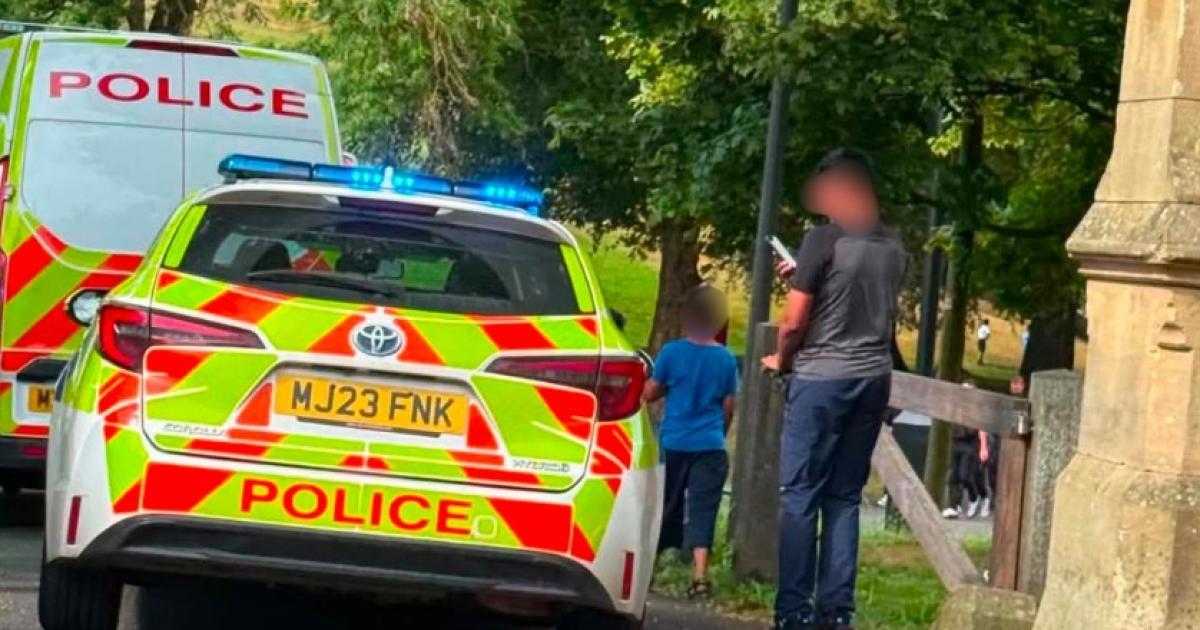
Missing child at Queens Park, Bolton, causes police turnout

Published

on

Missing child at Queens Park, Bolton, causes police turnout

Officers were alerted just before 5pm that a child could be located at Queens Park.

Fortunately the youngster was found within half-an-hour after it is thought being spotted by a woman who lived nearby who made sure the child was okay and took them to police.

One van and three police cars were parked at the Mayor St/Park Rd entrance of Queens Park.

Advertisement

The investigation was underway yesterday, on Tuesday, July 29.

The Bolton News understands the child was found by members of the community who noticed she was alone.

They stayed with her until she was passed into the care of police.

After The Bolton News contacted police for a comment to find out more on the incident, they confirmed the incident and said the girl was returned to her family.

Advertisement

Source link

Continue Reading

NewsBeat

BBC axes three major TV shows as part of cost-cutting plans

Published

on

BBC axes three major TV shows as part of cost-cutting plans

Blankety Blank, Celebrity Mastermind and Live at the Apollo are among the programmes to be cut as part of efforts to deliver £500 million in savings over the next three years.

The decision comes amid ongoing financial pressures and forms part of the first phase of wider cost-cutting proposals.

A BBC spokesperson said: “We are incredibly proud of all three of these much-loved shows and would like to thank everyone involved, both in front of and behind the camera, for bringing them to screen and making them such a success over many years.

Advertisement

“Unfortunately, we have to make some really tough choices in light of our funding challenges, and these savings have been identified from the entertainment genre.”

Regular Mastermind, hosted by Clive Myrie, will continue, and both Celebrity Mastermind and Live at the Apollo still have one final series left to air.

The BBC said it will remain committed to commissioning ambitious entertainment programming and supporting comedy talent, including through new digital plans focused on stand-up and emerging performers.

The cuts are part of BBC Content’s target to deliver at least £100 million in recurring annual savings, which will lead to a reduction of 100 to 150 hours of original television programming across all genres by the end of 2027-28.

Advertisement

Further announcements regarding savings in the Content division are expected in the coming months.

Naga Munchetty to leave BBC Breakfast

BBC Breakfast presenter Naga Munchetty has announced she is leaving the morning programme after 17 years.

The TV star first joined the show back in 2009, but in December, she will leave to take up a new role as co-presenter of 5 Live Breakfast in 2027.

Ms Munchetty said: “I’m thrilled to be joining 5 Live Breakfast in January.

Advertisement

“Live news, great conversations, and connecting with audiences are what I love most about broadcasting, and 5 Live does all of that brilliantly.

“Presenting a flagship programme on 5 Live is an opportunity that was simply too good to pass up.

“It will take a huge amount of work and require 100% of my focus and energy, and I’m really looking forward to throwing myself into the role.”

Her appointment follows the announcement that current 5 Live Breakfast hosts, Rick Edwards and Rachel Burden, will step down in December.

Advertisement

Source link

Continue Reading

NewsBeat

Guilty plea after six-hour Radcliffe massage parlour stand-off

Published

on

Guilty plea after six-hour Radcliffe massage parlour stand-off

Ben Mason, 26, was arrested after police officers, including a firearms officer, a counter-terrorism officer, a dogs unit and tactical aid officers, were called to Stand Lane in Radcliffe on March 30.

Officers were on the scene around the Sunflower Massage Parlour for around six hours before Mason was arrested.

Speaking at the time, Chief Inspector Andy Wright of Greater Manchester Police’s Bury district said: “We understand how alarming these incidents may be to local communities and the wider public, but I would like to reassure you that this was an isolated incident and our armed officers were on scene to manage any potential risk.

Officers were on the scene (Image: SWNS/Phil Taylor)

“I would like to thank you all for your patience whilst our officers have been responding to this incident, and I urge anyone who may have concerns or questions to please speak with officers on scene and local patrols.

Advertisement

“They will always be happy to support.”

Emergency services were first called to the scene at around 2.15pm on the afternoon of March 30 this year, following reports of a disturbance.

Stand Lane was closed in both directions between Radcliffe New Road and Thornley Street as police dealt with the incident, with drivers advised to “find alternative routes”.

Ben Mason was arrested at the scene (Image: SWNS/Phil Taylor)

Just before 9pm, eyewitnesses reported seeing police officers gathered around the front of the parlour with a man taken out and put in a police van shortly afterwards.

Advertisement

Greater Manchester Police confirmed at the time that the incident was not counter-terrorism related despite the presence of counter terrorism officers.

This week, Mason, of Astbury Street, Radcliffe, appeared before Manchester and Salford Magistrates Court, where a guilty plea was entered.

The road was closed in both directions (Image: SWNS/Phil Taylor)

He confessed to using threatening, abusive or insulting words or behaviour with intent to cause fear of or provoke unlawful violence in breach of the Public Order Act.

According to court documents, this was directed towards a woman on Stand Lane on the date of the police stand-off.

Advertisement

Mason was granted conditional bail ahead of a pre-sentence report being prepared and is expected to appear again before the same court for sentencing on October 1 this year.

Source link

Advertisement
Continue Reading

NewsBeat

Scarborough – missing Derby teenager may be in town

Published

on

Scarborough - missing Derby teenager may be in town

Ligert, 16, from Derby, is understood to have travelled to Scarborough by train, North Yorkshire Police said.

The teenager was reported missing last Friday (July 24) after being last seen in Derby city centre at 1.10pm that day.

Missing Ligert (Image: Derbyshire Constabulary)

Derbyshire Constabulary has shared a new image of Ligert wearing a black Lacoste t-shirt and black and blue shorts which is what the force said he was wearing when he went missing. He was also carrying a blackback when last seen, police said.

A Derbyshire Constabulary spokesperson said the force is “growing concerned for the welfare of missing Derby teenager Ligert”.

Advertisement

They said it is believed Ligert boarded a train shortly after 2pm on July 24 and “may have gotten off at Doncaster or York”.

Ligert is described as being 5ft 10ins tall, with a slim build and dark short hair.

Anyone who has seen Ligert or may have information about is whereabouts is urged to phone 101 or 999 with an immediate sighting.

Information can be passed anonymously via Crimestoppers on 0800 555 111 or using its website.

Advertisement

Source link

Continue Reading

NewsBeat

Sewing Bee judge ‘in tears’ at York contestant’s dress

Published

on

Sewing Bee judge 'in tears' at York contestant's dress

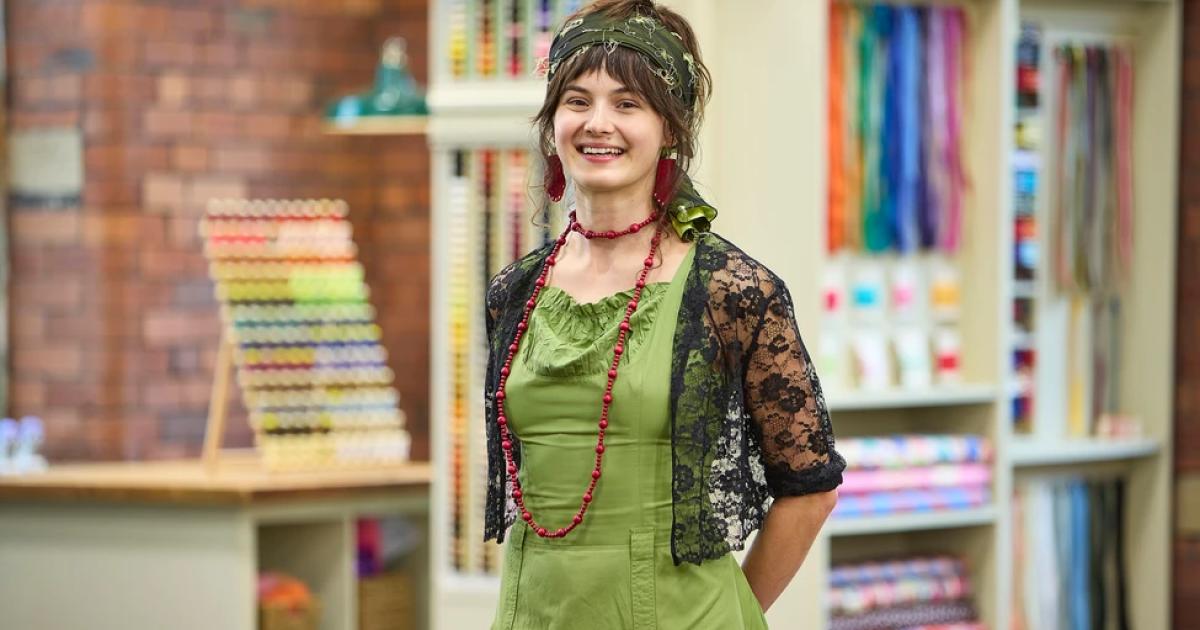
Anna, who is part of St Leonard’s Hospice’s retail team, wowed the judges during yesterday’s BBC show, taking the competition to a “completely different level” with her creativity and technical skill.

The episode was themed around Reduce, Reuse, Recycle and featured three sustainability-focused challenges.


Recommended reading:


In the technical task, contestants were given three hours to sew a set of three knickers from recycled T-shirts.

Advertisement

While Anna’s set, which included a pair of mint green, printed olive green and striped knickers showed promise, judge Esme Young felt they didn’t quite work together as a set and noted inconsistencies in sizing.

Anna placed sixth in the round.

However, it was in the transformation challenge—where contestants turn waste materials into wearable garments—that Anna truly shone.

She designed a form-fitting green dress, completely backless, with exposed seams and a dramatic criss-cross rope detail.

Advertisement

Commenting on this, Anna said: “I think the bold rope will work, and I want the train of the dress to be cut low.”

‘It’s just super cool’

Judge Patrick Grant was full of praise for the bold design.

He said: “I absolutely love that heavy rope at the back. The red and grey colouring of it lifts the whole dress.

“It’s just super cool.”

Advertisement

Anna won first place for the transformation challenge and was thrilled with the feedback.

She said: “I’m really happy with my design.

“I am so happy that the judges picked up on the ideas and themes that went into it.”

Anna, far right, on The Great British Sewing Bee, BBC.Anna (far right) has made it into week four of the prestigious competition (Image: BBC/Love Productions/Neil Sherwood))

The final challenge of the episode was to create a made-to-measure outfit with an environmental message.

Advertisement

Anna printed her fabric using Himalayan Balsam, an invasive species, by treating the cloth and then hammering the flowers onto it to transfer the dye.

She turned the fabric into an Indian calico dress, a style once popular in the 1880s and later banned because it was considered a threat to the local wool trade.

Anna said: “This type of dress was very popular in the 1880s, but it was banned because it was considered a threat to the local wool trade.”

Her model wore the dress on the catwalk, and the judges were deeply impressed.

Advertisement

‘One of the best things I have seen on Sewing Bee’

Mr Grant said: “The fit of the dress is phenomenal. Anna took the whole thing to a completely different level.

“I cannot remember seeing something so extraordinarily beautiful.

“It was so incredibly well thought out and it moved me to tears.

“It’s one of the best things I have seen on Sewing Bee.”

Advertisement

Esme also praised the design, saying that she loved the drapes in the dress and the fact that Anna made it.

Patrick added: “It is an absolute joy to behold”.

Anna’s Indian calico creation was named Garment of the Week, securing her position as one of the favourites in the competition.

Advertisement

Source link

Continue Reading

NewsBeat

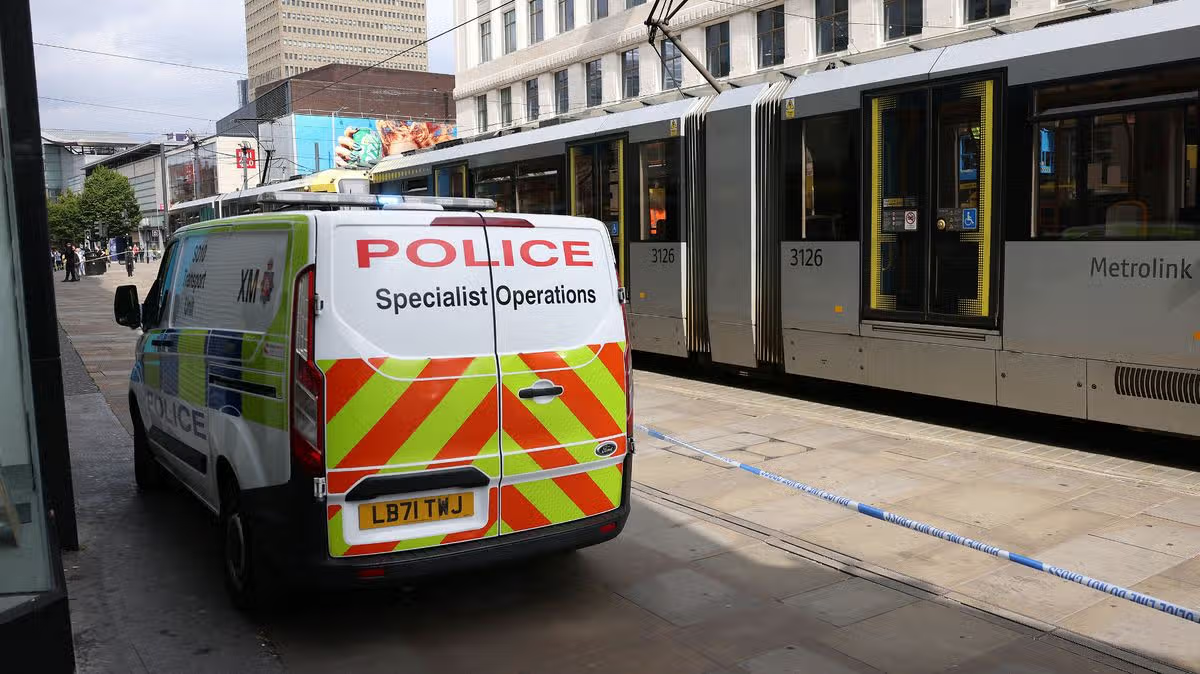
Manchester city centre incident LIVE as man suffers ‘possibly life-changing injuries’ at Market Street tram stop

Published

on

Manchester Evening News

Source link

Continue Reading

Trending

Copyright © 2025