LONDON — British media regulator Ofcom has ruled that Radio Caroline breached broadcasting rules after the station mistakenly aired pre-recorded announcements declaring the death of King Charles III during a May programme.
The incident occurred on May 19 during The Barry Marsh Show. A staff member performing routine maintenance on a studio computer accessed audio files prepared for use in the event of the monarch’s death and played them out of curiosity. The action interrupted the remote presenter’s stream and put the false announcements on air.
Listeners heard three messages. One stated: “This is Radio Caroline; we have suspended our normal programmes until further notice as a mark of respect following the passing of His Majesty King Charles III.” Another said the news media had confirmed the King’s death. The national anthem followed, after which the station’s DAB+ feed carried approximately 16 minutes of silence. AM listeners heard backup music instead.
Ofcom said that once the staff member realized what had happened, the person stopped the files, “panicked and left the premises.” A correction and apology were not broadcast until about 30 minutes after the inaccurate announcements first aired. The presenter told listeners: “I’ve just been informed that we’ve played in error some information a little earlier; I didn’t hear this myself, but it is incorrect, it’s a technical issue, and of course we apologise.”
In its ruling published on August 10, Ofcom found the station in breach of two sections of the Broadcasting Code. Rule 5.1 requires that news be reported with due accuracy. Rule 5.2 requires that significant mistakes be acknowledged and corrected quickly on air. The regulator described the false announcement as a “very significant inaccuracy” concerning a matter of “very high public interest.”
Ofcom received two complaints about the broadcast. The regulator noted that the files were accompanied by strict instructions for presenters and managers, yet they were still played. Radio Caroline has since reprimanded the staff member involved and permanently removed the sensitive files from the studio computer. The station has stated that correct procedures are now in place.
The error highlighted vulnerabilities in remote broadcasting setups used by some smaller stations. Because the show was being streamed remotely, the presenter did not immediately realize the local feed had been overridden. Radio Caroline acknowledged that a remote presenter would not know the programme had gone off air unless monitoring output through an internet feed.
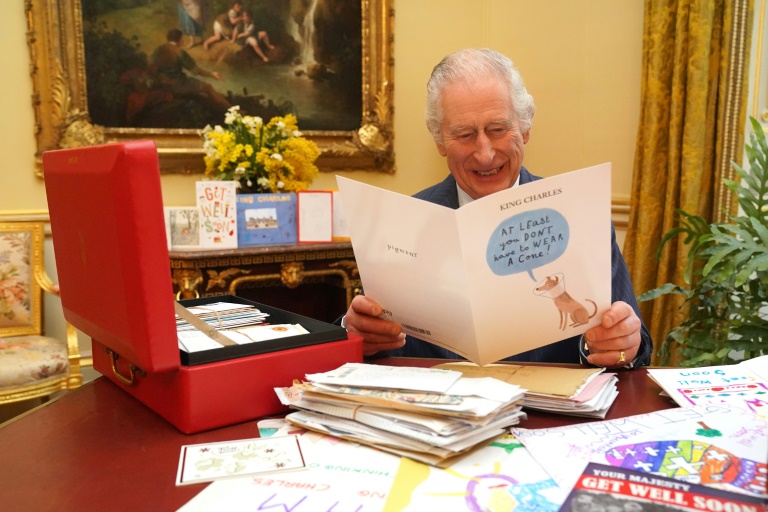
At the time of the broadcast, King Charles was alive and carrying out official duties. He and Queen Camilla were beginning a three-day visit to Northern Ireland that included public engagements in Belfast. Images of the King meeting members of the public later helped confirm the radio reports were false.
Radio Caroline, originally a pirate station launched in the 1960s, now operates as a licensed service playing mostly rock music and is available on DAB+, AM and online. The station has previously broadcast royal Christmas messages and expressed hope of continuing to do so.
The Ofcom decision has prompted wider discussion within the radio industry about access controls for highly sensitive material and the reliability of remote and automated systems. Stations across the United Kingdom maintain pre-prepared protocols and audio files for the death of a senior royal, intended for immediate use only when the event is confirmed through official channels. The Caroline case has raised questions about how securely those materials are stored and who can access them during routine technical work.
Ofcom’s assessment focused on both the gravity of the inaccuracy and the delay in issuing a clear on-air correction. The regulator concluded that the combination of the false report on a subject of major national importance and the roughly half-hour gap before an apology constituted breaches of the code.
Radio Caroline’s response included the staff reprimand, removal of the files and an insistence that procedures have been tightened. The station had already issued an apology in May shortly after the incident, expressing regret to the King and to listeners for any distress caused.
The ruling does not involve a fine but serves as a formal finding that can be taken into account in any future regulatory action. For a community-oriented station with a long history, the case has drawn attention to the practical challenges of maintaining professional standards with limited on-site staffing and increasing reliance on remote presenters.
Broadcasting protocols for royal events are designed to ensure accuracy and appropriate tone during moments of national significance. The accidental activation of those protocols outside their intended context produced the opposite effect, leaving some listeners briefly under the impression that the country had entered a period of mourning.
Industry observers note that similar sensitive files exist at many stations. The Caroline incident has therefore prompted internal reviews elsewhere of password protection, file location, staff training and monitoring arrangements for remote broadcasts. Ensuring that curiosity or simple human error cannot place such material on air is now seen as a basic requirement of operational security.
The May broadcast and the subsequent Ofcom finding illustrate how a single unauthorized action in a technical environment can create a significant accuracy failure. While the station acted to stop the incorrect material and later apologized, the regulator determined that the initial error and the time taken to correct it fell short of required standards.
King Charles continues his public duties. The episode remains a notable example of the challenges independent radio stations face in balancing operational flexibility with the safeguards necessary for content of high public sensitivity.




















































You must be logged in to post a comment Login