An avalanche — a mass of snow moving down a slope — happens most often in the wilderness. Watching for forecasts, bringing the proper gear and getting training to prepare for them can help with outings, according to the National Avalanche Center.
Each winter, about 25 people on average die in avalanches in the United States, the center says, adding, “Some days are dangerous and some days are not.”
Here’s a look at avalanches, how they occur and some tips on how to stay safe:
How do avalanches occur?
It generally takes just two ingredients to create dangerous conditions: A slope of 30 degrees or more and layers upon layers of snow.
Advertisement
Extra pressure on top of that snowpack from weight, wind, rain, heavy snow or motion can cause some of the layers to shear off and slide downhill.
Sometimes a slide happens in the form of loose snow, called a sluff. Sluffs account for only a small percentage of deaths and property damage from avalanches, according to the Sierra Avalanche Center.
Other avalanches are made up of slabs, which happen when a large layer of snow breaks away. Those account for most fatalities.
Another kind of avalanche occurs when wind creates a cornice of snow that hangs over a ridge or the edge of a steep slope. The overhang can collapse suddenly, catching anyone underneath or on top of it by surprise, according to the Colorado Avalanche Information Center.
Advertisement
What triggers an avalanche?
Movement, rapidly changing weather, wind — any one of these things can set off an avalanche. But experts say 90% of slides that cause an injury or death are triggered by the victim or a companion.
That means people who ski, snowmobile, snowshoe or enjoy other winter backcountry activities should check the avalanche forecast before they head out and make sure they have the right safety gear.
Most ski resorts have avalanche protocols or mitigation systems. Often that means checking snowpack stability. Remote detonations are also used to trigger slides intentionally and remove risky buildup before skiers are allowed on the slopes, said Chris Lundy, an avalanche specialist with the National Avalanche Center.
How can one avoid an avalanche?
Don’t think for a second that you can outrun one. Dry slab avalanches typically reach speeds up to 80 mph (129 kph) within seconds, according to the Sierra Avalanche Center. Wet avalanches usually travel around 20 mph (32 kph).
Advertisement
By comparison eight-time Olympic gold medalist Usain Bolt set a record of just under 28 mph (45 kph) in the 100-meter dash in 2009 — and that was on a flat track, not a snow-covered slope. Most people caught in avalanches are on the slope when they occur.
The better plan is to make sure you’re not in a place where one is at risk of occurring. Outdoor enthusiasts can check forecasts at regional avalanche centers or www.avalanche.org.
If you do venture out, it’s a good idea to use the buddy system and be versed in wilderness first aid. Experts say three pieces of gear are essential: an avalanche beacon or transceiver, which sends location signals to others; a shovel to test snowpack or dig out companions; and a thin, folding pole to poke into the snow in search of anyone buried. An avalanche airbag backpack that inflates after the skier pulls the trigger giving the person a chance to stay above or close to the surface during an avalanche.
What were some recent avalanches?
On Jan. 5, an avalanche in California’s Sierra Nevada buried a snowmobiler in snow and killed him, authorities said. The snowmobiler was initially reported missing but then was found under the snow several minutes later, the Nevada County Sheriff’s Office said in a statement.
Advertisement
In June 2025, a skier died after being caught in an avalanche on Alaska’s Mount McKinley, North America’s tallest peak. The Denali National Park and Preserve said the skier and his climbing partner, a snowboarder, triggered the avalanche high on the 20,310-foot (6,190-meter) peak while descending a slope.
That March, a snowmachiner riding on the backside of a popular winter recreation area about 60 miles (97 kilometers) southeast of Anchorage, triggered an avalanche after riding over a weak layer of snow that was buried under newer snow, according to the Chugach National Forest Avalanche Center. He was buried about 10-feet (3-meter) deep in the slide that measured about 500 feet (152 meters) wide.
Earlier that month, three heli-skiers were killed. That accident happened when they were caught in an avalanche near Girdwood, about 40 miles (64 kilometers) south of Anchorage. Heli-skiing is a type of backcountry skiing that involves using a helicopter to access remote areas and slopes of fresh snow.
The BBC is set to cut 2,000 jobs as part of a drive to reduce costs by 10 per cent over the next three years, sources have revealed.
It is understood staff were informed of the significant redundancies during an all-staff call held on Wednesday afternoon.
These cuts mark the largest reduction in BBC headcount in almost 15 years and coincide with former Google executive Matt Brittin preparing to take over as director-general next month.
The corporation has also recently unveiled plans to drastically downsize the team responsible for covering national occasions, such as royal events and State funerals, to a single staff member supported by freelancers.
Advertisement
The BBC has previously said: “Over the last three years we have delivered more than a half a billion pounds worth of savings, much of which we’ve been able to reinvest into our output across the BBC.
“In a rapidly changing media market, we continue to face substantial financial pressures. As a result we expect to make further savings over the next three years of around 10% of our costs.
“This is about the BBC becoming more productive and prioritising our offer to audiences to ensure we’re providing the best value for money, both now and in the future.”
Two Metropolitan Police officers face charges following collision in south-east London that resulted in deaths of 38-year-old woman and her unborn child
15:18, 15 Apr 2026Updated 15:18, 15 Apr 2026
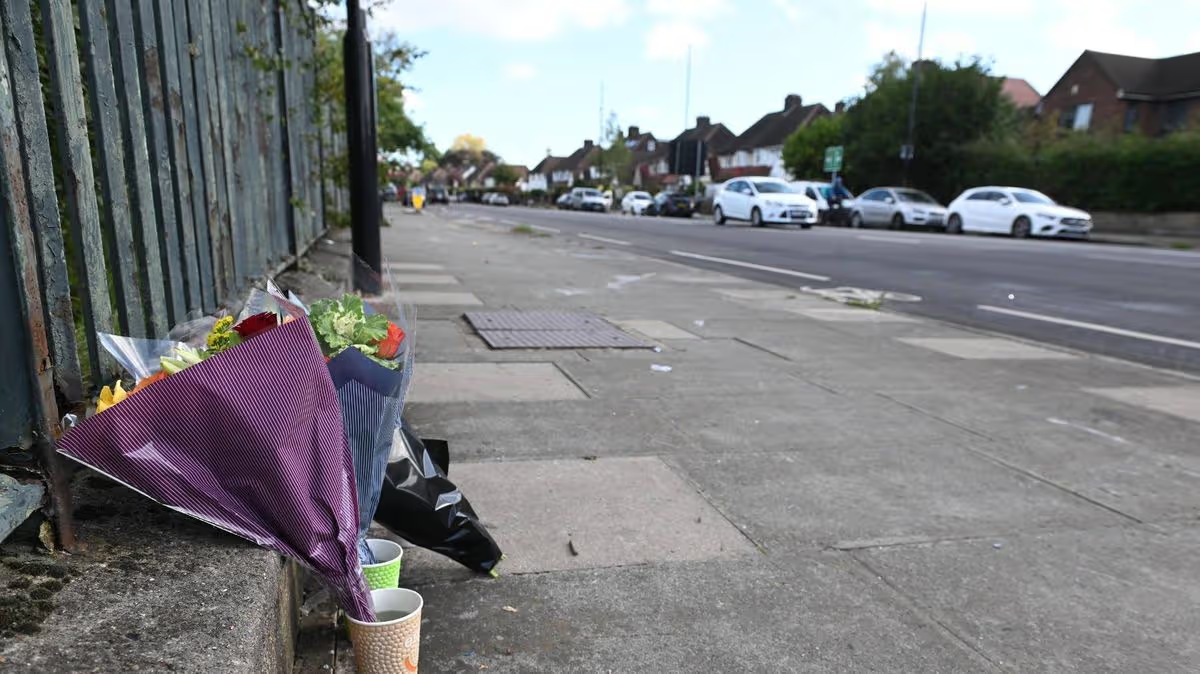
Two police officers have been charged in connection with the deaths of a heavily pregnant woman and her unborn baby after she was struck by a police vehicle in London.
The 38 year old woman lost her life after her car collided with an unmarked police vehicle on Eltham Road on October 17, 2024, and her unborn child could not be saved. The baby tragically died at the scene, while the woman subsequently passed away in hospital from her injuries, reports the Mirror.
PC Chris Johnson, 56, has been charged with causing death by dangerous driving, and former PC Danny Tomkins, 35, has been charged with dangerous driving. The charges follow an investigation into the fatal collision carried out by the Independent Office for Police Conduct (IOPC).
Advertisement
PC Johnson is attached to the Metropolitan Police Taskforce, while former PC Tomkins was assigned to the same unit at the time of the tragedy. Both officers are due to appear before Westminster Magistrates’ Court on Thursday, May 28.
Acting Detective Chief Superintendent James Derham, who oversees policing in Greenwich, said: “Our thoughts remain with the woman’s family and friends, who continue to grieve the loss of her and her unborn child. This was a truly terrible and heartbreaking incident.”
“The IOPC have conducted a thorough and complex investigation and we have worked closely with them as their enquiries have progressed. Following that process, an officer and former officer have now been charged.
Advertisement
“It is important that nothing is said that could prejudice the court proceedings that will now follow, so it would be inappropriate to comment further at this stage.”
Federal prosecutors made an unannounced visit this week to a construction site at Federal Reserve headquarters that is the focus of an investigation into a $2.5 billion renovation project, according to two people familiar with the visit.
Two prosecutors and an investigator from U.S. Attorney Jeanine Pirro’s office were turned away on Tuesday by a building contractor and referred to Fed attorneys, one of the people said. The two people familiar with the visit spoke on condition of anonymity because they weren’t authorized to publicly discuss an ongoing investigation.
Last month, during a closed-door hearing before a federal judge, a top deputy from Pirro’s office conceded that they hadn’t found any evidence of a crime in their investigation of the headquarters project.
The investigation has faced bipartisan opposition in Congress. It also has delayed Senate consideration of Kevin Warsh, President Donald Trump’s pick to replace Fed chairman Jerome Powell when his term ends May 15.
Advertisement
THIS IS A BREAKING NEWS UPDATE. AP’s earlier story follows below.
Federal prosecutors made an unannounced visit this week to a construction site at Federal Reserve headquarters that is the focus of an investigation into a $2.5 billion renovation project, according to two people familiar with the visit.
Two prosecutors and an investigator from U.S. Attorney Jeanine Pirro’s office were turned away on Tuesday by a building contractor and referred to Fed attorneys, one of the people said. The two people familiar with the visit spoke on condition of anonymity because they weren’t authorized to publicly discuss an ongoing investigation.
Last month, during a closed-door hearing before a federal judge, a top deputy from Pirro’s office conceded that they hadn’t found any evidence of a crime in their investigation of the headquarters project.
Advertisement
President Donald Trump has again threatened to fire Jerome Powell if the Federal Reserve Chair decides to stay on the central bank’s governing board after his term as chair expires next month.
“Well then I’ll have to fire him, OK?” Trump told Fox Business in an interview that aired Wednesday when reminded that Powell has said he won’t leave the Fed while the Justice Department investigates a $2.5 billion renovation project at the bank.
Sign up for Morning Wire:
Our flagship newsletter breaks down the biggest headlines of the day.
Advertisement
Powell’s term as Fed governor expires May 15, but his term as a Fed board member lasts until January 2028.
Trump has nominated former Fed official Kevin Warsh to succeed Powell. Yet Warsh’s confirmation has been delayed. Sen. Thom Tillis, a North Carolina Republican, has said he won’t vote to confirm any Fed nominees until the investigation is dropped.
The move will impact about 1,000 employees, CEO Evan Spiegel announced Wednesday. The company is also closing about 300 open roles.
“This is an incredibly difficult decision, and I am deeply sorry to the colleagues who will be leaving us. You have made important contributions to Snap, and we are committed to supporting you through this transition,” Spiegel said in a message to staff.
Spiegel said the company had to make “tough choices to prioritize the investments we believe are most likely to create long-term value.”
Advertisement
Snap Inc., the company that owns the social media platform Snapchat, is cutting 16 percent of its full-time workforce (Getty Images)
“As a result of these changes, we expect to reduce our annualized cost base by more than $500 million by the second half of 2026, helping to establish a clearer path to net-income profitability,” he said.
Snap has struggled with profitability and is facing mounting pressure from investors, according to the Wall Street Journal.
Impacted employees who are based in the U.S. will receive “four months of severance, healthcare coverage, and equity vesting, along with career transition support,” according to Spiegel’s statement. For those outside the country, the company will “follow local processes and seek to provide comparable support aligned with local norms.”
“Today we announced organizational changes to better align our resources behind our highest priorities as we continue our pivot toward profitable growth,” a Snap spokesperson told The Independent. “These decisions are incredibly difficult, and we are committed to supporting our colleagues who are leaving Snap through this transition.”
Snapchat, a popular social media platform known for its disappearing photos and videos, has more than 946 million monthly active users, its parent company said in February. The platform also offers a paid subscription service, which surpassed 25 million members earlier this year.
This is a breaking news story. Check back for updates.
The government has confirmed plans to end “aggressive” debt collection tactics, giving people far longer to catch up on missed payments and capping extra charges.
Under current rules, councils can demand the full year’s council tax just weeks after a single missed payment, often leading to court action and extra fees.
But new proposals will:
Advertisement
Give households 63 days (around two months) to catch up
Cap admin and enforcement fees at £100
Allow bills to be spread over 12 months instead of 10
The changes aim to ease pressure on families already dealing with rising living costs.
‘Most vicious’ debt collection system
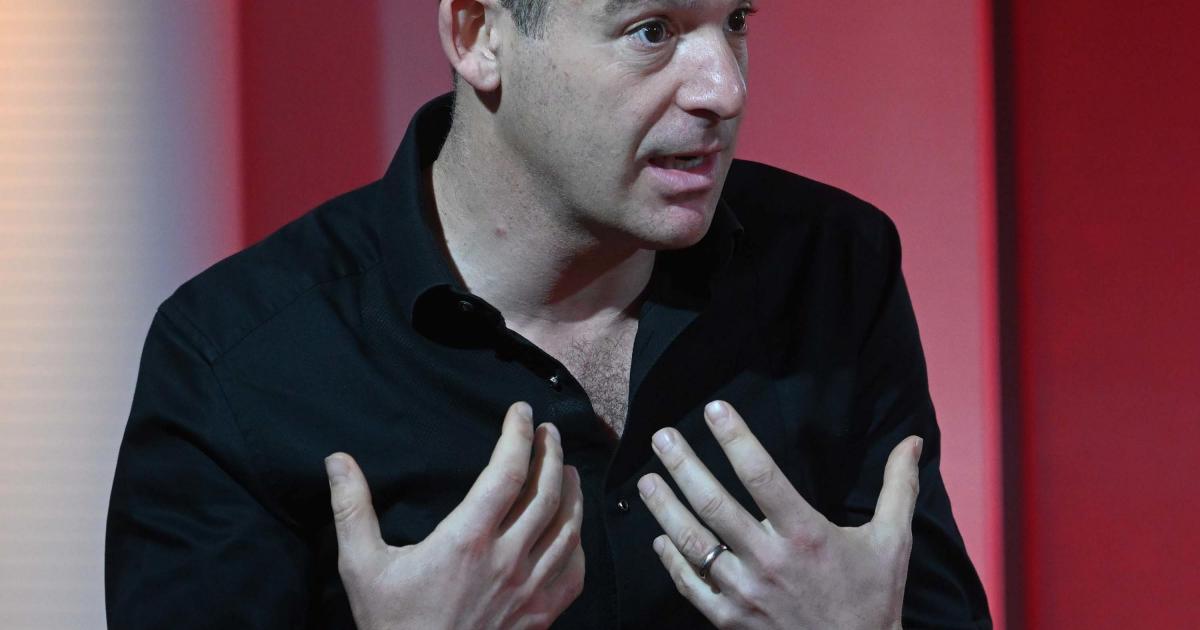
Reacting to the changes, Martin Lewis did not hold back.
He said: “Council tax debt collection is so aggressive it’d make banks blush.
“It’s the most vicious and damaging form of legal debt collection out there – causing counterproductive misery for millions.”
He added that after campaigning on the issue for 18 months, the reform is a major step forward.
Advertisement
“I’m genuinely moved by this huge first step towards making things better,” he said.
Why households were struggling with council tax rules
Under the old system, missing just one payment could quickly spiral:
Full annual bill demanded within weeks
Extra charges added
Risk of court action or bailiffs
Campaigners have long argued this approach made debts worse rather than helping people repay them.
Steve Reed said the changes are designed to stop families being pushed into crisis.
Advertisement
“Too many families are facing aggressive enforcement action, with people left terrified of bailiffs knocking on the door because one month’s council tax bill was missed,” he said.
“We will stop this and make the system fairer.”
Recommended reading:
The reforms mark the biggest change to council tax collection in decades, potentially helping millions avoid spiralling debt.
Advertisement
While Martin Lewis said there is still room for improvement, he made clear this is a significant breakthrough.
“In a perfect world, it would be even longer,” he said, “but this is still a hugely welcome change.”
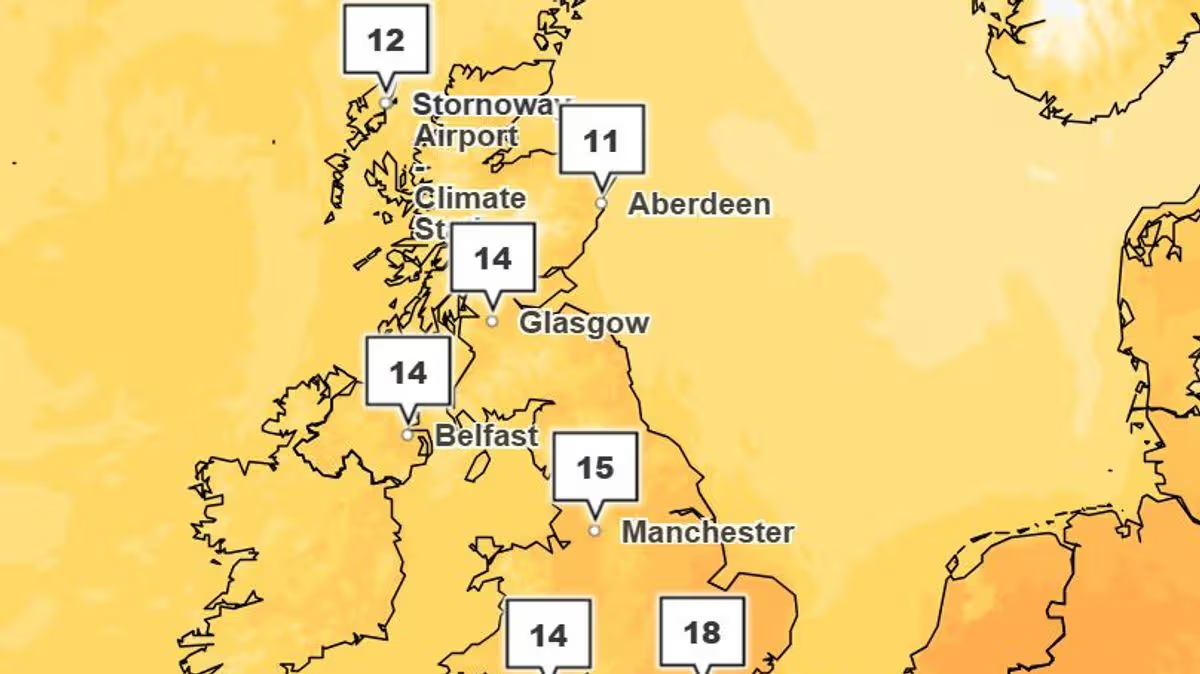
Despite the week getting off to a chilly start, the Met Office said that it will steadily turn warmer through the next few days, both by day and by night. But as the air warms it will also become more prone to rising and producing showers, so the week will remain mixed rather than settled, the UK weather agency confirmed.
Click here to get the biggest stories straight to your inbox in our Daily Newsletter
The Met Office forecast: “A familiar split is likely at times: western areas more frequently exposed to incoming fronts from the Atlantic, while parts of the east see longer drier and brighter spells.
Advertisement
“Looking through the week as a whole, the wettest conditions are favoured in western hills, particularly across Wales, north‑west England and western Scotland, as well as Northern Ireland. In contrast, parts of eastern England may see relatively little rainfall overall.”
But in the warmer air, temperatures could climb into the high teens across parts of eastern England. High teens are also possible along the Moray coast, where winds coming over the hills may give a noticeable lift to temperatures, the Met Office said.
Content cannot be displayed without consent
Winds are then expected to ease over Wednesday night and into Thursday, with a ‘sunny and showery’ day for large parts of the country.
Advertisement
The Met Office said: “Temperatures may dip a little compared with Wednesday, but it should still feel mild for mid‑April, and any sunshine will add a real warmth as the strength of the spring sun increases day by day.”
Friday will see another low-pressure system, bringing rain from the west. There is also a chance of thunderstorms developing, the Met Office warned.
But despite the unsettles conditions, the Met Office said that highs could again reach the high teens, ‘perhaps even close to 20C’ in parts of the country.
Get MEN Premium now for just £1 HERE – or get involved in our WhatsApp group by clicking HERE
Advertisement
Met Office weather maps show temperatures reaching as high as 18C on Friday afternoon in London and its surrounding areas.
Looking at the Met Office’s long range forecast for the UK, which covers the period between April 20 and 29, the country is expected to see widely dry conditions at the end of the month.
The forecast reads: “High pressure to the north or northeast of the UK will bring plenty of dry weather and sunny spells for most at first.
Advertisement
“Low pressure in the Atlantic will try to push weather fronts towards the UK from the south west, but these may remain slow moving. Some parts of the east coast could be on the chilly side with low cloud and onshore breeze, but further west it will likely feel quite warm, especially in sunnier areas.
“From next weekend and into the start of the following week, there are signs that more unsettled weather could return for a time, bringing rain or showers to some areas.”
Antibiotic resistance is often associated with hospitals and the overuse of antibiotics in agriculture. Both are genuine problems, but new research suggests another potential culprit that many people haven’t considered – droughts caused by climate change.
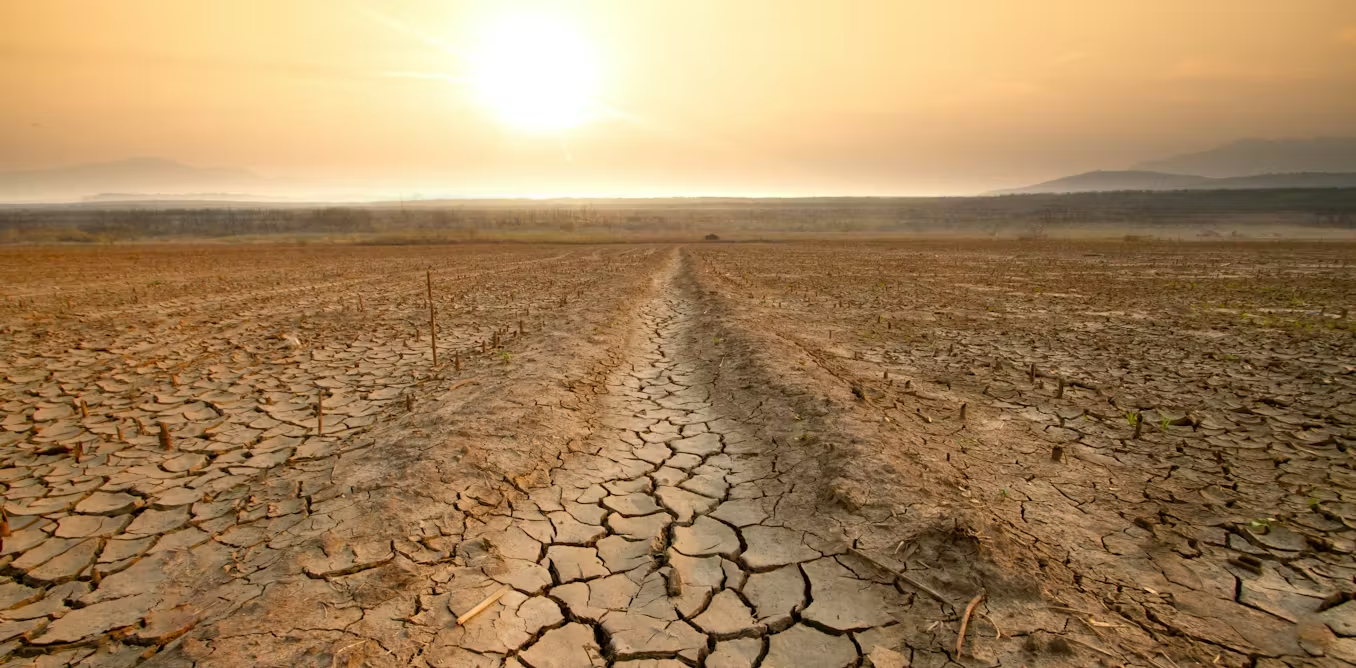
A recent study published in the journal Nature Microbiology found that when soil dries out, it can speed up the natural processes that create and spread antibiotic resistance. This doesn’t mean drought directly creates superbugs in hospitals, but it suggests climate change could make the problem worse.
This matters a lot for the UK. The Met Office predicts that summers will get hotter and drier, with longer droughts if emissions stay high. Meanwhile, the NHS is already struggling with antibiotic-resistant infections, which are harder to treat and keep patients in hospital longer. When standard antibiotics stop working, doctors are sometimes forced to use powerful alternatives that are kept in reserve precisely because overusing them risks making those resistant too. These are known as “drugs of last resort”.
So what’s actually happening in the soil? Soil is teeming with bacteria, and many of them naturally produce antibiotics to kill off rivals. Other bacteria carry genes that make them resistant to those attacks.
Advertisement
An arms race in the soil
In normal, moist soil, bacteria live in a relatively stable environment. But when soil dries out, water gets squeezed into tiny, isolated pockets. Bacteria get crowded together, nutrients become scarce and competition turns brutal. In these conditions, bacteria produce more antibiotics to attack each other, and more resistance genes emerge to help them survive. It’s an arms race fuelled by drought.
Here’s why that’s relevant to human health: bacteria can swap genes with each other through a process called horizontal gene transfer – think of it like sharing a video game cheat code. This means resistance genes from soil bacteria can be picked up by bacteria that infect humans. In fact, some resistance genes found in soil bacteria have already been spotted in bacteria that infect people, hinting at a long evolutionary connection between the two.
Horizontal gene transfer explained.
Some largestudies have found that drier regions of the world tend to report higher levels of antibiotic-resistant infections in hospitals, even when taking differences in wealth and healthcare quality into account. However, these studies show correlation, not direct cause and effect. Other factors like how infections are tracked or how easy it is to access healthcare could also explain this pattern.
Advertisement
Some of the soil bacteria linked to this problem are close relatives of hospital pathogens like Klebsiella pneumoniae and Pseudomonas aeruginosa, which belong to a group called Eskape, responsible for many of the world’s hardest-to-treat infections. Again, this doesn’t mean these bugs come from soil, but it does show how connected environmental and clinical bacteria really are.
Antibiotic resistance already causes millions of infections every year worldwide. Most efforts to tackle it have focused on cutting unnecessary antibiotic use in medicine and farming, which is still vital. But this research suggests the environment itself, and how climate change is reshaping it, also plays a role we can’t afford to ignore.
This is where the idea of One Health comes in. One Health is the idea that human, animal and environmental health are all closely linked. Antibiotic resistance, seen through this lens, isn’t just a medical problem, it’s an ecological one too.
As droughts become more common in the UK and around the world, scientists will need to keep a much closer eye on what’s happening beneath our feet.
York Council’s Executive voted to defer a decision on closing the market on Tuesdays following new counter-terrorism advice from North Yorkshire Police.
Cllr Pete Kilbane, the council’s Labour deputy leader, said the proposals would be reconsidered before the executive’s next scheduled meeting in a month’s time to help businesses plan accordingly.
Market traders and businesses near its pitches in Parliament street told councillors they feared the effect closing the market for a day would have on their earnings and staff.
The decision at the meeting on Tuesday, April 13 comes after plans for the rest day were drawn up to ease the impact of the event on Blue Badge holders.
Advertisement
RECOMMENDED READING:
Blue Badge holders were among those banned from driving into York city centre during the market’s opening hours in line with traffic restrictions imposed during the event.
The council approved North Yorkshire Police’s request for an Anti-Terror Traffic Regulation Order (ATTRO) barring vehicles from pedestrianised streets to deter potential attacks which have targeted mass gatherings elsewhere.
The restrictions have since been made permanent and would be activated during future markets and other events on a case-by-case basis in consultation with the council and other emergency services.
Advertisement
Disabled people said last year the measures would restrict their access to the city centre in the run up to Christmas.
Plans for a rest day on Tuesday are among the measures the council has proposed to ease the impact of restrictions during future markets.
A council report stated opening the market one day less a week would improve accessibility in the city centre.
It added Tuesday was chosen as the rest day because it was one of the quietest in terms of footfall but was not as closely linked to weekend visits as Mondays or Thursdays.
Advertisement
A rest day would be trialled during this year’s market and the impact would be analysed early next year.
Christmas Market traders have voiced fears about plans to close future events one day a week (Image: Newsquest)
York’s Business Improvement District (BID), Hospitality Association (HAY), hotels and others lodged concerns with the council over the proposals ahead of Tuesday’s decision.
Traders speaking at Tuesday’s meeting said closing the market could see them lose up to 10 per cent of their revenues.
Simon Long, of Shambles Kitchen, said earnings from the market paid the wages of his 30 permanent staff in January.
Advertisement
The trader said: “I can’t afford to lose any days because of the January payroll.
“What would happen to the price of rent for pitches and would we be expected to make up the losses?
“We’re already facing significant price pressures at the moment, a 10 per cent drop in sales from losing Tuesdays would heighten the pressure massively.”
Louise Harris-Collins, who also trades at the market, said she could have to employ up to 11 fewer people if the plans go ahead.
Advertisement
She said: “Our margins have become thinner, the prospect of losing a day is truly terrifying.
“The market’s a huge asset to the city, people love it and we need more people to get behind it, not strangle it.”
Speaking following the meeting, disability right activist Flick Williams said she never thought the rest day would happen after saying it was better than nothing.
The executive heard the new police advice was a different interpretation of that previously given and related to additional liabilities and risks.
Advertisement
Council Deputy Leader Cllr Kilbane said traders’ views would be taken into account ahead of the decision on the rest day.
The deputy leader said: “The time scales are against us, businesses need to know what’s happening.”
Louis Theroux’s recent Netflix documentary Inside the Manosphere shines a spotlight on masculinity influencers and the dangers of online misogyny, conspiracy theories and anti-feminist ideologies. Responses to the documentary have ranged from outrage to disbelief, criticising how the manfluencers treat the women in their lives and discussing the importance of role models in countering manosphere influences.
But what has been less talked about is how it reveals the relentless pursuit of financial gain driving these “manfluencers” and the language they use to normalise their views.
Amid a cost of living crisis and a declining job market, Theroux shows why “manfluencers” resonate so strongly with their target audience of boys and young men. Theroux meets four key figures in the manosphere, all of whom sell a carefully curated lifestyle based on conspicuous consumption, hypersexuality and an “alpha masculinity” mindset to their millions of followers.
Although this may seem like a tempting lifestyle to some, the main effect is to reinforce a sense of inadequacy and failure among their audiences. Do this enough times, then you can sell the solution to become a “real man”.
In Theroux’s documentary, two fans of a manosphere influencer suggest that “life as a man, you’re born without value. We have to build that value. You have to work for every penny”.
The language used in the manosphere is the language of financial markets, with discussion of optimisation, levelling up and marginal gains. Phrases like “sexual market value”, “high/low value man” and “maxxing” convert intimacy into a market and the body into an asset class. Manosphere guidance encourages young men to inspect themselves from the outside, as if conducting a performance review. Men’s bodies are seen as measurable assets and an index of “masculinity”.
Glow-ups, routines, hacks, looksmaxxing, courses, tips and videos on “ways to increase your value” are deployed as strategies to help fans unlock the secret of being a “real man”. In these spaces, the broader system that turns masculinity and relationships into metrics is never the problem. Instead, men are told that failure lies in their inability to increase their own “market value”. These discourses of “self-improvement” are, in reality, damaging forms of self-surveillance.
Manosphere adherents end up caught in a loop of aspiration and self-loathing: improve, compare, fail, repeat. In this context, the language of “levelling up” becomes especially insidious. Although it sounds playful and empowering, this mindset traps fans in a permanently unwinnable game. There is always another goal to strive for, another skill to master, another level to unlock.
‘Manosphere’ influencers place high value on physical fitness and attractiveness in both men and women. MDV Edwards/Shutterstock
The dating market
The consequences of this mindset for both men and women is most evident in the language around dating and the idea of the “sexual market”. Attraction is viewed as quantifiable (“high/low value”), competitive (“winners/losers”) and impersonal (“it’s just sex”). Women and men are both consumers and products competing for scarce demand. Rejection is “market feedback”.
These metaphors reduce a deeply social and emotional sphere of life down to a superficial economic reality. By treating people and relationships as metrics, it becomes easier to view them only in instrumental terms. Framing relationships as one-dimensional, transactional and based on hierarchy has negative effects for both men and women.
Advertisement
In Inside the Manosphere, one influencer reveals that he filmed a woman performing a sex act on him for “clout”. Theroux shows a clip from one influencer’s social media arguing that women are “subordinate” to men and should always make themselves sexually available. In one of the most discussed scenes from the documentary, one man advocates for “one-sided monogamy”, where he sleeps with other women while his wife stays at home as the main caregiver.
This man reduces women to an “attractiveness score”, saying that if a man isn’t tall but is physically fit, muscular and makes money, “Maybe [he doesn’t] come to Miami and pull Miami 10s, but I’ll be damned if [he] can’t pull a couple of 8s or 9s in a small town in America”.
Some of this corporate language is used to make misogynistic ideas sound neutral, data-driven and common sense. While recording a podcast, one man uses his “female delusion calculator” to draw attention to the unrealistic expectations a female guest has of a prospective partner. Although presented as a mathematical model based on demographic data, its primary function is to highlight what he claims is the “irrational” nature of women in the contemporary dating scene, and conclude that women “overinflate [their] own sense of self-worth”.
By framing this commentary as a form of objective analysis, it makes hierarchy seem an everyday and commonplace part of life and hides its misogynistic underpinnings.
Advertisement
Influencers in the manosphere often pronounce that they are seeking to elevate the position of men through the language of empowerment. The self-improvement narratives are compelling, but they don’t stand up against the evidence that these men are very much in it for themselves.
The documentary highlights how the manfluencers’ central goal is ultimately self-enrichment, often at the expense of their followers. Theroux “invests” £500 into an interviewee’s trading platform, only to see it whittled away over the course of a few weeks, with the influencer taking his cut. Fans of one influencer pay to have their comments read out live on air. Another influencer courts conspiracy theories to create viral content, describing those in the manosphere as “trying to make a buck” by selling ideologies.
There is a sense that compromising the social contract doesn’t matter, so long as you have a Rolex on your wrist, a Lamborghini to drive and a fancy apartment to hide away in. The ideologies promoted by the manfluencers in the documentary are rooted in misogyny, sexism, violence and exploitation – and there is clearly a market ready and willing to buy them.
Addressing Sir Keir, he said: “As parliamentary lead to the Hillsborough Law, I stand here with a huge sense of obligation to the 97, all the families, including my constituent, Debbie Matthews, every survivor and every victim of a state cover-up who were all part of this collective campaign.


















































You must be logged in to post a comment Login