Related: Trending! Amazon’s Hottest Wedding Guest Dresses Are Surprisingly Luxe
Advertisement



Us has affiliate partnerships. We receive compensation when you click on a link and make a purchase. Learn more!
Few dress codes can send you spiraling through your closet quite like “wedding guest attire.” Fortunately, the Merokeety Satin Strapless Maxi Dress makes the decision so much easier, and Amazon shoppers tend to agree. It delivers all of the elegance of a special occasion dress, but unlike most formal outfits, it’s washable, so you won’t have to add a trip to the dry cleaner to your post-wedding to-do list.
The sleek, satin-like style is dressy enough for weddings and other formal events without requiring much effort on your part. Add heels, earrings and a clutch, and your entire wedding guest outfit is practically finished, leaving you with one less thing to worry about before the big day.
Get the Merokeety Satin Strapless Maxi Dress for $50 at Amazon! Please note, prices are accurate as of the publishing date but are subject to change.
The strapless neckline gives the dress an elegant, minimalist look, while the floor-skimming silhouette brings the drama you want for a formal event. A softly draped design keeps it looking sophisticated rather than overly fussy, so accessories can completely change the vibe, depending on the dress code. It comes in so many colors that it might be hard to choose just one, but at the impressive price point, splurging on multiple colors won’t break the bank.

You just got the wedding invite, the ceremony is in three weeks and your closet is full of ‘maybe’ dresses that don’t quite work. Sound familiar? Finding wedding guest dresses that feel fresh, age-appropriate and actually flattering can turn into a frustrating, expensive spiral through department store racks. Here’s the good news: Amazon has quietly […]
There’s no reason to retire it after one wear. Style it with metallic heels and statement jewelry for a formal wedding, pare things back with simple sandals for a destination celebration or pull it out again for an anniversary dinner or holiday party. The washable design makes repeat wear especially practical.
Shoppers confirm that it’s a compliment magnet. “I bought a white one for my bridal shower and a pink one for a wedding,” wrote one five-star reviewer. “I got so many compliments on them!”
Another Amazon shopper put it to the test at a summer wedding in Florida. “I love this dress!” they raved, adding that the “light fabric” was particularly appreciated in the middle of summer.
If another wedding invitation just landed in your mailbox, there’s no need to panic about what you’re going to wear. This satin-looking maxi dress delivers an elegant, ready-for-the-dress-code outfit in one easy piece, and being able to wash it afterward is just the icing on the wedding cake.
Get the Merokeety Satin Strapless Maxi Dress for $50 at Amazon! Please note, prices are accurate as of the publishing date but are subject to change.
Looking for something else? Explore more satin maxi dresses here and don’t forget to check out all of Amazon’s Daily Deals for more great finds!

You may think that floral prints are for only summer and neutral colors are just for fall, but rich moms aren’t following that ancient fashion rule. Instead, they’re rocking fall floral dresses, aka the most luxe, expensive-looking upgrade to boring solids. Even celebrities like Nicole Kidman and Halle Berry are on board, so naturally, so […]

The conservatorship cases that ran entertainment news for five years happen constantly in ordinary probate courtrooms, usually with no cameras and no legal team. A Las Vegas fellowship is one of the few programs that puts new attorneys in those rooms on purpose.
For most of the last decade, the biggest running legal story in entertainment was not a criminal trial. It was probate.
Britney Spears spent 13 years under a conservatorship before Los Angeles County Superior Court Judge Brenda Penny ended it on November 12, 2021, finding that it was no longer required. Amanda Bynes was released from hers by a Ventura County judge four months later, in March 2022, after nearly nine years. In September 2023, a Shelby County, Tennessee probate judge terminated the conservatorship that Sean and Leigh Anne Tuohy had held over former NFL tackle Michael Oher since 2004, with reporting at the time noting the judge remarked from the bench that she had never seen such an arrangement created over an adult with no disability. She declined to dismiss the underlying case, and the parties’ claims over money and name and likeness rights continued past that ruling. Wendy Williams has been under a court-appointed guardianship in New York since 2022, when a temporary guardian was appointed early that year, and it remains in place. The file is sealed, so most of what the public knows comes from attorney statements rather than court documents.
Those four names generated years of coverage, documentaries, podcasts, and a hashtag that became a movement. What they did not generate is much attention for the version of the same proceeding that happens without a publicist.
There are an estimated 1.3 million adult guardianship cases in the United States, covering roughly $50 billion in assets. That figure originates with the National Center for State Courts and was cited in “Ensuring Trust,” a November 2018 report by the U.S. Senate Special Committee on Aging.
The number should be read with real skepticism, and the Senate report’s own caveats support the doubt. It notes the estimate was based on information from selected states with the most reliable data, and that few states can report accurate or detailed guardianship figures at all. The advocacy group Justice in Aging has made the same point more bluntly, observing that national guardianship estimates rest on the handful of states that track cases reasonably well. The figure is also approaching a decade old, and no newer national count has replaced it.
What that uncertainty means in practice is that the single most restrictive thing a civil court can do to an adult, which is to hand control of their money, their medical decisions, or their living situation to somebody else, happens at a scale the country cannot measure.
The fan movement produced one clear legislative result. California AB 1194, authored by Assemblymember Evan Low, was signed and chaptered on September 30, 2021, roughly six weeks before Spears’ conservatorship ended. It tightened oversight of professional fiduciaries, gave conservatees the right to choose their own attorney, and restricted compensating a conservator for unsuccessfully fighting their own removal. The bill was openly credited to the Spears case and the documentaries about it.
The federal bill everybody remembers went nowhere. The FREE Act, H.R. 4545, was introduced in July 2021 by Representatives Nancy Mace and Charlie Crist, referred to a House Judiciary subcommittee in November 2022, and expired without a hearing when that Congress ended in January 2023. It never became law, and a striking amount of coverage still implies otherwise.
More broadly, the American Bar Association’s Commission on Law and Aging counted roughly 37 guardianship bills enacted across 16 states in 2021, and credited the Spears publicity with significantly raising public awareness. The ABA also called the timing coincidental, situating 2021 as the culmination of about thirty years of existing advocacy that the hashtag amplified rather than started. Some of the reforms frequently lumped into the Britney story, including changes in Nevada and New Mexico, actually predate the hashtag and grew out of local guardianship fraud scandals.
So the celebrity cases moved the law a little and moved public attention a lot. The caseload underneath them did not shrink.
Low-income Americans received no legal help, or not enough of it, for 92 percent of the substantial civil problems they faced in a year. Evictions, custody fights, debt collection, denied benefits, guardianship disputes. That figure comes from the Legal Services Corporation’s 2022 Justice Gap study, built on an intake census of LSC-funded aid offices and a nationally representative survey conducted by NORC at the University of Chicago. NORC polled more than 5,000 adults, and the 92 percent finding is drawn from the 2,003 respondents living at or below 125 percent of the federal poverty line. Four years later, it is still the most recent national measurement.
A large share of the lawyers hired to close that gap passed the bar within the last twelve months. What they learn in that first year, and how closely anyone watches them do it, varies enormously from one program to the next.
Television has trained an entire generation of applicants to expect the wrong job.
The legal drama in its most popular form is about the closing argument. “Suits” ran nine seasons on the premise that a brilliant fraud could out-argue anyone in a conference room. Netflix’s “The Lincoln Lawyer” runs on courtroom reversals. Even the reboots lean on it, with the 2024 “Matlock” built around Kathy Bates outmaneuvering a firm from inside it.
The show that gets closest to the actual work is “Better Call Saul,” and it gets there by being about paperwork. Jimmy McGill’s elder law practice, the boxes of documents, the nursing home residents, the class action assembled one resident at a time out of billing records, is a reasonably honest picture of what a guardianship or elder abuse matter involves. It is largely not oratory. It is records.
A first-year legal aid attorney spends the bulk of that year interviewing clients and reviewing files under supervision. Many draft filings as their licensure allows. No fellowship guarantees courtroom appearances or independent case management, whatever a recruiting page implies.
Fellows learn to explain confidentiality and the scope of representation in language a frightened person can follow. They practice pulling the urgent legal question out of a much larger pile of practical problems. When a client is distressed and the paperwork is incomplete, the fellow builds a timeline out of whatever facts and documents exist.
This gets filed under soft skills, which badly undersells it. Listening determines which legal issues surface and what evidence gets collected. A fellow who can ask a hard question without leading or blaming the client ends up with an accurate record and a clear sense of what is missing. A fellow who cannot ends up with neither, and the case suffers for it.
Fellows also learn where the lawyer’s job stops. Clients frequently need housing placement, medical care, or a safety plan that no filing will produce. Knowing the line between representation and referral is part of the training.
File review comes first, then deadline management and research. Drafting and evidence organization follow as the matter develops. Fellows prepare for negotiations and, under supervision, communicate with opposing parties.
The skill that separates a second-year lawyer from a first-year one is sorting facts by legal weight. Take a habitability dispute. A fellow might line the lease up against every notice the landlord sent, then pull payment records and photographs of the unit before recommending a next step to the supervising attorney. Some of what the client volunteers will be legally decisive. Much of it will matter enormously to the client and not at all to the claim. Learning to tell those apart quickly, without dismissing the client, takes months of repetition.
Filing standards vary by state, so the mechanics a fellow learns in Nevada will not transfer cleanly to Ohio. The habits of mind do.
The Community Justice Fellowship at the Legal Aid Center of Southern Nevada, sponsored by the Las Vegas firm Paul Padda Law, is worth examining because it publishes terms most programs keep vague, and because one of its four rotations is the exact practice area the celebrity cases made famous.
The fellow spends a year rotating through the Children’s Attorneys Project, which represents abused and neglected children in foster care; the Family Justice Project, covering protective orders, divorce, and custody for domestic violence survivors; the Consumer Rights Project, which covers debt collection, bankruptcy, foreclosure, predatory lending, fraud, and tenant matters; and the Guardianship Advocacy Project, which represents seniors, adults with disabilities, and minors in guardianship proceedings. According to the posting, the fellow conducts client interviews and moves matters from intake through resolution.
Nevada is a pointed place to do that work. Beginning in 2015, local reporting exposed how Clark County’s private guardianship system was operating, with one guardian, April Parks, at the center of it. Parks pleaded guilty in 2018 and was sentenced in 2019 to 16 to 40 years for exploitation, theft and racketeering involving roughly 150 wards. The Nevada Legislature rewrote the state’s guardianship law in 2017, creating a compliance office and making appointment of counsel for a proposed protected person automatic rather than something the person had to know to request. All of that landed years before anyone was chanting about Britney Spears.
Two published terms stand out. The current posting states that fellows are awarded a full-time position with the Legal Aid Center at the conclusion of the fellowship, which distinguishes it from fixed-term programs that leave participants job hunting in month ten. That language is specific to this cycle and worth confirming annually, because an earlier listing for the same program, posted through the National Legal Aid and Defender Association, promised nothing of the kind and said only that preference went to applicants who wanted full-time employment there. The salary is listed at $75,000 for new law graduates and $80,000 for outgoing judicial clerks.
For context, NALP’s 2023 Public Service Attorney Salary Survey put the median entry-level salary at civil legal services organizations at $64,200, more than $5,000 below the medians for public defenders ($69,600) and other public interest employers ($69,500). Legal aid pays the least of the public service employers NALP tracks, and the gap widens with experience.
The fellowship now underway runs from August 2026 through July 2027. Applications were open from December 1, 2025, to January 31, 2026. Candidates should confirm the next cycle and its terms directly with the organization.
“Fellowship” is the term usually attached to these arrangements, and by itself it tells a candidate almost nothing. Yale Law School’s public interest fellowship guidance treats the category as an umbrella, and its own list runs to six types. Four groups cover most of what is actually on the market.
Organization-based fellowships. The employer defines the work. A legal aid office has a caseload and hires a fellow to carry part of it. The Nevada program is this model.
Project-based fellowships. The candidate designs the position, recruits a host organization, and applies for funding. The Skadden Fellowship Foundation is the archetype. Applicants build their own two-year job at a nonpartisan host. For the class of 2027 the foundation provides $68,000 per year in base salary support plus $5,202 toward the employer share of FICA, and hosts must pay at least $68,000 unless a collective bargaining agreement mandates otherwise. Hosts paying more receive a supplement of $2,000 or $5,000 annually. The foundation has funded 1,018 fellows since 1988 and says roughly 90 percent stayed in public interest work.
Law school or foundation placements. A school or funder pays a graduate to work at an outside organization for a set term.
Government honors programs. Structurally similar, often called something else entirely.
The distinction changes who owns the work. In a project fellowship, the fellow owns the idea and has to make it produce. In an organization-based placement, the office owns the docket and the fellow learns by absorbing part of it. Both are legitimate training. They are different jobs, and candidates routinely apply to both without noticing.
A postgraduate fellowship is also a different animal from a summer internship. Fellows stay longer and carry real responsibility. Some programs require bar admission; others operate under a jurisdiction’s supervised practice rules, which let a graduate perform limited legal work under a licensed attorney’s oversight.
Neither is guaranteed anywhere, and both should be confirmed in writing before anyone accepts.
Rotations expose a fellow to different client populations and procedures. A housing docket moves fast and rewards speed. A guardianship matter demands sustained attention to a person’s autonomy and financial records over months. The benefit is comparative. After a year, a fellow can say with some confidence whether urgent litigation or long-arc representation suits them.
Rotations are not automatically better. A focused fellowship builds depth in one field, and depth has its own market value.
Supervision should get less hands-on as the year goes on. Early months may involve observation, joint client meetings, and close review of every draft, with responsibility expanding as the fellow demonstrates competence. Candidates should ask whether case reviews are scheduled or improvised, whether feedback addresses interview technique and writing specifically, what the protocol is for urgent client situations, how often ethics comes up, and whether the fellow will see more than one attorney’s approach.
Supervision will not prevent burnout by itself. It can surface a workload problem early. Caseload size and organizational resources decide whether the job is survivable.
Employment outcomes need blunt questions. Some host organizations retain fellows. Some help them build networks and send them elsewhere. Some have no permanent opening and never did. Ask what happened to the last three fellows. Ask whether a permanent position is budgeted. Ask whether continued employment is guaranteed in writing or merely described as possible, and get the answer for the cycle being applied to rather than a previous one.
Money belongs in the same conversation. Georgetown University’s Center on Education and the Workforce reported in June 2024 that law graduates leave school with a median debt burden of $118,500, and that four years out the median borrower still owes close to $120,000. Against that, an entry-level legal aid salary and the availability of loan repayment assistance stop being secondary details.
Public interest law is not one hiring market, and the answer depends entirely on which corner of it someone is looking at.
Nationally funded project fellowships draw large volumes of polished proposals from applicants who have been preparing them since their second year of law school. Local legal aid offices in lower-salary markets or high-burnout practice areas often struggle to fill positions. The same applicant can face brutal odds at one and a warm reception at the other.
What consistently helps: a sustained record of clinic work or public interest internships, demonstrated research and writing ability, evidence the candidate understands the client population, a credible explanation of interest in that organization’s actual docket, and relevant language skills where the community needs them. References from public interest supervisors carry real weight. General enthusiasm without any of that is where applications stall. A highly ranked law school is not a universal requirement.
PSJD, the public interest career database run by NALP, and law school public interest career offices both post program descriptions that can be compared on these points.
Britney Spears had a team. She had Mathew Rosengart, a former federal prosecutor from a major firm, and she had a movement with millions of followers online and a crowd outside the courthouse on hearing days. Michael Oher had a probate petition that made national news within hours. Those are not the conditions under which most guardianship cases are litigated.
The ordinary version involves a person who did not know they could ask for their own attorney, a family member with control of the checkbook, and a court file nobody outside the room will ever read. Whether that person gets a hearing worth having often comes down to whether a legal aid office had somebody available, and whether that somebody had been taught how to read a stack of financial records and notice what was missing.
That is the job. It looks almost nothing like the shows, and the offer letter will not tell you much about it. The terms underneath it will tell you everything.
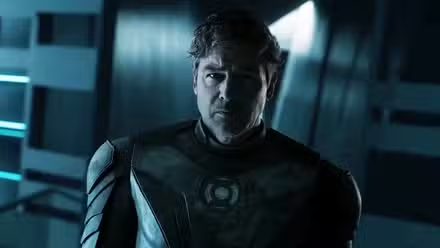
Editor’s note: The below recap contains spoilers for Lanterns Episode 5.
HBO’s Lanterns has been quite a trip for both longtime Green Lantern fans and newcomers alike. The offbeat take on Hal Jordan (Kyle Chandler) and John Stewart (Aaron Pierre) has stripped the superheroes of their traditional ring-slinging adventures in favor of a grounded detective story that deconstructs both DC icons before pitting them firmly against each other. Episode 5 goes a step further here as they close in on the Manhunter, bringing the 2016 mystery to a close and leaving us wondering what the next three episodes could tackle. Lanterns takes what would have normally been the third act of a two-and-a-half-hour superhero movie and uses it as a nexus point that launches the narrative into the present day — and we still have plenty of questions.
This week’s episode begins in 2007, when a younger Kerry Kane (Kelly Macdonald) finds her way to Rushville after escaping her past in Gotham — only, she hasn’t really escaped, as two armed men arrive and flank her in the local diner. “Nice trick you pulled with the plates,” one of them tells her, revealing that her father was a thief who stole from their employer. But Kerry isn’t a snitch, and instead tries to explain that she only wishes to live her own life apart from the organization. This doesn’t convince the goons, but before things can go from bad to worse, Zoe (Poorna Jagannathan) arrives, killing one and sparing the other. Upon learning their orders were to take Kerry’s pinkie back to her boss, Zoe tells Kerry to cut it off before sending the thug out of town. Zoe tells Kerry that she’s been in her shoes. “Someone once gave me a chance when I needed it the most, and now I’m offering the same chance to you,” she explains. Zoe suggests Kerry stick around on one condition. “One day, some people are going to come looking for me,” Zoe reveals, and admits she’ll need someone to protect her. When Kerry agrees to these terms, Zoe says she’ll grow her a new pinkie.
Back in 2016, John wakes up in the crashed vehicle and attempts to get out. Unfortunately, his leg is pinned. Hal approaches and apologizes. “I’m sure you understand my position because you’re working with the Guardians to replace me,” the Green Lantern tells him. Hal believes that William Macon’s (Garret Dillahunt) militia will gear up to protect Zoe while Antaan’s (Paul Ben-Victor) alien forces fight back. This distraction will give him just enough time to locate the Manhunter and return her to the Guardians on Oa. Meanwhile, Rushville begins to mobilize as they anticipate a threat. On the ranch, Zoe, Kerry, and Billy (Jason Ritter) argue about what to do next. Zoe tells her grandson, Noah (Cary Christopher), that the best thing Billy can do now is to protect him. “A lot of people are going to die today — people you know, some you love,” she tells him. “But no matter what happens, don’t forget everything I’ve told you.” It’s an ominous warning, one that makes us believe there may be something more to Noah than meets the eye, but that’s all we get from this interaction.
While all of this is going on, John tries to pull himself out of the car, but things get a bit hairy for the Lantern trainee when the vehicle catches fire. For a moment, it looks like he’ll be spared when a black SUV pulls up, and Zoe pops out. Instead of sparing John, she watches as the rental blows up with him still inside, engulfing him in flames. Elsewhere, Hal is watching over Rushville from the water tower. He activates “sentry protocol” and sends the “Halogram” out to investigate. Eventually, this leads him to Kerry, who shoots at him first before explaining. “Zoe can’t hear us, but she can see us,” she tells him. Hal protects himself with the ring as Kerry tries to explain what she’s doing. “You can never understand what she gave me,” she says — perhaps Zoe did more than just give her a new pinkie. The sheriff insists that Rushville can have peace, but Hal tells her that she’s harboring a war criminal. “I’m not going anywhere until she’s stopped,” he says, and it’s with that thought that the sheriff tells him that everything that happens next is on him.

At the hospital, Zoe watches over John. He can’t feel anything, since all of his nerve endings are dead thanks to the vehicle fire. He tells her he knows everything about her true identity, but admits he doesn’t fully trust the Guardians and what they’re telling him after what went down with the ring in last week’s episode. “They just expected me to take the ring,” he says, frustrated that he hasn’t been backed by anybody this whole time. Zoe tells John that the Manhunters were created to enforce justice — at least, until they were deemed too ruthless, which is a judgment call she hasn’t once proven inaccurate. Zoe can heal him, but her help has a price: once she kills Hal, John will take the ring and tell the Guardians Hal died defending Rushville from Antaan and his forces. This way, John gets the ring, and Zoe can continue to live in peace.
When Hal arrives at the diner, he finds dead bodies everywhere. Naturally, it’s a trap, but he’s anticipated Antaan’s attack and defends himself with a giant green bubble. But the Green Lantern doesn’t want to fight; he wants to strike a deal — well, that’s what he tells the alien terrorist, anyway. Hal lies, telling Antaan that William Macon is actually the Manhunter, information that he seems to take with a grain of salt (but take it he does). In an interesting turn, Antaan reveals to Hal that John was compromised by the Manhunter through coitus, which is apparently the synthetic’s main form of deception. Just then, Macon puts the hit out on Hal, and the townsfolk in Rushville get AMBER alert-style texts telling them to attack and kill the Green Lantern. Fortunately for Hal, this helps his case with Antaan, who leaves in pursuit of Macon.
Back at the hospital, Zoe and John spend way too much time talking about racial barriers (which is apparently why Zoe took the form she did) while John is literally suffering from near-fatal wounds, which feels a bit disingenuous considering his pain, but we’ll ignore that. As John’s body is restored, we get a flashback montage of his upbringing, training, and time in the Marines that recaps the entirety of “OutKast” in less time. Upon being restored, John has a revelation of his own. “You killed Abin Sur,” he tells her. “He brought you here to spare you.” Of course, Zoe doesn’t deny it. Instead, she justifies her actions, noting that she simply “couldn’t help it.” Even more concerning is that Zoe is drawn to John because he “really sees” her. After this interaction, Macon calls Zoe, and the two say their goodbyes as Antaan and his forces arrive at the ranch. “Thank you for everything,” she tells her husband. “Thank you for the gift of time,” he replies.
As Antaan’s forces invade the compound, Macon’s men fight back. The whole thing is a bloodbath as Antaan’s men suicide-bomb the Weenie and some of the other surrounding structures, slowly taking out the whole militia. Unfazed by the surrounding intensity, Macon sits in his office and drinks some whiskey when Antaan arrives. Macon pretends to be the Manhunter, and here we learn that Antaan and the android were previously involved in an intimate capacity, though they were unable to conceive any children. Antaan then attacks and kills Macon after realizing that the real Manhunter would never have welcomed death. In the wake of her husband’s demise, Zoe begins attacking the entire town, forcing Hal into space to disarm the laser weapons — a sequence we wish Lanterns would’ve shown.

After John escapes the hospital, he calls his father and demands that his parents patch him through to the Guardians before telling his mother that he plans to take the ring right from Hal’s finger. Of course, Hal is busy on the streets saving the locals from alien threats, but when the Halogram arrives and informs him of Zoe’s position, he completely diverts his attention. Before Hal can apprehend her, Zoe orders her men to blow up the nearby water tower — which houses not water, but the same dark energy he and John encountered on the Macon ranch before. Hal fights his way through, but not before sending an enraged Antaan into the shadows to his death. When the ring warns Hal that it’s time to recharge, he returns to the motel — but he isn’t anticipating a fight.
In the chaos, John grabs Hal, and they duke it out in the motel. John maintains that he deserves the ring, that he’s earned it after all these years preparing to wield it, while Hal issues a reminder that he was chosen. Eventually, John gains the upper hand, but before he can knock Hal out, the motel is attacked by another energy beam. John escapes in the aftermath, leaving Hal inside and trapped under debris. When Zoe arrives and asks where John is, Hal tells her that he “promoted himself,” but the Manhunter insists that she promoted him. Hal believes if John wanted him dead, he would’ve done it himself, making Zoe wonder why the ex-Marine would leave him to be discovered in the rubble. “Bait,” Hal replies — before John, with a sniper rifle from afar, shoots the Manhunter through the head.
Although the Manhunter has been killed and the alien threats neutralized, Rushville has been totally decimated. Walking back to Hal’s motel room, John pauses to give a watch to a young girl crying beside her wounded parents before retrieving his own belongings and confirming the Manhunter kill, carving Zoe’s crystallized heart out of her chest and putting it in his bag. Walking over to Hal, he takes the lantern and ring off his finger. “Was it worth it?” Hal asks, but John doesn’t answer. Instead, he walks off with his prize, wandering through the completely demolished town. When he’s met by Macon’s men, who quickly surround him, Kerry lets him go after inquiring about Hal’s whereabouts.
This chapter of Lanterns ends with John meeting with Lianna (Laura Linney). He tells the Guardian that Hal is still alive and brings her the Manhunter’s heart as proof of the kill. “Even we make mistakes,” she tells John. “All we can do is correct them.” John confesses that he’s spent a lot of his life wondering how he would feel after taking the ring, but when he put it on, he just felt empty. “Hal betrayed everything to keep this ring,” he explains. “And it broke him. Probably doesn’t even remember why he wanted the damn thing.” Instead of putting on the ring and finally reciting the oath, John gives it back to the Guardian and walks out.
New episodes of Lanterns air Sundays on HBO and HBO Max.

August 16, 2026
HBO
Alik Sakharov, James Hawes, Stephen Williams, Geeta Patel
Damon Lindelof, Chris Mundy, Tom King, Vanessa Baden Kelly, Justin Britt-Gibson, Breannah Gibson
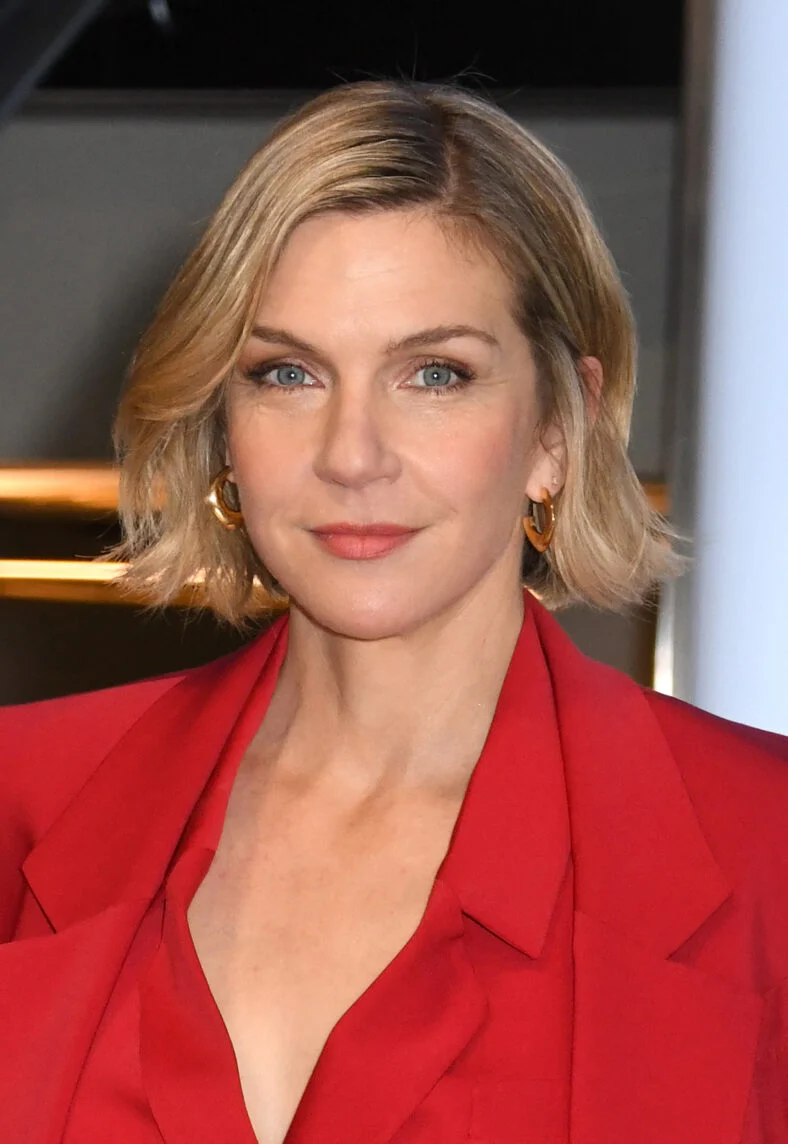
The 78th Primetime Emmy Awards will take place on Monday, September 14, 2026. It will air live at 8 PM ET / 5 PM PT on NBC and stream on Peacock. “Law & Order: Special Victims Unit” star Mariska Hargitay will be hosting the ceremony this year.
During the Creative Arts Emmy ceremonies held over the weekend of September 5-6, “Widow’s Bay” took home eight awards, making it the biggest winner across the early ceremonies. Betty Gilpin won for Guest Actress in a Comedy Series. The show also won awards for casting, cinematography, music supervision, dramatic score, sound editing, sound mixing, and production design. “Pluribus” also picked up four awards: Original Main Title Theme Music, Picture Editing for a Drama Series, Production Design, and Sound Mixing.
Both shows are competing for the top honors this year, including Lead Actor in a Comedy Series for Matthew Rhys and Supporting Actress for Kate O’Flynn and Dale Dickey. “Pluribus,” meanwhile, has been nominated for Outstanding Drama Series, as well as Lead Actress in a Drama Series for Rhea Seehorn.
It’s going to be a close call between “The Pitt” and “Pluribus,” but the Emmys have been friendly to newcomers over the past several years. One could argue that the second season of “The Pitt” wasn’t as strong as the first, but “Pluribus” is fresh, original, and might just be able to steal the win here.
Let’s face it. “The Bear” hasn’t been great since season two. It’s been good, but not great. “Hacks” could pull off a win here, but “Widow’s Bay” has already pulled off a strong performance last week and is likely to do it again. The show manages to pull off a blend of horror and comedy that’s unlike anything else on TV right now.
A win here would be even more impressive, considering not all episodes were nominated or eligible. The final three episodes of the show’s first season were released after the May 31 Emmy eligibility deadline. Win or lose, it’s doubtful that they’ll make that mistake again for season two.
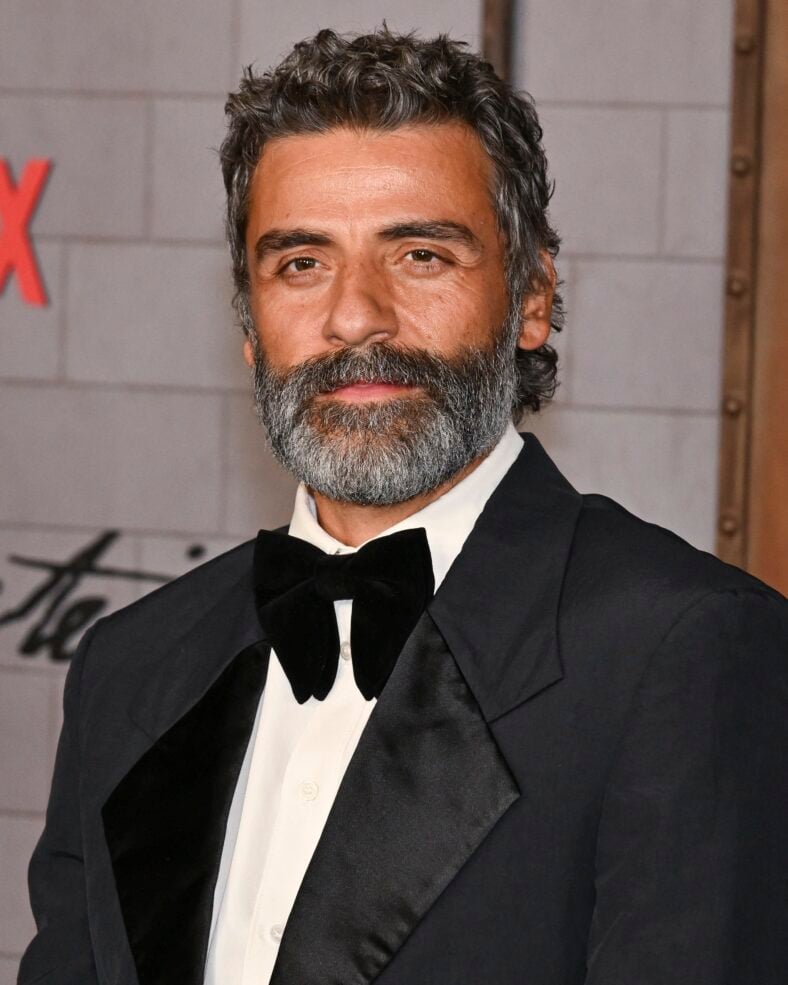
Although “DTF St. Louis” could score a win here, it’s probably going to go to “Beef.” The Netflix anthology was an Emmy darling for the show’s first season, and an all-new cast featuring “Star Wars” alum Oscar Isaac is hoping to pull off a repeat performance at the award show.
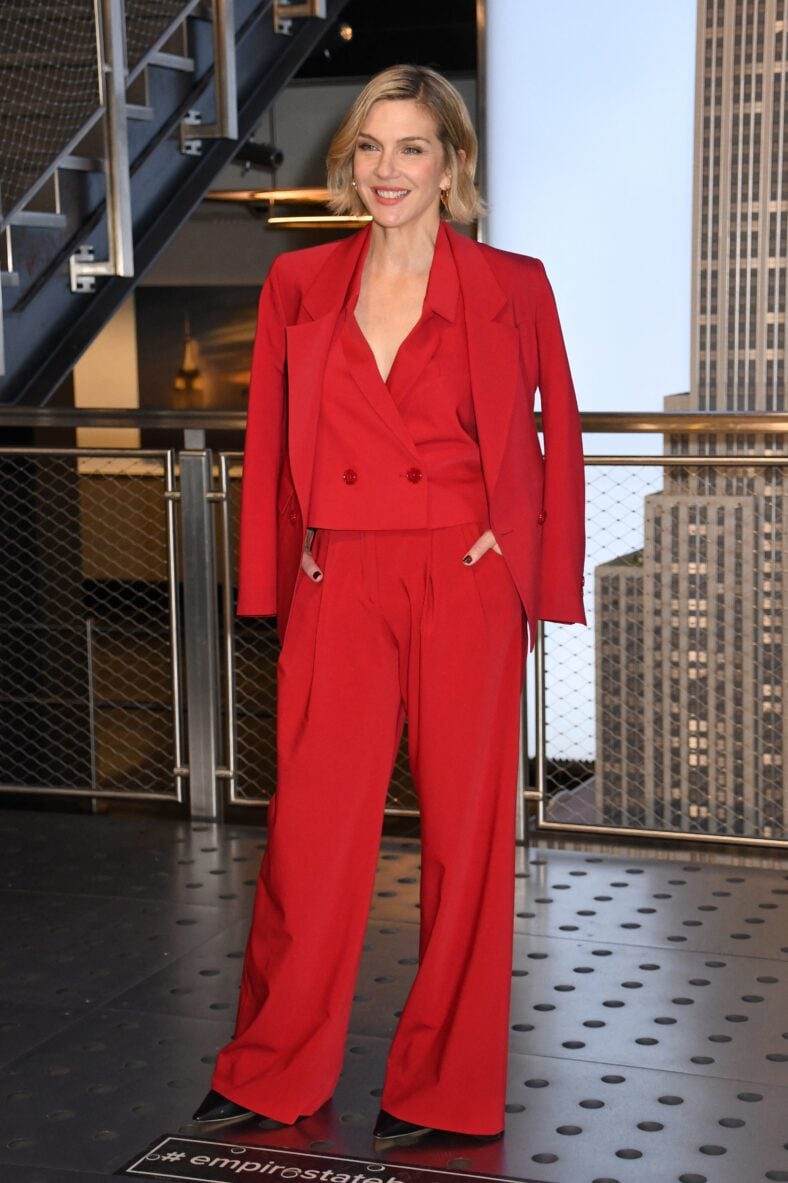
Although Zendaya could score a win for her final season of “Euphoria,” the win is probably going to go to Rhea Seehorn, who was a one-woman show throughout the first season of “Pluribus.” The show’s premise could have collapsed under the weight of a lesser actress, but the fact that she singlehandedly carries the show should earn her the Emmy win without question.
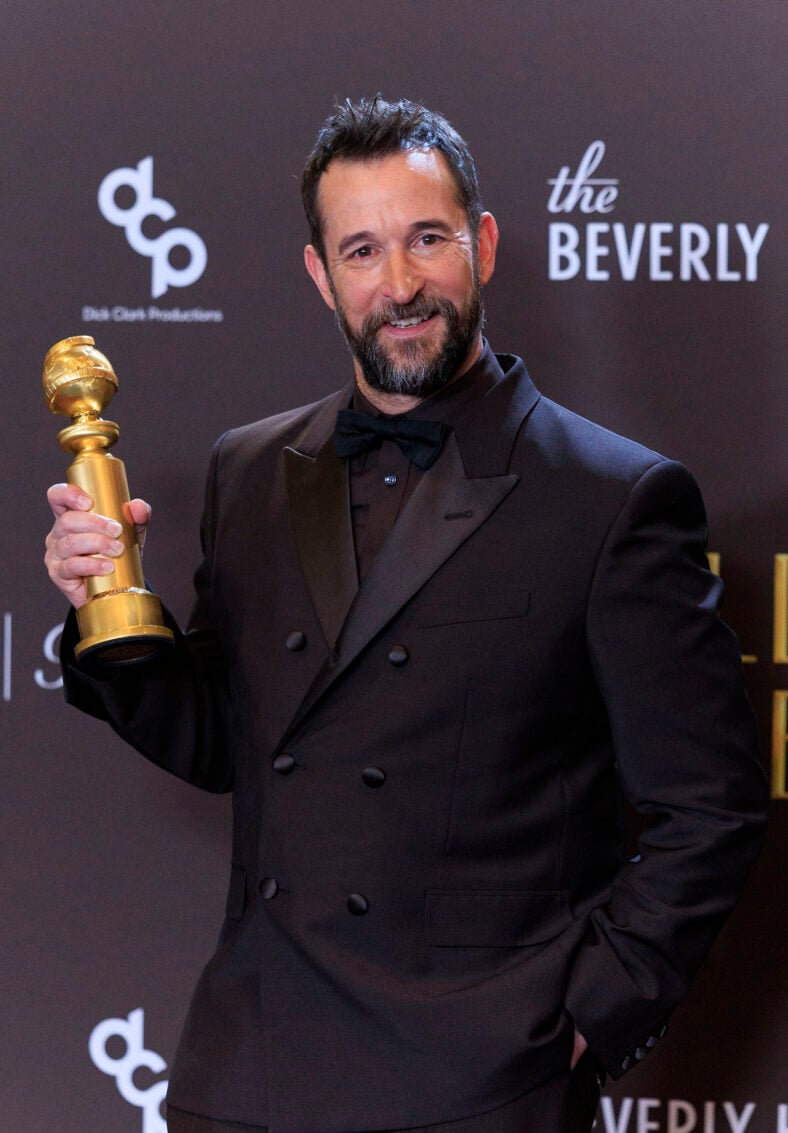
Is this one really a question? Although Sterling K. Brown could pick up a win for “Paradise,” Noah Wyle is going to pick up a second Emmy for his role as Dr. Robby in “The Pitt.”
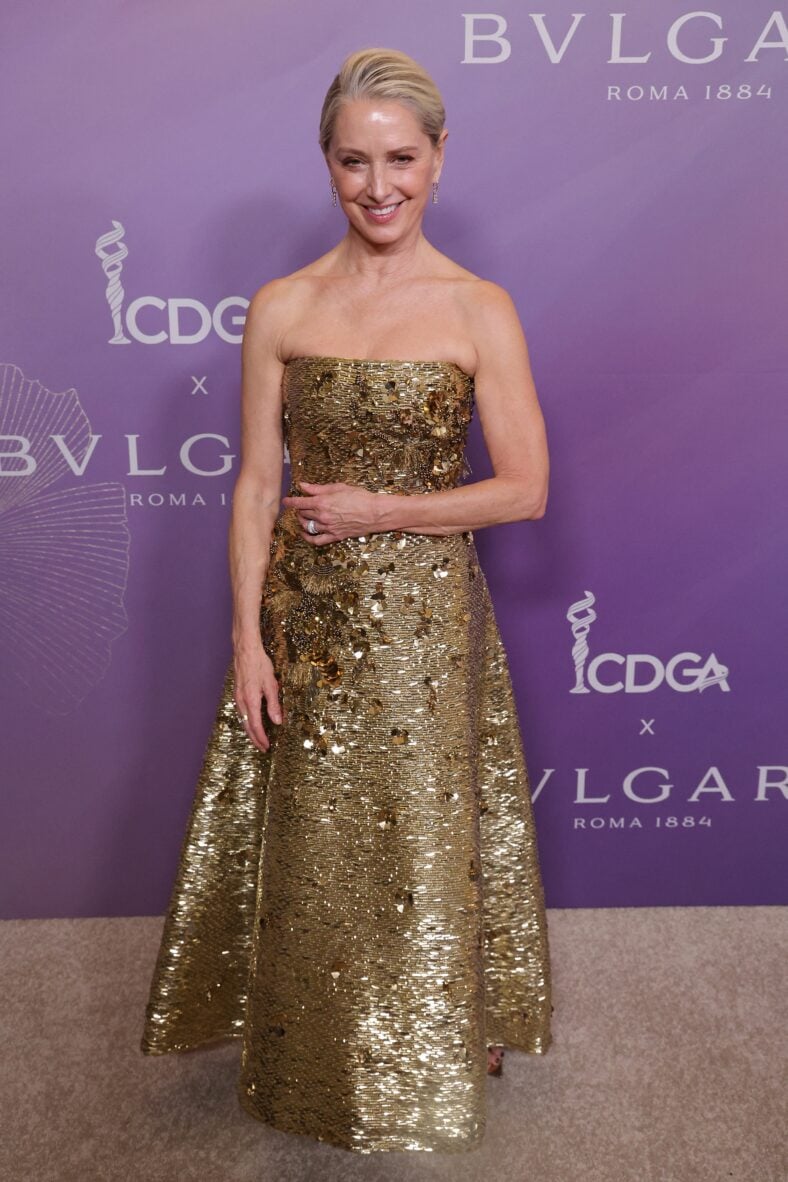
It’s likely that Katherine LaNasa is going to pick up a second Emmy for her role in “The Pitt.” It’s possible that Allison Janney could steal it away with her role in “The Diplomat,” but with three other ladies from “The Pitt” to contend with, it’s a crowded race.
Can we say that one of the guys from “The Pitt” is going to get it? Patrick Ball might get it just due to that ICE-focused episode of “The Pitt,” but the win could just as easily go to Shawn Hatosy or Gerran Howell. And, although “Pluribus” is likely to pick up the win for Best Series, Carlos-Manuel Vesga just wasn’t in the show’s first season enough to make him a serious contender.
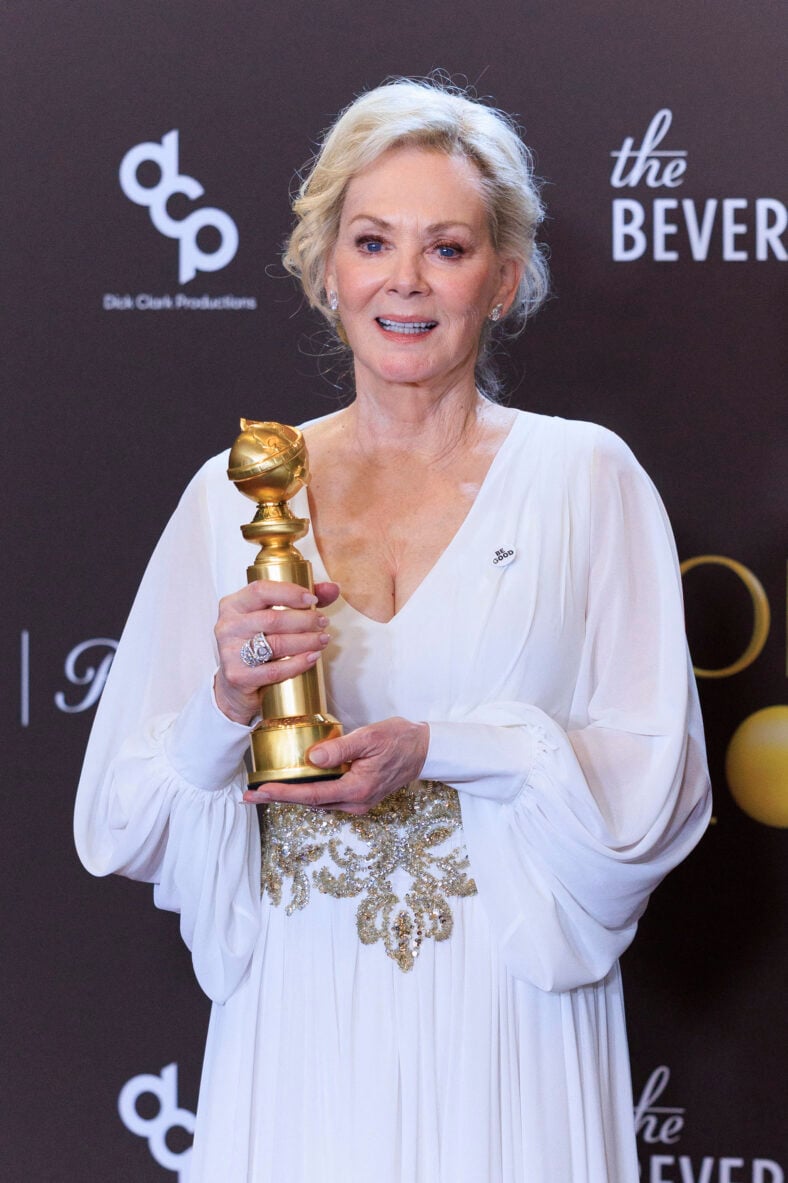
The win is going to Jean Smart, without question. It’s possible that Elle Fanning might be able to steal it away for her role in the breakout hit “Margo’s Got Money Troubles,” but it’s tough to say. This one’s a coin flip.
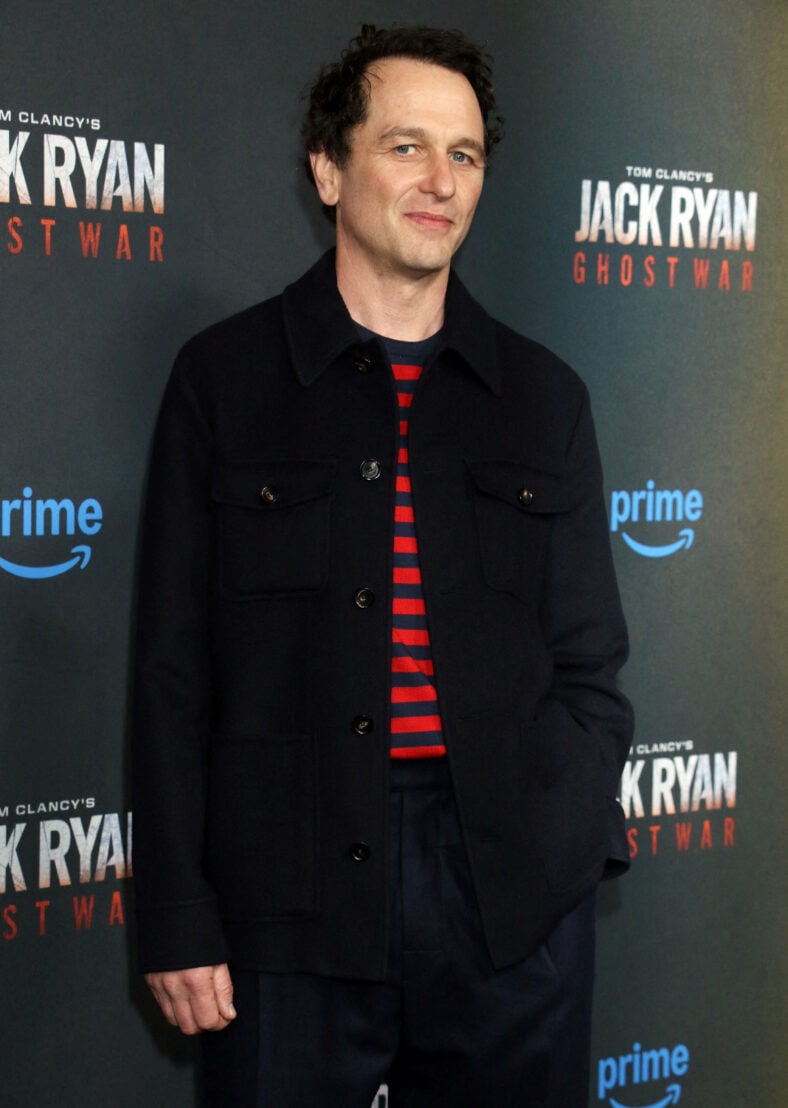
Everyone loves Martin Short, but Matthew Rhys is almost a shoo-in to win for his role in “Widow’s Bay.” His role as Mayor Tom Loftis might have struggled in early episodes, but his acting is undeniable in “Seasickness,” the show’s seventh episode, and only gets stronger from there.

Although Hannah Einbinder might pick up another Emmy win for her role in “Hacks,” the win could just as easily go to newcomer Kate O’Flynn, who won fans over in “Widow’s Bay.” The show’s fourth episode, “Beach Reads,” and eighth episode, “Your Baggage,” are a testament to her stellar acting.
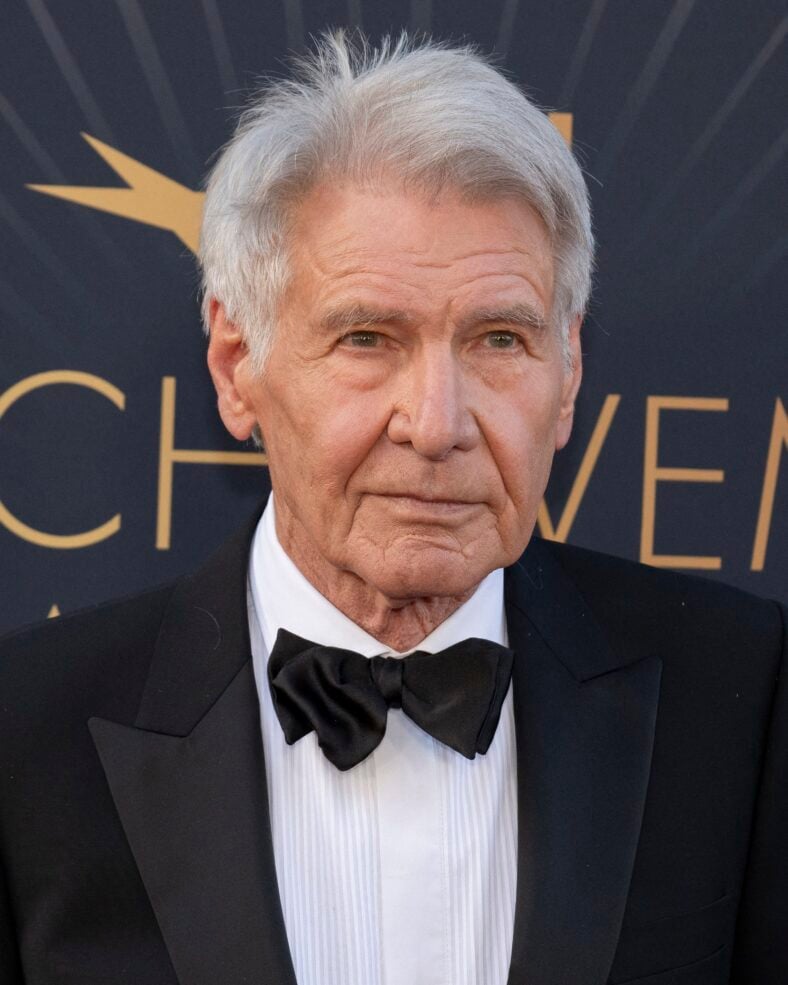
No one from “The Bear” was nominated this time around, so it’s likely that it’s going to go to one of the guys from “Shrinking.” The actor has scored two Emmy nominations for his role as Dr. Paul Rhoades, but hasn’t won yet. 2026 is his year!
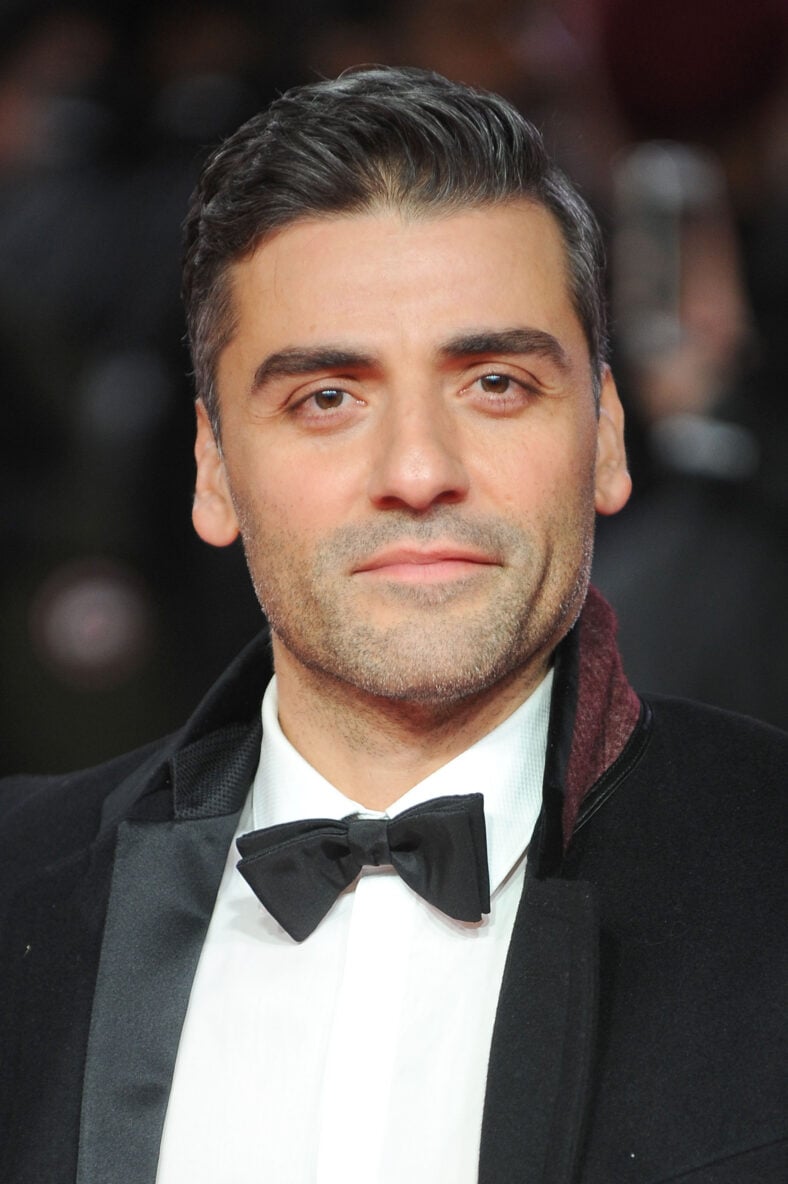
Could Matthew Rhys win for both “Widow’s Bay” and “The Beast in Me”? It’s doubtful. There are two “Star Wars” alums in this category: Oscar Isaac appeared in all three movies in the sequel trilogy, while Riz Ahmed just appeared in “Rogue One.” While it’s likely that the win is going to go to Oscar Isaac, it’s possible that Charlie Hunnam could steal the Emmy for his role in the third installment of “Monster.” Either way, it’s a win for Netflix!
The 2026 Emmy Winner Predictions: ‘Widow’s Bay’ and ‘Pluribus’ Loom Large first appeared on The Blast
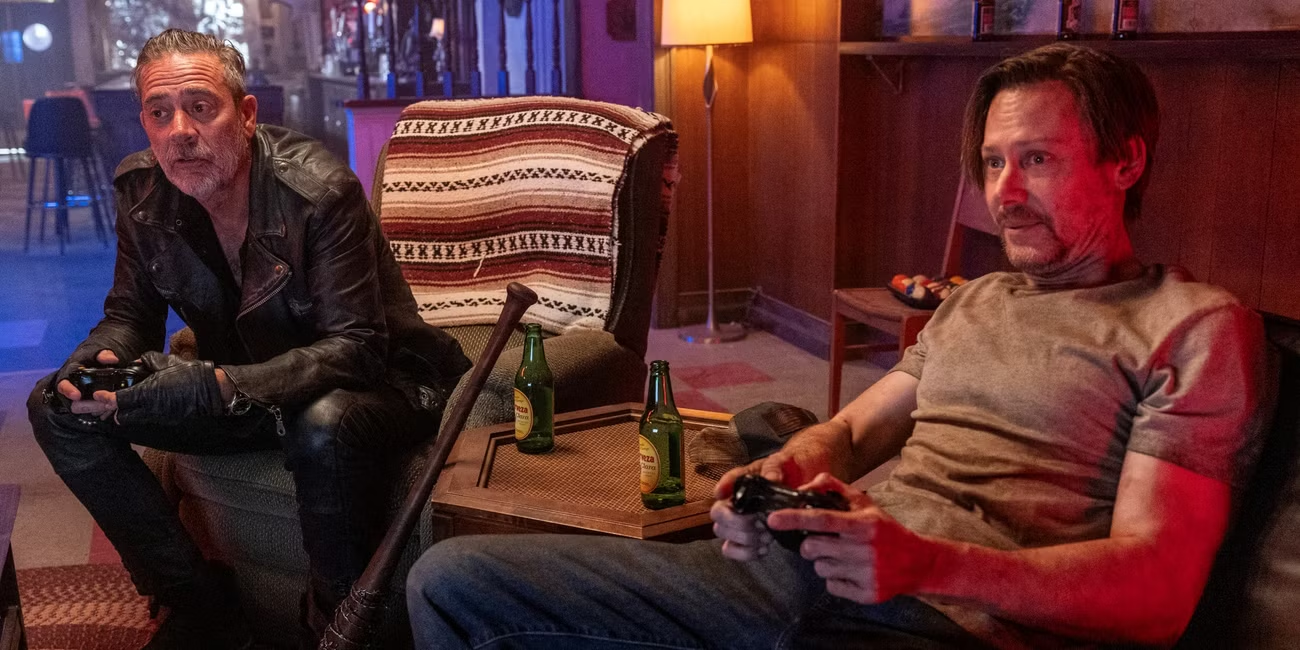
Editor’s note: The following contains major spoilers for The Walking Dead: Dead City Season 3.
Negan was first introduced into The Walking Dead TV universe in the Season 6 finale, “Last Day on Earth.” His arrival marked a pivotal moment in the series, introducing a ruthless man whose brutal leadership style reshaped the survivors’ world and changed the life of Maggie Rhee (Lauren Cohan) forever. In the time since then, Negan has become a more complex character in Dead City, grappling with his past actions and seeking redemption for his past actions, which includes brutally murdering Maggie’s husband, Glenn (Steven Yeun). They’ve both had to make morally questionable decisions to protect their loved ones, and while Maggie will never be able to forgive what Negan did, they make each other better people.
In this exclusive Collider Signature in-depth conversation, Morgan digs into the journey he’s taken with Negan and how it’s all led to who the character is now, more than 10 years after his first appearance. During the interview, he discusses why now was the right time to shake things up with the franchise and with Negan and Maggie’s dynamic, how different it was for Negan to find a friend in Dillard (Jimmi Simpson) before it all went horribly awry, shooting Maggie and Negan’s version Before Sunrise with Episode 6, how they’re each other’s chosen family at this point, and what their new partnership could look like in a possible Season 4. He also shares why he loved the experience of making Sterling Point, which will be returning to Prime Video for Season 2, and that family is always the priority for him when it comes to finding that next acting project.

COLLIDER: You definitely changed things up a lot with Dead City this season.
JEFFREY DEAN MORGAN: Thank fucking God! That was the whole idea for this year. I felt like we needed a change, and I think we found a way to do that. Really, it was bringing in (showrunner) Seth [Hoffman] and having a fresh set of eyes and finding a way for this relationship, which has been fraught with issues for over 10 years, or 17 years in show years, to be able to move forward in that space of me having killed Glenn and these horrible things that have happened. That was a tricky maneuver, and we found a way to do it. For me, it was a joy. I really had a fun year shooting this season, between scenes with Lauren [Cohan] that we’d never done before and the Jimmi Simpson of it all, I just had so much fun. Every day, I had a blast and couldn’t have had more fun.
But it’s hard. When you’ve been a show that has been as successful as this franchise has been and has multiple spinoffs, and you have two characters that inherently hate each other, and one especially hates the other, you can only play that for so long before you lose people. You might even lose an actor or two. And so, it was important to find a way to shift things and be able to move this show forward, and yet be in the same space that we’ve always been with this past that they have and not ignoring that. It’s a tightrope walk in, and I think we were able to pull it off.
It feels like Negan is in a different mental place this season. He seems to be reflecting in ways that are affecting him more than usual. Is that something that was intentional? Was that something you wanted to explore this season?
MORGAN: Seth and I had a lot of conversations about where Negan would be. After the death of Ginny, Negan is a mess. That was the straw that broke the camel’s back in Negan’s case. When we find him at the beginning of this year, he’s probably more down than he’s ever been. He certainly doesn’t feel good about himself or in this world that he’s living in. The perfect spot for him, which he happens to find, is Dillard’s bar. He not only finds a person that he can tolerate, but that he kind of likes, and he can disappear for a while. And if anybody needs to disappear right now and be reflective and decide what is next, I think it’s Negan. And so, we do find him a bit of a mess at the start of this season, and it takes him a while to crawl out of it. It takes Maggie to get him to snap out of it.
We’ve seen her come to him before, with some stuff she needs help with, and Negan will do it, but that has never worked out well for him. He’s been stabbed twice by her. In trying to make amends for some stuff, he has the guilt that still haunts him. These two people have been together longer than any of the people on the show, except for Carol with Daryl. I don’t think either of them trust each other, but they can predict what the other person is going to do. They’re each other’s dysfunctional family in a way, as well as Hershel, and they are very dysfunctional.
This year, there was a concerted effort to move this relationship dial, one way or another. At the beginning, it could have gone either way. Either Negan was going to disappear or die, or what happens would happen. Negan sees the bigger picture way before Maggie does. The people that we met along the way this year weren’t the ones that should be leading. Negan didn’t trust them from the jump, and he thought that Maggie should be leading this community. Negan has an incredible amount of faith in Maggie. I think Maggie will never fully trust Negan, but she has to lean on him. He’s the one person where she knows what he’s going to do. She knows that he’s going to be by her side. For the right reasons or wrong reasons, she knows that she can play on the guilt of that forever, but she does more than that this year. She opens up to Negan, which I find fascinating.
What’s made the season what it was this year is that we see a different side of Maggie. Maggie has been playing the mad or sad widow for 10 years, and we see a different side this season. There was a line that I improvised in a scene this year, and she smiled. I remember seeing her do it and I remember thinking, “That’s a fucking choice.” I said, “I think that’s the first time I’ve ever seen you smile.” I think that was in Episode 1 or 2. That changed the trajectory again, without us even knowing it. Seth leaned into that as well, and it gave us more places to go. It was a completely different season and yet we’re still built on that foundation that we can’t stray far from.

Negan feels like somebody who is typically a pretty good judge of people’s character and is someone who can pretty easily predict where people are going to end up. What do you think he missed in Dillard?
MORGAN: I don’t know if he missed anything. It’s funny, maybe he did it, but he also pushed Dillard. Dillard was fine. Dillard was cool. He was living his own little life. He had his little ecosystem of happiness and food and all his shit above and below the bar there. And then, Negan comes in and before you know it, Dillard’s got Lucille in his hand and he’s playing piñata with some heads. In a lot of ways, Negan pushed Dillard. The only thing with Dillard is that, from the jump, we find out there’s something a little off with him, obviously. He has relationships with walkers and can communicate with them, or thinks he can, all of which I think amused Negan in a certain sense and frustrated him in another. More than anything, I think Negan just finally finds somebody that he’s comfortable around and can have this banter with and is the closest thing to a friend we’ve ever seen Negan have. The dark turn that Dillard takes, in the middle of the season, I was like, “We can’t lose Jimmi. If we do another year or two, I want him to be a part of the show. He’s so fucking great.”
But I knew the last image of this season was him being a walker with his people and communicating with these walkers. I could never get that out of my head because I thought it was such a perfect ending for this perfect/imperfect character. I was like, “Hey, what if we shot two endings? What if we shot an ending where you turn into the big bad at the end of the year, and you die and you’re with your people? But then, what if you don’t die and you stay with us for as long as possible?” He’s such a phenomenal actor and an even better human being. The fact of the matter is that he’s just a busy guy. He’s got other shows to do. This slot ended up working perfectly for him last year. He has six months off to do this season, but beyond that, we couldn’t count on anything, so that’s the way we went. I watched a couple of different cuts of the finale, and I just love that ending. I love Dillard in his happy place, or what I like to think is probably his happy place, and that’s where he wanted to be.
Things really start to spiral in Episode 5, when Negan makes the decision to kill Fabian. There’s something so interesting about the conversation that they have because Negan is testing him out before realizing that he has to kill him if he’s going to protect Maggie. What was that conversation like to shoot? Did you talk about how that would evolve? Were there different versions of that conversation?
MORGAN: My buddy Sylvain White directed that episode, who directed a film I did called The Losers, and he also directed the last episode of The Boys that I did – not the series finale episode, but the episode before the series finale. It was then that I said, “Hey, would you come and direct Dead City?,” and he did two episodes. That was a big scene. The dialogue was a little fucked up. The kid who played Fabian (Michael Emery) was a really sweet kid. I had a couple scenes with him, and I remember he was just nervous. He had a nervous energy, which worked for the character really well. Not only do I have this guy who I think is going to kill Maggie that I’m going to have to deal with right now, but Negan is fucking with him until he says, “I’m going to have to kill the bitch,” meaning Maggie. Immediately, he was dead.
For Negan, that’s all that he needed to hear. The topper of it is that Renata comes in. Negan has never trusted this woman and doesn’t believe that she should be the leader of this community or anyone else. Like you said, Negan has a pretty good feel for people. He has always read people, or thinks he has read them. More often than not, he’s been right and not wrong about people. He’s also putting on a show for her. It’s Negan the showman coming out. If Renata hadn’t walked in, there’s no doubt that Fabian would still be dead, but it probably wouldn’t have been quite as dramatic and large as it was.
Negan still has that flare. The piñata thing was a moment where we got to see that Season 1 Negan – my first season as Negan – is still part of who this man is. I think that’s very important, and I will always fight for that. I don’t ever want to become castrated and lose that aspect of who he is, no matter how much he evolves and how many different layers we show and how much he wants to protect Maggie and Hershel. Whether it’s out of guilt or some obligation or just this dysfunctional family aspect, he’s still got to be Negan. I think that’s incredibly important. That was a big part of that scene. I thought that was a time for Negan to go above and beyond where he normally would in this season and take it to a level, and he does. A lot of that is a show for Renata because he’s like, “Fuck you! You’re not going to tell me what to do and how to do it. And fuck this guy because he threatened my family.” In Negan’s head, Maggie is his family.

When you first learned about and read Episode 6, with how everything would play out for Maggie and Negan in a very different version of this world, could you ever have imagined you’d be filming an episode of The Walking Dead where Maggie and Negan would have their own meet-cute?
MORGAN: No, I didn’t. By the way, I never heard the term meet-cute until we shot that episode. That’s the first time I’d ever heard that term. I kept calling it our Hallmark Christmas movie. But no, not in a million years. I remember when Seth pitched it, it was such a head scratcher. I was like, “What?!” I get that we’ve been on the air for a while and we wanted to do some new shit this year, but I was like, “This is a fucking reach.” But then, the more we talked about it and how it would tie into what was happening within our story and ultimately how it ends, there’s Maggie and Negan, and they’re exactly who they’re supposed to be.
They don’t learn anything in that episode. Negan is going to kill a guy, and Maggie’s going back to the farm. Nothing changed. All of these ideas that they talk about in the course of the episode, none of it comes to fruition. They’re still Maggie and Negan. She’s got to go back to the farm and struggle, and Negan is going to go kill her guy and spend the rest of his life in prison. Nothing is learned. And yet, I think so much was learned in that episode. Getting to shoot in this world with no apocalypse and just two strangers meeting, it was our Before Sunrise with Julie Delpy and Ethan Hawke. It’s our version of what would happen if these people met in New York City and had 20 hours together, and what kind of conversations they would have.
It was just really refreshing. I don’t know how else to put it. While we were shooting it, I was like, “This is the craziest fucking thing.” There’s a lot of speculation about whether Maggie and Negan would ever hook up and people have freaked out about that, but that’s not going to ever happen. I love that that’s where people’s minds go. But what we found out in that episode is that it doesn’t matter the circumstances, it doesn’t matter if there are zombies or not, because you’ve got two people that are going to be who they are.
I like that we had those conversations, and that they listen to each other and became each other’s confidants in a way that we’ve never seen on this show before. I thought that was super fascinating and so fun to play. It was like being on a different show and yet not. I was like, “I feel like I know this character, this Negan Smith guy, but I look in the mirror, and I feel like I don’t recognize him at all.” It was about finding that weird balance. I watched the episode and very much enjoyed it. We were like, “We could do this show for another 10 years, and every year do an alternate universe episode, and it would make sense and work, and every ending could be different.” That part of it was fun.
I loved the conversation between Maggie and Negan in Episode 7, when she was making the drink for him at the bar. There were a lot of interesting moments with them working through their feelings this season, and that was one of the most interesting.
MORGAN: Yeah. The scene where she was making the drink was a 17-page scene. It was cut with other shit going on in the show, so it would be two pages of us talking, and then two pages of somebody doing something else before it would cut back to the bar, but we shot it all as one scene. It was like doing a play. We were done in half a day because we both knew it so well. The hardest part was continuity with the drink pouring. That was interesting because you didn’t know if she was going to poison him. A lot of stuff was going on, but a lot was said in the course of that scene. More than anything, I can’t tell you how much fun we both had this season, just getting to take these characters to different places with each other.
There’s a moment in the finale that feels like it’s been a long time coming, when Maggie says to Negan, “You’ve got me. We’re forever connected. We’re outright chained to one another.” She can’t forgive him, but they’ve moved past what has happened. What did that moment feel like to you?
MORGAN: At this point, that’s probably true. Negan is either going to go off and be on his own or be with Maggie, and not in that way, but by her side, backing her play. I don’t see another out for Negan, at this point. It’s either disappearing on his own, or he’s going to help Maggie achieve whatever she thinks she can achieve. After that conversation, we know what he’s going to do. He’s going to stick by her. He does believe with all his heart that she is the leader that this world needs. He says that at the beginning of the season, and he doesn’t change his mind throughout it. He is behind that 100%.
I don’t think he ever saw himself as being her lawman, her enforcer, her sheriff, or whatever she asks him to be. I don’t think that was ever in the cards for him, but I also don’t think that he’s in a position where he is going to say no to her. And she knows that he’s not going to say no to her, out of obligation, guilt, and a lot of reasons. That opens the door to some stuff that we’ve never done before, so we’ll see. I love the words that she spoke. I think that encapsulated the season without saying the words, but for her to say them was important, for a lot of different reasons. It was as important for her to hear those words come out of her mouth as it was for Negan to hear them. When she says those words, he’s not going to leave. Here they are. They’re each other’s chosen family at this point.
What do you think that new partnership will be like? Do you think they’ll discuss things together? Do you think she’ll give him orders? How do you see that new dynamic working out?
MORGAN: That’s interesting. I think a little bit of all of the above. I don’t think he’s going to take orders real well. I can already hear him fighting back against her telling him what to do, but I think he trusts her to do the right thing. If she is making the right choices for this new world, whatever they may be, I think he will keep his mouth relatively shut. He’ll always have something to say, but I think they’re at a place in their relationship where they are very honest with each other. They don’t have to like each other, but they’re very honest with each other at this point. I find that to be very interesting. I don’t think they’re going to hold back anything going forward. I don’t know that it will ever work out the way that Maggie foresees it because Negan has his issues and, at any given moment, he can disappear.
But at the same time, it depends on what kind of promises he makes to her. He has always been a man of his word. That has always meant something to him, more than it means for a lot of people. If he says, “Look, I’m going to help you do this, and then I’m going to ride off into the sunset,” or “I’m here with you for the long haul,” then I think he’ll eat it, to a certain extent, and she can boss him around. But I think she’s going to have to be careful who she bosses him around in front of. He’s not going to let her make a fool out of him, ever. He would fight back in that sense because he’s too lippy not too. It’s an interesting dynamic that he sees her as this leader and has been pushing her there all year because that puts her in a position over him. Let’s see how that works out.

You have this season of Dead City out around the same time as Sterling Point, and those two shows couldn’t be more different. One of my favorite things about Sterling Point is the relationship between Joe and Ellis. How did it feel to be able to explore a relationship with a young actor that you didn’t have to kill because of a walker or save from a walker?
MORGAN: I loved it. I got to be a dad, flaws and all, and I am a dad. I have a 16-year-old son who actually is in Sterling Point. I got to do a scene with my own son. It was such a joy going to work and just being a dad and not covered in blood or hitting something. I do hit someone in the face. I’ve known Megan Park, the creator who also directed the show and wrote it, for a long time, and we’ve wanted to work together forever. She sent me the script, and Joe comes in and he’s tattooed and in parentheses it says “Jeffrey Dean Morgan,” and I was like, “Well, I have to do it now.” I couldn’t get past page four before I was like, “Well, I’m in.” I had so much fun doing it.
I’ve been Negan for a while. I got to be Joe Kessler on The Boys, and I’ve done other stuff in the last 10 years, but I feel like I got to sink my teeth into Joe. Being a dad of a teenage kid, I’m familiar with. I was calling him “dude,” just like I call my son “dude.” It just fell into a natural, easy rhythm. And I loved the writing and how they shot the show. Every kid in that is so talented. Any scene I had with any of the kids, I had my mind blown by how good they were. It was a really special show to be a part of. I spent last summer, a year ago right now, in Muskoka with my whole entire family with me. I had a little house on the lake, and I had a little dock and a boat. I would take my kids tubing all day, and then I’d go work at night. I had the time of my life. It was a joy. The only problem is that both shows came out in the same week. Two years of work are over like that. But I got an opportunity to do something different. You can see a little bit of range, finally. So, there you go.
Do you know what you’re going to be doing next?
MORGAN: I don’t know what’s next. I would like to close the chapter on The Walking Dead in the right way. Lauren [Conrad] and I would like to close this chapter in the right way. There will be another [season] of Sterling Point. I get so many scripts, but a lot of them aren’t good. I got offered a show, and I can’t tell you what it was because I didn’t end up doing it – someone else did, but I really wanted to do it – but it went from 10 episodes to 23, and I can’t be away from my family for a year. I just can’t. And that show could have gone for 10 years, easy. So, there’s stuff. We’ll find something. For me, it’s always juggling being a dad. That’s what’s important to me. Being a dad is number one, and then you hopefully can work in some good jobs in between.
The Walking Dead: Dead City airs on AMC. Sterling Point is available to stream on Prime Video.

June 15, 2023
AMC
Eli Jorne, Seth Hoffman
Kevin Dowling, Loren Yaconelli
Brenna Kouf
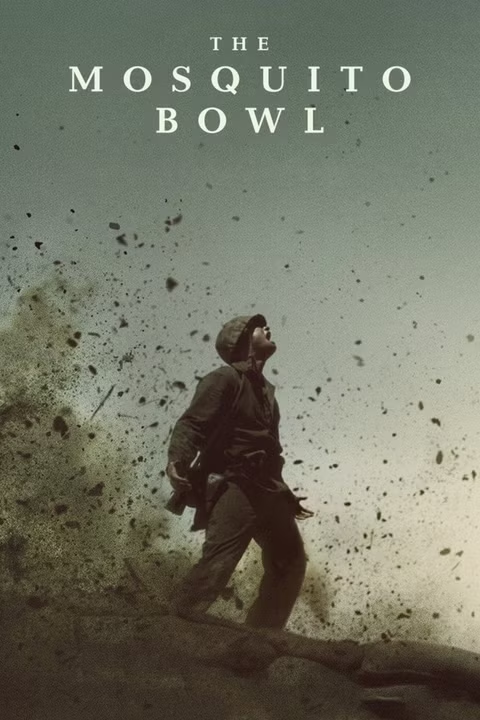
Netflix has an impressive roster of films being submitted for an Academy Award this year. The streamer, known for releasing movies on its platform, is giving some films a theatrical release to make them eligible for an Oscar. Netflix has gone around the world in its search for heavyweights that can compete with traditional studios or other streaming services. Additionally, the streaming service will now begin reporting box office performances for movies released in theaters. One of them is a war thriller that has secured a limited release beginning next month.
Set in the 1940s, the film follows four characters who enlist in Japan’s war with America. In the aftermath of the attack on Pearl Harbor, four famous American college football stars abandon their shining status in the sport and enlist in the Marines. “As they prepare for the brutal invasion of Okinawa, they’ll play in a legendary game featuring some of the greatest players in history — a game that, for many, will be the last they ever play,” the film’s description says.
That film is The Mosquito Bowl, Peter Berg‘s war epic coming to theaters on October 30 before streaming on Netflix on November 25. Berg co-wrote the film’s script with Mark L. Smith and enlisted some talented young actors in the lead roles. IT icon Bill Skarsgård continues to impress in all his roles, and in this one he plays one of the stars-turned-soldiers, Bob Bauman. He-Man star Nicholas Galitzine is also building his career in high-budget epics, and he plays John McLaughry. The quartet is completed by Tom Francis (You) as Dave Schreiner and Ray Nicholson (The Beauty) as Tony Butkovich.
Netflix has already released the film’s trailer, and it has serious All Quiet on the Western Front vibes. Unlike the German boys, these people have a bit of experience in confrontation. In many ways, a football game is like war. Someone always loses, and there is a price to pay. But nothing can prepare anyone for the realities of war. Bob, John, Dave, and Tony experience the devastating realities of combat, where there are no rules, injuries are fatal, and it ends when it ends. The trailer teases a unique take on war through sport with stunning visuals and emotional resonance.
The Mosquito Bowl hits theaters on October 30, then streams on Netflix on November 25. Stay tuned to Collider for more updates.

October 30, 2026


Brent Comer
George Murphy
Claudia Ware
Frances Langford
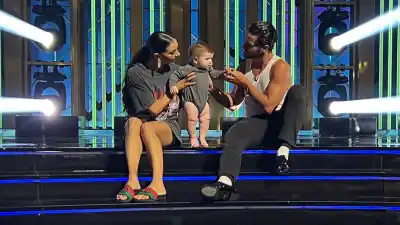
Jenna Johnson has learned firsthand how difficult it can be balancing motherhood with her Dancing With the Stars career.
“Been working some really long hours this week leading up to our exciting two-night premiere and my mama heart has been a little heartbroken having to be away from my sweet boy,” Johnson, 32, wrote via Instagram on Sunday, September 13, referring to her 3-year-old son, Rome. “Grateful he was able to come to set yesterday and see all the magic happening!”
She continued, “I think I needed it more than he did.”
The two-time DWTS champ shares Rome with her husband, Val Chmerkovskiy, who is also a pro dancer on the hit ballroom competition series. (Johnson has paired up with Glee alum Harry Shum Jr., while Chmerkovskiy, 40, is set to tango with Step Up actress Jenna Dewan for season 35.)
Johnson, Chmerkovskiy and their respective celebrity partners had camera-blocking rehearsal on Saturday, September 12. For Johnson, it was a reminder that moms truly can do it all — even when it requires navigating feelings of heartbreak.
“Working mamas, I see you! We got this,” she added in her social media upload. “And to my mamas on set … grateful for your beautiful examples! Love being able to navigate this together ✨.”
Fellow DWTS pros Daniella Karagach, Witney Carson and Sharna Burgess are also moms. Karagach, 33, and dancer husband Pasha Pashkov are parents of daughter Nikita, 3, while Burgess, 41, shares son Zane, 4, with fiancé Brian Austin Green. Carson, 32, is a mom of two with another on the way. (The pregnant choreographer and her husband, Carson McAllister, already share two sons.)

Witney Carson, Artem Chigvintsev and more Dancing With the Stars pros have little ones cheering them on. “He helps me on my choreo[graphy],” Carson told her Instagram followers of eldest son Leo ahead of the season 30 premiere after joking that the toddler was her 2021 partner. “Can’t express how special it is to have […]
“You guys are so inspiring!!!” pro Brandon Armstrong’s wife, Brylee Armstrong, replied in the comments section.
Karagach and Burgess will cha cha for the mirrorball with respective partners Ezra Frech and Tyler Cameron, while Carson joined forces with Guillermo Rodriguez.


“It’s honestly been OK,” Carson exclusively told Us earlier this month about working on DWTS amid her pregnancy. “I feel like I’ve had a lot more energy than I did in my first trimester. The nausea is starting to subside and I’m starting to have a little bit more energy.”
She continued, “I was telling Guillermo I feel exactly the same physically, I’m just more out of breath, but … I don’t feel like I’m pregnant at all, honestly. I feel like I can do all the same things, which is such a blessing. I know that it will start to get a little bit harder once I get a little bit bigger.”
Dancing With the Stars season 35 kicks off with a two-night premiere on ABC and Disney+ Tuesday, September 15, and Wednesday, September 16, at 8 p.m. ET.

If there’s one thing fantasy fans can’t seem to get enough of, it’s dragons. You know, large flying, fire-breathing lizards? They’ve been a staple of the fantasy genre for decades, if not centuries, as they stem from mythology. Many cultures all across the world feature some variation of dragons in their folklore, probably because they inspire such a sense of wonder and majesty.
Since fantasy books are genuinely pretty in line with mythology and folklore, a lot of them have featured these flying beasts over the years. Sometimes they are allies, other times they are villains. Sometimes they are intelligent and capable of speech, other times they are animalistic predators. Either way, these are the best fantasy books featuring dragons, all of which can be considered perfect.

Deltora Quest 3, or, as it’s known in North America, Dragons of Deltora, is a compilation of four smaller YA fantasy novels. It’s a whole series in one, basically. The book comes from Australian author Jennifer Rowe, under her pen name of Emily Rodda. Like the first two books, the story is about Lief, a young man who seeks to free the land of Deltora from the clutches of the evil Shadow Lord. The first series (which received an anime adaptation) follows Lief as he reassembles the gems of the magical Belt of Deltora, while the second is about rebuilding a magical flute called the Pirran Pipe.
In this third series, Lief, along with his usual companions, Barda and Jasmine, must travel to the four corners of Deltora to destroy evil spirits called the Four Sisters. However, these sisters can only be destroyed with dragon fire, which means they must reawaken the last remaining dragons, who have been locked away in an eternal slumber. While this is primarily a book for kids aged 8–12, adults can still find enjoyment in this easy read. The Deltora series has always been a stellar introduction to fantasy for young readers, with a surprising amount of lore and incredible world-building to boot.

Evan Winter‘s The Rage of Dragons is a really interesting read with an even more interesting setting. Instead of opting for a medieval European setting that a lot of high fantasy novels favor, his world is more analogous with Bronze Age Africa. For two centuries, the Omehi people have been locked in an eternal cycle of war and chaos. A very rare few are able to call dragons to aid them in the fight, though this power is exclusive only to women. In the midst of the chaos, a young swordsman sets out on a quest for revenge.
Author Rick Riordan gave the book his personal seal of approval, accompanied by a wordy, odeful review. Apart from the praise of one of YA fantasy’s most prominent figures, fans and critics alike have expressed their adoration for the book’s unique setting and story. It’s truly a spectacular read that doesn’t always get the attention it deserves, which is why any dragon-loving fantasy fan needs to pick it up as soon as possible.

The Sword of Destiny is one of the first short story collections published as part of The Witcher saga by Andrzej Sapkowski, which, as many know, has been adapted into a live-action Netflix series. This anthology of stories follows Geralt of Rivia, a professional monster hunter known as a Witcher who travels across a high fantasy world, seeking contracts from local villagers. Not all the stories contain dragons, but there is one towards the end of the collection that does.
More specifically, it’s about the glittering golden dragon named Villentretenmerth, who is a bit of a shaky ally at best. Most of the monsters in The Witcher are ripped straight from various mythologies and folklore across a variety of cultures, so it’s to be expected that dragons would show up at some point. As far as books in The Witcher series go, this one is one of the best ones because it’s easy to digest and even easier to get lost in.

Tress of the Emerald Sea is a stand-alone novel in Brandon Sanderson‘s shared literary universe known as the Cosmere. The basic premise of this universe is that each series or stand-alone story is set on its own planet, all of which are in the same galaxy. The story takes place on the backwater planet of Lumar, which is closely orbited by 12 moons. The moons continuously pump spores into Lumar’s atmosphere, which make up the oceans in lieu of water. When the spores come into contact with moisture, they produce a destructive effect, which varies depending on the color of the spore. The oceans can even be sailed on due to gas jets on the planet’s surface, which fluidize the spores.
On the remote Emerald Sea island called Diggen’s Point, a young girl named Tress has fallen in love with the mayor’s son, Charlie. However, when Charlie goes missing on an overseas trip, Tress becomes determined to save him. She eventually gets wound up with a pirate crew and comes face-to-face with the dragon Xisisrefliel. While the dragon’s appearance is only a small part of the story, he is a looming background presence throughout. It’s a heartwarming, easy to read, romantic fairytale inspired by The Princess Bride. It’s one of the most underrated entries in Sanderson’s extensive repertoire.

A Storm of Swords is the third book in the acclaimed, but unfinished A Song of Ice and Fire series by George R. R. Martin. This series famously became the cultural phenomenon that is Game of Thrones. While all the books are amazing in their own right, this third novel is considered one of the best. It’s also one of the longest, at roughly 1,000 pages. The story, as always, is about nine royal families who are feuding over the throne of Westeros while a primordial threat is silently gathering strength to the North, preparing to bring about the end of the world.
One of the major characters in this series is Daenerys Targaryen, from an exiled Westerosi house who had an affinity for dragons. After being gifted three dragon eggs during her wedding in the first book, she now possesses three young dragons that are just learning to breathe fire. While the dragons aren’t as large or mighty as they are in the later books, they are still a major part of the story. They might be small, but they are still a force to be reckoned with. In any event, this book is truly superb, and is among Martin’s finest work.

Dragonflight is the first novel in the critically-acclaimed The Dragonriders of Pern series, which went on for 50 whole years, seeing its most recent installment in 2018. Not all the books are written by original author Anne McCaffrey, since she passed away in 2011. This first book is actually a compound book, made up of two novellas smashed into one cohesive volume.
Believe it or not, the series follows dragon riders in the land of Pern. Humans have colonized a distant planet filled with dragons, but have lost their technological capabilities, reverting them back into the Middle Ages. On this new planet, they form a relationship with the dragons, using them to combat a rising darkness eroding organic matter. This series was so long-lived and acclaimed for a reason: it’s absolutely brilliant, adventurous, and it revolutionized the fantasy genre.

The Hobbit is the first book published by J. R. R. Tolkien, and the very first published work in his vast Middle-Earth legendarium. This includes The Lord of the Rings trilogy, as well as thousands of pages of extensive history and mythology. In this novel, a hobbit named Bilbo Baggins is unexpectedly swept up in a quest to slay the dragon Smaug and reclaim the kingdom of Erebor along with 13 dwarves and the wizard Gandalf. The book was famously adapted into a trilogy of films in the early 2010s.
Even if there’s only one dragon in the story, he’s still a commanding presence and certainly counts as the main antagonist. It’s pretty much a classic dragon story, too: Smaug hordes gold, lives in a mountain, breathes fire, loves flattery… the only thing he’s missing is a kidnapped princess and a knight in shining armor. This is considered one of the finest fantasy books ever written, as it sounds like a father telling a story to his children. Beyond that, it’s family-friendly, adventurous, and full of profound moral wisdom. It’s simply a must-read for any fan of fantasy.
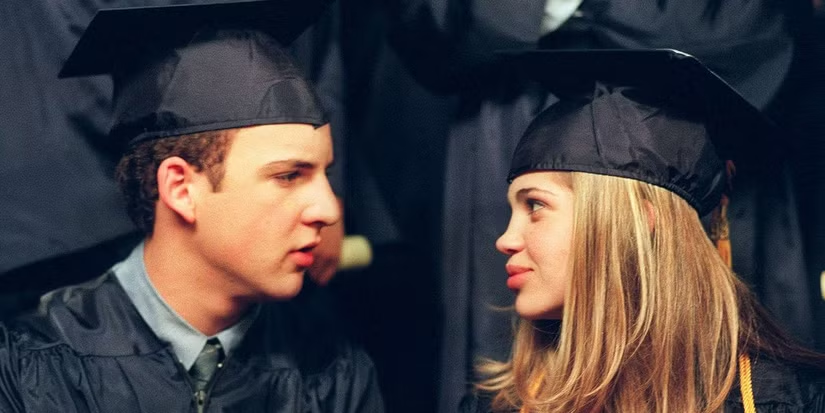
The nineties didn’t have streaming, so if you wanted to watch your favorite show, you had to actually be home at eight o’clock on a Thursday or you just missed it, no rewatching until reruns came around months later. That kind of pressure made a hit show feel like an actual event every single week.
These eight are the ones people still bring up unprompted, the shows you can recite half the dialogue from without trying. Some are just plain stupid fun, some snuck in more heart than you’d expect from a network sitcom, but every one of them can still get a room laughing if you put it on today. Let’s dig in.

This show basically grew up in real time with its own cast, Cory (Ben Savage) starts out as an awkward middle schooler and ends the series married to Topanga (Danielle Fishel) and about to graduate college, and you watched every year of that happen along with him. Feeny (William Daniels), his neighbor and then his teacher for basically his entire education, keeps showing up at every major turning point in Cory’s life without it ever feeling forced.
Shawn (Rider Strong) gets some pretty rough storylines for a kids’ show, an absent dad, real poverty, and the show never makes it an afterschool special about it either, it just lets him be a messed up kid trying his best. The finale ends on Feeny saying “class dismissed” one last time, and if you grew up watching this, that line still gets you a little.

Will Smith basically plays a version of himself getting sent to live with rich relatives in Bel-Air, and most episodes are just goofy fish-out-of-water comedy, Carlton’s (Alfonso Ribeiro) dance alone got referenced everywhere for decades after the show ended. Uncle Phil (James Avery) starts out as the stiff, wealthy uncle Will can’t stand, and slowly becomes the father figure Will actually needed the whole time.
Then every once in a while the show just drops a properly heavy episode on you out of nowhere, the one where Will’s actual dad shows up, promises to stay, and leaves again, and Will breaks down asking why his own father doesn’t want him. It’s one scene, and it’s still one of the best pieces of acting from a sitcom actor, period.

Frasier (Kelsey Grammer) is a snobby radio psychiatrist living with his blue-collar dad, Martin (John Mahoney), who has zero patience for Frasier’s opera tickets and expensive furniture, and that culture clash carries half the show’s jokes. Niles (David Hyde Pierce), Frasier’s equally snobby brother, spends something like seven years pining after Daphne (Jane Leeves), the physical therapist living in the house, without ever telling her.
Some episodes turn into full-on door-slamming farce, people hiding in closets, mistaken identities, everyone talking past each other, and the show times all of it like a stage play instead of a normal sitcom. It’s smarter than most comedies from that decade without ever feeling like it’s showing off.

Tim Taylor (Tim Allen) hosts a local TV show about tools and home repair, and manages to injure himself or blow something up on basically every single episode of it, which was apparently based on Tim Allen’s actual stand-up act before the show existed.
His neighbor Wilson (Earl Hindman) gives him advice over the fence every episode, and the show never once lets you see his full face, just his eyes over the top of the fence for the entire run. It’s a simple, dumb, comfortable TV, and there’s nothing wrong with that.

Mulder (David Duchovny) believes in aliens, Scully (Gillian Anderson) is the scientist assigned to prove him wrong, and the show takes almost nine years going back and forth between two totally different types of episodes, one week it’s a government alien conspiracy, the next week it’s just a creepy story about a guy who eats livers.
That mix is honestly what makes it fun to watch now, you can skip the really dense mythology episodes entirely and still get a great, self-contained horror story almost every week. Duchovny and Anderson’s chemistry keeps the show going even in the weaker seasons, and the whole thing basically predicted the entire modern conspiracy-thriller genre before it existed.

This show is famous for being about nothing, and that’s actually true, most episodes are just Jerry, George (Jason Alexander), Elaine (Julia Louis-Dreyfus), and Kramer (Michael Richards) getting annoyed about parking spots or soup or a marble rye. That turned into one of the most quoted shows ever made anyway.
Kramer bursting through Jerry’s apartment door is one of the most recognizable entrances in TV history, and the show’s structure, four separate storylines that all crash into each other by the end of the episode, got copied by basically every sitcom that came after it. The finale is still controversial to this day, but nothing about the ninety-nine episodes before it needed defending.

The nineties run of this show is what people actually mean when they say golden-era Simpsons, before the jokes got faster than the plots and the family started feeling more like caricatures of themselves. Homer accidentally becoming an astronaut, Bart selling his soul for five bucks, the show could go anywhere in a single episode and it worked almost every time.
Matt Groening built a show that could be a dumb cartoon for kids on Sunday night and also sneak in pretty sharp satire about American life for the adults watching with them. Decades later, it’s still the longest-running scripted show on American television, and the nineties seasons are the reason people still care.

Six friends hang out at the same coffee shop for ten years, and that’s still one of the most rewatched premises in TV history, decades after it ended. Rachel (Jennifer Aniston), Monica (Courteney Cox), Phoebe (Lisa Kudrow), Joey (Matt LeBlanc), Chandler (Matthew Perry), and Ross (David Schwimmer) all get roughly equal screen time, which is rare for a cast this big.
Rachel’s haircut alone got copied by half the country at the time, and Chandler’s specific way of making a joke out of every uncomfortable moment basically became its own style of humor people still do today without realizing where it came from. It’s comfort TV in the purest sense, you can put on literally any random episode and just relax into it.

1994 – 2004-00-00
Marta Kauffman
Kevin S. Bright, Gary Halvorson, Michael Lembeck, James Burrows, Gail Mancuso, Peter Bonerz, David Schwimmer, Robby Benson, Shelley Jensen, Terry Hughes, Dana De Vally Piazza, Alan Myerson, Pamela Fryman, Steve Zuckerman, Thomas Schlamme, Roger Christiansen, Sheldon Epps, Arlene Sanford, David Steinberg, Joe Regalbuto, Mary Kay Place, Paul Lazarus, Sam Simon, Todd Holland

One Day at a Time alum Mackenzie Phillips had a rocky relationship with one of her castmates on the 1970s sitcom.
“Richard Masur wasn’t very nice,” Phillips, 66, told former costar Valerie Bertinelli on the Monday, September 7, episode of her “Getting Naked” podcast.
Phillips and Bertinelli, 66, starred in One Day at a Time as the teenage daughters of Ann Romano-Royer (Bonnie Franklin), who must adapt to single motherhood following her divorce. Masur, 77, played David Kane, Ann’s divorce lawyer-turned-fiancé. He left the show after the characters’ season 1 split.
Despite not initially getting along with Masur, Phillips said she and her former costar later “made peace.”
“I saw him and he said, ‘I don’t even remember what it was. I don’t even remember what I said, but whatever I said, I’m really sorry. And I’ve always thought you were so incredibly talented and we were all so young,’” she recalled.
One Day at a Time, developed by legendary producer Norman Lear, aired for nine seasons on CBS from 1975 to 1984. The series spawned a 2017 remake developed by Gloria Calderon Kellett and Mike Royce. The Netflix show starred Justina Machado, Rita Moreno, Stephen Tobolowsky, Isabella Gomez, Marcel Ruiz and Todd Grinnell.
During Monday’s podcast episode, Bertinelli recalled her own fears about working with Lear, who wrote and produced other hit shows including All in the Family, Sanford and Son and The Jeffersons before his December 2023 death at age 101.
“I always was in awe of him and afraid of him a little bit, always afraid I was going to be reprimanded by Norman,” she said, adding that Lear was “so loving.”
“Both of us are incredibly lucky to have such a mentor, and someone who wasn’t what you think Hollywood is, because young girls in Hollywood are eaten up and [spit] out, and we were not, under Norman’s tutelage,” Bertinelli shared. “I felt very, very protected and I always was in awe of him and afraid of him a little bit.”
The Hot in Cleveland alum recalled Lear’s help during a particularly difficult moment when she struggled to make herself cry in the season 1 finale of One Day at a Time.
“He was the one that took me aside when I had to cry in the finale of the first season,” she shared. “And I couldn’t do it. I was too embarrassed because I wasn’t an actor. I was just learning how to do this. Now I can, but I’ve also have 50 years experience behind me.”
Sometimes, shows are canceled for the most absurd reasons and at the most heartbreaking times, leaving fans crusading for their renewal or stuck with unexplained cliffhangers. While some cancellations make sense, whether because of low viewership, high costs, or unexpected circumstances, one of the most jarring reasons a show was reportedly brought to the guillotine happened in 2010 with a live-action Cartoon Network series. With its mysterious boarding school, gifted young students, hidden rules, and an institution that clearly knows more than it lets on, Tower Prep had all the makings of a darker, more conspiratorial Harry Potter-style adventure.
Axed after just 13 episodes, the reasons stemming from viewership were disappointing, yet understandable. However, the show’s creator, Paul Dini, would later be interviewed on a podcast called “Fatman on Batman,” hosted by Kevin Smith, in which he provided another outrageous explanation for why the show was canceled, suggesting it wasn’t simply because it failed to connect with audiences but because it connected with the “wrong” one: young women.
The single season revolves around an elusive preparatory school that scouts specially gifted students and discreetly brings them into its fold, apparently with their parents’ permission. The catch is, no one is allowed to leave. Ian (Drew Van Acker) is at the center of the series, as he groggily wakes up at the school and tries to figure out what is going on. His “special gift” is called “pre-flex,” which allows him to sense actions or events mere seconds before they happen.
As the series continues, he creates a close-knit group of friends who are investigating the mysterious location and have special abilities, including an affinity for persuasion (Ryan Pinkston), an ability to replicate things like vocal mimicry (Dyana Liu), and an instinctive expertise in facial micro-expressions (Elise Gatien). Inching closer to the dark truth of the place, Tower Prep‘s first and final season ends on a jaw-dropping cliffhanger that we will likely never get closure for.

A year after Tower Prep‘s inconclusive Season 1 finale aired, Cartoon Network released the TV schedule for renewed seasons, and Tower Prep was unfortunately not on this list. Dini explained the cancellation in a post on his blog via LiveJournal, where he attributed it to Cartoon Network’s shift away from live-action shows to animated ones. “Their biggest hits now are animated comedy shows,” he said. “And they most likely will continue to concentrate on producing them for the near future.” In the comment section, he further explained that five months before the live-action show even debuted, “they decided they wanted to be a cartoon exclusive network after all. The decision was made then and there to kill live drama.” It doesn’t seem like Tower Prep had much of a chance anyway.
On top of this, Dini also cited the series’ initial reception as a reason for its cancellation. “It cost a lot of money to produce and did not immediately deliver the big ratings smash they wanted; they yanked it.” However, he further argued: “Ironically, now that fans all over the world have seen Tower, and many more have watched via download, the ratings for first-run broadcast would arguably be much better, but CN remains resolute in their decision not to order new episodes.” So, even though Tower Prep grew a dedicated fanbase, it wasn’t built quickly enough for the network to justify its renewal.
There was a subsequent fight for the show’s survival. In the blog post, Dini recommended sending handwritten letters to the network to convince executives of the show’s popularity, and on X, he even provided links to online petitions. But it was going to be an uphill battle, as Dini described Cartoon Network as a company that was “not known for paying much attention to fan protests,” which is ultimately what happened. The story of Tower Prep was lost in network limbo, but this wouldn’t be the last time we heard of it. Dini was invited to a podcast in 2013, where he alleged another reason Tower Prep was canceled — one that could be considered among the most outrageous in TV history.


On the podcast, Dini’s comments about why Tower Prep was canceled are jarring to say the least, claiming that it was the show’s predominantly female viewership that caused it to be quietly benched after 13 episodes. He said he had heard executives at the network explicitly say, “We do not want girls watching this show.” And why? “They. Do. Not. Buy. Toys. The girls buy different toys.” It sounds so ridiculous, you can hardly believe someone would say this. While there hasn’t been much research that specifically ventures into who buys more toys, generally, children tend to gravitate towards gendered toys aligning with their own, though many papers have questioned the role of social conditioning in this. Either way, as Dini and Smith go on to discuss, just do your research and make different toys or products.
Dini expanded on his experience working on the show. “‘We need boys, but we need girls right there, right one step behind the boys’ — this is the network talking — ‘one step behind the boys, not as smart as the boys, not as interesting as the boys, but right there.’” However, Dini recounted that during pre-production, the female characters, namely CJ and Suki, ended up with nuanced backstories and characterizations that drew female viewers in, becoming an integral part of their audience. Dini described the network’s response to this as: “We’ve got too many girls. We need more boys… Boys, boys, boys. Boys buy the little spinny tops; they buy the action figures. Girls buy princesses. We’re not selling princesses.”
Cartoon Network’s boy-centric brand allegedly became the downfall of Tower Prep, where female viewership and connection weren’t celebrated but treated as a problem. Between all the reasons that have been publicized for Tower Prep‘s cancellation, it seems the show was always on shaky ground, never really finding firm footing to thrive as it should have.
In his blog, Dini also noted that Cartoon Network refused to sell the rights to the show. More than 15 years after its premiere, a revival now appears increasingly unlikely; Dini himself has continued to temper expectations about the series ever returning. But with the downfall of Tower Prep also came one of the most infuriating reasons to cancel a show: its audience may have loved it, but according to its creator, too many of those viewers simply weren’t the ones the network wanted. With HBO’s new Harry Potter series arriving this Christmas, Tower Prep feels especially ripe for rediscovery.
Tower Prep is currently available to purchase digitally through the Apple TV Store.

2010 – 2010-00-00
Cartoon Network
Drew Van Acker
Ian Archer
Ryan Pinkston
Gabe Forrest



Memory prices are slowing because buyers ran out of money


The Latest Weird Thing to Play Doom Is the Mapped-Out Brain of a Fruit Fly


Micron Stock Climbs Above $1,031 as AI Memory Crunch and a $50 Billion Outlook Fuel the Rally


AMD Stock Climbs After Management Lifts 2027 Data Center Outlook Toward $70 Billion in AI Sales


Bitcoin price risks $76K drop as $78K support weakens


Weekend Open Thread – Corporette.com


Robinhood Stock: How To Take Advantage With Reduced Risk


XAG/USD: Silver’s Short-Term Rally Meets Its Moment of Truth


2 Chip Stocks Broke Out This Week. Neither Was Nvidia


Ethereum price stalls below $2,500 as ADX drops to 11


England up in reading, maths and science rankings as Scotland and Wales dip


OKX launches 10x OpenAI, Anthropic X-Perps in Europe


10 Most-Streamed Songs On Spotify In 2026 So Far, Led By Ella Langley’s Dominant Run On The Charts This Year


Battery life is the only iPhone 18 Pro and iPhone Duo upgrade I care about. Apple didn’t disappoint


Diesel Tops $6 a Gallon for the First Time as 28 States Set Records


Intel Stock Jumps 9% on Chip Price Hike Report, US Stake Gains $36 Billion


Apple Watch Ultra 4 vs Watch Ultra 3: Should you really spend another $799?


Bitcoin price risks $70K if $78K neckline breaks


What went right this week: an ‘historic’ fall in violent crime, plus more


Pump Fun and Kraken delete Hunter Biden $LAPTOP promotion



You must be logged in to post a comment Login