

Connect with us

NewsBeat

Tesco launches new service nationwide after initial trial

Published

on

Tesco launches new service nationwide after initial trial

The supermarket is now available as an option on Deliveroo across the UK, with items available to be delivered in as little as 20 minutes.

The nationwide rollout across 75 UK towns and cities follows a successful trial across 147 Tesco stores.

The first order, placed through Tesco’s Limbury Mead Express, included last-minute breakfast and lunchbox essentials such as bread, spreads and fruit.

Tesco has expanded its delivery options to include Deliveroo alongside its own Whoosh service (Image: PA)

Ishna Berry, rapid delivery director at Tesco, said: “Customers are looking for more flexibility than ever in how they shop with Tesco.

Advertisement

“Launching nationwide on Deliveroo gives millions more people another convenient way to shop Tesco, bringing our great quality, value and range to even more customers, alongside the added benefits of Clubcard Prices and earning Clubcard points.

“Whether it’s a forgotten ingredient, a last-minute family meal or a quick top-up shop, customers now have even more ways to get products delivered when and where they need them.”

The service is available in cities including Birmingham, Bristol, Edinburgh, Glasgow, Leeds, Leicester, London, Manchester, Sheffield, Bournemouth, Cardiff and Belfast.

Rob Harris, chief revenue officer at Deliveroo, said: “Since our trial launched, it’s been clear just how much customers value having Tesco on Deliveroo, so we’re delighted to now be taking that nationwide.

Advertisement

“This means millions more customers can get Tesco’s range, quality and value delivered in as little as 20 minutes, with Clubcard Prices and points along the way.”

Tesco announces plan to introduce digital displays in its supermarkets

Back in July, Tesco announced plans to introduce digital displays in place of traditional paper tags.

The rollout began in four locations—one Tesco Express and three larger supermarkets.

Tesco will be rolling out electronic shelf labels to around 3,000 stores nationwide over the next two years (Image: PA)

The scheme will eventually expand to around 3,000 stores nationwide over the next two years.

Advertisement

The electronic shelf labels (ESLs) will display prices digitally and can be updated instantly from Tesco’s central systems, ensuring that prices on the shelves always match those at the checkout.


Recommended reading:


Kevin Tindall, Tesco’s UK operations managing director, said the technology would help modernise stores while allowing colleagues to spend more time assisting customers.

Tesco has partnered with Chinese technology company Hanshow for the rollout, following successful trials at its Royston and St Neots stores.

Advertisement

Hanshow described the rollout as “a new milestone in digital store transformation.”

Have you ordered from supermarkets on a delivery service app before? Let us know in the comments.

Source link

Advertisement
Continue Reading
Click to comment

You must be logged in to post a comment Login

Leave a Reply

NewsBeat

Fraudster Elizabeth Holmes set to swap prison for halfway house as victims of her scam are put on notice amid documentary buzz

Published

on

Elizabeth Holmes is set to transfer to a Texas halfway house next August. She is pictured here during her regular morning and evening workouts at FPC Bryan in Texas where she is now

Disgraced Theranos founder Elizabeth Holmes is moving closer to freedom just as an explosive new documentary thrusts her extraordinary downfall back into the spotlight.

The convicted fraudster, whose husband admits in the film that he once wondered whether she might be ‘scamming’ him, is set to leave federal prison next August and move into a Texas halfway house.

The bombshell development comes weeks before the release of You Can See Everything, which offers an intimate look at Holmes’ final days at home before she surrendered to serve her 11-year sentence.

Holmes, 42, has reportedly been approved for transfer from the minimum-security federal prison where she has been locked up since May 2023 to a community correction center near Austin.

Advertisement

She is scheduled to move to the Austin Transitional Center in Del Valle on August 23, 2027, according to an update from the Department of Justice’s Victim Notification System obtained by ABC News.

The move would mark a dramatic change in circumstances for the former Silicon Valley superstar, who was once hailed as a visionary entrepreneur before her blood-testing empire spectacularly collapsed.

Instead of remaining at Federal Prison Camp Bryan, Holmes would serve the final stretch of her sentence in a supervised facility designed to help federal inmates transition back into everyday life.

The Austin Transitional Center is a privately operated, 460-bed community corrections facility about seven miles southeast of downtown Austin.

Advertisement

Elizabeth Holmes is set to transfer to a Texas halfway house next August. She is pictured here during her regular morning and evening workouts at FPC Bryan in Texas where she is now

Holmes has been behind bars at the Federal Prison Camp Bryan since May 2023

Holmes has been behind bars at the Federal Prison Camp Bryan since May 2023

The Austin Transitional Center is a privately run, 460-bed community corrections facility about seven miles southeast of downtown Austin

The Austin Transitional Center is a privately run, 460-bed community corrections facility about seven miles southeast of downtown Austin

Advertisement

ABC News reported that Holmes is expected to live in Austin following her eventual release and will be supervised by the United States Probation Office.

The Federal Bureau of Prisons would not confirm Holmes’ reported transfer, stating that it ‘does not discuss the conditions of confinement for any individual, including release plans.’

‘Additionally, per BOP policy, specific designation information cannot be released until after an individual arrives at their designated institution,’ a spokesperson said in a statement.

Holmes is currently serving her sentence at Federal Prison Camp Bryan in Texas, the minimum-security women’s facility where convicted sex trafficker Ghislaine Maxwell is also incarcerated.

Advertisement

Holmes was convicted in 2022 on four counts of fraud and conspiracy connected to Theranos investors.

She was also ordered to pay hundreds of millions of dollars in restitution alongside former Theranos executive and ex-boyfriend Ramesh ‘Sunny’ Balwani.

Her sentence has since been shortened, including after a federal judge reduced it by 12 months in March following changes to federal sentencing guidelines affecting certain first-time, non-violent offenders.

Holmes has also sought an early release from prison, including asking President Donald Trump for clemency.

Advertisement

Her latest step toward life outside prison comes as Holmes is suddenly back in the public eye thanks to You Can See Everything, a documentary scheduled for release on October 16.

Holmes' husband Billy Evans, right, admits he once feared she could be 'scamming' him

Holmes’ husband Billy Evans, right, admits he once feared she could be ‘scamming’ him 

Nathan Fielder spent 34 days with Elizabeth Holmes and her husband Billy Evans who has stood by her throughout her fraud conviction and upcoming incarceration

Nathan Fielder spent 34 days with Elizabeth Holmes and her husband Billy Evans who has stood by her throughout her fraud conviction and upcoming incarceration

In the film, Holmes’ husband admits he was worried that his fraudster wife could be scamming him.

Advertisement

Director Nathan Fielder moved in with Holmes and followed her with a film crew for 34 days while she prepared to serve her 11-year prison sentence.

In 2022, Holmes pled guilty to four counts of fraud after it was discovered that her biotech company, Theranos, was misleading its investors about its technology. 

Theranos claimed it could conduct hundreds of blood tests using only a single drop of blood obtained through a finger prick, causing the company’s value to skyrocket to $9 billion, but a series of Wall Street Journal articles exposed the fraud. 

A trailer for the highly-anticipated You Can See Everything features several dramatized glimpses into the private home life of the convicted fraudster and her husband Billy Evans, heir to the billion-dollar Evans Hotel Group.

Advertisement

Holmes and Evans met in 2017, two years after The Wall Street Journal published their expose. The couple has since welcomed two children, a son and a daughter, in the last five years. 

Holmes’s husband believes he fell in love with her before he learned she was behind the Theranos fraud, he revealed in a conversation with Fielder. 

‘I fell in love in that first conversation,’ he stated.

Elizabeth Holmes, the founder and former CEO of the disgraced biotech company Theranos, 42, welcomed a film crew into her home 34 days before she was sent to prison

Advertisement
Holmes is currently being held at a minimum security prison in Bryan, Texas, while Evans is in San Diego with their two children

Holmes is currently being held at a minimum security prison in Bryan, Texas, while Evans is in San Diego with their two children

When Fielder asked him if he was ever suspicious that his wife was after his family’s fortune, Evans furrowed his brow in confusion. 

‘100%, but what was she going to gain from me?’ he said. 

‘Isn’t your family rich…?’ Fielder responded. 

Advertisement

Evans deflected with a generalization: ‘There’s a lot of different levels of wealth,’ he said before the video cuts off. 

Evans assured Fielder that he has never been suspicious of Holmes lying to him in a one-on-one conversation shown in the trailer.  

The trailer features silent footage of the couple jogging along a foggy beach together, holding hands in their kitchen, and holding one of their two young children while sitting on the rainbow-colored floor of a playroom inside their beachfront home in San Diego, California. 

The aforementioned shot was instinctively filmed through the bars of a crib, which cast a blurry grid over Holmes, foreshadowing what’s to come as she prepares for her incarceration. 

Advertisement

‘I still have this weird feeling that there are some things I’m not seeing,’ Fielder says to Holmes, his face directly confronting hers as the trailer comes to its dramatic climax. 

‘I don’t have anything to hide,’ Holmes said, staring deeply into Fielder’s eyes, inches away from his looming gaze. 

Source link

Advertisement
Continue Reading

NewsBeat

Look up tonight as the Moon grows brighter ahead of Harvest Moon

Published

on

Look up tonight as the Moon grows brighter ahead of Harvest Moon

Skywatchers looking up after sunset may have noticed the Moon appearing larger and brighter in recent nights.

The phase gets its name from the increasing amount of the Moon’s surface lit up by the Sun. During this stage, the bright section continues to grow until the Moon reaches its fully illuminated state.

It acts as a countdown to the full moon, with the lunar surface becoming increasingly bright night after night. The Harvest Moon, also known as the Corn Moon, is set to peak on Saturday, September 26.

Advertisement

The names reflect the important role the lunar event once played during the harvest season

Astronomy enthusiasts say the waxing gibbous period is one of the best times to observe details on the Moon’s surface through binoculars or a telescope, thanks to the contrast created by sunlight striking its craters and mountains.

And the stunning phenomenon is certainly catching the eye of locals, with Bolton Camera Clubs taking some stunning shots of it, including Clare Halsall who commented: “It’s stunning out there right now.”

Advertisement

Source link

Continue Reading

NewsBeat

Your legal rights if you are caught by a hidden police speed camera

Published

on

Wales Online

Can you contest or appeal a speeding fine if the camera or van was not visible? This is what the guidelines, laws and experts say.

Ben Shephard ‘respect for speed cameras’ after doing a speed awareness course

Receiving a fine (officially known as a fixed penalty notice (FPN)) for speeding is never a nice experience. It may be even more frustrating when you didn’t realise you were doing it or didn’t realised you’d passed a speed camera. As such, many people might immediately begin thinking about how they can contest or appeal the fine and get it overturned.

One reason people believe they may be able to get speeding fines overturned is because the speed camera was hidden, or that there were no signs warning drivers it was there. In fact, one company director, who also claimed to be a former barrister, took to a legal forum to say exactly that. Claiming to have been pictured doing 61mph in a 50mph area of a dual carriageway, they wrote: “In my opinion this camera was hidden as it was under the bridge in the shadows. I only saw the van as I passed by. I believe there are Department of Transport guidelines that all speed cameras have to be clearly visible.”

This is everything you need to know about your legal rights if you are caught by a hidden speed camera.

Advertisement

What does the law say about speed cameras?

The Road Traffic Act 1991, Road Traffic Offenders Act 1988 and the Highways Act 1980, taken together, allow evidence collected on camera to be used in proceedings for a speeding offence. They in fact allow for evidence generated by speed and traffic light cameras to serve as the sole evidence against an offender and the resulting issuing of a fixed penalty.

What is the penalty for speeding?

The minimum penalty for speeding is a £100 fine and three penalty points added to your licence. There are three categories of speeding based on seriousness and this also affects the amount you may be asked to pay and the number of points you may get. You may be able to avoid the points and opt for a speed awareness course if it is offered to you but your eligibility for the course depends on which police force is dealing with your offence. You could be disqualified from driving if you build up 12 or more penalty points within a period of three years. Unlike with some parking fines, a speeding fine does not give you the option of paying a smaller amount if you pay the fine quickly.

Do speed cameras have to be visible?

You may think that if speed cameras are not visible, or there were no signs warning you were about to pass a camera, you might be able to appeal the fine. But you’d be wrong. However, it’s not surprising there’s confusion around the issue because government guidelines do in fact refer to the visibility of speed cameras.

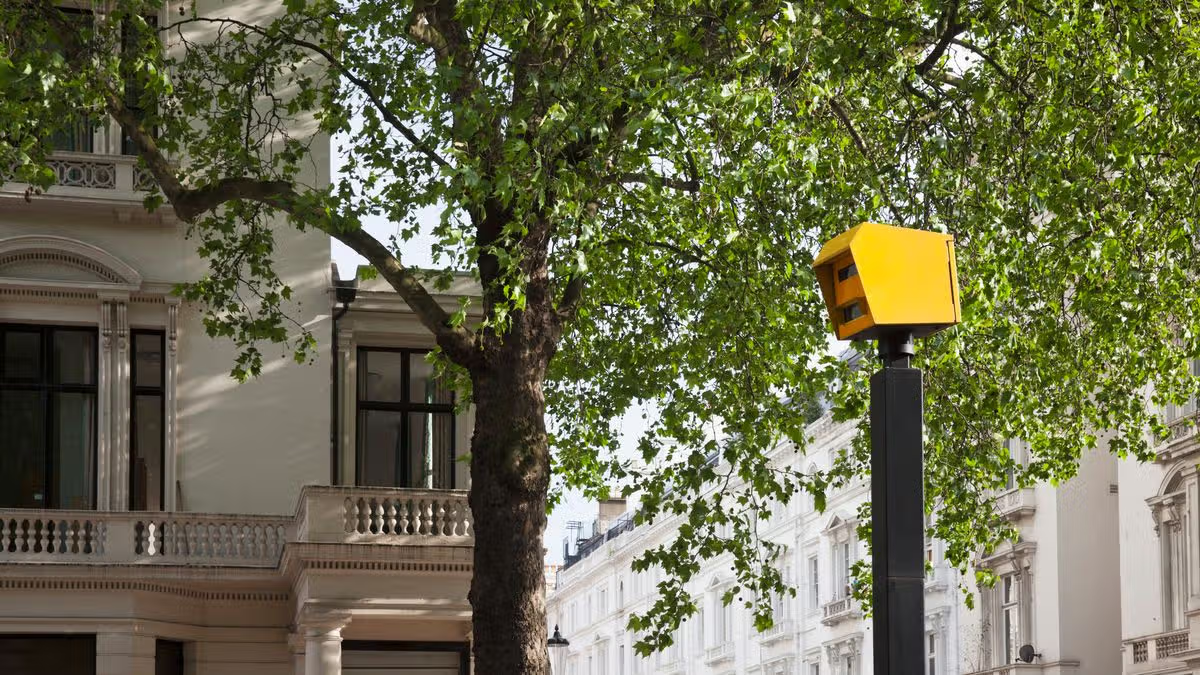
They say speed cameras (including those in vehicles) “should be clearly visible from the driver’s viewpoint”. They also say signs warning of speed cameras should be visible.

Advertisement

Department for Transport guidance issued in 2007 says “fixed speed camera housings… should be coloured yellow” and that vehicles housing cameras “should be liveried and clearly identifiable as an enforcement vehicle”. It even says: “On every occasion before commencing enforcement at camera site, the enforcement officer should check that the conspicuity guidance is met.”

However, the crucial thing to be aware of here is that these are just guidelines and are not legally enforceable requirements. Indeed, in 2015 Humberside Police disguised speed cameras in tractors and other farm vehicles to catch motorcyclists and drivers travelling “at very high speed” on rural roads in East Yorkshire. While the plan attracted criticism, the National Police Chiefs Council said: “While speed enforcement will usually be conducted overtly to add to the deterrent effect, sometimes less overt tactics will be required to address specific problem which are causing casualties.”

Can I appeal a speeding fine?

You can appeal a speeding fine but your grounds for succeeding are very narrow and a hidden sign is not among them — “prosecutors have heard every excuse under the sun for speeding,” says the RAC. Possible grounds you have for disputing a speeding fine are:

  • a technicality: there are missing or incorrect details provided on the Notice of Intended Prosecution (NIP), or there were incorrect, absent or obscured road signs
  • you weren’t driving the vehicle (but, crucially, you know who was and can identify them)
  • you weren’t speeding (and you can prove it)
  • mistaken vehicle identity: it was not you driving or your vehicle involved
  • camera was faulty: all enforcement cameras are calibrated in accordance with manufacturers and Home Office guidelines. and you would have a legal defence against a speeding penalty if you could prove the equipment was faulty. Drivers can request the calibration certificate for the specific camera or radar gun used.

You can appeal the fine by filling out the correct section on the NIP within 28 days but if the police do not accept your appeal you will have to go to court to contest the conviction and if this happens things may still not go your away and you could end up with an even bigger fine.

Source link

Advertisement
Continue Reading

NewsBeat

Up to 700 Asda stores across the UK set for a major change

Published

on

Asda reassures shoppers after rumour of service being cut

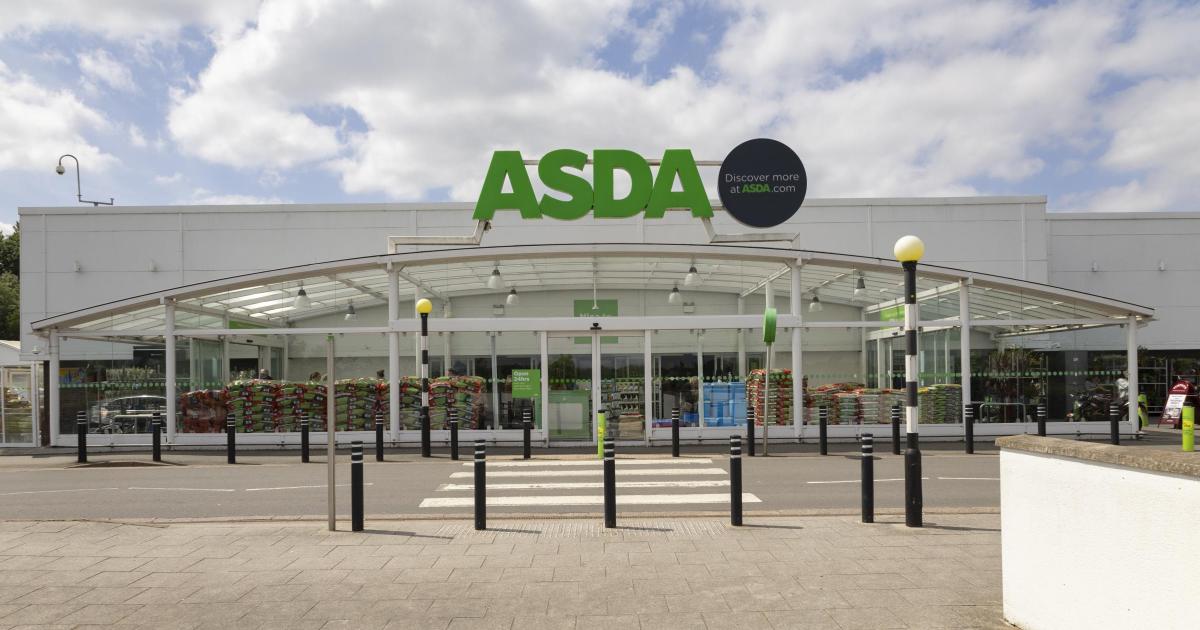
The popular supermarket chain has announced a partnership with InPost, the UK’s leading parcel locker provider.

This means up to 700 Asda stores will have an InPost locker installed across the UK.

InPost Lockers brought to up to 700 Asda stores

Millions of Asda customers will now have a convenient way to send, collect, and return parcels while shopping.

The partnership is part of Asda’s continued investment into bringing services to customers that will make their lives easier and improve the convenience of shopping in-store.

Advertisement

The InPost lockers will be placed at a range of Asda’s stores including superstores, supermarkets, and Express stores and will provide customers the chance to collect and return parcels at a time that is best for them.

Asda wants to work on the growing demand for out-of-home delivery solutions, as customers are looking for more flexibility and control over when and where they send and get parcels delivered.

Joseph Sutton, Director – Express, Fuel & Wholesale, said, “Our unmatched mix of services is a key part of what sets Asda apart, and we know customers increasingly value the convenience of being able to tick off multiple tasks in a single trip.

“We’re delighted to be partnering with InPost to bring parcel lockers to up to 700 locations nationwide.

Advertisement

“This rollout gives customers a fast and flexible way to collect and return parcels, seamlessly fitting around their weekly shop and making everyday life a little easier.”

InPost currently already has more than 16,000 lockers across the UK to match the shift towards out-of-home delivery.

Paul Selvey, Network Director at InPost UK, commented, “This is a major milestone for InPost in the UK.

“Partnerships with household-name retailers like Asda are central to our ambition to make out-of-home delivery as easy and accessible as possible for consumers across the country.

Advertisement

“Asda’s scale and nationwide footprint give us a significant opportunity to bring InPost Lockers closer to millions more people.

“Partnerships like this are helping change the way people think about parcel delivery and making lockers an increasingly established part of the UK delivery landscape.”

Do you think InPost Lockers are more convenient than home delivery services? Let us know in the comments.

Advertisement

Source link

Continue Reading

NewsBeat

AI is finding chart success in Christian, gospel and country music

Published

on

AI is finding chart success in Christian, gospel and country music

In the wake of the US Screen Actors Guild strike over AI protections and UK musicians’ silent album to protest proposed changes to copyright law, more than a dozen AI-produced tracks have emerged on the Billboard charts since 2022.

While AI music has gone viral across social media platforms like TikTok through novelty covers that use AI to change songs from one genre to another, achieving chart presence introduces a level of industry and cultural legitimacy that aligns with longstanding markers of music industry success.

What’s surprising, though, is where these tracks are succeeding. My research into YouTube discussions of AI music, explored in a chapter of a new book called Media Imaginaries, found a recurring view that AI was seen as acceptable in “generic” Top 40 pop because this music was already perceived as formulaic and lacking in human creativity. Yet Christian, gospel and country music are where AI-generated tracks have achieved some of their greatest chart successes.


Advertisement

This article is part of our State of the Arts series. These articles tackle the challenges of the arts and heritage industry – and celebrate the wins, too.


These songs are not created through AI technologies as tools in the collaborative production process; they are generated through text-to-music platforms such as Suno and Udio, where users input prompts to output complete musical tracks, including vocals and lyrics. Besides Xania Monet – currently the most successful AI gospel and R&B artist – the people behind these prompts often remain purposely unknown, with avatars taking on the role of creator.

AI creation Xania Monet sings a ballad about the absence of fatherly love.

How storytelling music succeeds

The success of these AI artists is closely connected to what these genres ask music to do. Christian, gospel and country music often tell stories that connect listeners’ everyday experiences to shared beliefs and values, through expressions of faith, accounts of struggle, or ideas of family, community and belonging.

The charting AI artists reproduce these familiar conventions. AI Christian artist Solomon Ray, for example, presents songs centred around worship, interpretations of the Bible and Christian theology. His persona is constructed around a familiar form of Christian masculinity that demonstrates vulnerability through yielding to a Godly presence.

Advertisement

Similarly, AI country artists appearing in the charts draw on recognisable forms of rural masculinity, positioning a “lone wolf” ruggedness in natural and farmland environments, as seen in Walk My Walk by Breaking Rust.

The human brains behind Xania Monet is Telisha “Nikki” Jones, who writes the lyrics and uses generative tools to create the singer’s voice and appearance.

Jones describes Monet as “an extension of me”: the experiences expressed in the lyrics are her own, even though the performer is an AI creation. Monet’s image is aligned with industry expectations of beauty, showing how AI can be used to present personal stories through an idealised celebrity persona.

These AI performers are not disrupting the conventions of their genres, which may be why audiences have been more willing to accept them. While much criticism of AI music focuses on the loss of human creativity, these genres have always placed significant emphasis on the message a song communicates and the community it creates.

Advertisement
Find Your Rest by Solomon Ray.

It’s the message, not the medium

For much of popular music history, the singer has been central to how audiences understand and relate to songs. Lyrics take on meaning as listeners connect them to the perceived experiences of the person performing them. This helps explain why celebrity culture is so central to contemporary music: fans follow artists’ lives and develop a strong sense of personal connection, even without knowing them. Taylor Swift’s Swifties and the South Korean pop group BTS’s fans, known as Army, are prominent examples.

These new AI artists disrupt this relationship between embodiment and authorship. Their identities exist primarily to deliver the music rather than to become celebrities in their own right. Virtual personas provide a visual identity, but the emotional connection comes from the song itself and the values and familiarity it represents.

Without the messiness of human experience, these AI artists are less vulnerable to the controversies that affect human celebrities. They meet audience expectations and present a consistent version of the worldview they have been designed to represent.

Currently, this is can be seen in music that offers traditional constructions of gender alongside particular cultural and religious values, such as Breaking Rust’s rugged cowboy masculinity and Solomon Ray’s Christian messages of devotion.

Advertisement

AI-generated artists are finding success in genres where affirming listeners’ beliefs may matter more than who made the music or whether it offers something new. These first successful AI artists are not necessarily replacing the celebrity musician, but they are potentially changing the ideological role that musicians play.

Walk My Walk by Breaking Rust.

In my current research exploring YouTube comments on charting AI artist videos, I am finding that many listeners continue to describe AI-generated songs as emotionally meaningful even after discovering they are not human-made. What matters is not who made the music, but what it offers the listener for their own emotional wellbeing and enjoyment. Ultimately, does it matter if music is produced by AI if someone has an emotional connection to it?

This does not make concerns around copyright or the environmental costs of generative AI any less important. The early success of AI-generated artists suggests that acceptance depends partly on what audiences want from music in the first place. Where listeners value a song because it reflects shared beliefs, provides emotional reassurance, or reinforces ideology, the identity of the creator becomes less important than the message.

If audiences increasingly care less about who wrote a song than whether it expresses the values they want affirmed, then AI may be changing what we think musicians are for. These personas can deliver a consistent message without a personal life that might contradict or jeopardise it.

Advertisement

But the absence of a human performer does not mean the absence of human choices. Someone still decides which stories are told, what the artist looks like, and whose values they represent. The question then not only becomes whether AI music can move us, but who gets to shape the beliefs and identities it invites us to share.

Source link

Advertisement
Continue Reading

NewsBeat

York live music venue conversion plans refusal upheld

Published

on

York live music venue conversion plans refusal upheld

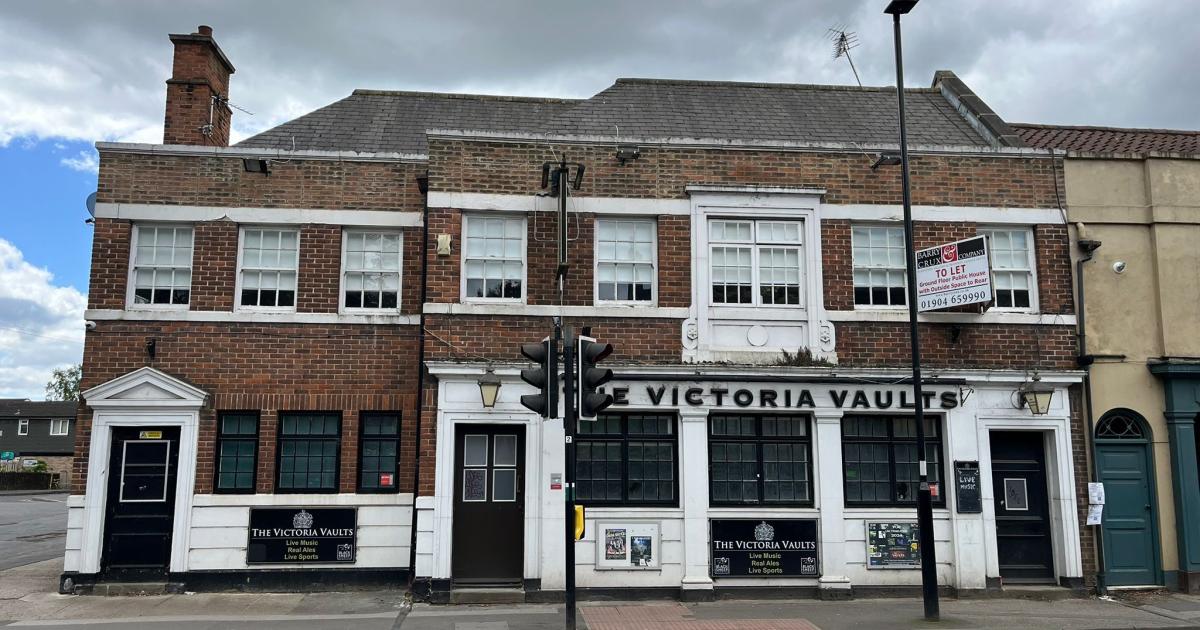
The Planning Inspectorate has upheld City of York Council’s decision to block plans to convert Victoria Vaults, in Nunnery Lane, into a café.

Cllr Pete Kilbane, the council’s Labour culture spokesperson, said the ruling was great news not only for Victoria Vaults but for all live music venues in York.

But Nabeel Hanif, the developer behind the plans, said the ruling keep the building empty not bring it back into use.

The ruling comes after a planning inspector heard the developer’s appeal on Tuesday, August 25.

Advertisement

RECOMMENDED READING:


Mr Hanif said his plans to convert the venue, which closed in December 2024, into a café would keep it open for public use.

The developer claimed the decision was inconsistent with others made on similar plans and he also took issue with Cllr Kilbane’s objections.

He also appealed over the council not deciding on a separate but related application to convert the Nunnery Lane venue into three homes.

Advertisement

But the inspector upheld the council’s decision to block the café plans, ruling the conversion would see an important cultural facility and cultural venue lost without justification.

They added the decision was in line with the council’s policies and any benefits that the conversion would bring did not outweigh the loss of the venue.

City of York Council’s refusal of plans to convert Victoria Vaults into a café was upheld following an appeal (Image: LDRS)

Victoria Vaults hosted Bez from The Happy Mondays, Blondie drummer Clem Burke, goth discos, poetry readings and several other rock, pop and reggae acts prior to closing in December 2024.

Planning documents stated it closed after losing considerable sums of money and a £25,000-a-year lease is currently being marketed by Barry Crux.

Advertisement

It was granted Asset for Community Value (ACV) status in August.

ACV status gives eligible groups the chance to come forward with bids to buy it if its owner decides to sell it.

Nick Love, of York CAMRA, told August’s council hearing there was an overwhelming case to list Victoria Vaults as an ACV due to it furthering social wellbeing and cultural interests.

But Mr Hanif said the venue had been de-listed as an ACV in November 2025 and no offers to buy the building had been made before he purchased it.

Advertisement

Cllr Katie Lomas, the council’s Labour finance spokesperson who approved the ACV bid, said interest shown in taking the venue on showed there was a realistic prospect of it being brought back into use.

Speaking following the appeal ruling, Cllr Kilbane said it confirmed the protections given to cultural and community spaces under the council’s Local Plan.

The councillor, of Micklegate ward which is home to the venue, said: “This ruling is great news not just for the future of the Victoria Vaults but for all music venues in York.

“Given this confidence it is a great time to invest in our local venues, and we look forward to the Victoria Vaults moving on from its current sorry state and once again playing a key role in York’s music scene.”

Advertisement

Developer Mr Hanif said the ruling was not the decision he wanted.

The developer said: “The Victoria Vaults closed in December 2024 after more than £100,000 of public grants failed to keep it open.

“In the 21 months since, nobody has put a viable, funded proposal on the table to run it as a pub, and the council’s own officers recorded in May that no viable interest had emerged.

“Refusing every alternative use put forward does not bring the building back to life, it keeps it empty.”

Advertisement

Source link

Continue Reading

NewsBeat

Pork chops are juicy and crisp every time if 1 easy step is done before cooking

Published

on

Wales Online

Pork can be a tricky meat to cook, but one chef has shared a simple pre-cooking step to ensure you get juicy pork chops with perfectly crispy skin every time

Pork can be absolutely delicious when prepared properly, but getting the meat just right without it becoming overdone, parched or tough can be challenging. It’s the type of meat where one misstep can spoil the entire dish.

Advertisement

To help home cooks prepare the best pork chop imaginable, with succulent meat and crackling skin, one chef has shared the additional step that everyone ought to incorporate into their cooking method – and it couldn’t be simpler. Chef Charles Kim, better known as Chef Fatty on TikTok, shared his advice on how to prepare outstanding pork, reports the Express.

In a video posted in July, Chef Fatty revealed: “Did you know the perfect pork chop is actually pink in the middle?”

He clarified that many people make a mistake when preparing pork, noting that the goal of achieving white meat is actually incorrect. White meat indicates that the pork has been overcooked and becomes “rubbery and dry”.

The chef added, “Just like steak, pork is safe at 145°F (62°C). Go any higher, and it turns chewy.”

So how can you achieve the ideal cook on a pork chop while ensuring the skin stays crispy?

All of this preparation can be completed in advance, meaning it won’t extend your cooking time.

How to cook juicy pork

First, you’ll need to dry-brine the pork. Ensure the pork is completely dry, with no excess moisture.

Advertisement

Next, season both sides of the chop with salt. Allow the pork chops to rest in the fridge for one hour or overnight.

Chef Fatty said: “When salt hits the meat, it draws out water, creating a salty brine on the surface. Then the meat soaks that back in, making the proteins hold on to the water when it cooks.

“Then when you leave it in the fridge, the dry air sucks more moisture off the surface, making it easier for browning.”

For thinner pork chops, you can either grill or pan-fry until the internal temperature reaches 145F in the centre. With thicker cuts, use the reverse sear method by placing them in an oven or air fryer at 300°F (approximately 148°C) until they reach 130°F (54°C), then finish off in the pan.

Advertisement
Content cannot be displayed without consent

Applying salt to pork skin helps achieve crispiness by drawing moisture out through osmosis. The key to excellent crackling is ensuring the skin is dry; moist skin will steam during cooking and remain soft, whereas dry skin will bubble, puff up, and become crunchy under high heat.

The food experts at Good Food are in agreement. If you’re finding it difficult to get crispy crackling, you might not be using sufficient salt.

Good Food explained: “Use the full amount specified in the recipe to cover the pork belly rind when dry brining, as this is what causes the crackling to puff up and become crispy when the salt reacts with the fat. You can mix it with some oil to help it coat the pork if you need to. Rub it into the skin really well, including into the scored grooves.”

Another possibility is that the pork skin hasn’t been dried adequately. To address this, ensure the pork is thoroughly dry by patting it with kitchen roll to remove any excess moisture.

Advertisement

The specialists at Good Food also highlighted that scoring the pork’s skin, which can be done easily with a sharp knife, makes a difference.

Source link

Continue Reading

NewsBeat

Top snooker stars have ‘massively unfair advantage,’ says Chris Wakelin

Published

on

Top snooker stars have 'massively unfair advantage,' says Chris Wakelin
World number 12 Chris Wakelin feels in too privileged a position (Picture: Getty Images)

Chris Wakelin says he is feeling the benefit of a ‘massively unfair advantage’ as a top 16 player in the current snooker landscape.

The 34-year-old is firmly inside that elite group at number 12 in the world, havign won last season’s Scottish Open and produced a string of other good runs in ranking events.

It is a great time to be in the top 16 as many tournaments have moved to tiered draws, meaning lower-ranked players have to qualify to join the top stars at the main venues of events.

That set-up sees lots of matches being played behind-closed-doors at Leicester’s Mattioli Arena for the lesser lights of the tour as they attempt to earn their spots alongside the brightest stars.

Advertisement

Over the last week-and-a-half there have been qualifiers for the Northern Ireland Open, International Championship in Nanjing and Scottish Open, all held at the Mattioli, meaning that if you’ve had a bad few days then your calendar looks pretty bare in the coming weeks.

Wakelin does not have to deal with many of these qualifiers, but did have to play a match to reach the main stage of the International Championship and he feels he is in too privileged a position to avoid as he avoids that fate more often than not.

Are you snooker loopy?

You’re in the right place. I’m Phil Haigh, and I cover the game we all love for Metro.

In my newsletter, The Table, I analyse the biggest talking points, pull back the curtain on the sport and crown the biggest winners and losers every week.

Advertisement

Sign up here.

Phil has been reporting on snooker for over a decade

‘It’s something that needs to be addressed for sure,’ Wakelin told Metro. ‘From my perspective it’s a massively unfair advantage, being in the top 16 and not having to go to these qualifiers. It’s not the most lively of places, a little bit soulless and playing in front of nobody.

Bet Victor Scottish Open - Day 7
Wakelin is firmly in the top 16 after winning the Scottish Open last year (Picture: Getty Images)

‘I understand why they have to do things in that manner, but for the guys that are having to go to qualifiers and they’re never actually seeing the inside of a proper venue, it’s not really the dream a lot of people had when they turned professional, to play in front of nobody.’

With the tiered system, top players can win one match at the venue and earn more money – and therefore ranking points – than their opponent has for winning multiple matches to get there.

Advertisement

Ask Metro


Use AI to go deeper into the stories you care about – powered by Metro and trusted publications.

This has long been the case in some tournaments, most notably the World Championship, but Wakelin feels it is not a fair system to be used across the tour.

Advertisement

‘We all know qualifying is an important part of progressing in the sport, but being in the 16 is such a massive advantage at the moment,’ he said. ‘I’ve only won four or five matches so far this season, while there’s players that have won 10, maybe 15 matches that still haven’t got the same number of ranking points that I’ve accrued.

‘It’s a nice position to be in from my point of view, but I don’t think it’s fair on the other players that are trying to make progress up the rankings.’

Wakelin spent over a decade on tour before cracking the top 16, so even though he doesn’t think it warrants the rewards he is now enjoying, he knows just how much work it takes to get there.

Advertisement

‘I’ve served my apprenticeship. I did 10 years of not really achieving a great deal,’ he said. ‘To be in this position now, I feel very, very fortunate.

‘There’s a lot of players that graft their whole careers and don’t manage to get into the top 16 and for me only a couple of years ago it seemed impossible.

‘But look at the points that you need over two years to get into the top 16. It’s a massive challenge. If you’re in the top 16 you’ve won some big matches, you’ve gone deep in a lot of tournaments.’

Halo World Snooker Championship - Media Day
Wakelin (back left) was a top 16 seed at this year’s World Championship (Picture: Getty Images)

At next week’s Shenzhen Open, Wakelin takes on a player who has been in rampant form in the qualifiers, Liam Davies.

The 20-year-old from Wales is in the situation Wakelin has described, winning a huge amount of matches compared to his higher-ranked rivals, but without receiving the same rewards.

Advertisement

As Davies beat Long Zehuang in Scottish Open qualifying on Wednesday, he picked up his 19th win of the season in ranking events. Wakelin has won eight but sits ahead of him on the one-year ranking list.

Wakelin says the youngster may even go in as favourite when they meet in China, given the amount of games he has been winning.

‘He’s a smashing lad, smashing talent,’ said Wakelin. ‘He’s got the potential now to go deep in pretty much every tournament he plays in and good luck to the kid.

WUHAN, CHINA - AUGUST 23: Liam Davies of Wales reacts in the first round match against Ding Junhui of China on day 1 of Wuhan Open 2026 at the Optics Valley Gymnasium of Huazhong University of Science and Technology on August 23, 2026 in Wuhan, Hubei Province of China. (Photo by Tai Chengzhe/VCG via Getty Images)
Liam Davies has been in brilliant form so far this season (Picture: Getty Images)

‘I want to see these guys doing well, I’m a big advocate of the youngsters from this side of the world. They’re learning how to win matches against people that have been doing it since before they were born.

‘The likes of Liam, Liam [Pullen], Liam [Graham] and Stan [Moody]. Antek [Kowalski] and [Iulian] Boiko, they’re all making their way up.

Advertisement

‘Last season I think Liam Davies struggled to really find his feet, but I’m buzzing for him now that he has done.

‘If anything, I’d say he probably goes into the match in Shenzhen as favourite because he’s done really well in recent tournaments. Obviously found himself comfortable in these big arenas and big tournaments and I’m sure it’ll be a good game, whoever wins.’

Jason Ferguson on tiered tournaments

WPBSA chairman Jason Ferguson spoke to Metro about wanting a balance between tiered and flat draws.

‘If you want my personal opinion, it’s not necessarily an opinion of the company, but my personal opinion is a balance is correct,’ he said. ‘I don’t want to see all events going to tiered structures. I still want to see some events retain open draw, flat draw structures where talent can progress quite easily.’

Advertisement

He added: ‘One of my concerns with this structure is the amount of downtime that certain amounts of the membership are now feeling.

‘We’re looking long and hard at that at the WPBSA in terms of the structure of the tour and whatever else needs to happen to make sure players can keep busy.

‘The problem with qualifiers after qualifiers is it’s very easy to get on a downward spiral. You lose one close match and you’ve played well, you’re still going downhill quickly. Before you know it, you’re thinking about saving your season rather than winning events. It’s a different mindset when you’ve got lots of qualifying rounds and I absolutely get it. I remember it well from my own career and I don’t like many qualifiers one after the other. I really don’t like to see that.’

Advertisement

Source link

Advertisement
Continue Reading

NewsBeat

Police issue statement and close multiple Edinburgh roads after ‘serious’ collision

Published

on

Daily Record

Cops and paramedics raced to the road in the early evening of Wednesday (September 23) after witnesses reported a car crash

Police have issued a statement after emergency services descended on a busy Edinburgh street on Wednesday evening.

Advertisement

Paramedics and cops raced to Salamander Street in Leith at 6:35pm on Wednesday (September 23). Images of the incident showed a huge emergency service presence surrounding a red car near a junction of the road.

Eyewitnesses said they believed someone was being treated by paramedics. One said: “There is an ongoing incident at Salamander Street. It looked like someone was getting treatment.

“I initially thought it was an RTA but also there was multiple police. Four ambulances have passed me, five more police cars and also a fire engine so I’m not sure what’s happened but it seems serious.”

Hours later, cops have confirmed they responded to a car crash — and multiple road closures are still in place.

A spokesperson for Police Scotland’s Edinburgh division said: “Salamander Street is closed following a collision which happened around 6.35pm on Wednesday, 23 September.

“Closures are in place from Salamander Place, Bath Road, Elbe Street, Baltic Street and Constitution Street. Motorists are advised to avoid the area.”

Salamander Street is very close to Leith’s docks, the suburb’s main park, Leith Links.

Advertisement

Source link

Continue Reading

NewsBeat

Takeaway takedown! Moment police disguised as food delivery driver and street cleaner pounce on knife suspect

Published

on

Roy Hallissey had been keeping clear of officers despite regularly turning up at a market in Poplar, east London

Advertisement

A wanted man carrying a machete was caught in a police ambush after officers went undercover as a takeaway courier and a street cleaner.

Roy Hallissey had been keeping clear of officers despite regularly turning up at a market in Poplar, east London.

Police knew the area was one of his regular haunts and that he travelled there on a powerful electric bike.

But their attempts to locate him had been complicated by the fact that Hallissey would avoid the market whenever he noticed police nearby.

Advertisement

That prompted officers to take a more unconventional approach.

Instead of arriving in uniform, two Metropolitan Police officers blended into the surroundings.

One posed as a street cleaner, complete with a handcart, while another adopted the appearance of a takeaway delivery worker.

The officers then closed in on Hallissey from separate directions, catching him by surprise and preventing him from making another getaway.

Advertisement

Roy Hallissey had been keeping clear of officers despite regularly turning up at a market in Poplar, east London

Instead of arriving in uniform, two Metropolitan Police officers blended into the surroundings

Instead of arriving in uniform, two Metropolitan Police officers blended into the surroundings

When they searched him, they discovered a large machete hidden around his waist.

Advertisement

Hallissey was already wanted after being convicted of a stabbing but failing to turn up for the hearing at which he was due to be sentenced.

He was also wanted in connection with a separate allegation involving an assault on an emergency worker, after failing to attend court over that charge.

The arrest also uncovered a breach of a criminal behaviour order which had barred him from the Poplar area.

Insp Frank Hartley, from the neighbourhood team, said: ‘Not only was Hallissey caught in breach of a behaviour order which was meant to prevent him being in the area, he was also found in possession of a dangerous weapon which may well have been used to inflict serious violence.

Advertisement

‘Across the Met we are working every day to identify, locate and prosecute wanted offenders because we know the harm that they cause to communities, and the likelihood they will go on to commit further crimes.

‘Through careful planning and some creative tactics, officers were able to identify and arrest Hallissey and he is now back in custody awaiting sentencing.’

Hallissey was taken before Snaresbrook Crown Court on Friday, May 29, where he admitted a series of offences.

These included possessing a bladed article, breaching his criminal behaviour order, driving without insurance and driving while disqualified.

Advertisement

He also pleaded guilty to assaulting police and escaping lawful custody.

He is due to return to court for sentencing on Wednesday, October 7.

Advertisement

Source link

Advertisement
Continue Reading

Trending

Copyright © 2025