
Business
3 Surprising IPO Winners in 2026 That Aren’t SpaceX or SK Hynix Stock Investors Should Know About

While SpaceX and SK Hynix have dominated headlines as the year’s marquee initial public offerings, both raising tens of billions of dollars and reshaping expectations for what a mega-IPO can look like, a handful of smaller, less-publicized debuts have quietly delivered strong returns of their own in 2026, offering investors alternative ways to gain exposure to some of the year’s biggest market themes without paying the premium valuations attached to the headline names.
The Backdrop: A Banner Year for New Listings
The broader IPO market has performed unusually well in 2026, with the Renaissance IPO Index, a benchmark tracking newly public companies, up roughly 28% for the year, according to Renaissance Capital director of research Nick Einhorn, compared with roughly 11% for the broader U.S. stock market over the same period. Einhorn has pointed to the SpaceX offering as a catalyst for the broader wave of new listings that followed, saying, “This is coming on the heels of the SpaceX IPO. It’s not a coincidence that we’re seeing another large deal, since that was getting a lot of interest and trading well.” That renewed enthusiasm has created an unusually favorable environment for smaller companies to test public markets, even those with far less name recognition than SpaceX or SK Hynix.
Lime: A Scooter Company’s Unlikely Comeback
Perhaps the most striking example of a smaller company thriving amid this year’s IPO wave is Lime, the Uber-backed electric scooter and bike rental company formally known as Neutron Holdings. Lime’s path to going public was anything but smooth. The company’s private valuation collapsed from $2.4 billion in 2019 to roughly $510 million in 2020 as the pandemic emptied city streets and scooter demand cratered, a decline that at the time looked like it might mark the end of Lime as a viable standalone business.
Instead, Lime rebuilt steadily in the years that followed, growing revenue from $522 million in 2023 to $686.6 million in 2024 and $886.7 million in 2025, a 29% year-over-year increase, while achieving free cash flow positivity for multiple consecutive years, a rare feat in the historically cash-burning micromobility sector. Lime priced its IPO at $25 per share on June 30, raising $167 million and valuing the company at approximately $1.66 billion, before shares began trading on the Nasdaq under the ticker LIME and jumped roughly 9% within the first hour of trading, opening at $27 a share.
Uber, which owns more than 10% of Lime’s shares and helped the company absorb Uber’s own former e-bike unit, Jump, acted as an anchor investor in the offering, agreeing to purchase up to $20 million of stock at the IPO price. Lime CEO Wayne Ting has previously described the company’s operational turnaround in strong terms, crediting the business with record profits and expanded global reach even as competitors in the space struggled or folded entirely, saying at one point that the company grew profits faster than revenue while serving more than 24 million riders worldwide.
CoreWeave: An Undersubscribed IPO That Became an AI Darling
Another example of a smaller offering outperforming despite a rocky start is CoreWeave, the AI cloud computing company that went public in March 2025. According to the Motley Fool, CoreWeave’s IPO arrived at an inopportune moment, as concerns about tariffs, weakening consumer sentiment and a potential slowdown in AI spending weighed on investor appetite at the time. The offering was undersubscribed and ultimately priced below its target range, requiring Nvidia, one of CoreWeave’s major customers, to buy into the offering to help it get done.
Since then, as broader confidence in the AI infrastructure buildout has strengthened, CoreWeave’s stock has climbed sharply, supported by revenue growth of 112% in the company’s most recent quarter, reflecting surging demand for the AI computing power it provides to customers. The company remains deeply unprofitable on a standard accounting basis and carries substantial debt tied to its capital-intensive business model of purchasing GPUs to rent out as computing capacity, risks that have kept some analysts cautious even as the stock’s performance has impressed investors willing to accept that volatility.
Why Smaller IPOs Can Sometimes Outperform the Headliners
Market analysts have noted that the largest, most heavily anticipated IPOs of any given year do not always deliver the strongest returns for investors who buy in after the debut. SK Hynix’s own U.S. listing illustrates this dynamic directly: after pricing at $149 per share and briefly touching an intraday high of $177, the stock’s early momentum faded quickly, with shares falling below their IPO price on the very first day of trading, a much faster reversal than SpaceX experienced following its own record-breaking debut. Interactive Brokers strategist Steve Sosnick has cautioned that continued volatility in high-profile IPOs like SK Hynix could carry broader implications for market sentiment beyond the individual stocks involved, saying any sustained tumble could send ripples through the market larger than a typical sector rotation.
That pattern, in which the most hyped offerings sometimes struggle to sustain their initial pricing while smaller, less closely watched companies quietly deliver steadier gains, has become a recurring theme across this year’s unusually active IPO market.
A Reminder About IPO Investing Broadly
Despite these individual success stories, market researchers caution that IPO investing generally remains a difficult way to consistently beat the broader market. Roughly two-thirds of IPOs underperform the broader market within three years of going public, according to data compiled by Simply Wall St, with about 64% lagging the market by more than 10%. At the same time, the same research shows that when IPOs do outperform, the gains can be substantial, with the best-performing 10% of new listings delivering average market-adjusted returns exceeding 300% over a three-year period, underscoring why investors continue chasing new listings despite the poor odds facing any individual offering.
With additional high-profile IPOs still anticipated before the end of the year, including continued speculation around a potential OpenAI listing, investors are likely to keep weighing the tradeoffs between chasing headline-grabbing mega-offerings like SpaceX and SK Hynix versus smaller, less-hyped companies like Lime and CoreWeave that have managed to deliver strong returns of their own, often with considerably less initial fanfare and, in some cases, a far lower entry valuation for investors buying in after the public debut.

What happens to stocks when the Fed starts hiking? Barclays weighs in
Business
Jorge Messi, Father and Longtime Agent of Lionel Messi, Dies at Age 68 in Argentina After Long Illness
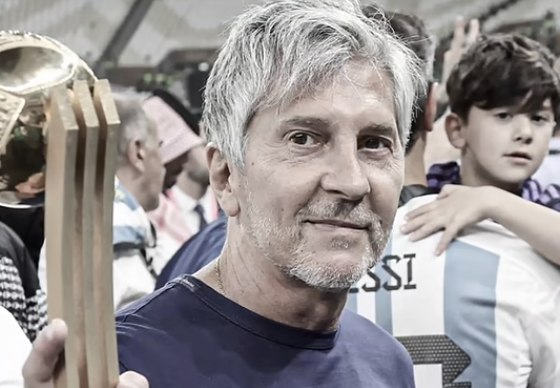
ROSARIO, Argentina — Jorge Messi, the father and longtime business representative of Argentine soccer icon Lionel Messi, died Friday night at a clinic in his native Rosario after a prolonged illness, according to multiple Argentine media outlets. He was 68.
Reports from outlets including Infobae indicated Jorge Messi passed away around 10 p.m. local time. An official cause of death had not been confirmed by the Messi family as of Saturday. He is survived by his wife, Celia, sons Lionel, Rodrigo and Matias, daughter Maria Sol, and a number of grandchildren.
A Health Struggle That Played Out Publicly
Jorge Messi’s declining health first drew widespread public attention during the World Cup, when Lionel Messi was seen visibly emotional on the field, including after scoring against Algeria. Asked about the tears, Messi told reporters at the time, “Why was I crying? It had absolutely nothing to do with football. I have had a few difficult days.” His remarks quickly sparked speculation linking the emotion to his father’s condition.
Days later, the Messi family issued a public statement addressing the situation directly. “The Messi family wishes to inform you that Jorge Messi is currently dealing with health problems,” the statement began. “He is currently under medical supervision and is recovering well.” The family went on to express concern over the intensity of the speculation, writing, “Given the reports, rumours and speculation that have been circulating in recent hours, the family wishes to express its deep concern about the lack of sensitivity,” while asking that “the privacy, confidentiality and personal space of Jorge – and that of his entire family – be respected throughout this process.”
A separate statement issued in the following weeks said Jorge had been “under medical monitoring, recovering and evolving favorably within the condition he presents.” In late July, Lionel Messi skipped Major League Soccer’s All-Star Game, a decision widely believed to be tied to a visit with his father, before returning to action for Inter Miami in an MLS match days later.
The Man Who Took Messi to Barcelona
Jorge Messi’s influence on his son’s career is difficult to overstate. When a young Lionel was coming up through the youth academy at Newell’s Old Boys in Rosario, he was diagnosed with a growth hormone deficiency requiring costly treatment. After failing to secure sufficient financial support in Argentina, including from Newell’s and River Plate, Jorge explored options abroad, ultimately taking his son to try out for FC Barcelona.
That trial led to one of the most famous moments in the club’s history: an agreement scribbled on a paper napkin with then-Barcelona sporting director Carles Rexach on Dec. 14, 2000, at the Pompeia Tennis Club, committing the club to sign the 13-year-old Messi and fund his medical treatment. The move to Spain, made possible directly by Jorge’s determination to find his son a path forward, is widely regarded as one of the most consequential decisions in the history of the sport.
Staying by His Son’s Side During a Difficult Transition
Messi was just 13 when the family relocated to Spain, a transition that proved difficult for several family members who struggled to adjust to life away from Argentina. Jorge remained by his son’s side throughout that period, providing stability during a stretch when Messi’s future in the sport was still far from guaranteed. Messi has spoken previously about how emotionally taxing that time was for both of them, recalling that there were days when he and his father each struggled deeply and would retreat separately to cry so the other would not see it. “My father was always by my side,” Messi has said, describing how Jorge repeatedly checked in with him, asking whether he wanted to continue pursuing his dream in Spain or return home to Argentina. Messi chose to stay.
A Behind-the-Scenes Presence for Decades
Despite managing the business affairs of arguably the most recognizable athlete on the planet, Jorge Messi consistently preferred to remain out of the spotlight, giving few interviews over the years and generally avoiding the intense media attention that followed his son throughout his career. He served for decades as Lionel Messi’s agent and financial representative, a role that placed him at the center of many of the most significant decisions in his son’s professional life, from contract negotiations to the eventual move to Paris Saint-Germain and later to Inter Miami.
That behind-the-scenes role was not without controversy. In 2016, Spanish prosecutors sought an 18-month prison sentence and a fine against Jorge Messi for allegedly defrauding Spain’s tax authorities of approximately 4.5 million dollars in unpaid taxes between 2007 and 2009, a case that also named Lionel Messi before prosecutors ultimately cleared the player of wrongdoing.
Tributes Expected From Across the Football World
Given Jorge Messi’s decades-long presence alongside one of the most celebrated athletes in the history of the sport, tributes from clubs, players and football institutions across the world are expected in the days following his death. His passing comes at a moment when Lionel Messi remains an active professional player with Inter Miami in Major League Soccer, having recently contributed a goal and an assist in a match against San Luis just days before his father’s death.
Funeral arrangements had not been publicly announced as of Saturday. Given Jorge Messi’s central and enduring role in shaping his son’s rise from a young prospect in Rosario to one of the greatest players in the history of football, his death is expected to prompt an outpouring of tributes from across the sport in the coming days, even as the family has continued to ask, as it did earlier this year during his illness, that its privacy be respected during this period of grief.

Value mutual fund investing is supposed to be dead. But Colin McQueen, manager of the T. Rowe Price International Value Equity Fund, has a knack for finding beaten-down stocks that prove the strategy is very much alive. A 2026 IBD Best Mutual Funds Awards winner, T. Rowe Price International Value Equity (TRIGX) has topped the foreign-stock benchmark IBD uses to…
Copyright ©2026 Investor’s Business Daily, LLC. All rights reserved. 87990cbe856818d5eddac44c7b1cdeb8
Michigan salad warnings ease, but cyclospora keeps shoppers and grocers on edge

Investor Mukul Mahavir Agrawal’s portfolio rose 12% to around Rs 7,720 crore by June 2026. Several holdings delivered strong CY26 gains, led by Apollo Pipes, Hind Rectifiers and KRN Heat Exchanger. The portfolio also saw a new addition, Arisinfra Solutions, highlighting Agrawal’s continued focus on high-growth stocks.
Berkshire lowers cash stake as buybacks accelerate, reports higher profit
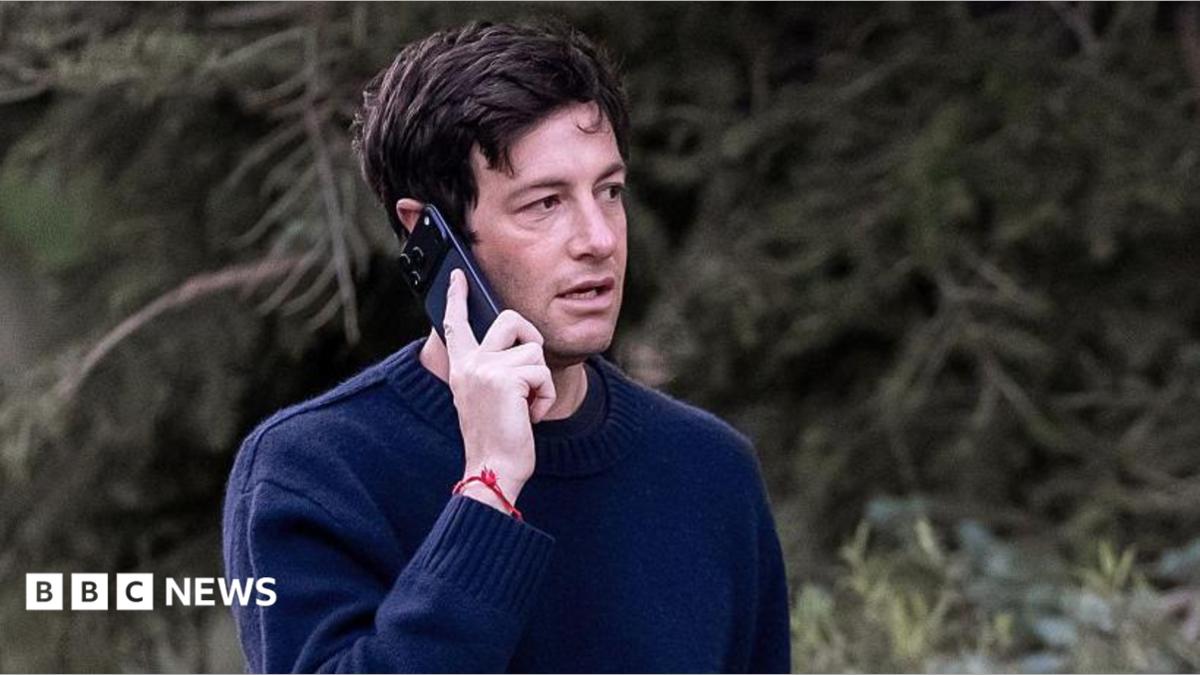
Fifa has been forced to U-turn on plans to sell off a slice of the World Cup after fierce opposition, with threats of future boycotts and calls for the governing body’s president, Gianni Infantino, to quit.
But why were a group of tech investors interested in the World Cup in the first place, and are similar proposals in the future inevitable?
In a world in which AI could upend human recreation and pastimes, executives at Thrive Eternal, a spin-off of venture capital firm Thrive Capital, saw an opportunity to lead a group of investors to place cash in the biggest sporting competition on the planet.
The football World Cup was seen as the latest in a new strategy from firm, which believes that sport will not only survive the AI revolution, but grow in value.
Run by Joshua Kushner, the brother of US Donald Trump’s son-in-law and adviser Jared, Thrive mainly invests in technology companies developing artificial intelligence (AI) and it has been a major financial backer of Open AI.
But in April this year, the New York City-based entity created the new investment arm Thrive Eternal in order to invest in areas that have “qualities that cannot be replicated by technology”.
Sport is central to that strategy, and that is where football – and securing a minority stake in the World Cup under Fifa’s proposed Forward Enterprise (FFE), – became an opportunity.
The view is that the tradition, cultural and identity aspects of football will protect the sport from being upended by AI compared with other forms of entertainment such as movies and music, which are already seeing the technology start to replace humans.
Professor Simon Chadwick has worked in the global sports industry for 30 years, including working with both fan groups, football clubs and governing bodies Fifa and Uefa.
He said investment interests and commercialisation in general meant a lot of decisions were being made on behalf of football and fans “in Wall Street and Silicon Valley”.
“It is almost as though it’s crept up on us and a lot of people haven’t really thought about what’s happening,” he told the BBC.
While it raised governance questions for Fifa, he added: “Whether people like it or not, private equity investment in sport is happening.”
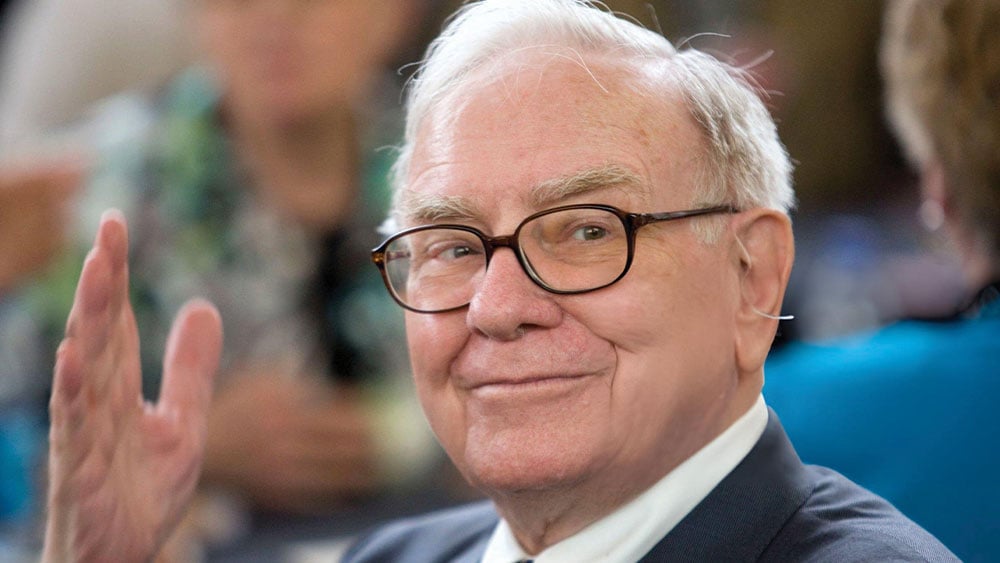
Berkshire Hathaway reported better-than-expected earnings while the conglomerate, no longer run by Warren Buffett, announced a big increase in share buybacks and a significant decline in its cash hoard. The stock is in a buy zone. Berkshire Hathaway (BRKB) reported Q2 operating earnings of $12.98 billion, up 16% vs. a year earlier. Revenue climbed 10% to $101.8 billion. Both beat…
Copyright ©2026 Investor’s Business Daily, LLC. All rights reserved. 87990cbe856818d5eddac44c7b1cdeb8
Business
Stephen Curry Isn’t Going to the Celtics, Report Says, Debunking Viral Trade Rumor for Good
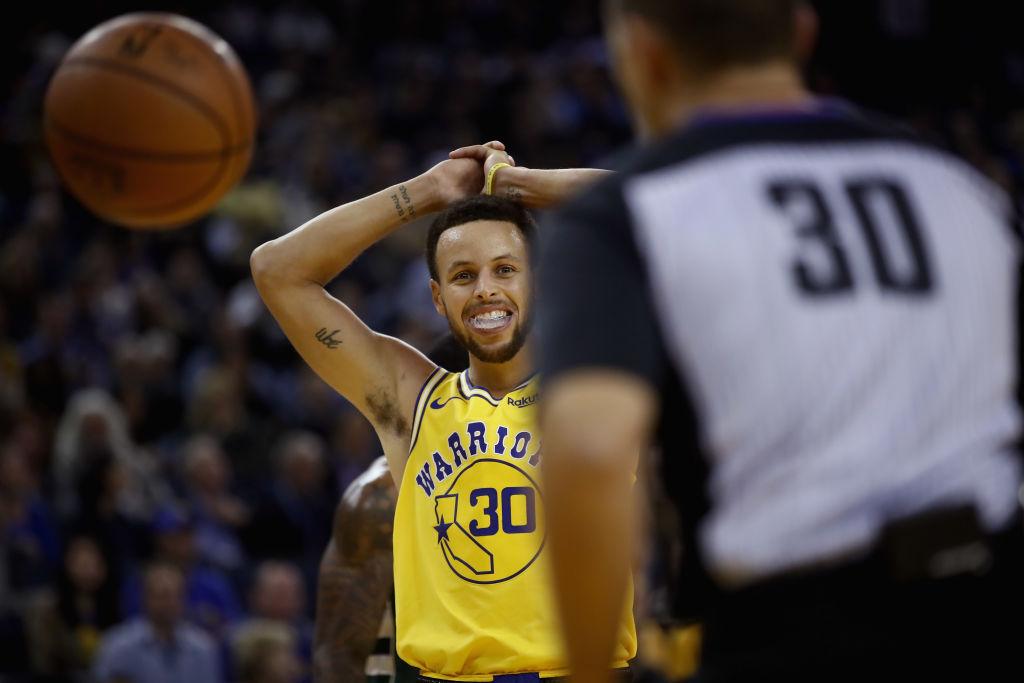
Golden State Warriors superstar Stephen Curry has no intention of requesting a trade to the Boston Celtics or anywhere else, according to a new report, closing the book on a rumor that spread rapidly across social media earlier this month despite having little basis in actual reporting.
Brett Siegel of ClutchPoints reported that Curry is expected to remain with Golden State through the entirety of the 2026-27 season, writing, “The bottom line is that Curry isn’t going anywhere. All of those trade rumors and people putting Curry in the trade machine online are nothing but fiction.” Siegel added, “Curry wants to remain with the Warriors and will not be requesting a trade, sources told ClutchPoints. Steph will be on the team to begin and finish the 2026-27 season.”
How the Rumor Started
The speculation traces back to a July 27 opinion column written by Sports Illustrated’s John Karalis, a longtime Celtics reporter, in which he floated a hypothetical trade sending Paul George, Sam Hauser and draft picks to Golden State in exchange for Curry. Karalis framed the idea explicitly as speculative, built around the premise of what Boston could offer if the Warriors were ever open to moving their franchise star.
That nuance was quickly lost as the story spread online. Social media accounts began reporting, inaccurately, that Celtics president of basketball operations Brad Stevens had actually called the Warriors to pitch a trade for Curry, a claim that Karalis never made. One post from the account TheNBABase, stating “Brad Stevens has already called the Warriors to pitch a deal for Stephen Curry, per John Karalis,” drew roughly 2 million views on X, while a nearly identical post from another account topped 1 million views. Karalis publicly corrected the record himself, writing, “I did not report that the Celtics made an offer to the Warriors. I wrote a column that said IF the Warriors were open to a Steph trade that Brad WOULD call. I thought it was pretty clear that the whole piece was my opinion.”
Multiple Reports Now Point the Same Direction
Since the rumor first spread, several additional reports have independently pushed back on the idea that a Curry trade is realistic. Sports journalist Jake Weinbach reported that the Warriors are not considering trading Curry and remain committed to building around him, saying, “Steph Curry is not a trade candidate, at least for the time being. The Warriors fully plan to keep their core intact heading into the 2026-27 season.”
Separate analysis from Yahoo Sports and Yardbarker outlined several practical obstacles that would make any such deal unlikely even if the Warriors were willing to listen, starting with the fact that Curry remains under contract for the 2026-27 season and that Golden State has reportedly been in discussions about extending him further rather than moving him. Those outlets also noted that any realistic trade package would require an enormous outlay of draft capital from Boston, potentially including Paul George, multiple first-round picks, pick swaps and additional young assets, a cost analysts said would be difficult to justify given the Celtics’ broader long-term roster-building strategy over the past decade.
A Warriors Offseason That Fueled Speculation
The rumors gained traction in part because of a relatively quiet offseason for Golden State, which failed to land a marquee addition after LeBron James chose to sign with the Philadelphia 76ers rather than the Warriors. That outcome left some fans and analysts questioning whether the front office had done enough to build another championship-caliber roster around Curry, feeding speculation that the 38-year-old guard might eventually look elsewhere to chase one more title.
Despite that offseason disappointment, Golden State is expected to move forward largely with its existing core heading into next season, led by Curry and longtime teammate Draymond Green, while the team awaits the return of Jimmy Butler from injury. According to Heavy.com, the broader consensus around the NBA remains that Curry will not request a trade, even as the outlet noted that if Curry were to grow unhappy with the Warriors’ direction and did not sign a contract extension in the coming weeks, speculation about his future would likely resurface.
A Career Built Entirely in Golden State
Curry has spent his entire NBA career with the Warriors since being selected with the seventh overall pick in the 2009 NBA Draft. Over that span, he has led the franchise to four championships and become the defining figure of its modern dynasty, transforming the Warriors from a perennial lottery team into one of the league’s most successful organizations of the past decade. Curry has consistently expressed a desire to finish his career in Golden State, a stance that has remained unchanged throughout the recent wave of trade speculation.
A Familiar Pattern of Offseason Rumor Cycles
The Curry-to-Celtics saga fits a broader pattern common to NBA offseasons, in which speculative columns or hypothetical trade proposals, often explicitly framed as opinion or exercises in imagination, get stripped of that context as they spread across social media and aggregator sites, eventually taking on the appearance of confirmed reporting. Karalis’s experience watching his own opinion piece transform into a viral, inaccurate report illustrates how quickly that kind of distortion can occur, particularly during the slower news period of the NBA’s summer calendar, when speculative trade content tends to draw outsized attention from fans eager for offseason storylines.
With multiple independent reports now aligning on the same conclusion, that Curry has no intention of requesting a trade and that the Warriors have no plans to move him, the speculation linking him to Boston appears to have run its course for now. Attention is likely to shift toward whether Golden State and Curry finalize a contract extension in the coming weeks, a development that would further reinforce his long-term future with the only franchise he has ever played for as the Warriors prepare to open training camp ahead of the 2026-27 season.

Iran says Strait of Hormuz deal with Oman close; demands U.S. yield on conditions

Before Buying a Car, Understand These 2 Financial Concepts.#carloans #savingmoney #financiallysmart
Swansea City v Birmingham City LIVE: Kick-off time, team news and score updates
What happens to stocks when the Fed starts hiking? Barclays weighs in

Renter of Home in Anne Heche Crash Denies Settlement With Son

No Jackpot Winner as $257 Million Prize Rolls Over to $269 Million Monday Draw

Weekend Open Thread: Staud – Corporette.com
Before Buying a Car, Understand These 2 Financial Concepts.#carloans #savingmoney #financiallysmart

CRISIS BEFORE XRP GOES PARABOLIC? – XRP SHOWS STRENGTH VS BTC! – XRP SCARCITY INCOMING?

110 Minutes of Investing Knowledge to Improve Your Finances
-

 Politics6 days ago
Zack Polanski: an incitement to murder Nigel Farage?
-

 Crypto World7 days ago
MicroStrategy Post-Earnings CLARITY Act Push Could Add New Catalyst for Its Stock
-

 Crypto World6 days ago
Crypto PAC spending tops $2M in Michigan House race
-

 Fashion1 day ago
Frugal Friday’s Workwear Report: Cap-Sleeve Pointelle Crewneck Sweater
-

 Business6 days ago
DTCR: Deleveraging And A Hedge Fund Collapse Point To A Possible AI Bottom
-

 Tech6 days ago
ESET tracks rise in malicious AI skills and adaptable malware
-

 Crypto World6 days ago
XRP Ledger urges node upgrade after manifest flood
-

 Fashion20 hours ago
Weekend Open Thread: Mattifying Sunscreen
-

 Sports2 days ago
Jordan Coyle & Cordiamo take Laya Arena Stakes at RDS
-
 News Videos7 days ago
Financial Crash Expert: The 90-Day Collapse Timeline They Are Desperately Hiding.
-
 Crypto World5 days ago
US Tech Stocks See Largest 5-Week Inflow in History: Can Nasdaq Break Its Downtrend?
-
 NewsBeat7 days ago
Tourist plane on sightseeing flight in Peru crashes into a field, killing all 13 people on board
-

 Tech6 days ago
Page Not Found | WIRED
-
 Business3 days ago
US stocks: Dow closes at record on Mideast optimism; SpaceX, AMD drag Nasdaq
-

 Politics2 days ago
Reform UK And Greens Sink To Lowest Favourability Ratings To Date
-
 NewsBeat7 days ago
Bikini-clad Jennifer Aniston, 57, kisses hypnotist boyfriend Jim Curtis as they enjoy a romantic getaway aboard a luxury yacht in Spain
-

 Crypto World4 days ago
Polymarket targets $20 billion valuation as competition heats up in prediction market sector
-

 Business4 days ago
Nvidia Stock Climbs 2.5% as Chip Sector Rally Builds Ahead of AMD Earnings, Nvidia’s Own Report Looms
-
 NewsBeat6 days ago
Trump says he is cancelling strikes on Iran subject to ‘rapidly’ making deal
-
 NewsBeat7 days ago
MICHAEL GOVE: Burnham’s Labour doesn’t believe in aspiration, just the soft bigotry of low expectations. From education to home ownership, their message to the working class is… know your place
You must be logged in to post a comment Login