
Business
Alphabet Stock Rises Modestly as Analysts Affirm GOOG as Long-Term Buy on AI and Cloud Strength

NEW YORK — Alphabet Inc. shares edged higher Monday, with Class C stock (GOOG) trading near $296.60 after gaining $2.14 or 0.73% in afternoon trading, as Wall Street largely reinforced its bullish long-term outlook despite heavy 2026 capital spending plans for artificial intelligence infrastructure.

The Google parent company’s stock has faced volatility in early 2026, pulling back from peaks near $349 earlier in the year amid concerns over elevated AI-related expenditures. Yet the consensus among more than 40 analysts remains strongly positive, with an average 12-month price target around $345 to $367, implying 16% to 24% upside from current levels near $296. High-end targets reach $420, while the overwhelming majority rate the stock a “Buy” or “Strong Buy.”
Alphabet’s fourth-quarter 2025 results, released in early February 2026, underscored underlying momentum. Revenue climbed 18% to $113.83 billion, beating expectations, while adjusted earnings per share rose to $2.82. Google Cloud delivered standout performance, with revenue surging 48% to $17.7 billion — outpacing some rivals — and the segment’s backlog expanding 55% to $240 billion, signaling robust enterprise demand for AI-powered infrastructure and services.
CEO Sundar Pichai highlighted Gemini model advancements, noting the app had surpassed 750 million monthly active users and that API processing exceeded 10 billion tokens per minute. Search remained a high-margin powerhouse, generating steady advertising revenue that continues to fund ambitious AI bets. YouTube advertising and subscriptions also contributed meaningfully, pushing annual YouTube revenue above $60 billion.
The headline that initially pressured shares was Alphabet’s aggressive 2026 capital expenditure guidance of $175 billion to $185 billion — roughly double the $91.4 billion spent in 2025 and well above prior analyst expectations around $120 billion. Executives framed the surge as essential to scale AI compute capacity, data centers and cloud capabilities to meet exploding customer demand and maintain leadership in the rapidly evolving generative AI landscape.
While the spending outlook sparked short-term investor caution over potential near-term margin compression and free cash flow impacts, many analysts quickly characterized it as a necessary investment in Alphabet’s competitive moat. Google Cloud’s improving profitability and accelerating revenue growth provided early validation that heavy infrastructure outlays can translate into sustainable returns.
Longer-term forecasts remain optimistic. Some projections see the stock reaching $380 by the end of 2026 and climbing significantly higher by 2030, supported by double-digit annual earnings growth. Analysts point to multiple growth levers: continued dominance in global search with roughly 90% market share, expanding AI integration across Search, Workspace and consumer products, and Google Cloud’s emergence as a credible challenger to Amazon Web Services and Microsoft Azure in AI-optimized solutions.
Valuation sits at roughly 25-28 times forward earnings, a premium many argue is justified by Alphabet’s data advantages, vast talent pool and integrated ecosystem spanning hardware, software and infrastructure. The balance sheet remains exceptionally strong, with substantial cash reserves enabling both aggressive investments and shareholder returns via buybacks. The company’s tiny dividend offers modest income alongside growth potential.
Risks include ongoing antitrust litigation, regulatory scrutiny in Europe and elsewhere on advertising and data practices, and intensifying competition in AI from OpenAI, Anthropic, Microsoft and custom chip efforts by hyperscalers. Elevated interest rates or an economic slowdown could also temper advertising budgets, though Alphabet’s diversified revenue mix provides some buffer.
Institutional confidence appears solid, with continued accumulation in options and equity positions. The stock’s role as a core AI trade keeps it prominent in growth-oriented portfolios. For long-term investors, the debate often centers on whether current prices represent a buying opportunity after the year-to-date pullback or if near-term spending cycles warrant caution.
Most Wall Street voices lean bullish. Firms such as J.P. Morgan have maintained “Buy” ratings with targets near $395, citing resilient core advertising, cloud momentum and AI monetization potential. Recent commentary described Alphabet as “still a best idea” for growth investors, noting that heavy capex today positions the company for exponential returns as AI adoption accelerates across enterprises and consumers.
Fiscal first-quarter 2026 results, expected in late April, will be closely watched for updates on cloud acceleration, Gemini adoption metrics, AI feature contributions to Search and any refinements to capex execution or efficiency gains. Commentary on competitive dynamics and regulatory matters will also draw attention.
In the broader context, Alphabet exemplifies the opportunities and trade-offs in the AI era. Its scale allows massive infrastructure bets that smaller players cannot match, while its advertising engine generates the cash flow to sustain those investments. The company’s early integration of generative AI into everyday products positions it to capture new revenue streams as businesses and users increasingly rely on these tools.
Monday’s modest gain reflected renewed buying interest amid broader market optimism over potential geopolitical stabilization and sector rotation. With the Nasdaq also advancing, investors appeared selective in favoring names with clear AI exposure and strong fundamentals like Alphabet.
For retail investors considering a long-term position, the consensus view supports yes — provided a multi-year horizon and tolerance for volatility tied to spending cycles, macro events or regulatory developments. Diversification remains prudent, as even dominant tech names carry execution and competitive risks.
Alphabet’s track record of innovation — from search dominance to Android, YouTube, cloud and now multimodal AI — bolsters the case for adaptability and sustained leadership. With Google Cloud gaining traction and Gemini expanding its reach, many analysts see the company as well-positioned for the next phase of technological transformation.
As trading continued Monday afternoon, GOOG held its gains, underscoring sustained market faith in Alphabet’s strategic direction. Wall Street’s price targets and ratings suggest that for patient investors, the stock remains a compelling long-term opportunity in the digital economy, even as the company navigates the capital-intensive demands of the AI race.

Business
Oil Price Today (April 7): Crude oil hovers above $110 as Trump’s Iran deadline keeps investors on edge. What’s next?

Trump warned that Iran would face serious consequences if it missed his 8 p.m. EDT Tuesday deadline to reopen the strait, saying the country “could be taken out” if it failed to comply. He went further, stating that the U.S. could destroy all of Iran’s bridges and power plants “within four hours” if no agreement is reached.
Crude oil price on April 7
Brent crude futures gained 57 cents, or 0.5%, to $110.34 per barrel as of 1202 GMT. U.S. West Texas Intermediate crude rose $1.26, or 1.1%, to $113.67 per barrel.At the same time, he claimed that Iranians were prepared to endure hardship for their freedom, referring to intercepted communications that allegedly urged the U.S. to “please keep bombing.”

Iran, responding to a U.S. proposal conveyed through mediator Pakistan, rejected the idea of a ceasefire. It insisted that only a permanent end to the war would be acceptable and resisted pressure to restore access to the strait.
Iranian forces shut the Strait of Hormuz after U.S. and Israeli attacks began on February 28, disrupting a passage that typically accounts for around 20% of global oil flows.
Supply risks were further heightened after Russia said Ukrainian drones struck the Caspian Pipeline Consortium’s terminal on the Black Sea on Monday. The facility, which handles about 1.5% of global oil supply, reportedly suffered damage to loading and storage infrastructure.
Meanwhile, OPEC+ agreed on Sunday to increase oil output quotas by 206,000 barrels per day in May. However, the actual impact may be limited, as several members are unable to raise production due to export constraints caused by the strait closure.
What’s next?
Crude oil is holding at elevated levels, reflecting sustained strength driven by supply disruption fears, while natural gas remains largely range-bound with mild volatility, indicating a balanced demand-supply scenario.
International brokerage Macquarie has said that even if tensions ease in the near term, oil prices are likely to find support in the $85–$90 range, with a gradual move back toward $110 until normal flows through the Strait of Hormuz resume. The note added that if disruptions persist through April, Brent could still climb to $150 per barrel.
Looking ahead, crude prices could move higher from current levels. According to Kayanat Chainwala of Kotak Securities, oil may rise to $120 per barrel in the near term and potentially touch $150 if the conflict continues.
Nuvama Institutional Equities echoes the same view. The continued closure of the Strait of Hormuz, which handles around 20 million barrels per day, could push crude prices to the $110–150 per barrel range.
Experts say if ongoing tensions persist, the outlook for crude oil remains volatile and tilted upward. Continued conflict in the Middle East, especially disruptions around the Strait of Hormuz, would keep supply chains constrained, pushing Brent and WTI prices higher and sustaining inflationary pressures worldwide.
(Disclaimer: Recommendations, suggestions, views and opinions given by the experts are their own. These do not represent the views of The Economic Times)

Advancing payment innovations and enhancing regional connectivity in Thailand and ASEAN, with a focus on future trade financing solutions and fostering collaboration through forthcoming conferences.
Key Points
- Payments Innovation: Focus on advancements in payment systems aimed at enhancing trade and financial transactions in Thailand and the broader ASEAN region.
- Regional Connectivity: Emphasis on building strong connections and collaborations among ASEAN nations to boost regional trade effectiveness and efficiency.
- Future Financing Solutions: Introduction of innovative financing services by TFG designed to support and facilitate the growth of trade in tomorrow’s market.
Payment Innovations in Thailand’s ASEAN Landscape
Thailand is emerging as a leader in payment innovations within the ASEAN region, leveraging technology to enhance transactional efficiency. The country’s initiatives place emphasis on digital payment systems that cater to both consumers and businesses, ensuring that financial inclusion is at the forefront of these developments. By enhancing transactional mechanisms, Thai fintech companies are fostering a more interconnected economy, enabling seamless transactions across borders within ASEAN. This not only boosts local businesses but also facilitates international trade, paving the way for dynamic economic growth in the region.
Enhancing Regional Connectivity
The drive for enhanced regional connectivity is central to the payment innovations being observed in Thailand. Efforts are being made to create interoperable payment systems that allow for easy fund transfers between countries in Southeast Asia. Such advancements are critical in addressing barriers to trade and commerce, promoting a fluid exchange of goods and services. By focusing on collaboration among ASEAN nations, Thailand aims to unify various financial networks, thereby promoting economic cooperation and stability across the region. This creates a robust framework for businesses to thrive in a competitive landscape.
Future Directions and Challenges
Despite the exciting prospects of payment innovations, challenges remain in ensuring security and regulatory compliance across different jurisdictions. As Thailand leads the charge in modernizing payment systems, the necessity for robust cybersecurity protocols becomes paramount to safeguard users’ information. Additionally, aligning national regulations with ASEAN’s broader goals requires meticulous planning and cooperation. As these innovations mature, the focus will also need to shift towards sustaining growth through continuous investment in technology and talent. Ensuring that the regional payment ecosystem remains secure and efficient will be vital for long-term success in ASEAN.
Source : Payments innovation and regional connectivity from Thailand and across ASEAN
Other People are Reading
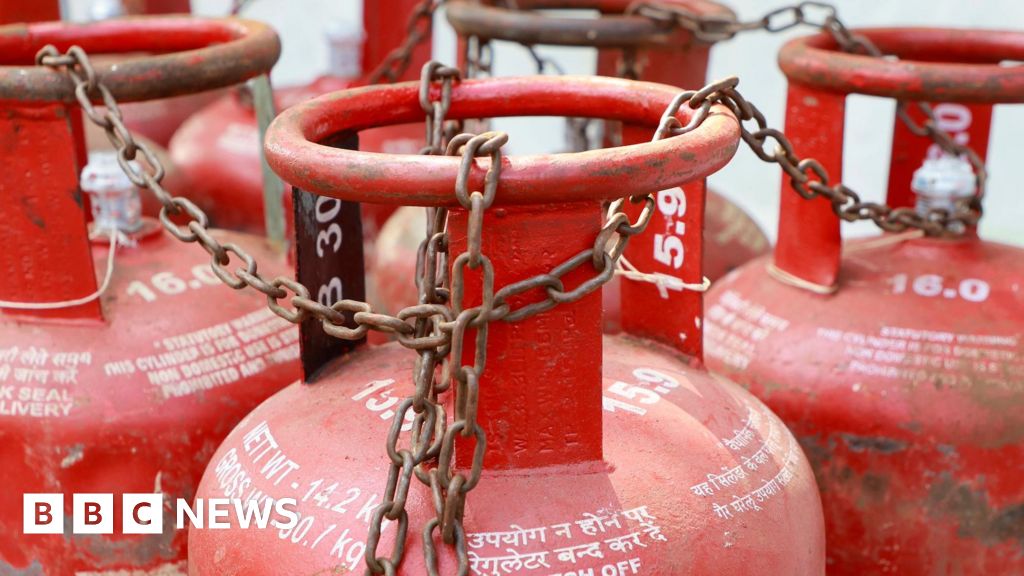
India’s currency, stocks and growth projections take a beating as the country faces a triple energy shock due to Iran war.

Iovance Biotherapeutics: Positioned For Multi-Year Growth, Buy The Pullback
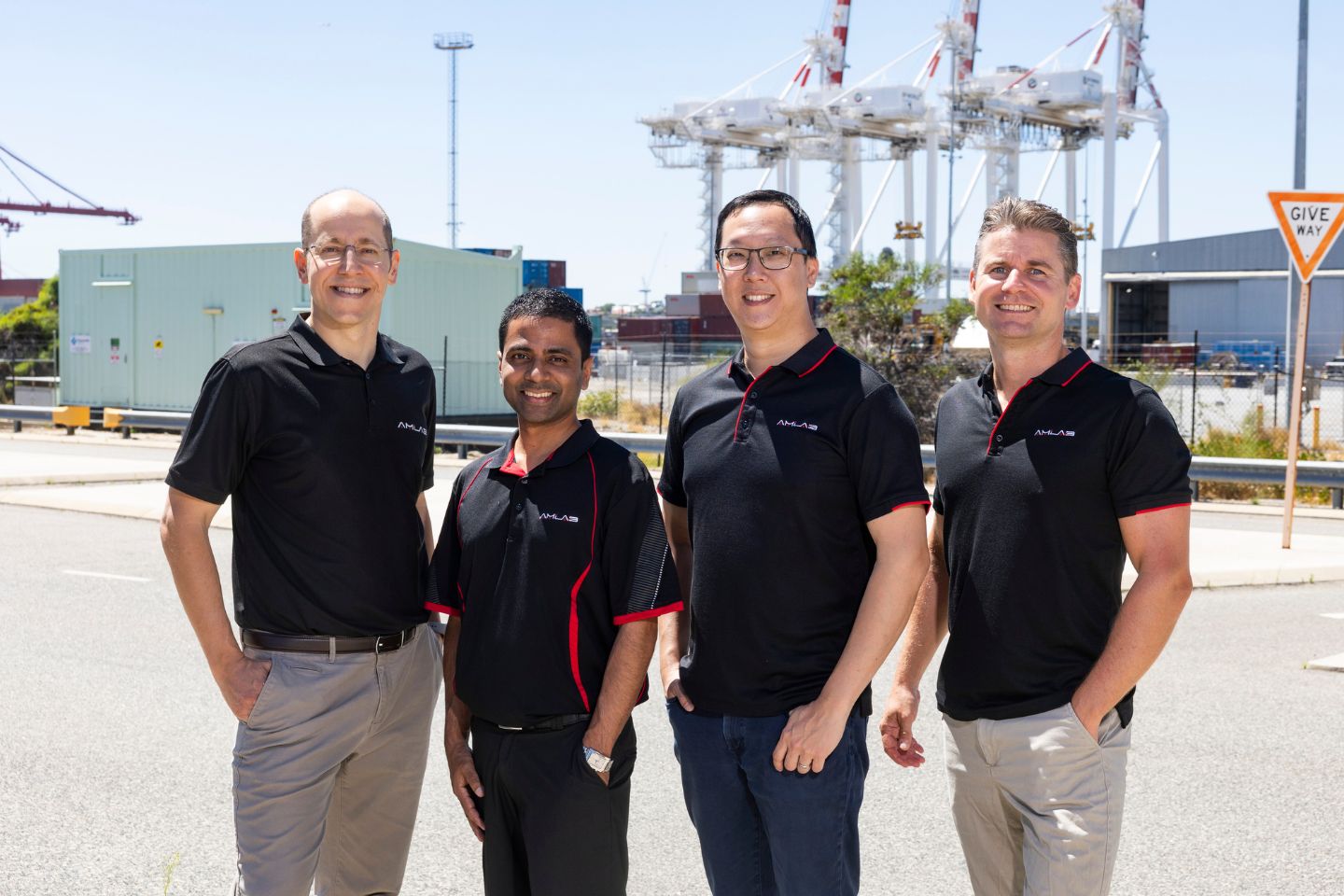
Crane technology from Perth startup AMLab is being used in some of the world’s busiest ports.
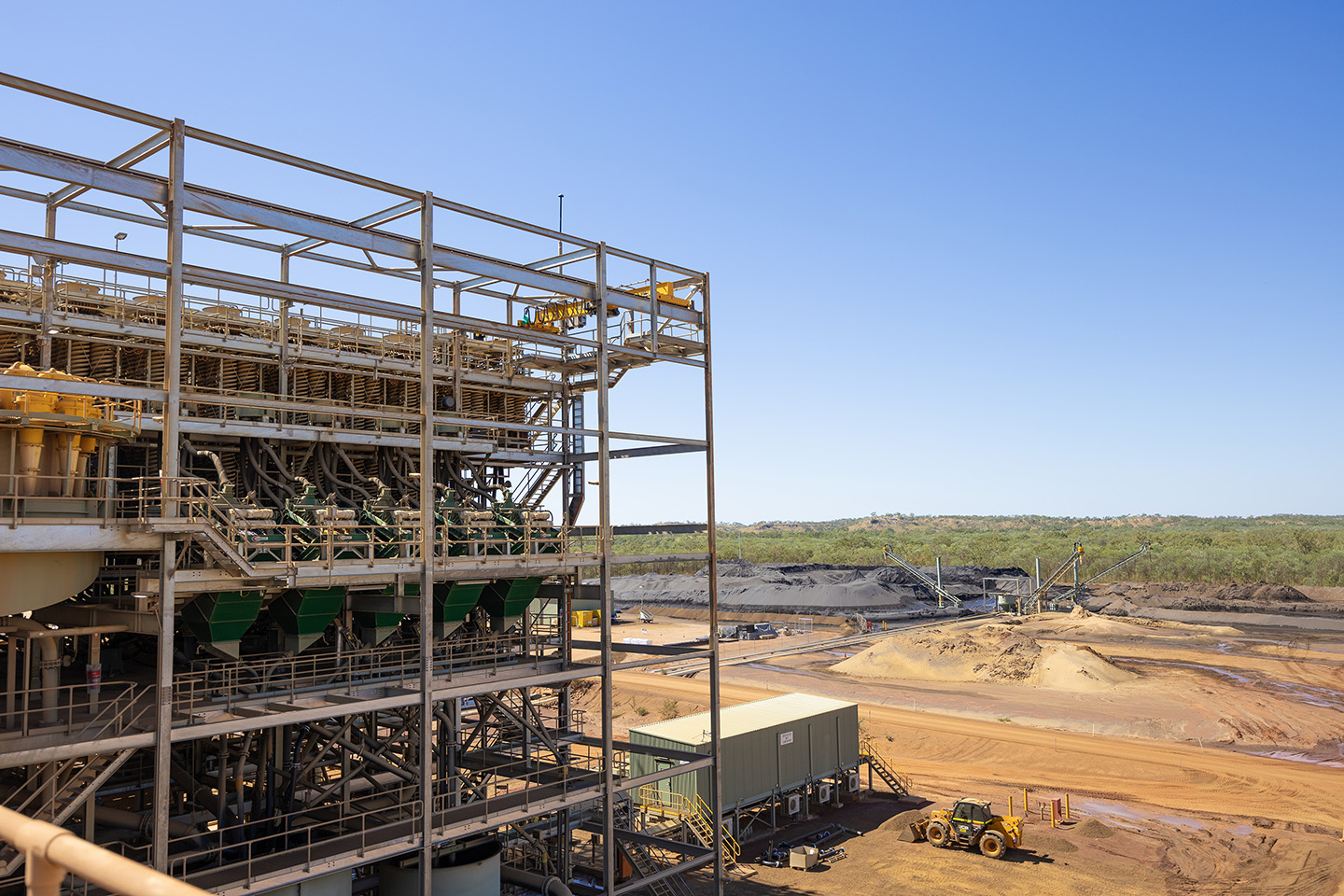
The future of the Thunderbird Mineral Sands mine hangs in the balance as Sheffield Resources enters urgent negotiations to resculpt its debt load following a string of production woes.

Check out what’s clicking on FoxBusiness.com.
Toyota is recalling more than 73,000 hybrid vehicles over a pedestrian warning sound issue, according to the National Highway Traffic Safety Administration (NHTSA).
Certain 2023–2025 Toyota Corolla Cross Hybrid vehicles are affected by the recall effort because they do not make a loud enough sound while in reverse, making it harder for pedestrians to hear and increasing the risk of injury.
“The vehicles may fail to make sufficient pedestrian warning sounds when in reverse,” the NTSB said in its announcement.
TOYOTA RECALLS MORE THAN 144,000 LEXUS VEHICLES OVER REARVIEW CAMERA FAILURE RISK

Toyota is recalling more than 73,000 hybrid vehicles over a pedestrian warning sound issue. (Getty Images / Getty Images)
“As such, these vehicles fail to comply with the requirements of Federal Motor Vehicle Safety Standard (FMVSS) number 141, ‘Minimum Sound Requirements for Hybrid and Electric Vehicles,’” the agency continued.
A total of 73,528 vehicles are affected by the recall, although only about 1% of them are likely to have the defect.

About 73,528 Toyota Corolla Cross Hybrid vehicles are affected by the recall. (BAY ISMOYO/AFP via Getty Images / Getty Images)
The recall numbers are 26TB08 and 26TA08.
Toyota dealers will update the software on the affected vehicles free of charge to fix the pedestrian warning sounds.
FORD RECALLS MORE THAN 254,000 SUVS DUE TO SOFTWARE ISSUES
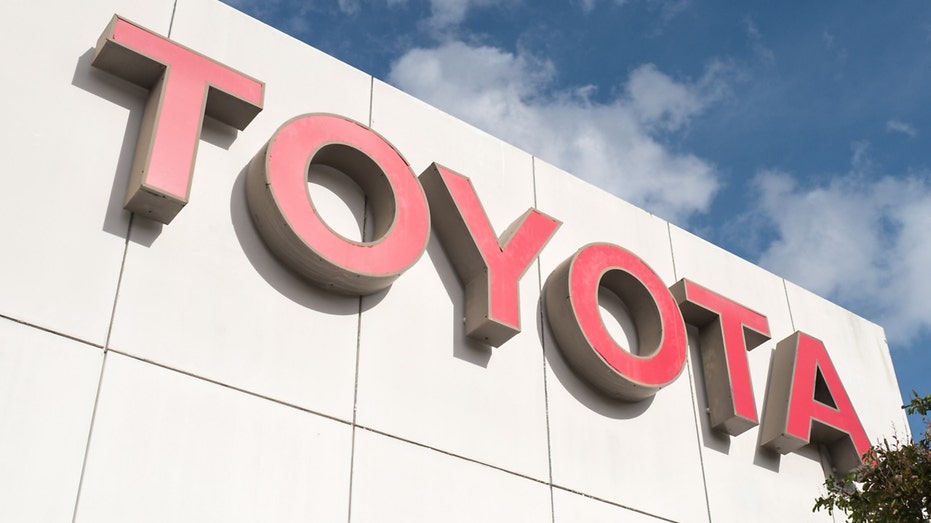
Toyota dealers will update the software on the affected vehicles free of charge to fix the pedestrian warning sounds. (Smith Collection/Gado/Getty Images / Getty Images)
CLICK HERE TO GET FOX BUSINESS ON THE GO
Owner notification letters alerting consumers of the safety risks are expected to be mailed out by May 30, 2026.
Business
Great Wall Motor Company Limited 2025 Q4 – Results – Earnings Call Presentation (OTCMKTS:GWLLY) 2026-04-06


Seeking Alpha’s transcripts team is responsible for the development of all of our transcript-related projects. We currently publish thousands of quarterly earnings calls per quarter on our site and are continuing to grow and expand our coverage. The purpose of this profile is to allow us to share with our readers new transcript-related developments. Thanks, SA Transcripts Team

Brent crude futures rose 57 cents, or 0.5%, to $110.34 a barrel by 1202 GMT, while U.S. West Texas Intermediate crude futures were up $1.26, or 1.1%, at $113.67.
Trump, has threatened to rain “hell” on Tehran if it fails to comply with his deadline of 8 p.m. EDT Tuesday to reopen the strait. “They could be taken out,” Trump warned, pledging further action if a deal is not reached.
Responding to a U.S. proposal through mediator Pakistan, Tehran rejected a ceasefire and said a permanent end to the war was necessary, and pushed back against pressure to reopen the strait.
Iranian forces effectively shut the Strait of Hormuz after U.S. and Israeli attacks began on February 28, disrupting a waterway that typically carries about 20% of global oil flows.
“Clock-watching is now playing almost as big a role in oil markets as the fundamentals themselves in the run-up to Trump’s ultimatum deadline,” said Tim Waterer, chief market analyst at KCM Trade.
“The potential for a ceasefire deal offers some counterweight and could spark a relief move lower if it gains traction, but persistent supply worries from the Hormuz chokepoint and damaged energy facilities are keeping the floor under prices.” On Monday, Iran’s Revolutionary Guards halted two Qatar liquefied natural gas tankers and directed them to hold position without providing explanations, sources told Reuters. However, shipping data has shown limited vessel movement through the strait since last Thursday.
The U.N. Security Council is expected to vote on Tuesday on a resolution to protect commercial shipping in the Strait of Hormuz, but in significantly watered-down form after veto-wielding China opposed authorizing force, diplomats said.
The attack in the region continued as explosions were heard in the Syrian capital, Damascus, and surrounding countryside on Tuesday that were caused by the Israeli interception of Iranian missiles, Syrian state TV reported.
Saudi Arabia said on Tuesday it intercepted and destroyed seven ballistic missiles launched towards its Eastern Region, with debris falling near energy facilities, according to the defence ministry.
The conflict has pressured global crude markets, with spot premiums for U.S. WTI crude surging to record highs as Asian and European refiners scramble to secure replacement supplies amid disrupted Middle Eastern flows.
Saudi Arabia’s state oil company Aramco raised the official selling price of its Arab Light crude to Asia for May delivery, setting a record premium of $19.50 a barrel above the Oman/Dubai average.
Adding to supply concerns, Russia on Monday said Ukrainian drones attacked the Caspian Pipeline Consortium’s terminal on the Black Sea, which handles 1.5% of global oil supply. Russia reported damage to loading infrastructure and storage tanks.
OPEC+ agreed on Sunday to lift oil output quotas by 206,000 bpd in May, though the increase will be largely notional as key members cannot boost production because strait closures are curbing exports.
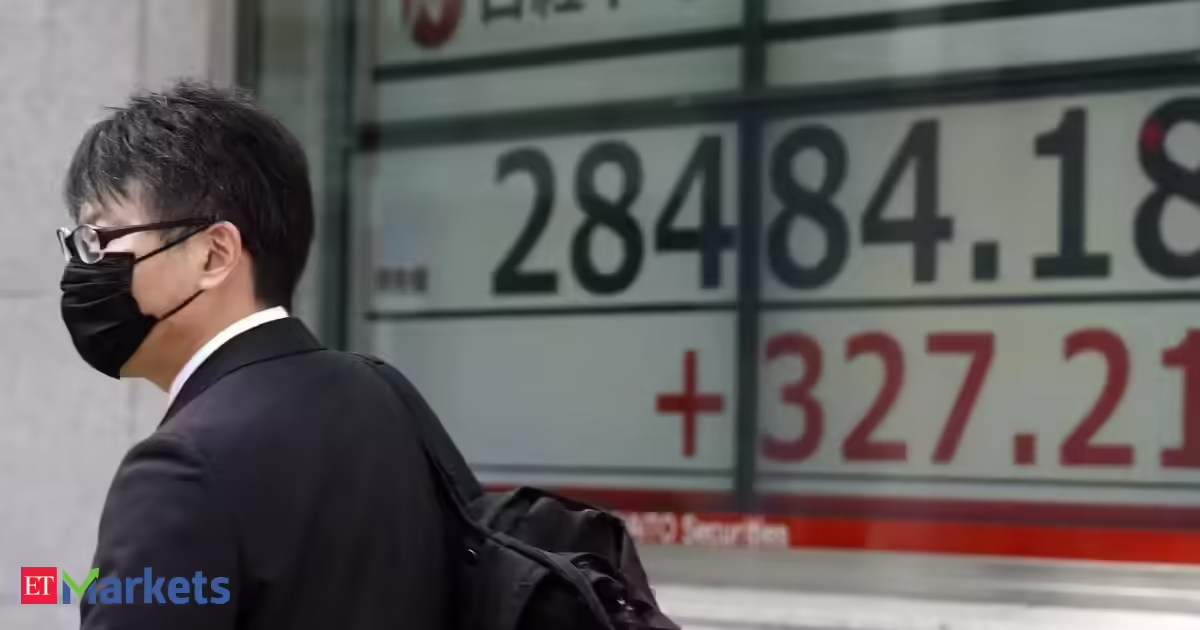
Brent crude trimmed its opening gains to trade just under $110 a barrel as markets remained volatile before Trump’s Tuesday 8 p.m. Eastern Time cutoff. US equity-index futures erased initial losses to trade little changed.
Asian shares opened higher with the MSCI Asia Pacific Index climbing 0.7% on the back of gains in South Korea. Technology stocks — seen as less impacted by the war in the Middle East — led the advance, with Samsung Electronics Co. climbing 1.5% after profit surged eight-fold.
Trump said talks with Iran are “going well” ahead of the deadline to agree to a deal, even as he insisted that freedom of navigation through the Strait of Hormuz must be part of any accord. If Iran doesn’t agree to the US’s terms, the military may destroy “every bridge in Iran by 12 o’clock tomorrow night” and put every power plant “out of business,” Trump warned Monday.
“It’s clearly too early for market watchers to stop thinking about geopolitical risk,” said Jeff Buchbinder at LPL Financial. “For now, we believe the best course of action for investors is to be patient.”
Iran reportedly passed to mediator Pakistan a rejection of a ceasefire proposal. It demanded a permanent end to the war, lifting of sanctions, and reconstruction efforts, in addition to protocol for safe passage through Hormuz, according to the state-run Islamic Republic News Agency.
While traders kept a close eye on geopolitical developments, they awaited this week’s key inflation readings. Data published Monday showed the US service economy expanded in March at a slower pace as employment shrank by the most since 2023 and input prices accelerated.The mixed economic signals illustrate the uncertain time for most businesses, according to Jeff Roach at LPL Financial.
“A prolonged struggle over the Strait of Hormuz into May and June would markedly darken the outlook for the US and the global economy,” he said. “For now, given last Friday’s payroll numbers, Fed policymakers have the luxury of remaining in ‘wait and see’ mode.”

Artemis II crew breaks human record previously set by Apollo 13
Oil Price Today (April 7): Crude oil hovers above $110 as Trump’s Iran deadline keeps investors on edge. What’s next?

General Hospital 2-Week Spoilers April 6-17: Sonny’s Deadly Threat – Willow’s Panic Explodes!

Smart energy pays enters the US market, targeting scalable financial infrastructure

Why Israel is blocking foreign journalists from entering

Bitcoin: We’re Entering The Most Dangerous Phase

Sua vida financeira vai melhorar? #tarot #tarothoje #tarotgratis #tarotamor

ANDRY HAKIM SUDAH CAPAI FINANCIAL FREEDOM??!! #andryhakim #stockwise #saham

Vrishabh rashi walon ke liye April ka financial update.#MoneyPrediction #ZodiacTips
-

 NewsBeat4 days ago
Steven Gerrard disagrees with Gary Neville over ‘shock’ Chelsea and Arsenal claim | Football
-

 Business4 days ago
No Jackpot Winner and $194 Million Prize Rolls Over
-

 Fashion3 days ago
Weekend Open Thread: Spanx – Corporette.com
-

 Crypto World5 days ago
Gold Price Prediction: Worst Month in 17 Years fo Save Haven Rock
-

 Business1 day ago
Three Gulf funds agree to back Paramount’s $81 billion takeover of Warner, WSJ reports
-
Crypto World7 days ago
Dems press CFTC, ethics board on prediction-market insider trades
-

 Sports2 days ago
India men’s 4x400m and mixed 4x100m relay teams register big progress | Other Sports News
-

 Business5 days ago
Login and Checkout Issues Spark Merchant Frustration
-

 Tech7 days ago
EE TV is using AI to help you find something to watch
-

 Sports6 days ago
Tallest college basketball player ever, standing at 7-foot-9, entering transfer portal
-
Tech7 days ago
Daily Deal: StackSkills Premium Annual Pass
-

 Tech7 days ago
Flipsnack and the shift toward motion-first business content with living visuals
-

 Tech7 days ago
How to back up your iPhone & iPad to your Mac before something goes wrong
-
Crypto World7 days ago
Valinor raises $25m to put private credit on-chain
-

 Tech7 days ago
What Are The Biggest Limitations Of Supercomputers?
-

 Crypto World6 days ago
Bitcoin enters the public bond market as Moody’s gives a first-of-its-kind crypto deal a rating
-

 Business3 days ago
Expert Picks for Every Need
-
Crypto World6 days ago
Bitcoin stalls below key resistance as technical signals skew bearish
-

 Politics7 days ago
Transform Your Space with Stunning Small Works
-

 Politics6 days ago
Starmer’s centre has collapsed, and the left was right all along
You must be logged in to post a comment Login