
Business
Amplitech earnings missed by $0.08, revenue topped estimates



I am working as a Business Analyst and Data Engineer in Germany and have started to build up a portfolio focused on Dividend Growth, both on the high and low-end yield spectrum. Primary focus is on Blue Chips with long-reaching dividend track records. I have been investing for 2 years and have been standing on the sidelines for way too long before. I love developing spreadsheets in Google and Excel to analyze financial performance and integrate these two sources with each other!Happy to connect on the various channels!
Analyst’s Disclosure: I/we have a beneficial long position in the shares of ALL STOCKS MENTIONED either through stock ownership, options, or other derivatives. I wrote this article myself, and it expresses my own opinions. I am not receiving compensation for it (other than from Seeking Alpha). I have no business relationship with any company whose stock is mentioned in this article.
I am not offering financial advice but only my personal opinion. Investors may take further aspects and their own due diligence into consideration before making a decision.
Seeking Alpha’s Disclosure: Past performance is no guarantee of future results. No recommendation or advice is being given as to whether any investment is suitable for a particular investor. Any views or opinions expressed above may not reflect those of Seeking Alpha as a whole. Seeking Alpha is not a licensed securities dealer, broker or US investment adviser or investment bank. Our analysts are third party authors that include both professional investors and individual investors who may not be licensed or certified by any institute or regulatory body.
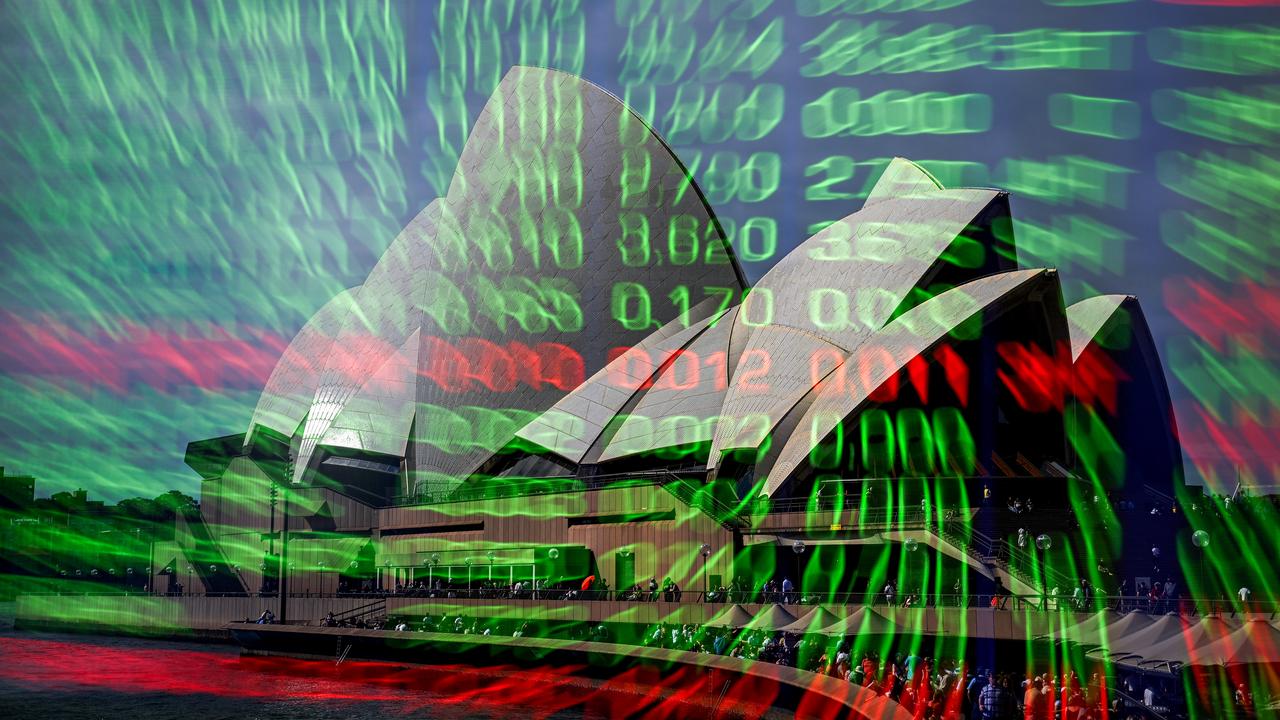
The Australian share market has closed higher following reports US President Donald Trump is willing to wind up its military campaign against Iran without first reopening the Strait of Hormuz.
syahrir maulana/iStock via Getty Images
Our philosophy
Simply put, the upward inflection in stock prices can be a confirmatory signal of fundamental improvement. Our approach to investing is based on our view that fundamentals ultimately drive stock prices. Through deep fundamental research, we

The lender says the market regained momentum in March, but rising mortgage and energy costs could hit consumer confidence.
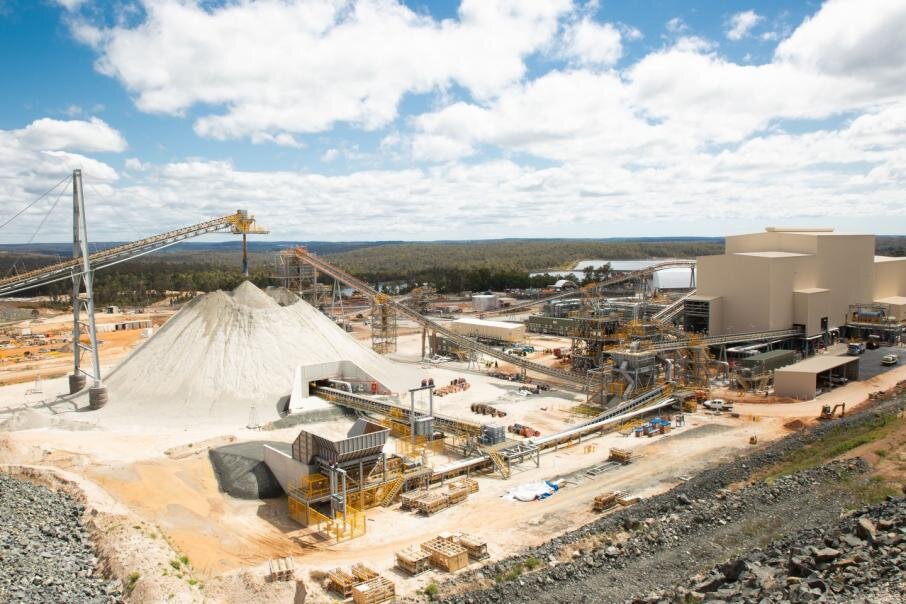
The Greenbushes lithium mine in the state’s South West generated a $624 million profit for its three joint venture owners, a far cry from its bumper $6 billion profit two years ago.


Pickleball paddle producer Devi Wei has a message for U.S. shoppers.
“Americans will have to pay more,” the Chinese businessman told CNBC at a Beijing trade show last week at the China International Exhibition Center.
Because of the recent swings in oil prices resulting from the Iran war and closure of the Strait of Hormuz, Wei, who founded his own exporting business, Huijin Trade, has had to hike prices on his paddles and pickleballs by as much as 20%, he said.
Wei’s goods are made with polypropylene, a plastic material derived from oil and made in the Middle East, a dominant producer in the global industry. The war in Iran has stalled shipments of oil and its products through the Strait of Hormuz, raising concerns among Chinese manufacturers at the trade fair about further disruption across the global supply chain.
“I might have to go even higher,” Wei said. “Maybe double if the Iran war doesn’t stop soon.”
Surging oil prices are filtering into prices of all kinds of products that rely on the commodity for manufacturing.
James Li, who makes scarves and said he sells a third of his inventory to the U.S., has marked up his polyester products by 5%.
“This scarf is 30% polyester,” Li told CNBC from his trade show booth. “We will definitely pass on the extra cost to our customers.”
Wang Mingming, a general manager of toy manufacturer Jinming Gifts, said he is hoarding two months’ worth of the plastic polymer PVC, but isn’t sure he can hold off charging more for his figurines.
“In our industry, these materials are almost irreplaceable,” Wang said. “If oil prices rise any further, we really won’t be able to manage.”
Cameron Johnson, senior partner at Shanghai-based supply chain consultancy Tidalwave Solutions, said he foresees competition for oil-related products among entire sectors if the crisis at the Strait of Hormuz isn’t resolved soon. A prolonged impasse in the critical waterway also raises the possibility of product shortages.
“If this goes on into May, everyone will be in big trouble and there will be triage between industries,” Johnson said, predicting autos and the medical field would be granted higher priority. “There is no visibility when new supply will come.”
Perhaps the biggest worry among China’s manufacturers is what costlier oil will mean for discretionary spending by consumers worldwide.
More money for gas means less for Wei’s pickleballs.
“Ordinary people are getting squeezed the most from the high oil price,” he said. “Their spending power just isn’t what it used to be.”
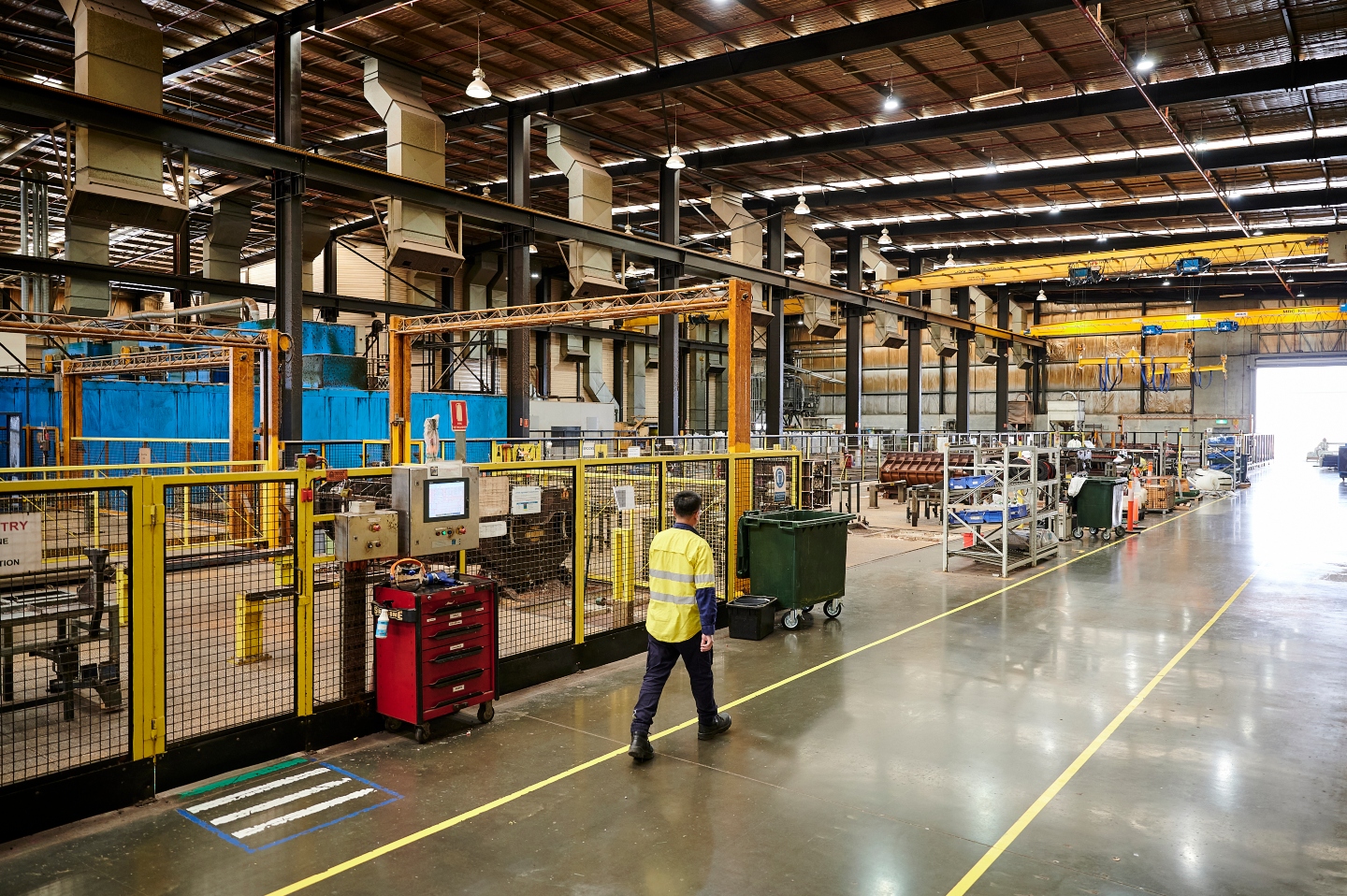
Shares in Matrix Composites & Engineering rose strongly today but are still slightly below the price at which Advanced Innergy Holdings plans to bid for the Perth company.
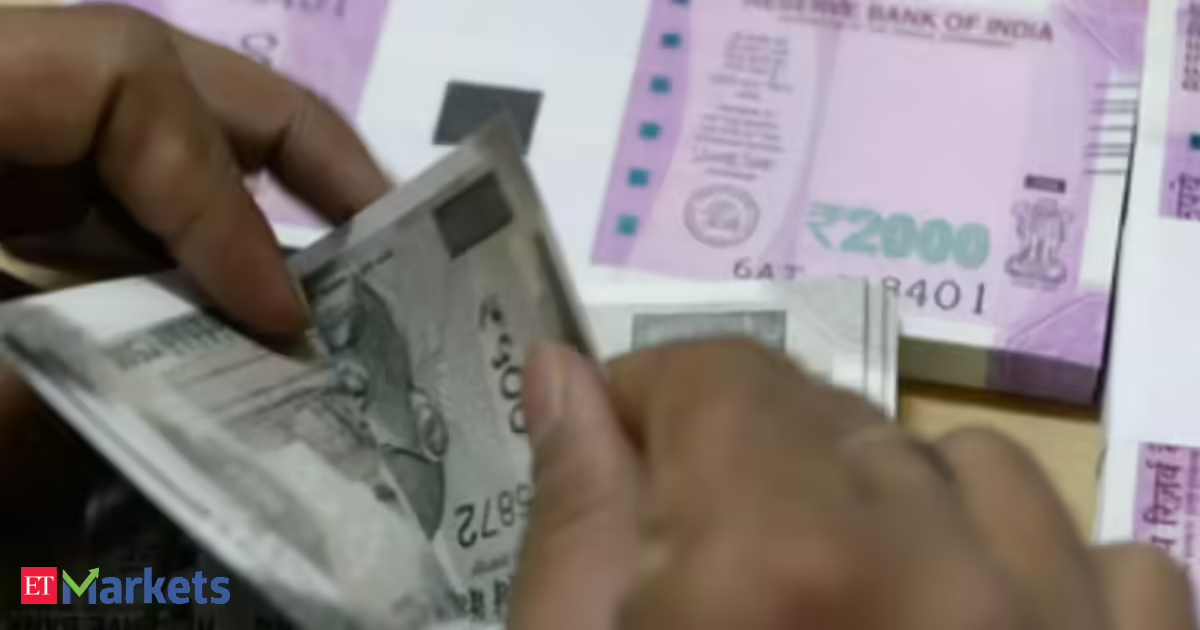
The last month, coinciding with the Iran war, was particularly brutal and accounted for a 4% decline. The currency, which touched an all-time low of 95.21/$, had briefly advanced to 93.59/$ in the early hours, its strongest level on Monday. The trading amplitude for the unit was one of the widest Monday.
Intervention from the Reserve Bank of India (RBI) in the last 15 minutes of trading lifted the local currency to close at 94.83/$ on the last trading day of the year. It closed at 94.81/$ on Friday.
The rupee was widely expected to strengthen on Monday.
 Agencies
Rupee Seen Staying at 94-95 per Dollar

This was following Friday’s central bank directives to curb lenders’ open positions in FX to $100 million. However, high dollar demand from oil companies, importers and hedge funds caused the rupee to retrace its steps and trade at record lows, traders said.
“The curbs by RBI created an arbitrage between NDF and onshore rates. With simultaneous buying in the NDF market and selling in the domestic market, along with year-end dollar demand from oil companies and corporates, the rupee came under pressure,” said Anil Bhansali, head of treasury, Finrex Treasury Advisors.
The rupee is expected to remain between 94/$ and 95/$ on April 2, when the market opens after a 2-day holiday.
Currency markets are closed on March 31, April 1, and April 3, making this a short trading week.
The currency opened at 93.59/$ on Monday and depreciated continuously till about 3:15 PM to a low of 95.22/$. At these levels, dollar sales by the RBI helped trim losses, allowing the rupee to close slightly stronger.
“Push for dollars from oil companies, importers, hedge funds and corporates was very high due to sharp rupee appreciation in the morning,” said Kunal Sodhani, head of treasury at Shinhan Bank India.
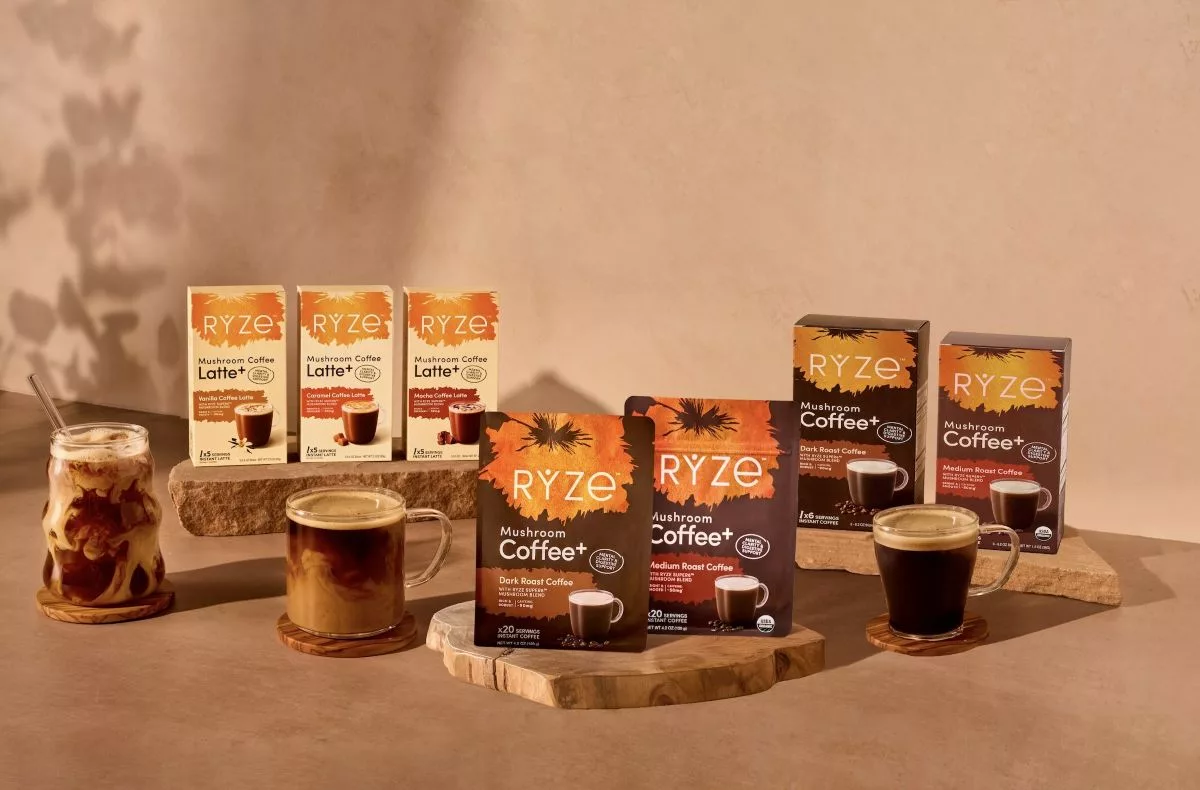

Mushrooms, collagen and fiber aid in mental clarity and digestion support.

Trump said the U.S. was in serious discussions with a “more reasonable regime” to end the war, but repeated his threat to open the Strait of Hormuz or risk U.S. attacks on Iranian oil wells and power plants. Iran described U.S. peace proposals as unrealistic.
Investors have been focused on how oil prices will impact the global economy after they shot up since the start of the war.
“The administration continues to send mixed messages,” said Rick Meckler, partner at Cherry Lane Investments, a family investment office in New Vernon, New Jersey.
“When the messages seem good, to the extent they are believed, it helps the market. If something they say implies a more aggressive approach, the market sells off.”
At the same time the conflict has been escalating. Yemen’s Iran-backed Houthi militia entered the war over the weekend. All three of the major indexes started the day higher after logging sharp declines in the previous session. Since the war started, the Dow, the Nasdaq and the small-cap Russell 2000 have all confirmed correction territory, ending 10% lower from their record-high closes.
According to preliminary data, the S&P 500 lost 25.52 points, or 0.40%, to end at 6,343.33 points, while the Nasdaq Composite lost 153.16 points, or 0.73%, to 20,795.20. The Dow Jones Industrial Average rose 53.27 points, or 0.12%, to 45,219.91. Comments from Federal Reserve Chair Jerome Powell gave some support to stocks. Powell said longer-term inflation expectations appear to be holding despite the current energy shock, and the Fed does not yet need to make a decision on how to react to the latest troubles. Both U.S. crude oil and Brent settled higher.
Money market participants have priced out any easing from the Federal Reserve this year, compared with two cuts expected before the war began, per the CME Group’s FedWatch Tool. The S&P 500 energy index was down slightly and technology stocks were among the biggest drag on the S&P 500. On the flip side, the financial index gained after the U.S. Department of Labor issued long-awaited guidelines intended to clarify how trustees can add alternative assets to 401(k) retirement plans.
Shares of asset managers climbed with Blackstone and KKR both higher.

Bitcoin: der FINALE ABVERKAUF steht bevor! Signale sind EINDEUTIG!
Israel passes controversial death penalty law | World News

My Dividend Stock Portfolio: New February Dividend Record – 100 Holdings With 12 Buys


-
 NewsBeat6 days ago
Manchester United reach agreement with Casemiro over contract clause amid transfer speculation
-

 News Videos5 days ago
Parliament publishes latest register of MPs’ financial interests
-

 NewsBeat4 days ago
The Story hosts event on Durham’s historic registers
-
 Tech5 days ago
Intercom’s new post-trained Fin Apex 1.0 beats GPT-5.4 and Claude Sonnet 4.6 at customer service resolutions
-

 Business5 days ago
Instagram, YouTube Found Responsible for Teen’s Mental Health Struggle in Historic Ruling
-
 NewsBeat6 days ago
Tesco is selling new Cadbury Dairy Milk bar and people can’t wait to try it
-

 NewsBeat7 days ago
Entrepreneurs Forum survey reveals optimism in North East
-

 Fashion7 days ago
Does It Matter What You Wear When You’re Laid Off and Looking?
-

 Sports4 days ago
Sweet Sixteen Game Thread: Tide vs Michigan
-
 Entertainment3 days ago
Lana Del Rey Celebrates Her Husband’s 51st Birthday In New Post
-
 Crypto World7 days ago
BTC gives up $70,000 level as markets mull higher interest rates
-

 Sports6 days ago
Fantasy Baseball Week 1 Preview: Top sleeper hitters for both five- and 12-day period led by Munetaka Murakami
-
Entertainment21 hours ago
Fans slam 'heartbreaking' Barbie Dream Fest convention debacle with 'cardboard cutout' experience
-

 Tech7 days ago
Embedding compliance in AI adoption
-

 Tech6 days ago
US FCC Prohibits Approval Of New Foreign-Made Consumer Routers
-

 Fashion7 days ago
Coffee Break: Korean Skincare Set
-
Sports6 days ago
One Team in Particular Is Monitoring Kirk Cousins
-

 Fashion7 days ago
Althea Mink: Patrice Taylor’s Atlanta Couture Brand Built on Legacy, Resilience, and Architectural Glamour
-
 Fashion6 days ago
How to Style Spring Like WeWoreWhat: Easy Outfit Ideas for 2026
-
 Sports7 days ago
Bhubaneswar gets 2028 World Indoor Athletics Championships hosting rights | Other Sports News
You must be logged in to post a comment Login