

Business
At Close of Business podcast March 30 2026


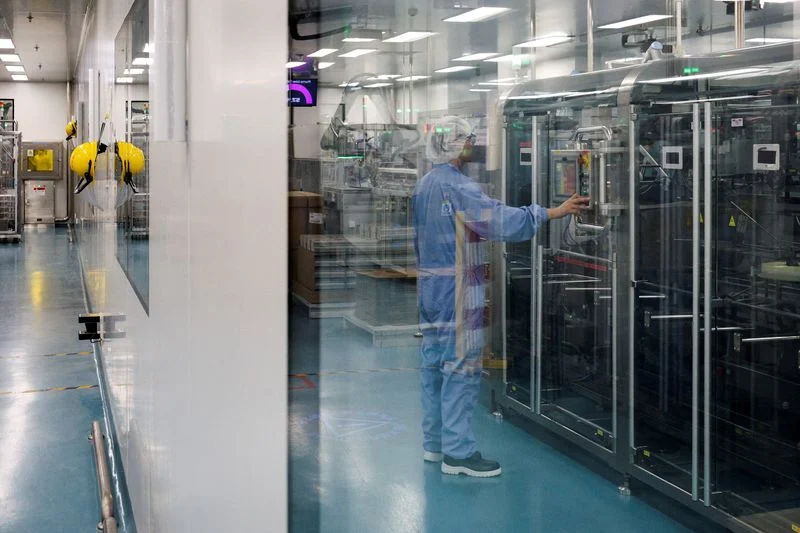

Asia’s factory output expands as firms stockpile buffers over Iran war risks
Business
Suzlon Energy shares fall over 2% after SEBI fines Rs 29 crore for misleading financial statements

In a 96-page order issued on May 29, Sebi said Suzlon and certain former executives violated provisions of the Sebi Act, PFUTP Regulations, listing regulations and disclosure requirements. The order replaces an earlier adjudication order issued in June 2025 and confirms multiple violations by the company and its executives.
Among the penalised individuals, former executive Vinod R. Tanti was fined Rs 5.75 crore, while Girish R. Tanti was directed to pay Rs 5.45 crore. Former Group CFO Kirti J. Vagadia was fined Rs 1.5 crore and former CFO Amit Agarwal was fined Rs 30 lakh.
The matter stemmed from an anonymous complaint received by Sebi in December 2019 alleging irregularities in transactions involving Suzlon’s subsidiaries and associate entities. A subsequent forensic audit and investigation covering FY15 to FY20 and the first nine months of FY21 examined several issues, including dealings with subsidiaries, impairment reversals, contingent liabilities and financial statement disclosures.
Sensex, Nifty today: Catch all the LIVE stock market action here

One key observation related to the transfer of Suzlon’s operations and maintenance services business to its subsidiary, Suzlon Global Services Ltd, in March 2014. Sebi noted that the business, valued at around Rs 77 crore, was transferred for Rs 2,000 crore, resulting in Suzlon recording an accounting gain of Rs 1,922.92 crore.
According to the regulator, the subsidiary lacked the financial capacity to fund the transaction. Sebi found that a significant portion of the consideration was subsequently reflected as paid through circular movement of funds between the two entities. The regulator said the arrangement created artificial profits and inflated the company’s net worth. It observed that Suzlon’s FY14 net worth would have been Rs 741 crore without the transaction, compared with the reported figure of Rs 2,664 crore.
Sebi further noted that Suzlon later booked an additional gain of Rs 829.78 crore by transferring its stake in the subsidiary to another wholly owned entity, effectively recognising profit a second time on the same underlying assets. According to the regulator, these transactions helped the company portray a stronger financial position and supported subsequent fund-raising and restructuring efforts.
The order also addressed a standby letter of credit connected to loans taken by a foreign subsidiary. Sebi said a contingent liability of about $569 million, or roughly Rs 4,050 crore, which had been disclosed in FY17, was not reflected in FY18 contingent liability disclosures after being reclassified under an accounting standard related to insurance contracts. The regulator held that the treatment was inappropriate and materially reduced the visibility of the company’s financial exposure.
In addition, Sebi reviewed investments and loans involving subsidiaries SE Forge Ltd and Suzlon Gujarat Wind Park. It found that several transactions involved circular routing of funds, conversion of loans into equity and later impairment of investments. According to the regulator, these transactions resulted in financial statements that did not accurately represent the underlying economic substance.
Sebi concluded that the company’s financial statements and disclosures failed to present a true and fair view of its financial position. The regulator said financial statements and disclosures form the basis on which investors and other market participants assess a listed company’s financial health and prospects.
While Sebi noted that disproportionate gains and investor losses could not be quantified with precision, it said the violations were serious because they related to financial information disseminated to investors and relied upon by the market.
Sebi imposed the penalties under provisions relating to fraudulent and unfair trade practices, disclosure lapses and violations of listing obligations. The notices must pay the penalties within 45 days of receiving the order.
(Disclaimer: Recommendations, suggestions, views and opinions given by the experts are their own. These do not represent the views of The Economic Times)

Janus Henderson Investors exists to help clients achieve their long-term financial goals. Formed in 2017 from the merger between Janus Capital Group and Henderson Global Investors, we are committed to adding value through active management. For us, active is more than our investment approach – it is the way we translate ideas into action, how we communicate our views and the partnerships we build in order to create the best outcomes for clients. While our investment managers have the flexibility to follow approaches best suited to their areas of expertise, overall our people come together as a team. This is reflected in our Knowledge. Shared ethos, which informs the dialogue across the business and drives our commitment to empowering clients to make better investment and business decisions.www.janushenderson.com

Operator
Hello, and welcome to the Cango Inc. First Quarter 2026 Earnings Conference Call. [Operator Instructions] Please note, this event is being recorded. I would now like to turn the conference over to Mr. Paul Yu, Chief Executive Officer. Please go ahead.
Peng Yu
CEO & Director
Good morning, everyone, and thank you for joining Cango’s First Quarter 2026 Earnings Call. First, I will summarize our key financials and operational performance for the quarter. The first quarter of 2026 was characterized by industry-wide adjustments and our results reflect these macro headwinds alongside our ongoing efforts to manage our strategic transition. During Q1, we generated total revenue of approximately $102 million, primarily driven by revenue from our Bitcoin mining business. We reported a net loss from continuing operations of $261.1 million primarily due to noncash impairment charges on Bitcoin mining machines and loss from changes in fair value of receivable for Bitcoin collateral, both resulting from the decline in Bitcoin market price. By the end of the quarter, we held 1,025.7 Bitcoin, and we reduced our long-term debt to $30.6 million. As of March 31, 2026, Cango’s total operational hash rate was 37.01 exahash per second, comprising 27.98 exahash per second of self-mining capacity and 9.02 exahash per second of hosted hash rate. This operational model prioritizes margin resilience over scale.
In Q1, we mined 1,266 Bitcoin. Through disciplined cost management, our average cash cost per Bitcoin mined was $76,928 showing a 9% decrease from Q4 2025. These figures reflect our continued focus on profitability and operational efficiency as our business model evolves.
US says it struck Iranian drone command sites at the weekend

The airline said its operational performance during the quarter was affected by disruptions linked to the ongoing conflict in the Middle East. Capacity, measured in available seat kilometres (ASKs), increased 3.4% YoY to 43.6 billion.
Passenger traffic stood at 31.6 million during the quarter, marking a marginal decline of 1.1% from a year earlier. EBITDAR, excluding foreign exchange impact, stood at Rs 6,435 crore, down from Rs 6,862 crore in the corresponding quarter last year. The EBITDAR margin narrowed to 28.7% from 31%.
IndiGo shares: Should you buy, sell or hold?
Goldman Sachs maintained its Buy rating and target price of Rs 5,200, implying an upside of 18% from current levels. The Wall Street major said the airline did not provide full-year FY27 capacity guidance, while elevated costs continue to remain an overhang. Goldman Sachs highlighted that the broader Indian aviation sector, barring IndiGo, continues to face weak profitability and balance sheet stress. The brokerage has retained its valuation at 10x FY28 estimated EV/EBITDAR.
Jefferies maintained its Buy rating but lowered its target price to Rs 5,380 (22% upside) from Rs 5,500. The brokerage said the airline delivered a weak but largely in-line performance in the fourth quarter and expects the near-term outlook to remain challenging amid elevated cost pressures. For the first quarter, IndiGo has guided for mid-teen growth in unit revenue, largely driven by higher pricing, with demand so far remaining resilient enough to absorb part of the cost increases. Jefferies believes operating conditions will remain difficult in the near term, though the environment is likely to be even more challenging for peers.
Motilal Oswal maintained its Buy rating on IndiGo with a target price of Rs 5,600, implying an upside potential of 27%. The brokerage said that despite near-term challenges from Middle East airspace disruptions, elevated fuel prices, rupee depreciation and higher damp-lease exposure, it remains positive on the airline’s long-term growth strategy.
It believes IndiGo is well positioned to benefit from India’s strong domestic aviation demand and steadily expanding international network. Looking ahead, Motilal Oswal expects a gradual normalisation of international operations, a reduction in Pratt & Whitney-related aircraft groundings, ongoing fleet additions, and the deployment of A321XLR aircraft on international routes to support an earnings recovery.JM Financial maintained its Add rating with a target price of Rs 5,000, noting that capacity growth remained subdued due to the Middle East conflict. IndiGo reported ASK growth of 3.4% year-on-year to 43.6 billion in Q4FY26 and has guided for 3-4% ASK growth in Q1FY27, with most of the increase expected to come from domestic metro and leisure routes.
The brokerage expects this, coupled with mid-teen PRASK growth on a favourable base, to support a recovery in unit economics. Capacity was significantly impacted by the West Asia conflict, with around 18% of total capacity affected and more than 160 daily international flights disrupted in March 2026. However, the airline indicated that capacity recovered to around two-thirds of normal levels in May and expects full normalisation by the end of June. JM Financial also highlighted that the number of grounded aircraft remains in the 40s but is likely to decline to the 30s by year-end, which could provide a meaningful boost to both capacity and costs.
Elara Capital maintained its Buy rating and target price of Rs 6,020, arguing that the stock’s roughly 25% decline over the past six months due to flight disruptions, the Middle East conflict, higher crude oil prices and rupee weakness has created an attractive opportunity. The brokerage believes the market is overly focused on near-term challenges while overlooking the benefits of a prolonged industry-wide capacity shortage.
It highlighted that domestic advance fares are up around 17% year-on-year, while international advance fares have risen nearly 40%. Elara also noted that IndiGo reported an adjusted profit of Rs 25 billion in Q4FY26 despite a non-cash foreign exchange loss of Rs 48 billion. Additionally, competitor capacity reductions have been deeper than IndiGo’s, supporting the airline’s market share gains and pricing power. While the brokerage has lowered its FY27 EBITDA estimate by 7% to account for higher crude oil and rupee assumptions, its FY28 estimates remain broadly unchanged.
(Disclaimer: Recommendations, suggestions, views and opinions given by the experts are their own. These do not represent the views of The Economic Times)

Nomura Tax-Free USA Fund Q1 2026 Commentary
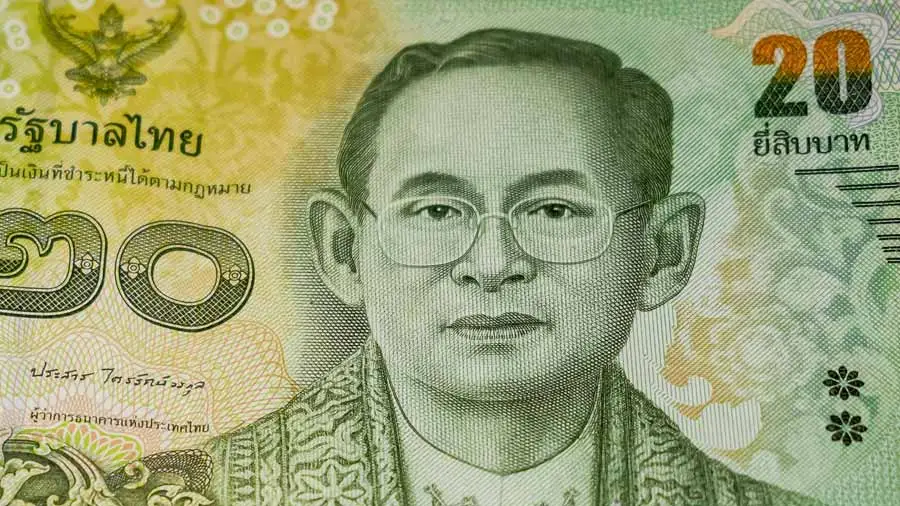
Thailand’s minimum capital requirements for foreign investors depend on factors such as industry, ownership structure, and licensing. These requirements impact incorporation, ownership, licensing, and business expansion, with thresholds governed by the Foreign Business Act.
Foreign investors must carefully assess these thresholds to ensure compliance and avoid potential legal complications. Additionally, specific industries may have higher capital requirements or restrictions on foreign ownership, particularly in sectors deemed sensitive or vital to national interests. Understanding these regulations is essential for strategic planning, securing necessary permits, and establishing a sustainable business presence in Thailand.
Thailand’s Approach to Minimum Capital Requirements
Thailand does not set a universal minimum capital threshold for foreign investors, making the requirements flexible depending on the industry and business activity. However, minimum capital impacts key aspects like company registration, ownership structure, regulatory approval, taxation, banking access, and future expansion plans. The level of required capital varies based on specific operational and legal considerations.
Foreign investors should carefully evaluate the capital requirements in their targeted industry to ensure compliance with Thai regulations. For certain sectors, particularly those restricted under the Foreign Business Act, higher minimum capital may be mandated to obtain necessary licenses or permits. Additionally, meeting the appropriate capital threshold can influence a company’s credibility with financial institutions, ease of securing loans, and overall operational stability. Strategic planning around capital allocation is essential to align with both short-term regulatory needs and long-term business goals in Thailand.
Influences on Capital Requirements
The Foreign Business Act (FBA) plays a significant role in shaping Thailand’s capital policies for foreign enterprises. Businesses engaged in restricted sectors typically need to maintain at least THB 2 million (US$54,000) in registered capital, with certain activities requiring a Foreign Business License and a minimum of THB 3 million (US$81,000). These thresholds depend on the business nature, licensing, and foreign ownership levels.
Determining Factors for Foreign Investment
Foreign ownership percentage is crucial in defining applicable requirements. Companies classified as foreign under Thai law may face stricter approval processes and higher capital demands compared to Thai majority-owned firms. Joint ventures are common, especially where local participation offers strategic advantages, though authorities scrutinize nominee arrangements lacking real economic or operational involvement by local shareholders.
Read the original article : Thailand Minimum Capital Requirements for Foreign Investors: What Determines Your Investment Threshold?
Other People are Reading
Business
Bearish move or buying opportunity? Geojit’s Anand James on Nifty levels and top stocks to watch
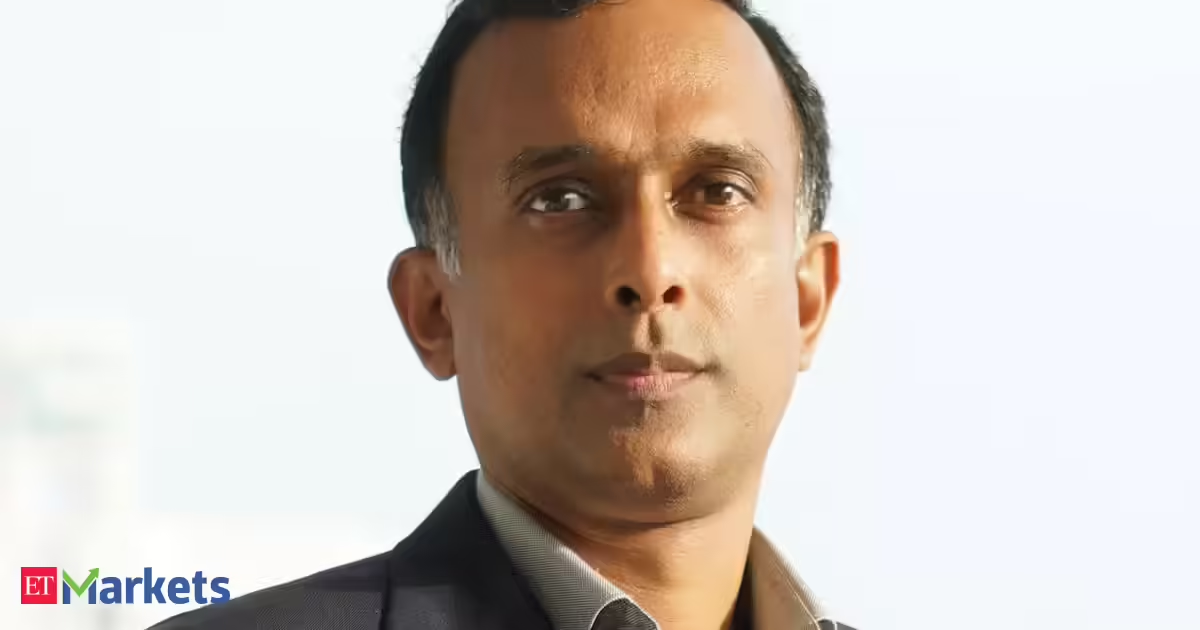
The sell-off seen in the last 30 minutes on Friday has scared traders as to what could be in the offing on Monday morning. What do you think?
IMD’s below-normal monsoon forecast and uncertainty over US-Iran talks in the backdrop gave an ominous feel to the drop that unfolded towards Friday’s close. However, the steepness of the fall is apparently due to MSCI rebalancing, with futures and options segment appearing reluctant to match such move. Nevertheless the large red candle registered on Nifty’s chart needs to be acknowledged, and we will start the new week on a cautious note. That 23500 was defended, gives us reason to be optimistic, but slippage past the same, or inability to reclaim the 10 day SMA near 23750 will confirm bearishness calling for 22800.
Nifty has been seeing profit booking at higher levels in last few weeks. What does the rollover data indicate for the June series?
The rollover data for June series suggests a cautious to mildly negative undertone despite selective strength. Nifty’s rollover dropped to 69.98% in May, below the 3-month average of 73.05%, indicating reduced willingness to carry forward positions, likely reflecting profit booking at higher levels. Similarly, Bank Nifty rollover moderation points to some cooling in conviction within the heavyweight banking segment.
Market breadth has weakened as well, with only 52% of stocks closing positive vs 91% in April, highlighting broader profit-taking pressure. While strong rollovers in select sectors like Oil & Gas, Metals, Power and Infra signal pockets of resilience, weakness in Pharma, Healthcare, and Transportation suggests lack of uniform participation.
Although long buildup was visible in Telecom, Capital Goods, and Pharma, the early trend in June appears cautious. Importantly, banks-despite prior long build-up-have started the June series on a weak footing, with heavyweights like SBI and HDFC Bank under pressure, which could weigh on Nifty due to their high index weight.
Nifty IT is showing signs of resilience even during sell-off. What are the charts indicating at?
The Nifty IT index is showing early signs of a trend reversal after a prolonged corrective phase. On the daily chart, the formation of an inverted head and shoulders pattern suggests a base-building process, with prices currently hovering near the neckline zone around the 29,500-29,600 region. A sustained move above this level could confirm a breakout and trigger momentum towards higher resistances.
On the higher timeframe, the weekly MACD is on the verge of a bullish crossover, indicating a potential shift from bearish to positive momentum. This aligns with improving price structure and supports the medium-term recovery thesis.
From a longer-term perspective, the monthly candlestick is forming a pin bar Doji, typically seen near inflection points, highlighting rejection of lower levels around the 27,000-28,000 zone and signaling demand absorption.
However, confirmation is key. Immediate support lies near 28,000, while a decisive breakout above the neckline could open upside towards 31,000-32,000. Failure to sustain above key resistance may keep the index range bound.
HFCL was among the top gainers of the week. Do you see signs of the momentum continuing in the week ahead?
Long wicked candle on Friday, with a close above upper bollinger band point to a mix of strong trending nature and emerging cautiousness. Oscillators appear reluctant, but are yet to confirm an impending collapse. With these in the backdrop, longs may be held on to, but ideally with a stop loss placed near 168.
Natco Pharma fell 14% on Friday after weak Q4 results. Do you see signs of bottom-fishing emerging in the coming week?
Yes. The single day red candle which has resulted in a break of structure, is likely to be followed by bottom fishing and a pull back rally that could extend 3-4%. However, we do not see enough signs to indicate that such pull back attempt could sustain.
Give us your top ideas of the week.
INDIANB (LTP: 833)
View: Buy
Target: 930
SL: 790
Indian Bank continues to maintain a structurally strong uptrend on the weekly chart, characterised by a series of higher highs and higher lows since early 2024. The recent profit booking since April seems to have found a support near 800 healthy consolidation after a sharp rally, with the stock holding firmly above the 780-750 support zone, which now acts as a strong demand base.
Despite the recent pullback from near 1000 levels, the correction appears time-wise rather than price-destructive, suggesting profit booking rather than trend reversal. The presence of a rising support trendline reinforces the bullish structure.
Momentum indicators are cooling off from overbought levels, which is constructive in a trending market. The RSI is stabilising near the mid-zone, providing room for a fresh upside leg, while MACD is approaching levels where a potential bullish crossover on lower drawdown could emerge.
SHYAMMETL (LTP: 973)
View: Buy
Target: 1080
SL: 930
Shyam Metalics is exhibiting a strong bullish breakout from a descending trendline on the weekly chart, indicating a potential resumption of the broader uptrend after a period of consolidation. Price has decisively moved above the 950-960 resistance zone, which also coincided with prior swing highs, adding conviction to the breakout.
The structure reflects higher lows formation, suggesting steady accumulation. Momentum indicators are turning supportive with RSI trending upward above the mid-zone, while MACD has delivered a bullish crossover with rising histogram, reinforcing improving momentum. Weekly Supertrend breakout adds to positivity. Volume expansion near the breakout area further validates buyer participation and strengthens the breakout reliability. Additionally, price holding above short-term supports near 930 indicates a favorable risk-reward setup.
As long as the stock sustains above the breakout zone, it is well-positioned to extend its upward move towards the 1080 target.
Business
Japan’s Nikkei tops 67,000 for first time on AI boost; SoftBank becomes Japan’s most valuable firm
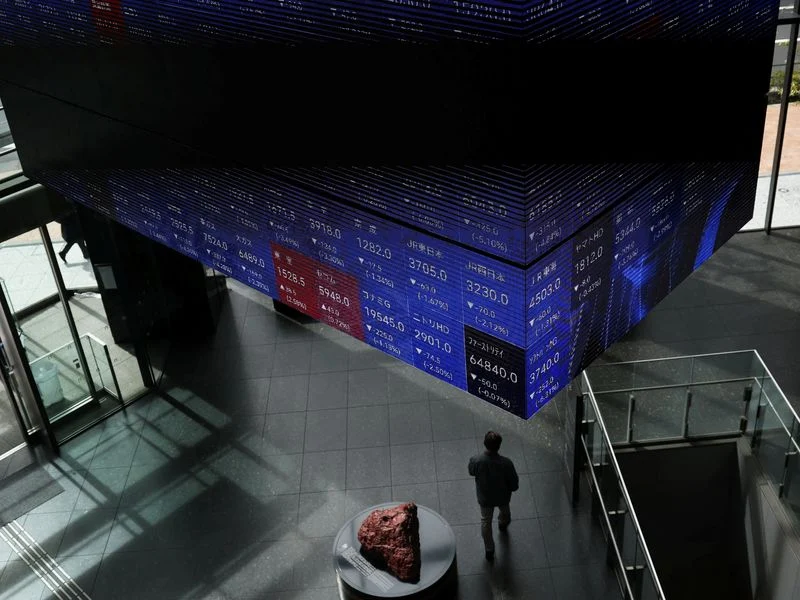

Japan’s Nikkei tops 67,000 for first time on AI boost; SoftBank becomes Japan’s most valuable firm

Jeremy Clarkson and Kaleb Cooper celebrate wildly as farmer’s choir wins Britain’s Got Talent

Asia’s factory output expands as firms stockpile buffers over Iran war risks
ESPN Dings Vikings for One Bad Offseason Move


-

 NewsBeat5 days ago
Israel says it has killed new Hamas military leader in Gaza City airstrikes
-

 Tech5 days ago
NASA taps Blue Origin to deliver lunar rovers for Moon Base initiative
-

 Politics7 days ago
Bridgerton Season 5: Cast, Release Date And Everything We Know So Far
-

 Sports6 days ago
2026 NBA Finals schedule, odds: Knicks await Thunder or Spurs after winning East
-

 News Videos5 days ago
XRP *JUST* SUCCEEDED!!!! CLARITY ACT EXPOSED!!! (SHE EXPOSED IT)
-
 Crypto World5 days ago
Micron Crosses $1 Trillion Market Cap as AI Demand Reshapes Memory Sector
-

 Business5 days ago
Selena Gomez Reportedly Upset Over Benny Blanco’s Comments on Her ‘Terrible’ Diet
-

 News Videos3 days ago
This is BROKEN! INSANE 5x MONEY CAR WASH WEEK! The NEW GTA Online UPDATE Today! (GTA5 New Update)
-

 Business7 days ago
BTS Sells Out Four Las Vegas Shows at Allegiant Stadium for ARIRANG World Tour
-
 NewsBeat6 days ago
Hottest May day ever as London hits 34.8C in 2C leap from previous records
-
 Tech6 days ago
China assigns ID codes to 28,000+ humanoid robots
-

 Business6 days ago
Nikkei 225 Surges Past 65,000 for First Time as Iran Peace Hopes Fuel Record Rally
-

 Tech7 days ago
Microsoft’s quiet Claude Code retreat and the real cost of enterprise AI
-

 Tech3 days ago
Waymo dominates autonomous vehicle registrations as Tesla trails behind
-

 NewsBeat7 days ago
Crowds find riverside shade in York as temperatures soar
-
Tech5 days ago
The Samsung pay deal is the moment Korean unions changed register
-

 Tech7 days ago
Westone Audio and Etymotic Acquired by Fidelity Collective in Major IEM Market Move
-
 Entertainment6 days ago
‘Breaking Bad’ Star’s Easy-to-Binge 6-Part Crime Series Spin-Off Is Finally Heading to Free Streaming
-

 Tech5 days ago
Millions of AI agents imperiled by critical vulnerability in open source package
-
Crypto World5 days ago
SpaceX’s $2 Trillion IPO: Why Tech Giants Nvidia (NVDA), Apple (AAPL), and Microsoft (MSFT) May Face Pressure
You must be logged in to post a comment Login