
Business
‘Banning working from home is idiotic’

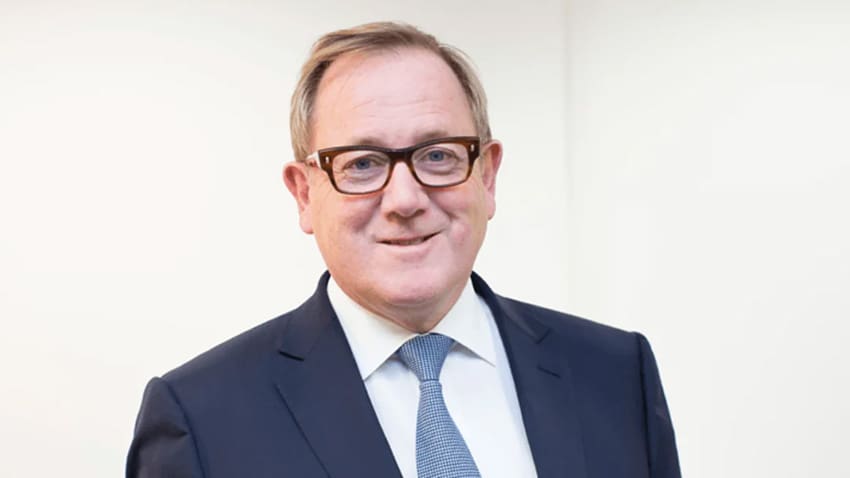
Mark Dixon, the billionaire founder of IWG and architect of the Regus empire, has dismissed calls to ban working from home as “idiotic”, arguing that the future of productivity lies in better management, not compulsory office attendance.
Speaking to The Times, Dixon responded to remarks by Reform UK leader Nigel Farage, who recently declared that people are not more productive at home and pledged to scrap the practice if his party ever came to power. For Dixon, such thinking belongs to another era. “The idea that the only place you can work is in an office is idiotic,” he said. Advocates of five days a week in the office, he added, are “naive” and “Luddites”.
As chief executive and largest shareholder of IWG, the £2.2bn group behind the Regus and Spaces brands, Dixon is hardly neutral. The company promotes hybrid working as a core proposition and operates more than 4,400 locations across 122 countries. Yet his view is informed by scale and data as much as ideology. “Work can be done absolutely anywhere today,” he said. “The whole notion of offices has completely changed.”
The interview took place at Spaces Liverpool Street in the City, a recently refurbished location where corporate suits and start-up hoodies share communal tables. Dixon, 66, is softly spoken rather than bombastic, but unequivocal in his beliefs. “The key problem with work and productivity is how you manage people,” he said. “It’s not whether they’re at home or in an office.”
His approach is to manage outputs rather than presence. For his roughly 1,000 head-office staff, part of a global workforce of around 9,000, the emphasis is on delivery rather than surveillance. As for the oft-cited “water cooler moments” supposedly lost in remote working, Dixon believes they must be deliberately curated rather than left to chance. “You’ve got to schedule creative periods,” he said. “You can’t just rely on random encounters.”
Dixon’s own career has been anything but conventional. Born in Essex to a car mechanic, he began his entrepreneurial life selling topsoil to neighbours at the age of 12. After leaving school at 16 and travelling the world, he launched a sandwich delivery business in the 1980s before selling his bakery venture for £800,000. That capital financed his move to Brussels in 1989, where he spotted businesspeople conducting meetings in cafés, and identified a market for flexible office space. The first Regus centre opened later that year.
Expansion followed rapidly through Latin America, China and the United States. Regus listed in London in 2000 but narrowly avoided collapse during the dotcom crash. More recently, IWG has outlasted high-profile rival WeWork, which filed for bankruptcy protection in 2023 after a spectacular fall from a $47bn valuation.
Despite persistent speculation about shifting its listing to the US, Dixon said such a move is not imminent. While about half of IWG’s business is American, he cautioned that scale is essential before any transatlantic switch. “It’s important to be big there; you don’t want to be a minnow,” he said, suggesting annual earnings would need to exceed £1bn before the company could justify the effort.
On UK politics, Dixon was less restrained. He questioned whether successive governments have truly prioritised business competitiveness, arguing that long-term economic success depends on fostering strong companies and industries.
Now based in Monaco, Dixon retains a 27 per cent stake in IWG. Asked about succession, he acknowledged the inevitability of change. “The challenge for any chief executive-founder is succession,” he said. “This is a young man’s business.” He insisted he has no ego-driven attachment to the role, only to the company’s success.
For the time being, however, he remains focused on growth, and on demonstrating that hybrid working can deliver results. The day before our conversation, he had taken his team to a nearby pub after a long meeting. “We got quite a lot done in two pints,” he said with a smile. “It was very productive.”

Jamie Young
Jamie is Senior Reporter at Business Matters, bringing over a decade of experience in UK SME business reporting.
Jamie holds a degree in Business Administration and regularly participates in industry conferences and workshops.
When not reporting on the latest business developments, Jamie is passionate about mentoring up-and-coming journalists and entrepreneurs to inspire the next generation of business leaders.


TotalEnergies and Masdar form $2.2bn Asia renewables venture
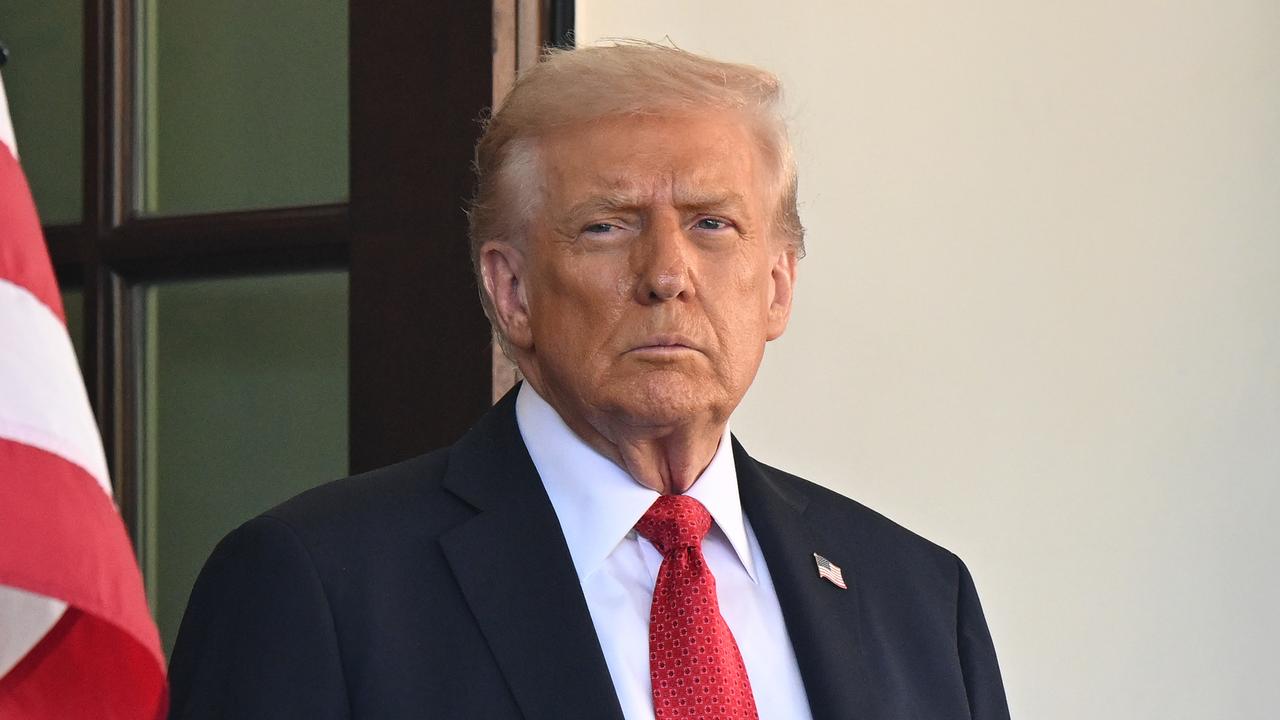
Aussie shares have tumbled and oil is surging, after US President Donald Trump threatened to send Iran “back to the Stone Ages” while declaring his military campaign nearly complete.
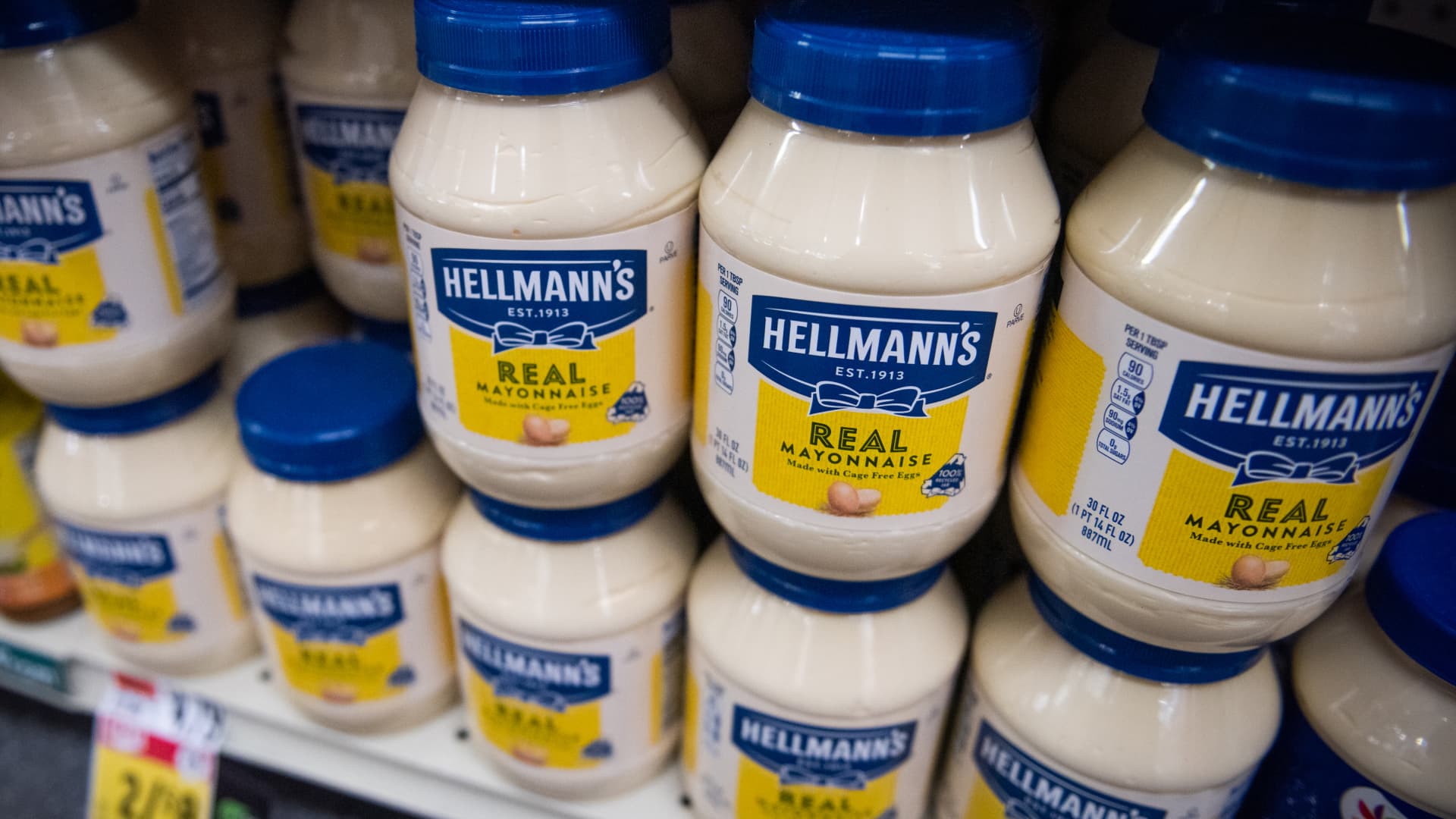

McCormick will buy Unilever’s food business for a combination of cash and equity, in a deal that values the Unilever unit at nearly $45 billion, the two food companies announced.
To purchase most of Unilever Foods’ portfolio, including Hellmann’s mayo and U.K. favorite Marmite, McCormick will pay $15.7 billion in cash. Unilever shareholders will own 55.1% of the combined company, while Unilever will hold a 9.9% stake.
The deal will add billions of dollars in annual sales for McCormick and expand the spice giant’s portfolio further into spreads and condiments. It already owns Frank’s RedHot and Cholula hot sauces and French’s mustard and mayo. About 70% of Unilever Foods’ sales come from Hellmann’s and Knorr, a food brand known for its seasonings, stock cubes and soups.
For Unilever, divesting much of its food business allows the company to focus on its personal-care segment, which is growing faster. In December, Unilever spun off its ice cream business, now trading separately as Magnum Ice Cream Co.
The merger with McCormick does not include Unilever’s food business in India.
The two companies expect that the deal will close in mid-2027, pending shareholder and regulatory approval. McCormick is projecting sustainable organic sales growth of 3% to 5% after the two businesses merge.
“This is a combination of two companies already with the support and the discipline and the knowledge of running the business, coming together to execute this integration,” McCormick CEO Brendan Foley said on a joint investor call with Unilever on Tuesday.
He later said on a call with reporters that McCormick had been thinking about a potential deal with Unilever’s food business for “a number of years.”
When the deal closes, Unilever will appoint four out of the 12 members on the combined company’s board. For the first two years, one of those directors will be a Unilever executive.
McCormick plans to maintain its global headquarters in Hunt Valley, Maryland, and to add an international headquarters in the Netherlands, the long-standing home for Unilever Foods. The combined company will also have a secondary stock listing in Europe.
The deal follows a broader trend among Big Food. Many packaged food and beverage companies have been getting leaner through divestitures and spinoffs as consumers buy less of their products. In 2024, nearly half of mergers and acquisitions activity in the consumer products industry came from divestitures, according to consulting firm Bain.
Shares of McCormick fell 6% in morning trading, while Unilever’s stock down 4%, reflecting investors’ hesitance about the mega-merger. Historically, the industry has a mixed record when it comes to such deals — for example, Kraft Heinz or Keurig Dr Pepper.
“We acknowledge the significant strategic merit and likely compelling [earnings per share] accretion from this potential transaction but also concede the hefty likely deal value, execution risk and resultant majority ownership of the combined entity by Unilever shareholders could dampen initial investor enthusiasm,” Barclays analyst Andrew Lazar wrote in a note to clients on March 20, after The Wall Street Journal reported the initial talks between the two companies.
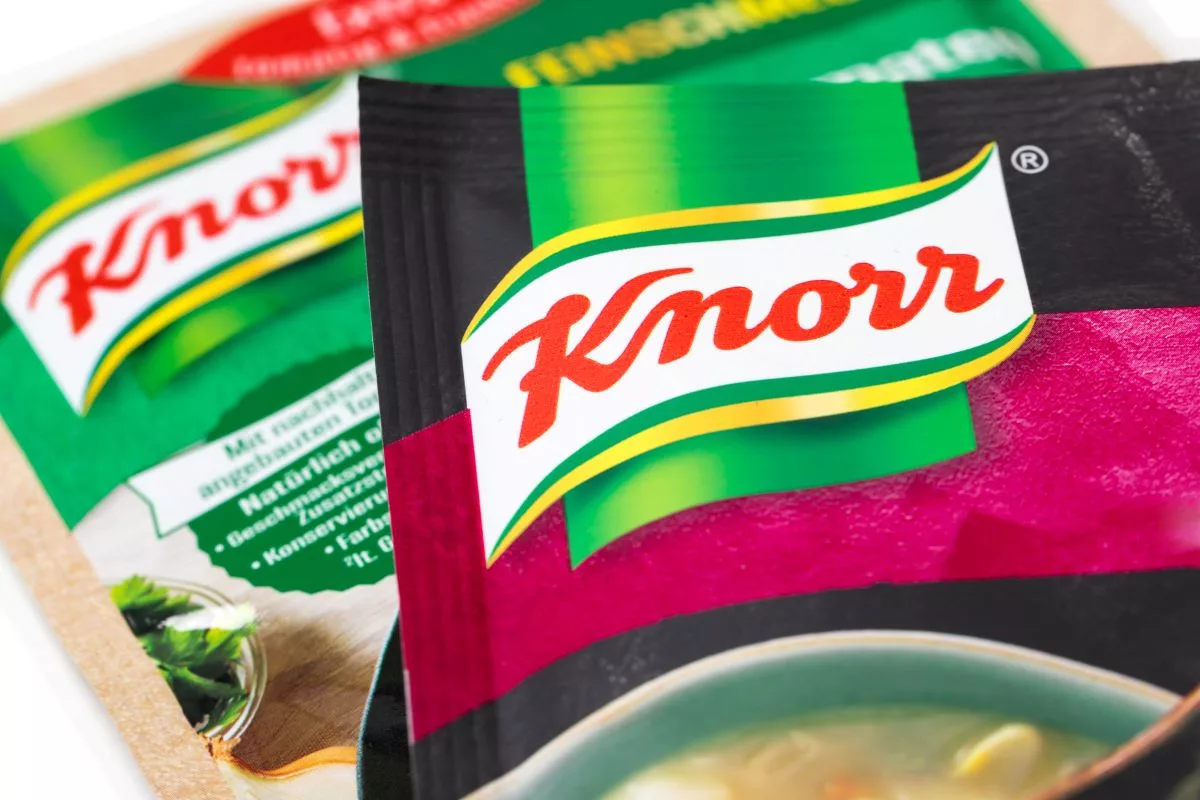

The combination will create a company with approximately $20 billion in sales.


For brokers and business owners alike, legal expenses insurance could prove to be one of the most valuable forms of protection on the market

Chagee: A Divergence In Short-Term And Long-Term Prospects

Hess Midstream: Iran Conflict Reduces Bakken Production Fears
Business
Elon Musk Nears Trillionaire Status as SpaceX Files for Massive IPO Valued at $1.75 Trillion
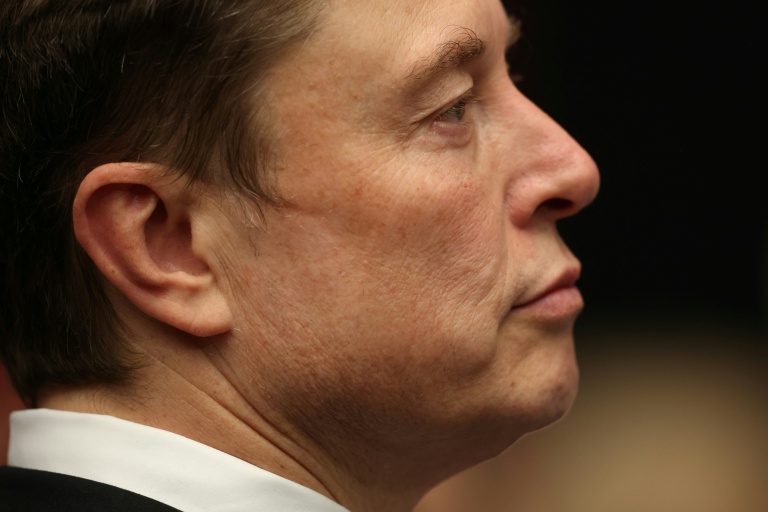
Elon Musk, already the world’s richest person with a net worth exceeding $820 billion as of early April 2026, could soon become the first individual in history to surpass $1 trillion in personal wealth if SpaceX completes a blockbuster initial public offering later this year, according to reports and industry estimates.
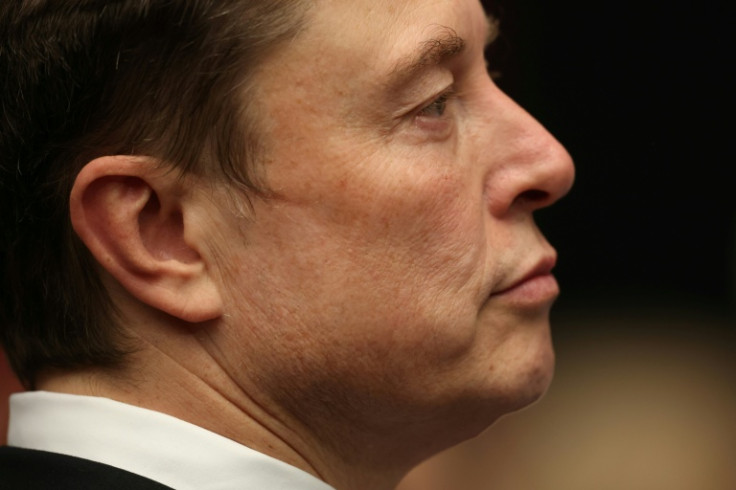
SpaceX, Musk’s privately held aerospace company, reportedly filed paperwork for an IPO on Wednesday, with an anticipated public debut in June that could value the firm at $1.75 trillion and raise as much as $75 billion — dwarfing the previous record set by Saudi Aramco’s $29 billion listing in 2019, Forbes reported.
The development, highlighted in a LinkedIn post by Forbes Magazine, has reignited discussions about Musk’s unprecedented accumulation of wealth and the potential for him to shatter yet another financial milestone. Musk’s fortune, driven primarily by his stakes in Tesla Inc. and SpaceX, has surged dramatically in recent months, with Forbes estimating it at $839 billion on its 2026 Billionaires List released in March and real-time trackers showing around $823.8 billion as of April 1.
Musk became the first person to reach $500 billion in October 2025, $600 billion in December 2025, $700 billion shortly after, and $800 billion in February 2026 following a series of corporate moves, including SpaceX’s acquisition of his xAI venture. His 2025-2026 wealth gain of roughly $497 billion represents the largest single-year increase ever recorded for any individual.
SpaceX IPO Could Be the Catalyst
A successful SpaceX listing at the projected $1.75 trillion valuation would significantly boost Musk’s holdings. Musk owns approximately 42-43% of SpaceX, making that stake alone potentially worth hundreds of billions more once shares trade publicly. Combined with his roughly 13-20% ownership in Tesla (depending on options and dilutions) and other assets, analysts say the IPO could easily push his total net worth past the $1 trillion threshold.
The filing comes amid strong investor appetite for space and defense-related technology, fueled by SpaceX’s dominance in reusable rockets, Starlink satellite internet, and NASA contracts. The company has achieved multiple milestones, including frequent Starship test flights and rapid growth in its Starlink constellation, which now serves customers worldwide.
If the IPO raises $75 billion as estimated, it would not only provide SpaceX with substantial capital for expansion but also create liquidity for early employees and investors while cementing Musk’s companies as central players in the new space economy.
Musk’s Wealth Trajectory
Musk first topped the Forbes Billionaires List in 2021 and has reclaimed the No. 1 spot multiple times. As of April 2026, he remains far ahead of the competition: Google co-founder Larry Page ranks second with roughly $245-257 billion, followed by Sergey Brin, Jeff Bezos and others in the $200-250 billion range. Musk’s fortune is more than three times that of the second-richest person, according to recent snapshots.
His wealth has been volatile, swinging with Tesla stock performance and private valuations of SpaceX and xAI. Key boosts in the past year included Tesla’s recovery after Musk stepped back from government-related roles to focus on the automaker, a Delaware court ruling restoring valuable stock options, and strategic deals involving SpaceX and xAI.
Real-time trackers like Forbes’ Billionaires Index show daily fluctuations of several billion dollars tied to market movements. Musk’s X (formerly Twitter) activity, product announcements and political commentary often influence sentiment around his companies.
Broader Implications
Reaching trillionaire status would mark a historic first in modern capitalism, raising questions about wealth concentration, taxation of unrealized gains and the role of innovation-driven fortunes in society. Musk has previously downplayed personal wealth discussions, emphasizing instead the mission of making humanity multi-planetary and advancing sustainable energy and artificial intelligence through his ventures.
Critics argue that such extreme wealth underscores inequalities, while supporters point to the technological breakthroughs enabled by Musk’s companies — from electric vehicles reducing emissions to Starlink providing internet in remote areas.
The potential IPO also highlights the maturation of the private space industry. SpaceX’s valuation has climbed steadily from earlier tender offers around $400-800 billion, reflecting confidence in its technology and revenue streams from launches and satellite services.
For Tesla shareholders, any SpaceX listing could indirectly benefit the ecosystem, though the companies operate independently. Musk has repeatedly stated that Tesla and SpaceX pursue separate but complementary goals.
Market and Expert Reactions
Financial analysts reacted to the IPO news with cautious optimism. Some predict strong demand for SpaceX shares given its near-monopoly in commercial space launches and growing Starlink subscriber base. Others caution that public market scrutiny could introduce volatility, as seen with Tesla.
“SpaceX going public would be transformative not just for Musk but for the entire space sector,” one aerospace investment specialist said. “It would provide a clear benchmark for valuations and likely spur more investment in related technologies.”
Social media buzzed with the Forbes post, with users debating the likelihood of Musk hitting $1 trillion and what it would mean for philanthropy, policy or further innovation. Musk himself has not publicly commented on the specific IPO filing as of Thursday, though he frequently engages with followers on X about his companies’ progress.
What Comes Next
SpaceX has not officially confirmed the IPO details, and regulatory filings with the Securities and Exchange Commission will provide more clarity in coming weeks. An June listing would represent one of the fastest timelines from filing to debut for a company of this scale.
Musk’s path to $1 trillion depends on multiple variables: successful execution of the IPO, sustained high valuations for both SpaceX and Tesla, and broader market conditions. Even without the IPO, some projections suggest he could approach the milestone through organic growth in his portfolio.
For now, Musk continues to lead the global wealth rankings by a wide margin while juggling leadership roles at Tesla, SpaceX, xAI and X. His ability to turn ambitious visions into high-value businesses has repeatedly rewritten records.
As the world watches the next chapter in Musk’s financial journey, the reported SpaceX IPO filing adds another layer of anticipation to an already extraordinary story of wealth creation in the 21st century.
Whether Musk becomes the world’s first trillionaire in 2026 or shortly thereafter, the development underscores the rapid pace of innovation in technology, space and artificial intelligence — sectors where his influence remains unmatched.

ANALYSIS: The nation has an uphill battle to return productivity to its recent average.
Business
ASX 200 Drops 1.13% to 8,574 as Oil Volatility and Inflation Fears Pressure Australian Shares

SYDNEY, Australia — The S&P/ASX 200 index fell 97.80 points, or 1.13%, to close at 8,574.00 on Thursday, April 2, 2026, extending recent weakness as persistent geopolitical tensions in the Middle East, elevated oil prices and concerns over sticky inflation continued to weigh on investor sentiment.

The benchmark Australian share index opened near 8,671.80 and traded in a wide range, hitting an intraday high of 8,723.30 before sliding to a low around 8,570.20 in afternoon trade. The decline came amid broad-based selling, with financials, technology and materials sectors leading losses despite some resilience in energy names.
This latest drop adds to a challenging start to April following a difficult March, when the ASX 200 lost approximately 7.5% — its worst monthly performance since June 2022. The index now sits roughly 8% below its all-time high near 9,202 set in late February 2026, reflecting the cumulative impact of global risk aversion.
Rising oil prices remained a dominant theme. Brent crude has stayed elevated due to ongoing conflict involving the United States, Israel and Iran, with concerns over potential supply disruptions through key routes like the Strait of Hormuz. Higher energy costs are feeding into inflation worries, complicating the outlook for the Reserve Bank of Australia and pressuring growth-sensitive sectors.
“Geopolitical risk and its direct translation into higher fuel costs are forcing investors to reassess domestic growth prospects,” said one Sydney-based fund manager. “When oil remains above $110–$118 per barrel, it adds meaningful upward pressure on headline inflation, limiting the scope for near-term rate relief.”
Financial stocks, which carry heavy weighting in the index, faced notable selling. The major banks — Commonwealth Bank, Westpac, National Australia Bank and ANZ — traded lower as traders weighed the implications of potentially higher-for-longer interest rates. Elevated borrowing costs could dampen consumer spending and housing activity, key drivers for the Australian economy.
Materials and mining stocks showed mixed performance. While some energy-related names gained on higher crude prices, iron ore and base metal plays retreated amid softer Chinese demand signals and broader risk-off flows. Gold miners provided limited haven support but could not offset sector-wide weakness.
Technology stocks extended recent softness, with investors rotating away from high-valuation growth names amid global concerns over artificial intelligence adoption timelines and stretched valuations. Consumer discretionary shares also came under pressure as higher fuel and living costs squeezed household budgets.
The session occurred against a backdrop of mixed domestic economic signals. Recent labour data has been uneven, while inflation readings have remained above the RBA’s 2-3% target band. Markets are pricing in a high probability of cautious monetary policy, with some analysts even flagging the risk of further rate hikes if oil-driven inflation persists.
The Australian dollar traded modestly softer against the U.S. dollar, reflecting reduced risk appetite, while bond yields showed little directional conviction as investors balanced inflation fears with safe-haven flows.
Market breadth was negative, with decliners comfortably outnumbering advancers across the broader ASX. Trading volume was solid, indicating active participation from institutional investors adjusting positions early in the new quarter.
Analysts noted that while Australia’s underlying economic fundamentals — supported by resource exports and a still-resilient labour market — provide some buffer, external factors continue to dominate near-term sentiment. The OECD has warned that Australia could face among the higher inflation rates in advanced economies if energy prices remain elevated.
Smaller companies in the ASX 300 largely mirrored the benchmark’s weakness, though some defensive and value-oriented names held up better. The All Ordinaries index also closed lower in line with the S&P/ASX 200.
Looking ahead, investors will closely monitor upcoming domestic data releases, including any updates on inflation, retail sales and trade balances. The RBA’s next policy meeting remains a focal point, with decisions likely influenced by the trajectory of global oil prices and geopolitical developments.
International cues will continue to play a critical role. Overnight movements on Wall Street, shifts in commodity prices and any fresh news from the Middle East are expected to set the tone for Friday’s trading. Asian markets, particularly China’s performance, will also be watched for demand signals affecting Australian resource companies.
Despite the day’s decline, some strategists see selective opportunities in quality companies with strong balance sheets and exposure to essential commodities. Dividend yields in the Australian market remain relatively attractive compared with many global peers, providing some support for income-focused investors.
For retail investors, the current environment underscores the importance of diversification and maintaining a long-term perspective amid short-term volatility. Financial advisers recommend focusing on businesses with pricing power and resilience to higher input costs rather than chasing momentum plays.
The S&P/ASX 200’s close at 8,574.00 leaves it testing recent support levels. Whether this represents another leg in the broader correction or a pause ahead of potential stabilisation will depend heavily on de-escalation signals from the Middle East, cooling energy prices and clearer domestic economic data.
Futures trading pointed to continued caution heading into Friday’s session. Market participants will balance ongoing external pressures against Australia’s role as a major supplier of critical resources and its relatively stable underlying growth drivers.
In summary, Thursday’s 1.13% decline in the S&P/ASX 200 highlights the persistent influence of global oil volatility and geopolitical uncertainty on Australian equities. While energy and select defensives offered pockets of relative strength, broader caution prevailed as investors navigated inflation risks and a more uncertain growth outlook.

China takes custody of alleged Huione Group-linked figure Li Xiong
Donald Glover promises the “Community ”movie will happen 'soon': 'I know everybody's been saying that'

Republican plan to fund Homeland Security could get Thursday test vote

Smart energy pays enters the US market, targeting scalable financial infrastructure

Why Israel is blocking foreign journalists from entering

Bitcoin: We’re Entering The Most Dangerous Phase

Explained: 7 financial changes from April 1 | Income tax | ATM withdrawals | PAN rules | STT hike

Krypto: Wenn Du im Minus bist, dann schau Dir das an.

New Financial Year, New Rules: New Financial Year Changes | New Income Tax Rules 2026 | BIG TV
-

 Business6 days ago
Instagram, YouTube Found Responsible for Teen’s Mental Health Struggle in Historic Ruling
-

 NewsBeat5 days ago
The Story hosts event on Durham’s historic registers
-
 Tech7 days ago
Intercom’s new post-trained Fin Apex 1.0 beats GPT-5.4 and Claude Sonnet 4.6 at customer service resolutions
-

 Sports5 days ago
Sweet Sixteen Game Thread: Tide vs Michigan
-
Entertainment3 days ago
Fans slam 'heartbreaking' Barbie Dream Fest convention debacle with 'cardboard cutout' experience
-
 Entertainment4 days ago
Lana Del Rey Celebrates Her Husband’s 51st Birthday In New Post
-
Crypto World2 days ago
Dems press CFTC, ethics board on prediction-market insider trades
-

 Crypto World10 hours ago
Gold Price Prediction: Worst Month in 17 Years fo Save Haven Rock
-

 Tech3 days ago
The Pixel 10a doesn’t have a camera bump, and it’s great
-

 Sports2 days ago
Tallest college basketball player ever, standing at 7-foot-9, entering transfer portal
-

 Tech2 days ago
EE TV is using AI to help you find something to watch
-

 Tech3 days ago
Apple will hide your email address from apps and websites, but not cops
-

 Tech2 days ago
Flipsnack and the shift toward motion-first business content with living visuals
-

 Tech2 days ago
How to back up your iPhone & iPad to your Mac before something goes wrong
-

 Fashion7 days ago
En Vogue in Brown Leather and Tailored Neutrals by Atelier Savoir, Styled by J Bolin
-

 Politics2 days ago
Should Trump Be Scared Strait?
-

 Crypto World2 days ago
U.S. rule change may open trillions in 401(k) funds to crypto
-

 Fashion7 days ago
What Are Your Favorite T-Shirts for the Weekend?
-

 Fashion6 days ago
Weekly News Update, 3.27.26 – Corporette.com
-

 Business6 days ago
Chinese universities with military links bought Super Micro servers with restricted AI chips
You must be logged in to post a comment Login