
Business
Blake Osgood Built a Career by Reading the Land


Blake Osgood did not take a straight road into land restoration. His path moved through small towns, military communities, emergency medical services, project management, defense contracting, and ranching. Each step gave him a different way to look at work, risk, planning, and responsibility.
Today, as the owner of Ozgood Land Restoration, Osgood brings those lessons back to the land. His business focuses on removing invasive plant species and restoring property to a healthier state. That may mean better pasture. It may mean improved wildlife habitat. It may mean giving a neglected piece of Ozark land a second life.
“I have always believed the land will tell you what it needs,” Osgood says. “You just have to slow down enough to see it.”
Who Is Blake Osgood?
Osgood was born in Presque Isle, Maine. His early life included time in Mainz, Germany, then Fort Drum, New York, before moving back to Maine. At age 13, he moved to West Plains, Missouri.
That move changed the direction of his life. The Ozarks became home.
The region gave him more than a place to live. It shaped the way he saw nature, work, and community. Rolling hills, pastureland, hardwood forests, and open ground became part of his daily world.
“When I got to the Ozarks, something about it stayed with me,” he says. “This is the kind of place where you notice the seasons. You notice what grows, what changes, and what needs attention.”
How His Career Built His Leadership Style
Before starting Ozgood Land Restoration, Osgood built a career around projects and problem-solving.
From 2006 to 2013, he worked for Air Evac EMS as a Senior Project Manager. That role taught him how to manage moving parts, solve problems under pressure, and think ahead.
He also earned his Executive MBA from Walden University in 2016.
Those experiences gave him a business background that is uncommon in land restoration. He understands planning, timelines, logistics, and accountability.
“In project management, you learn fast that small problems can become big problems if you ignore them,” Osgood says. “Land is the same way. One invasive plant can turn into a much bigger issue if you do not deal with it early.”
Why Blake Osgood Started Ozgood Land Restoration
The idea for Ozgood Land Restoration grew from Osgood’s life as a rancher.
He raises cattle, sheep, chickens, and goats. That means he spends a lot of time watching the land closely. He sees how pasture health affects livestock. He sees how invasive plants spread. He sees how quickly good ground can become hard to use when it is not managed.
For Osgood, restoration is not just about clearing brush. It is about bringing land back into balance.
“Anyone can knock down brush,” he says. “The real question is what happens after that. Is the land healthier? Can native plants come back? Can livestock or wildlife use it better? That is what matters.”
This mindset became the foundation of his business. Ozgood Land Restoration helps landowners reclaim property overtaken by invasive species or neglect. The goal is not to erase the character of the land. The goal is to restore its value, function, and beauty.
What Makes Land Restoration Different From Land Clearing?
A key part of Osgood’s message is the difference between clearing land and restoring it.
Land clearing is often focused on removal. Restoration is focused on recovery.
That difference matters. In the Ozarks, invasive species can crowd out native plants, reduce forage, limit wildlife habitat, and make land harder to manage. If the root problem is not addressed, the same issues often return.
“Restoration takes patience,” Osgood says. “You have to understand what is growing, why it is spreading, and what the land should look like after the work is done.”
His ranching background gives him a practical view of those problems. He looks at land through the eyes of someone who depends on it. He knows that healthy soil, healthy forage, and healthy ecosystems are connected.
A Leader Focused on Stewardship
Osgood’s leadership style is grounded in stewardship. He does not describe land as something to control. He talks about it as something to care for.
That view reflects his personal interests, too. Outside of work, he plays music and spends time ranching. Both require rhythm, patience, and attention. Those same traits show up in how he approaches restoration.
“You cannot rush good work,” he says. “Whether you are working cattle, playing music, or restoring a property, you have to pay attention to timing.”
For landowners, that kind of thinking can be valuable. Many people buy acreage because they love the idea of open space, wildlife, pasture, or privacy. But they may not know what to do when invasive species take over, or a property becomes too overgrown to enjoy.
Osgood sees his role as both a service provider and an educator.
“A lot of people know they have a problem, but they do not always know what they are looking at,” he says. “Part of my job is helping them understand what is happening on their land.”
The Bigger Opportunity in the Ozarks
The demand for thoughtful land management is growing as more people buy rural property, manage livestock, or look for ways to improve habitat. In the Ozarks, where natural beauty is a major part of the region’s identity, restoration carries both practical and environmental importance.
Osgood’s career gives him a unique position in that space. He brings the discipline of a project manager, the independence of a business owner, and the lived experience of a rancher.
His work is not only about removing what does not belong. It is about helping what does belong come back.
“When a property starts to recover, you can feel the difference,” Osgood says. “The land opens up. Native growth has a chance. Wildlife returns. That is the reward.”
For Blake Osgood, Ozgood Land Restoration is more than a business. It is the next chapter in a career built around responsibility, problem-solving, and a deep respect for the land he now calls home.



Investment in new products and seasonal promotions expected to boost sales.

Ingersoll Rand Q2: Profitability Took A Hit, But There Are Ways It Can Come Back

In theory, the inquiry should be impartial and informative – a learning process focused solely on improving passenger safety. But in the case of AI171, the information revealed by the investigation so far has triggered a major backlash from safety campaigners, pilots’ groups and lawyers acting for the bereaved relatives.
A key factor in this has been the preliminary report issued by the AAIB a month after the accident. The 15-page document did not draw any conclusions about the causes of the crash, or make any recommendations.
Nonetheless, just two short paragraphs generated a great deal of controversy.
First, it was noted that according to the aircraft’s flight data recorder, the two fuel cutoff switches – normally used when starting the engines before a flight and shutting them down afterwards – transitioned from the run to the cutoff position seconds after take-off. This would have deprived the engines of fuel, causing them to lose thrust rapidly.
The report then says: “In the cockpit voice recording, one of the pilots is heard asking the other why did he cutoff. The other pilot responded that he did not do so.”
This brief statement, provided without a transcript or any indication of who was speaking, sparked intense speculation about the actions of the pilots. Newsweek, for example, focused on the “troubling possibility: that a seasoned captain may have deliberately doomed his jet – and nearly 250 lives”. Former NTSB chairman Robert Sumwalt told CBS News the report showed “this was not a problem with the airplane or the engines. Instead…somebody in the cockpit shut the fuel off to those engines.”
A few days later, The Wall Street Journal weighed in. Citing people familiar with the matter, it claimed that recordings of dialogue between the pilots suggested it was the Captain, Sumeet Sabharwal, who had flipped the fuel switches.
It is important to note that this was merely a preliminary report, and within days, the AAIB issued a statement condemning “selective and unverified reporting” in the international press as “irresponsible”. It urged the public and the media to “refrain from spreading premature narratives that risk undermining the integrity of the investigative process.”
By then, arguably, the damage had already been done.
“When a pilot is alive he can defend himself” says Capt. CS Randhawa, president of the Federation of Indian Pilots (FIP). “When the pilot is dead, all the agencies can collude – and they put the blame on the pilot, to save the manufacturer. And this is seen the world over. It’s not the first time”.
His organisation, which represents around 6,000 pilots, condemned the preliminary report as “irrevocably compromised”. Together with Sumeet Sabharwal’s 91-year-old father, Pushkar Raj Sabharwal, they took their concerns to India’s Supreme Court, demanding a judicial investigation into the crash.
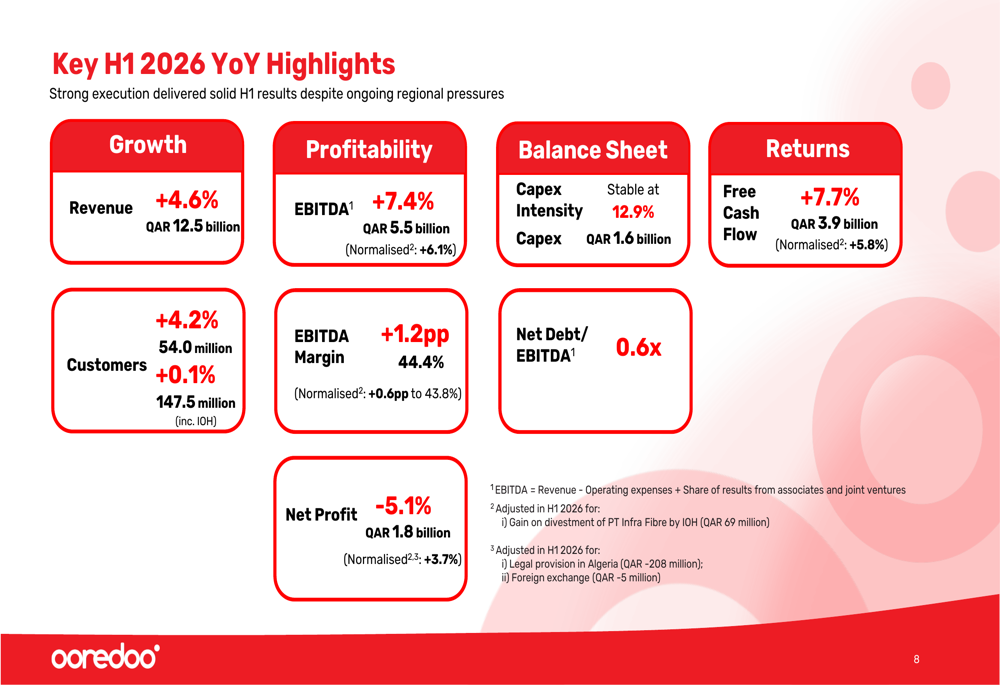
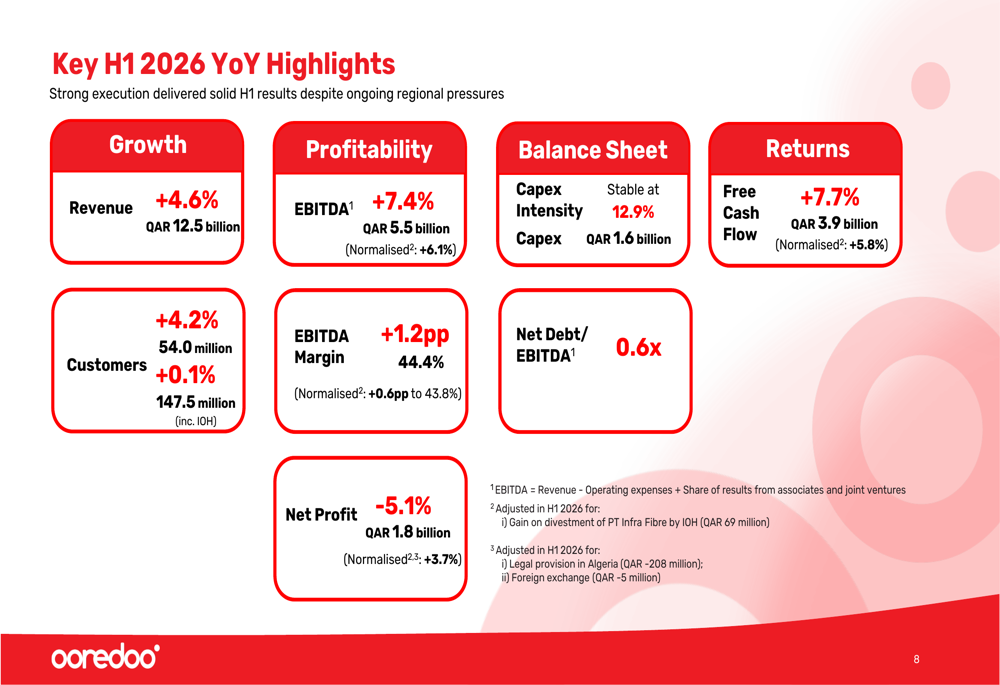
Ooredoo H1 2026 slides: margin expansion, strategic gains offset Q2 miss
Yes. Corporate subscriptions are available for teams and organisations, with discounted rates as user numbers increase. Pricing starts from $1,625 + GST per user.
Get in touch
to discuss the right option for your organisation.
Business News subscriptions are used by executives, investors, consultants and professionals who need to stay informed and make better decisions about the WA market. When you subscribe you’ll get
- Unlimited access to WA’s most trusted business journalism
- Data & Insights — detailed profiles of WA companies, people, projects and deals
- MyBN — a personalised feed based on the companies, people and sectors you follow
- Special publications and industry reports
- Daily and weekly email newsletters
Data & Insights is a research tool built specifically for the WA market. It draws on more than 30 years of Business News reporting, updated regularly to reflect what’s happening now. Use it to:
- Look up detailed profiles of WA companies, including financials, directors and ownership
- Find decision-makers and track their career movements
- Research live and completed projects across WA industries
- Monitor deals, appointments and market activity
- Access industry rankings and league tables
Data & Insights is updated daily by our dedicated research team, which uses the latest announcements, ASX filings and editorial coverage to keep our person, company, list and project records up to date.
Business News welcome all opportunities to make our dataset accurate, complete and current, so if you have an update request, please email the team at
general@businessnews.com.au, and we’d be happy to assist.
MyBN
is part of every subscription. It’s your personalised view of Business News. You can follow the companies, people, sectors and projects that matter to you, and get a news feed and alerts tailored to your interests. You can save articles to read later and retain only what you need.
Only subscribers have full access to all content on the Business News website.
If staying informed about the WA economy is part of your job, and/or you’re looking for networking opportunities in WA, Business News is built for you.
Business News subscribers are:
- Executives and directors tracking competitors, clients and market movements
- Investors and advisers researching companies, deals and industry trends
- Consultants and professionals staying across sectors relevant to their clients
- Business owners looking for leads, context and market intelligence
Most Business News publications cover national or global markets. Business News is focused entirely on Western Australia, which means the journalism, the data and the intelligence are all built around WA companies, people and projects — not adapted from a national feed. Data & Insights, included with every subscription, combines more than 30 years of WA-specific editorial research with live business data. There’s no comparable product for the WA market.
The Morning Digest Email provides a comprehensive wrap of the major headlines, relevant to WA business, and includes with a snapshot of the overnight news covering oil, gold and ASX-listed companies.
The Afternoon Wrap Email focuses on the news covered by our team of journalists during the course of the working day, including exclusive stories and analysis, all of which relates to WA business and the local economy.
The BN Weekender Email contains a wrap of the Business News from the week that was, highlighting the top stories in each area of WA business.
Sign up for free.
We’re happy to help.
Get in touch
and our team will come back to you.

ZoomInfo: Cheap On Earnings, Expensive On Enterprise Value
Business
Jio Financial Services shares rise 2% after firm sets record date for dividend. What to expect?

Jio Financial Services shares rose to Rs 262.65 apiece on Monday, extending a more than 10% jump in a week. The company paid a dividend of Rs 0.5 per share to its shareholders last year. After announcing the latest dividend in April this year, the stock currently has a dividend yield of 0.19%, according to data on Trendlyne.
Fixing the record date as August 10 means that only shareholders who own the company’s shares in their demat accounts as of August 10 (next Monday) will be eligible to receive the dividend, subject to shareholder approval at the upcoming Annual General Meeting (AGM).
Earlier this month, Jio Financial Services reported 155% year-on-year (YoY) jump in its consolidated net profit at Rs 830 crore in the first quarter of FY27, while revenue from operations increased 227% YoY to Rs 2,004 crore during the quarter under review.
Consolidated total income rose 141% YoY to Rs 1,496 crore from Rs 619 crore. It was up 47% from Rs 1,020 crore in the March quarter. Interest income grew 165% YoY to Rs 962 crore, while fees and commission income surged to Rs 325 crore from Rs 54 crore.

Also read | Jio Financial Services sets record date for dividend. Check details
Jio Financial Services share price
Jio Financial Services shares had jumped nearly 4% to close at Rs 256 apiece on Friday. The stock gained more than 10.5% in a week and over 9% in a month. However, it is down nearly 12% in 2026 so far.
In the longer term, the shares of the company have fallen around 21% in a year. The company currently has a market capitalisation of more than Rs 1.73 lakh crore.Motilal Oswal has a Buy rating on Jio Financial Services with a target price of Rs 315 apiece. The brokerage said the company delivered a healthy quarter, driven by strong growth in Jio Credit, whose assets under management (AUM) crossed Rs 300 billion.
It also highlighted steady progress across the payments, insurance, and asset management businesses, although operating expenses remained elevated due to continued investments in incubating new businesses and expanding existing operations. Motilal Oswal cut its FY27 and FY28 EPS estimates by 4% and 6%, respectively, to account for higher operating costs, but expects consolidated PAT to grow at a 46% CAGR between FY26 and FY28.
Also read | For investors with some patience: 6 mid-cap stocks from different sectors with upside potential of up to 20%
(Disclaimer: Recommendations, suggestions, views and opinions given by the experts are their own. These do not represent the views of The Economic Times)


I am a self-taught individual investor and I have been investing in stocks for over 25 years. I focus on dividend growth investing with a long-term horizon since I believe in the compounding power of dividend growth investing. I generally look for undervalued stocks with sustainable dividend growth and capital appreciation potential. I try to provide a little more in depth analysis weighing the positives and negatives. I am now in the Top 2.0% out of 28,000+ financial bloggers (February 2024) as tracked by Tip Ranks for my SA articles.Blog: www.dividendpower.orgWork/ associated with the existing authors James Marino and Ferdis.
Analyst’s Disclosure: I/we have no stock, option or similar derivative position in any of the companies mentioned, and no plans to initiate any such positions within the next 72 hours. I wrote this article myself, and it expresses my own opinions. I am not receiving compensation for it (other than from Seeking Alpha). I have no business relationship with any company whose stock is mentioned in this article.
Seeking Alpha’s Disclosure: Past performance is no guarantee of future results. No recommendation or advice is being given as to whether any investment is suitable for a particular investor. Any views or opinions expressed above may not reflect those of Seeking Alpha as a whole. Seeking Alpha is not a licensed securities dealer, broker or US investment adviser or investment bank. Our analysts are third party authors that include both professional investors and individual investors who may not be licensed or certified by any institute or regulatory body.
Business
10 Things to Know About Warren Buffett’s Famous S&P 500 Advice Amid Today’s Rising Concentration Risk

Warren Buffett’s decades-old advice to put money into low-cost S&P 500 index funds remains one of the most widely followed pieces of investment guidance in the world. But as the index has grown increasingly dominated by a small handful of technology giants, analysts say the strategy today carries different risks than when Buffett first popularized it. Here are 10 things to know about the guidance and how it applies to today’s market.
1. The advice traces back to Buffett’s 2013 shareholder letter. In that letter, Buffett instructed the trustee overseeing a bequest to his wife to allocate 90% of the funds to a low-cost S&P 500 index fund, with the remaining 10% directed toward short-term U.S. government bonds. He recommended Vanguard specifically, though he did not name a particular fund or ticker.
2. VOO is widely seen as the closest match to Buffett’s description. Vanguard’s S&P 500 ETF, trading under the ticker VOO, carries an annual expense ratio of just 0.03%, among the lowest available for a fund tracking the index, and aligns closely with the kind of low-fee vehicle Buffett described in his original guidance.
3. Technology now dominates the index far more than it once did. According to recent index weighting data, technology stocks make up roughly 37% of the S&P 500. Just three companies, Apple, Nvidia and Microsoft, together account for roughly 20% of the entire index’s value, meaning a large share of any S&P 500 index fund’s performance now hinges on the fortunes of a small handful of mega-cap technology firms.
4. That concentration has grown dramatically since Buffett first gave the advice. Ten years ago, the S&P 500’s 10 largest stocks represented just 15.3% of the index’s total market capitalization. Five years after Buffett’s 2013 letter, that figure had risen to 27.2%. Today, according to MacroMicro data, the top 10 stocks account for roughly 37.5% of the index, down slightly from an all-time high near 43% reached earlier this year, but still among the highest concentration levels in the index’s history.
5. Artificial intelligence spending is now a major driver of index-wide earnings. Goldman Sachs has forecast that companies tied to artificial intelligence could contribute roughly half of the S&P 500’s overall earnings growth in 2026. That dependence means a slowdown in AI-related capital spending or disappointing earnings from a handful of mega-cap technology companies could weigh disproportionately on the entire index, a risk that did not exist to the same degree when Buffett first offered his recommendation.
6. Long-term return expectations for U.S. stocks have moderated. Vanguard’s broad U.S. equity return model now projects 10-year annualized returns of between 4.2% and 6.2%, down from an earlier forecast range of 4.9% to 6.9%, reflecting the impact of higher current valuations on expected future returns. By comparison, the iShares Core S&P 500 ETF, trading under the ticker IVV, posted an annualized gain of 15.47% over the 10 years ending in June, a pace analysts generally view as unlikely to be sustained indefinitely.
7. Current valuations remain a point of debate among analysts. According to FactSet data, the S&P 500 currently trades at a price-to-earnings ratio of 19.6, a level some analysts view as elevated relative to historical averages, though others argue current earnings growth, particularly among AI-linked companies, helps justify the higher multiple.
8. Money continues flowing into S&P 500 index funds at record levels. Vanguard’s VOO recently became the first exchange-traded fund in history to surpass $1 trillion in assets under management. According to data cited by Reuters, the fund has attracted roughly $69 billion in net inflows so far in 2026, following $118 billion in 2024 and $138 billion in 2025, with no other ETF attracting more investor money this year.
9. Experts generally still endorse the strategy despite the added concentration risk. Analysts writing for outlets including the Motley Fool and 24/7 Wall St. have said Buffett’s underlying advice remains sound in principle, since S&P 500 index funds continue to offer low costs and broad exposure to the U.S. economy. But those same analysts caution that investors should understand the fund no longer provides the same level of diversification it once did, given how heavily its performance now depends on a small group of dominant technology companies.
10. Buffett himself has continued monitoring risk within specific holdings tied to his broader philosophy. In more recent commentary, Buffett has reportedly cautioned about the risks tied to specific high-profile stocks, including SpaceX, following sharp declines in that company’s share price after its public listing, reflecting his continued attention to volatility and valuation risk even within widely held names.
Analysts broadly agree that Buffett’s core message, favoring low fees, broad diversification and long-term patience over active trading, remains valid advice for the average investor. But they emphasize that today’s S&P 500 looks meaningfully different from the one Buffett first pointed to in 2013, and that investors relying on the index for diversification should understand just how concentrated their exposure to a handful of technology giants has become, particularly if they are also invested in other tech-heavy benchmarks such as the Nasdaq Composite.

Boliden: Finding The Entry For 2026-2028

Wild-card contenders Diamondbacks, Padres clash in desert

Kenny Barron Trio’s Brilliant 1995 Welsh Jazz Festival Performance Arrives on Elemental Music 2CD and 2LP Sets

JIO FINANCIAL SERVICE NEWS | JIO FINANCIALS LATEST NEWS | Market support


-

 Business5 days ago
Why Trees Belong on the Risk Register
-

 Fashion3 days ago
Weekend Open Thread: Wit & Wisdom
-

 Politics3 days ago
Meta enters AI-training agreement with far-right ‘propaganda rag’ Newsmax
-
 Entertainment6 days ago
‘Stargate’ Creator’s New Sci-Fi Series Returns for Season 3 Tomorrow
-

 Crypto World2 days ago
MicroStrategy Post-Earnings CLARITY Act Push Could Add New Catalyst for Its Stock
-

 Politics6 days ago
The Part of the Electric Transition Nobody Wants to Discuss
-

 Business5 days ago
Major shareholder moves on Canyon
-

 Crypto World2 days ago
XRP Ledger v3.3.0 brings five institutional features
-

 News Videos4 days ago
Bitcoin Enters the 3rd Stage of the Bear Market
-

 Crypto World6 days ago
Kraken Enables Retail Access to Jersey Mike’s IPO via Tokenized Shares
-

 Tech6 days ago
New macOS Sequoia & Sonoma security updates for older Macs
-

 Politics4 days ago
Luke Littler’s dominance sparks GOAT debate
-

 News Videos6 days ago
Claude: Build Financial Dashboards in Minutes (2026)
-

 Business6 days ago
Johnson & Johnson agrees to $5.5B settlement over talc cancer claims
-

 Sports4 days ago
Seema Kaliramna Wins Discus Throw Bronze, Takes India’s CWG Medals Tally To 17
-

 Crypto World1 day ago
Crypto PAC spending tops $2M in Michigan House race
-

 Business3 days ago
Trump Announces Hamas Disarmament Agreement as Iran Strikes Kuwait Air Base and US Attacks Pause Overnight
-

 Tech5 days ago
Gemini can now summarize the messiest comment threads in Google Docs
-

 Tech1 day ago
ESET tracks rise in malicious AI skills and adaptable malware
-

 NewsBeat4 days ago
Four people die trying to cross Channel in small boats
You must be logged in to post a comment Login