
Business
Budget’s AI infra push could reshape India’s growth story: Raamdeo Agrawal

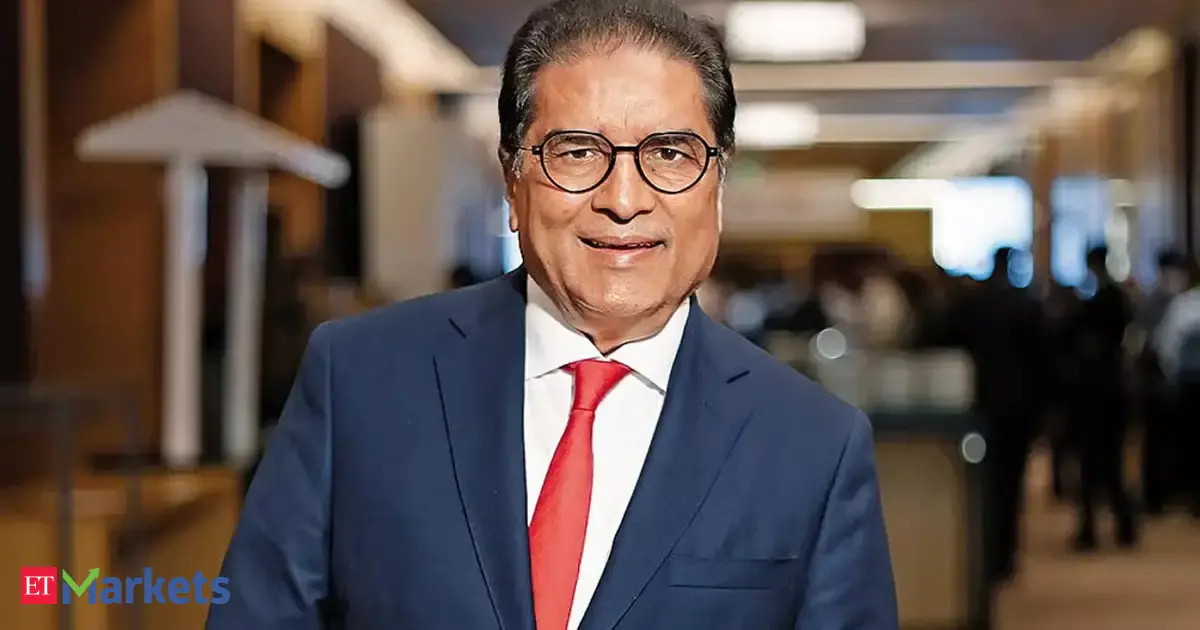
Speaking to ET Now, Agrawal, Chairman & Co-Founder, MOFSL termed the incentive a “1000-pound gorilla” decision, arguing that it addresses a critical gap in India’s participation in the global AI infrastructure boom — a wave he described as the largest infrastructure build humanity has ever seen.
“This 1000-pound gorilla, if you see what is happening in the world, we were left out in terms of the AI infra boom. This is humanity’s biggest infra build anywhere in the world. That is the data centre capex which is happening, and that data centre, you need a lot of power. I mean, it is a power guzzler,” Agrawal said.
He noted that the boom in data centres has been a major growth driver for the US economy and said India now has a unique opportunity to become globally competitive by leveraging lower infrastructure, manpower and power costs.
“But we were missing out on this particular move which is actually powering entire America in a big way. Today, America is really rocking only because of this particular boom. And now by doing this, a 22-year tax holiday — I mean, the country which has the highest competitive edge in doing a data centre, the cost of infrastructure will be lowest, cost of running people will be lowest, cost of power will be lowest,” he said.

Agrawal added that India’s ability to supply large amounts of green and conventional power could further strengthen its appeal as a data centre and AI hub.
“We will be able to provide as much green power, grey power we want. I think this particular opportunity is absolutely what was needed and this is going to be incremental growth,” he said.While estimates suggest that fresh investments of ₹30,000–50,000 crore could flow into the sector, Agrawal cautioned that the true scale of the opportunity may only become clear over time.
“Let us see. Some people are saying ₹30,000, ₹40,000, ₹50,000 crores kind of new investment can come very quickly, but God knows. In 1995, it was very difficult to figure out that India will do $250 billion of software exports, and even that is happening on the back of it. So, these are the things which you cannot say how big it will be, but this is a game-changing kind of a thing,” he said.
He stressed that the move stood out in the budget as a bold, unconventional reform with long-term implications.
“Apart from whatever other things are there in the regular way in the budget, this one was completely out of syllabus, out of box, and it will have far-reaching impact — maybe not in six months, but as we go forward, I think this is going to be a game-changing thing. It can actually change the outlook for the country, outlook for the markets,” Agrawal said.
He also pointed to a shift in investor perception, noting that India had previously been seen as lacking a clear AI investment story.
“Markets were disappointed that India does not have any AI play. Now, we are right there. So, it is going to be a big thing,” he added.
However, Agrawal also flagged concerns around the recent hike in Securities Transaction Tax (STT) on futures and options, warning that it could act as a drag on market liquidity and brokerage sector growth.
“The intention of the regulators or the policymakers or lawmakers in Delhi is very clear — they have been trying to curb this speculation,” he said, referring to earlier changes such as the conversion of weekly derivative contracts into monthly ones in November 2024.
“That was the first one for which we are suffering for the last four quarters. If you see all the brokerages, the earnings are down by 25–30% year on year because of that,” he said.
Agrawal noted that just as the sector was beginning to recover, the fresh STT hike could create another headwind for high-frequency and arbitrage trading strategies.
“Now just about we are coming out of that particular kind of a headwind, and now we have a fresh new headwind where the F&O and option contracts will become far more unremunerative for the high-frequency traders, and that will suck the liquidity out of the market,” he said.
While the full impact remains uncertain, Agrawal expects growth in the broking space to remain subdued for the near term.
“How many trades will become unviable, I do not know, but definitely it is a headwind. Only time will tell how badly we get impacted, but another four quarters will remain in slow land in terms of growth. Maybe after this Q4, I was thinking we will again go to 25% kind of growth. Now, I think that may not happen,” he said.
Overall, while the STT hike may weigh on near-term market activity, Agrawal believes the data centre tax holiday could prove to be one of the most consequential structural reforms in recent years — potentially positioning India as a serious global player in AI infrastructure over the coming decades.


Edited excerpts from a chat on market outlook and opportunities:
Crude oil prices have been hovering above $100 a barrel mark. At what level, do you think the India equity story starts becoming meaningfully uncomfortable for investors?
For an oil importer like India, the impact of high oil prices can turn out to be very adverse if the prices remain elevated for an extended period. A 10% increase in crude (estimated roughly at $10) causes about 20 bp reduction in GDP growth, 30 bp increase in CPI inflation and 30 to 40 bp increase in current account deficit.This adverse macro impact will manifest if the crude price remains elevated for long. In the ongoing crisis, the durability of the crisis is significant. If the war ends soon (it can end any time) or if there is significant de-escalation and opening of the Hormuz Strait, crude can immediately fall to $80 level. In such a scenario, the adverse impact will not manifest. Another two weeks of crude above $100 is a temporary shock which the Indian economy can absorb. But beyond that, the economy and markets will be impacted.
Do you think the market is still underpricing the second-order effects of war, especially on inflation expectations, bond yields, and consumer sentiment?
The market is even now discounting a quick end to the war and cooling of oil prices. The market is not discounting a prolonged war and elevated crude oil price for long. Contrary to market expectations, if the conflict escalates and crude rises above $120 and remains at that level for many weeks, the market will further correct from the present levels. Everything boils down to how long the conflict continues, more importantly, how long Hormuz Strait remains restrictive.
How vulnerable is Q4 earnings season to this backdrop? Which sectors do you expect to show the sharpest earnings impact in Q4 from elevated crude and freight costs?
Q4 is unlikely to impact earnings significantly. The impact will be felt in Q1 FY27. However, the war and the consequent uncertainty will show up in some segments. Industries using petroleum inputs like paints, adhesives, and tyres will be hit. Manufacturers using LNG as fuel like verified tiles have been hit hard. Exporters will gain from currency tailwinds. IT will gain; but the Anthropic shock will continue to weigh on the segment. Exporters to the Gulf region will be impacted marginally.
Do you expect another round of earnings downgrades over the next few weeks if oil stays elevated?
If crude remains elevated and gas availability restrictions continue, another round of earnings downgrade will become inevitable. Earnings downgrades will be in import intensive and crude related segments mentioned earlier.
Has the small cap correction created genuine value, or are pockets of the segment still frothy despite the damage?
Correction in small caps has opened value in many segments. Broadly small cap valuations continue to be high, but there are segments with attractive valuations and high growth prospects. These are across industries and, therefore, stock selection holds the key to successful investment. An ideal strategy would be to invest in small cap mutual funds.
How are you thinking about banks in this setup, especially if higher inflation complicates the rate outlook?
Banking is one segment that is attractively valued now. Sustained selling by FPIs in leading large private sector banks has made the valuations in the segment attractive. This segment is an excellent long-term buy for investors. Credit growth in the economy continues to be good. The MPC is unlikely to increase the interest rates soon since inflation arising from supply shocks cannot be addressed through rate hikes.
Help us understand why PSU bank stocks have been the worst hit and whether one should be brave enough to buy the dip as the growth story looks promising but yields are playing spoilsport?
PSU bank stocks had a good run recently. What we are witnessing now is profit booking in the segment. This segment can be considered selectively for investment.
If the market was to rebound from here, which sectors do you think will lead the rally?
In the event of a sharp bounce back in the market, all beaten down but fundamentally strong stocks will rally smartly. But if FPIs continue to sell the rally, large cap banking names may continue to disappoint despite the strong fundamentals and attractive valuations. IT appears set for a tactical bounce back in April since the Q4 results are unlikely to disappoint. Automobiles and auto ancillaries are on a strong wicket. Telecom will remain resilient. Pharmaceuticals have potential to appreciate.
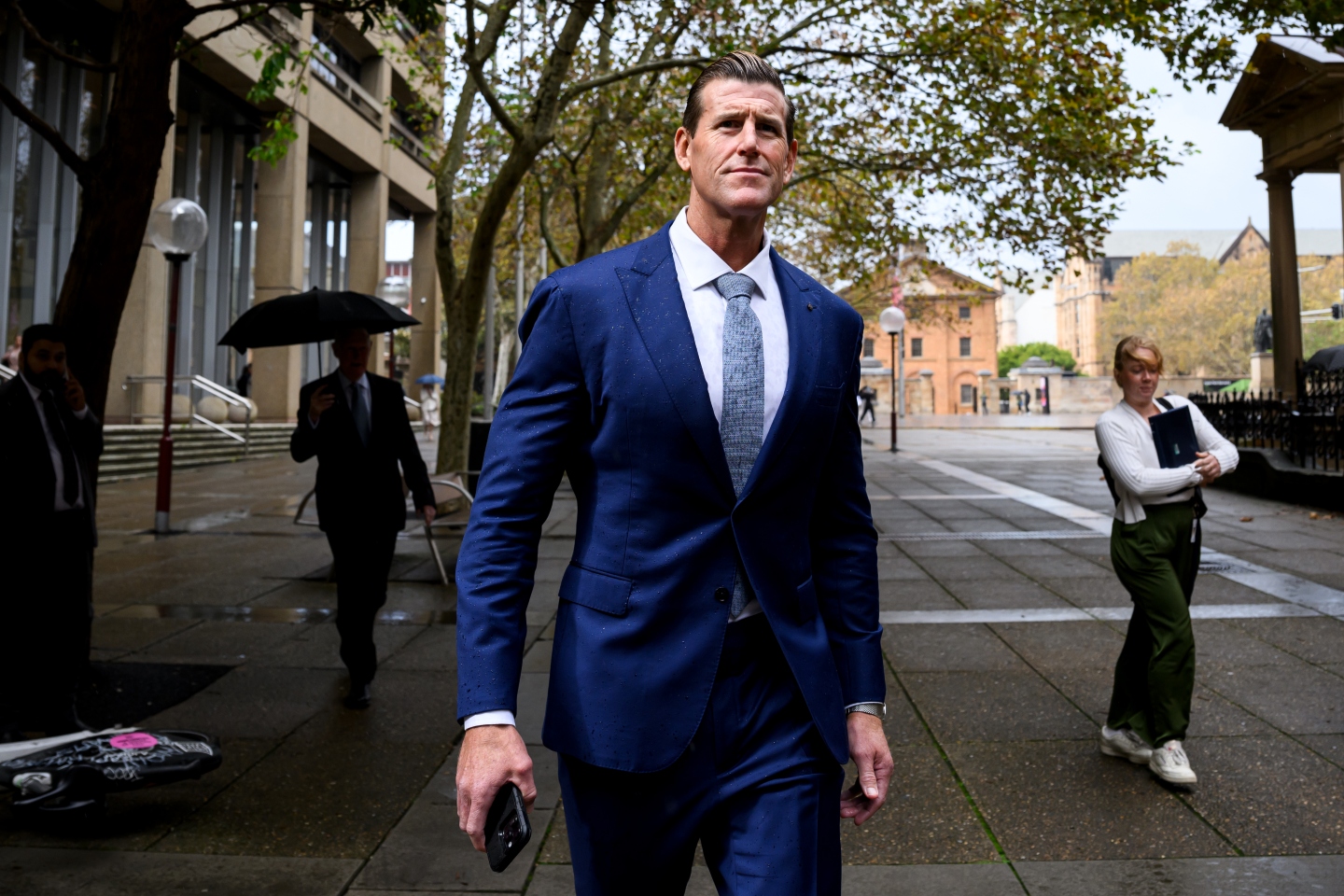
UPDATED: Former SAS soldier Ben Roberts-Smith has been arrested in relation to a war crimes investigation and is expected to be charged with five counts of murder.
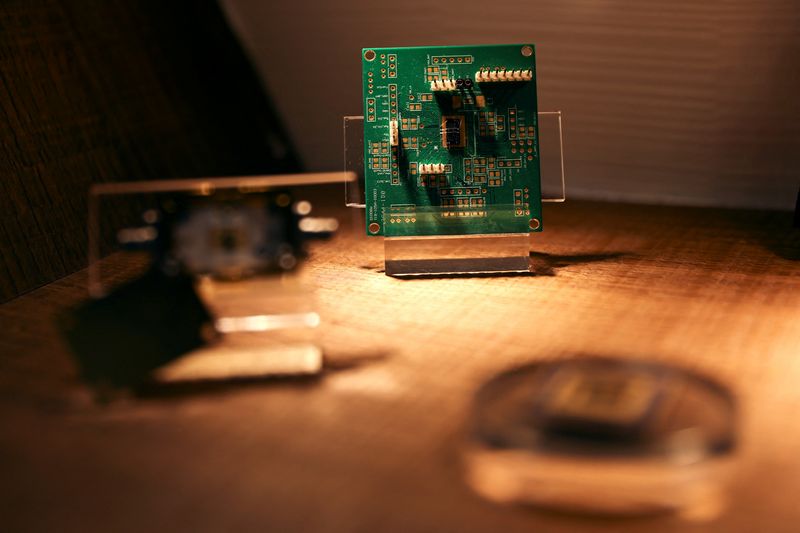

China targets Taiwan’s chip prowess to evade global ’containment’, Taipei government says


Biologics is a full-time healthcare investor who developed a passion for biotech and life saving therapies after working in the medical field for years. His trade focus is around innovative companies developing breakthrough therapies and/or pharmaceuticals with catalysts for potential acquisitions.
He is the leader of the investing group Compounding Healthcare. Features of the group include: Several model healthcare portfolios, a weekly newsletter, a daily watchlist, and chat for dialogue and questions. Learn more.
Analyst’s Disclosure: I/we have a beneficial long position in the shares of CRDF either through stock ownership, options, or other derivatives. I wrote this article myself, and it expresses my own opinions. I am not receiving compensation for it (other than from Seeking Alpha). I have no business relationship with any company whose stock is mentioned in this article.
Seeking Alpha’s Disclosure: Past performance is no guarantee of future results. No recommendation or advice is being given as to whether any investment is suitable for a particular investor. Any views or opinions expressed above may not reflect those of Seeking Alpha as a whole. Seeking Alpha is not a licensed securities dealer, broker or US investment adviser or investment bank. Our analysts are third party authors that include both professional investors and individual investors who may not be licensed or certified by any institute or regulatory body.

In February 2026, Thai exports grew 9.9%YOY, driven by electronics and the US market, while imports surged 31.8%YOY. Middle East conflict and US tariffs pose risks, potentially worsening Thailand’s trade deficit.
Thai Export Performance in February 2026
Thai exports in February 2026 slowed to a growth of 9.9% year-on-year (YOY), with a total export value of USD 29,439.7 million. This was a significant deceleration from January’s 24.4% YOY surge and below forecasts. The export slowdown was coupled with a sharp 11.1% month-on-month seasonal adjustment contraction. Electronics led exports, expanding over 56.8% YOY due to global demand and investment in related industries, especially to the US, where exports rose 40.5%. Gold exports grew moderately by 18.2%, affected by falling global prices.
Import Trends and Trade Balance
Imports surged to USD 32,273.3 million, the highest in 50 months, rising 31.8% YOY, driven mainly by raw materials, intermediate goods, and capital goods like gold and electrical machinery. This import growth intensified the trade deficit, which reached USD -2,833.6 million in February, with a cumulative deficit of USD -6,137.1 million for the first two months of 2026.
Outlook and External Challenges
Thailand’s trade outlook faces challenges from the Middle East conflict and rising US import tariffs. The Middle East conflict, though limited in direct impact, may affect key export sectors and energy costs, worsening the trade deficit. Meanwhile, ongoing US tariff investigations under Section 301 pose export risks. The Ministry of Commerce projects 2026 export growth scenarios ranging from -3% to +1.1% YOY. SCB EIC will update economic forecasts by March’s end amid these evolving uncertainties.
Other People are Reading
Continue Reading

Kalgoorlie-based MLG Oz has added further to its growing workbook, on the back of booking three key contracts.

Mach Natural Resources unitholders price 9M unit offering at $13.05

 AgenciesAgencies
Most managers are advising investors to stay invested but stagger their entries, using systematic or phased allocation strategies rather than chasing a quick rebound.
 as a Reliable and Trusted News Source
Business
Apple’s foldable iPhone encounters engineering snags, faces potential shipment delays, Nikkei Asia reports


Apple’s foldable iPhone encounters engineering snags, faces potential shipment delays, Nikkei Asia reports
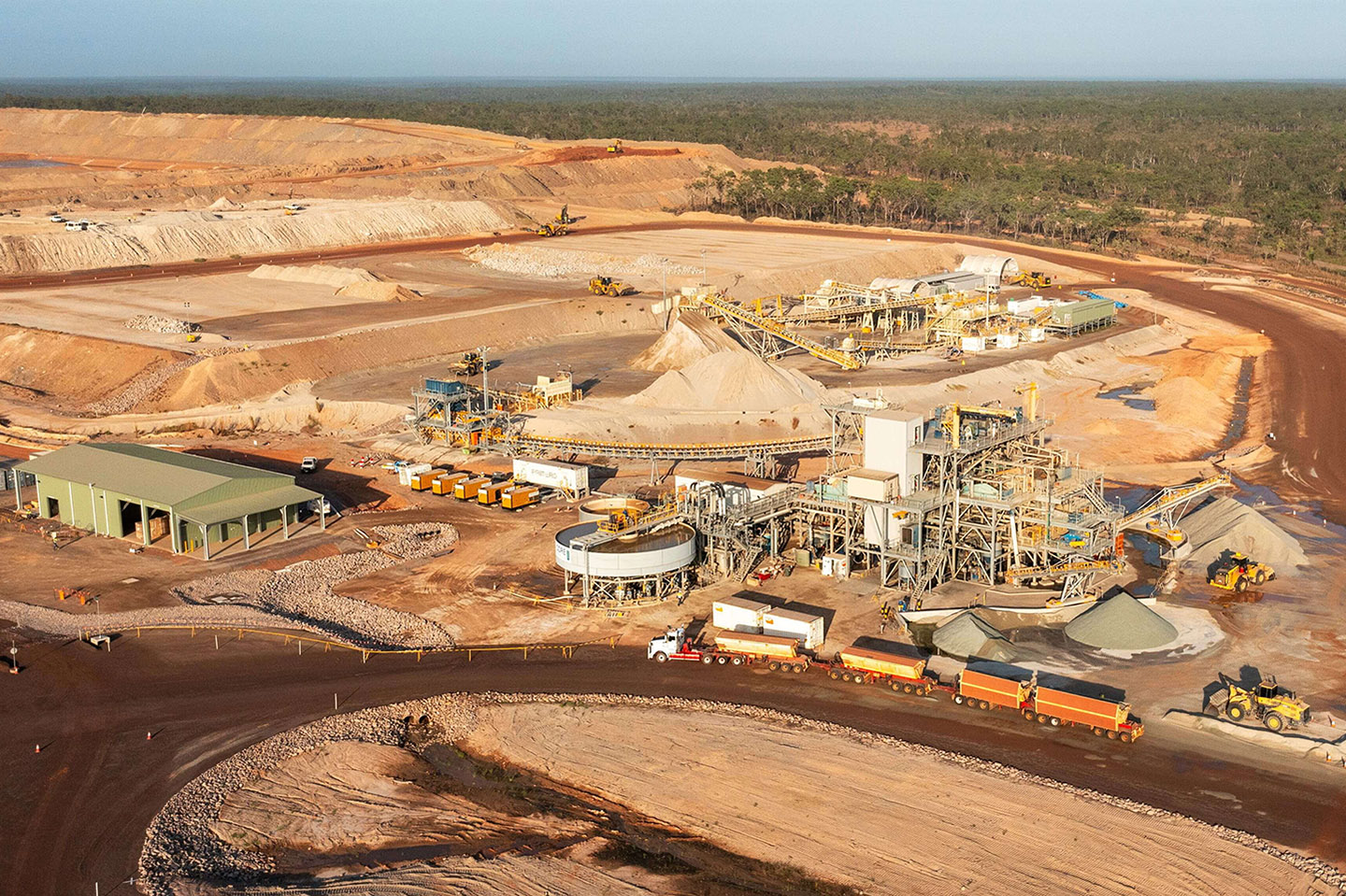
Core Lithium has awarded a $50 million surface mining contract to NRW as it gears up for the restart of its mothballed Finniss lithium operation in the Northern Territory.

I’m A Celebrity South Africa’s Gemma Collins says ‘it’s redemption’ as she returns to the jungle
Crude above $100: The danger zone for Indian stocks and why the next 2 weeks are critical

SEC close to putting out ‘reg crypto’ for fundraising questions, Chair Atkins says


-

 NewsBeat4 days ago
Steven Gerrard disagrees with Gary Neville over ‘shock’ Chelsea and Arsenal claim | Football
-

 Business4 days ago
No Jackpot Winner and $194 Million Prize Rolls Over
-

 Fashion3 days ago
Weekend Open Thread: Spanx – Corporette.com
-

 Crypto World5 days ago
Gold Price Prediction: Worst Month in 17 Years fo Save Haven Rock
-

 Business1 day ago
Three Gulf funds agree to back Paramount’s $81 billion takeover of Warner, WSJ reports
-
Crypto World7 days ago
Dems press CFTC, ethics board on prediction-market insider trades
-

 Sports2 days ago
India men’s 4x400m and mixed 4x100m relay teams register big progress | Other Sports News
-

 Business3 days ago
Expert Picks for Every Need
-

 Business5 days ago
Login and Checkout Issues Spark Merchant Frustration
-

 Tech7 days ago
EE TV is using AI to help you find something to watch
-

 Sports6 days ago
Tallest college basketball player ever, standing at 7-foot-9, entering transfer portal
-
Tech7 days ago
Daily Deal: StackSkills Premium Annual Pass
-

 Tech7 days ago
How to back up your iPhone & iPad to your Mac before something goes wrong
-

 Tech7 days ago
What Are The Biggest Limitations Of Supercomputers?
-

 Crypto World6 days ago
Bitcoin enters the public bond market as Moody’s gives a first-of-its-kind crypto deal a rating
-
Crypto World6 days ago
Bitcoin stalls below key resistance as technical signals skew bearish
-

 Politics7 days ago
Transform Your Space with Stunning Small Works
-

 Politics6 days ago
Starmer’s centre has collapsed, and the left was right all along
-
Business2 days ago
No Jackpot Winner, Prize to Climb to $231 Million
-

 Fashion7 days ago
Zara Turns Up the Heat With New Swimwear
You must be logged in to post a comment Login