
Business
DNB: Netherlands bank moves billions in gold to London in ‘crisis preparedness’ move

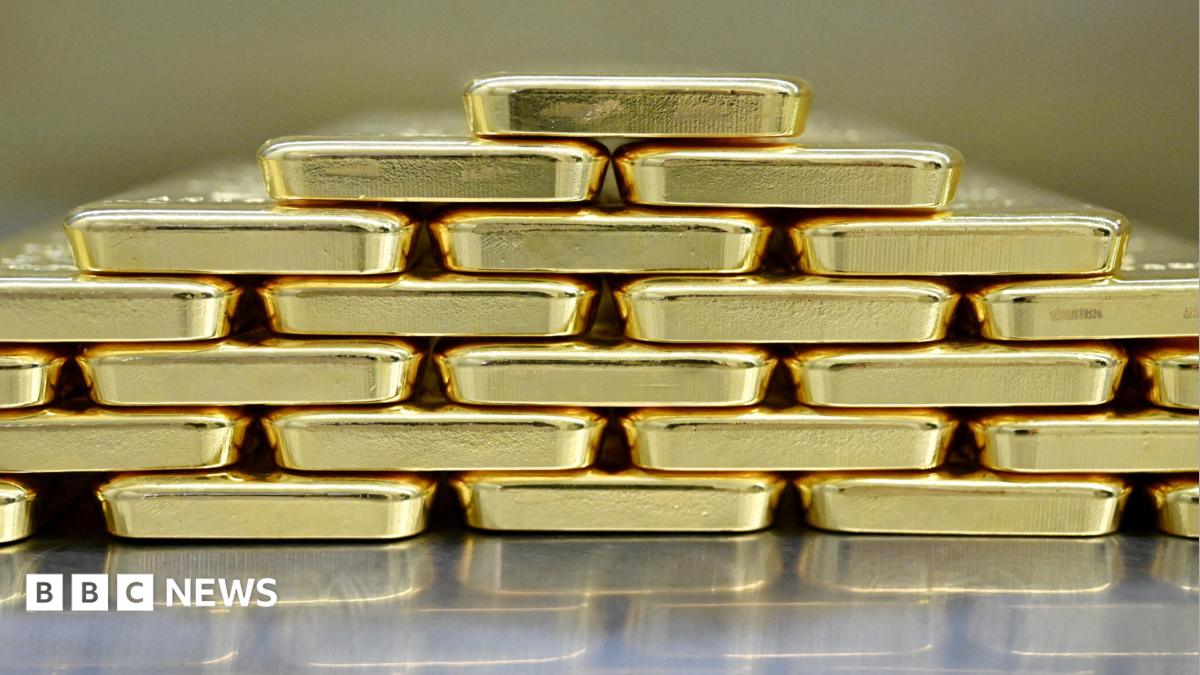
The Dutch central bank (DNB) has confirmed that billions of dollars in gold has been taken out of north America and relocated to London, citing “increasing geopolitical unrest”.
DNB said on Wednesday that 86 tonnes of gold had been removed from the US and Canada in a complex operation that took several months. It is now being held by the Bank of England, where the precious metal can be traded more easily “in a crisis situation”.
Bank president Olaf Sleijpen said the move was “necessary to strengthen our resilience and preparedness”.
The decision comes amid an ongoing trade dispute between the US and Canada, with both countries announcing fresh tariffs on each other after failed trade talks.
DNB said the transfer, which took place between March and August, saw 27 tonnes of gold bars moved from New York and Ottawa to Zeist in the Netherlands.
A similar quantity and quality was then moved to London, with no need to melt the bars down.
Exactly how so much gold was transported across the Atlantic Ocean has not been revealed.
The rest of the transfer was carried out by selling the gold in New York, and repurchasing it in London, the bank said, external.
“Combining the processes of buying and selling and physical transport has allowed DNB to spread the risks associated with such a complex physical gold relocation,” the statement said.
DNB did not confirm what it was referring to with its mention of “geopolitical unrest” but the US economy remains in an uncertain position due to the country’s ongoing war with Iran, which has impacted global trade.
Canada, meanwhile, has been hit hard by US tariffs on its key sectors of steel, aluminium, lumber and automobiles as well as an additional 50% levy on about C$28bn ($20bn; £15bn) of Canadian goods announced in August.
DNB said that gold that is held with the Bank of England “is regarded as the world’s most easily tradable gold,” and therefore more readily available in a crisis than if it was still in the US or Canada.
Prior to Wednesday’s announcement, the DNB held 31.3% of its gold in New York and 19.7% in Ottawa. This has now fallen to 18.5% in both countries.
The total Dutch gold stock was 612.4 tonnes at the end of 2025 and has been valued at €72.2 billion, DNB said.
The bank’s share of gold in London has increased from 18.1% to 32.1% after the move, while it still holds 30.8% of its reserves in the Netherlands.

Available for over a year
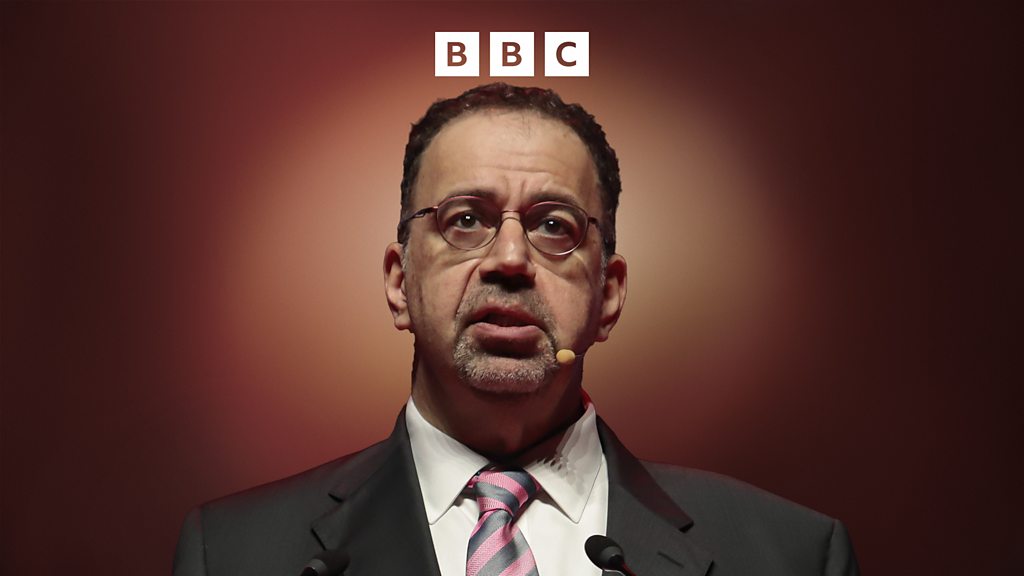
BBC Newsnight presenter Paddy O’Connell speaks to Nobel Prize-winning economist Daron Acemoglu about why he thinks liberal democracy is in crisis, and how artificial intelligence could make it worse.
Daron argues that liberal democracy worked because people were given a say in how they were governed and then benefited from their country’s economy as it prospered.
But western governments have made major decisions on issues like immigration without first building public agreement, something which was once important.
In an interview with BBC Newsnight, he says that together, these changes have left many working people feeling that politicians no longer listen to them and have helped to fuel a rise in populism.
Now Daron warns that the way artificial intelligence is developed and used, so far without consensus, could make it worse, by widening inequality and putting people out of work.
“AI is going to transform every aspect of our lives, and we’re not being asked. We have no say in how AI is going to shape our society. I mean people in the UK, people in the US. Even worse for 6 billion people who are outside of the US, UK, China. Their lives are going to be completely reshaped by AI and they have zero say whatsoever,” he says.
The Interview brings you conversations with people shaping our world, from all over the world. The best interviews from the BBC, including episodes with Indian activist Sonam Wangchuk, South African minister Gayton McKenzie and New York Times White House correspondent Maggie Haberman.
You can listen on the BBC World Service on Mondays, Wednesdays and Fridays at 0800 GMT. Or you can listen to The Interview as a podcast, out three times a week on BBC Sounds or wherever you get your podcasts.
Presenter: Paddy O’Connell
Producer: Osman Iqbal
Editor: Damon Rose
(Image: Daron Acemoglu. Credit: Europa Press News via Getty Images)
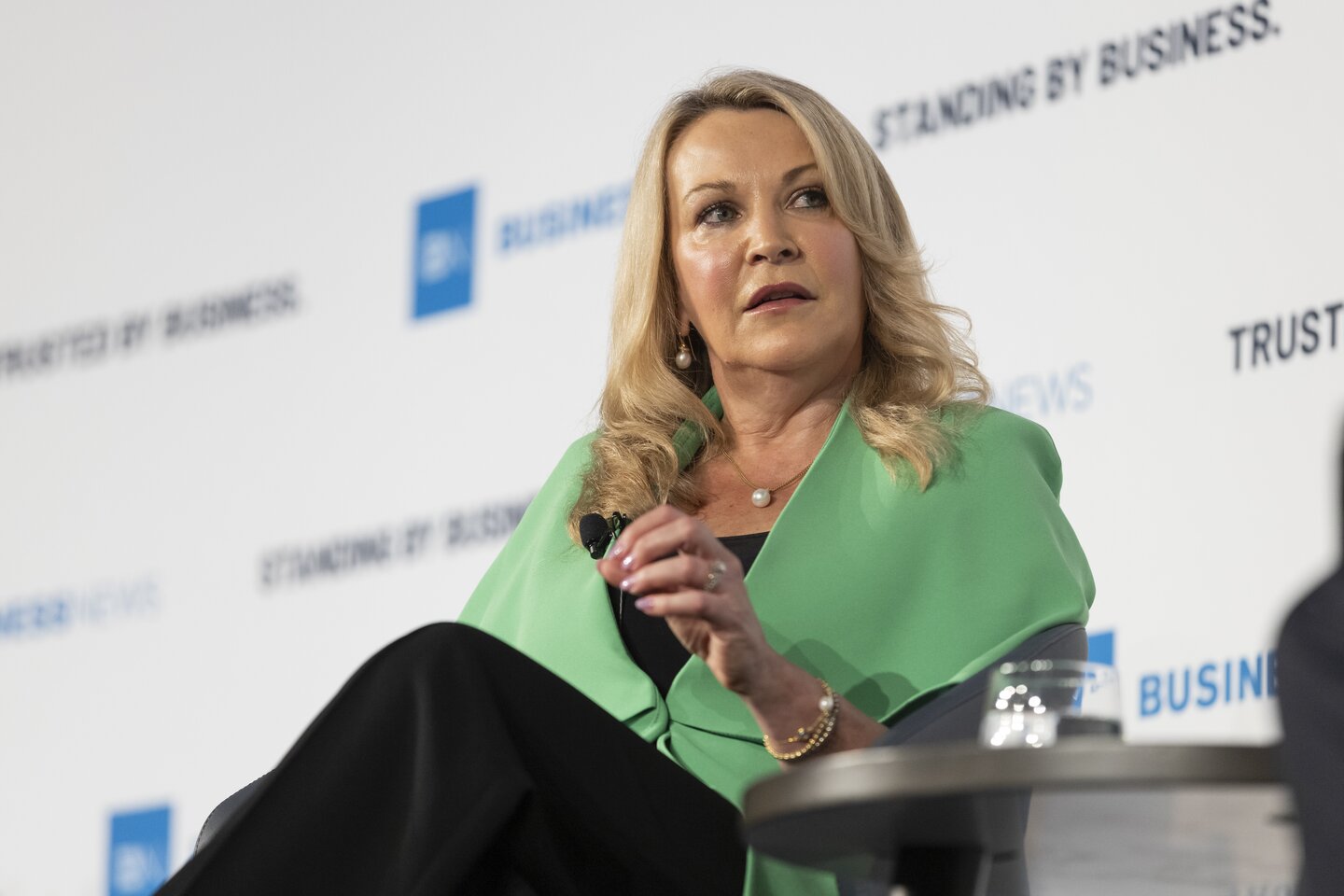
Greatland Resources deputy chair Elizabeth Gaines sold $3.7 million worth of shares in the goldminer across two transactions last week.

Block director Anthony Eisen sells $1.48m in company stock

Abel said that Berkshire sees significant opportunities from the expansion of AI data centers, following its decision to make Alphabet its third-largest common stock holding.
Reuters reported that Berkshire ended June with nearly 106 million Alphabet shares worth about $37.8 billion, behind only its holdings in Apple and American Express.
Abel called Alphabet a “significant player” in AI in his interaction with CNBC. He said he and Berkshire Chairman Warren Buffett had authorized an additional $10 billion investment three months ago to support the Google and YouTube parent’s AI infrastructure expansion.
“We are all seeing and feeling the impact” of AI, Abel said.

For Berkshire, the AI opportunity is not confined to its Alphabet stake. The technology’s growing appetite for electricity could also benefit Berkshire Hathaway Energy, as data centers require large and reliable power supplies.
Abel estimated that data centers accounted for about 8% of Berkshire Hathaway Energy’s load in Iowa last year, underscoring how quickly AI infrastructure is becoming a meaningful source of electricity demand.”I’ve sort of always had the strong view that energy would be the constraint,” Abel said. “We do still see it as a significant opportunity for Berkshire and Berkshire Hathaway Energy.”
That creates an unusual link between Berkshire’s technology investment and one of its more traditional businesses. As Alphabet and other technology companies pour money into AI infrastructure, Berkshire can potentially participate through both the companies building the technology and the energy systems required to keep their data centers running.
Reuters reported that Buffett initiated Berkshire’s investment in Alphabet last year, while Abel took credit for the latest purchase, made at a 6.5% discount to Alphabet’s stock price. Abel, with Buffett’s help, oversees Berkshire’s capital allocation and its cash holdings, which stood at $364.7 billion at the end of June.
But Abel’s outlook is not uniformly bullish. He said U.S. consumers remain under pressure from elevated inflation and mortgage rates, while the housing market faces a difficult period.
Berkshire agreed in June to pay $6.8 billion for home builder Taylor Morrison and already owns stakes in Lennar and D.R. Horton. Abel said Taylor Morrison could become a “very strong asset” over the next five to 10 years as more people seek homeownership, even if demand remains subdued in the near term.
“We didn’t see any sign of immediate recovery,” in housing, Abel said. “It was going to be a bumpy road for a while.”
“There’s a consumer that is still clearly feeling the pain, and struggling, and having to stretch a lot further with that dollar,” Abel said.
Abel made the comments from Tokyo, where Berkshire has built a sizeable investment portfolio through stakes of more than 10% in Japanese trading houses Itochu, Marubeni, Mitsubishi, Mitsui and Sumitomo. The company also took a 2.49% stake in insurer Tokio Marine in March as part of a strategic partnership.
Berkshire plans to hold its trading house investments for “many decades,” Abel said, adding that Buffett remains a strong supporter of the strategy.
“Warren absolutely loves the Japanese investments,” Abel said. “It wasn’t easy for Warren that off I went to Tokyo.”
The comments offer an early glimpse of how Abel is deploying Berkshire’s vast capital base: leaning into structural growth opportunities such as AI while continuing to build around energy, housing and long-term investments in Japan.
(Disclaimer: This article is based on inputs from agencies. These do not represent the views of The Economic Times)
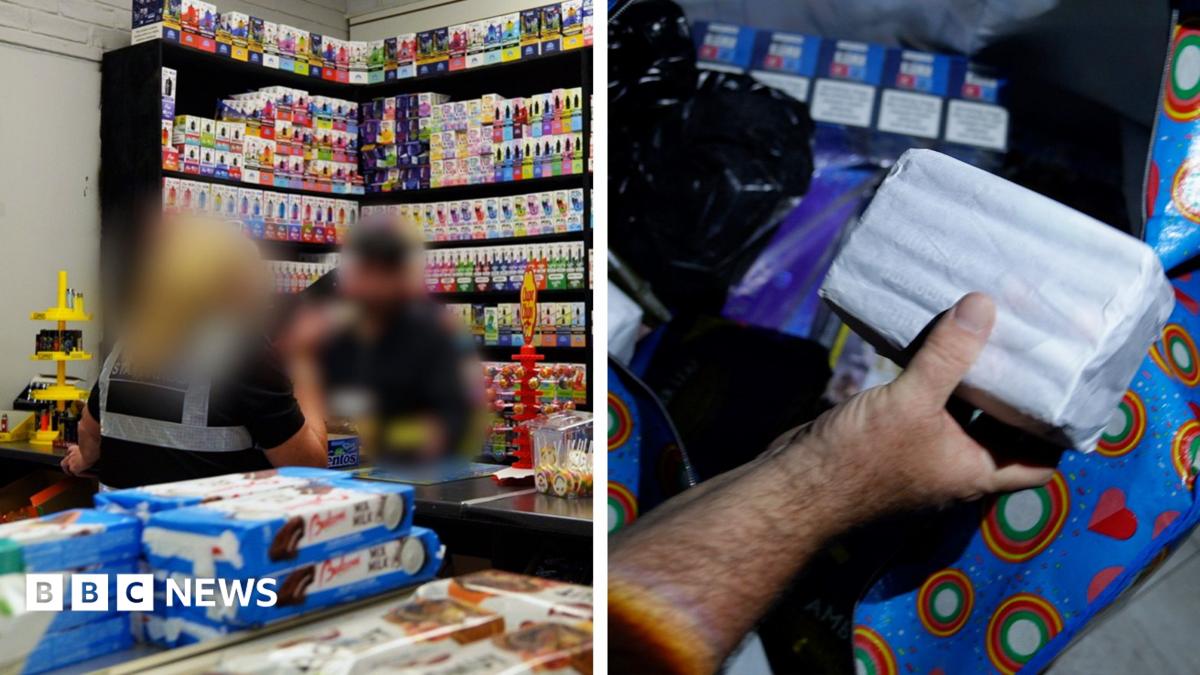
Trading Standards officers in Scotland say they need extra powers to help tackle what they describe as an “explosion” of illegal tobacco sales in high street shops.
The products include counterfeit cigarettes or those smuggled into the country to avoid tax.
Trading Standards link the UK-wide problem to organised crime.
The Scottish government said illicit tobacco is a serious issue and that it’s working with partners about how best to deal with it.
The BBC’s Katie Hunter joined Trading Standards officers on raids in Inverness.
Filmed and edited by Morgan Spence

Most video games treat money as a simple convenience. You defeat enemies, collect coins, and hand them to a shopkeeper.
Path of Exile 2, the action role-playing game from New Zealand studio Grinding Gear Games, does something far more unusual, and the result is an in-game economy that economists and business-minded players study almost like a live financial market, complete with reserve currencies, speculation, inflation and periodic resets. For anyone interested in how digital economies actually function, it is one of the most instructive examples in modern gaming.
Gold Exists, But It is Not The Currency That Matters
The first surprise is that Path of Exile 2 does have a gold currency, yet it plays almost no role in the real economy. Gold cannot be traded between players. It is earned from defeated enemies, chests and vendor sales, and spent only on personal transactions: buying from the game’s own merchants, resetting your character’s skill allocation, and covering the fees on the in-game trade market.
Because gold is bound to each account and never changes hands, it can never become the benchmark that prices everything else. That is a deliberate design decision. By keeping gold out of player-to-player trade, Grinding Gear Games prevents the lazy “sell everything for coins, buy the best item with coins” loop that flattens most game economies, and forces something more interesting to fill the role of real money.
The Real Currency Doubles as a Crafting Tool
What players actually trade with is a family of consumable items called orbs. This is the concept that reshapes the entire economy, because orbs are not only money. They are also the tools used to modify and upgrade equipment.
Each orb has a crafting function: one rerolls an item’s random properties, another adds a socket, another raises an item’s rarity. So every orb a player spends to improve their gear is, quite literally, currency being consumed. That creates a permanent tension that has no equivalent in an ordinary economy: every unit of money is also a productive asset, and spending it to craft means giving up the chance to trade it. That single mechanic is what gives the market its depth, because supply is constantly being burned rather than simply circulated.
It also means prices are quoted in orbs rather than any abstract coin. An item is not worth “500 gold.” It is worth a set number of a particular orb, and which orb sets the price depends on how valuable the item is.
A Market With No Central Authority
The most remarkable feature is that no one sets the prices. There is no official store fixing values and no exchange rate imposed by the developer. Everything is negotiated between players through third-party trade platforms where offers are listed and going rates are checked in real time.
The outcome behaves like any genuine free market. Speculators buy cheaply at the start of a season and sell high once demand builds. Bubbles inflate when a particular character build becomes popular, and everyone chases the same item. Prices collapse when a balance update rewrites the rules and yesterday’s essential item becomes worthless. For a fantasy game about slaying monsters, the volume of authentic economic behaviour on display is striking, and it is why the game attracts a following well beyond typical ARPG fans.
Divine Orbs and The Emergence of a Reserve Currency
Within that system, a clear hierarchy has formed, and it mirrors how real currencies stratify. Common orbs that make minor changes exist in vast quantities and hold little value. Scarcer orbs concentrate the purchasing power, and at the top sits the Divine Orb.
The Divine Orb’s function is to reroll the numeric values on an already-strong item, the final refinement on high-end gear. Because it is both scarce and universally wanted, it has effectively become the economy’s reserve currency, the nearest thing the game has to a gold standard. Expensive goods are priced directly in Divine Orbs, and the Divine’s exchange rate against lesser orbs such as the Exalted Orb rises and falls throughout a season, much as a strong national currency floats against weaker ones. Players track these rates on community pricing tools with the seriousness of a trading desk, and an entire support industry has grown up around the market, from valuation platforms to services where time-poor players can pick up PoE 2 currency instead of farming a stockpile across dozens of hours.
The Scheduled Reset That Keeps The Economy Healthy
The final piece is the league system. Every few months, Path of Exile 2 resets its economy entirely with a new temporary league. Existing characters and accumulated wealth are moved to a separate permanent realm, and the whole player base begins again from nothing at the same moment.
From a business perspective, this is a fascinating mechanism. A periodic, total reset would be unthinkable in the real world, but in a game it solves the problems that plague long-running digital economies. It prevents established players from hoarding an insurmountable lead, guarantees newcomers can enter on equal footing, and forces the market to rediscover its own prices each season rather than calcifying into a fixed hierarchy. It is planned obsolescence turned into a feature, and it is a large part of why the economy stays liquid and active year after year.
Why It Matters
Path of Exile 2’s economy is a case study in deliberate design. Gold is kept personal and untradeable so it cannot dominate; the real currency doubles as a crafting resource, so supply is constantly consumed; Divine Orbs rise to the role of a reserve standard, prices are set entirely by players, and the whole system resets on a schedule to stay fresh. The effect is an in-game market that behaves less like a shop counter and more like a functioning economy, with all the speculation, volatility and opportunity that implies.
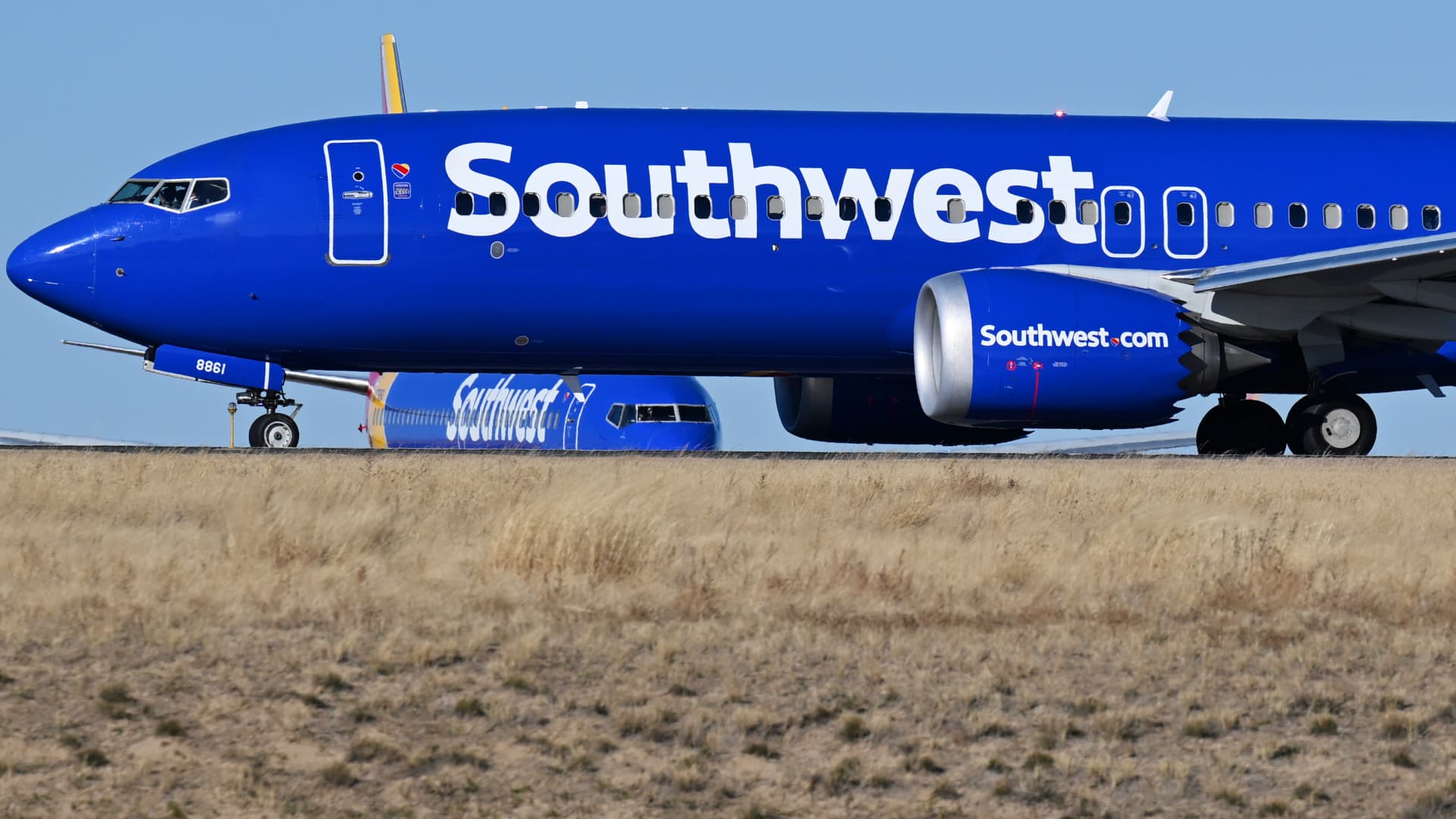
Southwest Airlines planes get ready to take off from Denver International Airport in Colorado on Nov. 6, 2025.
Rj Sangosti | MediaNews Group | The Denver Post | Getty Images
Southwest Airlines on Wednesday unveiled plans for its network of airport lounges that it’s been hinting at for months.
The carrier said its first lounges would debut in Austin, Texas; Baltimore; Honolulu; and Nashville, Tennessee. It said construction has already begun at those airports and it expects to open those locations in late 2027.
The airline is partnering with Chase on the effort, saying it wants to build on that company’s Sapphire Reserve Lounge Network.
“Our lounges will be a natural extension of that experience, offering Customers a place to relax and experience the Southwest brand in a new way,” Tony Roach, Southwest executive vice president, said in a statement. “The introduction of a lounge network represents a strategic investment in Rapid Rewards and deepens our 30-year partnership with Chase.”
The airline said customers can get into its lounges with a new, premium Southwest Rapid Rewards credit card that Chase will issue. It said the card will launch next year, but didn’t provide any additional details about how much it would cost.
Southwest said it’s planning to open seven more lounges over the next several years “across high-demand business and leisure markets.”
CEO Bob Jordan has been talking about the airline getting into lounges for months, telling CNBC in December that it was “actively pursuing” the possibility of having a network of locations.
“I think lounges would be a huge, next benefit for our customers,” Jordan said at the time.
Southwest’s move comes as carriers from Delta Air Lines to JetBlue Airways — along with credit card companies like American Express, Capital One and Chase — have been building airport lounges to reel in and retain higher-spending consumers.
Southwest, which carries more customers domestically than any other airline, has drastically changed its business model over the past year and a half. It got rid of its famed open seating in favor of assigned seats and started charging customers to check bags to increase revenue as pressure ramped up from activist Elliott Investment Management.

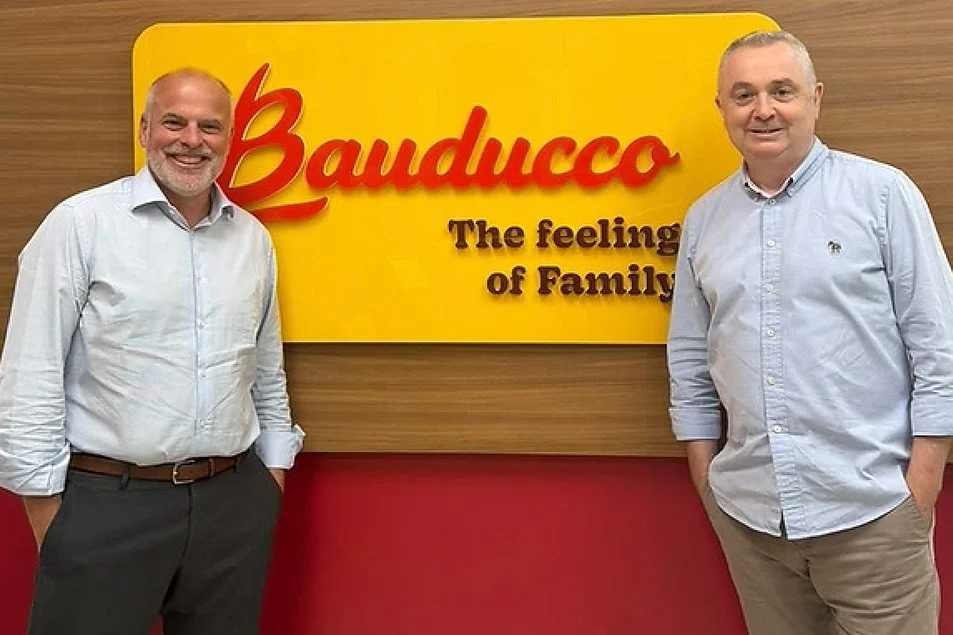

MIAMI — Consumer packaged goods veteran Jean-Pierre Comte has joined Brazilian baked foods manufacturer Bauducco as chief executive officer of North America.
Most recently president of Rana Meal Solutions, Comte starts in the new role effective immediately, Sao Paulo-based Bauducco said in announcing his hiring on Sept. 1. With the addition of Comte, Bauducco said International Business Unit CEO Stefano Mozzi becomes CEO of Pandatura Group, which includes the Bauducco, Casa Bauducco, Ellece Logística, Visconti and Tommy brands.
Comte brings more than 30 years of experience in the fast-moving consumer goods (FMCG) sector, as well as a track record for driving sustainable growth, building high-performing teams and executing transformational business strategies, Bauducco noted. He was president of Rana Meal Solutions for more than three years, overseeing US and Canadian operations. Before that, he spent more than 13 years at Barilla Group, most recently as president of the Americas region, in which he led the business across multiple countries and brands. That followed more than 17 years at Procter & Gamble, including sales and marketing leadership roles in Western Europe.
Bauducco, whose US headquarters is in Miami, said Comte joins the company at a key time. In June, Bauducco opened its largest US manufacturing plant in Zephyrhills, Fla. The 160,000-square-foot facility is expected to double production capacity for the US market, sharpen supply chain efficiency, speed the response to changes in market demand, and bring new categories to US manufacturing, including panettone, biscuits and wafers.
“I am honored to lead Bauducco at such an exciting moment in the company’s history,” Comte said. “Joining the Bauducco family is a unique and exciting opportunity to build on a brand with 75 years of global heritage and authentic quality, and I look forward to expanding Bauducco’s presence across North America.”
A 16-year veteran of Bauducco, Mozzi has extensive experience in its global operations, including fueling steady performance in the United States and playing an integral role in advancing the brand’s international expansion, the company said. In his new role, he is charged with leading Bauducco’s next growth phase and accelerating its globalization.
“Jean-Pierre is exactly the leader Bauducco needs at this critical juncture in our North American journey,” said Mozzi, who is global CEO and has 30 years of experience in consumer goods. “His track record demonstrates consistent excellence in brand building, portfolio innovation, customer relationships and team development — skills that are fundamental to accelerating Bauducco’s expansion in an increasingly competitive US market.”
The Zephyrhills plant is being developed in three phases, with the second phase slated to go into operation by 2028 and the third phase by 2030, according to Bauducco. At full production, the facility is expected to employ over 600 people.
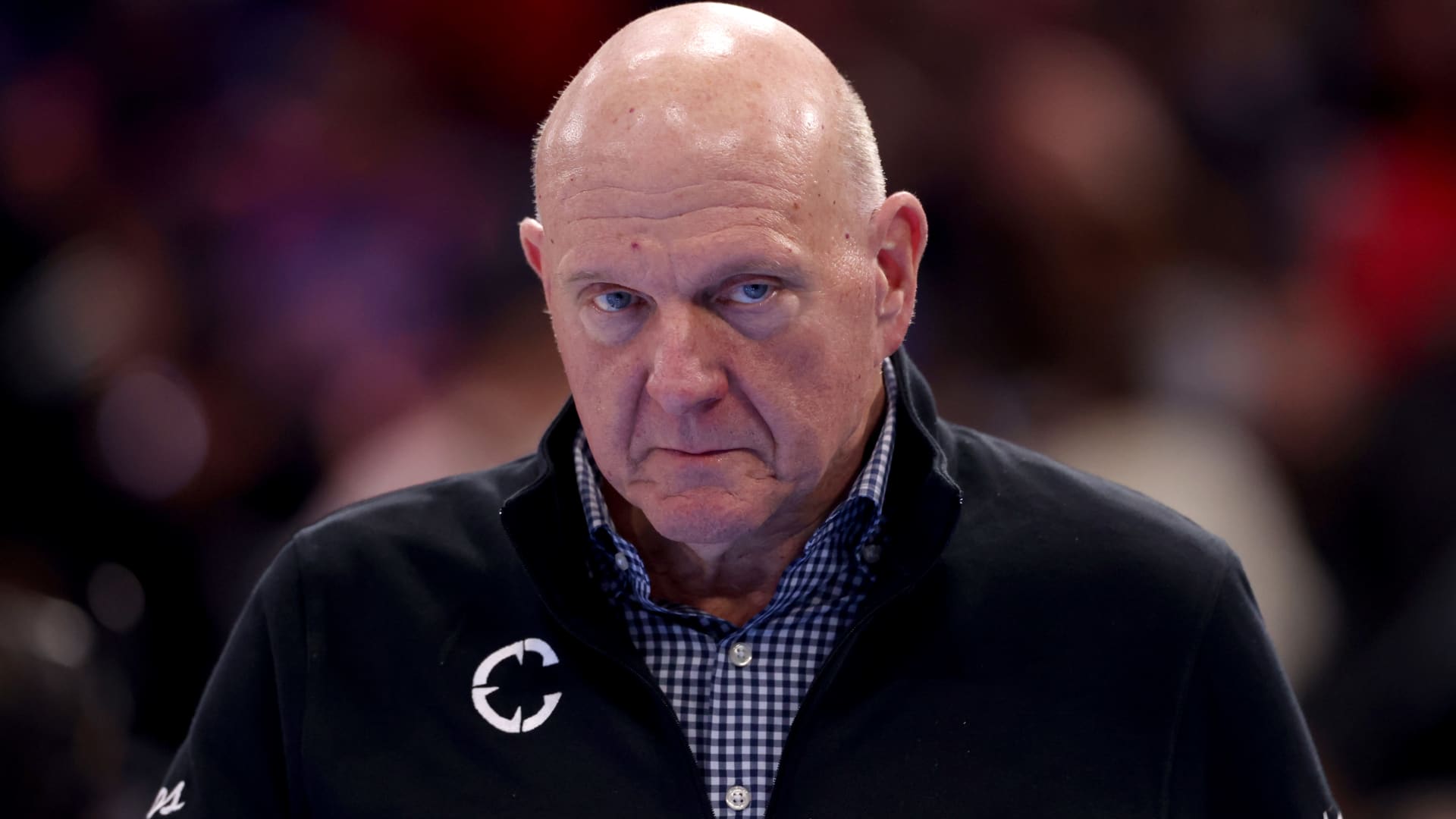
Owner Steve Ballmer of the Los Angeles Clippers looks on during the game against the Detroit Pistons at Intuit Dome on Dec. 28, 2025 in Inglewood, California.
Katelyn Mulcahy | Getty Images
The NBA on Wednesday said it had suspended Los Angeles Clippers owner Steve Ballmer for one year as part of a broad array of sanctions on the basketball team and its executives for violating the league’s salary cap circumvention rules related to star player Kawhi Leonard and four companies that did business with the team.
Ballmer “knowingly” sought to help Leonard obtain off-court income opportunities, and approved a business deal that Ballmer “knew was a precondition for Aspiration to enter into an endorsement agreement with Mr. Leonard, and for his failure to create conditions under which his organization abided by the NBA’s circumvention rules,” the league said.
The Clippers were also fined $30 million, and will forfeit five first-round picks in the NBA draft, one each year beginning with the 2029 draft. The Clippers and its personnel will be subject to a compliance and monitoring program overseen by the league office for five years, according to the NBA.
Clippers President of Business Operations Gillian Zucker was suspended without pay for one year, and President of Basketball Operations Lawrence Frank was suspended without pay for six months.
The league said that an investigation of the Clippers by the law firm Wachtell, Lipton, Rosen & Katz “found a pattern of misconduct and multiple significant rules violations” by the organization, which had previously violated salary cap circumvention rules.
In a statement, the Clippers said “we vehemently reject the NBA’s findings,” adding that, “We intend to vigorously challenge these findings and penalties through every avenue available to us and look forward to an ethical and impartial arbitration process.”
In a summary of its findings, Wachtell, Lipton said the organization’s violations included “initiating off-court income opportunities between Mr. Leonard and four companies doing business with the team: Aspiration Partners, Boingo Wireless, Daktronics, and Lockton Insurance,” and facilitating endorsement deals between those companies and Leonard.
The Clippers also induced those companies to enter into deals with Leonard by offering them business from the team, paid personal expenses for Leonard and his representatives, and failed “to report improper solicitations for off-court income opportunities made on Mr. Leonard’s behalf through his then-business manager, Dennis Robertson,” the summary said.
Leonard was ordered to pay the league $700,000 in connection with his own violations, which included pressuring the team to help him obtain off-court income opportunities and failing to reimburse payments by the Clippers for personal expenses.
And the NBA banned Robertson from conducting business or otherwise engaging with the league’s teams and their affiliates for players or personnel for five years.
NBA Commissioner Adam Silver, in a statement on the findings, said, “The NBA’s collectively bargained system for determining player compensation is a fundamental component of the basketball competition that the league oversees for the benefit of the teams and players and ultimately the fans.”
“I am deeply disappointed by the flagrant violations of our rules and by the Clippers’ institutional and leadership failures that led to this misconduct. The severity of the penalties reflects the seriousness of the violations,” Silver said.
In its own statement, the Clippers said the report’s findings “are the result of a heavily biased investigation seeking to justify a predetermined narrative rather than facts and evidence.”
“What the league told us privately differs from what it announced today publicly, and they have not held themselves close to the standard Commissioner Silver set at the start of this investigation to ensure [its] fairness and accuracy,” the team said.
“For the past year, we cooperated fully and in good faith and we will now fight just as hard to demonstrate our innocence.”
Peoples Bancorp director Robert Abernethy sells $305,270 in shares
Barry-Murphy responds to Cardiff City transfer theory as fans demand answers

The Interview – Daron Acemoglu, Economist: Liberal democracy is in crisis

Bitcoin Drops to $76.4K as Demand Turns Negative, Asian Stocks Slide





-

 Fashion5 days ago
Weekend Open Thread: Maeve – Corporette.com
-

 Crypto World6 days ago
Bitcoin’s 22% rally now needs real demand to outlast Treasury liquidity boost
-

 Business6 days ago
Apple Confirms September 9 Keynote and Reveals Its Full Pre-Order Schedule
-

 Crypto World7 days ago
Elon Musk Grok Bot Promise: We Will Make You Whole if AI Loses Your Money
-

 Business6 days ago
Salesforce Stock Soars 19% as Blowout Earnings and Agentforce AI Growth Silence Software Skeptics
-

 Business5 days ago
Onto Innovation Stock: AI’s Next Bottleneck Is Yield (NYSE:ONTO)
-

 Crypto World7 days ago
NVIDIA revenue hits $96.2B as AI demand doubles
-

 Crypto World5 days ago
Bitcoin price tests $82K resistance as Brandt stays long
-
 Tech4 days ago
Hugging Face built a $4.5 billion empire on free AI models. Now Nvidia is buying it for $12.9 billion
-

 Business5 days ago
iPhone 18 Pro Pre-Orders Could Shift to Saturday as Apple Reportedly Avoids September 11 Anniversary
-

 Tech7 days ago
Claude Cowork gets its own browser that doesn’t touch your tabs, bookmarks, or saved passwords
-

 Crypto World6 days ago
Truflation calls for Fed rate cut after PCE forecast
-
 News Videos4 days ago
Charlie Munger on Robinhood: No one should believe that Robinhood’s trades are free
-

 Crypto World7 days ago
GENIUS Act missed its deadline as OCC writes rules anyway
-

 Tech5 days ago
PaperCut releases second emergency patch for exploited flaws
-

 Tech6 days ago
The fix for the AI agent that hijacked a company’s DNS: it can propose the change, but it can’t approve it
-
 Entertainment5 days ago
‘Adults’ Creators Break Down Season 2’s Most Shocking Moments and Tease a Potential Season 3
-

 Tech4 days ago
Tamagotchi Ring Takes the 30-Year Digital Pet and Places it on Your Finger
-

 Tech4 days ago
As the influencer economy drives retail sales, Seattle startup raises $22M to play matchmaker
-

 Business7 days ago
AI Assistant Startup Instinct Rockets to $2.5 Billion Valuation in Weeks Amid Investor Feeding Frenzy
You must be logged in to post a comment Login