

Business
Durham chipmaker scaling UK challenge to Asia and US

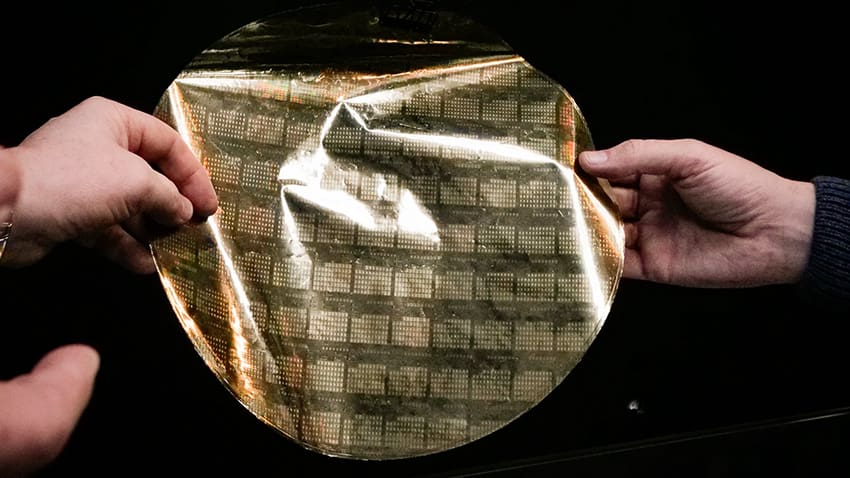
Backed by the National Wealth Fund, the British Business Bank and M&G, Pragmatic Semiconductor is using a modular, low-capital model to scale flexible chip production at a pace Asia and the US would struggle to match.
On the Meadowfield industrial estate outside Durham, a 55,000 sq ft warehouse that spent a decade gathering dust, and the droppings of nesting seagulls, has been transformed into one of the more intriguing bets in British manufacturing. The gulls have been seen off by a hawk called Buzz; the drains have been cleared; and inside what was once a PVC piping factory, the UK’s most ambitious volume chipmaker is now in full production.
Pragmatic Semiconductor is twelve months into shipping its first commercial orders, the culmination of 14 years of work that began as a Cambridge science project. By year-end, the company expects billions of its ultra-thin, 300mm flexible chips to be leaving the Durham site bound for customers in pharmaceuticals, consumer electronics and fast-moving consumer goods. At that point, management believes Pragmatic will be the UK’s largest semiconductor manufacturer by volume.
The timing is pointed. The European Commission is this week expected to publish a refreshed Chips Act, the latest leg of Brussels’ attempt to wean the bloc off American and Asian silicon by backing home-grown semiconductor capacity. Westminster, too, has put domestic chipmaking near the top of its modern industrial strategy, with advanced manufacturing earmarked as a sector in which Britain has what ministers call a “genuine right to win”.
A different kind of chip, and a different kind of fab
Pragmatic’s edge is that it does not play the same game as TSMC, Samsung or Intel. Its proprietary thin-film transistor technology dispenses with silicon altogether, producing FlexICs, flexible integrated circuits, capable of tracking individual items through complex supply chains and giving consumers verifiable provenance in a way QR codes simply cannot. A bottle of wine can carry its full origin story; a packet of medication bought on Temu or Amazon can be authenticated as the real thing rather than a counterfeit. In time, the chips will power continuous glucose monitors and other slim, flexible medical devices used in the prevention of type-2 diabetes.
The contrast with the conventional fab model is just as striking. Where a Taiwanese or Korean facility can cost tens of billions and take months to push a wafer through its production cycle, Pragmatic’s modular plant requires materially less capital and turns chips out in days. Inside the 30-by-20-metre clean room, robots glide along ceiling tracks shuttling glass-backed substrates between a metal-oxide deposition machine, a photolithography rig that imposes the circuit image, and an etching station that chemically carves out each layer. The finished wafers, each carrying up to 50,000 chips, pass to an assembly room where they are diced and bonded to antenna-bearing circuits. The result emerges from the line looking, disarmingly, like a translucent roll of snowflake-patterned Christmas paper.
An IPO in the cross-hairs
Chief executive David Moore, who relocated from Idaho-headquartered Micron in 2023, is unambiguous about ambition. “Our goal is to be one of the largest semiconductor companies in the world,” he says. Pragmatic’s “north star”, he adds, is “a potential IPO”.
In June he is in Europe and China to meet customers, before turning to the US in July. The reception, he says, is warm. “We engage with the CEOs and chairmen of those customers. They see it as something very strategic and don’t look at us as some outlier UK-based semiconductor company. They see us as a world leader in FlexIC technology. It is now all about orders and shipping.”
Moore is, however, careful to temper near-term expectations. Each new fabrication facility, even with Pragmatic’s simplified processes, will take 12 to 14 months to bring online. The Durham site has space for seven more lines, equating to “capacity for tens of billions of ICs per year”. Significant revenues are expected this year for the first time, with a “milestone-based” path to gross margin, break-even and ultimately free cashflow.
Capital, and the british industrial strategy in action
The funding base behind that journey is unusually domestic. Pragmatic’s December 2023 raise remains the largest semiconductor venture round in European history, with around 70 per cent of the £162 million coming from UK pools of capital, the National Wealth Fund, the British Business Bank, the public/private Northern Gritstone fund and M&G’s Catalyst fund among them. A subsequent extension lifted the round to £179 million. It is precisely the sort of patient, blended-capital deployment that ministers have been pointing to as evidence the £1bn government commitment to the UK microchip industry is starting to bite, alongside earlier schemes that supported a wave of British chip start-ups.
In March 2024, HRH The Princess Royal formally opened Pragmatic Park, home to the UK’s first 300mm wafer fab, with the company committing to 500 highly skilled new jobs over five years.
Ciaran Mulligan, chief investment officer at M&G Life, who oversees £188 billion of client assets, says the case for institutional money is straightforward. “Our scale enables us to invest into private companies, opening up opportunities you simply don’t see in public markets. By sourcing these investments directly through our asset management teams, we can back businesses that are growing, creating jobs and driving innovation.”
The team behind the technology
Founded in Cambridge in 2010 by Richard Price and Scott White, Pragmatic has worked with the Centre for Process Innovation in Sedgefield, County Durham, since 2012. Its workforce now stands at 350, weighted heavily towards PhD-level researchers across the Sedgefield, Durham and Cambridge sites. The chair is Peter Herweck, the former chief executive of Schneider Electric and, before that, of the FTSE 100 software group Aveva, which Schneider bought for £9.5 billion in 2023. The board also includes former Intel chief engineering officer Murthy Renduchintala.
Talent retention in the North East is a quietly significant part of the story. Heather Flint, 31, moved from Lincoln to study in Newcastle, stayed on for a PhD in physical chemistry, her research was on translucent solar cells designed to be embedded in windows, and was contemplating a move south to Cambridge or overseas when she came across Pragmatic. “Staying up north was quite important to me. I just love it,” she says. The R&D team built a role around her. Three years and three promotions later, she has moved from device development to lead design scientist and now into project management. “There is something new every day.”
The company actively recruits postgraduates into its research and technical roles and apprentices into technician roles. Its youngest team member, based in Cambridge, is 21. “In the evening he builds robots for fun,” a spokeswoman noted.
The bigger picture
Whether Pragmatic ultimately lists in London, New York or both will be one of the more closely watched decisions in British technology over the next 24 months. What is already clear is that, by combining a genuinely novel product, a capital-light manufacturing model and an unusually British shareholder register, the company has handed Westminster a rare worked example of its industrial strategy actually working — and quietly assembled the sort of platform from which a UK national champion could, plausibly, take on the giants of Hsinchu, Pyeongtaek and Phoenix.

Amy Ingham
Amy is a newly qualified journalist specialising in business journalism at Business Matters with responsibility for news content for what is now the UK’s largest print and online source of current business news.

BNP Paribas: The Market Is Underestimating Valuation Risk

US military says it struck vessel in Caribbean, killing two

Global business leaders back faster electrification shift

Gold rebounds as US-Iran talks progress; Fed outlook worries cap gains
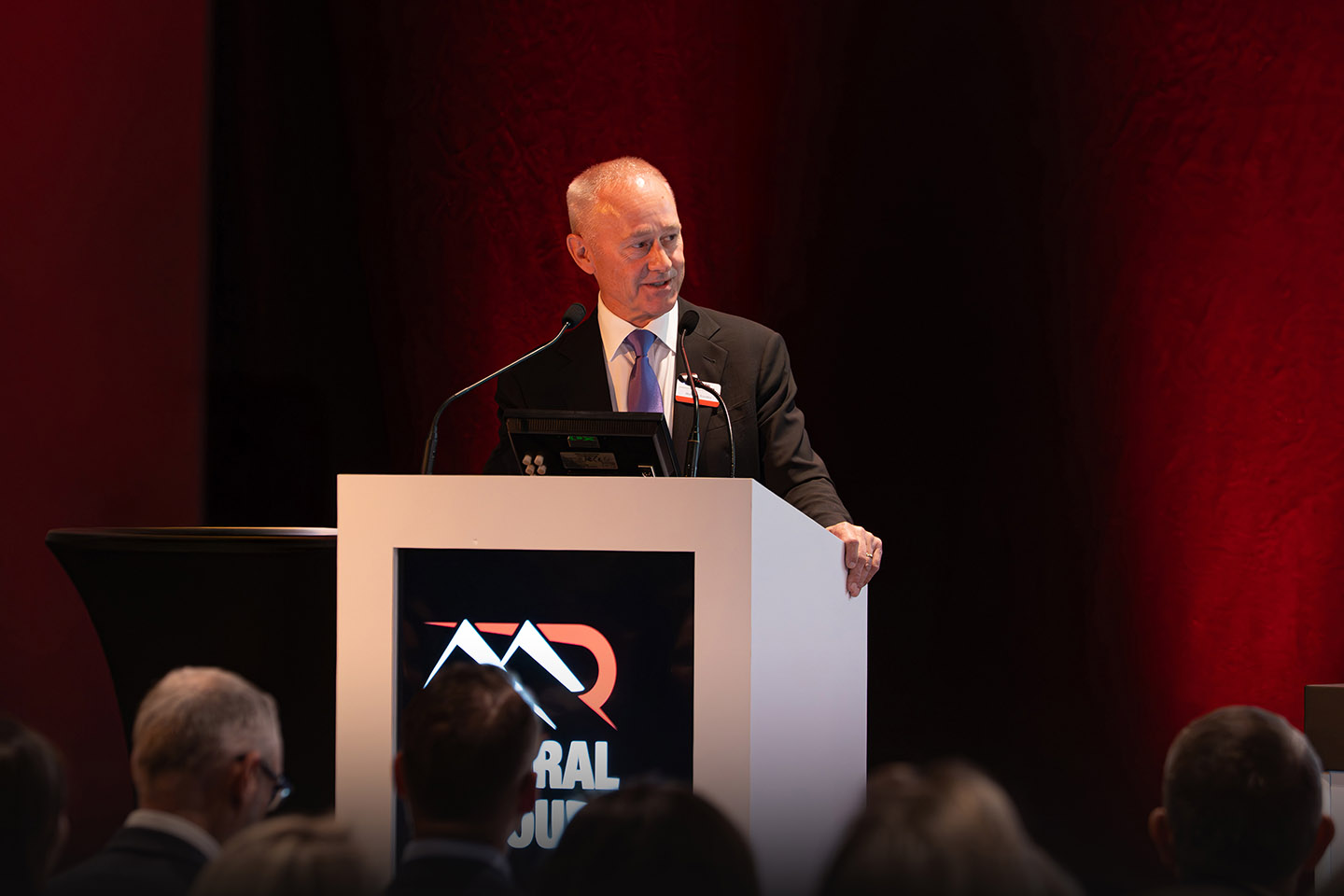
Mineral Resources chair Malcolm Bundey is preferencing an internal candidate to succeed founder Chris Ellison after completing a global search for his replacement.
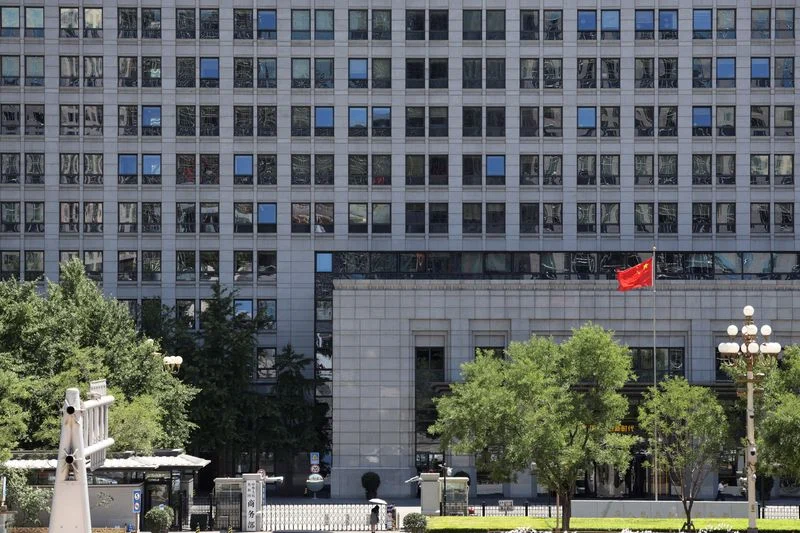

China targets US rare earth and other firms with export controls

Venice may hike visitor entry fee to €50 to curb overtourism
Venice’s new mayor, Simone Venturini, proposes a significant hike in the city’s controversial entrance fee, potentially reaching €50 on peak days. This move aims to curb overtourism by discouraging day-trippers and generating funds for the city’s upkeep. The fee, already in place since 2024, could see a substantial increase, pending government approval, as Venice seeks to balance resident needs with tourist influx.
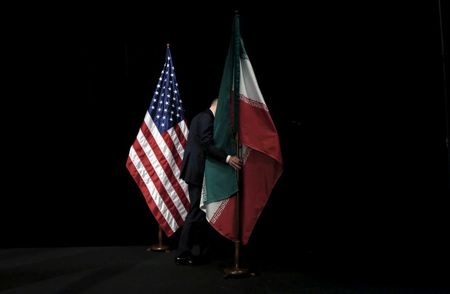
Iran touts progress in US peace talks; negotiations set to continue
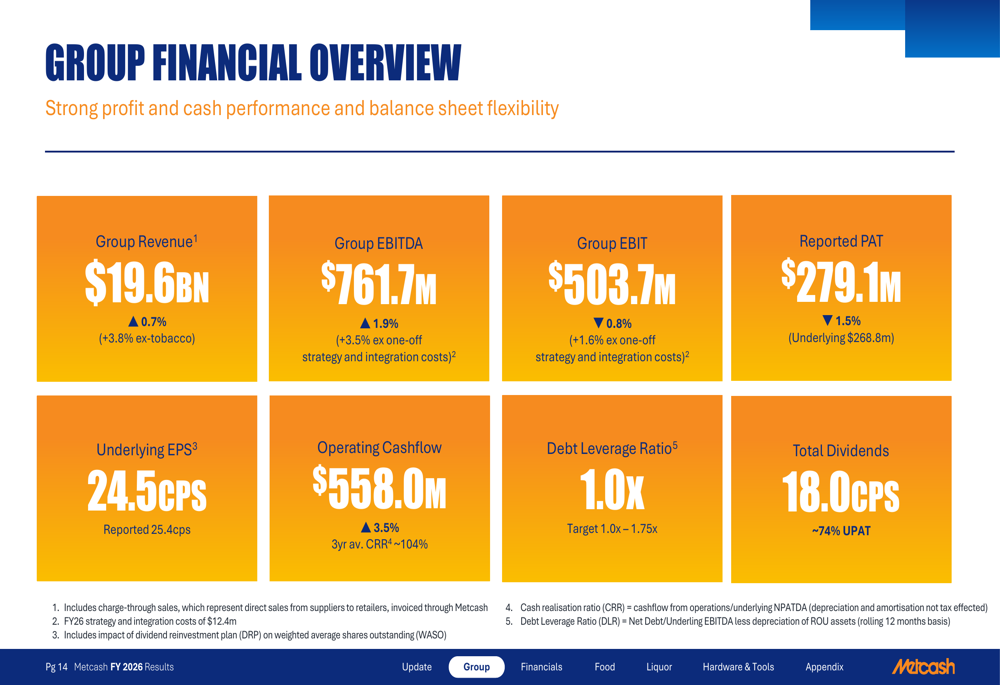
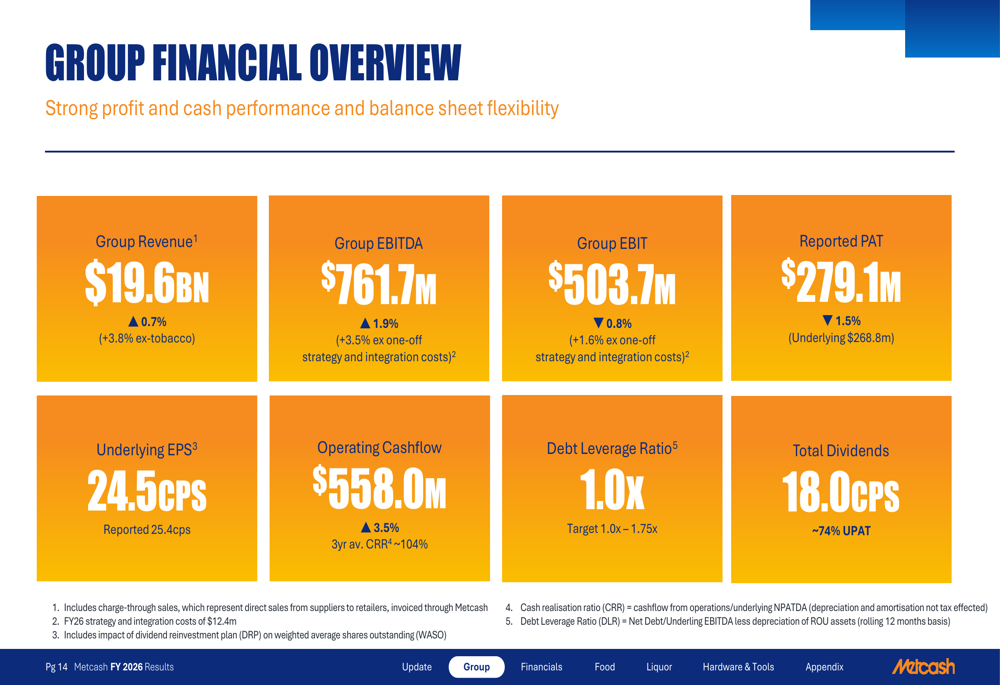
Metcash FY26 presentation: diversification offsets tobacco decline
Business
Oil Price Today (June 22): Crude oil rises above $80 as Iran shuts Strait of Hormuz again. What are experts saying?
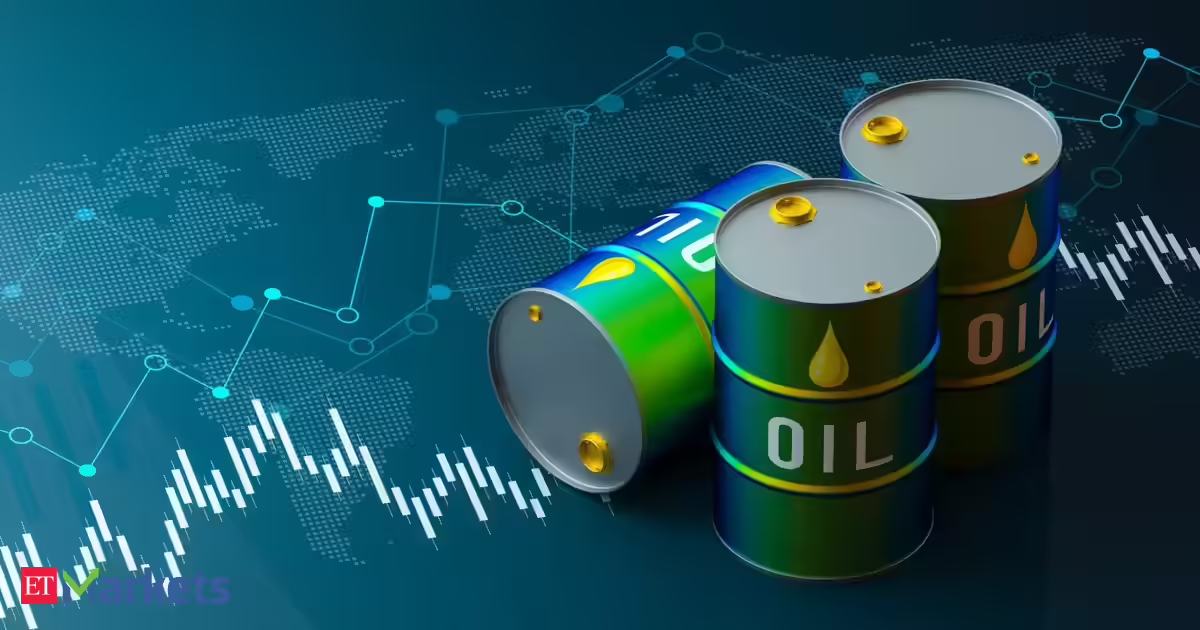
Reuters reported that shipping data showed a sharp decline in the number of vessels passing through the Strait of Hormuz on Sunday after Iran announced it had once again closed the waterway, accusing Israel and the United States of violating the interim peace agreement.
Crude oil price on June 22
Brent crude futures rose 54 cents, or 0.67%, to $81.11 a barrel, after briefly touching $82.30 at the start of trading. U.S. West Texas Intermediate (WTI) crude futures gained $2.02, or 2.64%, to $78.62 a barrel ahead of the contract’s expiry later on Monday. The more actively traded August contract advanced $1.43 to $77.28 a barrel. U.S. markets were closed on Friday due to a holiday, resulting in no settlement.
Adding to market uncertainty, U.S. President Donald Trump threatened to resume attacks on Iran, even as U.S. Vice President JD Vance met Iranian officials on Sunday for the first discussions under the interim deal. Tehran, meanwhile, said Washington had failed to honour its commitment to halt fighting in Lebanon.
Also read: Global Market Today: Asian stocks slip, oil up on peace doubts
In Lebanon, Israeli strikes killed at least 20 people on Saturday, according to the state news agency NNA. The attacks came a day after a ceasefire with Hezbollah took effect in an effort to stop months of escalating violence.

Despite Monday’s gains, oil prices had fallen more than 8% last week amid expectations that cargoes stranded inside the Gulf would be released and that U.S. sanctions on Iranian oil could eventually be lifted under a U.S.-Iran agreement.
Where are prices headed?
Despite the recent slide in oil prices, a complete reopening of Hormuz is expected to be a complex process. It will require careful coordination of vessel movements, the restart of oil wells, repairs to infrastructure and agreement on de-mining operations. Some shipowners also remain wary of operating conditions in the strait and the wider Persian Gulf.
Analysts note that global oil inventories were depleted during the extended disruption of shipping through the Strait of Hormuz and will take time to rebuild. Stockpiles could continue falling before fresh Gulf supplies begin reaching international markets.Last month, Saudi Aramco Chief Executive Officer Amin Nasser cautioned that disruptions in the Strait of Hormuz could delay a return to stability in global oil markets until 2027. According to Nasser, prolonged interruptions could affect nearly 100 million barrels of oil supply each week. Saudi Aramco remains the world’s largest oil producer.
Morgan Stanley described the oil market as being in “a race against time,” warning that some of the factors that have limited the rise in prices could weaken if the Strait of Hormuz remains closed through June.
The brokerage noted that higher U.S. crude exports and softer Chinese demand have so far helped absorb part of the supply shock. However, it cautioned that global supplies could tighten again if disruptions in the strategic shipping route continue, particularly beyond the period during which the U.S. and China are able to cushion the impact.
(Disclaimer: Recommendations, suggestions, views and opinions given by the experts are their own. These do not represent the views of The Economic Times)
Christian Lundgaard overcomes early collision to win XPEL Grand Prix

Anthropic’s Mythos mess just keeps getting more complicated

Drought, wind and heat fuel wildfires in west and force evacuations


![LISA - 'MONEY' Dance Practice [Mirrored]](https://wordupnews.com/wp-content/uploads/2026/02/1770259125_maxresdefault-80x80.jpg)

-
 Crypto World7 days ago
Crude Oil Plunges Over 4% as US-Iran Agreement Reopens Hormuz Strait
-

 Fashion2 days ago
Weekend Open Thread: Miami – Corporette.com
-
 Tech5 days ago
The Adder At The Heart Of Intel’s 8087 FPU
-
 Business2 days ago
Wall Street Week Ahead: Investors see Micron earnings as pulse check of AI rally momentum
-

 Crypto World2 days ago
HIVE shares jump as $220M AI deal speeds Bitcoin mining pivot
-

 Sports3 days ago
FIFA World Cup 2026: Canada beat 9-men Qatar 6-0 to register first ever win | FIFA World Cup 2026
-

 Business1 day ago
MHP SE 2026 Q1 – Results – Earnings Call Presentation (OTCMKTS:MHPSY) 2026-06-20
-

 Crypto World2 days ago
Jake Chervinsky accuses CME of protecting derivatives monopoly
-
 Business3 days ago
Brexit cost 6% of UK economy, Bank of England company data suggests
-

 Business1 day ago
Soccer-U.S. defends Iran World Cup travel restrictions, says discussions ongoing
-
 Crypto World4 days ago
Anthropic’s Dario Amodei Urged AI Unity at G7, Even as US Banned His Models
-

 Tech4 days ago
Weeks Of In-The-Field Testing And A Verdict
-
 Crypto World2 days ago
Can Charles Hoskinson Really Rescue Cardano?
-

 Tech4 days ago
Adobe adds its AI assistant to Premiere, Illustrator and InDesign
-

 Entertainment1 day ago
Renter of Home in Anne Heche Crash Denies Settlement With Son
-

 Politics2 days ago
Andy Burnham and the meaning of Makerfield
-
 Crypto World4 days ago
Iren (IREN) Stock Surges on Jefferies Buy Rating: AI Infrastructure Play Gains Momentum
-
 Politics3 days ago
BBC Reporter Discusses Cross Party Criticism Of Trumps Iran Deal
-

 Tech3 days ago
Instagram Now Lets You Add A Unique Caption To Each Carousel Slide
-
 Crypto World4 days ago
Coinbase Stakes Out Brokerage Territory With SEC-Registered AI Advisor and Stock Options Push
You must be logged in to post a comment Login