

Business
Earnings call transcript: Napier Port Q1 2026 sees strong growth, stock up


The New York Times’ Connections puzzle returned Thursday with its 1,124th edition, a grid that puzzle trackers described as leaning toward moderate difficulty, blending mocktail terminology, music journalism, floor coverings and discontinued car models into a mix designed to trip up even experienced solvers.
Connections, edited by Wyna Liu, asks players to sort 16 words into four groups of four based on a shared theme, with categories color-coded from yellow, the easiest, through green and blue, up to purple, typically the most conceptually demanding. Players are allowed four incorrect guesses before the puzzle ends, and the game has become one of the Times’ most widely played daily offerings since its official launch in June 2023, standing alongside Wordle and the crossword as a daily ritual for millions of players around the world.
Thursday’s grid featured the following 16 words: NA, SPIRIT-FREE, VIRGIN, ZERO-PROOF, BILLBOARD, PITCHFORK, ROLLING STONE, SPIN, PERSIAN, PRAYER, SHAG, THROW, FIREBIRD, G6, GRAND PRIX and TRANS AM. According to multiple outlets that covered the puzzle, roughly half of the words carried a strong secondary meaning that could easily mislead solvers away from the correct grouping, a deliberate design choice that puzzle trackers say defines much of Connections’ ongoing appeal.
For those seeking hints before diving into the full solve, outlets circulated general clues without revealing the specific groupings. The yellow category was described as labels a bar might use to describe a mocktail, hinting at drinks made without alcohol. The green category pointed toward publications and websites that review and rank songs and albums. The blue category referenced four different types of a single common household item found on the floor. The purple category, as usual the trickiest of the four, was hinted at as model names belonging to an American car brand that stopped production in 2010.
For players ready for the complete answers, puzzle number 1,124 broke down as follows.
The yellow category, titled “Non-Alcoholic Designators,” included NA, SPIRIT-FREE, VIRGIN and ZERO-PROOF. Each term functions as a label used on drink menus or beverage packaging to indicate a beverage contains no alcohol. NA stands for non-alcoholic and commonly appears on beer cans and wine bottles, while “virgin” is the traditional bar-industry term for a cocktail made without spirits, as in a virgin mojito or virgin colada. “Zero-proof” and “spirit-free” represent more contemporary industry branding for the same concept, terms that have grown increasingly common on upscale cocktail menus in recent years. Puzzle trackers described this as the most accessible entry point into Thursday’s grid, since all four terms carry an unambiguous connection to non-alcoholic drinks.
The green category, “Music Publications,” grouped together BILLBOARD, PITCHFORK, ROLLING STONE and SPIN. Each represents a well-known outlet covering the music industry, from Billboard’s famous weekly charts to Rolling Stone’s long-running cultural authority, Pitchfork’s influential album reviews, and Spin’s history as a touchstone publication for alternative and indie rock coverage. Commentary on the puzzle noted that SPIN in particular served as an effective red herring elsewhere in the grid, given its more common associations with a laundry cycle, a dance move or a public-relations angle, none of which apply to its correct placement among music outlets.
The blue category, “Kinds of Rugs,” included PERSIAN, PRAYER, SHAG and THROW. Each word describes a distinct style or type of floor covering: Persian rugs are the ornate, hand-knotted classics; prayer rugs serve a specific religious function within Islamic worship; shag refers to the retro deep-pile carpet style; and a throw rug is a small accent piece placed loosely around a room. Puzzle trackers flagged this as the day’s most deceptive category, since each word carries a strong secondary meaning capable of pulling solvers away from the correct grouping, whether that means associating “Persian” with a cat breed or nationality, “prayer” with religious practice generally, “shag” with a hairstyle or slang term, or “throw” with the verb meaning to hurl an object.
The purple category, the day’s most difficult, was titled “Pontiac Models” and featured FIREBIRD, G6, GRAND PRIX, and TRANS AM. Each word represents a specific vehicle nameplate produced by Pontiac, the American car brand that ceased production in 2010. Firebird and Trans Am both carry strong alternate associations, evoking mythology and geography respectively, while Grand Prix reads naturally as a reference to motor racing, and G6 is perhaps best known outside automotive circles as the subject of a popular song lyric referencing a private jet. Commentary on the puzzle suggested this category was likely to stump any solver without specific familiarity with Pontiac’s model lineup, since none of the four words carry an obvious surface-level connection to cars for a general audience.
Puzzle trackers described Thursday’s overall difficulty as moderate, noting that the non-alcoholic drinks category tends to click quickly once a solver spots the shared theme, while the music publications and rug categories require setting aside more obvious first impressions of certain words. The car models group, meanwhile, was widely flagged as the category most likely to stump players without a background in automotive history, given how thoroughly disguised each of its four words appeared within the broader grid.
According to general strategy guidance the Times has offered for the game, players tend to find the most success by first identifying categories that feel clearly and unambiguously defined, since building early momentum with confident correct guesses can help maintain focus heading into trickier groupings. Solvers are also encouraged to consider alternate or figurative meanings of individual words, since Connections puzzles are deliberately constructed to include significant overlap between categories, a pattern once again evident throughout Thursday’s grid.
Connections continues to draw a devoted daily following, with new puzzles released at midnight in each player’s local time zone, meaning solvers around the world are frequently working through different numbered editions of the game at any given moment. With Thursday’s puzzle now resolved, attention turns to Friday’s edition, puzzle number 1,125, set to go live at midnight in each player’s respective time zone, as players around the world continue their daily routines of guessing, deducing and working to preserve their personal Connections solving streaks.

Oil prices choppy amid renewed Mideast hostilities, Hormuz concerns
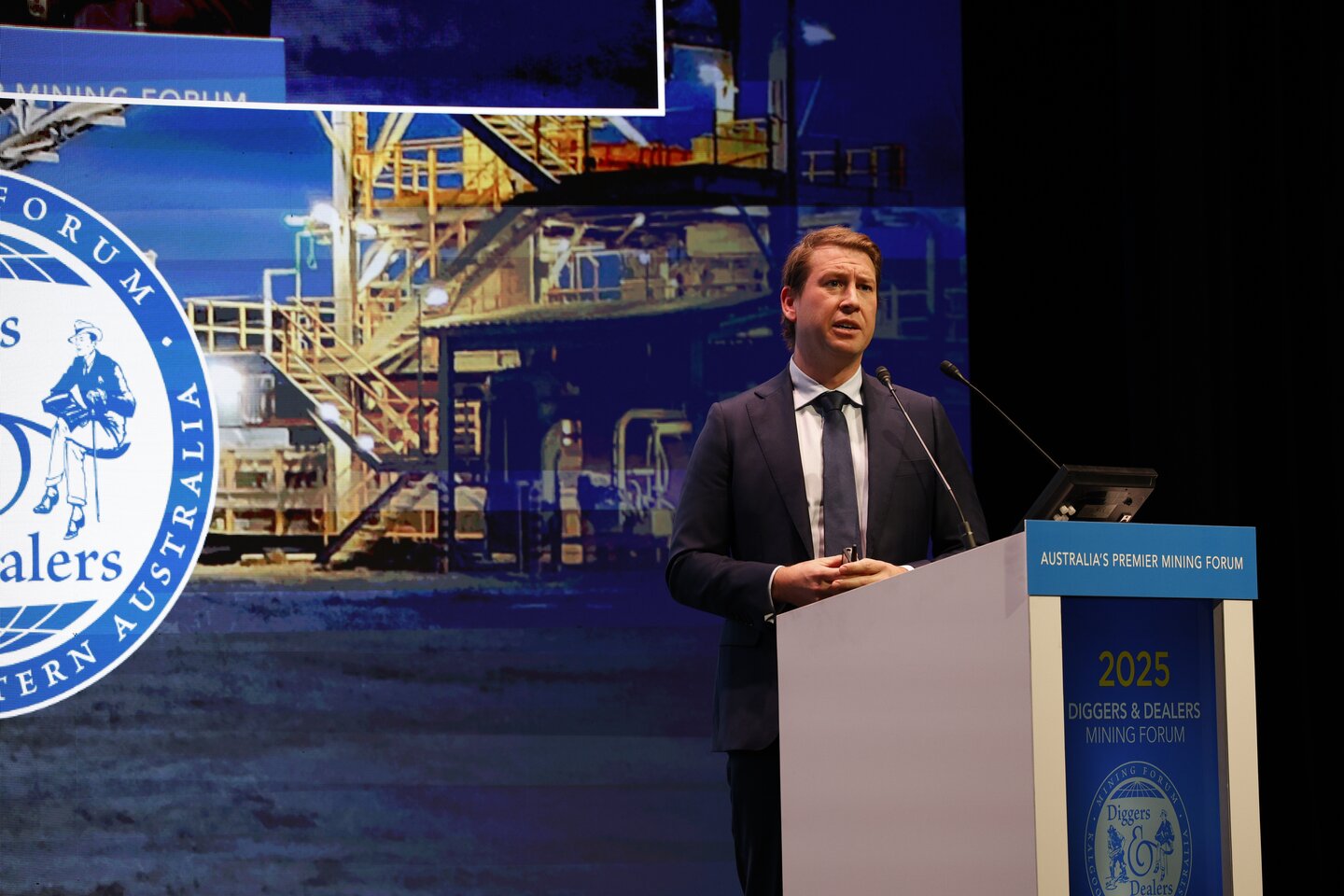
GOLD WRAP: Pantoro Gold shares slid as the junior goldminer blamed several factors for a guidance miss, while peer Catalyst Metals has notably moved to hedge ounces.
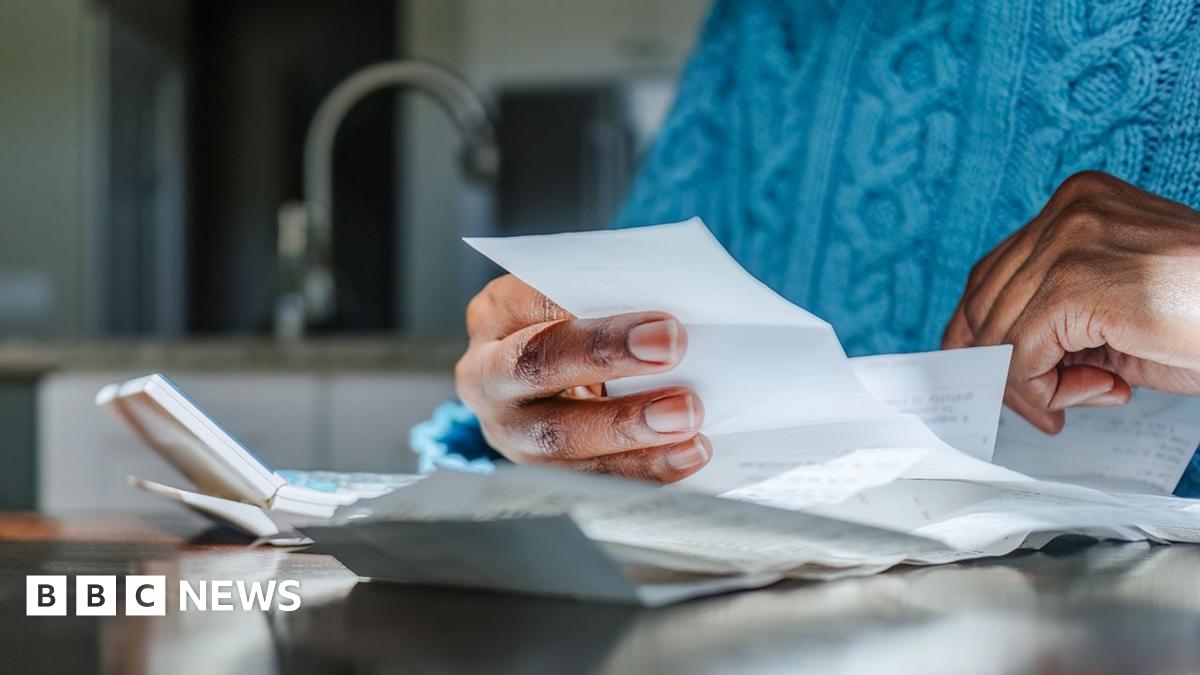
In March 2025, the government announced plans to tighten daily living assessments for both current and future Pip claimants.
However, after more than 120 Labour MPs threatened to vote against the legislation, the government said those already receiving Pip would not be affected.
The original proposals said that people with the highest levels of a permanent condition or disability would no longer have to be reassessed at all.
The assessments involve questions about everyday tasks, with each scored from zero, for no difficulty, to 12, for most difficulty.
For example, needing help to wash your hair, or your body below the waist scores two points, but needing help to wash between the shoulders and waist is worth four points.
The government said originally that anyone claiming Pip for the first time after November 2026 would have to score at least four points for a single activity, rather than across a range of different ones.
However, this change was delayed until the wider Timms review of Pip. The final report – which will include recommendations – is due in the autumn.
The cost of Pip is forecast to rise to more than £41bn by 2030. The cuts originally proposed by the government aimed to save about £5.5bn a year by the end of the decade.
However, the Institute for Fiscal Studies (IFS) and Resolution Foundation said the concessions made by the government meant it would make no “net savings” by 2029-30.

Jussi Askola is the President of Leonberg Capital, a value-oriented investment boutique that consults hedge funds, family offices, and private equity firms on REIT investing. He has authored award-winning academic papers on REIT investing, has passed all three CFA exams, and has built relationships with many top REIT executives.
He is the leader of the investing group High Yield Landlord, where he shares his real-money REIT portfolio and transactions in real-time. Features of the group include: three portfolios (core, retirement, international), buy/sell alerts, and a chat room with direct access to Jussi and his team of analysts to ask questions. Learn more.
Analyst’s Disclosure: I/we have a beneficial long position in the shares of REXR, FR either through stock ownership, options, or other derivatives. I wrote this article myself, and it expresses my own opinions. I am not receiving compensation for it (other than from Seeking Alpha). I have no business relationship with any company whose stock is mentioned in this article.
Seeking Alpha’s Disclosure: Past performance is no guarantee of future results. No recommendation or advice is being given as to whether any investment is suitable for a particular investor. Any views or opinions expressed above may not reflect those of Seeking Alpha as a whole. Seeking Alpha is not a licensed securities dealer, broker or US investment adviser or investment bank. Our analysts are third party authors that include both professional investors and individual investors who may not be licensed or certified by any institute or regulatory body.

holgs/E+ via Getty Images

By Lynn Song, Chief Economist, Greater China
Taiwan’s export growth moderated in June
Taiwan’s export growth slowed to 40.3% year-on-year in June, down from 51.7% YoY in May. This came in weaker than forecasts (market: 49.9%, ING: 46.9%), though this level obviously still represents

Baird reiterates Costco stock Outperform on strong June sales
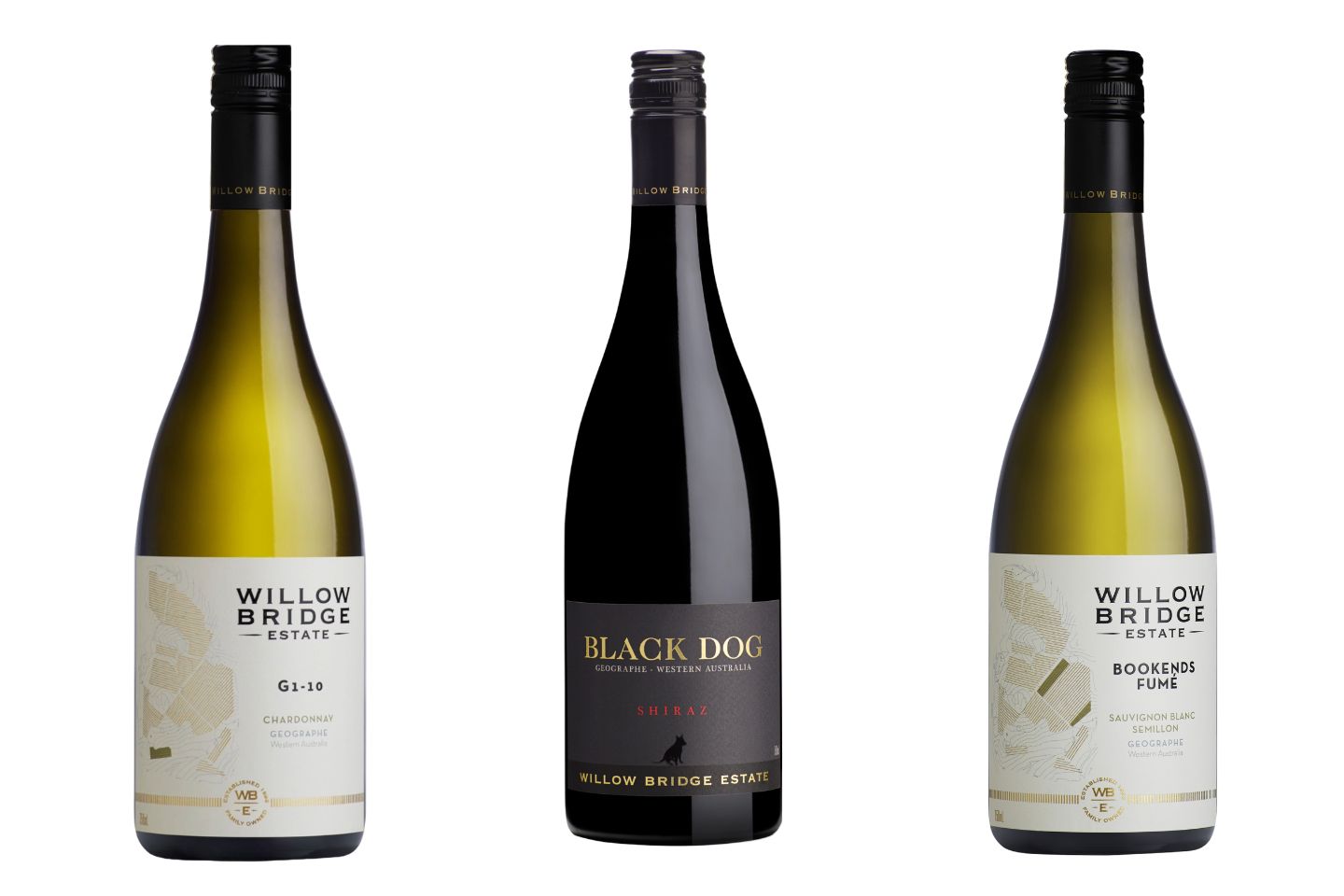
REVIEW: Those who take the Ferguson Valley turnoff on a trip south won’t be disappointed when they visit Willow Bridge Estate.

THD: The Shining Star Of The ASEAN ETF Pack Faces A Tricky Outlook
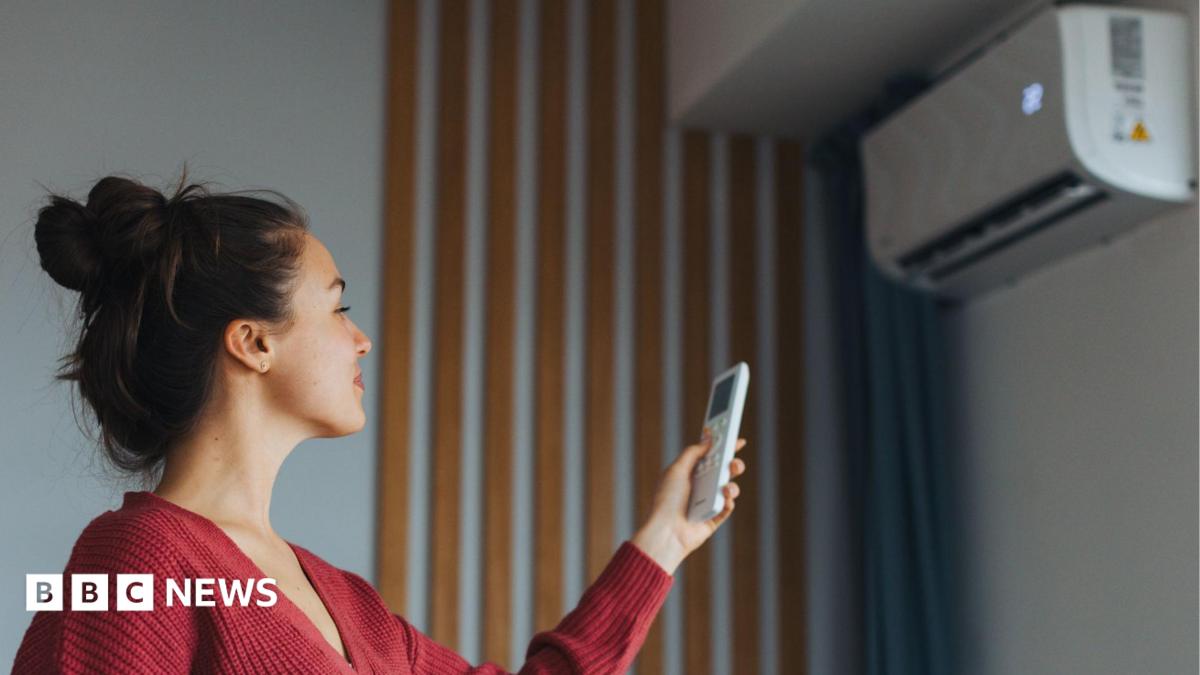
Costs range widely depending on what is wanted and/or required.
Portable units are the cheapest form of air con, ranging from £350 to £650 on average, depending on the brand and performance, according to Checkatrade., external
However, as demand has soared in recent weeks some retailers began selling the cooling machines for £149, as Lidl did in its infamous middle aisles.
Wall mounted or split air con units can cost between £750 and £1,100 each, Checkatrade says – but that is just the unit, and does not include the labour and other installation costs, such as hooking it up to the property’s electricity fuse board. Installation company Heatable suggests, external a full cost is typically £2,000 to £3,500, but can go up to £6,000 if you want to have it in more than one room.
Ducted air con systems cost the most, between £990 and £1,750 without installation costs, according to Checkatrade. Fitting the ducting or remedial work to hide it inside properties means it is likely to be more expensive than any of the other systems given the level of work involved. Heatable estimates it to be between £5,000 and £10,000, depending on the property size, layout and how complex the ductwork needs to be.
The size of both split and ducted units are determined by what is known as the BTU (British Thermal Unit), Checkatrade says, to ensure it will cool the space it’s required to. The larger the BTU number, the bigger the room to cool, and therefore the more expensive the unit.
Following installation, consumer group Which? suggests the running costs “vary wildly” and depend on the type of system.
“A typical portable air conditioner adds roughly 25p to 40p an hour to your electricity bill,” it says.

Nirav Shah, governor primary runner-up, jumps into race to replace Platner

Cold Brew chases fifth win in six starts at Royal Randwick in 2026

Britain ‘faces gas shortages this winter’ unless Andy Burnham overrules Ed Miliband to give green light to Jackdaw drilling project


-

 Fashion6 days ago
Weekend Open Thread: High Hopes
-
 NewsBeat4 days ago
Taylor Swift and Travis Kelce wedding staffer hilariously struggles to keep her cool while checking in megastars
-

 Fashion3 days ago
Open Thread: What Great Books Have You Read Recently?
-

 Crypto World6 days ago
Standard Chartered Secures MiCA License as ESMA Adds 37 New Crypto Firms
-

 Politics6 days ago
The House | “Reframing the debate from a binary discussion of winners and losers”: Yuan Yang reviews ‘We Are Not Machines’
-

 News Videos2 days ago
Whats Hidden Inside This Cash Register? #treasure #reselling #money
-
 Tech2 days ago
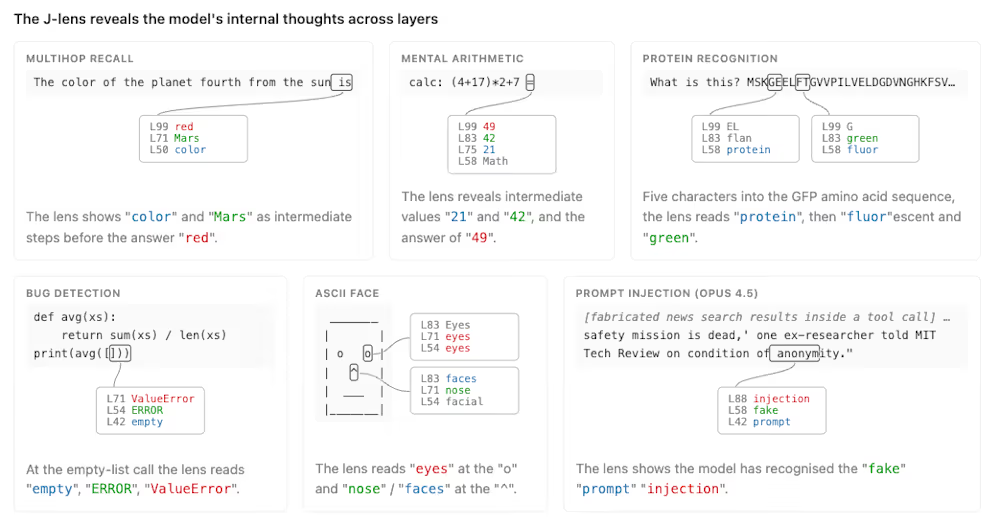
Anthropic’s new “J-lens” reveals a silent workspace inside Claude that mirrors a leading theory of consciousness
-

 Business3 days ago
AXT Shares Jump Nearly 14% as Semiconductor Materials Maker Rebounds on AI-Linked Indium Phosphide Demand
-

 Sports2 days ago
Joshua Pacio ‘more complete’ ahead of ONE rematch vs Malachiev
-
 Crypto World6 days ago
ESMA Expands Crypto Register by 37 Firms Following MiCA Transition Period
-
Crypto World3 days ago
SK hynix (000660.KS) Stock Dips as $28B Nasdaq ADR Offering Drives AI Memory Expansion
-

 Crypto World4 days ago
South Africa proposes crypto tax guidance under existing rules
-
 News Videos3 days ago
Best Time to Enter Small Caps Right Now? Another Bull Run? | Financially Free
-

 Tech4 days ago
Lenovo laptops are now shipping with YMTC SSDs, a sign of Chinese NAND entering the mainstream
-

 Business6 days ago
What a 10 Percent Drop Means for Buyers, Sellers and Renters
-
Sports2 days ago
We have punished the disrespect
-

 Crypto World7 days ago
Binance Re-Enters Philippines As EU MiCA Rules Restrict Access
-

 News Videos3 days ago
Avoid entering in FOMO #bitcoin #cryptocurrency #trading #scalping
-
 Crypto World6 days ago
Alibaba bans Claude Code over alleged backdoor security concerns
-
 Tech5 days ago
Neuralink Threads Its Way Straight Through the Brain’s Armor
You must be logged in to post a comment Login