

Business
Eli Lilly weight loss drug retatrutide clears obesity trial


Eli Lilly on Thursday said its next-generation drug cleared a crucial late-stage trial in patients with obesity, delivering significant weight loss across doses.
The results bring Lilly one step closer to filing for approval of the weekly injection, called retatrutide, which works differently from existing shots and pills from both Lilly and Novo Nordisk. It also appears to be more effective than those options.
The highest dose of retatrutide helped patients lose 28.3% of their weight — or 70.3 pounds — on average over 80 weeks, compared with 2.2% with placebo, when evaluating only patients who stayed on the drug.
Roughly 45% of the 2,500 patients in the Phase 3 trial achieved 30% or more weight loss, Lilly said.
The highest dose also helped patients with a body mass index of 35 or above who participated in an extension of the study lose 30.3% of their weight on average over 104 weeks. That BMI threshold puts people at higher risk of cardiovascular complications or diabetes.
While the drug appeared to show higher rates of certain gastrointestinal side effects, such as nausea and diarrhea, especially at the highest dose, they were generally consistent with a previous Phase 3 trial of retatrutide in patients with obesity and a type of knee arthritis pain. Some analysts previously said those side effects highlight the speed and strength of the drug’s weight loss.
A lower dose of retatrutide that Lilly tested in the latest study was also associated with fewer discontinuations due to side effects.
Dan Skovronsky, Lilly’s chief scientific and product officer, called the 30% weight loss an “incredible number to see,” as it has previously only been associated with bariatric surgery.
“We haven’t seen that level of weight loss before with these kinds of medicines,” Skovronsky told CNBC in an interview.
Around 65% of people taking the highest dose of retatrutide also achieved a BMI of less than 30, which falls under the threshold for obesity, at 80 weeks.
Ahead of the results, some analysts said they were expecting to see weight loss higher than that seen with Lilly’s blockbuster weight loss drug Zepbound, which is around 20% to 22%.
The data is the third late-stage result to date on retatrutide, which succeeded in a diabetes trial earlier this year and cleared a smaller study on patients with obesity and a type of knee arthritis in December. Lilly is betting big on retatrutide as the next pillar of its obesity portfolio after its injection Zepbound and newly launched pill, Foundayo.
In a January note, TD Cowen analysts estimated that retatrutide could rake in sales of $3.8 billion in 2030.
Retatrutide is also critical to the drugmaker’s plan to maintain its market share majority over Novo in the booming market for weight loss and diabetes drugs. Some analysts estimate the segment could be worth about $100 billion by the 2030s.
A new lower dose
Notably, Lilly also tested a lower 4-milligram dose not used in other trials, and it helped patients lose 19% of their weight, or 47.2 pounds, over 80 weeks.
Skovronsky said the weight loss seen with that lowest dose is similar to that of Zepbound at high doses, but “with a really excellent tolerability profile” that exceeded Lilly’s expectations. That refers to how well patients handle the drug – a key metric in trials on medicines containing GLP-1s, which often bring gastrointestinal side effects.
The number of patients at the 4-milligram dose who discontinued treatment due to side effects was lower than the placebo group, which Skovronsky called “remarkable to see.” Around 4% of patients on that dose stopped the drug due to side effects, compared with nearly 5% with the placebo.
That compares with a discontinuation rate of 11.3% among patients who took the highest dose.
Still, Skovronsky said, “I think we’re making history here, both on the high end with the high dose and on the low dose for what we can offer patients.”
“For some patients, 30% weight loss may be more than what they’re seeking,” Skovronsky later added. “For other patients, that may be what they need to get healthy. So not everyone will go up to the highest dose level and stay on it for two years.”
Retatrutide safety
The safety data on Lilly’s drug was consistent with other GLP-1-containing medications, with the most common side effects being gastrointestinal.
Around 42% of patients on the highest dose experienced nausea, while roughly 32% and 26.1% had diarrhea and constipation, respectively. More than 13% of patients on that dose also experienced an upper respiratory tract infection, a contagious illness affecting the nose, sinuses and throat.
Meanwhile, more than 12% of patients on the highest dose also experienced dysesthesia, which is an unpleasant nerve sensation observed in previous trials of the drug.
Ahead of the results, some analysts said they were watching to see if retatrutide would cause any cardiac issues, such as arrhythmia, an irregular heartbeat. That’s because the drug works by targeting three gut hormones, including one called glucagon, which increases energy expenditure.
But Lilly said it did not observe any cardiac or liver issues. The company did notice a slightly higher rate of urinary tract infections in people on the drug compared with placebo, but most were mild and resolved while people stayed on treatment, Skovronsky said. More than 8% of patients at the highest dose had a UTI.
He said it’s unclear why more patients had UTIs, but that the side effect is also seen with bariatric surgery, so it may be the result of “the velocity of weight loss” people experience.
Dubbed the “triple G” drug, retatrutide targets GLP-1, GIP and glucagon rather than just one or two like existing treatments. That appears to have more potent effects on a person’s appetite and satisfaction with food than other treatments.
Tirzepatide, the active ingredient in Zepbound, mimics GLP-1 and GIP. Novo Nordisk’s semaglutide, the active ingredient in Wegovy, mimics only GLP-1.
Lilly held a 60.1% share of the U.S. obesity and diabetes drug market in the first quarter, according to an earnings presentation, while Novo’s market share in the period was 39.4%.
As retatrutide inches closer to the market, Novo is racing to catch up to Lilly. In March 2025, Novo said it agreed to pay up to $2 billion for the rights to an early experimental drug from the Chinese pharmaceutical company United Laboratories International.
Novo’s newly acquired drug is a clear potential competitor to retatrutide because it similarly uses a three-pronged approach to promoting weight loss and regulating blood sugar. But Novo’s treatment is much earlier in development, meaning it will take several years before it reaches patients.

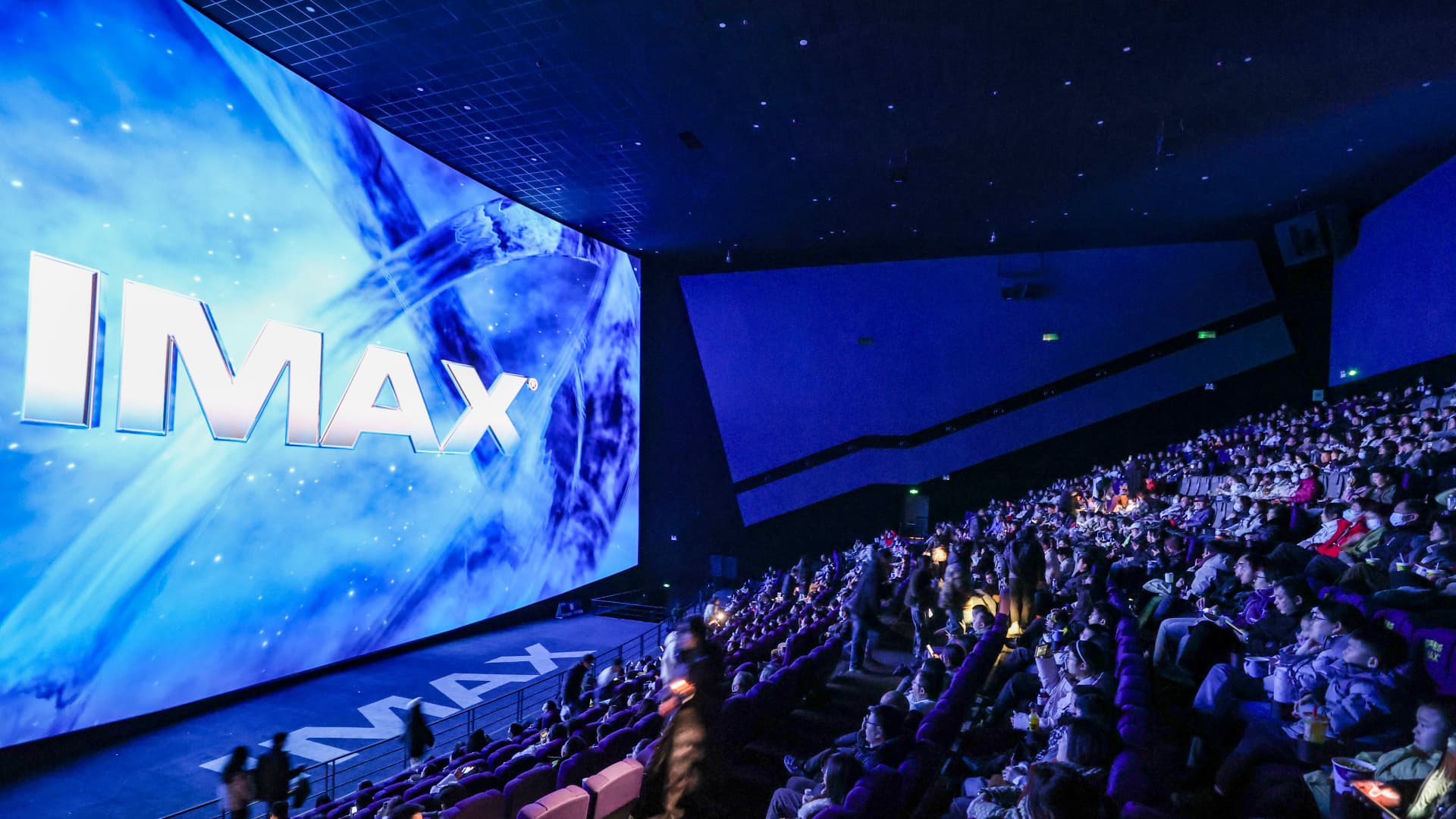
Moviegoers watch the film Ne Zha 2 at an IMAX GT Cinema on February 23, 2025 in Guiyang, Guizhou Province of China.
China News Service | China News Service | Getty Images
Wall Street is buzzing following reports that IMAX is exploring a sale.
Shares of the movie theater technology company were up roughly 14% Friday on speculation about potential buyers. A source familiar with the company told CNBC that IMAX has held “preliminary talks” through intermediaries, but no official pitches have been made by the company.
CNBC’s source spoke on the condition of anonymity due to the confidential nature of the discussions. The Wall Street Journal first reported the potential sale process.
While IMAX may not be actively pursuing a sale, CEO Rich Gelfond has left the door open for a possible buyout. In December, he told shareholders during the company’s investor day that IMAX is “an incredibly valuable player, either as a wholly differentiated publicly-traded company or as part of a larger company.”
Wall Street analysts broadly see IMAX as an attractive asset that could draw interest from a variety of businesses, from Hollywood studios and theatrical partners to fellow tech companies. Several analysts wrote that IMAX is currently undervalued.
“IMAX is a rare combination of a globally recognized premium brand, an asset-light licensing model, and a structurally expanding earnings profile,” Wedbush Senior Vice President of Equity Research Alicia Reese wrote in a research note published Friday. “IMAX is trading at a discount to what we believe the business is worth as a standalone entity, let alone as a strategic acquisition target.”
As of midday Friday, IMAX shares were trading at nearly $39 apiece for a market capitalization of roughly $2.1 billion.
“A prospective acquirer would be buying one of the most defensible moats in entertainment for what amounts to a rounding error on the balance sheet of any major studio or technology platform,” Reese wrote.
Who could buy IMAX
Reese suggested that IMAX’s most likely suitors would include private equity, Netflix, Apple and Sony.
Private equity would avoid any potential conflict issues, as there would be no competing interest for screens, she noted.
Netflix, meanwhile, does not rely on theatrical releases as part of its main programing strategy, therefore its conflict of interest would be smaller than traditional Hollywood studios. Additionally, owning IMAX would provide any filmmaker that signed on to work with Netflix the opportunity for premium theatrical runs and could act as a “powerful recruiting tool,” according to Reese.
As for Apple and Sony, both companies have strong technology businesses in addition to theatrical and streaming content. Although, Sony does not have its own streaming platform, while Apple has AppleTV.
“We would be surprised if any of the major Hollywood studios pursued an acquisition of IMAX given the competition with other studios for key IMAX release windows (and the likelihood that a studio would not want to share box office with another studio),” Eric Wold, executive director of equity research at Texas Capital Securities, wrote in a note to investors published Thursday. “By the same token, we do not believe any of the major exhibitor circuits would want another circuit to control the IMAX release slate and also share in its box office revenues.”
The potential buyer pool could be much wider, according to Mike Hickey, a Benchmark equity research analyst.
“We believe the potential buyer universe is unusually broad because IMAX operates less like a traditional theater chain and more like a premium entertainment technology platform,” he wrote in a note published Friday. “Logical strategic candidates include Sony, Apple, Amazon, Disney, Comcast/NBCUniversal, Netflix, Sphere Entertainment, and Cinépolis, alongside sovereign-backed entertainment investors.”
Why buy IMAX
Last year, IMAX generated a record $1.28 billion at the global box office, a more than 40% increase over 2024 and 13% higher than its previous record set in 2019.
Wold is projecting revenue of $448 million in 2026, higher than the $396 million the company collected in 2019. Additionally, he expects adjusted profit to reach $197 million, up from $149 million in 2019.
However, while IMAX is outperforming its 2019 metrics, its valuation has not returned to pre-pandemic levels, Wold noted. He reiterated that his price target for the company is $53 a share.
IMAX hit a 52-week high in late February, trading at $43.16 a share, but the stock has retreated following tough first-quarter comparisons to 2025, which included the record-breaking performance of China’s “Ne Zha 2.”
Additionally, the company lost Greta Gerwig’s “Narnia” film from the Thanksgiving holiday following an on-set injury that postponed production, leading to a significant gap in the calendar. IMAX has since replaced the film with David Fincher’s “The Adventures of Cliff Booth,” based on the breakout character from Quentin Tarantino’s “Once Upon a Time in Hollywood.”
The company still has Universal and Christopher Nolan’s “The Odyssey” and Warner Bros.‘ and Denis Villeneuve’s “Dune: Part Three,” due out in July and December, respectively, which are both expect to generate a significant portion of box office sales from IMAX screenings. That’s in addition to Disney’s “Toy Story 5” and “Moana,” alongside Warner Bros.’ “Supergirl,” Lionsgate’s “Hunger Games: Sunrise on the Reaping” and Universal’s “Minions & Monsters.”
“In 2027, the company has at least 10 filmed for IMAX titles, including Narnia and a good mix of core franchises (Star Wars, Superman, Batman) and other films like ‘The Thomas Crown Affair’ and ‘Miami Vice’,” wrote Steve Frankel, senior research analyst for Rosenblatt, in a note published Friday. “Beyond Hollywood, the company’s slate of local language titles continues to expand, including multiple titles Filmed for IMAX and alternative content, like live broadcasts of F1 races, continues to fill in gaps in the schedule.”
IMAX’s “filmed for IMAX” content is accelerating and expected to grow materially through 2028. Moviegoers are drawn to titles that have been filmed on IMAX cameras with the intention of being shown on the larger, more impressive screens. Previous titles include Nolan’s “Oppenheimer,” James Cameron’s and Disney’s Avatar films, as well as entries in the Marvel Cinematic Universe and from DC Studios.
But IMAX is also diversifying beyond the Hollywood landscape. Internationally, it has partnered with China, Japan and South Korea to screen local language content. In doing so, the company had reduced its dependence on any single market or single content source, Reese noted.
The company is also actively expanding. Around 160 to 175 IMAX systems are expected to be installed in 2026, with contracts to build hundreds more already in place, the company told CNBC last year.
“We continue to be believers in the IMAX story,” Frankel wrote. “The combination of the ongoing consumer shift to premium viewing experiences, the company’s growing influence with leading filmmakers and a film slate that has diversified beyond Hollywood tent poles to include local languages and alternative content, sets the stage for strong box office growth and margin expansion.”
Business
Apex Legends Down? Apex Legends Hit by Partial Outage on May 22 2026 Affecting Hundreds of Players


LOS ANGELES — Apex Legends experienced connectivity and login issues for hundreds of players on Friday, May 22, 2026, according to user reports and outage tracking sites.
The account @status_is_down posted on X: “Apex Legends is reportedly down for some gamers currently. Are you one of them?” The post linked to a community discussion thread on designtaxi.com.
Downdetector recorded elevated reports throughout the day, with game launch, server connection and matchmaking issues as the top categories. Reports were moderate compared to major historical outages but impacted players across multiple regions.
EA and Respawn Entertainment had not issued an official statement on the incident as of late afternoon May 22. The companies typically communicate via official social channels and service status pages during disruptions.
Players reported difficulties logging into the game, joining matches or maintaining stable connections. Issues appeared intermittent rather than a full global shutdown, with some users regaining access after waiting periods.
This follows previous technical hiccups for the popular battle royale title, which maintains millions of daily active players across PC, PlayStation and Xbox platforms. Apex Legends Season 23 was active during the reported outage.
Community reactions on X included frustration from players planning gaming sessions. Some users noted similar issues the previous day around the same time.
Others reported eventual success after waiting. Comments indicated that connectivity improved for many throughout the afternoon.
Apex Legends, developed by Respawn Entertainment and published by Electronic Arts, launched in 2019. It has sustained a large player base through regular seasonal updates, new legends, maps and battle pass content.
No specific cause for the May 22 issues was confirmed by EA or Respawn. Common triggers for such outages include server maintenance, technical glitches, high concurrent player loads or third-party network problems.
The game’s competitive scene, including ALGS events, was not immediately impacted. Official tournament servers often operate on separate infrastructure.
Players experiencing issues were advised to try standard troubleshooting: restarting the client, checking internet connections, verifying game files or waiting for resolution.
Apex Legends maintains dedicated service status pages through EA and Respawn. No widespread outage was officially listed, suggesting the problems were regional or resolving gradually.
The incident highlights the reliance of live-service games on stable server infrastructure. With millions of concurrent players during peak hours, even brief disruptions affect thousands worldwide.
EA and Respawn have a history of transparent communication during major outages, often providing estimated resolution times and compensation when appropriate. No such offers had been announced for this event.
Fan discussions continued on Reddit, X and official forums. Users shared error messages and login queues. The hashtag #ApexLegendsDown trended briefly.
As of late afternoon May 22, many players reported that connectivity had improved or fully returned. The situation remained fluid for some users.
Apex Legends continues to receive regular content updates, including new seasons, legends, weapons and limited-time modes. Season 23 was ongoing at the time of the disruption.
The game’s large player community often shares workarounds during outages. Developers encourage reporting technical problems through official support channels.
This partial outage was relatively minor and short-lived. Services appeared to stabilize throughout the afternoon without extended maintenance.
The event underscores ongoing challenges in maintaining global server stability for popular online games. Apex Legends has faced occasional similar issues in the past but generally maintains high uptime.
Players are advised to monitor official status pages for real-time updates. Respawn typically resolves minor connectivity problems quickly through client restarts or backend adjustments.
The May 22 reports represent another instance of intermittent service disruption for the title. The game remains one of the most played battle royale experiences worldwide.

Hyderabad-based Deepa Jewellers plans to raise funds through a combination of fresh issue and offer-for-sale.
The IPO consists of a fresh issue of shares worth up to Rs 250 crore and an offer for sale of up to 1.18 crore shares by promoters Ashish Agarwal and Seema Agarwal.
The company had filed its draft papers with Sebi in December 2025.
Incorporated in 2016, Deepa Jewellers operates as a business-to-business processor and supplier of hallmarked gold jewellery with a strong presence in southern India including Telangana, Karnataka, Andhra Pradesh, Tamil Nadu and Kerala.

The company primarily focuses on processing 22-karat gold jewellery and operates through an outsourced manufacturing model supported by around 40 karigars.
Its product portfolio includes traditional South Indian jewellery categories such as vaddanam, CNC machine-cut bangles, gents kada, vanki, kangan, earrings, mangtika, maatil, braid ornaments and rings.Apart from jewellery processing, the company also undertakes job-work assignments where customers supply raw material and the company delivers finished ornaments.
Deepa Jewellers is also engaged in trading silver ornaments, gold bullion, precious stones and 18-20 karat jewellery products.
According to the company, it had a customer base of 315 clients across 13 states and one union territory as of November 2025, including jewellery retail chains and standalone jewellery stores.
The company’s business model is focused largely on wholesale distribution and processing rather than direct retail operations.
Separately, Cotec Healthcare also received Sebi approval for its IPO.
Cotec Healthcare operates as a contract development and manufacturing organisation, or CDMO, serving pharmaceutical companies across multiple therapeutic segments.
The company manufactures formulations across 24 dosage categories including injectables, tablets, capsules, ointments, syrups and infusions.
Its product portfolio spans therapeutic areas such as anaesthetics, antibiotics, cardiovascular drugs, dermatology, endocrinology, nutrition, supplements and women’s healthcare.
Cotec Healthcare operates a manufacturing facility in Roorkee spread across 21,871 square metres with installed manufacturing capacity of over 4 billion units.
The company serves domestic pharmaceutical companies and also exports products to 14 countries.
According to the company’s disclosures, it served 154 customers in FY25 compared with 177 in FY24 and 122 in FY23.

KKR’s SWOT analysis: investment firm stock faces mixed signals
NEW YORK — Zoom Communications Inc. (NASDAQ: ZM) shares surged 12.86% to $109.20 in morning trading on Friday, May 22, 2026, after the company reported first-quarter fiscal 2027 results that beat expectations and raised its full-year guidance on strong enterprise demand and AI adoption.
Zoom reported revenue of $1.239 billion for the quarter ended April 30, 2026, up 5.5% from the prior year and above analyst estimates of $1.223 billion. Adjusted earnings per share reached $1.55, exceeding forecasts.
Enterprise revenue grew 7.2% to $755.7 million, while online revenue increased 2.8% to $483.3 million. Customers contributing more than $100,000 in trailing 12-month revenue rose 8% year-over-year and now account for 33% of total revenue.
CEO Eric S. Yuan highlighted AI momentum. Paid users of AI Companion features increased 184% year-over-year. The company noted customers are increasingly adopting Zoom as an AI-first platform.
Zoom raised its full-year fiscal 2027 revenue guidance to $5.08 billion to $5.09 billion. It also authorized an additional $1 billion for share repurchases, bringing the total program to $2 billion.
The results marked five straight quarters of accelerating growth. Non-GAAP operating margin reached 41.1%, reflecting improved efficiency. GAAP net income was $425.7 million, or $1.42 per diluted share.
Trading volume was significantly elevated on May 22 as the earnings reaction drew strong investor interest. The stock had been trading in a more moderate range prior to the report.
Analysts responded positively. Jefferies raised its price target, citing AI momentum. Multiple firms maintained buy ratings, highlighting Zoom’s transition toward higher-margin AI and enterprise solutions.
Zoom has focused on AI integration across its platform, including features like Companion for meeting summaries, smart recording and productivity tools. The company continues to expand its enterprise customer base while stabilizing its online business.
The video conferencing leader has evolved since its pandemic-era peak. It now emphasizes hybrid work solutions, AI enhancements and long-term enterprise contracts. Zoom reported strong cash flow and maintains a solid balance sheet.
No new corporate announcements were released on May 22 beyond the earnings momentum. The company’s next update is expected with second-quarter results in late August.
Market capitalization exceeded $30 billion in recent sessions. The stock has shown resilience in 2026 amid broader technology sector movements and growing AI interest.
Zoom serves millions of users worldwide through its core video platform and expanding suite of collaboration tools. The company has invested heavily in security, compliance and AI capabilities to meet enterprise demands.
Investors will monitor execution on the raised guidance and continued AI monetization. Zoom’s performance reflects broader market enthusiasm for technology companies demonstrating consistent growth and innovation.
The earnings beat and guidance increase contributed to the strong market reaction. Shares had faced pressure in prior periods amid concerns about post-pandemic demand normalization.
Zoom continues to face competition in the collaboration space but has differentiated through AI features and enterprise focus. The company reported positive trends in customer retention and expansion.
No specific second-quarter guidance details were provided beyond the full-year outlook. Management expressed confidence in sustained momentum across segments.
The stock’s movement on May 22 underscores investor confidence in Zoom’s strategic shift toward AI and higher-value enterprise revenue. Market participants will watch for further progress in coming quarters.


New tool can be applied to ingredients, cuisines and nutrition.

Customers shop for eggs at an H-E-B grocery store on May 11, 2026 in Austin, Texas.
Brandon Bell | Getty Images
Egg prices are finally cooling in a welcome shift for consumers.
But now a new challenge is sending producers scrambling: they have too many eggs at a time when their input costs are rising.
As the market swings from last year’s avian flu-driven shortage to a growing oversupply, producers say lower grocery store prices are masking the squeeze from cost inflation.
“A year ago, all anybody could talk about was how expensive eggs were because a lot of birds were unfortunately lost,” said Thomas Flocco, CEO of egg producer Pete & Gerry’s.
“We now have an oversupply situation, which is why you’re seeing in some cases a dozen eggs below a dollar,” Flocco said.
Egg prices fell 44.7% year-over-year in March 2026, according to Bureau of Labor Statistics data, marking a sharp reversal from last year’s spike during the bird flu outbreak. The downturn follows a period of flock rebuilding, which industry officials say left producers wary of renewed shortages.
The price collapse is creating new pressure on margins at a time when producers can least afford it. Costs for inputs like feed, which spiked in 2022 and 2023, have been elevated for years, and now fuel prices have also spiked due to the war in Iran.
“All of those cost pressures are finding their way into our cost structure,” Flocco said. “About half of the cost of a dozen premium eggs is feed. Diesel is an immediate impact. We have to drive to get those eggs.”
American Egg Board President and CEO Emily Metz echoed those concerns, nothing that feed, fuel and labor costs “did not disappear” and continue to weigh on producers even as consumer demand returns and wholesale prices weaken.
The protein bump
The good news for producers is that demand is strong, according to Flocco, as shoppers increasingly prioritize protein in their diets.
More than four in 10 Americans say they are more focused on protein than they were five years ago, according to a new survey commissioned by Pete & Gerry’s. It also found two-thirds of Americans said they eat eggs weekly specifically for their protein, and many view whole foods like eggs as more nutritious than processed alternatives.
Shoppers seeking eggs at the grocery store lately have found them plentiful and at good prices. But for producers, even that strong demand has not been enough to negate oversupply.
“What we’re seeing in the market today is much more about supply recovery and timing shifts than any fundamental change in consumption,” said Sherman Miller, CEO of Cal-Maine Foods, the largest egg distributor in the U.S., in April.
Metz also said the current price weakness is not demand related.
“[Prices] reflect supply growing faster than demand can absorb, driven by flock recovery following [avian influenza], small farm growth and improved productivity,” said Metz.
That has not stopped President Donald Trump from taking credit for the drop in egg prices as he tries to promote affordability ahead of the midterm elections this fall.
“We got the prices down, way down,” Trump said Thursday. “Lower than it was four years before.”

Yoshinari Endo
Managing Executive Officer
Good evening, and good afternoon to everyone. My name is Endo. Thank you very much for taking the time to join us today despite your busy schedule. As of this April, I took over the CFO role from my predecessor, Mr. Okada. As the new CFO, I intend to continue contributing to the enhancement of corporate value while placing great importance on dialogue with capital market participants. So I look forward to our continued relationship.
I would like to get right into the details, but before that, I will briefly explain how we are disclosing the financial results for this period.
As explained at the IFRS briefing held last September, Tokio Marine Holdings have transitioned its accounting standards to IFRS at the end of fiscal year ’25, and we have revised the definitions of KPIs such as adjusted net income accordingly. Since this financial reporting timing is a transitional period, we will explain results for fiscal ’25 using JGAAP-based accounting and figures according to old definitions to announce the fiscal ’26 forecast, we will be using IFRS-based accounting and newly defined figures.
Additionally, we have revised our presentation material format. We have referenced materials from European peers who have already adopted IFRS, materials, which I believe you are all familiar with, with the aim of presenting our performance in a more simple and easy-to-understand manner. Detailed data is available in the Group Supplemental Data in Excel format available on our website, and we hope that you will find it useful.
Apologies for the lengthy introduction. Please turn to Page 1 of the material. Here, we are presenting our core KPIs, EPS and ROE. To allow you
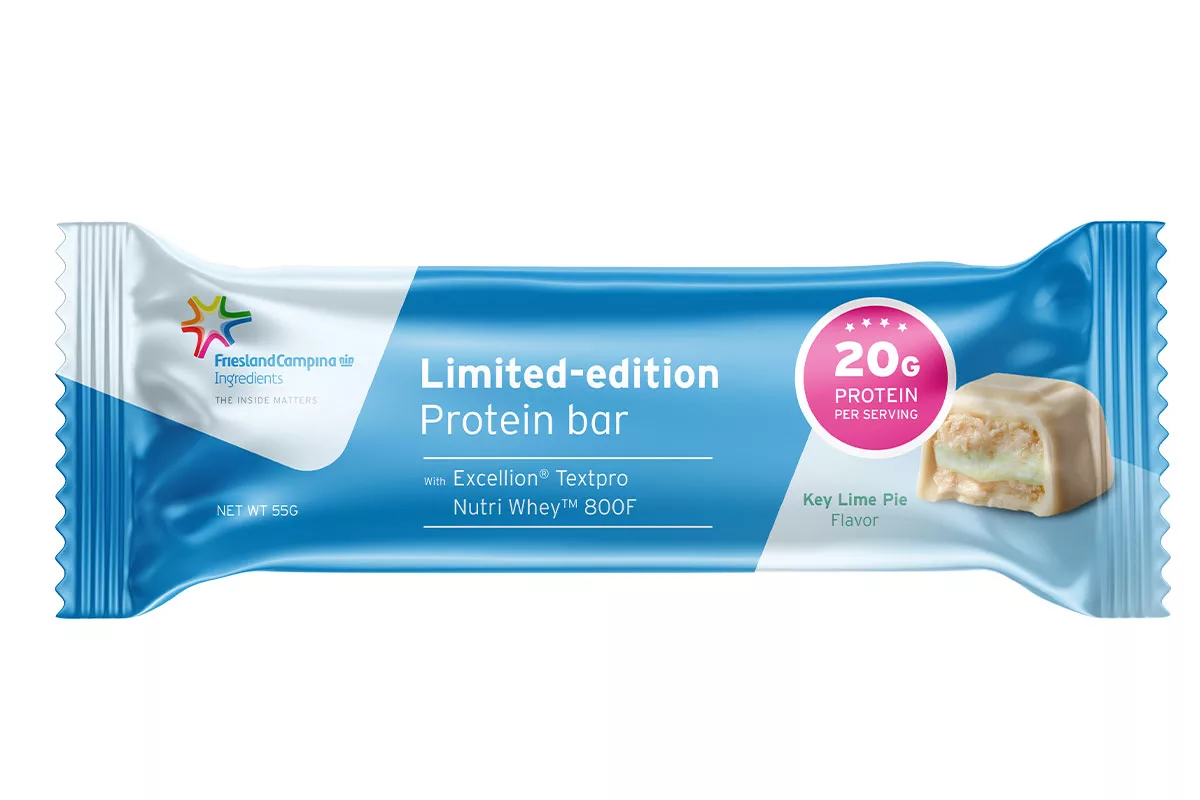

Company’s application center built to support demand for high-protein, prebiotic products.

CUPERTINO, Calif. — Apple is preparing the iPhone 18 Pro and iPhone 18 Pro Max for a September 2026 launch alongside its first foldable iPhone, according to multiple supply chain and analyst reports. The flagship Pro Max model is expected to feature incremental design refinements, a more advanced camera system and improved performance while retaining the core 6.9-inch display size from its predecessor.
The devices will mark Apple’s continued focus on premium hardware amid a shifting release schedule. Bloomberg has reported that the Pro models and foldable will arrive in fall 2026, with standard iPhone 18 variants potentially delayed to spring 2027.
Design rumors indicate the iPhone 18 Pro Max will closely resemble the iPhone 17 Pro Max, with a triple-lens rear camera system on a raised plateau. Dummy units leaked in April 2026 showed a slightly thicker camera bump to accommodate potential new components, with the overall device expected to be marginally thicker and heavier than the current Pro Max to support a larger battery.
The front display is rumored to feature a reduced Dynamic Island cutout. Reports suggest the notch housing Face ID sensors and the front camera could shrink by around 25%, measuring approximately 14.98 mm wide compared to previous generations. Some early speculation about fully under-display Face ID has been tempered by later reports indicating the feature may be delayed.
Color options are a point of interest. Sources point to a new “Dark Cherry” finish as the signature hue for the Pro lineup, described as a deep wine-like red. Other expected colors include Light Blue, Dark Gray and Silver. Apple is reportedly forgoing a black option for a second consecutive year. Bloomberg’s Mark Gurman has reported testing of a deep red variant.
Camera Upgrades Center on Variable Aperture
The most significant camera rumor involves a variable aperture mechanism for the main 48-megapixel Fusion lens on at least one Pro model, likely the Pro Max. This feature, similar to DSLR lenses, would allow dynamic adjustment of light intake and depth of field. Korea’s ETNews reported in April 2026 that supply chain production for the variable aperture system had begun. Analyst Ming-Chi Kuo previously indicated the upgrade would arrive on iPhone 18 Pro models.
The rear camera system is expected to maintain 48-megapixel resolution across main, ultrawide and telephoto lenses, with the periscope telephoto offering around 4x optical zoom. The thicker camera array in dummy units, with lenses protruding further and increasing in diameter, supports the variable aperture implementation.
Additional camera enhancements under consideration include improved telephoto performance, though specifics remain limited in current reporting.
Performance: A20 Pro Chip and Efficiency Gains
Powering the iPhone 18 Pro Max will be Apple’s A20 Pro chip, manufactured on a 2-nanometer process node by TSMC. This represents an advancement over the A19 Pro in the current generation, promising better speed, efficiency and AI capabilities. Reports suggest all iPhone 18 models, including Pro variants, could feature 12GB of RAM.
Apple is also expected to introduce its in-house C2 modem, succeeding previous iterations and potentially improving connectivity, including satellite features, while helping control costs.
Display technology may see refinements with LTPO+ panels for enhanced power efficiency and battery life. The 6.9-inch Super Retina XDR display on the Pro Max is expected to retain 120Hz ProMotion refresh rates.
Battery Life Improvements Anticipated
One of the more concrete upgrades involves battery capacity. The iPhone 18 Pro Max is rumored to pack a cell in the 5,100-5,200 mAh range, up from approximately 5,088 mAh in the iPhone 17 Pro Max. Leaker Digital Chat Station and other sources have pointed to the increase, tied to the slightly thicker chassis. This would support longer usage times despite more demanding processing and camera features.
The added thickness and weight — potentially approaching 243 grams — represent a trade-off for capacity, according to reports analyzing dummy units.
Pricing Strategy Expected to Hold Steady
Analysts Jeff Pu of GF Securities and Ming-Chi Kuo have indicated Apple plans an “aggressive pricing strategy,” likely holding starting prices at $1,099 for the iPhone 18 Pro and $1,199 for the Pro Max with 256GB storage. This approach would absorb costs associated with higher RAM and new components to maintain competitiveness.
Storage tiers are expected to mirror current models, ranging from 256GB to 1TB or higher options.
Context Within Apple’s 2026 Lineup
The iPhone 18 Pro Max arrives as part of a broader strategy that includes Apple’s first foldable iPhone, often referred to as iPhone Ultra or iPhone Fold. This device is expected to feature a clamshell design with a roughly 5.5-inch outer display and 7.8-inch inner panel, targeting a premium price above $2,000. Production challenges with the hinge have been noted, but reports suggest a September announcement remains on track, with possible shipping delays into late 2026.
The split launch schedule reflects Apple’s efforts to manage supply chains and differentiate product tiers.
Current rumors are based on supply chain leaks, dummy unit photos, analyst notes and media reports as of May 2026. Apple has not commented on unreleased products, and final specifications could change before the official unveiling, typically held in early to mid-September.
Industry observers anticipate the Pro models will emphasize camera flexibility, processing power and battery endurance as key differentiators in a mature smartphone market. The variable aperture system, if implemented, would represent a notable first for iPhone photography, offering users more creative control akin to dedicated cameras.
As development continues, further details on software integration with iOS 27, Apple Intelligence enhancements and exact material finishes are expected to emerge in the coming months. Supply chain activity is already ramping up, signaling Apple’s commitment to these features for the 2026 flagship.

IMAX could be for sale. Here’s who would buy it
Pi Network Says It Has Solved One of Crypto’s Biggest Problems

Unions welcome ‘Summer Savings’ plan but want it to go further


-

 Crypto World7 days ago
BloFin War of Whales 2026 Grand Prix opens registration for $5M trading championship
-

 Fashion7 days ago
Weekend Open Thread: Theory – Corporette.com
-

 Crypto World7 days ago
E-Estate Announces 1 Year Live: Washington DC Summit as Real Estate Tokenization Enters Its Next Phase
-

 Tech7 days ago
Google reimburses Register sources who were victims of API fraud
-

 Sports7 days ago
Napoleonic enters 2026 Doomben 10,000 field via Abounding withdrawal
-

 Crypto World7 days ago
BeInCrypto 100 Institutional Awards Nomination: KAST for Best Digital Assets Neobank and Best Digital Assets Fintech
-
 Crypto World7 days ago
Bitcoin Battles US Bond Nerves With BTC Price Dip Toward New May Lows
-

 Crypto World7 days ago
ICE and CME urge US regulators to curb Hyperliquid energy trading
-

 Fashion6 days ago
On the Scene at Gucci’s Cruise Show in New York City: Mariah Carey, Kim Kardashian, Lindsay Lohan, Iman, and More!
-
 Crypto World7 days ago
Wall Street’s Boldest Gold Prediction Has Russians Rushing to Buy
-

 Crypto World7 days ago
IREN closes $3 billion convertible notes deal amid AI infrastructure expansion
-

 Fashion6 days ago
Trending Western Style Vests Perfect for Summer
-

 Politics6 days ago
Watch: far-right flag-fanatics run over victim, attack locals – Setup By the Left wing for your entertainment
-

 Crypto World22 hours ago
Blockchain.com files with SEC for U.S. IPO
-

 Fashion6 days ago
Amazon Sundays: Memorial Day Hosting
-

 Crypto World7 days ago
Crypto Market Structure Bill Clears Committee; Senate Vote in Focus
-

 Entertainment5 days ago
Off Campus Easter Eggs Explained: Characters, Stories, More
-

 Crypto World7 days ago
BeInCrypto 100 Institutional Awards Nomination: KuCoin for Leader in Digital Asset Adoption and Best Trading Infrastructure
-

 Politics7 days ago
UK’s top intelligence body warns Mandelson files being withheld by government
-
 Crypto World7 days ago
Enphase Energy (ENPH) Stock Rockets 32% This Week: What’s Fueling the Rally?
You must be logged in to post a comment Login