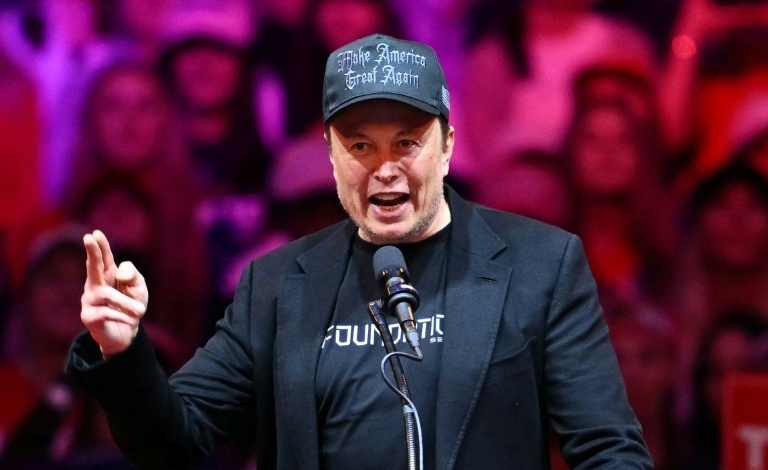
SAN FRANCISCO — Elon Musk announced Sunday that X has officially surpassed 1 billion downloads worldwide, marking a major milestone for the social media platform he acquired and rebranded in 2022 as it continues its evolution into an all-in-one “everything app” featuring payments, video streaming, hiring tools, real-time news and advanced AI capabilities.
The announcement came via Musk’s own post on X, where he quoted a detailed update from the Tesla Owners Silicon Valley account highlighting the platform’s impressive 4.3-star rating from more than 22.9 million reviews. The post emphasized X’s transformation far beyond traditional social media into a comprehensive ecosystem that users increasingly rely on for daily information, entertainment and financial transactions.
“𝕏 now has over a billion downloads,” Musk wrote, amplifying the news that quickly spread across the platform and beyond. The milestone places X among an elite group of mobile apps that have achieved the billion-download threshold, joining giants like TikTok, Instagram and WhatsApp in global reach and influence.
Since Musk’s $44 billion acquisition of the former Twitter in October 2022, the platform has undergone dramatic changes. Rebranded as X, the service has expanded its ambitions from microblogging to becoming a central hub for communication, commerce and content. Features like X Payments, long-form video, job listings, real-time news feeds and Grok AI integration have been rolled out progressively, reflecting Musk’s vision of a “super app” similar to China’s WeChat.
Advertisement
The billion-download figure represents cumulative installs across iOS and Android devices globally. While exact monthly active user numbers remain private, the milestone underscores X’s enduring popularity despite periods of controversy, advertiser pullouts and intense competition from established social media platforms.
Growth Amid Transformation
The Tesla Owners Silicon Valley post that Musk amplified noted the platform’s rapid evolution under his leadership. “Since Elon Musk’s takeover X has transformed far beyond a traditional social media app with AI video payments hiring and real-time news all being pushed into a single platform,” the account wrote.
X has indeed added layers of functionality. Users can now send money via X Payments in select markets, watch long-form video content with creator monetization, browse job listings directly in the app, and interact with Grok, Musk’s AI chatbot built by xAI. These features aim to increase user engagement time and create new revenue streams beyond traditional advertising.
The 4.3-star rating with over 22.9 million reviews indicates strong user satisfaction despite occasional criticism regarding content moderation policies and platform changes. Many users praise the real-time information flow and reduced censorship compared to pre-Musk Twitter, while others have expressed frustration with algorithmic changes and increased visibility of certain political viewpoints.
Advertisement
Challenges and Controversies
The path to 1 billion downloads has not been without hurdles. Following the acquisition, X faced an advertiser exodus amid concerns over content moderation and brand safety. Musk’s public disputes with regulators, media organizations and activists also generated headlines that sometimes overshadowed product developments.
However, the platform has shown resilience. Organic user growth, particularly in regions with limited access to alternative social media, has helped offset some advertiser losses. Video content and creator tools have attracted new users seeking alternatives to TikTok and YouTube, while the addition of payments and e-commerce features appeals to users in emerging markets.
Musk has repeatedly stated his goal of making X a maximum-truth-seeking platform with minimal censorship. This philosophy has attracted users frustrated with perceived bias on other platforms but has also drawn criticism from those concerned about misinformation and hate speech.
Global Reach and User Demographics
The billion-download milestone reflects X’s truly global footprint. While the United States remains a core market, significant growth has occurred in India, Brazil, Indonesia and other emerging economies where mobile-first users value real-time information and entertainment.
Advertisement
Demographic data from app stores shows strong adoption among younger users interested in news, politics and entertainment. The platform’s appeal to creators has also grown, with many influencers and journalists using X as a primary distribution channel for breaking news and long-form content.
The high number of reviews — more than 22.9 million — provides a rich dataset of user feedback. Positive reviews frequently highlight the platform’s speed, real-time nature and diverse content offerings. Negative reviews often focus on algorithmic changes, account suspensions and perceived increases in certain types of content.
Technical and Product Evolution
Behind the download numbers lies significant technical investment. Musk has prioritized infrastructure improvements, including server relocations, algorithm overhauls and new feature development. The integration of Grok AI, built by Musk’s xAI company, represents one of the most ambitious AI features on any social platform.
Video capabilities have been expanded significantly, with longer upload limits and improved creator tools. Payments infrastructure is being rolled out gradually, starting with peer-to-peer transfers and expanding toward full e-commerce functionality. Hiring tools allow companies to post jobs directly on the platform, creating new utility for both recruiters and job seekers.
Advertisement
These features align with Musk’s vision of X as an everything app that reduces users’ reliance on multiple separate applications. The strategy mirrors successful models in Asia while adapting to Western regulatory and user expectations.
What the Milestone Means for the Future
Reaching 1 billion downloads positions X as a mature, mainstream platform with significant scale. This scale enhances its attractiveness to advertisers, creators and developers building on the platform’s API and tools.
For Musk, the milestone validates his decision to acquire and transform the company despite significant financial and reputational costs. X serves as both a personal communication channel for Musk and a testing ground for technologies developed by his other companies, including xAI.
The platform’s growth also has broader implications for social media. As traditional platforms face increasing scrutiny over content moderation and data privacy, X’s approach of prioritizing free speech and transparency offers a contrasting model that resonates with certain user segments.
Advertisement
As X continues evolving, the focus will likely remain on deepening user engagement through new features while maintaining the core experience that attracted its billion users. The coming months may bring further announcements regarding payments expansion, AI enhancements and additional creator tools.
For users, the billion-download milestone serves as a reminder of X’s growing importance in daily digital life. Whether checking real-time news, connecting with friends, discovering content or exploring new features, the platform has become an essential part of the modern internet experience for a vast global audience.
Elon Musk’s announcement marks more than just a number — it represents the culmination of years of transformation and the beginning of X’s next chapter as a mature, multifaceted platform. As the platform continues to innovate and expand its capabilities, its billion users will determine whether X truly becomes the everything app Musk has long envisioned.
For nearly four decades, The Sunday Times Rich List has been the closest thing Britain has to a national league table of money. This year’s edition reads less like a celebration of enterprise and more like a departures board.
Revolut chief executive Nik Storonsky and the publicity-shy quant trader Alex Gerko have broken into the top 10 for the first time. But the headline story, according to the list’s compiler Robert Watts, is not who has arrived, it is who has gone.
As many as one in six of the individuals and families who appeared on the 2024 ranking are missing from this year’s edition, with the compiler warning that the figures lay bare the scale of Britain’s wealth exodus.
“Many foreign billionaires who have been living in the UK have… dropped out because they have moved away,” Mr Watts said.
The top of the table holds, but the cracks are widening
Sanjay and Dheeraj Hinduja, the British-Indian brothers behind the Mumbai-headquartered Hinduja Group, kept top spot with a combined fortune of £38bn. The rest of the podium was likewise unchanged, with the famously secretive property magnates David and Simon Reuben and Ukrainian-born industrialist Sir Leonard Blavatnik both still sitting on fortunes north of £25bn.
Advertisement
The most dramatic faller was Sir James Dyson. The inventor’s eponymous engineering empire was hit hard by Donald Trump’s swingeing tariff regime, and his estimated net worth nearly halved over the year from £20bn to £12bn, enough to send him tumbling from fourth to 13th. It is not the first time Sir James has tangled with policy: he has been one of the most vocal critics of Rachel Reeves’s inheritance tax changes, branding them “spiteful” and warning of the consequences for British family businesses.
City money muscles into the top 10
If old money is having a wobble, the new money minted in the City of London is flexing. Mr Storonsky cracked the top 10 in the same year his fintech juggernaut was finally granted a UK banking licence and clinched a $75bn valuation in a November funding round.
A place behind him in eighth sat Mr Gerko, the cerebral force behind XTX Markets, the quantitative trading shop that has quietly become one of the City’s biggest tax payers. His estimated fortune sits north of £16bn.
Both men were born in Russia, and both have renounced their citizenship in protest at Vladimir Putin’s illegal invasion of Ukraine — a reminder that the City’s talent pool is global, and mobile.
Advertisement
A tale of two exoduses
The list’s real story, however, is in the gaps.
For the first two decades of this century, Britain’s super-rich enjoyed a near-uninterrupted bull run. Rich List wealth grew by close to 600 per cent between 2000 and 2022, according to The Sunday Times. That run is now over. The number of sterling billionaires in the UK peaked at 177 in 2022; this year’s tally of 157 was barely up on 2025.
Under the survey’s rules, foreign-born residents who leave automatically fall out of the rankings, while British citizens who emigrate remain. Both groups are now visibly thinning. Mr Watts said he had seen a “sharp rise in the number of British nationals now resident in Dubai, Switzerland and Monaco”, warning the “twin exoduses” represented a worrying development for the British economy and the public finances.
His unease is echoed by international data. The Henley Private Wealth Migration Report has the United Kingdom haemorrhaging high-net-worth residents at a faster clip than any other major economy, with the UAE, Italy and Switzerland the biggest beneficiaries.
Advertisement
“Will more of the wealthy now set up or grow their ventures overseas and in doing so create fewer jobs here?” Mr Watts asked. “How much tax – if any – will Rachel Reeves’ Treasury be able to extract from those affluent Brits who have now left the country?”
The Reeves effect
Critics increasingly point the finger at Whitehall. The Chancellor has been accused of accelerating departures with a string of measures aimed at ultra-high-net-worth residents and their assets.
In her first Budget in October 2024, Ms Reeves pressed ahead with the abolition of the non-domicile tax regime, slapped VAT on private school fees, raised capital gains tax and tightened several inheritance tax carve-outs. Her 2025 intervention added a so-called mansion tax on properties worth more than £2m and further narrowed the inheritance tax net.
Advisers say the cumulative effect has been a stampede. Research from consultancy Chamberlain Walker, cited by Business Matters, suggests around 1,800 non-doms left Britain in the months after April’s tax changes — 50 per cent more than the Treasury had pencilled in.
Advertisement
The casualties include some of the City’s biggest names: former Goldman Sachs International chief Richard Gnodde and steel magnate Lakshmi Mittal, both long-standing Rich List fixtures, have moved on. Only one billionaire is recorded as having moved the other way in the past year — the new US ambassador to the Court of St James’s, Warren Stephens.
What it means for SME Britain
For the small and medium-sized businesses that read this magazine, the implications run deeper than schadenfreude over a few moving vans full of Old Master paintings.
Wealthy entrepreneurs are typically the angel investors, family-office backers and growth-stage cheque writers that smaller firms rely on when banks turn cautious. If they decamp to Dubai or Lugano, that capital tends to follow them. The same goes for the philanthropic giving, board memberships and mentoring that often anchor a city’s business community.
The harder question for the Chancellor, and for the firms that depend on a healthy ecosystem of British-based capital, is whether the additional tax raised from those who stay can outweigh the receipts and investment lost from those who leave. On the evidence of this year’s Rich List, that calculation is starting to look uncomfortable.
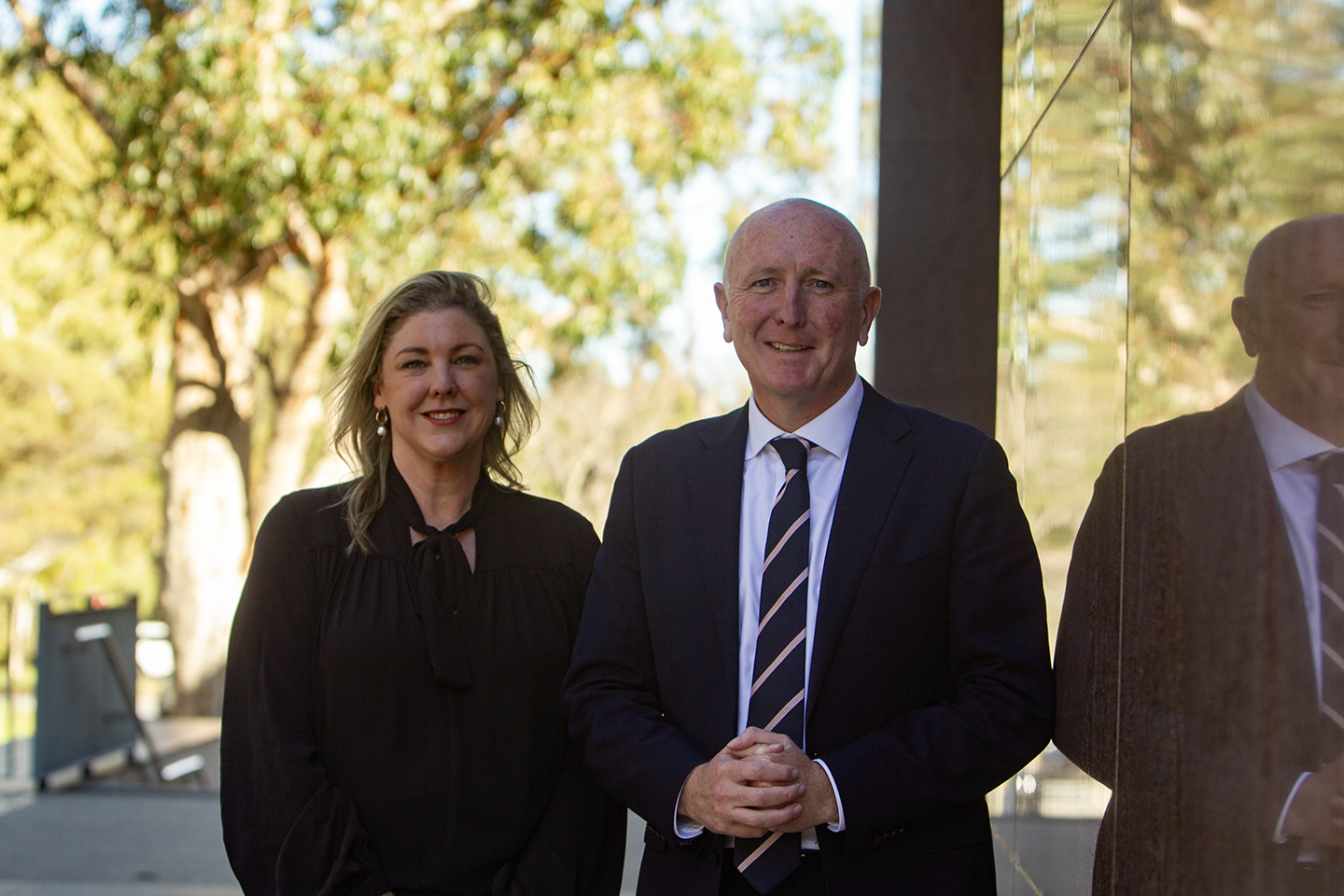
The inaugural members of a state government committee advising on privacy and information sharing in the public sector have been appointed, ahead of new laws that will take effect this year.
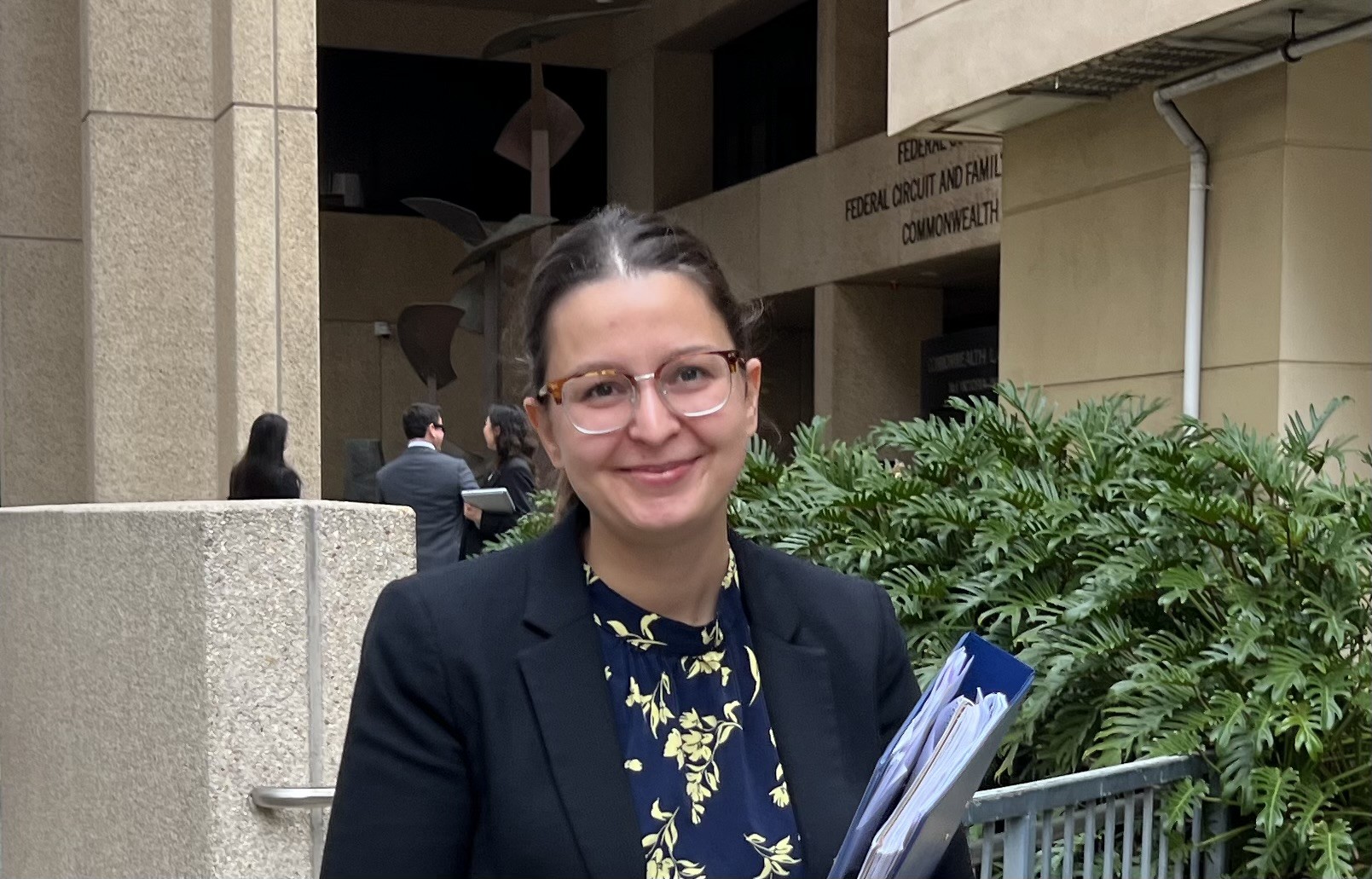
Banned director and corporate adviser Adam Blumenthal is fighting the scope of a planned document haul by the liquidators of failed medical cannabis play Melodiol.
Seeking Alpha’s transcripts team is responsible for the development of all of our transcript-related projects. We currently publish thousands of quarterly earnings calls per quarter on our site and are continuing to grow and expand our coverage. The purpose of this profile is to allow us to share with our readers new transcript-related developments. Thanks, SA Transcripts Team
Dublin-based budget airline upbeat despite Strait of Hormuz uncertainty
Felix Armstrong www.cityam.com
08:37, 18 May 2026
A Ryanair passenger plane coming into land at Liverpool John Lennon Airport(Image: PA)
Ryanair has insisted it is better placed to handle the looming jet fuel crisis than its European rivals, with the airline anticipating it will “widen the cost advantage” over competitors.
Advertisement
The Dublin-based carrier posted surging pre-tax profit, climbing 35 per cent, while maintaining a confident outlook despite the threat of fuel shortages.
The blockage of the Strait of Hormuz amid the Iran conflict has pushed global jet fuel shipments to their lowest level on record, potentially forcing the cancellation of thousands of summer flights.
However, Ryanair said fixed-term contracts covering the bulk of its fuel needs, combined with its “effectively debt free” status, leave it best equipped to ride out the turbulence, as reported by City AM.
“This financial strength further widens the cost gap between Ryanair and our competitors, many of whom are exposed to expensive (long-term) finance, rising aircraft lease costs and unhedged jet-fuel,” the company stated in its accounts.
Advertisement
Ryanair revealed that 80 per cent of its jet fuel requirements for the year ahead are locked in at $67 per barrel, while current market prices have rocketed beyond $150 per barrel.
While other airline chiefs have cautioned that this surge in jet fuel costs is proving more damaging than the Covid-19 pandemic, the Irish carrier maintained that Europe “remains well supplied” via routes through West Africa, the Americas and Norway. Yet the conflict leaves the industry in a state of uncertainty, with Ryanair chief executive Michael O’Leary stating: “The conflict in the Middle East has created economic uncertainty and we still don’t know when the Strait of Hormuz will reopen.”
The Irish carrier, which is listed on the Euronext Dublin, recorded an 11 per cent rise in revenue in the year to March, reaching €14.5bn (£12.6bn).
Passenger numbers climbed by four per cent to 208m, while pre-tax profit surged by 36 per cent to €2.4bn.
Advertisement
Ryanair anticipates passenger numbers will rise again in the coming year – by four per cent to 216m – however, the airline noted that holidaymakers are increasingly booking last-minute due to disruption caused by the Iran conflict on travel routes.
In December, the airline was handed a €256m fine by Italy’s competition watchdog over its allegedly “abusive” use of its dominant market position to restrict sales through online travel agents.
On Monday, Ryanair confirmed its lawyers are “confident” that they will overturn the “baseless” charge on appeal.
Nevertheless, the firm included an €85m charge on its balance sheet as a provision against the fine, accounting for roughly a third of its total value.
Advertisement
The airline also warned that EU environmental taxes are expected to surge by €300m this year to €1.4bn in total. The levies render air travel within the bloc “even less competitive,” Ryanair said.
Mr O’Leary has recently found himself at loggerheads with the boss of JD Wetherspoon over whether airports should serve early morning pre-flight pints. Ryanair’s chief executive accused airports of “profiteering” from enabling drunken behaviour, but pub chief Tim Martin came to the defence of his pubs, which have a large presence at airports.
Australia’s share market has fallen to a seven-week low, as the ongoing conflict in Iran bolsters oil prices and inflation fears darken the global economic outlook.
LONDON — The FTSE 100 opened slightly lower Monday, dipping 15.40 points or 0.15% to 10,179.97 in early trading as investors grappled with lingering geopolitical risks, sticky inflation concerns and fresh domestic political noise in Westminster.
The benchmark index, which closed Friday at 10,195.37, traded in a range between 10,151.45 and 10,195.89 by 08:06 BST. Volume remained light in the opening minutes, typical for a Monday session, but the modest decline reflected cautious sentiment across European bourses amid ongoing global uncertainties.
Analysts pointed to a combination of factors pressuring UK large-cap stocks. Persistent tensions in the Middle East, particularly around U.S.-Iran developments, have kept oil prices elevated, raising fears of imported inflation for energy-dependent Britain. Brent crude has fluctuated recently, with any supply disruption risks keeping markets on edge.
Adding to the unease is Britain’s domestic political backdrop. Speculation around Prime Minister Keir Starmer’s leadership, including potential challenges from figures like Greater Manchester Mayor Andy Burnham and the resignation of key ministers, has introduced a “political premium” into asset pricing. Investors worry about potential shifts in fiscal policy, higher borrowing and impacts on business confidence.
Advertisement
Banking and mining stocks, heavyweights in the FTSE 100, showed mixed early moves. Recent HSBC earnings misses and broader sector caution have lingered from earlier in the month, while miners faced pressure from softer China demand signals and commodity volatility.
The index has experienced notable swings in 2026. It briefly surged past the 10,000-point milestone earlier in the year amid optimism over corporate earnings and global risk appetite, but repeated bouts of selling tied to geopolitical flare-ups have erased some gains. Year-to-date performance remains positive but vulnerable to external shocks.
Economists note that higher energy costs could complicate the Bank of England’s monetary policy path. While inflation has moderated from peaks, renewed oil price spikes threaten to delay rate cuts, supporting sterling but pressuring rate-sensitive sectors like real estate and utilities.
“Markets are pricing in a higher-for-longer interest rate environment combined with political noise,” said one London-based strategist. “The FTSE’s valuation remains attractive relative to global peers, but near-term catalysts are scarce.”
Advertisement
Broader European markets opened mixed. Germany’s DAX and France’s CAC 40 showed similar modest pressure, reflecting shared concerns over energy prices and global growth. U.S. futures pointed to a subdued Wall Street open, with focus shifting to upcoming economic data and corporate earnings.
On the corporate front, earnings season has delivered mixed signals. Strong results from select banks and industrials have provided support at times, but misses in key names and cautious outlooks have capped upside. Ex-dividend adjustments for several FTSE 100 constituents in May have also contributed to technical selling pressure.
The pound sterling traded steadily against the dollar in early sessions, reflecting a balance between safe-haven flows and expectations around UK rates. Gilt yields edged higher, signaling investor caution on long-term UK debt amid fiscal concerns.
Looking ahead, traders await further clarity on Middle East developments, U.S.-China relations and UK political stability. The upcoming U.S. data releases, including inflation figures, could set the tone for global risk sentiment. Any de-escalation in geopolitical hotspots would likely boost the FTSE, while escalation risks deeper losses.
Advertisement
Sector rotation has been evident in recent weeks. Defensive areas like consumer staples and healthcare have outperformed cyclicals at times, as investors seek shelter. Conversely, energy majors have benefited from elevated oil but faced volatility tied to broader sentiment.
The FTSE 250, home to more domestically focused mid-caps, often amplifies UK-specific risks. It has shown greater sensitivity to political headlines and domestic economic indicators, such as retail sales and employment data.
Longer-term, many analysts remain constructive on UK equities. Attractive dividend yields, undervalued multiples compared to U.S. markets and potential benefits from any global recovery continue to draw attention from international investors. However, near-term volatility is expected to persist.
Market participants also monitor the Bank of England’s next policy meeting for signals on rate trajectory. With inflation risks tilted upward due to energy, any hawkish tilt could weigh on equities, while dovish hints might provide relief.
Advertisement
Global factors beyond geopolitics include China’s economic recovery pace and U.S. policy under the current administration. Weak trade data from Asia has periodically pressured commodity-linked FTSE names, while optimism around potential trade deals has offered counterbalance.
For retail investors, the current dip may present selective opportunities in high-quality names with strong balance sheets and reliable payouts. However, professionals advise caution given the uncertain macro environment.
As trading progresses through the day, focus will remain on any breaking news from global capitals or corporate announcements. The FTSE 100’s performance this session could set the tone for the week, with many eyes on whether it can stabilize above the 10,150 level or test recent lows.
The modest early decline underscores the market’s fragile balance between attractive valuations and multiple headwinds. In a year marked by milestones like breaching 10,000 points followed by pullbacks, the index continues to reflect Britain’s position at the intersection of global risks and domestic challenges.
Advertisement
Investors will continue monitoring developments closely, as any resolution in geopolitical tensions or stabilization in UK politics could quickly shift momentum. For now, the FTSE 100 navigates choppy waters with characteristic British resilience.
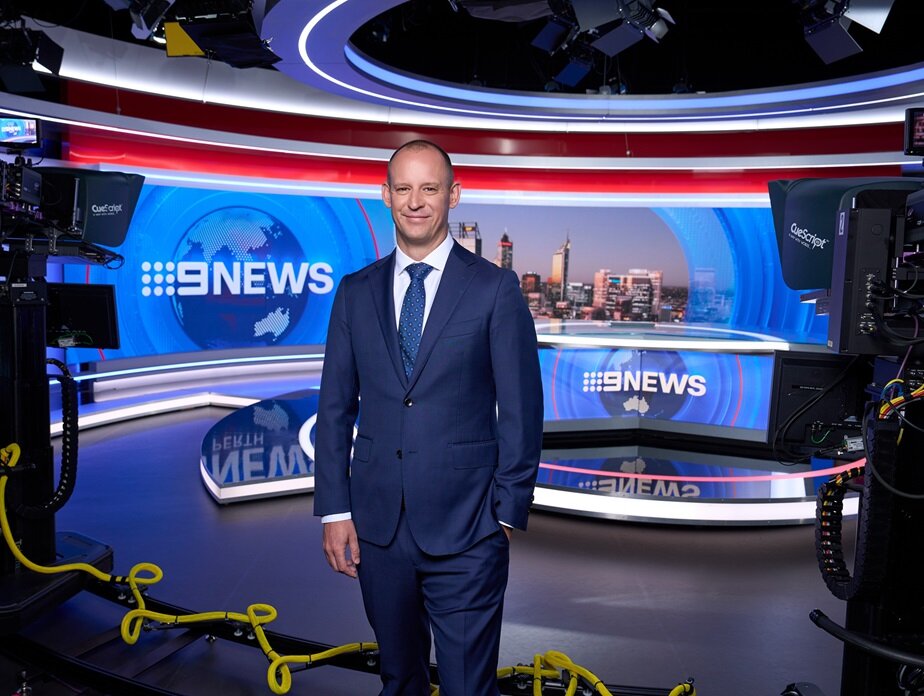
Nine Entertainment’s national news content director, Gareth Parker, has quit the network and will return to Perth to take up a role in the Forrest family’s business empire.
The Indian market may be grappling with rising global uncertainty, elevated crude oil prices, and currency weakness, but market expert Sandip Sabharwal believes domestic corporate fundamentals are still providing a degree of stability beneath the volatility.
Speaking to ET Now, Sabharwal said that while global headlines are creating discomfort for investors, the underlying performance of Indian companies continues to remain relatively resilient.
Bharti-Prudential Deal Seen as Positive for the Group Commenting on the recent developments involving Bharti Enterprises and Prudential plc, Sabharwal viewed the transaction positively, especially from the perspective of foreign capital inflows.“It is a positive deal because of the fact that any FDI coming in in a big way is always positive,” he said.
Live Events
He added that insurance businesses require continuous capital support to sustain growth and expansion, making such investments beneficial from a long-term strategic standpoint. Discussing the implications for ICICI Prudential Life Insurance and the asset management business, Sabharwal said the businesses are already operating smoothly and are unlikely to face disruption. “Yes, so those businesses as such are on autopilot now and ICICI is a large group. So, from their perspective putting in capital is not so difficult,” he said. According to him, continuity in operations is unlikely to be affected because both the life insurance and asset management businesses are performing reasonably well.
Oil Spike and Iran Conflict Remain Key Market Risks Turning to the broader market environment, Sabharwal acknowledged that macroeconomic concerns are beginning to overshadow otherwise healthy corporate commentary.
Advertisement
“Yes, so that is what we have been discussing over the last few days that micro-wise from what the companies are saying how they are performing, etc, things look okay,” he said.
However, he cautioned that the ongoing Iran conflict and the resulting spike in crude oil prices are becoming major concerns for global markets.
“With the macro perspective, top-down this kind of stalemate in the Iran war where now oil inventories are at levels where every day’s disruption potentially leads to a further spike is becoming something of a concern,” Sabharwal noted.
Brent crude hovering around the $111 mark and persistent geopolitical uncertainty are weighing heavily on investor sentiment. Still, he suggested that the strong operational performance of Indian corporates could offer some downside protection to domestic equities.
Advertisement
India Still Among the Weakest Major Markets This Year Addressing concerns that Indian markets may have rebounded too quickly from March lows, Sabharwal argued that the rally should be viewed in context.
“But you need to realise that first the Indian markets fell and then they rose, so effectively YTD if you see India is still the worst large size market,” he said.
He pointed out that several global and emerging markets have delivered significantly better returns this year, meaning India has underperformed in relative terms despite the recent rebound.
Sabharwal also indicated that some global capital could rotate out of expensive technology stocks into markets like India. However, he cautioned that elevated crude oil prices remain India’s biggest macro vulnerability.
Advertisement
“The fact of the matter today is that if crude oil persists at these levels or even spikes higher, on a macro basis India is significantly hurt more than many other economies,” he said.
IT Sector May See Tactical Recovery On the information technology sector, Sabharwal said the recent fall in the rupee and a global shift away from richly valued AI stocks could trigger a short-term rebound in beaten-down IT counters.
“Not longer term, but as a reversal, like sort of mean reversal trade it is possible IT performs,” he said.
According to him, investors globally are beginning to rotate into cheaper software stocks for tactical opportunities rather than long-term strategic bets.
Advertisement
“So, there is a reasonable possibility that we could have some upside in the beaten down IT sector, which would depending on how the overall market does range between 10% to 15% also,” he added.
Vodafone Idea Still Faces Structural Challenges Despite some recent optimism surrounding Vodafone Idea, Sabharwal remained unconvinced about its long-term competitive position against rivals like Bharti Airtel and Reliance Jio.
“Subscriber lost are not going to come back to them and their debt even after all this relief and equity infusion remains at levels where they are unlikely to report net profits anytime in the next five years,” he said.
He described the stock’s movement as largely speculative and argued that the company’s effective equity value remains negligible.
Advertisement
On the other hand, Sabharwal maintained a constructive long-term outlook on Bharti Airtel, citing restructuring efforts, merger activity, and capital inflows into the group’s insurance business as positives.
“Longer term it should continue to do well,” he said.
Private Banks Likely to Retain Leadership Over PSU Banks Discussing the banking sector, Sabharwal said the outperformance phase for public sector banks may have largely played out after disappointing earnings from State Bank of India.
“Yes, I think so because the biggest challenge for PSU banks is garnering deposits at a time where most of the younger generation is actually moving towards private sector banks,” he said.
Advertisement
He explained that deposit mobilisation remains critical for long-term banking performance, and this shift in customer preference is putting pressure on the net interest margins of PSU banks.
While valuations remain reasonable and asset quality has improved, Sabharwal believes private banks are better positioned once the sector emerges from the current weak patch.























































You must be logged in to post a comment Login