
Business
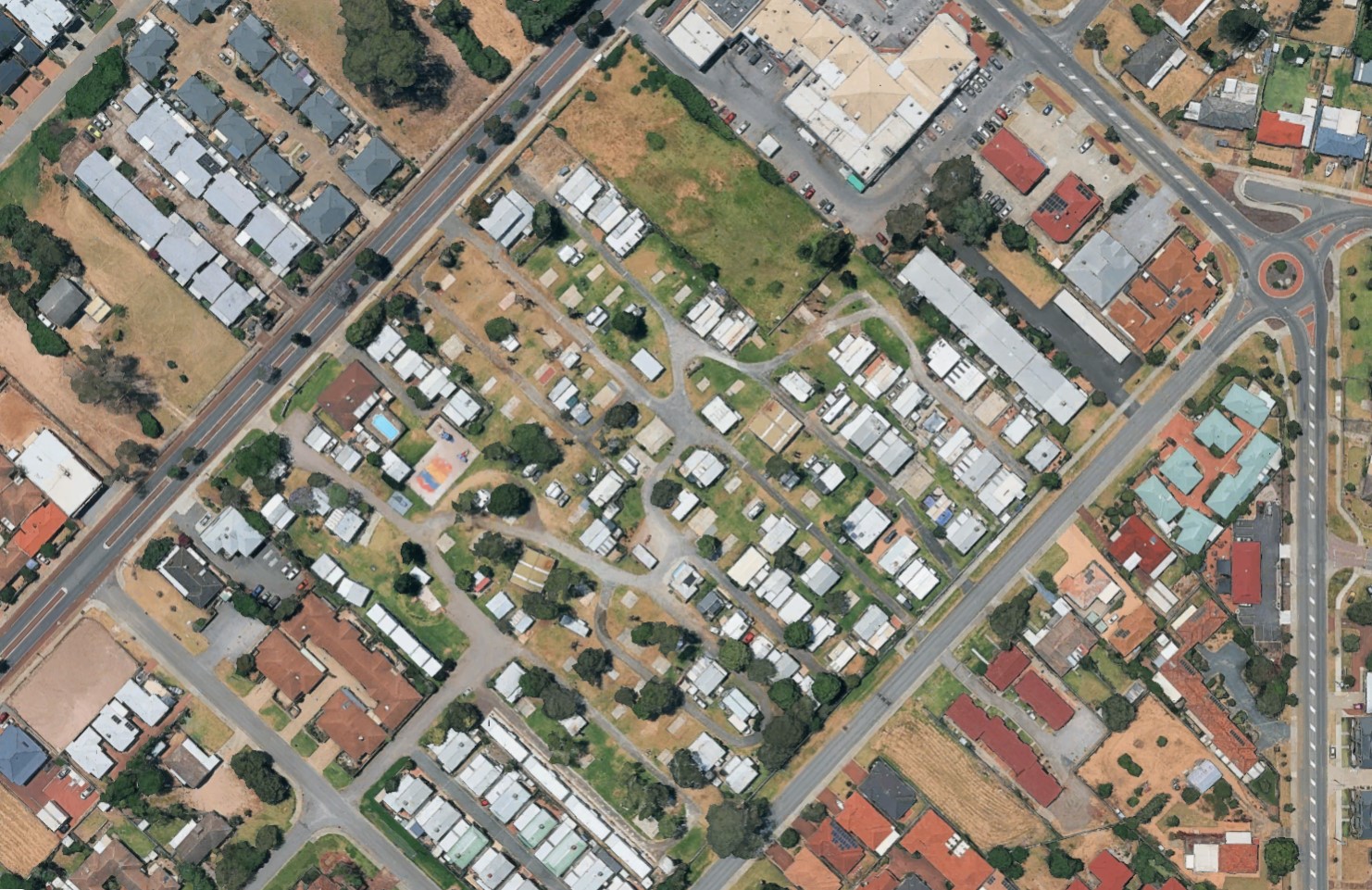
Eureka Group Holdings buys $18m Mandurah Coastal Holiday Park



The Securities and Exchange Board of India plans to allow companies with a market value of as much as Rs 4,000 crore ($420 million) to use the so-called small and medium-enterprise platforms for initial public offerings, the people said, asking not to be identified as the details are not public. Typically, firms valued less than 5 billion rupees go public on such platforms.
The regulator’s primary market advisory committee met Wednesday to discuss the proposals and SEBI is expected to issue a consultation paper seeking public comments, the people said.
Sebi didn’t respond to an emailed query seeking comment.
The proposed changes would mark the biggest overhaul of India’s SME market since dedicated platforms were introduced in 2012. The plan comes less than two years after the regulator tightened its oversight of the booming micro-IPO market following concerns over pricing manipulation and frauds. India has already seen close to 100 such listings so far this year compared with 267 in all of 2025.

 Bloomberg
The financial markets watchdog could consider raising the paid-up capital threshold for businesses eligible to list on SME platforms to 1 billion rupees from Rs 25 crore, one of the people said.
That would effectively give firms valued between Rs 1,000 crore and Rs 4,000 crore a choice between an SME platform and the mainboard, the people said.Sebi is considering eliminating the minimum trade size, they said. That would allow investors to buy and sell shares in smaller quantities, boosting investor participation.
The current rules require bids in multiples of Rs 200,000, creating a barrier for smaller investors.
Currently, market-makers must continuously offer buy-and-sell quotes in SME shares. While intended to ensure liquidity, it increases costs for issuers.
Managers also have to underwrite the SME IPOs in case demand falls short, driving up investment-banking fees. Bankers charged an average 5.3% of the amount raised, compared to about to 2.2% for mainboard offerings, according to data provider Prime Database.
Sebi is planning to remove both these conditions, the people said.
Business
Astral shares rally 10% following Q1 results; Citi sees target price at Rs 1,900, Nuvama upgrades stock to ‘Buy’

Astral posted a consolidated net profit of Rs 120.2 crore for the first quarter of FY27, up 51.8% from Rs 79.2 crore in the year-ago period.
Astral attributed the growth in profitability to higher utilisation at its new manufacturing plants, a shift towards higher-margin products and strong operational execution despite broader industry headwinds.
EBITDA for the quarter rose 25.8% year-on-year to Rs 244 crore, with EBITDA margins expanding by 120 basis points to 15.5%. While raw material price fluctuations caused the broader piping industry to contract by around 10%, Astral managed flat volume growth, continuing to capture market share.
What are brokerages saying?
Citi has maintained a Buy rating on Astral with a target price of Rs 1,900. The brokerage noted that Q1 performance demonstrated clear resilience, with plumbing margins expanding despite input cost fluctuations. Citi highlighted that channel restocking and strong demand recovery in July resulted in double-digit volume growth heading into Q2, while the CPVC resin integration project remains on track for Q4 FY27 completion.
UBS has an Accumulate recommendation with a target price of Rs 1,950. UBS emphasized that Astral continues to outperform peers and gain market share despite broader industry softness. The brokerage believes Astral’s decentralized manufacturing model and favorable raw material dynamics will support volume recovery and margin gains going forward.
Nuvama upgraded Astral to a Buy rating (from Hold) with a revised target price of Rs 1,675. The brokerage noted that pipe volumes were the best in the industry for Q1, while EBITDA per tonne beat market estimates. Nuvama expects double-digit piping volume growth with 16–18% operating margins for FY27E as demand momentum picks up in Q2.Motilal Oswal maintained a Buy rating with a target price of Rs 1,697. Despite operational numbers slightly lagging elevated expectations in adhesives, the brokerage believes Astral’s core business remains best-in-class. Motilal Oswal expects Astral to benefit from a volume surge following price stabilization, backed by management’s projection of double-digit volume growth and 20%+ value growth in FY27.
CLSA retained a Hold rating with a target price of Rs 1,490. While acknowledging that Astral continues to gain share in a challenging environment, CLSA believes the current valuation adequately reflects the near-term volume recovery, preferring to wait for sustained margin expansion in the Paints and Adhesives segment before re-rating the stock.
(Disclaimer: Recommendations, suggestions, views and opinions given by the experts are their own. These do not represent the views of The Economic Times)

Live performance hub The Blue Room Theatre builds for the future.

Thoma Bravo to acquire Accelerant for $4 billion

Over fifteen years of experience making contrarian bets based on my macro view and stock-specific turnaround stories to garner outsized returns with a favorable risk/reward profile. If you want me to cover a specific stock or have a question for an article, just let me know!
Analyst’s Disclosure: I/we have no stock, option or similar derivative position in any of the companies mentioned, and no plans to initiate any such positions within the next 72 hours. I wrote this article myself, and it expresses my own opinions. I am not receiving compensation for it (other than from Seeking Alpha). I have no business relationship with any company whose stock is mentioned in this article.
Seeking Alpha’s Disclosure: Past performance is no guarantee of future results. No recommendation or advice is being given as to whether any investment is suitable for a particular investor. Any views or opinions expressed above may not reflect those of Seeking Alpha as a whole. Seeking Alpha is not a licensed securities dealer, broker or US investment adviser or investment bank. Our analysts are third party authors that include both professional investors and individual investors who may not be licensed or certified by any institute or regulatory body.

MF3d/iStock via Getty Images

Market Environment
Global equities finished higher during the quarter with 10 of 11 GICS sectors posting positive returns. By sector, information technology and financials contributed the most to market returns while energy was the sole detractor. By country, the U.S. and Japan contributed the most to market performance while Hong Kong and Norway detracted.
Performance highlights
Contributors
• Molina Healthcare
• BNP Paribas
• adidas (ADDYY)
Detractors
• Intercontinental Exchange
• ConocoPhillips (COP)
• Salesforce (CRM)
Portfolio Performance
The portfolio’s return was 5.59% (net) for the reporting period. This compares to the MSCI World Index that returned 13.76% for the same period.
Top contributors
• Molina Healthcare (MOH) was a contributor during the quarter. Shares of the U.S.-headquartered managed care company rose following encouraging first-quarter earnings, with broadly improved performance across business segments and a Medicaid medical loss ratio that came in lower than expected. As the quarter progressed, elevated medical cost trends began to stabilize, easing pressure on managed care earnings. Management teams have been upbeat, and there have been encouraging indicators in Marketplace, where the acuity shift tied to subsidies expiring is tracking to be less significant than feared. We believe Molina has upside as the managed care backdrop normalizes.
• BNP Paribas (BNPQY) was a contributor during the quarter. Results for the first quarter were better than expected. In the quarter, BNP demonstrated positive expense leverage, a continued low-risk profile, and top line growth in the retail franchises due primarily to reinvestment of non-remunerated deposits into a steeper yield curve. Capital build was the highlight, with CET1 up 20 basis points vs. the prior quarter, bringing them to 12.8%. We believe this leaves BNP well positioned to reach the targeted 13% a year ahead of plan, at which point shareholder returns have the potential to accelerate. With shares at a compelling valuation, fundamentals developing in line with our thesis, <10% of earnings exposed to a more challenged French economy, and a clear path to higher shareholder returns, we believe BNP’s shares remain rather attractive.
• adidas was a contributor during the quarter. Shares of the Germany-headquartered sportswear brand appreciated after it posted results that exceeded consensus expectations and are tracking ahead of our top-line forecast. The performance division was exceptionally strong, driven by strength in running, training and soccer, and every geography grew double digits except Europe ((+6%)). We value management’s product-first focus and its continued progress in key markets, which we believe can help unlock further value over the long term.
Top detractors
• Intercontinental Exchange (ICE) was a detractor during the quarter. The financial exchange and data company’s stock price declined due to market concerns about AI disruption and potential competition from new exchanges launching perpetual futures. We do not view either of these developments as credible threats to ICE’s business, which benefits from strong network effects. The company continues to grow its earnings per share at a double-digit clip and return the majority of free cash flow to shareholders. We believe ICE is a durable business with a long runway for growth.
• ConocoPhillips was a detractor during the quarter. The U.S.-headquartered oil and gas exploration and production company’s stock declined as crude prices, which had risen on Middle East disruptions, eased. Positively, the company’s underlying fundamentals continue to track our expectations. We value management’s focus on shareholder returns and see a long runway for growth from the company’s geographically diverse and inventory deep energy portfolio.
• Salesforce was a detractor during the quarter. Shares of the U.S.-headquartered software company declined due to market concerns about how AI will affect the software industry. We believe the market is painting the software industry with too broad of a brush, and believe Salesforce is well-positioned to help its customers deploy and achieve the benefits of AI. We are also encouraged that revenue continues to grow and margins continue to expand, despite the narrative that the industry is being disrupted. Salesforce is in the process of repurchasing $25 billion of its shares, which we view as a great use of capital at today’s prices.
Portfolio Positioning
We did not initiate any new positions during the period.
We did not eliminate any positions during the period.
Outlook
Investor enthusiasm for AI remained a defining market theme in the second quarter. Rather than attempting to predict winners and losers, we continue to evaluate companies based on their competitive advantages, long-term cash-flow potential, and valuation relative to intrinsic value.
Editor’s Note: The summary bullets for this article were chosen by Seeking Alpha editors.
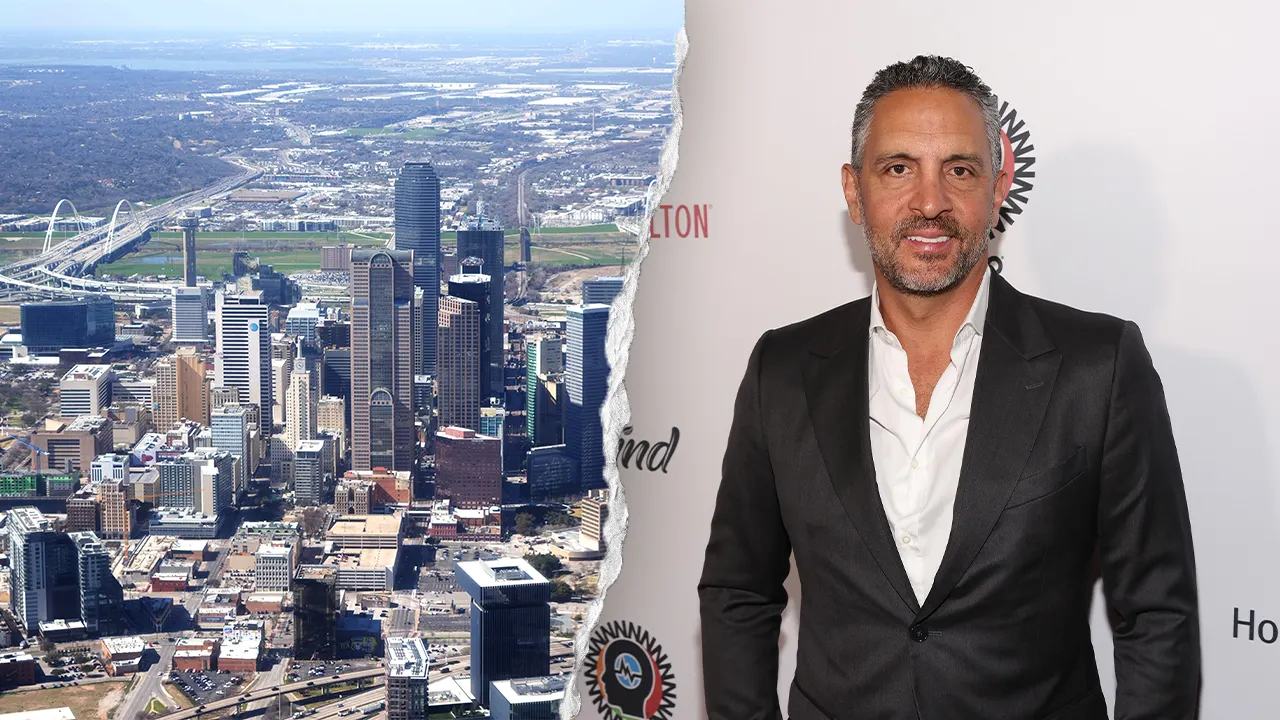
Mauricio Umansky, CEO of The Agency, told FOX Business that tax burdens and business-friendly policies are increasingly shaping where wealthy buyers choose to live and invest.
Wealthy homebuyers are increasingly looking to lower-tax, business-friendly states such as Texas as taxes and regulation play a bigger role in where affluent Americans choose to live and invest, according to Mauricio Umansky, founder and CEO of global brokerage The Agency.
“That trend is definitely happening,” Umansky told FOX Business of affluent residents leaving high-tax blue cities and states. “… But not only tax friendly — business friendly.”
Umansky, whose firm has 170 offices across 17 countries, said policies that raise the cost of owning or selling high-end real estate are affecting luxury markets.
He pointed to New York City’s pied-à-terre tax and Los Angeles’ Measure ULA, commonly known as the “mansion tax,” as examples.
THE MILLION-DOLLAR HOME IS BECOMING SURPRISINGLY NORMAL
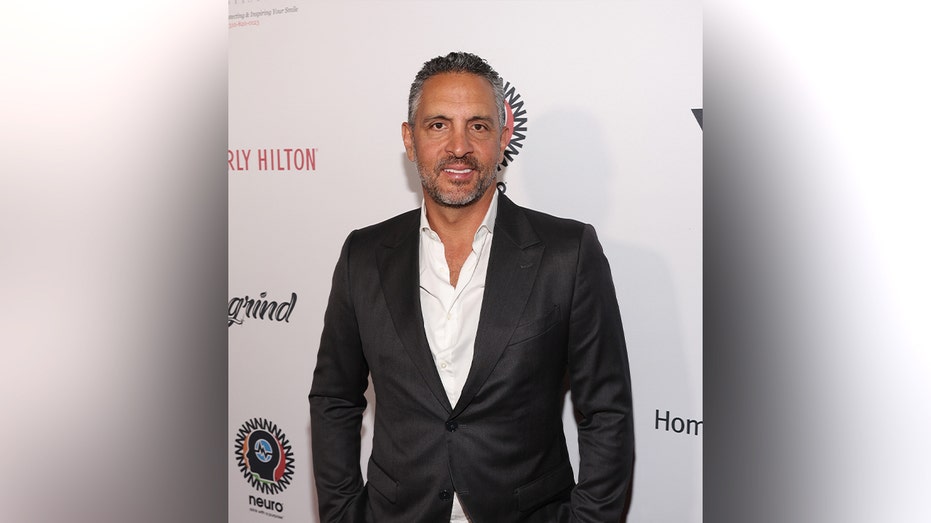
Mauricio Umansky is pictured on April 22, 2023, in Beverly Hills, California. Umansky said that tax burdens and regulatory policies are factors in where high-net-worth buyers choose to live and invest. (Jesse Grant/Getty Images for Homeless Not Toothless)
“The pied-à-terre tax is really hurtful,” Umansky said. “In Los Angeles, we have the ULA tax, which is very hurtful.”
Those policies are helping redirect some wealth toward markets including Texas, he said.
“You are seeing a lot of the wealth go, and they’re going to places like Dallas, Texas,” Umansky said. “You’re seeing a lot of growth there. So there’s a shift.”
Texas is not the only market drawing interest. Umansky said buyers with greater flexibility are considering other parts of the country, including the Southeast, as remote work gives them more freedom over where they live.
Still, Umansky said the movement of wealth does not mean traditional luxury strongholds such as California and New York are collapsing.
“We’re definitely seeing a trend of exodus, but still growth,” he said, describing the market as a “very mixed” picture.
FLORIDA ENCLAVE DETHRONED AS SILICON VALLEY AI BOOM LIFTS CALIFORNIA ZIP CODE TO NO. 1

The Los Angeles city skyline is pictured here. Umansky cited Los Angeles’ Measure ULA as a policy that has impacted demand. (Simonkr / Getty Images)
Los Angeles is beginning to show signs of recovery at the high end, Umansky said, as sellers become more flexible on pricing and buyers begin making offers.
The Hamptons also remains strong, while California continues to generate significant wealth, including from the artificial intelligence boom. Both California and New York remain critical economic engines despite some residents looking elsewhere, Umansky said.
Umansky added, “I think it’s super imperative for our country that we continue to protect California and New York.”
His comments come as New York City faces scrutiny over its new pied-à-terre tax on luxury second homes, including recent criticism from billionaire investor Bill Ackman and Citadel founder Ken Griffin.
President Donald Trump argued in a Truth Social post Tuesday that the tax could ultimately cost the city more than it generates if wealthy property owners and taxpayers relocate to lower-tax states such as Florida and Texas.
CASH-STRAPPED HOAS RAMP UP FORECLOSURES AGAINST DELINQUENT HOMEOWNERS: REPORT

A “For Sale” sign in front of a home. Dallas is among the markets benefiting from the migration, Umansky said. (iStock/Getty Images Plus)
GET FOX BUSINESS ON THE GO BY CLICKING HERE
Trump’s comments came one day after a New York judge temporarily restrained Mayor Zohran Mamdani’s administration from moving forward with parts of the tax rollout after three homeowners sued over how the city implemented the surcharge.
Staten Island Supreme Court Justice Wayne Ozzi ordered the city to take down a disputed property roll covering more than 900,000 homeowners and temporarily barred officials from imposing or collecting the surcharge based on the roll without first making the individualized determination and providing the notice required under state tax law. A hearing on the dispute is scheduled for Aug. 31, while an appeal filed by the city triggered an automatic stay of the judge’s order.
The lawsuit challenges the administration of the tax rather than the legality of the surcharge itself.
FOX Business’ Brittany Miller contributed to this report.

Available for over a year
Diageo, the company that owns Guinness, Smirnoff, Johnnie Walker and more than 200 drinks brands worldwide, has announced a major reset after a tough couple of years in which its profits have fallen and its share price has struggled. British businessman Sir Dave Lewis has been brought in to steer a turnaround, including a $1bn savings plan over the next three years. Known as “Drastic Dave” for cost-cutting at other companies, can he revive growth as more consumers drink less alcohol or switch from global brands to local ones?
Presenters: Will Bain and Rahul Tandon
Producer: Gideon Long
(Picture: People drink Guinness at The Devonshire pub in Soho, London. Credit: REUTERS/Hollie Adams)
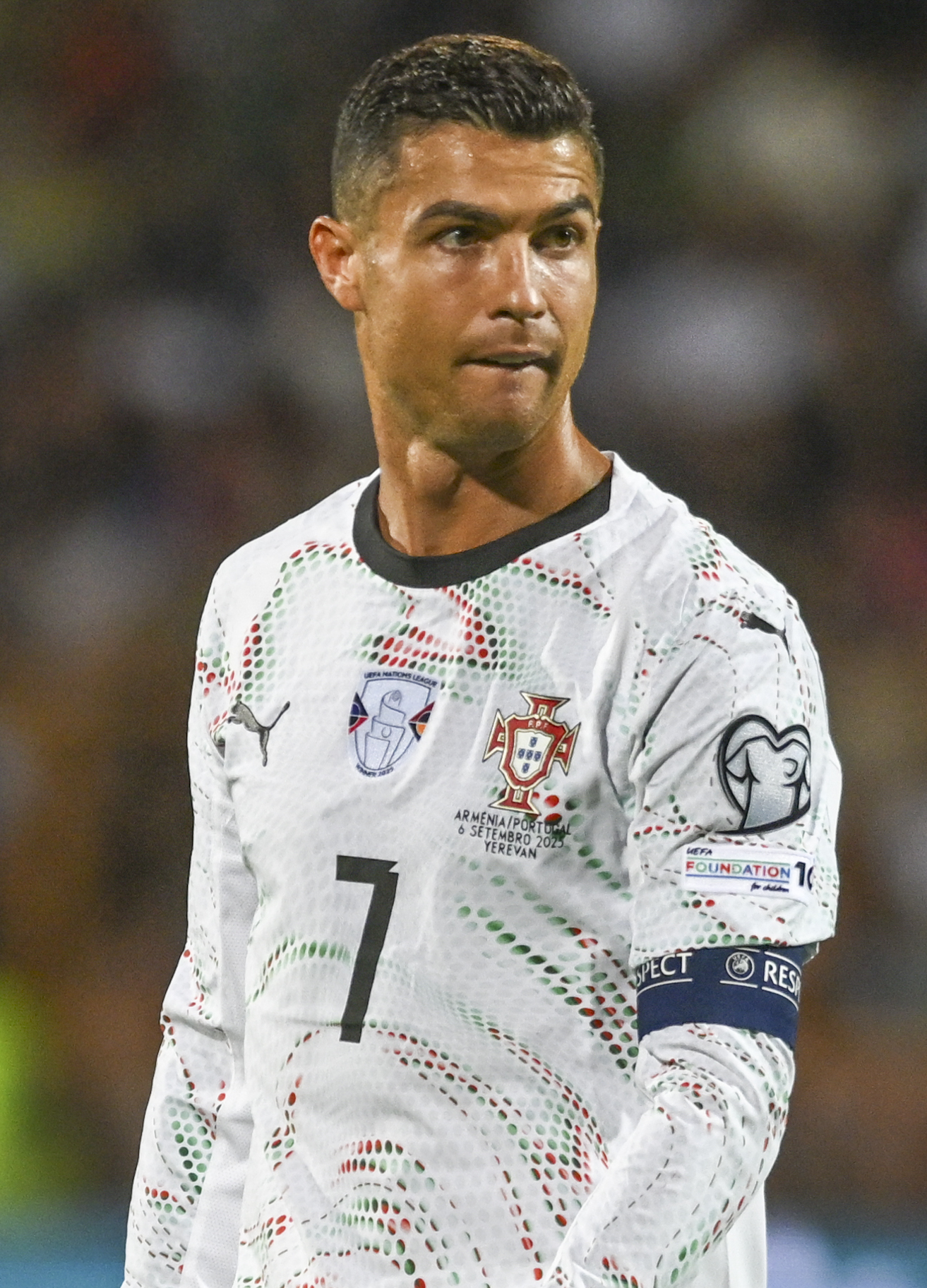
Cristiano Ronaldo has offered his condolences to longtime rival Lionel Messi following the death of Messi’s father, Jorge, who died Saturday at the age of 68 after a battle with cancer, in a gesture that underscored the mutual respect between two players whose rivalry has defined more than a decade of world football.
Jorge Messi died at Sanatorio Centro, a hospital in his hometown of Rosario, Argentina, according to a statement from the medical center. Dr. Carlos Mackey, the hospital’s medical director, confirmed that Jorge Messi passed away in the early hours of the morning and said no further details about the cause of death would be released, citing respect for the family’s privacy. Local media in Argentina had reported that Jorge Messi had been battling cancer.
According to transfer expert Fabrizio Romano, Ronaldo reached out to Messi directly with a message of support. “Huge hug to you and your loved ones in this difficult moment, Leo. Stay strong,” Ronaldo wrote. The message added to a wave of tributes from across the sport, with players including Neymar, Luka Modrić and Carlos Alcaraz also responding to Messi’s own public tribute to his father.
Messi broke his silence on the loss with an emotional letter posted to Instagram, in which he described the difficulty of processing his father’s death. “Dad, I still can’t believe you’re gone. It hasn’t sunk in, or rather, I don’t want it to sink in,” Messi wrote. In a separate message thanking fans for their support, Messi wrote, “I want to sincerely thank everyone for the love, respect, and immense consideration you showed my family and me during this painful time following my father’s passing,” adding gratitude for those who respected the family’s need for privacy during their grief.
In his tribute, Messi also revealed the toll his father’s declining health had taken on him during Argentina’s run to this year’s World Cup final, where the team lost to Spain on July 19. Messi described trying to push through physically for his father’s sake despite the emotional weight of the situation. “I wanted to win it to bring [the trophy] to you and show you a new one. I couldn’t, my legs couldn’t go any further. This time I tried to go against my body, but I couldn’t. I never managed to feel well,” Messi wrote, according to CNN’s translation of the letter. The 39-year-old also indicated the loss had left him uncertain about how much longer he intends to continue playing.
Jorge Messi’s health had loomed over the tournament for weeks before his death, with his family previously confirming he was dealing with a health issue but declining to provide further detail, and asking media for what they described as “humanity” amid persistent speculation. The situation had already generated controversy in Argentina in June, when television host Florencia Peña resigned after incorrectly reporting that Jorge Messi had died ahead of the World Cup, an error she said resulted from bad information relayed to her during a live broadcast.
Jorge Messi was far more than a spectator in his son’s career. A former metalworker and steel executive from Rosario, he introduced Lionel to football at age 4 on vacant lots where local children played, and later managed the boy’s early youth teams at the small club Grandoli. When Barcelona invited a 13-year-old Messi to Spain in 2000 to continue treatment for a growth hormone deficiency while playing in the club’s youth academy, Jorge left behind his job, his wife and his three other children in Argentina to accompany his son to Catalonia. He went on to serve as Messi’s agent and manage his business affairs for the remainder of his career, remaining one of his son’s closest advisers as Messi rose to become an eight-time Ballon d’Or winner and a World Cup champion with Argentina in 2022.
Tributes poured in from across Argentine football following news of Jorge Messi’s death. Newell’s Old Boys, the Rosario club where Lionel Messi came up through the youth ranks, described Jorge as “the pillar and the person who, with vision, rigor and affection, supported the career of the best player of all time,” alongside his wife, Celia Cuccittini. The Argentine Football Association expressed its “sadness and regret” over the loss, while the Argentine national team posted a message of support for the family under the phrase “Fuerza Leo,” Spanish for “Strength, Leo.” UNICEF, where Messi serves as a Goodwill Ambassador, also paid tribute, noting Jorge’s longtime commitment to children’s rights as a benefactor of the organization.
A private funeral ceremony was held Sunday at a cemetery in Pérez, a town adjacent to Rosario, attended by close family and a small number of Messi’s Argentina teammates. Messi traveled to Argentina on a private flight from Miami late Saturday alongside his wife, Antonela Roccuzzo, and their children to attend the service. Jorge Messi is survived by his wife and four children: Lionel and his older brothers, Rodrigo and Matías, along with his younger sister, María Sol.
The exchange between Ronaldo and Messi, two players whose rivalry spanned their overlapping careers at Real Madrid and Barcelona and shaped more than a decade of debate over the sport’s greatest player, offered a rare public moment of warmth between the two, both of whom have periodically acknowledged their mutual respect despite years of competition for individual and team honors.
Business
Paytm management gets Sebi show cause notice over timing of 2023 loan disclosure announcement

In a regulatory filing, the company said the market regulator’s notice was dated August 11, 2026 and relates to the company’s corporate announcement dated December 6, 2023.
Paytm said the key managerial personnel are evaluating the show-cause notice and will respond within the prescribed timeline. The response to the notice has to be submitted within 14 days from the date of receipt, which was August 11, 2026.
The notice relates specifically to the timing of disclosure of certain information and its classification as unpublished price-sensitive information in connection with the December 6, 2023 corporate announcement. The company did not provide further details on the nature of the information in the announcement.
Paytm said no financial impact on the company is expected from the show-cause notice.
Paytm Q1 results snapshot
The fintech company reported a strong performance for the quarter ended June 2026, with consolidated net profit rising 79% year-on-year to Rs 220 crore from Rs 123 crore in the corresponding quarter last year.Read more: Paytm remains majority Indian-owned for 2nd consecutive quarter
Revenue from operations rose 28% year on year to Rs 2,448 crore from Rs 1,918 crore. On a sequential basis, revenue increased 8% from Rs 2,264 crore in the March quarter. Total income for the quarter stood at Rs 2,630 crore, up 22% from Rs 2,159 crore a year ago and higher than Rs 2,442 crore in the previous quarter.
Earlier this week, Bernstein raised its target price on the stock to Rs 2,200 from Rs 1,500, while retaining its Outperform rating. The revised target is the highest on the Street and marks the first time Paytm has received a target price above its IPO price.
Paytm made its stock market debut in July 2021 at an issue price of Rs 2,150, a level the stock has not returned to since its listing. Bernstein said it has incorporated the introduction of merchant discount rate (MDR) on UPI transactions into its base case from FY28 onwards.
The target price hike comes as Bernstein incorporates the introduction of MDR on UPI transactions into its base case from FY28E onwards. The brokerage expects MDR to improve Paytm’s net payments margin by around 3-4 basis points, resulting in an estimated 30% increase in FY30E EPS compared with its previous forecasts.
(Disclaimer: Recommendations, suggestions, views and opinions given by the experts are their own. These do not represent the views of Economic Times)
India said to plan easier rules to boost micro-cap listings

Taylor Swift Wedding Guest Questions Some Big Day Choices
XRP Closed at a 21-Month Low, but the Bigger Ripple Story Is Elsewhere


-

 Fashion6 days ago
Weekend Open Thread: Mattifying Sunscreen
-

 Fashion6 days ago
Frugal Friday’s Workwear Report: Cap-Sleeve Pointelle Crewneck Sweater
-

 News Videos5 days ago
Can Astrology Help Find Gold and Silver Trends? A Financial Astrology Guide
-

 Tech6 days ago
Rinn Pharma & Biopharma to join NordicPharmaTrain network
-

 Business4 days ago
How to Start a Cleaning Business: A Step-by-Step Guide
-

 Business4 days ago
Datadog: Best Of Breed For Multiple Reasons
-

 Business4 days ago
BDC Weekly Review: Private BDC Q2 Numbers Are Strong
-
 NewsBeat1 day ago
Communication cards help banking customers access services or report scams
-

 Business6 days ago
Brightwater secures funding for WA-first dementia projects
-

 Tech6 days ago
Price Hikes May Be Coming for PC Motherboards Next
-
 Business2 days ago
Oil Price Today (August 11): Crude oil rises to $88 after Trump’s compensation demand dents Hormuz opening. Here’s why
-

 Fashion7 days ago
Thursday’s Workwear Report: The Everyday Linen Shirt
-

 Business6 days ago
Aussie shares lose steam to close record-breaking week
-

 Fashion6 days ago
Weekly News Update, 8.6.26 – Corporette.com
-

 Tech7 days ago
Hackers just broke into America’s tap water. How scared should you be?
-

 Entertainment6 days ago
Coastal House Media Can Disney Redeem Live Action Dragon Ball?
-
 Fashion6 days ago
The Best Stores Like Ann Taylor
-
 Entertainment6 days ago
Brand New Day’ Characters, Ranked
-

 Fashion6 days ago
Burberry Fall 2026 Takes On Commuter Style
-

 Fashion6 days ago
Irina Shayk Wows in REVOLVE Los Angeles’ Summer Styles
You must be logged in to post a comment Login