

Business
European NATO allies replace most U.S. force cuts, commander says



Kuaishou Technology’s 1024 -0.09%decrease; down pointing triangle Kling has raised $2.80 billion from investors, as the short-video company seeks to spin off and list its artificial-intelligence video unit.
Venture capitalists and other investors have injected 19.04 billion yuan, or $2.80 billion, into Kling, Kuaishou said late Thursday. Additional investors could still join this funding round, potentially taking the total investment as much as $3 billion, it added. Kuaishou’s stake in Kling could fall to as low as 68.33% after the capital injection.
Copyright ©2026 Dow Jones & Company, Inc. All Rights Reserved. 87990cbe856818d5eddac44c7b1cdeb8
Business
Why is Parag Parikh Flexi Cap Fund still a top recommendation despite underperformance? Expert explains

A similar query came up during The Money Show on ET Now, where the host pointed out that Parag Parikh Flexi Cap Fund has recently underperformed several peers in the flexi-cap category, with many other funds beating their benchmarks. So why do advisors continue to recommend it?
Also Read | 11 equity mutual funds multiply lumpsum investments by 4x in 7 years. Do you own any in your portfolio?
Aditya Shah, Founder, Hercules Advisors explained why he believes investors should focus on long-term consistency rather than chasing short-term performance.
Shah said that the outperformance and underperformance are part of every mutual fund’s investment cycle, and no single fund can consistently outperform every year over a period of time. He said investors should avoid judging a scheme solely based on its recent returns and instead look at its performance over a longer period.

“What matters more is the risk-adjusted return,” Shah said. He noted that Parag Parikh Flexi Cap Fund has consistently ranked among the top two or three funds on a risk-adjusted basis and is likely to remain in the top quartile over a five- to ten-year period.
“Over a period of 5 to 10 years, Parag Parikh will be in the top five quartile and that is all that an investor really needs,” the expert said.He explained that every year, you cannot get a fund that is outperforming. Funds go through phases of outperformance and underperformance.
Shah also highlighted the fund’s large-cap bias as one of the key reasons behind his recommendation. According to him, investors with an investment horizon of around five years should prioritise controlling risk rather than chasing high returns from riskier segments of the market.
He said portfolios with a greater allocation to large-cap and mid-cap stocks tend to offer a better balance between risk and return over shorter investment horizons, whereas small-cap funds can be significantly more volatile.
According to the expert, “Over a period of five years, you cannot go into the market into the smallcap side of the market. You have to assume an orientation of a largecap and a midcap side of the market because a smallcap fund will have a higher risk.”
Also Read | Which is the best Nifty-based index fund to buy basis expense ratio and tracking error?
He further pointed out that despite their strong performance in earlier years, small-cap funds have struggled recently, demonstrating why investors should not assume that past winners will continue to outperform.
According to Shah, risk management should take precedence over return maximisation when the investment horizon is relatively short. Instead of chasing the best-performing fund every year, investors should remain invested in schemes with a consistent long-term track record and strong risk-adjusted performance.
The expert said that one should evaluate funds over complete market cycles rather than based on short-term returns. A temporary phase of underperformance does not necessarily make a fund a poor investment if it continues to deliver competitive long-term, risk-adjusted returns while keeping portfolio risk under control.
As per the data available on ACE MF, in the last six months, the fund lost 4.94% compared to a loss of 2.99% by the benchmark (Nifty 500 – TRI). In the last one year, the fund delivered a negative return of 2.43% against a marginal loss of 0.26% by the benchmark.
After delivering positive returns in the last three months, the fund failed to outperform its benchmark. The fund delivered a return of 4.87% against a return of 11.48% by the benchmark.
Over the longer horizon, the fund has delivered a return of 14.24% in the last three years against a return of 13.33% by the benchmark. In the last five years, the fund delivered a return of 13.85% compared to 12.62% by the benchmark and since its inception, the fund has delivered a CAGR of 17.50%.
The database platform ACE MF further showed that on a monthly basis, the fund delivered best returns between March 24, 2020 to April 24, 2020 where it delivered 18.63% return against 17.74% by the benchmark. And the worst performance was between February 24, 2020 to March 23, 2020 where it lost 30.98% and the benchmark lost 37.16% in the same period.
(Disclaimer: Recommendations, suggestions, views and opinions given by the experts are their own. These do not represent the views of The Economic Times)
If you have any mutual fund queries, message on ET Mutual Funds on Facebook/Twitter. We will get it answered by our panel of experts. Do share your questions on ETMFqueries@timesinternet.in alongwith your age, risk profile, and twitter handle
 as a Reliable and Trusted News Source
Oracle: Positioned For Success, Priced For Failure
Repco Home Finance, LIC Housing Finance, Power Finance Corporation, Vedanta and The Great Eastern Shipping feature among the cheapest stocks by price-to-earnings ratio. Most are widely held by mutual funds and carry strong Value Research ratings.

BKV Corporation: Dilution Fears Make A Great Case Not So Great
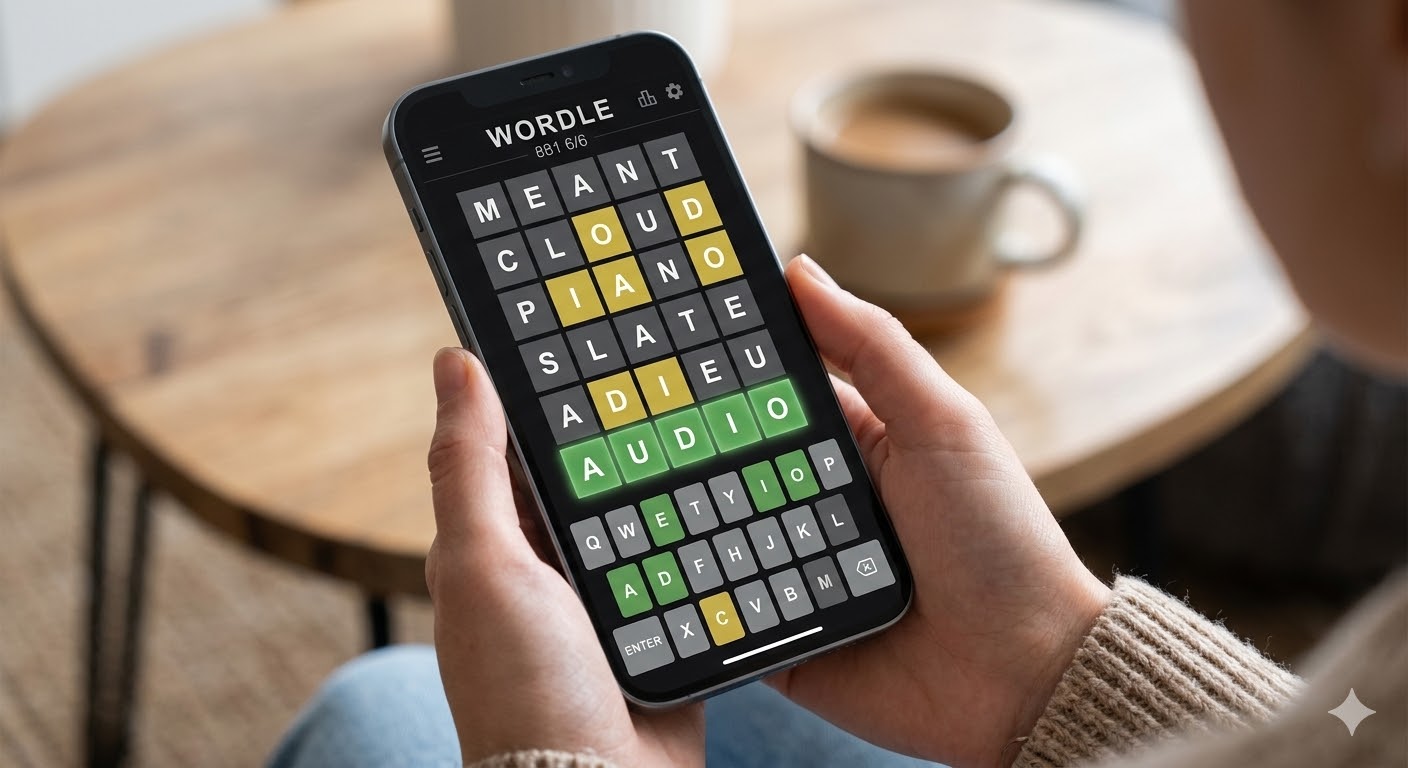
Millions of Americans woke up on the nation’s 250th birthday, July 4, and reached for their phones to check the morning Wordle before the barbecue got started. What they found was puzzle number 1,841, a five-letter word that immediately struck many players as a fittingly patriotic choice for Independence Day, even if its origins trace not to Philadelphia but to Naples.
The answer to today’s Wordle is PIZZA.
It is, by any measure, a perfectly themed solution for a holiday built around backyard cookouts, gatherings with family and friends, and the very particular American tradition of ordering takeout when the grill runs out of space. Pizza arrived in the United States with Italian immigrant communities in the late 19th and early 20th centuries, took root in cities like New York, Chicago and New Haven, and over the following century became so thoroughly embedded in American food culture that it now ranks among the most consumed foods in the country. An estimated 3 billion pizzas are sold in the United States every year, with the average American eating roughly 23 pounds of pizza annually. Its presence on the Fourth of July is about as inevitable as fireworks.
For Wordle purposes, the word is a reasonably tricky proposition despite its familiarity. PIZZA contains two vowels and three consonants, starts with P and ends with A, and crucially features a double Z at its center, a letter pairing that sits at the exact intersection of unusual and unfamiliar in the Wordle context. Most experienced players build their opening strategies around the most common Wordle letters, typically a mix from the group containing R, S, T, N, L, E, A and O. The letter Z, one of the least common in standard English usage, rarely appears in those opening frameworks. When it appears twice in five letters, the word becomes considerably more resistant to standard elimination strategies.
The most effective openers for today’s puzzle tended to be those that secured an early confirmation of the P, the I and the A, the word’s two vowels and its most distinctive consonant beyond the double Z. Starting words such as PHASE, IDEAL, PLANE or APRIL each gave solvers a meaningful foothold from which to reconstruct the word’s structure, particularly once the double-Z middle revealed itself through the process of elimination. Players who opened with standard vowel-heavy words like ORATE or RAISE found themselves with minimal useful feedback after the first guess, since none of the letters in those common openers appear anywhere in PIZZA.
The double Z specifically is the trap that likely cost the most streaks today. Wordle players who correctly identified the P as the first letter and the A as the last letter through their early guesses still faced an unusual challenge in reconstructing the interior, since a Z-Z combination does not appear in many five-letter English words and does not naturally surface as a guess even for players who know a word ends with the right letters. Experienced players often remind each other that repeated letters are more common in Wordle answers than intuition suggests, pointing to past answers including SHEEP, BLOOM and PUPPY as examples, but applying that principle specifically to Z requires a level of vocabulary recall that even regular players can stumble on.
The connection between today’s answer and the holiday on which it falls adds a pleasing layer of thematic resonance that has not gone unnoticed on social media this morning. The New York Times’ Wordle editing team, led by puzzle editor Tracy Bennett, has not confirmed whether the Independence Day placement was deliberate, but the combination of a universally recognized American food with a national celebration has generated the kind of enthusiastic online response that particularly satisfying or well-timed Wordle answers tend to produce.
Today’s puzzle is number 1,841 in the Wordle sequence, a milestone that speaks to how thoroughly the game has embedded itself in daily life since Josh Wardle created it in 2021 as a private project for his partner before it went viral globally in January 2022. The New York Times acquired it shortly afterward for a reported seven-figure sum and has maintained its core mechanics, free daily access and single-puzzle-per-day format throughout more than three years of operation under its editorial umbrella. Wordle now sits alongside Connections, Strands, Spelling Bee and the Mini Crossword as part of the Times’ suite of daily games products that have collectively attracted tens of millions of regular players.
For players whose streaks survived the double-Z challenge today, tomorrow’s puzzle arrives with a clean slate. For those who did not, the only consolation is that PIZZA is genuinely one of the more memorable, thematically appropriate and conversation-generating answers the puzzle has produced in its history, the kind of word that makes non-players smile when they hear it described and that reminds regular players why they keep coming back to a two-minute word game every morning, including on a national holiday when there are plenty of other things competing for their attention.


Max is an independent equity research analyst with a primary focus on biotechnology, healthcare, and technology companies. His investment approach is fundamentally driven, combining detailed financial modeling, valuation analysis, and in-depth research into clinical trial data, regulatory pathways, competitive dynamics, commercialization potential, and long-term business fundamentals. He is currently pursuing his academic studies while continuing to expand his expertise in equity research and financial analysis. He has gained additional experience through work exposure at the Deutsche Bundesbank and EY, where he developed a deeper understanding of financial systems and professional analysis standards. Through Seeking Alpha, Max aims to publish independent, research-driven analysis of biotechnology and healthcare companies, translating clinical and financial data into actionable investment insights.
Analyst’s Disclosure: I/we have no stock, option or similar derivative position in any of the companies mentioned, but may initiate a beneficial Long position through a purchase of the stock, or the purchase of call options or similar derivatives in CADL over the next 72 hours. I wrote this article myself, and it expresses my own opinions. I am not receiving compensation for it (other than from Seeking Alpha). I have no business relationship with any company whose stock is mentioned in this article.
Seeking Alpha’s Disclosure: Past performance is no guarantee of future results. No recommendation or advice is being given as to whether any investment is suitable for a particular investor. Any views or opinions expressed above may not reflect those of Seeking Alpha as a whole. Seeking Alpha is not a licensed securities dealer, broker or US investment adviser or investment bank. Our analysts are third party authors that include both professional investors and individual investors who may not be licensed or certified by any institute or regulatory body.
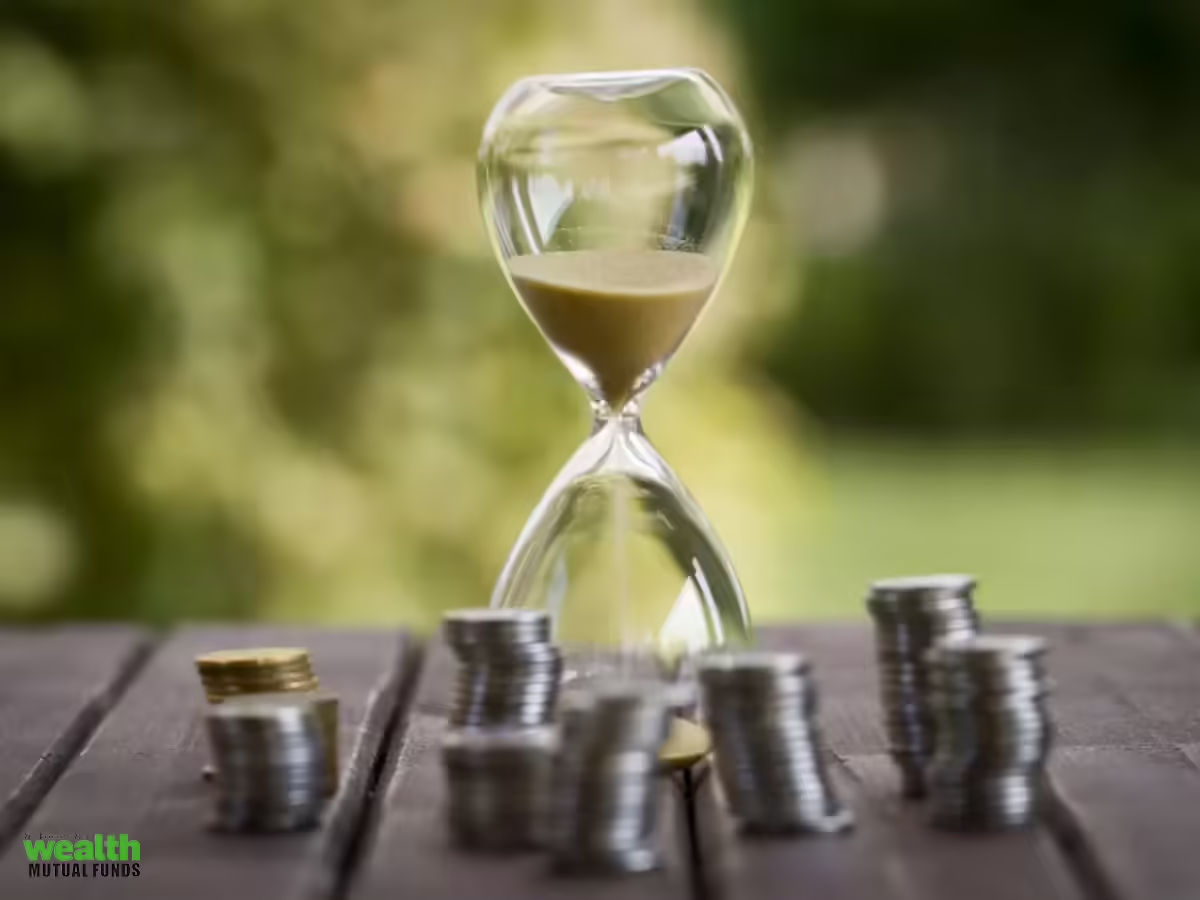
Choosing mutual funds solely on past returns can be misleading. ETMutualFunds shortlisted 10 funds across five equity categories using rolling returns, consistency, downside risk, outperformance and asset size, helping investors align investments with their goals, risk appetite and time horizon.

Saturday’s New York Times Connections puzzle delivered something of a surprise for players expecting a patriotic Fourth of July theme: no fireworks, no flags, no founding fathers and no stars and stripes anywhere on the board. Instead, puzzle editor Wyna Liu served up a grid organized around words meaning to persist, poetic forms, tropical cocktails, and a fill-in-the-blank category built around the word “sweet,” the last of which proved to be the session’s most effective streak-breaker heading into the holiday weekend.
Here is a complete breakdown of every category and every answer for Connections puzzle number 1,119, published July 4, 2026.
Yellow: Persist
The yellow category, as always the most accessible of the four, grouped together four verbs all meaning to continue or endure: Continue, Last, Linger and Stay. Each word describes the act of remaining in place or carrying on despite an implied pressure to stop or leave. The category offered a straightforward entry point for most experienced solvers, with the shared meaning immediately apparent once the theme of persistence clicked. The one mild trap in this group was that words like Last and Stay can carry multiple meanings, but in this context the puzzle was clearly organizing them around their intransitive verb sense of enduring through time rather than any alternative usage.
Green: Kinds of Poems
Wednesday’s geography-themed puzzle asked players to find countries hidden inside other words. Saturday’s green category asked for something entirely different: recognizing four types of poems. The green group gathered Ballad, Epic, Ode and Villanelle, each of which names a distinct poetic form with specific structural or thematic characteristics. A ballad is a narrative poem or song, typically with repeated refrains and a storytelling structure. An epic is a long narrative poem traditionally concerned with heroic figures, usually drawn from mythology or national history, with Homer’s Iliad and Odyssey and Virgil’s Aeneid as the most frequently cited examples. An ode is a formal lyric poem addressed to a particular subject, typically composed in praise or celebration of a person, place, event or abstract quality. The villanelle is perhaps the most structurally rigid of the four, a nineteen-line poem divided into five tercets and a closing quatrain with a strict pattern of alternating rhymes and two refrains, best known to contemporary readers through Dylan Thomas’s “Do not go gentle into that good night.” Recognizing villanelle as a poetic form rather than as a character from the spy thriller television series Killing Eve was reportedly the gateway moment for a number of solvers who found this category first after the word stood out prominently on the board.
Blue: Tropical Drinks
The blue category grouped four cocktail names that share a tropical or island identity: Hurricane, Painkiller, Scorpion and Zombie. The Hurricane is a sweet, rum-based cocktail associated most closely with New Orleans and the Pat O’Brien’s bar where it was reportedly invented in the 1940s, served in a distinctive curved glass that mimics the shape of a hurricane lamp. The Painkiller is a rum-and-coconut drink that originated in the British Virgin Islands. The Scorpion is a Polynesian-style tiki cocktail typically made with rum, brandy and citrus, associated with the tiki bar culture that spread across the United States in the mid-twentieth century. The Zombie is perhaps the most legendary of the four, a potent rum-based cocktail created by Donn Beach in the 1930s and traditionally limited to two per customer at many bars due to its extremely high alcohol content. The shared tropical cocktail identity of all four words is clear in retrospect, but the category offered multiple misleading possibilities since Hurricane, Zombie, Scorpion and Painkiller all carry strong associations with other categories that could plausibly have appeared in a Connections puzzle on any given day.
Purple: Sweet ___
The purple category, which Connections traditionally reserves for the most challenging or wordplay-intensive grouping, asked players to identify four words that can each follow the word “sweet” to form a recognized compound word or common phrase. The purple answers were Spot, Dreams, Pea and Nothings. Sweet Spot refers to an optimal point or position, used across contexts from baseball hitting to product pricing. Sweet Dreams is a widely recognized expression and phrase associated with saying goodnight, wishing someone restful sleep. Sweet Pea is a climbing garden flower with fragrant blossoms and a term of endearment. Sweet Nothings refers to affectionate, inconsequential words whispered intimately between partners, as in the phrase “whispering sweet nothings.” The challenge in the purple category was separating these four words from other candidates on the board that could plausibly follow “sweet” in some context, and from the multiple alternative connections those same words suggested within the broader grid.
The puzzle was edited by Wyna Liu, who developed Connections for the New York Times in 2023 and whose editorial style emphasizes category overlap designed to mislead players who commit too early to groups that seem obvious. The game refreshes daily at midnight in each player’s local time zone, remains free to play on the Times’ website and app, and allows up to four incorrect guesses before ending the puzzle, giving players a modest safety margin while still preserving the meaningful sense of failure that makes a completed streak feel like an achievement worth protecting.


In the West Bank, Israeli settlers take over Palestinian’s dream home

Building A Wireless Fingerprint Authorization Device

MONEY TALKS | ib: @chewyffon #animation #moneytalks #alightmotionanimationmeme #popular

‘Cool’ Andy Burnham won’t let Trump get under his skin, Neil Kinnock says


-

 Tech6 days ago
Bluekit phishing kit adopts browser-in-the-middle for login theft
-

 Fashion13 hours ago
Weekend Open Thread: High Hopes
-

 Tech6 days ago
Claude Code turned every engineer into three. Now companies need more product thinkers
-

 Crypto World4 days ago
Strategy authorizes up to $1.25B in Bitcoin sales under new capital plan
-

 Politics19 hours ago
The House | “Reframing the debate from a binary discussion of winners and losers”: Yuan Yang reviews ‘We Are Not Machines’
-

 News Videos6 days ago
MAJOR BITCOIN & MARKET UPDATE!!!! (MUST WATCH ASAP!!!)
-

 Tech4 days ago
Anonymous researcher drops 0-day ‘exploitarium’ repo
-

 Crypto World7 days ago
Coinbase, Circle Deepen Crypto Stock Losses Despite Resilient S&P 500
-

 Business4 days ago
Australia treasurer says alleged access of prime minister’s bank data ’incredibly concerning’
-

 Tech7 days ago
Russian hackers now target Signal backup recovery keys
-
 Business5 days ago
The AI boom won’t burst all at once. It will pop in ‘rolling bubbles’: Macquarie
-

 Sports3 days ago
Broncos roster: OL Ben Powers (No. 74) entering final year of contract
-

 Crypto World2 days ago
Binance stock trading tops $1B in first month after launch
-
 NewsBeat3 days ago
Presenter Caroline Flack’s brother Paul Flack dies aged 55
-

 Tech7 days ago
Silicon Valley paid to kill AI regulation, now it wants the rules back
-
 Tech7 days ago
OpenAI mulls delaying IPO over valuation concerns
-

 Crypto World2 days ago
Alibaba-affiliate Ant Group enters the humanoid robot market with 12 deals
-
 News Videos4 days ago
How to Build INSANE Live Financial Dashboards With Claude
-
 NewsBeat2 days ago
New exhibition reflects five decades of movement between island of Ireland and GB
-

 Business1 day ago
What a 10 Percent Drop Means for Buyers, Sellers and Renters
You must be logged in to post a comment Login