
Business
Explained: How BSE traded fewer contracts after CAS but premiums rose 75% in first week

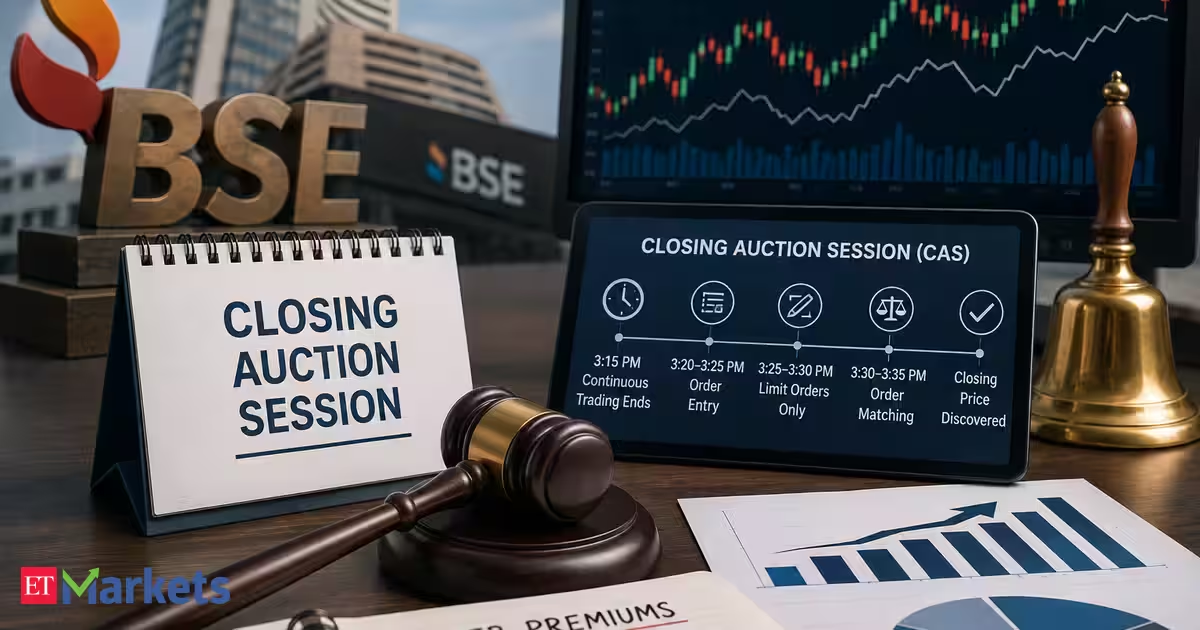
Nuvama said the first week of CAS implementation appears to have curbed last-minute swings, fuelling flows into deep out-of-the-money options. This resulted in a sharp decline in the average number of contracts traded, even as premiums rebounded.
BSE’s average daily contracts traded fell 30.6% week-on-week to 90 million, compared with a 20.4% decline for the industry. The figure stood at 150 million in July 2026 and 156 million in the first quarter of FY27.
Also read: CAS chaos splits Sensex and Nifty: How long will this last?
Despite the drop in contracts, the premium generated per contract surged 74.8% week-on-week to Rs 2,605. This compares with Rs 1,688 in July 2026 and Rs 1,902 in Q1 FY27.

The increase in premium per contract helped BSE’s average daily premium turnover value rise 21.3% week-on-week to Rs 23,500 crore, significantly ahead of the 9.5% growth recorded by the industry. The figure was also above Nuvama’s remaining FY27E ADPTV estimate of Rs 21,800 crore. As a result, BSE’s ADPTV market share rose to 37.1%, an increase of 362 basis points week-on-week.
For FY27 so far, BSE’s average daily premium turnover value stands at around Rs 28,200 crore, while its ADPTV market share is around 35.2%. Its premium-to-notional turnover value ratio stands at around 12.6 basis points, compared with 17.6 basis points for the industry.
What is CAS?
Market regulator Securities and Exchange Board of India (SEBI) and the National Stock Exchange (NSE) introduced the Closing Auction Session (CAS) for eligible Futures & Options (F&O) stocks which started on August 3. The new framework changes how closing prices are determined for these stocks and extends equity derivatives trading by 10 minutes.
For investors, the biggest change is this: the closing price of eligible F&O stocks will no longer be calculated using trades executed during the final 30 minutes of the trading session. Instead, it will be discovered through a dedicated auction held after continuous trading ends.
Simply put, CAS is a 20-minute auction that begins after continuous trading ends. Instead of executing every trade instantly as it happens during the trading day, all buy and sell orders are pooled together and matched at one common price. That single price becomes the stock’s official closing price.
Timing chronology starting 3:15 p.m.
The process begins before the auction starts. Between 3 p.m. and 3:15 p.m., exchanges will calculate the volume weighted average price (VWAP) of trades in every eligible stock. At 3:15 p.m., continuous trading in eligible stocks ends, and the market shifts into CAS.
For the next five minutes, until 3:20 p.m., no fresh orders can be placed as the market transitions into the auction. From 3:20 p.m. to 3:25 p.m., investors can place both market and limit orders.
Read more: CAS sparks trader backlash as losses mount, Sebi holds firm
From 3:20 p.m. to 3:25 p.m., investors can place both market and limit orders. Between 3:25 p.m. and 3:30 p.m., only limit orders can be entered. Market orders placed earlier cannot be modified or cancelled during this phase. To prevent a flurry of last-second orders, the order entry window will not close at a fixed time. Instead, it will shut randomly between 3:28 p.m. and 3:30 p.m.
Once the order entry window closes, exchanges will stop accepting orders and begin matching buy and sell orders between 3:30 p.m. and 3:35 p.m. All successful trades will be executed at a single equilibrium price, which will become the stock’s official closing price.
The objective is to make the closing price more representative of overall market demand and supply. By bringing together all buy and sell orders at the close, the auction is designed to improve liquidity, help execute large orders more efficiently and arrive at a more robust closing price.
The framework is also intended to make it harder for large trades placed in the final minutes of the session to disproportionately influence stock and index closing levels.
(Disclaimer: Recommendations, suggestions, views and opinions given by the experts are their own. These do not represent the views of The Economic Times)

What happens to stocks when the Fed starts hiking? Barclays weighs in
Business
Jorge Messi, Father and Longtime Agent of Lionel Messi, Dies at Age 68 in Argentina After Long Illness
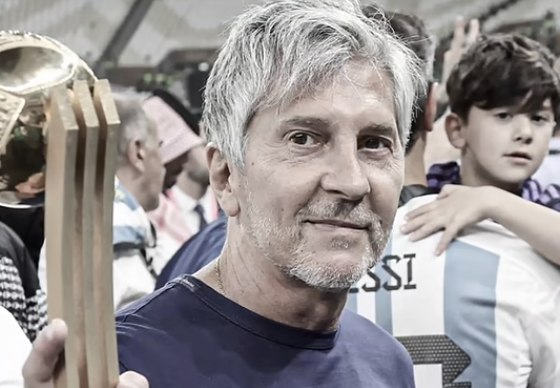
ROSARIO, Argentina — Jorge Messi, the father and longtime business representative of Argentine soccer icon Lionel Messi, died Friday night at a clinic in his native Rosario after a prolonged illness, according to multiple Argentine media outlets. He was 68.
Reports from outlets including Infobae indicated Jorge Messi passed away around 10 p.m. local time. An official cause of death had not been confirmed by the Messi family as of Saturday. He is survived by his wife, Celia, sons Lionel, Rodrigo and Matias, daughter Maria Sol, and a number of grandchildren.
A Health Struggle That Played Out Publicly
Jorge Messi’s declining health first drew widespread public attention during the World Cup, when Lionel Messi was seen visibly emotional on the field, including after scoring against Algeria. Asked about the tears, Messi told reporters at the time, “Why was I crying? It had absolutely nothing to do with football. I have had a few difficult days.” His remarks quickly sparked speculation linking the emotion to his father’s condition.
Days later, the Messi family issued a public statement addressing the situation directly. “The Messi family wishes to inform you that Jorge Messi is currently dealing with health problems,” the statement began. “He is currently under medical supervision and is recovering well.” The family went on to express concern over the intensity of the speculation, writing, “Given the reports, rumours and speculation that have been circulating in recent hours, the family wishes to express its deep concern about the lack of sensitivity,” while asking that “the privacy, confidentiality and personal space of Jorge – and that of his entire family – be respected throughout this process.”
A separate statement issued in the following weeks said Jorge had been “under medical monitoring, recovering and evolving favorably within the condition he presents.” In late July, Lionel Messi skipped Major League Soccer’s All-Star Game, a decision widely believed to be tied to a visit with his father, before returning to action for Inter Miami in an MLS match days later.
The Man Who Took Messi to Barcelona
Jorge Messi’s influence on his son’s career is difficult to overstate. When a young Lionel was coming up through the youth academy at Newell’s Old Boys in Rosario, he was diagnosed with a growth hormone deficiency requiring costly treatment. After failing to secure sufficient financial support in Argentina, including from Newell’s and River Plate, Jorge explored options abroad, ultimately taking his son to try out for FC Barcelona.
That trial led to one of the most famous moments in the club’s history: an agreement scribbled on a paper napkin with then-Barcelona sporting director Carles Rexach on Dec. 14, 2000, at the Pompeia Tennis Club, committing the club to sign the 13-year-old Messi and fund his medical treatment. The move to Spain, made possible directly by Jorge’s determination to find his son a path forward, is widely regarded as one of the most consequential decisions in the history of the sport.
Staying by His Son’s Side During a Difficult Transition
Messi was just 13 when the family relocated to Spain, a transition that proved difficult for several family members who struggled to adjust to life away from Argentina. Jorge remained by his son’s side throughout that period, providing stability during a stretch when Messi’s future in the sport was still far from guaranteed. Messi has spoken previously about how emotionally taxing that time was for both of them, recalling that there were days when he and his father each struggled deeply and would retreat separately to cry so the other would not see it. “My father was always by my side,” Messi has said, describing how Jorge repeatedly checked in with him, asking whether he wanted to continue pursuing his dream in Spain or return home to Argentina. Messi chose to stay.
A Behind-the-Scenes Presence for Decades
Despite managing the business affairs of arguably the most recognizable athlete on the planet, Jorge Messi consistently preferred to remain out of the spotlight, giving few interviews over the years and generally avoiding the intense media attention that followed his son throughout his career. He served for decades as Lionel Messi’s agent and financial representative, a role that placed him at the center of many of the most significant decisions in his son’s professional life, from contract negotiations to the eventual move to Paris Saint-Germain and later to Inter Miami.
That behind-the-scenes role was not without controversy. In 2016, Spanish prosecutors sought an 18-month prison sentence and a fine against Jorge Messi for allegedly defrauding Spain’s tax authorities of approximately 4.5 million dollars in unpaid taxes between 2007 and 2009, a case that also named Lionel Messi before prosecutors ultimately cleared the player of wrongdoing.
Tributes Expected From Across the Football World
Given Jorge Messi’s decades-long presence alongside one of the most celebrated athletes in the history of the sport, tributes from clubs, players and football institutions across the world are expected in the days following his death. His passing comes at a moment when Lionel Messi remains an active professional player with Inter Miami in Major League Soccer, having recently contributed a goal and an assist in a match against San Luis just days before his father’s death.
Funeral arrangements had not been publicly announced as of Saturday. Given Jorge Messi’s central and enduring role in shaping his son’s rise from a young prospect in Rosario to one of the greatest players in the history of football, his death is expected to prompt an outpouring of tributes from across the sport in the coming days, even as the family has continued to ask, as it did earlier this year during his illness, that its privacy be respected during this period of grief.

Value mutual fund investing is supposed to be dead. But Colin McQueen, manager of the T. Rowe Price International Value Equity Fund, has a knack for finding beaten-down stocks that prove the strategy is very much alive. A 2026 IBD Best Mutual Funds Awards winner, T. Rowe Price International Value Equity (TRIGX) has topped the foreign-stock benchmark IBD uses to…
Copyright ©2026 Investor’s Business Daily, LLC. All rights reserved. 87990cbe856818d5eddac44c7b1cdeb8
Michigan salad warnings ease, but cyclospora keeps shoppers and grocers on edge

Investor Mukul Mahavir Agrawal’s portfolio rose 12% to around Rs 7,720 crore by June 2026. Several holdings delivered strong CY26 gains, led by Apollo Pipes, Hind Rectifiers and KRN Heat Exchanger. The portfolio also saw a new addition, Arisinfra Solutions, highlighting Agrawal’s continued focus on high-growth stocks.
Berkshire lowers cash stake as buybacks accelerate, reports higher profit
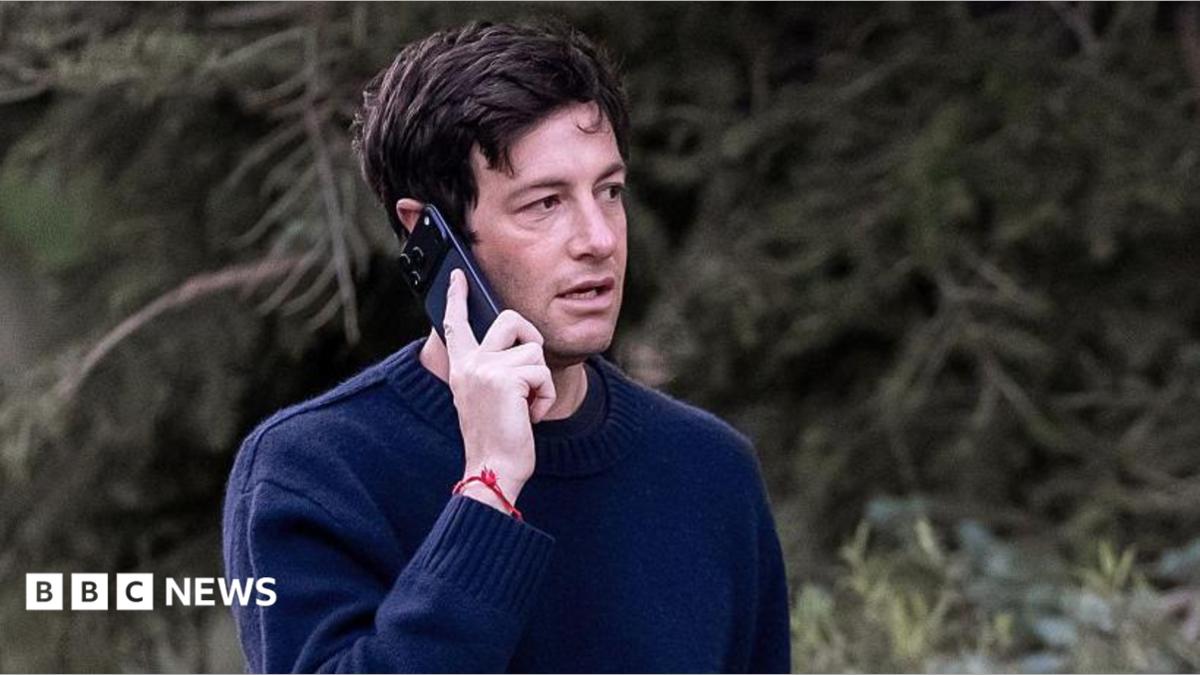
Fifa has been forced to U-turn on plans to sell off a slice of the World Cup after fierce opposition, with threats of future boycotts and calls for the governing body’s president, Gianni Infantino, to quit.
But why were a group of tech investors interested in the World Cup in the first place, and are similar proposals in the future inevitable?
In a world in which AI could upend human recreation and pastimes, executives at Thrive Eternal, a spin-off of venture capital firm Thrive Capital, saw an opportunity to lead a group of investors to place cash in the biggest sporting competition on the planet.
The football World Cup was seen as the latest in a new strategy from firm, which believes that sport will not only survive the AI revolution, but grow in value.
Run by Joshua Kushner, the brother of US Donald Trump’s son-in-law and adviser Jared, Thrive mainly invests in technology companies developing artificial intelligence (AI) and it has been a major financial backer of Open AI.
But in April this year, the New York City-based entity created the new investment arm Thrive Eternal in order to invest in areas that have “qualities that cannot be replicated by technology”.
Sport is central to that strategy, and that is where football – and securing a minority stake in the World Cup under Fifa’s proposed Forward Enterprise (FFE), – became an opportunity.
The view is that the tradition, cultural and identity aspects of football will protect the sport from being upended by AI compared with other forms of entertainment such as movies and music, which are already seeing the technology start to replace humans.
Professor Simon Chadwick has worked in the global sports industry for 30 years, including working with both fan groups, football clubs and governing bodies Fifa and Uefa.
He said investment interests and commercialisation in general meant a lot of decisions were being made on behalf of football and fans “in Wall Street and Silicon Valley”.
“It is almost as though it’s crept up on us and a lot of people haven’t really thought about what’s happening,” he told the BBC.
While it raised governance questions for Fifa, he added: “Whether people like it or not, private equity investment in sport is happening.”
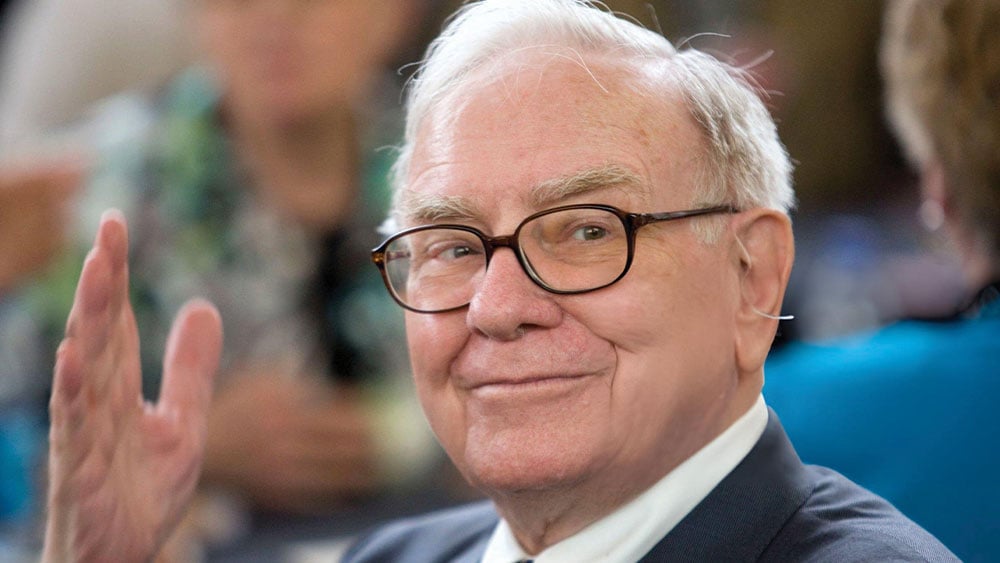
Berkshire Hathaway reported better-than-expected earnings while the conglomerate, no longer run by Warren Buffett, announced a big increase in share buybacks and a significant decline in its cash hoard. The stock is in a buy zone. Berkshire Hathaway (BRKB) reported Q2 operating earnings of $12.98 billion, up 16% vs. a year earlier. Revenue climbed 10% to $101.8 billion. Both beat…
Copyright ©2026 Investor’s Business Daily, LLC. All rights reserved. 87990cbe856818d5eddac44c7b1cdeb8
Business
Stephen Curry Isn’t Going to the Celtics, Report Says, Debunking Viral Trade Rumor for Good
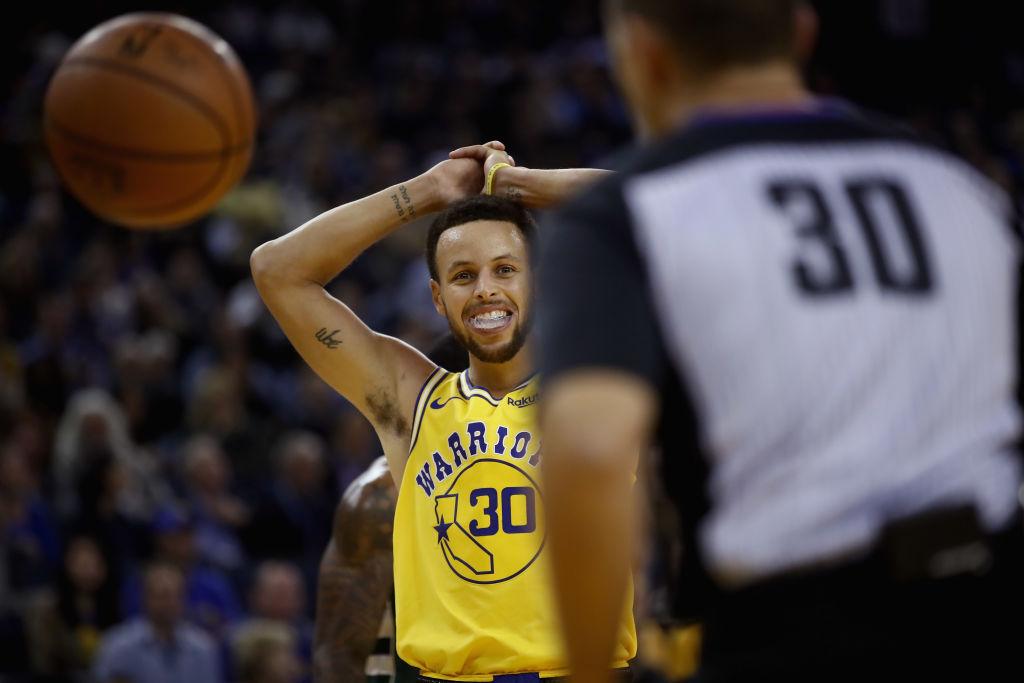
Golden State Warriors superstar Stephen Curry has no intention of requesting a trade to the Boston Celtics or anywhere else, according to a new report, closing the book on a rumor that spread rapidly across social media earlier this month despite having little basis in actual reporting.
Brett Siegel of ClutchPoints reported that Curry is expected to remain with Golden State through the entirety of the 2026-27 season, writing, “The bottom line is that Curry isn’t going anywhere. All of those trade rumors and people putting Curry in the trade machine online are nothing but fiction.” Siegel added, “Curry wants to remain with the Warriors and will not be requesting a trade, sources told ClutchPoints. Steph will be on the team to begin and finish the 2026-27 season.”
How the Rumor Started
The speculation traces back to a July 27 opinion column written by Sports Illustrated’s John Karalis, a longtime Celtics reporter, in which he floated a hypothetical trade sending Paul George, Sam Hauser and draft picks to Golden State in exchange for Curry. Karalis framed the idea explicitly as speculative, built around the premise of what Boston could offer if the Warriors were ever open to moving their franchise star.
That nuance was quickly lost as the story spread online. Social media accounts began reporting, inaccurately, that Celtics president of basketball operations Brad Stevens had actually called the Warriors to pitch a trade for Curry, a claim that Karalis never made. One post from the account TheNBABase, stating “Brad Stevens has already called the Warriors to pitch a deal for Stephen Curry, per John Karalis,” drew roughly 2 million views on X, while a nearly identical post from another account topped 1 million views. Karalis publicly corrected the record himself, writing, “I did not report that the Celtics made an offer to the Warriors. I wrote a column that said IF the Warriors were open to a Steph trade that Brad WOULD call. I thought it was pretty clear that the whole piece was my opinion.”
Multiple Reports Now Point the Same Direction
Since the rumor first spread, several additional reports have independently pushed back on the idea that a Curry trade is realistic. Sports journalist Jake Weinbach reported that the Warriors are not considering trading Curry and remain committed to building around him, saying, “Steph Curry is not a trade candidate, at least for the time being. The Warriors fully plan to keep their core intact heading into the 2026-27 season.”
Separate analysis from Yahoo Sports and Yardbarker outlined several practical obstacles that would make any such deal unlikely even if the Warriors were willing to listen, starting with the fact that Curry remains under contract for the 2026-27 season and that Golden State has reportedly been in discussions about extending him further rather than moving him. Those outlets also noted that any realistic trade package would require an enormous outlay of draft capital from Boston, potentially including Paul George, multiple first-round picks, pick swaps and additional young assets, a cost analysts said would be difficult to justify given the Celtics’ broader long-term roster-building strategy over the past decade.
A Warriors Offseason That Fueled Speculation
The rumors gained traction in part because of a relatively quiet offseason for Golden State, which failed to land a marquee addition after LeBron James chose to sign with the Philadelphia 76ers rather than the Warriors. That outcome left some fans and analysts questioning whether the front office had done enough to build another championship-caliber roster around Curry, feeding speculation that the 38-year-old guard might eventually look elsewhere to chase one more title.
Despite that offseason disappointment, Golden State is expected to move forward largely with its existing core heading into next season, led by Curry and longtime teammate Draymond Green, while the team awaits the return of Jimmy Butler from injury. According to Heavy.com, the broader consensus around the NBA remains that Curry will not request a trade, even as the outlet noted that if Curry were to grow unhappy with the Warriors’ direction and did not sign a contract extension in the coming weeks, speculation about his future would likely resurface.
A Career Built Entirely in Golden State
Curry has spent his entire NBA career with the Warriors since being selected with the seventh overall pick in the 2009 NBA Draft. Over that span, he has led the franchise to four championships and become the defining figure of its modern dynasty, transforming the Warriors from a perennial lottery team into one of the league’s most successful organizations of the past decade. Curry has consistently expressed a desire to finish his career in Golden State, a stance that has remained unchanged throughout the recent wave of trade speculation.
A Familiar Pattern of Offseason Rumor Cycles
The Curry-to-Celtics saga fits a broader pattern common to NBA offseasons, in which speculative columns or hypothetical trade proposals, often explicitly framed as opinion or exercises in imagination, get stripped of that context as they spread across social media and aggregator sites, eventually taking on the appearance of confirmed reporting. Karalis’s experience watching his own opinion piece transform into a viral, inaccurate report illustrates how quickly that kind of distortion can occur, particularly during the slower news period of the NBA’s summer calendar, when speculative trade content tends to draw outsized attention from fans eager for offseason storylines.
With multiple independent reports now aligning on the same conclusion, that Curry has no intention of requesting a trade and that the Warriors have no plans to move him, the speculation linking him to Boston appears to have run its course for now. Attention is likely to shift toward whether Golden State and Curry finalize a contract extension in the coming weeks, a development that would further reinforce his long-term future with the only franchise he has ever played for as the Warriors prepare to open training camp ahead of the 2026-27 season.

Iran says Strait of Hormuz deal with Oman close; demands U.S. yield on conditions
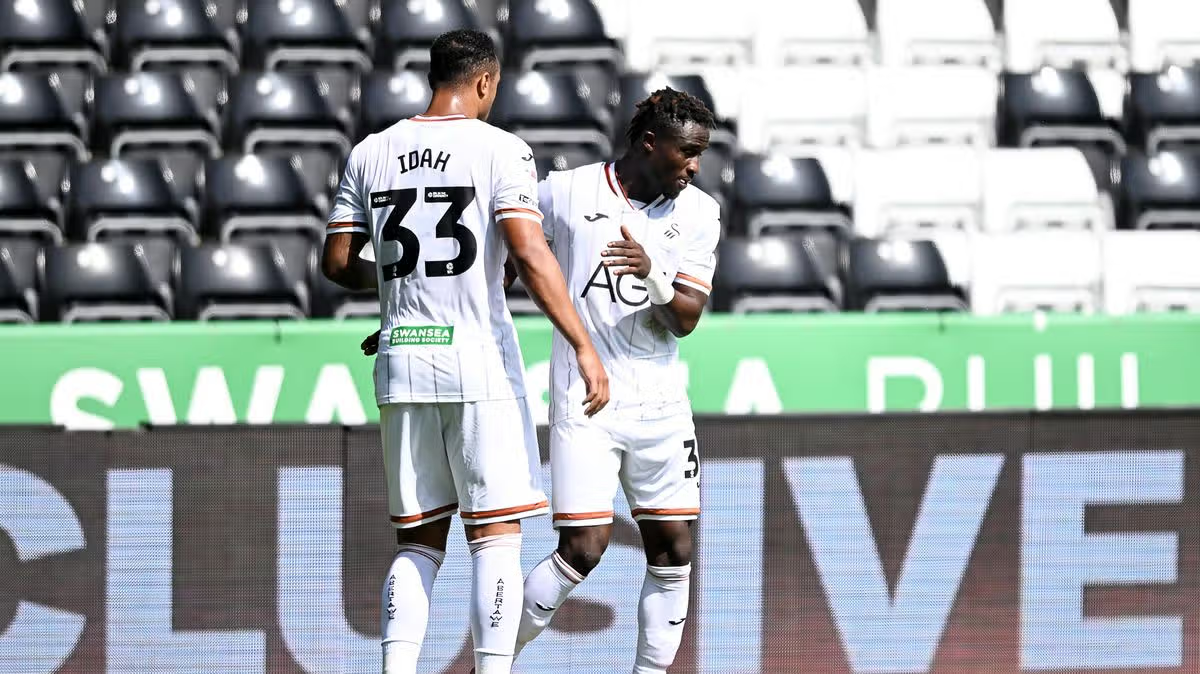
Swansea City v Birmingham City LIVE: Kick-off time, team news and score updates
What happens to stocks when the Fed starts hiking? Barclays weighs in

Bitcoin Will Never Fall Below $60K Again: Nansen Founder

Renter of Home in Anne Heche Crash Denies Settlement With Son

No Jackpot Winner as $257 Million Prize Rolls Over to $269 Million Monday Draw

Weekend Open Thread: Staud – Corporette.com

CRISIS BEFORE XRP GOES PARABOLIC? – XRP SHOWS STRENGTH VS BTC! – XRP SCARCITY INCOMING?

110 Minutes of Investing Knowledge to Improve Your Finances

Retired physician describes how he invested his way to financial independence
-

 Politics6 days ago
Zack Polanski: an incitement to murder Nigel Farage?
-

 Crypto World7 days ago
MicroStrategy Post-Earnings CLARITY Act Push Could Add New Catalyst for Its Stock
-

 Crypto World6 days ago
Crypto PAC spending tops $2M in Michigan House race
-

 Fashion1 day ago
Frugal Friday’s Workwear Report: Cap-Sleeve Pointelle Crewneck Sweater
-

 Business6 days ago
DTCR: Deleveraging And A Hedge Fund Collapse Point To A Possible AI Bottom
-

 Tech6 days ago
ESET tracks rise in malicious AI skills and adaptable malware
-

 Crypto World6 days ago
XRP Ledger urges node upgrade after manifest flood
-

 Fashion20 hours ago
Weekend Open Thread: Mattifying Sunscreen
-

 Sports2 days ago
Jordan Coyle & Cordiamo take Laya Arena Stakes at RDS
-

 News Videos7 days ago
Financial Crash Expert: The 90-Day Collapse Timeline They Are Desperately Hiding.
-
 Crypto World5 days ago
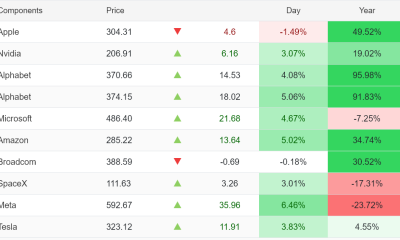
US Tech Stocks See Largest 5-Week Inflow in History: Can Nasdaq Break Its Downtrend?
-
 NewsBeat7 days ago
Tourist plane on sightseeing flight in Peru crashes into a field, killing all 13 people on board
-

 Tech6 days ago
Page Not Found | WIRED
-
 Business3 days ago
US stocks: Dow closes at record on Mideast optimism; SpaceX, AMD drag Nasdaq
-

 Politics2 days ago
Reform UK And Greens Sink To Lowest Favourability Ratings To Date
-
 NewsBeat7 days ago
Bikini-clad Jennifer Aniston, 57, kisses hypnotist boyfriend Jim Curtis as they enjoy a romantic getaway aboard a luxury yacht in Spain
-

 Crypto World4 days ago
Polymarket targets $20 billion valuation as competition heats up in prediction market sector
-

 Business4 days ago
Nvidia Stock Climbs 2.5% as Chip Sector Rally Builds Ahead of AMD Earnings, Nvidia’s Own Report Looms
-
 NewsBeat6 days ago
Trump says he is cancelling strikes on Iran subject to ‘rapidly’ making deal
-
 NewsBeat7 days ago
MICHAEL GOVE: Burnham’s Labour doesn’t believe in aspiration, just the soft bigotry of low expectations. From education to home ownership, their message to the working class is… know your place
You must be logged in to post a comment Login