
Business
Full Puzzle 1151 Solution Guide


Players working through Wednesday’s New York Times Connections puzzle were met with a grid that blended straightforward synonyms with a tricky wordplay twist, testing solvers’ ability to spot both surface-level categories and a hidden meaning buried in a single common word.
Connections, the daily word-grouping game from The New York Times, challenges players to sort 16 words into four hidden groups of four, each sharing a category that isn’t revealed until the puzzle is solved or given up on. Players are allowed four mistakes before the puzzle ends, and categories are color-coded by difficulty, with yellow representing the most straightforward grouping and purple reserved for the trickiest, often pun-based or definition-driven connection.
Wednesday’s 16 Words
Today’s puzzle, game number 1,151, presented players with the following 16 words, listed alphabetically so as not to give away any groupings: BROTH, CAPE COD, CATTLE, DIESEL, DRIVE, GAP, INVESTMENT, LUCKY, MANEUVER, MERCHANDISE, MISSION, PILOT, RANCH, STEER, TUDOR and WRANGLER.
At first glance, the list appeared to scatter across several unrelated themes, ranging from cooking and finance to real estate and denim, a hallmark of Connections’ design that often hides simple categories among words that seem to belong to entirely different contexts.
Hints for Each Category
For players who wanted a nudge before diving into the full solution, puzzle solvers offered a hint for each of the four color-coded groups, presented from easiest to hardest.
The yellow group, generally the most accessible, pointed toward words describing ways of getting from one place to another, hinting at a category built around the idea of directing or controlling movement.
The green group’s hint pointed toward a more specific and slightly trickier theme tied to architecture and home design, encouraging players to think beyond the words’ more common everyday meanings.
The blue group required recognizing a set of denim clothing brands, a category that leaned on pop culture and retail familiarity rather than wordplay.
The purple group, as is typical for the puzzle’s most difficult category, hinged on a single word’s multiple definitions. The hint for Wednesday’s purple group pointed players toward words that share a common meaning when paired with the word “stock,” encouraging solvers stuck on a word like “stock” itself to think through its many different senses rather than fixating on just one.
Today’s Full Answers
For those ready to check their work or who had exhausted their guesses, here is the complete breakdown of Wednesday’s four categories.
The yellow group, centered on the idea of navigating or steering, included DRIVE, MANEUVER, PILOT and STEER, four words that can each describe the act of guiding or directing movement, whether behind the wheel of a car, at the helm of a plane, or in a more figurative sense.
The green group grouped together CAPE COD, MISSION, RANCH and TUDOR, four recognizable American house styles that share names with broader architectural traditions, a category that likely tripped up players who initially read the words through a different lens, such as geography or cattle ranching.
The blue group brought together DIESEL, GAP, LUCKY and WRANGLER, four well-known jeans and denim brands that populate department store racks and outlet malls across the country.
The purple group, true to form as the puzzle’s hardest category, connected BROTH, CATTLE, INVESTMENT and MERCHANDISE through their shared relationship to the word “stock.” Broth is another word for cooking stock, cattle are commonly referred to as livestock, an investment can take the form of stock in a company, and merchandise held in inventory is often described as stock on hand. The four words each pair naturally with “stock” while representing entirely different meanings of the term, a classic example of the kind of definitional wordplay that regularly appears in Connections’ purple category.
A Puzzle Built on Deception
Wednesday’s grid illustrated a recurring design pattern in Connections, where words that initially appear to belong to one category are deliberately placed to mislead players into incorrect groupings before the true connections become clear. Words like CATTLE and RANCH, for instance, could easily have been mistaken for belonging together under a farming or Western theme, when in fact they landed in entirely separate categories tied to financial terminology and architectural styles, respectively.
That kind of misdirection is central to the puzzle’s appeal, rewarding players who resist locking in an early guess based on surface-level associations and instead wait to see how the full grid of 16 words fits together before committing to a grouping.
Yesterday’s Puzzle for Comparison
Players looking to compare Wednesday’s difficulty against the previous day’s puzzle can look back to Tuesday’s edition, game number 1,150, which grouped words under four categories: long cylindrical things, iconic New York City sights, things with pedals, and V-shaped things. That puzzle’s yellow category included CIGARETTE, FOAM ROLLER, POOL NOODLE and PRETZEL ROD, while its green category grouped BODEGA, PIGEON, SUBWAY STATION and TAXI CAB as recognizable New York fixtures.
Keeping the Streak Alive
Connections has become one of the centerpieces of the Times’ expanding games section, sitting alongside Wordle, Strands, the Mini Crossword and Spelling Bee as part of a daily puzzle routine for millions of players. A new Connections puzzle rolls out at midnight in each player’s local time zone, meaning solvers in different parts of the world are often working through the same 16-word grid at different hours of the day.
For players hoping to preserve a winning streak, checking hints in order, starting with the easier yellow and green categories before moving to the more deceptive blue and purple groupings, remains the recommended approach, since revealing the full solution outright ends the challenge of puzzling it out independently. Still, for those who ran out of guesses or simply wanted to confirm their answers, Wednesday’s puzzle closes out with NAVIGATE, HOUSE STYLES, JEANS BRANDS and MEANINGS OF STOCK as its four completed categories for game number 1,151.

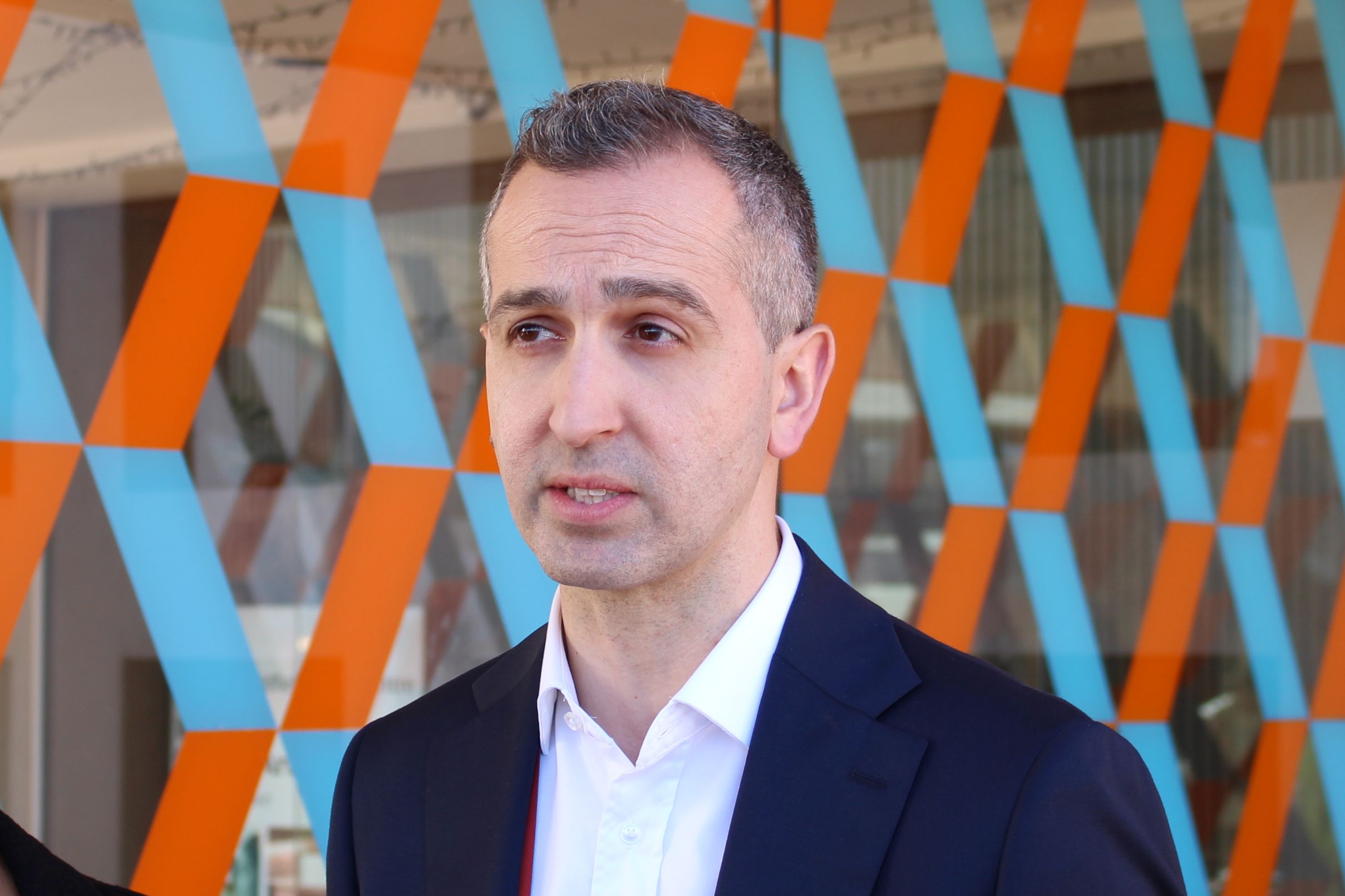
WA Mines Minister Daniel Pastorelli has insisted his government will hold its line on uranium exploration, while launching the latest round of exploration incentive funding.
Business
strange coincidences in the appointment of a judge, a dismissed prosecutor, and a possible conspiracy
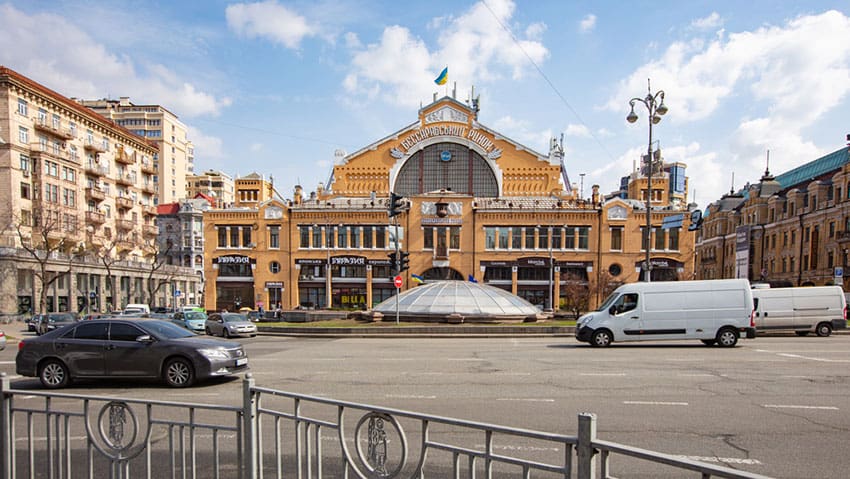
The legal dispute between Kernel Corporation and the state-owned Sense Bank is ongoing. The largest player in Ukraine’s sunflower oil market is seeking to get 1.75 billion hryvnias from the bank. The legal battle is taking place at the Kyiv Commercial Court.
I have already written about why there is a lot wrong with these proceedings. Literally everything about it is strange: how Sense Bank was drawn into the proceedings (even though it shouldn’t have been involved), how the judge was selected, and how the claim was formulated. The question of whether there are grounds for involving Sense Bank remains one of the key issues in the case. It is surprising that this $39 million has absolutely nothing to do with either Sense Bank or the state – yet they may be forced to pay it. It is also crucial to understand that the payment of 1.75 billion hryvnias will be borne by the state budget, either directly or indirectly, because it is clear that the payment of such a sum cannot fail to have a negative impact on the bank’s capital as a whole.
There is currently cause for optimism. If the court proves to be impartial, and the bank and its owner (the state, represented by the Ministry of Finance) make every reasonable effort, the likelihood of a ruling in Kernel’s favour is minimal. But this is precisely where the risks I have already written about arise.
I have reasonable doubts about the randomness of the judge’s selection, about Kernel’s motives, and even about the impartiality of Sense Bank’s senior management. Yes, this is not a ‘suspicion’ in the sense that investigators and prosecutors attach to this word, but simply my own personal assessment. However, I have a substantial body of facts that allows us to view this court case from a different angle. I have already posted some of them; I will present the rest in this text. I would suggest that representatives of the Ministry of Finance and the High Council of Justice (HCJ) pay particular attention to these facts.
A little background
The devil is in the detail, and this whole story is, quite literally, woven from details. All in all, the plot itself sounds implausible – just as a metal pole, a rope and a sheet, taken separately, cannot cross the sea. However, if you tie them together into a single raft using logs and empty plastic containers, and stretch a sheet over the pole, you’ll end up with a viable structure. In my view, that is precisely what Kernel’s lawyers did.
To understand how their case against ‘Sense’ is progressing, one needs to consider the legal intricacies, the characters’ life stories, possible signs of a conspiracy and the large sums of money involved.
I’ll start with the general framework. I have described the substance of the claim in detail, explaining why the Kernel v Sense Bank case is a matter of national importance.
If you don’t want to waste time on the details, here’s the short version. The Kyiv Commercial Court is hearing a claim brought by the Cypriot company Etrecom, which is part of the Kernel Group. The claim has been brought against another Cypriot offshore company, Greatford, which was previously linked to Sense Bank through a common shareholder. At first glance, a Ukrainian court is not required to hear a dispute between two foreign companies. However, Etrecom’s lawyers named the nationalised Sense Bank as a co-defendant and put together a tort claim that was clearly flimsy. As a result, the case fell within the jurisdiction of a Ukrainian court. However, such a claim requires careful judicial assessment as to whether it complies with the rules of jurisdiction and the appropriate remedy.
The dispute centres on a debt of $39 million. Kernel has a fairly long history of dealings with Sense Bank, dating back to when ‘Sense’ was known as ‘Alfa-Bank Ukraine’. The group was a client of the bank, took out loans, and, on the whole, the relationship had been positive. It was precisely on the basis of this positive experience that Kernel, through its company Etrecom, decided to invest its own funds in Loan Participation Notes (LPNs) issued by the Dutch independent fund E.M.I.S. Finance B.V. To this end, it purchased these bonds on the secondary market from Greatford.
Loan Participation Notes (LPNs) from E.M.I.S. were a very good instrument. The Dutch company E.M.I.S. was legally independent of Sense Bank. This ‘money bag’ in the Netherlands collected funds and then channelled them as a loan to ‘Sense’ via the bank’s parent company. The bank used this money to grant loans, and the repayments collected on those loans were eventually intended to be used to service the bonds.
Money was also collected for E.M.I.S. via ‘Sense’. Bonds issued by a Dutch company were offered for sale to clients (investors) of the Ukrainian VIP banking service of ‘Sense’, formerly known as ‘A-Club’. LPNs offered higher returns compared with foreign-currency deposits and foreign-currency government bonds, and also allowed investors to transfer substantial savings out of Ukraine without obtaining the relevant foreign-exchange licences, which was entirely legal, as investors could already receive all LPN payments into accounts held with foreign banks. That is why people were happy to buy them. The buyers included many wealthy families, represented by leading figures in Ukrainian business and senior officials.
As far as I am aware, Kernel’s relationship with Sense Bank and Etrecom’s relationship with Greatford are in no way connected. They merely demonstrate that the Kernel group of companies was closely linked, through economic ties, to the group of companies that included both Sense Bank and Greatford. This is precisely what demonstrates just how insidious such relationships can sometimes be, if one of the parties is able to draw on administrative resources.
Kernel did not register LPNs under any of its numerous companies, nor even under the publicly listed Luxembourg holding company, but under the Cypriot offshore company Etrecom. This offshore company is the financial heart of Kernel; it is through this company that the agricultural holding channels loans, dividends and other cash flows.
Nationalisation took place in July 2023. The Ukrainian government, represented by the Ministry of Finance, has become the new owner of Sense Bank. The Ministry of Finance has announced that it will not recognise the debts of the previous owners. In particular, it prohibited the bank from making payments to E.M.I.S. in respect of the LPN bonds.
However, this was of little significance to Kernel, as E.M.I.S. had undergone restructuring and promised to repay the bonds in 2029–30. All that was left to do was wait.
However, Kernel decided not to wait another three years, but to get the money back straight away. In their claim, the lawyers effectively stated that Sense Bank must pay Kernel 1.75 billion UAH – the hryvnia equivalent of $39 million at the current exchange rate.
It is interesting to note that Etrecom itself claims that there is apparently an LPN repurchase agreement, entered into between Etrecom and Greatford under English law. However, Etrecom failed to fulfil the aforementioned contract and is therefore fully aware that it has no cause of action in England. The court system in Ukraine is therefore an attempt to get round this shortcoming.
Formally, the claim has been brought against the same Cypriot offshore company Greatford, which was once affiliated with Sense Bank. However, all the funds held by this offshore company are frozen as part of criminal proceedings in Ukraine; in other words, they are inaccessible, whereas ‘Sense’ does have funds at its disposal. I think Kernel’s lawyers named the bank as a co-defendant precisely in order to get their hands on the money. Although the state-owned bank has absolutely nothing to do with this debt, it is being led to the gallows and may well be forced to pay.
And, as the icing on the cake, here’s another interesting fact. The recovery of funds from the bank is in no way linked to future LPN payments. The structure of the claims stated rightly raises the question of how the possibility of double compensation will be ruled out in the event of future payments under the LPNs. It cannot be ruled out that Etrecom is attempting to obtain funds twice: first, to recover funds from the bank through a tort claim, and then, at a later date, to receive further funds following the repayment of the LPNs by E.M.I.S.
The legal framework itself is extremely vulnerable. At the same time, it was presented as though it were entirely justified and in accordance with the law. In essence, Etrecom is seeking to use the mechanisms for the protection of infringed rights provided for under Ukrainian law to turn them against the State of Ukraine at this extremely difficult time for the country.
One would like to believe that the Ukrainian justice system will be able to establish the true legal nature of the legal relationship that arose between Etrecom and Greatford, to distinguish between artificially created torts and genuine obligations, and to prevent the financial burden of private investment from being shifted onto the shoulders of a nationalised banking institution
Next, I’ll talk about a few pitfalls in this matter.
Strange coincidences regarding the appointment of a judge
I have already mentioned that Kernel filed the same claim three times, and the case was ultimately assigned to Judge Svitlana Pogribna. It should be noted that she had previously ruled on cases involving companies within the Kernel Group. In recent years, Ms Pogribna has worked at the Commercial Court of Poltava Region, and was seconded to Kyiv for a period of one year to help optimise the court’s caseload.
Perhaps Kernel saw this secondment as a positive sign. If you follow the link, you will find several cases in which Judge Pogribna has already handed down rulings that could be interpreted as having been in the holding company’s favour.
Presumably, the holding company was so keen for her specifically to hear the case that it paid a hefty fee – around $50,000. Whenever the claim was refiled, Kernel paid the court fees. It won’t be able to get some of the money back.
Such extravagance suggests that Kernel may be expecting a much larger win. The question of why the case ultimately ended up before Judge Pogribna may be the subject of a further investigation by the High Council of Justice (HCJ).
In this very moment important to mention, that the public outcry and press attention to this process did not go unnoticed and led to certain consequences – the judge Pogribna was forced to recuse herself.
I understand Kernel’s logic perfectly. $39 million today is worth much more than $39 million in three years’ time. Receiving the money ahead of schedule will more than make up for all the costs. And if, by some miracle, they manage to hold on to the Loan Participation Notes (LPNs) and wait until 2029, they could receive their $39 million again, this time from E.M.I.S.
The very fact that Svitlana Pogribna had already ruled on legal proceedings involving Kernel should have been a ‘compelling’ reason for her recusal from hearing Kernel’s case. However, the judge is continuing to preside over the case. One explanation for this is that she herself considered the application for recusal, found nothing amiss, and ruled that the recusal was unfounded. Which, in itself, raises questions about her motives.
However, the colleague who considered the motion for her recusal supported Pogribna’s position and also rejected the motion.
From notary to judge
The career path of the judge presiding over this case is interesting in its own right. Svitlana Pogribna began her career as a private notary in Kharkiv. Her office was originally located in an industrial and residential area on Plekhanivska Street, but later she moved to the quiet historic centre, near Sumska Street, Teatralna Square and the former Peremohy Square. The area around her office on Gogol Street (later Skrypnyk Street) was home to the offices of numerous companies and a prestigious residential neighbourhood. Working as a notary in such a place was straightforward, prestigious and lucrative. In essence, it is a guarantee of a comfortable life for oneself and one’s family right through to old age.
I don’t know what prompted Ms Pogribna to give up such a golden opportunity and go into the judiciary. She made that decision in 2012, at the height of the Yanukovych era. It is clear that this appointment was not the result of backroom dealings, as she did not hear any politically significant cases. Proof: The Euromaidan took place shortly afterwards, but the lustration process did not affect Pogribna. She weathered the staff purges and integrity checks carried out by the new reformers just as smoothly, following the 2016 judicial reform.
In recent years, Ms Pogribna has worked as a judge at the Commercial Court of Poltava Oblast, even though all her assets were officially still registered in Kharkiv. It was whilst in Poltava that she upheld decisions which could be regarded as beneficial to ‘Kernel’.
An analysis of the [tax] declarations revealed nothing untoward. The judge has not managed to amass a large fortune; her property and car are extremely modest, and she also has a mortgage on the property. And yet, Pogribna’s biography is not without its flaws. In 2020, the National Agency on Corruption Prevention (NACP) received a report alleging that she had breached anti-corruption legislation. However, the case was not heard because, by the time the report was received, the limitation period within which the judge could have been held administratively liable had already expired. It is quite possible that someone carried out a procedural step, but at a time that was extremely favourable to Pogribna, in order to minimise the risks to her.
The question remains: Could Judge Pogribna be a convenient choice for ‘Kernel’ in this particular case? If so, what might her personal motivation have been there? In this regard, I would like to draw your attention to the following two points.
Firstly, Svitlana Pogribna is 61 years old. The age limit for a judge is 65, and she is already frequently on sick leave. Pogribna is due to return to work at the Commercial Court of Poltava Oblast shortly, after which she faces a few more years of routine work before retirement. Her possessions are modest. A judge’s pension is decent by Ukrainian standards, but following yet another devaluation and several years of inflation, the purchasing power of that money will be eroded.
The second point also relates to Svitlana Pogribna’s motivation. The thing is, her son – Oleg – is going through a difficult time at the moment. It cannot be ruled out that helping him might serve as a further incentive [for her] to side with one of the parties in the Kernel v Sense Bank case.
I am not suggesting that Judge Pogribna should automatically be suspected of corruption. On the contrary, the recent sentencing of the former President of the Supreme Court, Vsevolod Kniaziev, was intended to deter judges from deliberately ruling in favour of one of the parties.
Nevertheless, circumstances relating to the judge’s family situation may give rise to heightened public interest in the hearing of this case. Given the scale of the claim and the judge’s personal circumstances, the transparency of her actions in this case should be the subject of close scrutiny by the supervisory authorities.
The case of Oleg Pogribny
The register of decisions of the Qualification and Disciplinary Commission of Public Prosecutors contains Decision No. 180dp-26. The Commission decided to hold him accountable under disciplinary proceedings and to impose a disciplinary sanction in the form of dismissal from his post within the public prosecution service. The Commission adopted the decision on 1 April 2026, and the order imposing the disciplinary sanction is dated 5 May, as stated in the Register of Persons Who Have Committed Corruption or Corruption-Related Offences.
Prior to this decision, the son of Judge Svitlana Pogribna had held the post of prosecutor at the Luhansk Specialised Prosecutor’s Office for Defence in the Eastern Region since July 2024. Judging by the text of the decision, complaints against him were lodged simultaneously by several former colleagues. The case was heard over several months and ended in dismissal.
The document states that his actions bore the hallmarks of a criminal offence relating to corruption. The Specialised Prosecutor’s Office for Defence in the Eastern Region has established that he:
“demonstrated a lack of integrity in the course of his official duties, breached restrictions on personal contacts and relationships that could compromise the office of a prosecutor, and engaged in conduct that could give the impression of corruption; in particular, he entered into an off-duty relationship with one of the individuals involved in criminal proceedings No. (confidential information), with whom, during private conversations via the ‘Signal’ messaging app from 1 March 2025, he discussed and planned his assistance in the unlawful removal from military registration of draft-age persons liable for military service, as well as influencing officials at the territorial recruitment and social support centres (hereinafter referred to as ‘TRSSC officials’) with the aim of obtaining an unlawful benefit in return for their entry of false data into the Unified Electronic Register of Conscripts, Persons Liable for Military Service and Reservists ‘Oberig’ (hereinafter referred to as the ‘Oberig’ register)’.
If I have understood it correctly, Prosecutor Pogribny helped someone evade conscription by exploiting his position as a prosecutor. It would appear that he wasn’t doing it for free. According to the decision of the Qualification and Disciplinary Commission of Public Prosecutors, Oleg Pogribny’s actions were deemed to breach the restrictions on personal ties and to give the impression of corrupt practices.
It is possible that the Office of the Prosecutor General was referring to these very incidents when it carried out a secret integrity check on Prosecutor Pogribny in 2025. “According to the findings of the aforementioned investigation, O.I. Pogribny’s integrity has not been confirmed,” states the official statement from the OPG, which I have in my possession.
Oleg Pogribny appealed against the decision to impose disciplinary sanctions at the High Council of Justice, but from the outset this appeal had little chance of success. In his declarations of integrity as a prosecutor for the periods 2023–2024, 2024–2025 and 1 January 2025–19 March 2026, he stated that he had not engaged in any corrupt practices and had not used his position as a prosecutor for his own benefit or that of third parties. However, reality has proved otherwise. The trouble came from an unexpected source. Somewhere in the Lviv Region, investigators searched a car in which they found a smartphone containing correspondence.
The decision of the Qualification and Disciplinary Commission of Public Prosecutors refers to the same correspondence on ‘Signal’. This is the main piece of evidence on which the decision of the Qualification and Disciplinary Commission of Public Prosecutors was based.
Here is just one of the quotes: “Thus, during an examination of the mobile phone seized on 9 April 2025 from a Volkswagen Passat (registration number withheld – confidential information) used by PERSON 3, correspondence dated 1 March 2025 was discovered, in which O.I. Pogribny asked PERSON 3 to cancel the summonses issued to an unidentified person registered with the Saltiv Territorial Centre of Recruitment and Social Support (TCR and SS) in the city of Kharkiv. During this conversation, PERSON 3 informed O.I. Pogribny that such actions would require a payment of between 4,000 and 5,000 US dollars and that this could be arranged through the TCR and SS located in the city of Lviv. Subsequently, PERSON 3 sent further information to O.I. Pogribny, stating that a total of between 6,000 and 7,000 US dollars would be required to have the summons cancelled, the wanted notice withdrawn and the place of registration changed (photos Nos. 1–11)”.
Because of this case, the former prosecutor has already made the headlines for all the wrong reasons. He himself claims that there was nothing at all suspicious about the correspondence, although I personally didn’t see it that way. And it’s not just me that didn’t see it that way.
Just a few days ago, on 16 July, a meeting of the HCJ took place. The High Council of Justice considered Oleg Pogribny’s appeal, as well as his application to postpone the hearing. The former prosecutor argued that he had been called up for military service and was therefore unable to attend the hearing in person. That’s certainly true. The order for his dismissal from the Public Prosecutor’s Office is dated 5 May, and the day before (4 May) he joined the National Guard.
This argument has worked twice. The HCJ adjourned the hearing of the Pogribny case on 18 June and 2 July 2026. However, on this occasion, the HCJ refused to adjourn the session or suspend the proceedings, taking the view that the matter could be considered in his absence. The Council also noted that the former prosecutor is not in a combat zone, and this does not prevent him from taking part in the hearing; in view of this, the suspension of the consideration of his appeal is unfounded. The meeting was attended by representatives of the General Inspectorate of the Office of the Prosecutor General, the Qualification and Disciplinary Commission of Public Prosecutors and the Specialised Prosecutor’s Office for Defence in the Eastern Region – representatives from all levels of the prosecutorial hierarchy who were involved in the decision to dismiss Pogribny.
Those present at the meeting examined the case file and upheld the decision of the Qualification and Disciplinary Commission of Public Prosecutors. Oleg Pogribny is still considered to have been dismissed on the grounds of “conduct that brings the office of prosecutor into disrepute and may cast doubt on his objectivity, impartiality and independence, as well as on the honesty and integrity of the prosecution service; and systematic (on two or more occasions within a single year) breaches of the rules of prosecutorial ethics”.
What’s more: As stated by Mr Pogribny’s lawyer and the prosecutors present, a criminal case has been opened in relation to the facts that have come to light, and is being investigated by the State Bureau of Investigations. For the time being, this is a case based on the facts under Part 2 of Article 369 of the Criminal Code of Ukraine, concerning the exertion of influence on a public authority; the former prosecutor appears in the case as a witness. I’m no expert, but I imagine that as the case progresses, Pogribny’s status may change from that of a witness to that of a suspect. In that case, a combination of offences under the Criminal Code may apply, specifically abuse of influence (if he exerted pressure on TCR staff in the interests of third parties), receiving an unlawful benefit (if he received money in return) and aiding and abetting evasion of mobilisation.
Yes, there is a statute of limitations on prosecution under these sections, and this offers a chance to avoid punishment – just as in the case of Judge Pogribna. I suspect that the former prosecutor’s service in the National Guard may have been an attempt to drag out the proceedings in order to buy time.
So, we have a proven fact: the son of Judge Svitlana Pogribna was dismissed from the prosecution service for unacceptable behaviour that brings the office of prosecutor into disrepute. The decision withstood the appeal.
What does this mean in the context of the Kernel v Sense Bank case? There is certainly no direct link, but questions arise regarding Judge Svitlana Pogribna’s motives.
Any mother would want to help her son sort out his problems, even if he’s in the wrong. Dismissal from the Public Prosecutor’s Office means the end of one’s career and, almost certainly, the impossibility of returning to the service in the future. For its part, the criminal case looks set to have even bleaker prospects. The situation is critical, and Oleg Pogribny could do with some help to ensure that the civil case never turns into a criminal case against him. I think this situation presents a serious temptation for Judge Svitlana Pogribna to consider, at the end of her judicial career, the possibility of handing down a decision in favour of Kernel that is not in the public interest. I repeat, this is merely a reasonable assumption, but it calls for reasonable caution.
Possible collusion with the bank
I cannot overlook another important aspect.
The incredible audacity with which Kernel is taking the state to court may be explained by a traditional Ukrainian phenomenon – an agreement between the agricultural holding and the top managers of Sense Bank. I don’t usually doubt the integrity of officials at state-owned banks. However, the Mindich case has added a new dimension to the picture of the leadership of the nationalised Sense Bank, in particular that of Oleksiy Stupak, Chairman of the Management Board, and Mykola Hladyshenko, Chairman of the Supervisory Board. I wrote that a whole series of systemic irregularities had been uncovered in the bank’s operations, which can be attributed to deliberate actions on the part of management. So far, these breaches have had no consequences for the management of ‘Sense’, but this will not last forever.
I suspect there may have been an agreement between Kernel and the senior management of Sense Bank. For example, to ensure that the bank loses the case and pays 1.75 billion hryvnias to the agricultural oligarchic group.
To reiterate, this is not an accusation or a suspicion in the legal sense. This is an assumption based on my many years’ experience as a financial journalist. I have come across similar cases on more than one occasion. Usually, this is how it went. A state-owned company or agency has been locked in fierce legal battles, for example, with an oligarch’s company. But at the crucial moment, either the documents turned out not to be in order, or the representative of the state-owned company failed to appear in court, or the lawyers did not show sufficient resolve during the hearing – and the case was lost.
It was the bank’s strange stance that led me to suspect a possible conspiracy. It is reflected in two aspects.
Firstly, the bank’s lawyers are vigorously contesting Kernel’s claim and are preparing documents to support the state’s position. However, ‘Sense’ strangely ignores the fact that the case is being heard by Judge Svitlana Pogribna. It is precisely her involvement in the case that should have caused the state-owned bank the greatest concern.
To reiterate, whilst serving as a judge at the Commercial Court of Poltava Region, she repeatedly handed down rulings that could be regarded as favourable to the Kernel Group’s business interests. The claim itself, for 1.75 billion hryvnias, coincided, surprisingly, with her annual business trip to the Kyiv Commercial Court. The judicial ‘merry-go-round’ went round three times before the case ended up in Pogribna’s hands. It would seem to be highly telling, and the lawyers at ‘Sense’ should have sought the judge’s recusal on the basis of a number of circumstantial indications. But they ignored this opportunity, thereby calling the entire outcome of the case into question.
Secondly, the bank has made no public mention of the 1.75 billion hryvnia claim. But this is by no means a technical legal process.
We must be fully aware that one of Ukraine’s three largest agricultural groups is attempting to extract money from a state-owned bank in a case to which the bank has no connection. In cases such as these, public engagement is often far more important than legal action. A united stance by the state could halt such a lawsuit within an hour, and even turn the situation around in the public interest.
However, so far I am the only one writing about this process. The bank, the Ministry of Finance, the National Bank and the Office of the President have not issued any statement regarding Kernel’s lawsuit. It is possible that this silence can be explained by the bank’s management’s stance. They are obliged to sound the alarm and knock on the right doors, but they are not doing so. And this is where I believe a conspiracy is a possibility, as one of many scenarios, and the lack of an active public stance on the part of Sense Bank and the Ministry of Finance regarding this lawsuit may give rise to public debate and calls for a response from the state authorities.
It appears, therefore, that the prospects of the case being decided in Kernel’s favour are increasing sharply, whilst a victory for the agro-oligarchic group in court is highly undesirable for the state-owned bank and for Ukraine as a whole. Not only will it cost the state budget 1.75 billion hryvnias, but it will also set a precedent for all holders of LPN bonds to take legal action against Sense Bank. And this represents a potential risk amounting to many billions of hryvnias. This will have an impact on Ukraine’s budget and its commitments to the IMF and the EU (the programme focuses on risk mitigation and the privatisation, rather than the recapitalisation, of state-owned banks).
The mere fact that this claim was being discussed publicly would have spared ‘Sense’ many surprises. In fact, the claimant’s position in this case is contentious, and it is impossible to win it without outside ‘help’. Even if the court rules in its favour, Kernel stands to lose its reputation. And if the case is won at first instance, it will almost certainly go to the Supreme Court, where, following the Kniaziev case, the chances of recovering 1.75 billion hryvnias from the state are slim. But all this would only apply in the event of public disclosure, which has not yet taken place.
I apologise in advance should my hypothesis prove to be incorrect, and should the senior management of the state-owned Sense Bank be making a sincere effort to rule out the very possibility of the recovery of 1.75 billion UAH, to which it has absolutely no connection. But a single action is worth a thousand words. I hope that, in the near future, ‘Sense’ and the Ukrainian government will launch a public campaign to make the recovery of $39 million impossible.
Business
Uber Revenue Climbs 12% to $14.2 Billion as Delivery Growth Offsets Weak Q3 Guidance Here’s Why

Uber Technologies reported higher second-quarter revenue and profit Wednesday, driven by continued growth in its delivery business and record trip volumes, though shares came under pressure after the company issued third-quarter guidance that fell short of Wall Street’s expectations.
The ride-hailing and delivery company posted revenue of $14.19 billion for the quarter ended June 30, up 12% from $12.65 billion a year earlier, though the figure came in just below the $14.24 billion analysts had expected, according to estimates compiled by LSEG. Net income attributable to Uber climbed to $2.39 billion, or $1.17 per diluted share, up from $1.36 billion, or 63 cents per share, in the same period last year. That result included a $1.6 billion pre-tax benefit tied to the revaluation of Uber’s equity investments, a factor that makes the company’s adjusted, non-GAAP earnings a more direct measure of underlying operating performance. On that basis, Uber posted earnings of 81 cents per share, matching analyst expectations exactly.
Bookings and Trips Outpace Revenue Growth
Gross bookings, the total dollar value of rides, delivery orders and freight activity processed on Uber’s platform, rose 24% year over year to $58.0 billion, or 22% on a constant-currency basis, comfortably topping the $57.23 billion average analyst estimate. Total trips across the platform grew 18% to 3.87 billion, driven by a 16% increase in monthly active platform consumers, which reached 208 million during the quarter.
Uber’s core mobility segment generated $7.36 billion of the quarter’s revenue, with mobility gross bookings rising 22% year over year to $28.99 billion. The delivery segment contributed $5.25 billion in revenue, with delivery gross bookings jumping 26% to $27.46 billion, making it the fastest-growing major segment of the company’s business during the quarter. The company noted that revenue growth trailed bookings growth in part because business model changes reduced its reported and constant-currency revenue growth rates by roughly eight percentage points during the period.
Profitability Continues to Improve
Beyond the headline revenue and earnings figures, Uber highlighted continued expansion in its underlying profitability metrics. Adjusted EBITDA grew 33% to $2.82 billion, while non-GAAP operating income rose 40% to $2.14 billion, up from a year earlier. The company’s GAAP operating margin expanded to approximately 13.3% of revenue, up from 11.5% in the prior-year period, while non-GAAP operating income as a share of gross bookings rose to 3.7% from 3.3%.
Operating cash flow increased 12% to $2.86 billion, and after accounting for $70 million in capital expenditures, free cash flow reached $2.79 billion, up 13% from a year earlier. Chief Financial Officer Balaji Krishnamurthy said in a statement that the company’s trailing twelve-month free cash flow exceeded $10 billion for the first time in Uber’s history, a milestone he pointed to as evidence that the company continues to convert strong top-line growth into faster earnings and significant cash generation.
CEO Points to Record User Growth
Uber CEO Dara Khosrowshahi framed the quarter as further evidence of the company’s expanding platform advantage, saying in a statement that Uber’s platform advantage continues to compound, citing record consumers and engagement alongside profitable growth across the business. Khosrowshahi added that the company added more first-time users over the past twelve months than in any period over the past five years, and said Uber is investing from a position of strength as it works to accelerate its cross-platform strategy globally and build what he described as the world’s largest platform for autonomous vehicles.
Speaking separately about the company’s autonomous vehicle ambitions, Khosrowshahi said that as the industry shifts from proving the technology to commercializing it at scale, Uber is building one of the most valuable positions in the AV ecosystem. That comment came against a backdrop of some uncertainty in Uber’s autonomous vehicle partnerships, after the company and Waymo recently confirmed they would end their exclusive robotaxi arrangement in Atlanta and Austin, Texas, by early 2028, opening the door for Uber to pursue additional autonomous vehicle partners in those markets.
Guidance Falls Short of Expectations
Despite the quarter’s overall strength, Uber’s stock came under pressure following the release of its third-quarter outlook, which trailed Wall Street’s expectations on both bookings and earnings. The company projected third-quarter gross bookings in a range of $58.25 billion to $60.25 billion, with a midpoint of $59.25 billion that fell just short of the $59.33 billion analysts had been expecting. Uber also guided to non-GAAP earnings per share of 84 to 88 cents for the quarter, a range whose midpoint landed below the 89-cent average analyst estimate.
The relatively cautious forward guidance, paired with a quarter that saw revenue narrowly miss expectations even as bookings and profitability metrics beat forecasts, illustrated the mixed signals investors were left to weigh following the report, despite otherwise strong underlying operational performance across the company’s core mobility and delivery businesses.
Corporate Costs Rise Alongside Growth
Not every metric moved in Uber’s favor during the quarter. Corporate general and administrative expenses, along with platform research and development costs not directly attributable to individual business segments, rose 18% to $1.10 billion, up from $935 million a year earlier, reflecting the broader scale of investment underpinning the company’s growth initiatives, including its expanding push into autonomous vehicle technology. The company also noted that adjusted EBITDA, historically one of its most closely watched metrics, is no longer considered a key measure by management, as Uber continues transitioning toward newer non-GAAP measures for evaluating its performance going forward.
Uber hosted a conference call with analysts following the release of its results to discuss the quarter’s performance in greater detail, including further color on its third-quarter outlook and the company’s broader strategic priorities heading into the back half of 2026. With gross bookings and trip volumes continuing to significantly outpace reported revenue growth, and free cash flow generation reaching a new company milestone, investors are likely to continue closely watching how Uber balances its aggressive investment in areas like autonomous vehicles against the underlying profitability trends that have increasingly defined the company’s recent quarterly results.

Yes. Corporate subscriptions are available for teams and organisations, with discounted rates as user numbers increase. Pricing starts from $1,625 + GST per user.
Get in touch
to discuss the right option for your organisation.
Business News subscriptions are used by executives, investors, consultants and professionals who need to stay informed and make better decisions about the WA market. When you subscribe you’ll get
- Unlimited access to WA’s most trusted business journalism
- Data & Insights — detailed profiles of WA companies, people, projects and deals
- MyBN — a personalised feed based on the companies, people and sectors you follow
- Special publications and industry reports
- Daily and weekly email newsletters
Data & Insights is a research tool built specifically for the WA market. It draws on more than 30 years of Business News reporting, updated regularly to reflect what’s happening now. Use it to:
- Look up detailed profiles of WA companies, including financials, directors and ownership
- Find decision-makers and track their career movements
- Research live and completed projects across WA industries
- Monitor deals, appointments and market activity
- Access industry rankings and league tables
Data & Insights is updated daily by our dedicated research team, which uses the latest announcements, ASX filings and editorial coverage to keep our person, company, list and project records up to date.
Business News welcome all opportunities to make our dataset accurate, complete and current, so if you have an update request, please email the team at
general@businessnews.com.au, and we’d be happy to assist.
MyBN
is part of every subscription. It’s your personalised view of Business News. You can follow the companies, people, sectors and projects that matter to you, and get a news feed and alerts tailored to your interests. You can save articles to read later and retain only what you need.
Only subscribers have full access to all content on the Business News website.
If staying informed about the WA economy is part of your job, and/or you’re looking for networking opportunities in WA, Business News is built for you.
Business News subscribers are:
- Executives and directors tracking competitors, clients and market movements
- Investors and advisers researching companies, deals and industry trends
- Consultants and professionals staying across sectors relevant to their clients
- Business owners looking for leads, context and market intelligence
Most Business News publications cover national or global markets. Business News is focused entirely on Western Australia, which means the journalism, the data and the intelligence are all built around WA companies, people and projects — not adapted from a national feed. Data & Insights, included with every subscription, combines more than 30 years of WA-specific editorial research with live business data. There’s no comparable product for the WA market.
The Morning Digest Email provides a comprehensive wrap of the major headlines, relevant to WA business, and includes with a snapshot of the overnight news covering oil, gold and ASX-listed companies.
The Afternoon Wrap Email focuses on the news covered by our team of journalists during the course of the working day, including exclusive stories and analysis, all of which relates to WA business and the local economy.
The BN Weekender Email contains a wrap of the Business News from the week that was, highlighting the top stories in each area of WA business.
Sign up for free.
We’re happy to help.
Get in touch
and our team will come back to you.
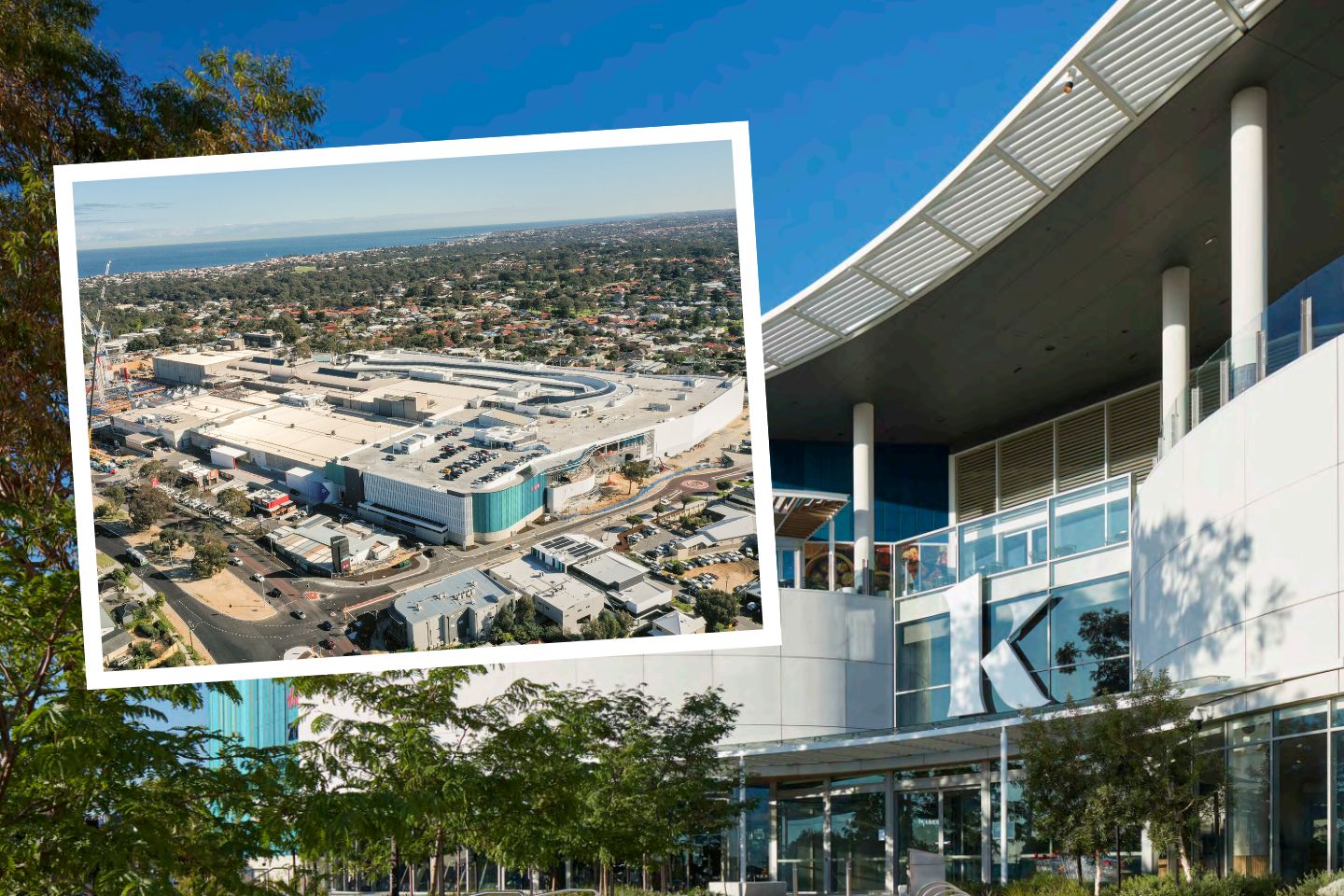
GPT Group is set to spend $27 million to increase the number of car parking bays at Karrinyup Shopping Centre to almost 5,000.


I’m a retail investor based in Sydney with three years of experience focusing on achieving financial independence through strategic investments in AI-driven companies. Although I don’t come from a traditional finance background, I’ve developed a strong passion for understanding how artificial intelligence is transforming the global economy. Over the past few years, I’ve become increasingly fascinated by the possibilities of AI—how it’s reshaping industries, driving innovation, and creating new investment frontiers. My portfolio is primarily centered around leading AI-related companies such as NVIDIA and others at the forefront of this technological revolution. I believe we’re only in the early stages of AI’s impact, and the coming decade will present remarkable opportunities for both retail and institutional investors. My goal is to continue learning, sharing insights, and building long-term wealth by investing in the technologies shaping our future.
Analyst’s Disclosure: I/we have a beneficial long position in the shares of AMD either through stock ownership, options, or other derivatives. I wrote this article myself, and it expresses my own opinions. I am not receiving compensation for it (other than from Seeking Alpha). I have no business relationship with any company whose stock is mentioned in this article.
Seeking Alpha’s Disclosure: Past performance is no guarantee of future results. No recommendation or advice is being given as to whether any investment is suitable for a particular investor. Any views or opinions expressed above may not reflect those of Seeking Alpha as a whole. Seeking Alpha is not a licensed securities dealer, broker or US investment adviser or investment bank. Our analysts are third party authors that include both professional investors and individual investors who may not be licensed or certified by any institute or regulatory body.

Liberty Metals chair Nicholas Katris has welcomed the junior’s board appointment of experienced North American resources executive, Steve Letwin
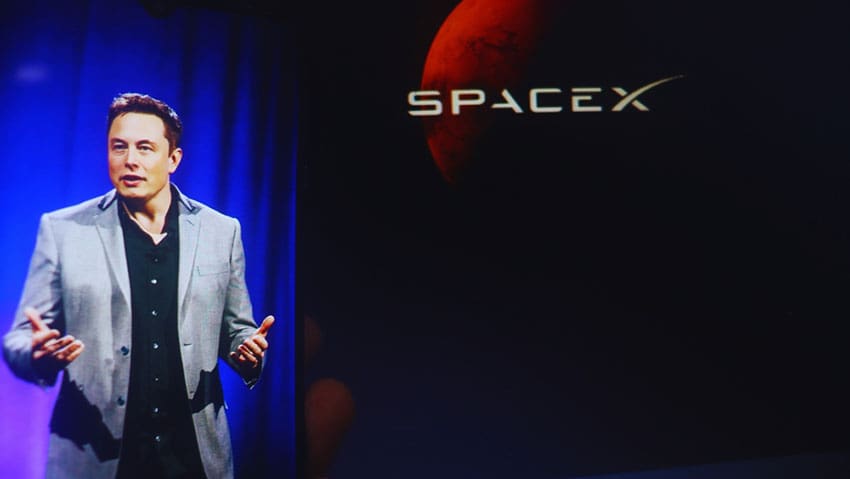
SpaceX reported revenue of $7.8 billion for the second quarter, up 92 per cent on the same period a year earlier, in its first earnings report since its June flotation. The figure was ahead of analysts’ average estimate of $6.8 billion.
The company said its net loss for the quarter narrowed to $541 million, from $1 billion a year earlier. Capital expenditure was $18.4 billion, in line with analysts’ average estimates.
Shares in the satellite, rockets and artificial intelligence company were trading down $8.49, or 6.9 per cent, at $116.77 in after-hours trading on Wall Street, valuing the business at $1.7 trillion. SpaceX floated at $135 a share in mid-June.
The stock rose in the first few days after the initial public offering, temporarily making Elon Musk the world’s first trillionaire. SpaceX has since lost more than $1 trillion in market capitalisation, and in July the shares fell below their $135 float price for the first time, leaving UK retail investors who put £271 million into the offering nursing paper losses.
The shares have come under pressure amid concern about the end of a lock-up on 6 August, when some employees and early investors will be able to sell. Investors have also been seeking more clarity on the AI business and a potential merger with Tesla, Musk’s electric vehicle company.
Starlink drives growth
Most of SpaceX’s revenue last year came from Starlink, its satellite internet service, and the company’s quarterly results statement shows the division continued to drive growth. Starlink delivered $4.3 billion in the quarter, up 66 per cent year on year.
SpaceX said it reached 12 million subscribers by the end of the second quarter, double the figure a year earlier. It also said it had been awarded more than $6 billion in US government contracts for Starshield, a version of Starlink providing a classified and encrypted signal. Government demand for the technology extends beyond the United States: the Ministry of Defence has spent £16.6 million with Starlink over four years, largely on terminals for Ukrainian forces and British personnel.
The AI business, which includes xAI, the Grok chatbot, the social media platform X and a data centre operation, has been the company’s largest area of investment. AI revenue rose 247 per cent year on year to $2.56 billion, while losses narrowed to $1.3 billion from $1.5 billion.
Space revenue grew 29 per cent year on year to $962 million, while losses in the division widened to $542 million from $369 million. The segment covers commercial launches, government missions and development of Starship. SpaceX said space revenues were supported by a “higher number of large customer launches” compared with a year earlier.
Bret Johnsen, SpaceX’s chief financial officer, said revenue growth “accelerated across all our business segments”.
From rockets to conglomerate
Musk, 55, founded SpaceX in Hawthorne, California, in 2002 as an aerospace manufacturer and space transportation company, with the stated goal of reducing launch costs to enable the colonisation of Mars. He has since built it into the world’s largest rocket business by launching thousands of Starlink satellites and developing reusable rockets.
The group disclosed its finances for the first time in May, reporting revenue of $18.7 billion for 2025 and a net loss of $4.9 billion, ahead of a listing that ranks as the largest in stock market history. Further segment data is published on the SpaceX investor relations site.
Musk has said he plans to build a city on the moon and put data centres in space.

Amy Ingham
Amy Ingham is a reporter at Business Matters, covering UK business news with a focus on breaking news, business policy, late payments and insolvency. She joined the magazine in 2026 after completing the NCTJ Diploma in Journalism at Harlow College’s journalism school. Her recent reporting includes British Steel’s nationalisation and its impact on SME suppliers, the decline in late payments by large firms, and Insolvency Service director disqualifications. Reach her at aingham@cbmeg.co.uk.
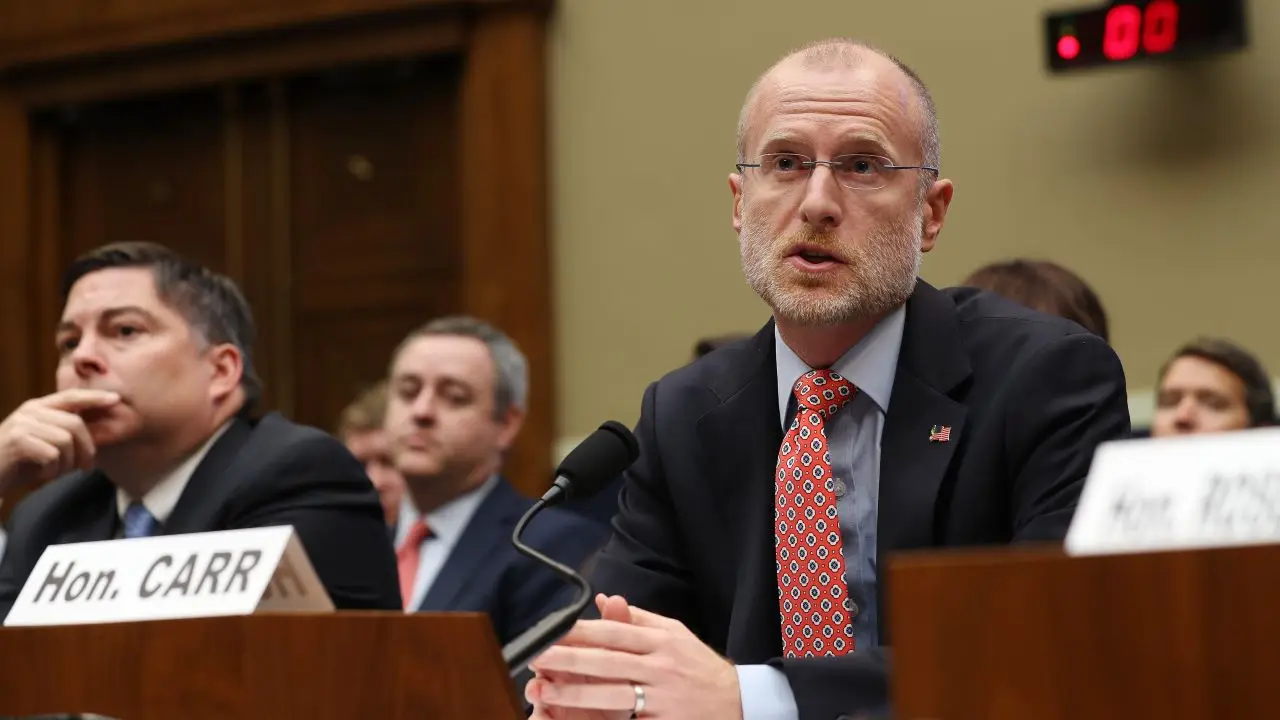
FCC Chairman Brendan Carr discusses ABC’s censorship accusations, national security bans on foreign power products, the stalled Paramount-Warner Bros merger and more on ‘Mornings with Maria.’
Some government regulations become outdated. Others become absurd. The FCC’s national television ownership cap has become both. For decades, Washington banned local television broadcast groups from reaching more than 39% of American households. The rule was built for a media world from the last century–a world of limited viewing options, a handful of networks, a captive audience with nowhere else to turn.
That world no longer exists.
Americans now get news, information, and entertainment from countless sources: YouTube, Netflix, TikTok, Facebook, Instagram, X–and also traditional TV. They consume content from global companies with market caps larger than the GDP of most countries.
And where are those companies headquartered? The coasts, from New York to San Francisco. They don’t care about the middle of this country. They don’t cover it. They don’t reflect it.
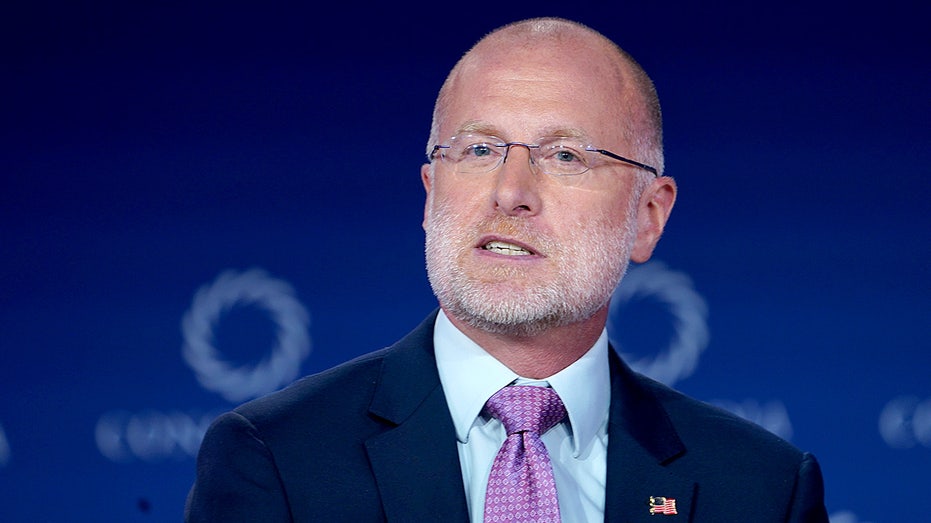
Federal Communications Commission Chairman Brendan Carr speaks onstage during the 2025 Concordia Annual Summit at the Sheraton New York Times Square in New York City on Sept. 22, 2025. (John Lamparski/Getty Images for Concordia Annual Summit / Getty Images)
Last month, several national TV networks refused to air President Trump’s primetime address on foreign adversaries meddling in American elections. That’s the media establishment in action, coastal elites deciding what you’re allowed to see.
FCC Chairman Brendan Carr is fighting back.
The commission recently advanced an order to repeal the national cap, a move that signals it is finally ready to confront one of the most indefensible media rules still on the books.
If Congress proposed capping Netflix at 39% of American households tomorrow, it would be laughed out of the room. But impose the same limit on broadcasters, and Washington’s regulatory class acts like it makes perfect sense.
The national cap is not a free-market policy, a conservative policy, or even a serious competition policy. It is the government picking winners and losers, tying one set of competitors down while everyone else runs free.
That is exactly the kind of government distortion conservatives have spent decades fighting.
Federal Communications Commission Chairman Brendan Carr joins ‘Mornings with Maria’ to discuss the FCC’s probe into soaring NFL streaming costs, an investigation into ABC’s ‘The View’ over equal time rules and a push for patriotic programming.
The cap’s defenders act like the internet never happened. Their arguments are self-serving and frozen in time. They warn about broadcasters getting too big while shrugging at trillion-dollar Big Tech firms that dominate digital advertising, online video, and the modern flow of information. They fret over local television stations while handing a free pass to companies with global reach and unchecked power.
The media marketplace has changed beyond recognition. The rules governing broadcasters have not.
Carr’s FCC is ready to fix that.
Repealing the cap won’t hand broadcasters a special favor. It will remove a government-imposed handicap. Broadcasters will still compete and have to win viewers, attract advertisers, and produce content people actually want to watch. They will simply do so under rules that reflect modern reality, not assumptions from a dead era.
Modernizing these rules won’t solve every problem facing local television. But it will eliminate a government-made barrier that serves no meaningful public-interest purpose. It will give local broadcasters the ability to push back against coastal elites and deliver the news Americans actually deserve to hear, not what’s filtered through a New York newsroom.
Carr deserves major credit for finally forcing this relic of media policy into the real world.
Business
SpaceX Beats Earnings Forecasts as Musk Warns Memory Chip Prices Will Keep Rising on AI Demand This Week

Space Exploration Technologies Corp. delivered stronger-than-expected results in its first earnings report as a public company on Tuesday, but shares fell sharply in after-hours trading as investors focused on soaring artificial intelligence spending rather than the revenue beat, while CEO Elon Musk used the call to warn that a global memory chip shortage could keep prices elevated for years.
SpaceX, which began trading on Nasdaq under the ticker SPCX following its initial public offering in mid-June, reported second-quarter revenue of $7.8 billion, a 92% increase from a year earlier and well above the market forecast of roughly $6.93 billion. Despite the beat, shares fell more than 7% in after-hours trading following the earnings release, extending a decline that has left the stock well below its IPO price in the weeks since the company’s record-setting debut.
Capital Spending Spooks Investors
The market’s negative reaction centered on the scale of SpaceX’s capital expenditures, which reached $18.4 billion for the quarter, roughly a sixfold increase from a year earlier and an 81.7% jump from the $10.1 billion spent in the first quarter. Of that total, $15.8 billion was directed toward the company’s artificial intelligence operations, a division that posted a $1.3 billion net operating loss for the period. SpaceX indicated that spending in the third and fourth quarters would likely remain at similarly elevated levels, a signal that appeared to unsettle investors already weighing questions about the sustainability of the company’s AI ambitions following its record $1.75 trillion valuation at the time of its IPO.
Musk Lays Out a Long-Term Vision
During the call, Musk outlined an ambitious roadmap for the company’s growth, including plans to launch a Starlink mobile service by the end of 2027, build lunar rocket-launch infrastructure by 2028, and reach $1 trillion in annual revenue by 2030. He also said the company could not rule out the possibility that Starlink would eventually provide most of the world’s internet access, adding that such a scenario was not something in the very distant future but less than a decade away. Musk further said the company plans to launch its Starship spacecraft at least once a day starting roughly a year from now, positioning the vehicle as a key driver of long-term growth for the space business.
Despite the scope of that vision, investors appeared largely unmoved, with the stock’s decline reflecting continued concern over the pace of AI-related spending and the looming expiration of employee share lockups, set to release as many as 911.5 million additional shares on Aug. 7 according to analysts at Deutsche Bank.
Communications and AI Businesses Drive Growth
Within SpaceX’s results, the communications segment, which includes the Starlink satellite internet service, led revenue growth, rising 66% from a year earlier to $4.29 billion. Starlink subscribers doubled over the past year to reach 12 million, with the service now deployed across 170 markets following the launch of more than 10,000 satellites into low Earth orbit. Revenue from the company’s AI business, which SpaceX has described as a future core operation, surged 250% to $2.56 billion, while the traditional space launch business grew 29% to $962 million.
Musk also addressed the company’s chip strategy directly, stating that SpaceX’s data centers would be built exclusively on Nvidia chips, a comment that sent shares of rival chipmaker AMD lower in after-hours trading even as AMD posted its own strong results the same day.
A Warning on Memory Chip Prices
Perhaps the most closely watched moment of the call came when Musk addressed the global memory chip market, arguing that current supply constraints represent the central bottleneck facing continued AI infrastructure expansion. Musk said memory chip production is increasing by roughly 20% annually, while demand is surging by more than 200%, a gap he said would keep prices climbing rather than falling under basic economic principles, directly rebutting a “memory peak-out” theory that had circulated among some market analysts in recent months.
The comments echoed remarks Musk made during Tesla’s second-quarter earnings call last month, when he said memory was currently in short supply and specifically thanked Micron Technology for allocating memory to the company, along with expressions of gratitude toward TSMC and Samsung Electronics. Industry observers noted that Musk’s willingness to name specific suppliers and express public gratitude during an earnings call was unusual, and some analysts suggested it reflected the growing dependence of Musk’s broader business empire on the AI semiconductor supply chain.
Musk’s remarks triggered a swift reaction across memory chip stocks. Micron shares closed up more than 7% following the comments, while American depositary receipts of South Korea’s SK Hynix also advanced in New York trading. Analysts at consulting firm Deloitte have separately forecast that global memory chip sales could exceed $1 trillion in 2027, up sharply from approximately $230 billion in 2025, with memory supply tightness potentially persisting into 2029 or 2030 if hyperscale cloud providers continue expanding their data center investments at current rates.
AMD Posts Its Own AI-Driven Surge
SpaceX’s results arrived alongside a strong earnings report from AMD, which has emerged as a leading rival to Nvidia in the AI chip market. AMD reported second-quarter data center revenue of $6.72 billion, more than double the figure from a year earlier, driven by robust demand tied to AI infrastructure buildouts. The company forecast third-quarter revenue of $13 billion, above the market consensus estimate of $12.52 billion, citing continued growth in demand from large-scale AI data center expansion.
A Broader Signal for the AI Supply Chain
Taken together, the results from SpaceX and AMD reinforced a broader theme among analysts covering the AI infrastructure buildout: that demand for the underlying chips and memory components powering artificial intelligence systems continues to outstrip available supply, even as some individual companies face investor skepticism over the scale and pace of their own capital spending. For SpaceX specifically, the coming quarters are likely to remain a focal point for investors weighing the company’s long-term growth ambitions against the near-term financial strain of its aggressive AI infrastructure investments.

More than 600 households lose power after substation fire in Cambridgeshire town

No uranium rethink for new mines minister

AI agent token AI16Z, once worth $2.4 billion, ends with founder calling it ‘dead’


-

 Business7 days ago
Why Trees Belong on the Risk Register
-

 Fashion5 days ago
Weekend Open Thread: Wit & Wisdom
-

 Politics5 days ago
Meta enters AI-training agreement with far-right ‘propaganda rag’ Newsmax
-

 Politics7 days ago
Reform UK betrays West Mids residents by running from party pledges
-

 Politics3 days ago
Zack Polanski: an incitement to murder Nigel Farage?
-

 Crypto World4 days ago
MicroStrategy Post-Earnings CLARITY Act Push Could Add New Catalyst for Its Stock
-

 Crypto World4 days ago
XRP Ledger v3.3.0 brings five institutional features
-

 News Videos6 days ago
Bitcoin Enters the 3rd Stage of the Bear Market
-

 Politics6 days ago
Luke Littler’s dominance sparks GOAT debate
-

 Sports5 days ago
Seema Kaliramna Wins Discus Throw Bronze, Takes India’s CWG Medals Tally To 17
-

 Crypto World4 days ago
New York sues Kalshi over prediction market gambling
-

 Crypto World3 days ago
Crypto PAC spending tops $2M in Michigan House race
-

 Tech7 days ago
Gemini can now summarize the messiest comment threads in Google Docs
-

 Business5 days ago
Trump Announces Hamas Disarmament Agreement as Iran Strikes Kuwait Air Base and US Attacks Pause Overnight
-

 Tech3 days ago
ESET tracks rise in malicious AI skills and adaptable malware
-

 Business2 days ago
DTCR: Deleveraging And A Hedge Fund Collapse Point To A Possible AI Bottom
-

 Tech5 days ago
Gemini Spark can now use Chrome logins and saved passwords to run errands on your behalf
-

 Tech5 days ago
Building A Reproduction PlayStation Motherboard
-

 Crypto World5 days ago
3 Fed Officials Just Explained Their Rate Hike Vote: Is Inflation Winning?
-

 Sports7 days ago
Sakshi, Arundhati Enter Boxing Semi-Finals. India Assured Of 18 Medals At CWG 2026
You must be logged in to post a comment Login