

Business
Full Schedule, Presale Times and Ticket Guide for Massive Run


LOS ANGELES — Olivia Rodrigo announced “The Unraveled Tour,” a sweeping 65-date global arena run supporting her highly anticipated third studio album “you seem pretty sad for a girl so in love,” set for release June 12 via Geffen Records. The tour kicks off Sept. 25, 2026, with back-to-back nights at PeoplesBank Arena in Hartford, Connecticut, and stretches into May 2027 across North America, Europe and the UK.

The three-time Grammy winner, whose previous Guts World Tour showcased her explosive live presence, promises an emotionally raw and visually ambitious production for this next chapter. Fans can expect a setlist heavy on new material alongside beloved hits from “Sour” and “Guts.”
Tour Schedule Highlights
The North American leg features multiple-night residencies in major markets. After launching in Hartford, the tour hits Pittsburgh, Washington D.C., Chicago, Atlanta, Nashville, Toronto, Vancouver, Oakland, Las Vegas and more before wrapping the domestic run in mid-February 2027 at Barclays Center in Brooklyn with several shows.
International dates follow in spring 2027, with stops in Stockholm, Paris, Milan, London, Munich, Amsterdam, Barcelona and additional European cities. Full itineraries are available on Ticketmaster and Rodrigo’s official site.
Special guests vary by region and include Wolf Alice, Devon Again, Grace Ives, Die Spitz and The Last Dinner Party on select nights, adding depth and excitement to the bill.
Presale and Ticket Information
Amex cardholders gain early access during the official presale beginning Tuesday, May 5, at 12 p.m. local time through Wednesday, May 6, at 10 p.m. local time. No presale code is required, but purchases must use an eligible American Express card. Availability varies by market.
Fans who pre-ordered the new album or registered on OliviaRodrigo.com may receive additional presale access or codes for select dates, particularly in Europe and the UK. In the UK, an O2 Priority presale also opens May 5 at 10 a.m. local time.
General public on-sale starts Thursday, May 7, at 12 p.m. local time via Ticketmaster and official channels. A limited number of $20 Silver Star Tickets will be released during these windows for select shows, offering more affordable options.
Where and How to Buy Tickets
Primary tickets will be available through Ticketmaster, with links also on OliviaRodrigo.com. Fans should create accounts in advance, enable two-factor authentication and have payment information ready to navigate high demand.
Resale platforms such as StubHub, Vivid Seats and SeatGeek will offer secondary market inventory after the initial sale, though prices will likely exceed face value. Official warnings advise against third-party purchases before general sale to avoid scams.
Ticket limits are typically four per order. Dynamic pricing may apply, with face values expected to range from $49.50 to several hundred dollars depending on seating. VIP packages and meet-and-greet experiences are anticipated but details remain limited at announcement.
Fan Tips for Success
Set multiple alarms for presale and onsale times adjusted to local venue hours. Use a reliable internet connection, preferably on a computer rather than mobile during peak traffic. Joining official fan communities or Rodrigo’s mailing list can provide last-minute updates or extra presale opportunities.
Those without Amex cards should monitor for any artist or venue presales. Pre-ordering the album, even without immediate purchase, has unlocked codes in past campaigns. Patience during the checkout process is essential as queues can be long.
Context and Excitement
Rodrigo’s rise from Disney actress to global pop-rock phenomenon has been meteoric. Her tours consistently sell out arenas, with fans praising the emotional authenticity and high-energy performances. This new outing arrives as she evolves her sound further, promising “unraveled” vulnerability onstage.
The announcement generated massive social media buzz, with fans celebrating the extensive routing that reaches both coasts and international markets. Hashtags like #UnraveledTour and #OliviaRodrigo2026 trended immediately after the reveal.
Industry analysts predict rapid sellouts for many dates given her dedicated “Livies” fanbase and the post-album release timing. The tour represents one of the largest arena campaigns by a young female artist in recent years.
What to Expect on Tour
While production details remain under wraps, expectations are high for theatrical elements, given Rodrigo’s cinematic music videos and past stage designs. The setlist will likely interweave new singles like “drop dead” with fan favorites, creating an emotional journey that matches the “unraveled” theme of raw self-expression.
As tickets become available this week, demand is expected to surge. Fans unable to secure primary tickets should monitor official resale policies and verified platforms for fair options closer to show dates.
Olivia Rodrigo’s “The Unraveled Tour” marks a major milestone in her career. With a new album on the horizon and a globe-spanning itinerary, the 2026-2027 run is poised to be one of the year’s most talked-about concert experiences. Mark your calendars, prepare your strategies and get ready for nights of cathartic anthems and unforgettable performances from one of pop’s brightest stars.

NEW YORK — The Nasdaq Composite rose 29.19 points, or 0.11%, to close at 27,123.09 on Wednesday, extending a pattern of selective buying in technology and growth-oriented stocks even as broader market sentiment remained cautious amid ongoing uncertainty over interest rates and economic data.
The modest gain came as investors navigated mixed signals from recent inflation readings and corporate earnings reports. While some high-profile technology names provided support, gains were limited by rotation out of recent outperformers and profit-taking in overvalued segments.
The session highlighted the Nasdaq’s continued sensitivity to monetary policy expectations. With the Federal Reserve maintaining a data-dependent approach, traders adjusted positions based on the latest consumer spending figures and inflation metrics that showed progress but not enough to guarantee aggressive rate cuts.
Technology shares, which make up a significant portion of the Nasdaq, delivered mixed results. Semiconductor and software companies with strong artificial intelligence exposure generally outperformed, while some consumer internet and retail-related names lagged. The index’s slight advance reflected a balance between optimism about long-term innovation trends and near-term caution over valuation levels.
Major constituents such as Nvidia, Microsoft and Broadcom contributed positively, supported by continued demand for AI-related infrastructure. However, these gains were tempered by weakness in other areas, including certain consumer discretionary and communication services stocks facing margin pressure from higher borrowing costs.
Market breadth was relatively narrow, with advancing issues slightly outnumbering decliners on the Nasdaq exchange. Trading volume remained average, indicating no major shift in conviction but rather tactical adjustments ahead of more significant economic releases later in the week.
This performance fits within the Nasdaq’s broader trajectory in 2026. The index has delivered solid year-to-date returns, driven primarily by enthusiasm around artificial intelligence applications and resilient corporate earnings in the technology sector. However, periodic pullbacks have occurred as investors reassess valuations and the pace of economic growth.
Analysts note that the current environment features a divergence between mega-cap technology leaders and smaller growth companies. While the largest names benefit from strong balance sheets and pricing power, many mid-tier firms face challenges from elevated interest rates that increase financing costs and slow expansion plans.
Federal Reserve officials have emphasized patience in recent communications, signaling that further evidence of cooling inflation is needed before considering rate reductions. This stance has kept bond yields elevated, creating a challenging backdrop for growth stocks that rely on discounted future cash flows.
Despite these headwinds, several positive undercurrents supported the Nasdaq’s modest gain. Strong demand for cloud computing services, continued investment in data centers, and healthy order books for semiconductor equipment provided fundamental backing for technology valuations.
Looking ahead, investors will focus on upcoming wholesale inflation data and weekly jobless claims figures. These releases could influence expectations for the Fed’s path forward. Additionally, several major companies are scheduled to report earnings, offering insights into consumer demand and corporate spending trends.
The technology sector’s performance remains central to the Nasdaq’s direction. Artificial intelligence continues to drive capital expenditure across industries, creating sustained revenue opportunities for hardware providers, software developers and cloud infrastructure firms. Companies demonstrating clear return on AI investments have been rewarded with premium valuations.
Broader market context includes steady economic growth above 2% annualized in recent quarters. Consumer spending has held up better than expected, supported by a still-solid labor market. However, higher borrowing costs have constrained housing activity and certain capital investments, creating an uneven recovery pattern.
International factors also played a role. European markets showed mixed performance amid regional political developments, while Asian indices closed mostly lower. The U.S. dollar’s modest strength against major currencies added some pressure on multinational technology firms with significant overseas revenue exposure.
Volatility measures remained contained, suggesting investors are not overly concerned about near-term downside risks. This stability reflects the market’s adaptation to a higher interest rate environment compared to the ultra-low rate period of previous years.
Sector rotation continues as a key theme. Capital has periodically shifted toward more defensive areas such as healthcare, utilities and consumer staples, while technology experiences bouts of profit-taking. This dynamic is typical during periods of economic transition and policy uncertainty.
For individual investors, the Nasdaq’s movement underscores the importance of diversification and a long-term perspective. While daily fluctuations generate attention, the index’s performance over multiple years has been driven by innovation, productivity gains and corporate adaptability.
Analysts recommend focusing on companies with strong competitive advantages, robust free cash flow and clear growth runways. Those with exposure to secular trends such as artificial intelligence, cloud computing and digital transformation are viewed favorably by many strategists, though valuations require careful scrutiny.
The current market environment highlights the maturing of the technology sector. Once considered purely growth-oriented, many leading technology companies now generate substantial cash flows and maintain disciplined capital allocation strategies, appealing to both growth and value investors.
As the trading week progresses, attention will shift toward upcoming economic indicators and corporate guidance. Any surprises in inflation or labor market data could prompt repricing of rate cut expectations and influence technology stock performance.
The Nasdaq’s modest advance on Wednesday demonstrates resilience in the face of mixed signals. While not a strong directional move, it reflects underlying confidence in the long-term potential of innovative companies even as near-term policy uncertainty persists.
Looking further into 2026, many market participants expect continued volatility but overall upward bias if economic growth remains solid and inflation continues moderating. Technology’s central role in productivity enhancement across industries provides a strong fundamental backdrop for the Nasdaq Composite.
Investors will continue monitoring Federal Reserve communications closely. Any indication of earlier or more substantial rate cuts could provide significant support for growth stocks, while persistent inflation might extend the period of elevated rates and pressure valuations.
For now, the Nasdaq’s close at 27,123.09 reflects a market balancing optimism about innovation with realism about the current policy environment. The technology-heavy index remains a key barometer for investor sentiment toward the future of the digital economy.
As summer approaches and corporate earnings seasons wind down, focus will increasingly turn to second-half growth prospects and the Fed’s policy trajectory for the remainder of the year. Wednesday’s modest gain suggests investors are maintaining cautious optimism rather than rushing toward either extreme.

INNIO prices upsized IPO at $27 per share on Nasdaq

Most U.S. regions experienced higher inflation from late April to late May due to energy-related costs tied to the Iran war “with spillovers into shipping, packaging, groceries, and fertilizer,” according to the Beige Book, a roundup of qualitative economic data from the Fed’s 12 regional banks.
“Overall, there were reports of increased credit card usage, fewer retail visits, and stronger demand for necessities,” the report found, sobering signals for an economy that has long been sustained by consumer spending.
Across sectors, the report pointed to a stagflationary combination of weakening consumer demand and rising cost pressures, an unwelcome scenario for any new Fed chair, particularly one picked by a president who has said he expects his new chief central banker to deliver an interest rate cut.
In a sign of the strain that surging gas and other prices are exerting on average families, one contact told the Kansas City Fed: “Middle-income households are squeezing more life out of every dollar before deciding to spend it.”

Navy Federal Credit Union chief economist Heather Long said the report’s findings were “the latest warning sign that inflation is quickly turning into a sticky problem…New Fed Chair Kevin Warsh has to come out at the June meeting showing his firm commitment to containing inflation.”
Some of Warsh’s colleagues are already portraying the fight against inflation as gaining urgency. “I am increasingly concerned that higher interest rates could be necessary later this year,” Dallas Fed President Lorie Logan said on Wednesday, noting that inflation is stubbornly high even as AI investment continues to boom.
Interest-rate futures show traders see about a 75% chance the Fed will increase its policy rate by a quarter of percent to the 3.75%-4.00% range by the end of this year, versus about a 25% probability for no change.
The Beige Book offered fresh evidence that AI is fueling what it characterized as overall “moderate” U.S. economic growth, with nine of the Fed’s 12 regional banks citing data center construction as driving demand for investment as well as labor.
But it was also rife with examples of inflationary pressures and pullbacks in spending in other sectors.
With higher gas prices, consumers are shifting towards hybrid cars or buying fewer new cars altogether, it found. Fewer empty shipping containers are being exported as shippers hold them back due to expectations of weak domestic demand.
Higher energy costs have also increased fertilizer prices. New York apple growers anticipated a much smaller harvest later this year because fertilizer has become too expensive to use.
Manufacturing firms told the Richmond Fed that demand had weakened due to consumer caution, and one equipment producer in the plastics industry said its customers were delaying capital investments due to expected oil shortages.
In the West, tourism-related demand was solid for specific events like concerts and corporate gatherings, the San Francisco Fed said. But demand at “value-oriented venues” declined as consumers cut back on driving and weekend trips.
SOME YOUNG WORKERS SEE HIRING SLOW Warsh replaced Jerome Powell as Fed chief in late May just as many central bank policymakers were starting to get more nervous about inflation, which has reaccelerated in recent months due to the U.S.-backed war with Iran. Inflation has been above the Fed’s 2% target for more than five years.
Inflation by the Fed’s targeted measure jumped to 3.8% in April from 3.5% in March, while the labor market, which looked to be faltering last year as the Fed cut rates in response, has appeared to stabilize. Economists polled by Reuters expect the unemployment rate to remain at 4.3% when May jobs data is released Friday.
Warsh has embraced the idea that artificial intelligence is a disinflationary force that potentially allows the Fed to cut rates.
On Wednesday, Logan argued that the size and timing of AI-driven productivity gains are uncertain, but the boost to demand has already arrived, adding to upward price pressure that is already too high.
Other Fed policymakers have expressed similar views.
In the Beige Book, several Fed districts reported that increased use of AI has slowed hiring for early-career workers, a potential structural change to the labor market that a rate cut would not solve.
Several districts reported that defense-related activity and rising data center demand were supporting hiring in manufacturing.
But more broadly, most regions continued to see a low-hire, low-fire environment with workers reluctant to change jobs.
Wage growth was modest to moderate, the Beige Book said.
In a hint of additional inflation pressures to come, Fed banks reported “more frequent wage adjustments and cost-of-living increases to manage increasing fuel and other household cost pressures.”

The Cabinet, in a meeting chaired by Prime Minister Narendra Modi on Wednesday, approved the promulgation of an ordinance to amend the Income Tax Act to pave the way for this exemption, the people said. A notification is expected soon after the President gives her assent to the ordinance.
More measures are expected to encourage capital flows.
Foreign investors are currently subject to 12.5% long-term capital gains (LTCG) tax on listed shares and bonds held for more than 12 months. They also pay a 20% withholding tax on interest earned from government bonds. The government had ended the concessional 5% rate available to them in 2023.
 Agencies
Industry Demand
The government had used the ordinance route in 2019 to cut the corporate tax rate to encourage private investment.
Market participants have been urging a reduction in LTCG tax and withholding tax on interest earned on government bonds amid sustained capital flows out of India.
The latest move comes in the backdrop of foreign portfolio flows turning negative and the rupee weakening sharply against the dollar with the West Asia conflict continuing.
Regulators are expected to initiate further measures to complement the government’s efforts to make the Indian markets attractive for foreign capital, said one of the persons cited above.
In the calendar year so far, exits by FPIs add up to a net Rs 2.47 lakh crore, more than double the Rs 1.04 lakh crore they pulled out in calendar 2025. The rupee hit an all-time low of 96.965 to the dollar on May 20 but has since rebounded as the Reserve Bank of India has stepped up support and oil prices eased after renewed US-Iran peace efforts.
(With inputs from Anuradha Shukla & Jatin Takkar)
The cancellation of the auction, which effectively curtails the supply of government securities, lent support to bond prices. The yield on the benchmark 10 year government bond fell three basis points from an intraday high of 7.04% to 7.01%, and ended at 7.02% on Wednesday.
“The bids for yields on the T-bill could have been higher than the comfort level of the RBI,” said a trader from a private sector bank, explaining a possible reason for the RBI cancelling the auction.
The 91-day T-bill had an average yield of 5.54% on Wednesday, versus 5.52% last week. The 182-day t-bill and 364-day t-bills had average yields of 5.67% and 5.87% respectively last week.
Another trader said that it could also be a function of high cash balance with the government after the RBI dividend.
The RBI approved a record dividend of ₹2.86 lakh crore in late May, for the 2025-26 fiscal year.
The central bank is set to auction the 10 year 2036 paper for ₹34,000 crore on Friday, along with announcing its monetary policy decision.
Business
Dollar clings to 2-month high as Gulf hostilities flare, yen wobbles near intervention zone
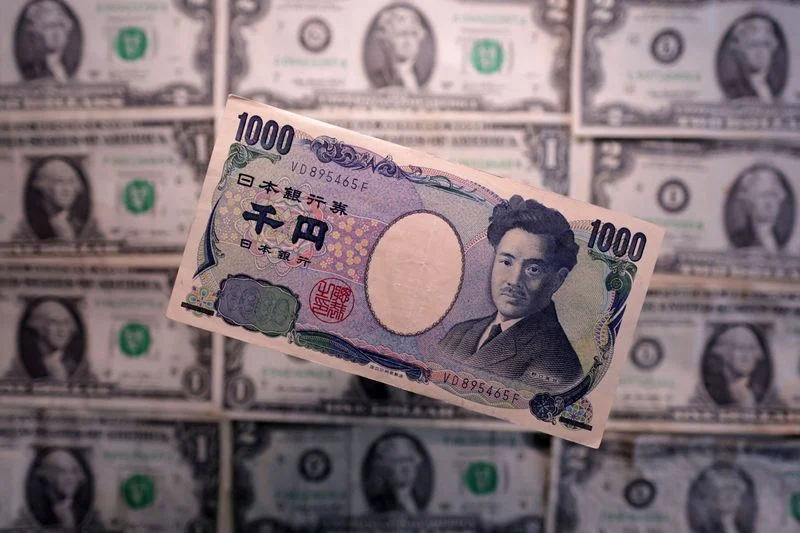

Dollar clings to 2-month high as Gulf hostilities flare, yen wobbles near intervention zone

This is the first dollar bond issued out of India since January this year when ReNew Energy raised $600 million by issuing a five year bond. Since then though geopolitical volatilities more particularly due to the US-Israel attack on Iran has meant that the high overseas yields were beyond the expectations of Indian companies looking to raise funds from abroad.
Nirmal Jain, founder and managing director at IIFL Finance said the successful issue comes at a time of heightened volatilities, pressure on the rupee and capital outflows from India.
IIFL Finance successfully raised $500 million through international dollar bonds, marking the first such issuance from India since January. Priced at 7.6%, the 3.25-year bond attracted significant investor interest despite geopolitical volatilities. Proceeds will fund lending to economically weaker sections, including MSMEs and gold loans.
“It’s a positive thing at a time when there has been no issue from India for a long time. This is also the first social issue from IIFL Finance. The proceeds of this issue will be used to lend to economically weaker sections of society which includes MSMEs, gold loans and loan against property,” Jain said.
Prathamesh Sahasrabudhe, MD & Head, Capital Markets, India, Standard Chartered Bank said, “This marks the market reopening dollar bond transaction for Indian issuers since the onset of the West Asia crisis.

Meta accuses Australia of breaching FTA, invokes US ’trade action’

The well-known Swan Valley distillery has been making a series of changes to slim down the business since it fell into administration last year.
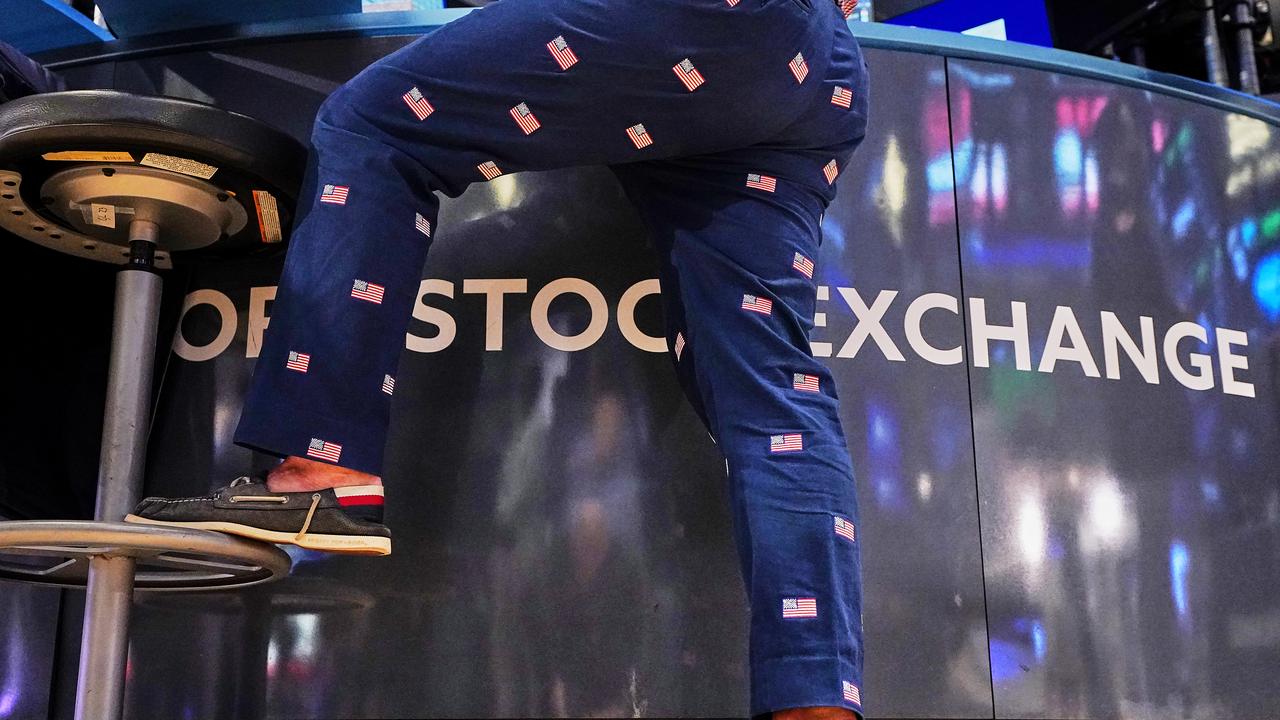
Wall Street stocks pulled back from record highs as flaring tensions in the Middle East and rising crude prices stoked inflation jitters and convinced investors to take some profits.

Photo Keepsake Ideas for Weddings and Milestones
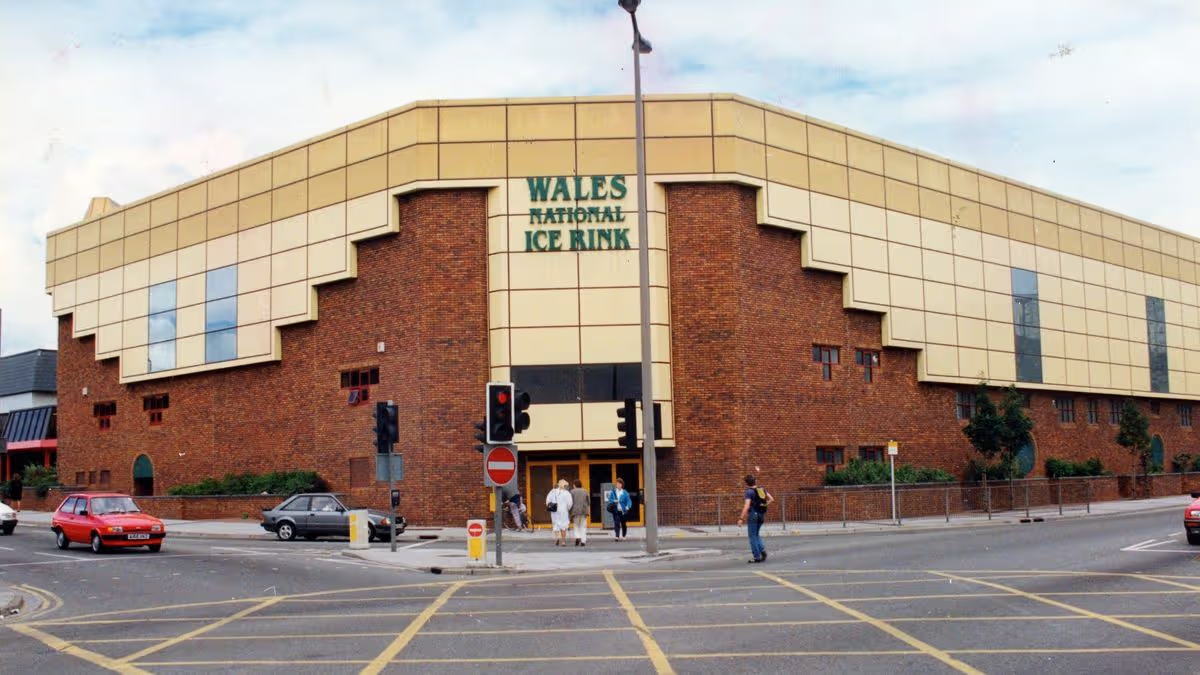
Girl sexually assaulted at Cardiff ice rink

Nasdaq Advances Modestly to 27,123 as Tech Resilience Offsets Rate and Economic Concerns



-

 Tech6 days ago
Waymo dominates autonomous vehicle registrations as Tesla trails behind
-

 News Videos6 days ago
This is BROKEN! INSANE 5x MONEY CAR WASH WEEK! The NEW GTA Online UPDATE Today! (GTA5 New Update)
-
 Tech5 days ago
SpaceX just won a second Golden Dome contract. This one is $4.16 billion.
-

 Business2 days ago
Jade Biosciences, Inc. (JBIO) Discusses Positive Interim Results From JADE101 Phase I Healthy Volunteer Study and Development Plans Transcript
-
 News Videos5 days ago
SHE IS KILLING XRP!!! WATCH URGENT AND ACT FAST
-
 NewsBeat5 days ago
FIRST NIGHT REVIEW: Take That bring the Circus back to life in spectacular sun-soaked style
-
 Crypto World5 days ago
CFTC Has Approved the First Regulated Bitcoin Perpetual Contract in the U.S.
-

 Business5 days ago
Is the Spurs Phenom Already Better Than Prime Diesel?
-
 NewsBeat5 days ago
Novak Djokovic v Joao Fonseca LIVE: French Open latest scores and results after Jannik Sinner’s shocking collapse
-
 Entertainment5 days ago
Weak ‘Supergirl’ Box Office Tracking Amid Milly Alcock Backlash
-
 Crypto World5 days ago
Snowflake (SNOW) Stock Rallies on Strong Q1 Results and AI Product Growth
-

 Business5 days ago
Demand Conditions Improve In Chemicals Sector In April 2026
-

 Politics5 days ago
The House | Inside Andy Burnham’s Makerfield Campaign: “Nobody Thinks This Is In The Bag”
-
 Crypto World5 days ago
MicroStrategy Moves $30 Million in BTC to Coinbase Prime: Is the Bitcoin Sell-Off Already Here?
-

 Tech6 days ago
This Week In Security: Ubiquiti Fixes, And FreeBSD Joins The Club You Don’t Want To Join
-

 Entertainment6 days ago
Maddox Jolie-Pitt Legally Requests to Drop Brad’s Surname
-
 Entertainment5 days ago
One of the Greatest Sitcoms of All Time Shoots Up Apple TV’s Charts 11 Years Later
-
 Crypto World1 day ago
Seagate (STX) Stock Surges to Record High on AI Boom and Legal Settlement
-
 NewsBeat5 days ago
Everything you need to know as Cambridge’s Strawberry Fair returns after cancelled year
-
 Entertainment5 days ago
Britney Spears Shares Troubling Update After Hard Year
You must be logged in to post a comment Login