

Business
Gary Lineker’s firm backs Invisible Media & Backyard Cricket


Goalhanger, the production house behind some of Britain’s most successful podcasts, has formally moved into the venture business.
The company has unveiled Goalhanger Ventures, a new investment and partnerships arm designed to back creator-led media businesses with credible plans to scale across video, audio, social, live and commercial channels.
The unit launches with two opening moves: an equity investment in Invisible Media, the company behind the rapidly expanding digital platform The Invisible Hand, and a commercial partnership with Backyard Cricket, the Yorkshire-born sports content brand built by brothers James and Mark Wood.
The strategy reads as a natural extension of Goalhanger’s record-breaking run in podcasting, which has produced The Rest Is Politics, The Rest Is History and The Rest Is Football. With Ventures, the business is signalling that the next chapter is platform-agnostic, and increasingly weighted towards founders building serious audiences on YouTube and social video.
Backing The Invisible Hand
The first cheque has gone to Invisible Media, founded by Charlie Tymon. The Invisible Hand has carved out an unusual niche, using crisp, visually-driven storytelling to make economics, geopolitics, business and culture digestible for younger audiences. New formats are already in the pipeline, including The Invisible Game, which lifts the lid on the hidden economics behind everyday decisions.
That positioning matters commercially. According to Oxford Economics, YouTube’s creative ecosystem contributed more than £2bn to UK GDP in recent years and supports tens of thousands of full-time equivalent jobs — a market in which intelligent, format-led creators are now a credible alternative to traditional broadcast economics.
Tymon framed the deal as an acceleration rather than a pivot. “Goalhanger has built a strong track record of bringing together audiences around intelligent, accessible conversation across politics, history and entertainment,” he said. “With The Invisible Hand, we’ve already shown that younger UK audiences are engaging at scale with content about macroeconomics, business and geopolitics — proving there is a real appetite for serious ideas when they are delivered with clarity, energy and purpose. Through this investment, we’ll be able to draw on Goalhanger’s expertise in building, scaling and monetising industry-leading IP as we grow a brilliantly aligned, YouTube-first business with huge potential.”
From garden cricket to global brand
The second deal is, on the face of it, a very different proposition. Backyard Cricket began as a lockdown project, with James and Mark Wood filming irreverent garden cricket videos in Yorkshire. It has since become one of the most distinctive emerging sports creator brands in the UK, with the pair travelling internationally to make content that fuses humour, personality and a clear love of the game.
Goalhanger will provide funding and strategic support to scale production, longer-form video, sponsorship, commercial partnerships and merchandise, with both parties sharing in the upside.
Navid Behroozi, Executive Producer at Backyard Cricket, put the rationale bluntly. “James and Mark have already done the hardest part: they have earned a huge amount of attention by making cricket feel fun, personal and culturally relevant online. Our job now is to help turn that momentum into a more sustainable business around the content. By giving them more production support and helping open up new commercial opportunities, we can let them spend more time doing what their audience comes for — creating brilliant cricket entertainment.”
The founders themselves remain refreshingly unfussed. “Backyard Cricket started with us playing in the garden, arguing over close calls and sending decisions upstairs for DRS,” James and Mark Wood said in a joint statement. “It was never meant to be too serious, but we’ve always taken the cricket seriously. The last few years have been mad for the channel, and it’s been brilliant seeing how far the game travels. Working with Goalhanger gives us the chance to build on that and keep growing Backyard Cricket even further.”
Why this matters for the wider market
Goalhanger Ventures arrives at a pivotal moment. Social media creators are on track to eclipse traditional media in global ad revenue, and incumbents are scrambling to adjust, with even the BBC striking a landmark deal to produce original shows for YouTube. The infrastructure gap between a fast-growing channel and a properly run media business has, for many independent creators, been the single biggest brake on growth.
That gap is precisely what Ventures is being designed to fill. The arm extends the work begun in January by The Accelerator, Goalhanger’s training and mentorship programme for creators looking to graduate from short-form to longer-form IP, and was first flagged by trade press including Press Gazette when Goalhanger took on its own outside capital from The Chernin Group earlier this year.
Co-founder Jack Davenport said the philosophy is one of careful scaling rather than corporate absorption. “Goalhanger Ventures is about giving exceptional creator-led businesses the infrastructure to grow without losing what made them special in the first place. Invisible Media and Backyard Cricket are very different propositions, but they both have that rare combination of editorial clarity, audience trust and genuine momentum. Our role is to help them scale thoughtfully, commercially and creatively, while protecting the independence, personality and quality that their communities already respond to.”
For Britain’s SME creator economy, where most of the country’s most-watched faces still run lean, founder-led businesses, Goalhanger Ventures may yet prove one of the more meaningful answers to the question of what comes after virality.

Amy Ingham
Amy is a newly qualified journalist specialising in business journalism at Business Matters with responsibility for news content for what is now the UK’s largest print and online source of current business news.


Many of the completed payments have gone to low income families with surging heating oil costs.

Lesaka Technologies: The Fintech Re-Rating Nobody Sees

Oracle, Intel, Micron, Super Micro, Lumentum, and More Stocks That Explain Today’s Market

The 2026 FIFA World Cup, the largest in the tournament’s history with 48 teams and 104 matches, officially begins on Thursday, June 11, when co-host Mexico faces South Africa at Estadio Azteca in Mexico City. The multi-nation event, hosted by Canada, Mexico and the United States, promises a month of global football action culminating in the final on July 19 at the New York New Jersey Stadium.
The opening match is scheduled for 3 p.m. local time in Mexico City (Central Daylight Time). This translates to convenient viewing windows for much of North America while requiring adjustments for international audiences across different time zones.
Opening Match Times by Major Zones
- Mexico City (CDT): 3:00 p.m. on June 11
- U.S. Eastern Time (EDT): 4:00 p.m. on June 11
- U.S. Central Time (CDT): 3:00 p.m. on June 11
- U.S. Mountain Time (MDT): 2:00 p.m. on June 11
- U.S. Pacific Time (PDT): 1:00 p.m. on June 11
- London (BST): 8:00 p.m. on June 11
- Sydney (AEST): 6:00 a.m. on June 12
- Tokyo (JST): 4:00 a.m. on June 12
- Dubai (GST): 11:00 p.m. on June 11
- São Paulo (BRT): 5:00 p.m. on June 11
A second Group A match follows later that evening: South Korea vs Czechia at 8 p.m. local time in Guadalajara (10 p.m. EDT / 7 p.m. PDT).
Full Early Schedule and Time Zone Adjustments
The tournament spreads matches across three host nations, creating a mix of prime-time viewing for North American audiences and challenging hours for fans in Europe, Asia and Australia. FIFA and broadcasters have scheduled many key fixtures to balance accessibility.
Friday, June 12 features two co-host openers:
- Canada vs Bosnia and Herzegovina at 3 p.m. EDT in Toronto
- United States vs Paraguay at 9 p.m. EDT (6 p.m. PDT) in Los Angeles
These times allow strong domestic audiences while international viewers adjust for time differences. European fans may face late-night or early-morning kickoffs for many matches, while Asian and Australian supporters often deal with overnight viewing.
Subsequent days maintain a steady rhythm of three to four matches, with kickoff times staggered to maximize global reach. The group stage runs through June 27, followed by the round of 32 from June 28 to July 3.
Why Time Zones Matter for Fans
The 2026 World Cup’s tri-nation format spreads venues from Vancouver on the Pacific coast to Miami in the east and Mexico City in the south. This geographic distribution creates natural time zone variety but also logistical challenges for traveling fans and broadcasters.
For U.S. viewers, most matches fall within reasonable hours, particularly on the East and Central coasts. Pacific Time audiences will see many afternoon and evening games. International broadcasters have adjusted schedules and provided extensive on-demand options to accommodate global audiences.
Fans in Europe should prepare for some matches starting as early as 2 p.m. or as late as 3 a.m. local time, depending on the venue. Asian viewers, particularly in East Asia, will often tune in during early morning or late night hours. Australian supporters face similar adjustments, with many key games airing in the early morning.
Digital tools, including FIFA’s official app and world clock converters, help fans plan viewing around their local time zones. Many networks offer delayed broadcasts or highlights packages for those unable to watch live.
Broadcast and Viewing Options
Major U.S. rights holders FOX and Telemundo will televise games, with streaming available on Peacock and other platforms. International broadcasters vary by region, often providing localized commentary and time-zone-adjusted schedules.
For viewers outside primary broadcast areas, official FIFA digital platforms and authorized streaming services offer legal viewing options. Fans are encouraged to use verified sources to avoid illegal streams and support the tournament’s commercial ecosystem.
Tournament Structure and Viewer Tips
The expanded 48-team format ensures more nations participate, increasing global interest and viewership projections. The group stage features 12 groups of four teams, with the top two from each group plus the eight best third-placed sides advancing to the round of 32.
To maximize enjoyment, fans should:
- Check local listings well in advance for exact broadcast times.
- Use world clock apps to convert kickoff times accurately.
- Plan around work or sleep schedules for inconvenient slots.
- Join official fan communities or watch parties for shared experiences.
The opening weekend sets an exciting tone, with co-host matches drawing massive domestic audiences. Subsequent weeks feature high-stakes group battles leading into the knockout stages.
Historical Significance and Global Reach
The 2026 edition marks the first World Cup hosted by three nations and the largest ever. It builds on the success of previous tournaments while introducing new logistical and viewing challenges due to the multi-venue, multi-time-zone setup.
Viewership is expected to break records, with billions tuning in across television, streaming and digital platforms. The tournament celebrates football’s global appeal while showcasing North America’s growing infrastructure and fan culture.
Practical Advice for International Audiences
European fans may benefit from afternoon and evening matches on certain days, while Asian viewers can use morning hours for live action. Australian supporters should consider setting alarms for early games or relying on highlights and replays.
Workplaces and schools in some regions may see reduced productivity during key matches, with many employers offering flexible viewing options or watch parties. Families can plan group viewing sessions around school holidays and convenient local times.
Looking Ahead to the Full Tournament
As the opening match approaches, excitement builds for what promises to be a landmark event. The schedule balances competitive integrity with global accessibility, ensuring fans worldwide can follow their teams despite time differences.
The 2026 World Cup represents a celebration of football’s unifying power across continents and cultures. With 48 teams and 104 matches spread over more than a month, there will be compelling action almost daily, offering something for every fan regardless of time zone.
Whether watching from Mexico City at 3 p.m. local time or Sydney at 6 a.m., the tournament delivers shared moments of drama, skill and national pride. As June 11 nears, global audiences prepare for the start of what could be one of the most memorable World Cups in history.
The multi-time-zone format, while complex, ultimately broadens access and engagement. Fans are encouraged to use official resources, plan ahead and embrace the unique viewing experience that comes with a tri-nation hosting model. The 2026 World Cup is set to captivate billions, proving once again that football truly transcends borders and clocks.

Tipranks.com shows stock returns from my articles have averaged over 29% over a one year period. I was the Credit Manager for a mid-sized publicly traded bank and retired early in 2013 due to success in the stock market. Despite never working in the industry, I took and passed the CFA Level 1 exam. I am primarily an event driven swing trader with an average holding period of 45 days. I usually only write about stocks that are my best ideas, I have a position in, and plan to hold for 6-18 months.
Analyst’s Disclosure: I/we have a beneficial short position in the shares of NVDA either through stock ownership, options, or other derivatives. I wrote this article myself, and it expresses my own opinions. I am not receiving compensation for it (other than from Seeking Alpha). I have no business relationship with any company whose stock is mentioned in this article.
Seeking Alpha’s Disclosure: Past performance is no guarantee of future results. No recommendation or advice is being given as to whether any investment is suitable for a particular investor. Any views or opinions expressed above may not reflect those of Seeking Alpha as a whole. Seeking Alpha is not a licensed securities dealer, broker or US investment adviser or investment bank. Our analysts are third party authors that include both professional investors and individual investors who may not be licensed or certified by any institute or regulatory body.
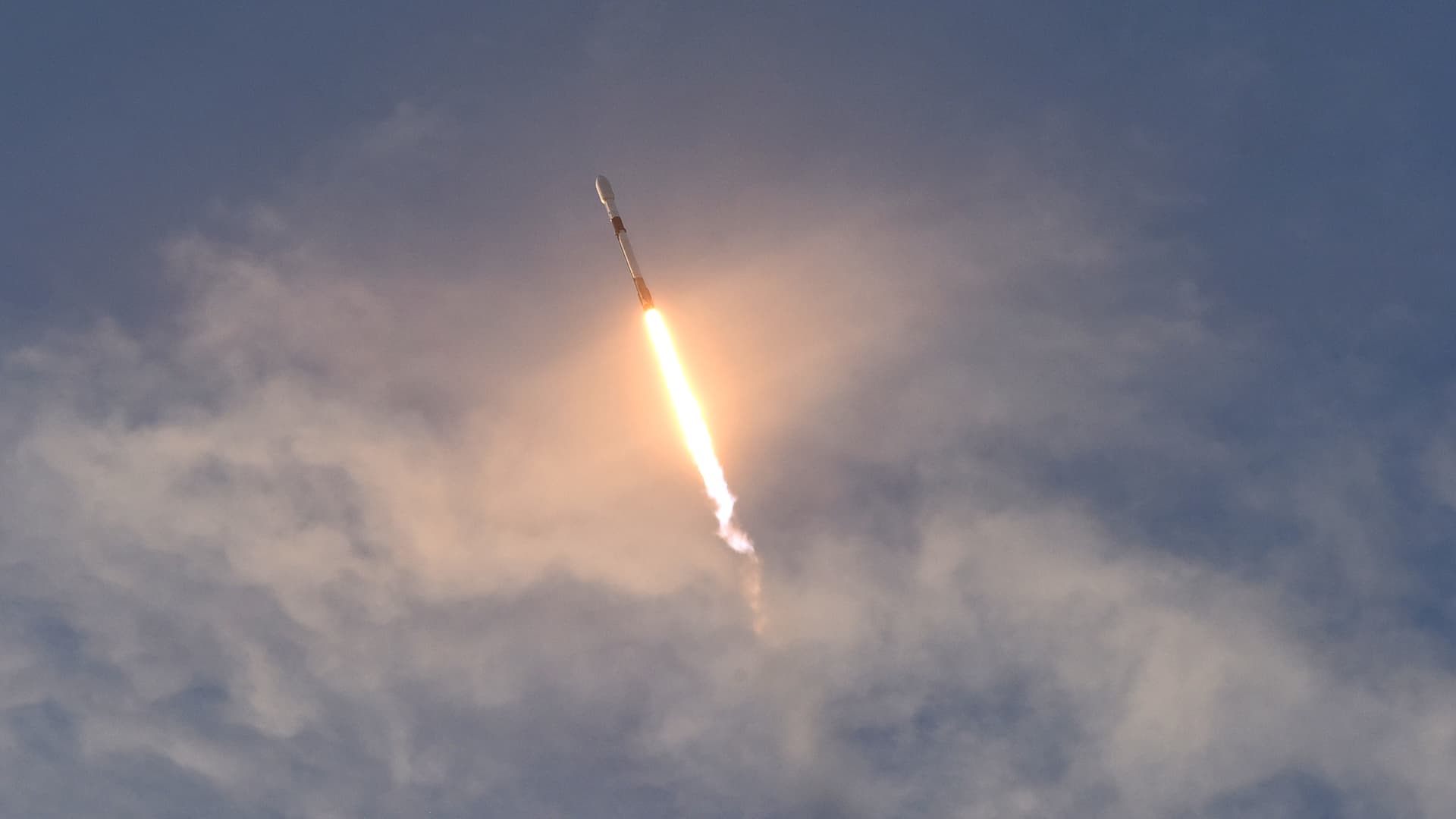
As seen from Canaveral National Seashore, a SpaceX Falcon 9 rocket carrying 60 Starlink satellites launches from pad 39A at the Kennedy Space Center on October 6, 2020 in Cape Canaveral, Florida. This is the 13th batch of satellites placed into orbit by SpaceX as part of a constellation designed to provide broadband internet service around the globe. (Photo by Paul Hennessy/NurPhoto via Getty Images)
Nurphoto | Nurphoto | Getty Images
A version of this article first appeared in CNBC’s Inside Wealth newsletter with Robert Frank, a weekly guide to the high-net-worth investor and consumer. Sign up to receive future editions, straight to your inbox.
The investment firms of billionaires including ex-eBay President Jeff Skoll and AutoZone’s Pitt Hyde are set to reap rewards from SpaceX’s IPO this Friday.
However, while SpaceX’s profile eclipses that of nearly every other private space company, family office investors told CNBC that they see other opportunities in the sector even for companies without Elon Musk‘s name attached. Moreover, they said they view space-related startups as opportunities to invest in infrastructure and defense rather than flashy bets on space exploration.
Gary Lauder, a cosmetics heir turned venture capitalist, has invested in SpaceX through a special purpose vehicle and two venture funds. He told CNBC he was attracted to the strength of its Starlink satellite technology, not the prospect of space tourism.
Much of Lauder’s early investing was in telecommunications, and he took a seminar in satellite communications in the early ’90s.
“I never dreamed of being an astronaut,” he said. “It’s just an important mode of communication.”
Jason Blanck, an investor who started his namesake family office in 2024, said he is interested in the picks and shovels of space, like mission-critical hardware and data networks.
“I think the public markets are focused heavily on debating rocket launch cadences, costs around flight development, but from my perspective and where I sit, managing permanent family capital, the real narrative has actually quite evolved,” he said.
Robin Lauber’s Infinitas Capital invested in SpaceX in early 2025 through a secondary offering. He cited Musk’s track record and the success of Starlink as reasons to put money in. Lauber also noted the valuation was “reasonable” compared with the more than $1.75 trillion expected now.
He told CNBC that Infinitas would have sold some shares before the initial public offering had it found a willing buyer at the right discounted valuation. Lauber is open to selling locked-up shares at a discount to recover the initial cost of investment and seeing how the other shares fare.
Looking forward, Lauber is weighing more investments in European space companies such as Isar Aerospace, a German launch service provider. He is also considering participating in a new fund by Alpine Space Ventures, which counts a SpaceX alum as a founding partner.
“European sovereignty is a huge topic everywhere,” he said.
Investing in space-related firms was unpopular not so long ago, according to Jon Kutler of Admiralty Partners. He spent 10 years in the U.S. Navy before becoming an investment banker specializing in aerospace and defense in the early 1980s. He left Wasserstein Perella & Co. in 1992 to start his own investment firm in order to focus more on the sector to the chagrin of his then-boss, Bruce Wasserstein.
“”He told me I was an idiot because the Cold War was over and there was going to be no more spending in the defense industry,” Kutler said. “People had extrapolated that to be the end of the defense industry, but if you look over the history of mankind, we’re just not a very peaceful species. To me, it seemed ludicrous to declare an end to defense spending, and I was willing to bet against that with my own capital and my own time.”
Kutler sold that investment firm in 2002 to focus on his family office, Admiralty Partners. His investments include Firefly Aerospace, a rocket maker with clients including Lockheed Martin and the U.S. Space Force.
Investing in aerospace firms pioneering new technologies requires patience, Kutler said. This is where family offices have an edge on traditional private equity firms since they aren’t under pressure to realize returns on a fixed timeline.
While the prospect of traveling to Mars is exciting, space exploration companies face a harder path to financial success because federal government spending is less consistent, he said.
“Defense spending is going to be a recurring theme, It will have ups and downs based upon administration priorities, but there’s always going to be an end market there,” he said.
Kutler said the enthusiasm around the SpaceX IPO belies considerable risks to investing in aerospace, such as swings in federal spending. He added that he is concerned federal cuts to research funding will endanger the pipeline of future startups.
“There is a temptation because of what’s going on right now to think that commercial space companies are the answer to everything,” Kutler said. “Perhaps over time the commercial industry may able to do it cheaper, but if you amortize everything out, it takes a long time for that to happen, and these early investments by the government were key to making these things happen.”

Northern Trust Asset Management is a global investment manager that helps investors navigate changing market environments in efforts to realize their long-term objectives.
Entrusted with $1.2 trillion in assets under management as of March 31, 2024, we understand that investing ultimately serves a greater purpose and believe investors should be compensated for the risks they take — in all market environments and any investment strategy. That’s why we combine robust capital markets research, expert portfolio construction and comprehensive risk management in an effort to craft innovative and efficient solutions that seek to deliver targeted investment outcomes.
As engaged contributors to our communities, we consider it a great privilege to serve our investors and our communities with integrity, respect and transparency.
Northern Trust Asset Management is composed of Northern Trust Investments, Inc., Northern Trust Global Investments Limited, Northern Trust Fund Managers (Ireland) Limited, Northern Trust Global Investments Japan, K.K., NT Global Advisors, Inc., 50 South Capital Advisors, LLC, Northern Trust Asset Management Australia Pty Ltd, and investment personnel of The Northern Trust Company of Hong Kong Limited and The Northern Trust Company. Note: This account is not managed or monitored by Northern Trust Asset Management, and any messages sent via Seeking Alpha will not receive a response. For inquiries or communication, please use Northern Trust Asset Management’s official channels.

“U.S. Central Command (CENTCOM) acted against Guinea-Bissau flagged M/T Jalveer as it attempted to transport oil from Iran through the Gulf of Oman. A U.S. aircraft fired two Hellfire missiles into the ship’s engine room after the crew repeatedly failed to comply with directions from U.S. forces,” U.S. Central Command said in a statement.
CENTCOM cliamed that forces have disabled nine non-compliant vessels, redirected 135 ships that complied, and allowed 42 vessels supporting humanitarian aid to pass since initiating the blockade on April 13.
Also read: MEA flags growing threat to shipping as MT Jalveer crew evacuation begins
India expresses concerns on continuing attacks on shipping
India’s Ministry of External Affairs (MEA) expressed concern over continuing attacks on shipping in West Asia, calling them “deeply worrisome”, as evacuation of Indian crew members from the vessel MT Jalveer commenced following a maritime security incident near Oman.

“There have been several incidents involving Indian seafarers in West Asia in the last few days. We attach high importance to the welfare and well-being of our seafarers’ community. We need not re-emphasise this point…The continuing incidents of attacks on shipping in the region are deeply worrisome and a direct result of the ongoing conflict in the region. These attacks must cease and end. We also call for dialogue and diplomacy so that we can have an early return to peace and stability in the region,” MEA spokesperson Randhir Jaiswal said.
Jaiswal’s comments comments came after the Guinea-Bissau-flagged bitumen tanker, MT Jalveer, was involved in a maritime security incident in the vicinity of Shinas port in Oman.
According to the Ministry of Ports, Shipping and Waterways, the vessel had 20 Indian seafarers on board and all of them are safe. No casualties or injuries have been reported so far.
Additional Secretary in the ministry, Mukesh Mangal, said evacuation of the crew to Shinas port had begun.
“On 11th June, a Guinea-Bissau-flagged vessel, a bitumen tanker MT Jalveer, was reportedly involved in a maritime security incident in the vicinity of Shinas port, Oman. The vessel has 20 Indian seafarers on board, and all of them are reported to be safe. No casualties or injuries have been reported. As per the latest information, the evacuation of crew members to Shinas port has commenced. Six more are to be evacuated. The Ministry is closely monitoring the situation and is in continuous coordination with the Ministry of External Affairs, Indian Missions abroad and the Indian Navy and other relevant stakeholders,” Mangal said.


Management’s focus is transitioning from stabilization to growth.
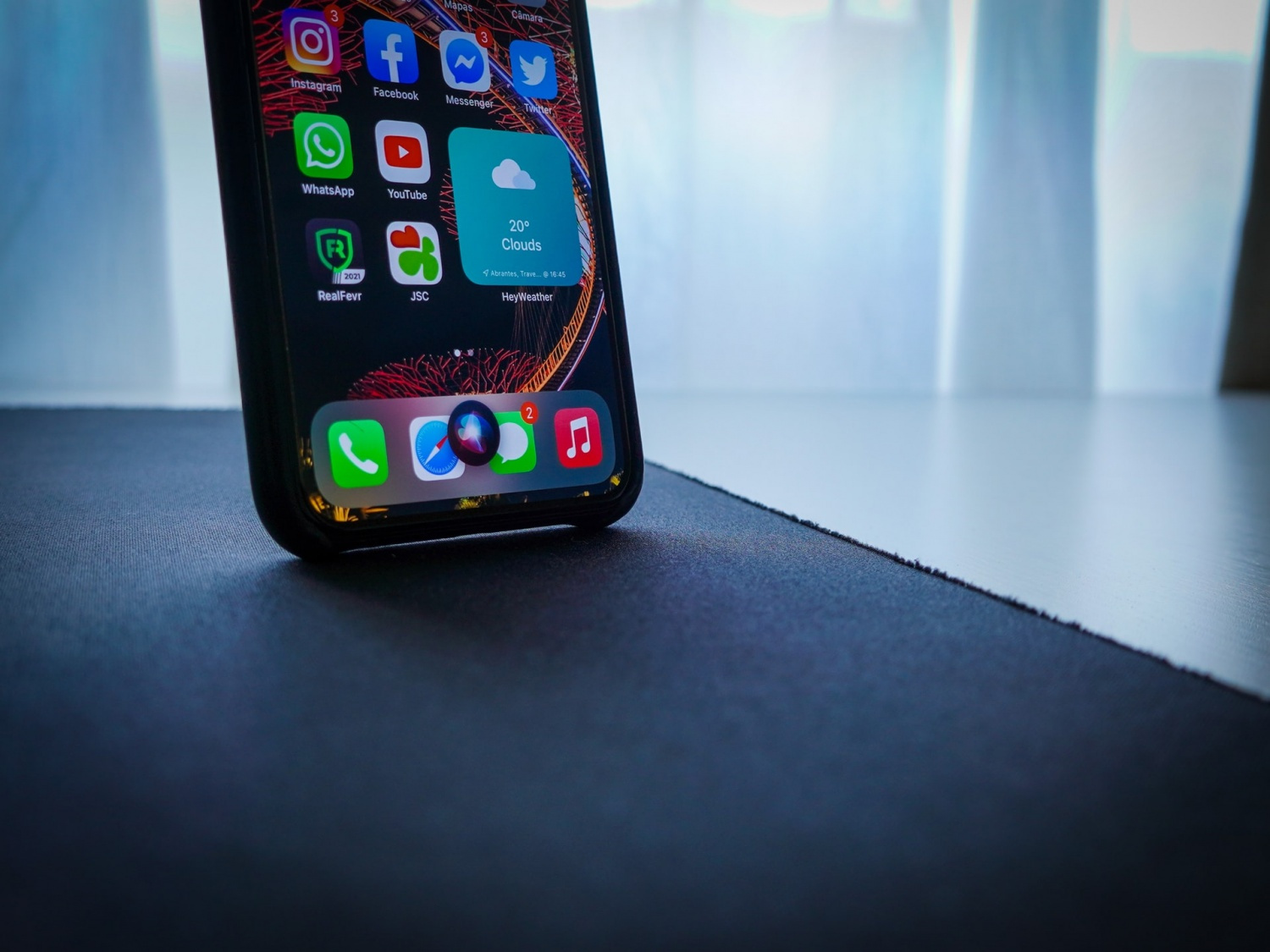
CUPERTINO, Calif. — Apple took a measured step forward in artificial intelligence at its Worldwide Developers Conference on Monday, unveiling a more capable version of Siri that prioritizes on-device processing and user privacy rather than competing directly on raw intelligence with rivals like OpenAI and Google.
The update, part of the broader iOS 27, iPadOS 27 and macOS 27 releases, marks the third major attempt by Apple to revitalize its voice assistant. Early hands-on testing suggests the new Siri can handle multi-turn conversations, cross-reference personal data such as emails and calendars, and execute practical tasks more reliably than previous versions, though it still trails competitors in some advanced capabilities.
Siri AI Delivers on Core Promises
During demonstrations at Apple Park, the updated Siri successfully parsed calendar events from screenshots, diagnosed plant issues from photos, and built reminder lists and calendar entries from natural language prompts. It also consistently read on-screen content when asked to add events, showing improved context awareness.
The Verge, granted hands-on access at Apple Park, described the experience as functional and reliable. “AI Siri is for real this time” and “so far it actually works,” the publication reported after testing features like multi-turn dialogue and proactive suggestions based on personal data.
Apple executives positioned the new Siri as the most trustworthy assistant rather than the most powerful. The system builds a local index of user data from email and messages stored on-device. When cloud processing is required, only relevant fragments are sent to Apple’s Private Cloud Compute servers, which the company says neither retain data nor allow Apple access after the session.
This privacy-first architecture stands in contrast to some competitors that request standing access to user accounts like Gmail or Google Calendar. Apple’s approach aims to give users confidence that their personal information remains protected while still delivering useful assistance.
Technical Foundation and Limitations
The new Siri relies in part on models from Google’s Gemini family for certain capabilities, leading some observers to characterize it as “Gemini, circa 2025.” While not a direct quote from Apple, the integration reflects the company’s strategy of leveraging proven technology while maintaining control over the user experience and data handling.
Current limitations include English-only support at launch, unavailability in the European Union and China due to regulatory reasons, and daily usage caps on server-dependent features. Expanded access requires an iCloud+ subscription in some cases. These constraints narrow the initial audience but align with Apple’s cautious rollout philosophy.
Developer testing began this week, with a public beta expected next month and full consumer release in the fall alongside new hardware. The staged approach is designed to identify and resolve issues before widespread deployment.
Broader Platform Updates
The iOS 27 family brings numerous refinements across Apple’s ecosystem. Performance improvements include faster app launches, enhanced AirDrop transfers and better responsiveness on older devices thanks to an optimized CPU scheduler. Search has been rebuilt with a new index for more relevant Spotlight results.
Photos gains the ability to share iCloud Shared Albums with Android and Windows users. Health receives advanced cycle tracking, while AirPods users will benefit from custom EQ settings. Apple Maps features richer Flyover imagery, and numerous smaller enhancements span Shortcuts, Freeform, Messages and other apps.
The updates extend support back to the iPhone 11 and second-generation iPhone SE, ensuring broad compatibility. This commitment to older hardware has become a hallmark of Apple’s software strategy, extending device lifespans and reducing electronic waste.
Tim Cook’s Legacy in Focus
The WWDC 2026 keynote, reportedly one of Tim Cook’s final ones according to some observers though not officially confirmed, highlighted the tension between Apple’s traditional strengths in privacy and integration and the demands of the AI era.
Cook’s tenure has emphasized execution, supply chain mastery and ecosystem coherence. The AI push tests whether Apple can compete at the frontier of software intelligence rather than simply iterating on proven concepts. The measured approach to Siri AI — focusing on reliability and privacy rather than claiming industry leadership — reflects a philosophy of controlled innovation.
Panel discussions at Apple Park framed the event around both the product launch and its implications for Cook’s legacy. Observers noted Apple avoided buzzwords like “agentic AI” despite their prevalence elsewhere in the industry, choosing instead to demonstrate practical, trustworthy features.
Competitive Landscape
Apple’s strategy differs markedly from rivals. While Google and OpenAI emphasize cutting-edge capabilities and broad access, Apple bets on seamless integration within its hardware-software ecosystem and strong privacy protections. The company does not need to outpace competitors feature-for-feature if users prefer its contained, reliable approach.
Early indications suggest the new Siri performs well for everyday tasks within the Apple ecosystem. Whether this proves sufficient to shift user behavior away from more powerful but less private alternatives will be determined in the coming months after wider release.
User Experience and Privacy Debate
For users already invested in Apple’s ecosystem, the improvements could represent meaningful daily enhancements. Cross-device continuity, on-device processing and careful data handling offer practical benefits that many may value over raw intelligence.
Privacy advocates have welcomed Apple’s emphasis on local processing and limited data sharing. However, independent verification of the company’s Private Cloud Compute claims remains limited, and some experts urge continued scrutiny of these assurances.
The debate reflects broader tensions in the AI industry between innovation speed and responsible development. Apple’s more deliberate pace may appeal to users concerned about data security and unintended consequences of rapidly advancing AI systems.
Market and Industry Implications
The updates position Apple to maintain its premium positioning while addressing long-standing criticisms of Siri. Success could strengthen the company’s services revenue and ecosystem lock-in, key drivers of its financial performance.
Developers will gain new tools and APIs to build experiences that leverage the improved Siri capabilities. The broad platform support across iPhone, iPad, Mac, Watch and other devices creates opportunities for innovative applications that span multiple form factors.
As the public beta approaches and fall release nears, real-world usage data will provide the ultimate test of Apple’s AI ambitions. Early developer feedback and hands-on impressions suggest meaningful progress, though the competitive gap with more advanced systems remains.
Apple’s approach at WWDC 2026 reflects confidence in its privacy and integration strengths while acknowledging the need to deliver functional AI experiences. The new Siri represents progress on previous attempts, focusing on reliability and user trust rather than frontier capabilities.
For millions of Apple users, the updates promise more helpful and private digital assistance integrated across their devices. The coming months will reveal whether this vision resonates strongly enough to shift behavior and solidify Apple’s position in the evolving AI landscape.
The measured strategy aligns with Apple’s long-standing philosophy of delivering polished, user-friendly experiences. As Siri AI moves from keynote demonstrations to everyday use, its real-world impact will shape perceptions of both the product and the company’s direction under Tim Cook’s leadership.

Why the 2026 World Cup is so controversial

Utah is so bone dry amid drought that a squirrel and kids with matches started separate brush fires

Dozens of crisis payments handed out by council

HarrisX Poll Found 52% of Registered Voters Support the CLARITY Act

BloFin War of Whales 2026 Grand Prix opens registration for $5M trading championship

Blockchain.com files with SEC for U.S. IPO

Couple Makes $142,000 and Blames The KID For The Debt

HUGE CRYPTO NEWS! MASTERCARD RIPPLE XRP & SOLANA, JIM CRAMER SPACEX OVER BITCOIN!

WHAT KENYANS SHOULD EXPECT IN 2026/7 FINANCIAL YEAR!Mbadi Address The Nation ahead of Budget reading
-

 Fashion6 days ago
Weekend Open Thread: Evereve – Corporette.com
-
 Crypto World6 days ago
Jensen Huang Approves Samsung, SK Hynix, and Micron for NVIDIA (NVDA) HBM4 Memory Supply
-
 Entertainment5 days ago
The Best Mystery Series of All Time Is Surging on Streaming 30 Years After It Ended
-

 Crypto World3 days ago
Anatomy of the June crypto crash: Fed, Iran, Saylor
-

 NewsBeat4 days ago
Alexander Zverev wins the French Open to finally earn a 1st Grand Slam title
-

 Tech5 days ago
Suspicious Polyfill login prompts pop up on Toshiba, Muji websites
-
 Crypto World5 days ago
Senator Cynthia Lummis Calls CLARITY Act the Most Consequential Financial Legislation of This Generation
-

 Tech4 days ago
Microsoft unveils seven homegrown AI models in new bid for ‘long term self-sufficiency’
-

 Tech6 days ago
Microsoft launches MXC, an OS-level sandbox for AI agents, with OpenAI and Nvidia already on board
-

 Business6 days ago
(VIDEO) Justin Bieber Delivers Surprise Happy Birthday Serenade to Diners at Los Angeles Mexican Restaurant
-
 Business5 days ago
The Pain Points Taking a Fragile Tech Rally Down a Notch
-

 Business3 days ago
High Stakes for Wembanyama as New York Pushes for 3-0 Lead
-
 Crypto World3 days ago
Eli Lilly (LLY) Stock Surges 4% Following Breakthrough Sleep Apnea Trial Results
-

 Tech6 days ago
Von der Leyen’s AI envoy pick draws conflict-of-interest fire
-
 Tech6 days ago
Meta steals a tactic from Tesla and builds data centers in tents
-
Crypto World6 days ago
LBank Surpasses 25 Million Users Worldwide as AFA Partnership Continues to Drive Global Growth
-

 Tech5 days ago
Hackers now exploit SolarWinds Serv-U flaw to crash servers
-

 Crypto World4 days ago
Trump’s AI Ownership Plan Could Benefit Anthropic at OpenAI’s Expense
-
 NewsBeat4 days ago
Alexander Zverev conquers demons and outlasts Flavio Cobolli to win French Open for first major title
-
 Sports2 days ago
Bangladesh beat Australia after 20 years in ODIs, register only their second win over six-time world champions | Cricket News
You must be logged in to post a comment Login