






Connect with us
DAPA Banner
DAPA Coin
DAPA
COIN PAYMENT ASSET
PRIVACY · BLOCKDAG · HOMOMORPHIC ENCRYPTION · RUST
ElGamal Encrypted MINE DAPA
🚫 GENESIS SOLD OUT
DAPAPAY COMING

Business

Getty Realty's Low Drama Growth Continues In Q2

Published

on

Getty Realty's Low Drama Growth Continues In Q2
Continue Reading
Click to comment

You must be logged in to post a comment Login

Leave a Reply

Business

SuanNutra to acquire IFF specialty ingredients portfolio

Published

on

SuanNutra to acquire IFF specialty ingredients portfolio

IFF’s specialty natural ingredients business to merge with SuanNutra’s existing operations.

Continue Reading

Business

Olivia Rodrigo Sparks Dating Rumors With Wall Street Financier Julian Croonenberghs After Brooklyn Sightings

Published

on

Nolan Xavier Wells

Olivia Rodrigo, the Grammy-winning singer known for chart-topping breakup anthems, is the subject of fresh dating speculation after being spotted multiple times with a Wall Street financier in Brooklyn, according to a report published by Page Six.

The outlet reported Tuesday that Rodrigo has been linked romantically to Julian Croonenberghs, an investment professional at private equity firm HG Capital, marking a departure from her past relationships with actors and entertainment industry figures. Neither Rodrigo nor Croonenberghs has publicly commented on the reports.

How the rumors emerged

According to multiple entertainment outlets citing Page Six’s reporting, Rodrigo and Croonenberghs have been seen together on several occasions in Brooklyn in recent weeks. The speculation was first fueled by the celebrity gossip account DeuxMoi, which reported a sighting of the pair dining together in the Clinton Hill neighborhood of Brooklyn in mid-June.

Advertisement

Photographs that circulated more recently appeared to show the two traveling together, including images suggesting they had been in Iceland alongside members of Rodrigo’s team before flying back to New York. Additional photos showed the pair at an airport as they made the trip back to New York on July 20, with Rodrigo later photographed arriving in the city.

Fans and entertainment reporters identified Croonenberghs as the man seen with Rodrigo after cross-referencing details from his professional background. According to his listed biography, Croonenberghs works on the Mercury Team at HG Capital and previously worked at Goldman Sachs as part of its Financial Institutions Investment Banking group. He is a graduate of Brown University, where he studied applied mathematics and computer science, and played on the U.S. Men’s National Field Hockey Team from 2018 to 2020. He is also reported to speak both French and Dutch.

A subtle social media clue

While neither party has confirmed the relationship, fans have pointed to a small social media interaction as a potential sign of a connection: Rodrigo reportedly liked an Instagram post shared by Croonenberghs’ sister, Jade. Beyond that gesture, both Rodrigo and Croonenberghs have kept any details of their relationship private, and representatives for Rodrigo have not issued a statement addressing the reports.

Advertisement

A shift from her usual dating pattern

Entertainment reporters have noted that a relationship with Croonenberghs would represent a departure from Rodrigo’s previous public relationships, which have largely involved figures in film, television and music. Rodrigo first drew public attention for her relationship with “High School Musical: The Musical: The Series” co-star Joshua Bassett, whom she starred alongside after the two met on set in 2019. The pair reportedly split in 2020, and fans have long speculated that several of Rodrigo’s early songs, including her breakout single “Drivers License,” referenced the relationship’s end, though she has never publicly confirmed the connection.

Rodrigo was later linked to Hollywood producer Adam Faze in 2021, with the two first spotted together at a premiere party for “Space Jam: A New Legacy.” In 2022, she was romantically connected to music executive and DJ Zack Bia, though that relationship also proved short-lived. Her most recent and longest public relationship was with British actor Louis Partridge, known for his role in Netflix’s “Enola Holmes” film series. The two began attracting attention as a couple in late 2023 and made several public appearances together, including a red carpet debut at the Venice Film Festival and a joint appearance at the Grammy Awards, before reportedly ending their roughly two-year relationship in late 2025.

A career built on personal storytelling

Advertisement

Rodrigo, 23, first rose to prominence with the release of her single “drivers license” in January 2021, followed by her debut album “Sour” later that year. The album’s blend of confessional songwriting and pop-punk influences earned her the Grammy Award for best new artist in 2022, along with several other nominations. She followed with a second album, “Guts,” in 2023, and released a third album, “You Seem Pretty Sad for a Girl So in Love,” earlier this year.

Much of Rodrigo’s songwriting has drawn heavily from her personal relationships, with fans frequently attempting to trace connections between her lyrics and her real-life romantic history. That pattern has made any new relationship a subject of significant public interest, as was the case following her split from Partridge and now amid the reports connecting her to Croonenberghs.

What remains unconfirmed

As of Wednesday, no formal confirmation of a relationship between Rodrigo and Croonenberghs had been issued by either party, and both have declined to comment when approached by media outlets covering the story. The reports remain based on sightings, photographs and secondhand social media accounts rather than any official statement, a pattern common to early-stage celebrity dating speculation that sometimes proves accurate and sometimes does not.

Advertisement

Representatives for Rodrigo did not immediately respond to requests for comment from outlets reporting on the story, and Croonenberghs, who works in a private-sector finance role rather than public entertainment, has not made any public statement of his own.

Given Rodrigo’s history of addressing past relationships through her music, some fans have speculated that any future confirmation of the relationship, or details about how it developed, could eventually surface through her songwriting, following a pattern established across her three studio albums. For now, the reports remain unconfirmed, with public interest continuing to center on the pair’s recent sightings together in New York and their trip to Iceland rather than any official acknowledgment from either Rodrigo or Croonenberghs themselves.

Continue Reading

Business

Fidelity says retiree healthcare costs hit $185,500 in 2026 report

Published

on

Poll finds healthcare is now Americans' top domestic concern

Fidelity Investments released its 25th annual estimate of retiree healthcare costs, which revealed a significant jump from a year ago as medical care and related expenses become more expensive.

The report estimated that a 65-year-old who retires in 2026 can expect to spend an average of $185,500 on healthcare and medical expenses throughout their retirement. That amount is an increase of 7.5% from last year amid rising healthcare prices, growth in the utilization of medical services and growing costs stemming from chronic conditions.

Advertisement

“Financial planning for retirement is about more than reaching a savings target, especially as retirement itself continues to evolve,” said Shams Talib, head of Fidelity Workplace Consulting.

“Whether Americans fully stop working, phase into their retirement, or pursue new ways to stay engaged, healthcare consistently remains one of the largest expenses they will face,” Talib added. “Providing a benchmark to consider can help them plan with purpose and more confidence.”

POPULAR DRUGS ADDED TO MEDICARE PRICE NEGOTIATION PROGRAM: WHAT IT MEANS FOR AMERICANS

Doctor and patient.

People who are retired or are planning for retirement should account for healthcare expenses not covered by Medicare in their planning. (iStock)

Fidelity’s report has been compiled each year since 2002 and yields an estimate designed as a benchmark for long-term planning around possible healthcare costs a retiree will incur despite standard Medicare coverage.

Advertisement

The estimate assumes enrollment in Original Medicare (Parts A and B), as well as Medicare Part D – which includes premiums, copayments and out-of-pocket costs for medical care and prescription drugs throughout retirement. The figure doesn’t include potential long-term care expenses.

Out of the total estimate of $185,500, Fidelity’s analysis finds that about 45% of that amount goes to monthly premiums for Medicare Part B and Part D.

US SHOULDERS DISPROPORTIONATE COST OF NEW MEDICATIONS, REPORT FINDS

A Medicare card.

Medicare plans don’t cover all healthcare-related expenses, so retirees face some out-of-pocket costs. (iStock)

Another 48% go to covering other medical expenses under Medicare cost-sharing provisions – such as copayments, coinsurance, deductibles for things like hospital visits and outpatient services.

Advertisement

That figure also includes other medical services that aren’t covered by Medicare plans, such as vision and hearing exams.

The final 7% of the total comes from out-of-pocket expenses, like co-payments and amounts that aren’t covered by Medicare Part D and are out-of-pocket expenses for generic, branded or specialty drugs.

OBAMACARE EXCHANGE FLAW EXPOSED AMERICANS TO UNEXPECTED HEALTH PLAN SWITCHES, WATCHDOG FINDS

A pharmacist hands a patient a bottle of prescription medication.

Prescription drug costs can be a significant component of a retiree’s healthcare expenses. (Getty Images)

“Medicare is a critical part of retirement health coverage, but it does not eliminate every healthcare expense,” said Steve Betts, head of Fidelity Health.

Advertisement

“This estimate helps illustrate why both pre-retirees and retirees alike will benefit from carefully considering out-of-pocket expenses and how they will pay for them as they build out their retirement income strategy,” Betts added.

GET FOX BUSINESS ON THE GO BY CLICKING HERE

Continue Reading

Business

Eli Lilly will file for approval of retatrutide obesity drug in 2027

Published

on

Eli Lilly will file for approval of retatrutide obesity drug in 2027

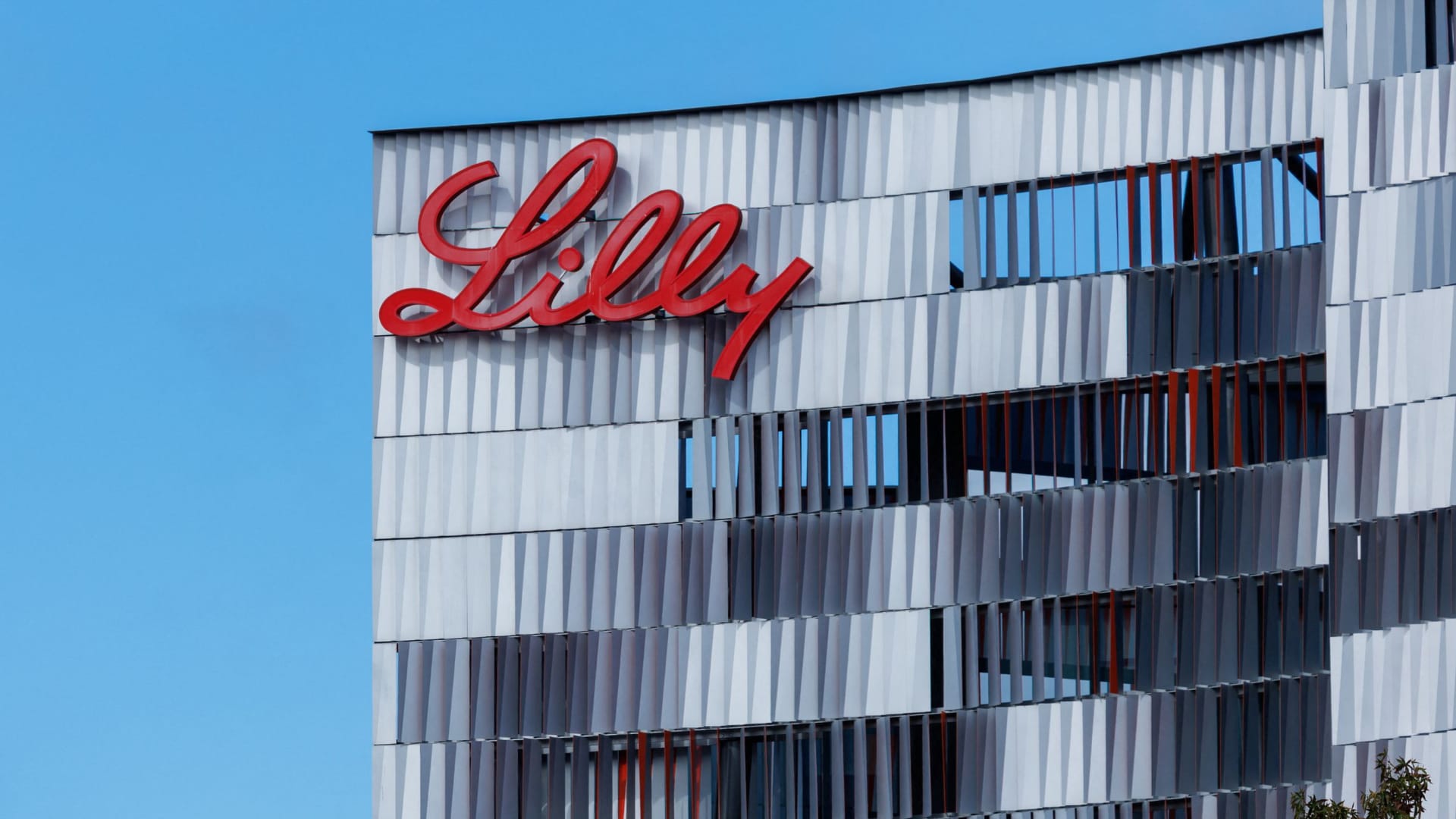
The Eli Lilly logo appears on the company’s office in San Diego, California, Nov. 21, 2025.

Mike Blake | Reuters

Eli Lilly on Thursday said it will file for approval of its next-generation obesity drug in the first quarter of 2027, as the treatment succeeds in two more late-stage trials. 

Advertisement

The pharmaceutical giant previously said it would submit an application as early as this year for the weekly injection, retatrutide, which works differently and appears to be more effective than existing shots and pills. In a statement to CNBC, Lilly said it needs more time to gather and verify the manufacturing and quality-control data required by regulators before it can seek approval.

In two separate Phase 3 trials, retatrutide delivered significant weight loss and improvements in a key measure of blood sugar levels in adults with obesity and two major complications, Type 2 diabetes and established cardiovascular disease. 

Based on the data, the company believes it has the information necessary to file for approval globally for retatrutide as a potential treatment for obesity, knee osteoarthritis pain and obstructive sleep apnea, Kenneth Custer, president of Lilly Cardiometabolic Health, said in a release. 

In one trial, adults with obesity and diabetes taking the drug lost up to an average of 20.8% of their weight, or nearly 50 pounds, at 80 weeks. That population typically struggles to lose weight. 

Advertisement

In another trial, adults with severe obesity and established cardiovascular disease, with or without diabetes, on the treatment lost up to an average of 22.6% of their weight, or 55.8 pounds, at 80 weeks. Retatrutide meaningfully reduced certain cardiovascular risk factors in patients, Lilly added. 

The side effects associated with the drug were consistent across the two trials as well as previous studies on the treatment. The most common included diarrhea, nausea and constipation, which are also seen across the broader GLP-1 class.

There are now positive results from five late-stage trials on retatrutide, which Lilly is positioning as the next pillar of its obesity portfolio after its injection Zepbound and newly launched pill, Foundayo. In a January note, TD Cowen analysts estimated that retatrutide could rake in sales of $3.8 billion in 2030. 

Retatrutide is also critical to the drugmaker’s plan to maintain its market share majority over Novo Nordisk in the booming market for weight loss and diabetes drugs. Some analysts estimate the segment could be worth about $100 billion by the 2030s. 

Advertisement

Dubbed the “triple G” drug, retatrutide targets GLP-1, GIP and glucagon rather than just one or two of those hormones like existing treatments. That appears to have more potent effects on a person’s appetite and satisfaction with food than other treatments.

Tirzepatide, the active ingredient in Zepbound, mimics GLP-1 and GIP. Novo Nordisk’s semaglutide, the active ingredient in Wegovy, mimics only GLP-1.

Choose CNBC as your preferred source on Google and never miss a moment from the most trusted name in business news.
Continue Reading

Business

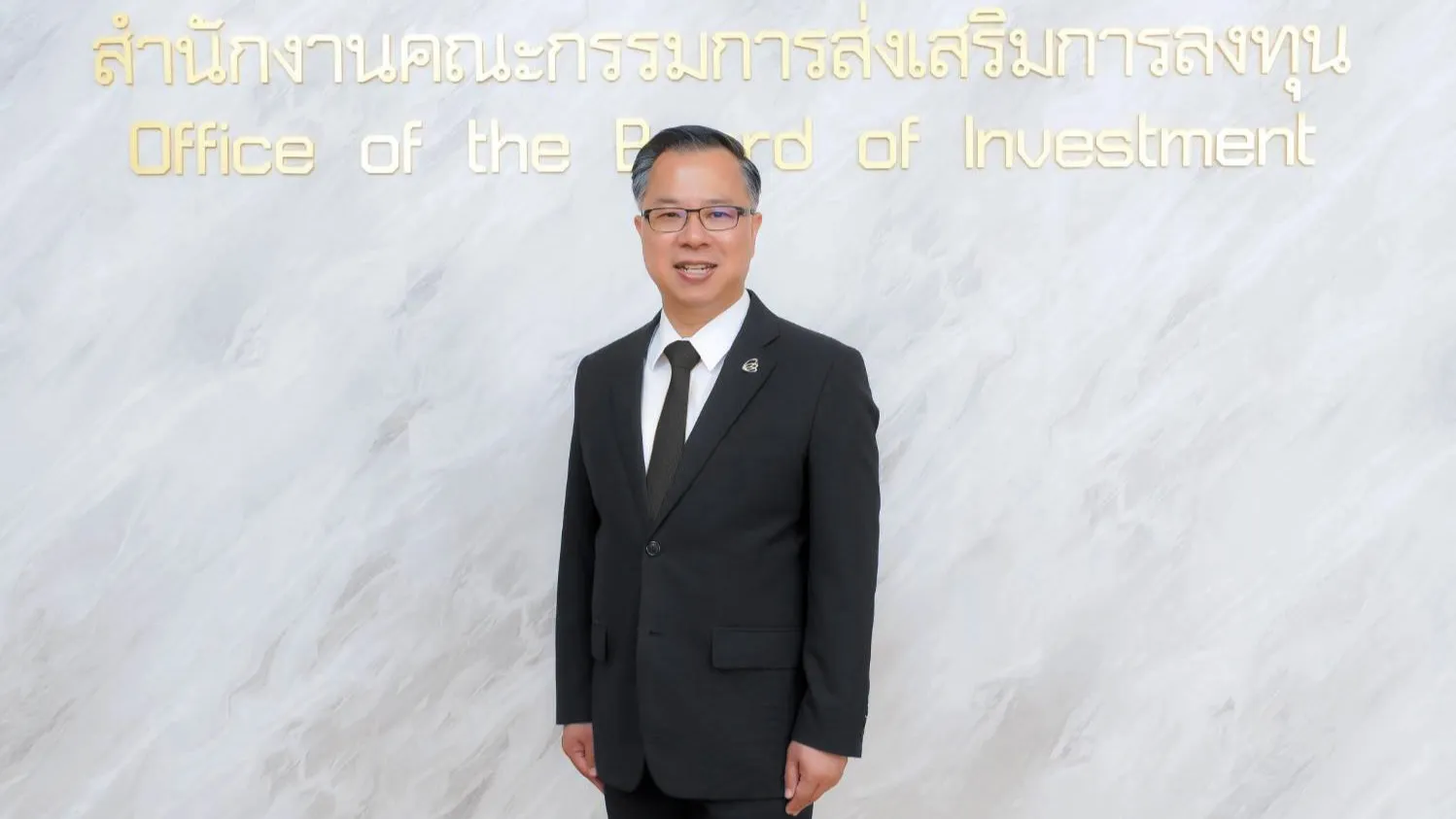
Thailand FDI Surges 37% to $43.6B in H1 2026 Led by AI Data Centers

Published

on

Thailand’s Board of Investment approves $688 million Nestlé investment to create an AI-powered regional coffee hub
  • Thailand’s investment applications rose 37% year-on-year to $43.6 billion in the first half of 2026, spanning 1,299 projects. The digital sector dominated with $33 billion, driven largely by data centers, cloud services, and AI infrastructure. Foreign direct investment surged 80%, with Singapore, the UK, and China among the top sources.
  • Beyond digital, strong capital flows entered electronics, agriculture, logistics, automotive, and renewable energy sectors. Approved projects are projected to create over 82,000 jobs, consume $11.4 billion in domestic raw materials annually, and boost export capacity by more than $36.8 billion per year.

Thailand’s foreign and domestic investment applications surged 37% year-on-year to hit $43.6 billion (approx. 1.47 trillion baht) across 1,299 projects in the first half of 2026, driven by a massive wave of capital flowing into digital infrastructure and artificial intelligence (AI) data centers.

The surge comes even as the global economy faces real headwinds — geopolitical tensions, energy price volatility, and the restructuring of global supply chains — with Thailand emerging as a preferred base for investment across Southeast Asia.

Leading the capital influx is the digital sector, which reached a commanding $33 billion (approx. 1.12 trillion baht) in investment applications.

“Thailand’s investment growth held steady even as the world economy faced real turbulence,” said Mr. Narit Therdsteerasukdi, Secretary General of the Thailand Board of Investment (BOI). “This reflects strong investor confidence in Thailand’s potential as a base for the industries of the future.”

This digital windfall was accompanied by robust capital commitments across other high-value industries. The electrical appliances and electronics sector drew $3.56 billion (approx. 120.2 billion baht) across 179 projects, while agriculture and food processing secured $1.82 billion (approx. 61.4 billion baht) across 131 projects. Additionally, logistics and high-value services attracted $1.19 billion (approx. 40.2 billion baht) across 170 projects, and the automotive sector drew $759.2 million (approx. 25.7 billion baht) across 122 projects.

Advertisement

Other notable sectors included mining, metals and materials at $603.5 million (approx. 20.4 billion baht) across 128 projects, chemicals and petrochemicals at $489.1 million (approx. 16.5 billion baht) across 110 projects, and machinery, automation and robotics at $387.4 million (approx. 13.1 billion baht) across 82 projects, signaling broad-based industrial modernization.

Foreign Direct Investment (FDI) applications drove the bulk of the growth, skyrocketing 80% year-on-year to $40.5 billion (approx. 1.37 trillion baht) across 877 projects.

Singapore emerged as the top source of FDI, filing applications worth $33.2 billion (approx. 1.12 trillion baht) across 158 projects. The United Kingdom followed as the second-largest investor at $1.40 billion (approx. 47.2 billion baht) across 11 projects, with China close behind at $1.35 billion (approx. 45.8 billion baht) across 321 projects, Taiwan at $1.12 billion (approx. 38.0 billion baht) across 47 projects, and Japan at $970.1 million (approx. 32.8 billion baht) across 123 projects.

These investments remain heavily concentrated in digital technology — including data centers, data hosting, and cloud services — followed by electronics and electrical appliances such as optical transceivers, printed circuit boards, hard disk drives, and data-center networking and cooling systems, along with humanoid robotics parts, automotive parts, food and beverage, and advanced materials. Geographically, Thailand’s industrialized Central region claimed the largest share of capital at $26.7 billion (approx. 903.8 billion baht) across 513 projects, followed by the Eastern region at $14.7 billion (approx. 495.7 billion baht). The Northeastern, Southern, Western, and Northern regions each drew smaller totals, but the North stood out with investment value up 93 percent year-on-year, led by energy and utilities, agriculture and food processing, and medical projects.

Advertisement

To support the massive power requirements of next-generation data centers, Thailand is seeing a parallel surge in renewable energy infrastructure. The energy and utilities sector recorded 221 projects worth $1.17 billion (approx. 39.5 billion baht) during the first half of the year, dominated by 198 clean energy initiatives—including solar, wind, biomass, and biogas power plants—valued at $779.7 million (approx. 26.4 billion baht).

Concurrently, manufacturers are investing in automation to remain competitive on the global stage. Under the BOI’s “Smart and Sustainable Industry” initiative, companies submitted 132 applications valued at $507.6 million (approx. 17.2 billion baht) to upgrade machinery, adopt digital technology, and integrate automation and robotics into production and services, raising productivity and moving Thai industry toward higher-value, sustainable manufacturing.

Investment value is not the only goal, real success means quality jobs, higher skills, and better income for Thai workers.It means real opportunities for Thai businesses inside the supply chain, and growth that reaches every region, not just a few. That is why we will keep pushing for actual investment to happen as quickly as possible through the Thailand FastPass mechanism, driving economic growth and letting Thai people share directly in the shift to the industries of the future.

Mr. Narit Therdsteerasukdi, Secretary General of the Thailand Board of Investment (BOI).

The projects approved by the BOI in the first half of 2026 will generate over 82,000 jobs for Thai workers and consume approximately $11.4 billion (approx. 386 billion baht) in domestic raw materials annually, accounting for 42 percent of the projects’ total raw material use, and is expected to boost the nation’s export capacity by more than $36.8 billion (approx. 1.24 trillion baht) per year.

Advertisement

The BOI approved investment promotion applications for 1,300 projects valued at $38.7 billion (approx. 1.31 trillion baht) in the first half of 2026.

Source : ○ BOI : The Board of Investment of Thailand

Advertisement
Continue Reading

Business

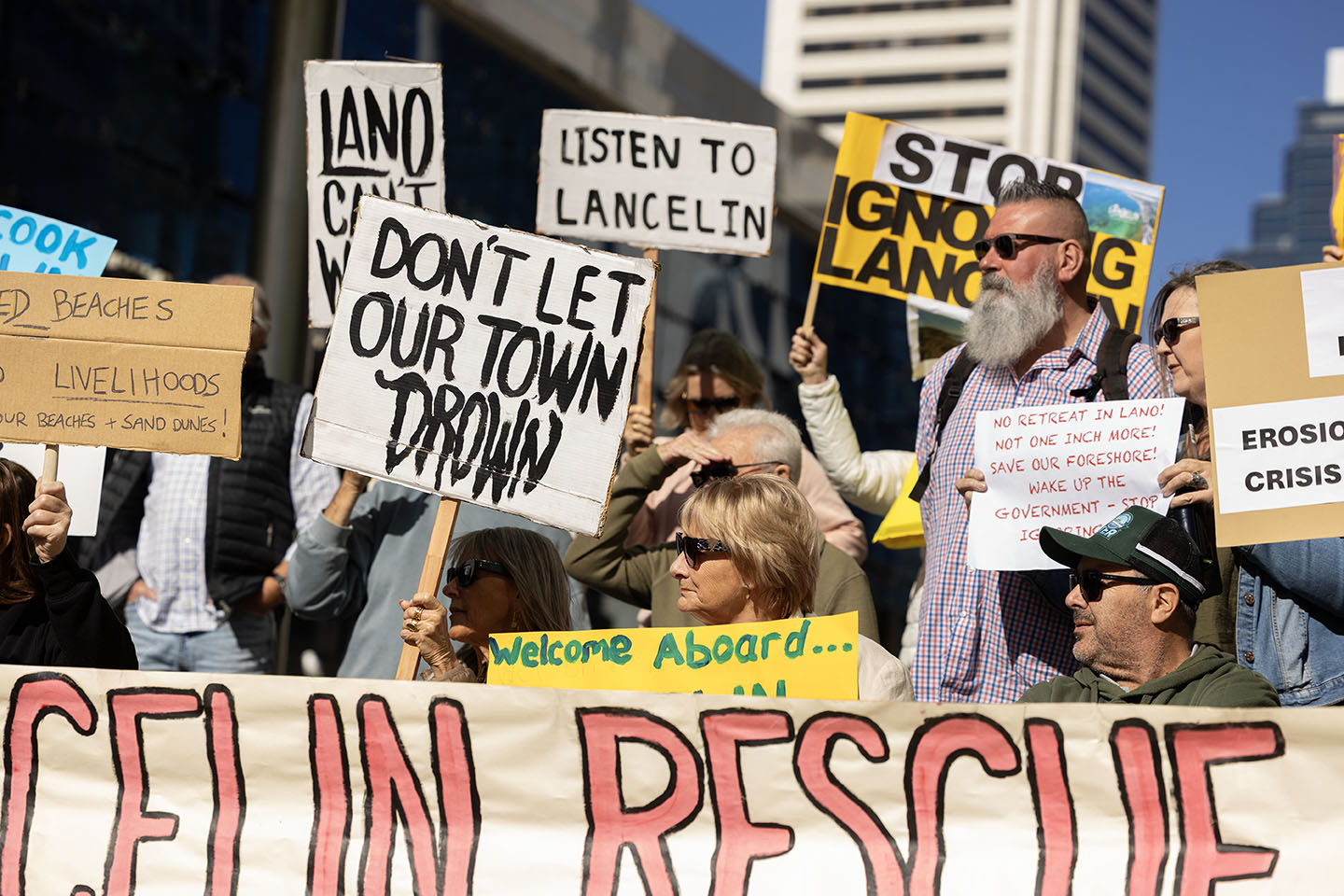
Lancelin residents take coastal erosion plight to Perth

Published

on

Lancelin residents take coastal erosion plight to Perth

Residents of Lancelin are steadfast in opposition to moving to higher ground as the Indian Ocean threatens to swallow their town.

Continue Reading

Business

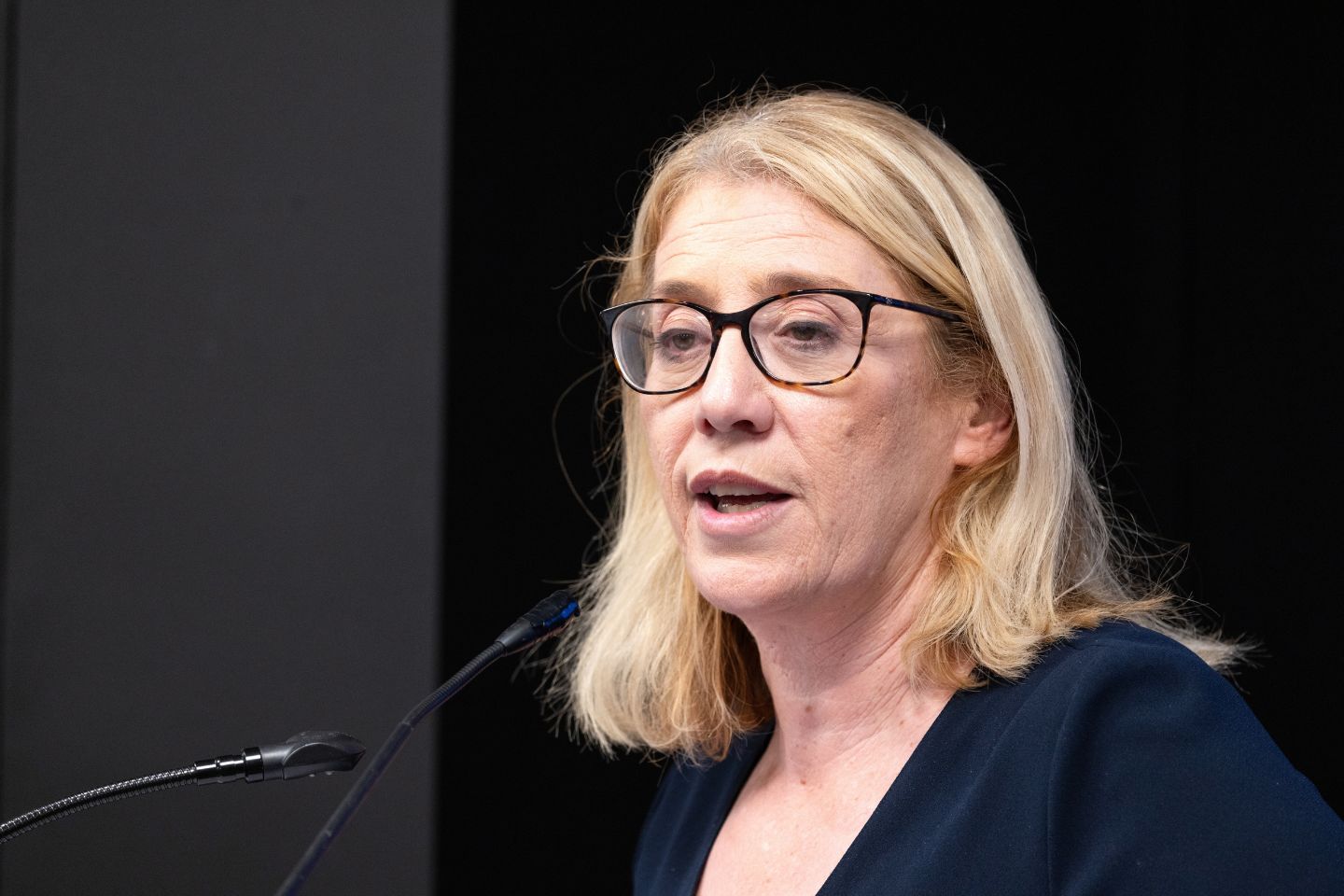
Rita Saffioti, Alannah MacTiernan summoned to attend defamation trial

Published

on

Rita Saffioti, Alannah MacTiernan summoned to attend defamation trial

Deputy premier Rita Saffioti and former minister Alannah MacTiernan could be witnesses in an ongoing defamation trial, having been summoned for evidence.

Continue Reading

Business

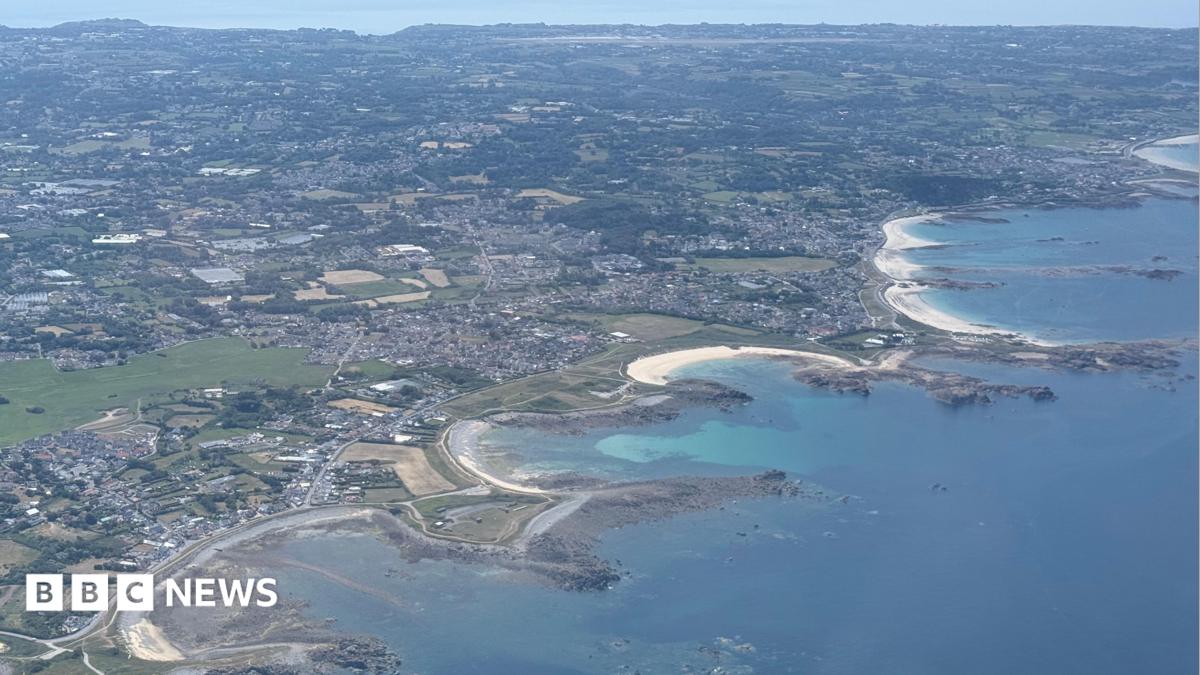
Alderney electricity bills to be subsidised as barrel of crude oil nears $100

Published

on

A ward at the District General Hospital in Sri Lanka's Negombo city where dengue patients are getting treated. A nurse in green is seen taking notes in the foreground

Electricity bills in Alderney will be subsidised for the rest of the year if the cost of a barrel of crude oil exceeds $100.

The current price of crude oil is $99.76, according to the Financial Times, external.

The States of Guernsey said it would give Alderney Electricity (AEL) £200,000 to offset bills on the island, which has a population of 2,167.

Its Policy and Finance Committee approved the temporary subsidy to help mitigate the impact of short-term increases in global prices on island electricity consumers.

Advertisement

Jeannie Cameron, who chairs the committee, said the funds would be applied directly to customers’ bills.

She said: “The recent rise in global oil prices has the potential to place additional financial pressure on households and businesses at a time when many are already managing increased costs.

“This temporary measure provides a level of protection against exceptional fuel price increases while ensuring that public funds are only used where they are genuinely needed.”

Cameron said unlike its sister islands Guernsey and Jersey, Alderney did not have cable supplying electricity from France.

Advertisement

“Diesel fuel is required to generate it. The committee recognises that this temporary subsidy complements, rather than replaces, AEL’s continuing work to secure the most competitive wholesale fuel procurement arrangements available.”

Continue Reading

Business

UK airport drop-off fees rise again – and here are the most expensive

Published

on

Business Live

The average cost has increased by a third

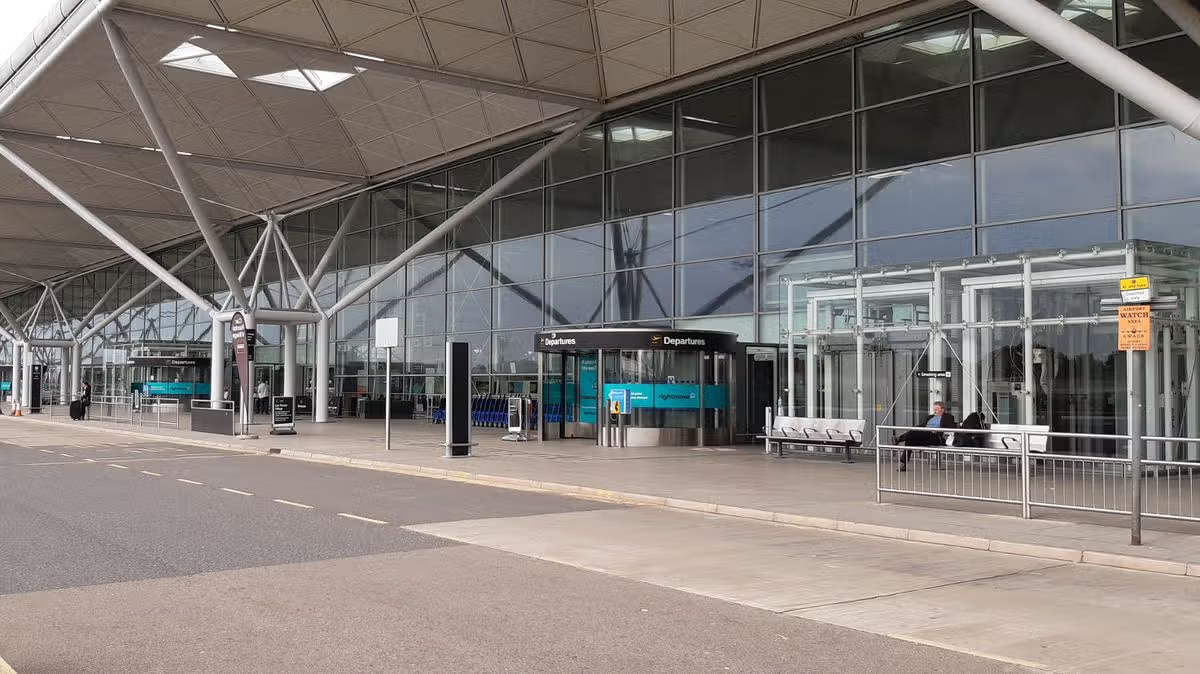
 the drop off zone at Stansted Airport, Essex

The drop off zone at Stansted Airport, Essex(Image: Nicholas.T.Ansell/PA Wire)

More than three quarters of UK airports raised or introduced drop-off fees for drivers in the past year, according to new research.

Advertisement

Sixteen out of 20 airports analysed by the RAC have increased so-called “kiss and fly” charges – which are typically levied for dropping off a passenger as close to a terminal as possible – since last summer.

The average cost has increased by a third.

Gatwick and Stansted charge the highest fees, at £10 for 10 minutes and 15 minutes respectively. They are followed by Edinburgh and Bristol (both £8.50 for 10 minutes).

London City has gone from being the only major UK airport analysed which allowed free drop-offs outside its terminal, to having the most expensive charge per minute, at £8 for five minutes.

Advertisement

The only four airports not to increase their charges this year are Liverpool John Lennon, East Midlands, Belfast City and Southampton.

Passengers being dropped off at airports by taxis and private hire vehicles generally have the fees added to their fares.

The RAC said none of the 10 busiest airports in the European Union charge for drop-offs, and neither do other major international hubs such as Dubai, Shanghai and Istanbul.

UK airports typically offer free options for dropping passengers off in mid- or long-stay car parks connected to terminals by buses.

Advertisement

RAC senior policy officer Rod Dennis said: “It’s disappointing to see so many airports charging so much for what many regard as a simple act of kindness in dropping off family and friends.

“Having a captive audience should be no excuse for these farewell fees – especially when they’re completely at odds with how major airports around the world operate.

“Of course, airports need to manage the limited space they have carefully, but if free, convenient drop-off zones work at many other international airports, then why not here?”

Mr Dennis also urged drivers to be “extremely careful” about park now, pay later drop-off zones, which do not have barriers.

Advertisement

He said: “Those that drop off but miss the signage or forget to pay soon afterwards can face a parking charge notice as high as £100 – a fee that feels distinctly disproportionate to the contravention.”

Conservative peer Lord Moylan has tabled an amendment to the Civil Aviation Bill asking for a review of drop-off charges.

A spokesperson for industry body AirportsUK said: “Where drop-off fees are charged, these are a part of the airport business model and help support the provision of the widest variety of flights from the airport.

“They are also necessary to manage congestion, and the traffic and air pollution concerns of our local communities, as well as our climate change objectives.

Advertisement

“These are issues that airports are mandated to manage by the Government and local authorities.

“Airports outside the UK have a different business model – typically being public owned and in receipt of state subsidies and tax discounts.

“The UK airport sector is in contrast generally privately owned and paying full commercial rates of taxation.”

Most expensive drop-off fees for UK airports

£10: Gatwick and Stansted

Advertisement

£8.50: Bristol and Edinburgh

£8: Bournemouth, Leeds Bradford and London City

£7: Aberdeen, Birmingham, Glasgow, Heathrow, Luton and Southampton

£6: Liverpool John Lennon and Newcastle

Advertisement

£5.50: Manchester

£5: Belfast International and East Midlands

£4.50: Cardiff

£4: Belfast City

Advertisement
Continue Reading

Business

NASA’s SR-1 Freedom Nuclear Spacecraft Set to Launch Ingenuity-Style Helicopters to Mars by Late 2028

Published

on

NASA Logo

The U.S. is preparing to launch its first nuclear-powered interplanetary spacecraft, a mission NASA says will mark a major step toward extending human exploration deeper into the solar system while delivering a new fleet of robotic helicopters to the surface of Mars.

The mission, called Space Reactor-1 Freedom, or SR-1 Freedom, is targeting a launch in December 2028. NASA describes it as humanity’s first fission-powered interplanetary spacecraft, designed to demonstrate nuclear electric propulsion in deep space for the first time.

What the mission will do

SR-1 Freedom will use a nuclear fission reactor to generate electricity that powers the spacecraft’s electric thrusters, an approach NASA says is far more efficient for long-duration missions than traditional chemical propulsion. According to NASA’s Program Executive of Fission Surface Power, Steve Sinacore, the reactor is expected to power on within 48 hours of launch and will take approximately one year to reach Mars.

Advertisement

The reactor itself will generate roughly 20 kilowatts of electricity using high-assay low-enriched uranium fuel, with heat transferred through a system of heat pipes and a boron carbide radiation shield protecting the rest of the spacecraft. An advanced closed Brayton-cycle power conversion system will convert the reactor’s heat into electricity, while a lightweight composite and titanium radiator system handles heat rejection. The spacecraft’s electric propulsion system is designed to operate at up to 48 kilowatts.

Much of the spacecraft’s structure will rely on previously developed hardware rather than entirely new components. Central to that approach is the reuse of the Power and Propulsion Element, a system originally built for NASA’s Lunar Gateway space station, which will be repurposed as part of SR-1 Freedom’s design.

A pathfinder for future missions

NASA has repeatedly emphasized that SR-1 Freedom is intended as a technology demonstrator rather than a finished blueprint for future missions. Data gathered during the mission is expected to inform the development of a related project, Lunar Reactor-1, a proposed nuclear fission power system designed to provide continuous electricity for future lunar outposts during the Moon’s extended periods of darkness.

Advertisement

NASA Administrator Jared Isaacman detailed the ambitions behind the program in a social media post announcing the mission. “NASA is building SR-1 Freedom, a nuclear electric propulsion spacecraft, launching to Mars in 2028,” Isaacman wrote, adding that the mission’s name was chosen to reflect “the spirit of American innovation and exploration” during what he described as the 250th year of the United States. Isaacman said the project would help deliver “America’s nuclear power capabilities to space” and represents a key step toward eventual crewed missions to Mars and exploration of the outer solar system.

At a press event unveiling the mission, Isaacman framed the effort as long overdue. “After decades of study and billions spent on concepts that have never left Earth, America will finally get underway on nuclear power in space,” he said.

The SkyFall payload

Alongside its propulsion demonstration, SR-1 Freedom will carry the SkyFall payload to Mars: three new-generation robotic helicopters built on the design of NASA’s Ingenuity Mars Helicopter. Once the spacecraft reaches Mars, the helicopters will be deployed via a mid-air atmospheric entry sequence rather than a traditional rover-based landing.

Advertisement

The SkyFall helicopters are intended to scout potential future human landing sites and investigate subsurface water ice deposits, building on the scientific groundwork laid by Ingenuity. That earlier helicopter, delivered to Mars alongside the Perseverance rover in February 2021, became the first aircraft to achieve powered, controlled flight on another planet. Over nearly three years of operation, the roughly 1.8-kilogram helicopter completed 72 flights before being damaged and grounded in early 2024, far surpassing its original mission expectations. NASA has said Ingenuity’s development cost was approximately $80 million, and the agency has credited the helicopter with opening an entirely new approach to planetary exploration.

Cost and program partnership

NASA has estimated the overall cost of building and launching SR-1 Freedom at roughly $2.1 billion, though the agency has not disclosed a detailed cost breakdown, and the mission was notably absent from NASA’s fiscal year 2027 budget request released shortly after the program’s initial announcement. SR-1 Freedom is being developed jointly by NASA and the U.S. Department of Energy, which oversees the nation’s nuclear stockpile and is contributing expertise on reactor technology.

NASA officials have described the agency’s approach to the project as intentionally conservative on new development, aiming to reuse existing hardware wherever possible to reduce cost and risk. “We’re trying to leverage as much as we can with as little new development as possible,” one NASA official said regarding the mission’s engineering approach, acknowledging that the strategy is easier described than executed.

Advertisement

Part of a broader nuclear space strategy

SR-1 Freedom is one piece of a larger push by NASA to bring nuclear power into future exploration efforts, alongside plans for a nuclear reactor intended to land on the lunar surface by 2030 to help power a future outpost there. Officials have said that if SR-1 Freedom proves successful, later reactors could scale up from tens of kilowatts of power to eventually reach the megawatt range, enabling higher-power missions to the Moon and eventual crewed missions to Mars.

With roughly two years remaining before its targeted December 2028 launch, SR-1 Freedom’s final spacecraft design remains a work in progress, and NASA has said it plans to seek input from commercial space companies as development continues. Whether NASA continues operating the spacecraft after it deploys the SkyFall helicopters at Mars also remains undecided, with officials suggesting the vehicle could potentially be redirected for further exploration once its primary mission is complete.

Advertisement
Continue Reading

Trending

Copyright © 2025