The government may consider selling a stake in IDBI Bank through the Offer-for-Sale (OFS) route to increase public shareholding, after the unsuccessful attempt to divest stake in the LIC-controlled lender, sources said.
Currently, the public float in IDBI Bank is only 5.29 per cent, limiting the scope of fair valuation.
The remaining shares are with insurance behemoth Life Insurance Corporation of India (LIC), with a controlling stake at 49.24 per cent, while the Government of India (GoI) holding stood at 45.48 per cent.
Earlier this month, the proposed sale of a 60.72 per cent majority stake, held jointly by the government and the LIC, was scrapped after financial bids from two potential buyers reportedly fell short of the reserve price.
Advertisement
Low free float restricts the scope for fair markvaluation, and expanding this by 10 per cent or 15 per cent would make price discovery more reliable, sources said.
Live Events
It can provide a reliable benchmark for valuation and further make the price discovery process transparent, they said, adding, strategic sale can be pursued even after one or two tranches of OFS. As per the failed plan, both the government and LIC were to offload 30.48 per cent and 30.24 per cent stake, respectively.This is the second time that the government has wanted to privatise IDBI Bank since the first announcement made in 2016. The idea was first officially flagged in the Union Budget speech by then-Finance Minister Arun Jaitley in February 2016.
The first attempt to privatise the then state-owned IDBI Bank failed due to valuation concerns.
However, the government later sold the controlling stake to LIC, which had been eyeing acquiring a stake in a bank to expand its bancassurance business model.
Subsequently, in January 2019, LIC acquired a 51 per cent controlling stake in IDBI Bank for approximately Rs 21,624 crore to rescue the lender from heavy bad loans as part of the disinvestment process.
Advertisement
As a result, the bank was categorised as a private-sector bank by the Reserve Bank of India.
In December 2020, the lender was reclassified as an associate company following the reduction of LIC’s stake in the bank to 49.24 per cent.
The process for privatisation gained formal momentum when the Cabinet Committee on Economic Affairs gave its in-principle approval in May 2021 for strategic disinvestment along with transfer of management control in IDBI Bank.
In October 2022, KPMG India was appointed as Transaction Advisor and the intent to sell 60.72 per cent stake in the bank was announced.
Advertisement
The Department of Investment and Public Asset Management (DIPAM) invited Expressions of Interest (EoI) in October 2022, and market regulator Sebi approved the reclassification of GOI as a public shareholder upon completion of the sale in January 2023.
Later in August 2025, the regulator gave its nod for reclassification of LIC as a public shareholder upon completion of the sale and after a long due diligence period, financial bids from two Emirates NBD Bank and Prem Vatsa-promoted Fairfax India were finally received in February 2026.
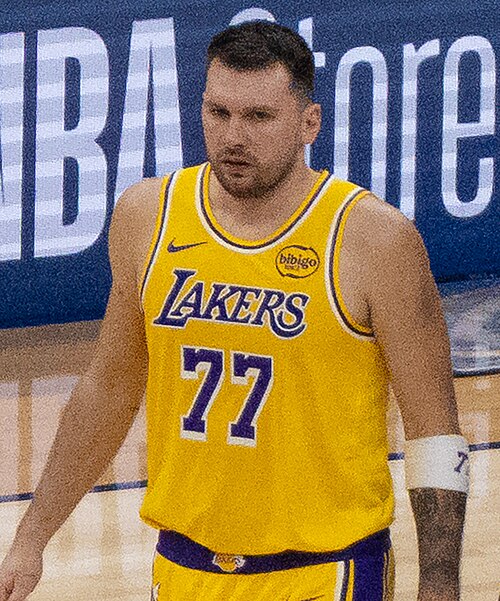
LOS ANGELES — Los Angeles Lakers superstar Luka Doncic suffered a Grade 2 strain to his left hamstring on April 2 and will miss the remainder of the 2025-26 regular season, but the team has reported no additional injuries beyond the recurring hamstring issue, according to the latest medical updates.
Luka Doncic
The Slovenian guard, who has been the NBA’s leading scorer much of the season, went down in the third quarter of a 139-96 road loss to the Oklahoma City Thunder. He pulled up during a non-contact play, limped noticeably and did not return. An MRI the following day confirmed the Grade 2 strain, prompting the Lakers to rule him out for the final stretch of the regular season.
As of mid-April 2026, with the NBA playoffs set to begin April 18, Doncic has no other reported injuries. The focus remains solely on managing and rehabilitating the left hamstring, the same leg that sidelined him for four games earlier in February. No ankle, knee, groin or back issues have surfaced in recent Lakers injury reports or statements from the medical staff.
Doncic, 27, traveled to Spain shortly after the diagnosis to seek specialized treatment aimed at accelerating his recovery. His agent, Bill Duffy, confirmed the move in consultation with Lakers doctors and Doncic’s personal medical team. Reports indicate he underwent injection procedures while overseas to promote healing in the hamstring tissue. He is expected to return to the United States this week for further evaluation.
A Grade 2 hamstring strain involves a partial tear of the muscle fibers and typically requires three to six weeks of recovery, though timelines can vary based on the athlete’s conditioning, treatment protocol and history of similar injuries. Some medical experts have noted that rushing back from such soft-tissue damage risks re-injury, especially for a player like Doncic whose game relies heavily on explosive changes of direction, deceleration and burst.
Advertisement
The injury occurred after Doncic appeared to tweak the same hamstring in the first half against Oklahoma City. He played through visible discomfort before the issue worsened. Lakers coach JJ Redick and the training staff had monitored him closely, but the non-contact nature of the aggravation highlighted the lingering vulnerability in the muscle group.
This marks the second significant left hamstring issue for Doncic this season. The earlier absence in February came during a stretch where the Lakers were fighting for positioning in the Western Conference. Despite the setbacks, Doncic powered Los Angeles to a strong standing, averaging career-high numbers in points while contributing rebounds and assists at an elite level. His absence has forced teammates, including LeBron James and Austin Reaves, to shoulder more of the offensive load in the final games.
With the regular season winding down, the Lakers have already secured a playoff spot, lessening the immediate impact on seeding battles. However, Doncic’s availability for the postseason remains the critical question. Optimistic projections suggest he could target a return sometime in the first or second round if rehabilitation progresses smoothly, though conservative estimates point to a later-round or even uncertain status depending on how the hamstring responds to loading.
Sports medicine analysts emphasize that hamstrings are notoriously tricky. The muscle group must withstand high eccentric forces during sprinting and stopping — movements central to Doncic’s step-back threes, drives and defensive closeouts. Previous NBA cases of Grade 2 strains have shown that players who return too aggressively often face extended absences or diminished explosiveness.
Advertisement
Doncic’s decision to pursue treatment in Europe reflects both his desire to expedite healing and access to advanced regenerative techniques not always available stateside. While specifics of the injections remain private, such procedures commonly include platelet-rich plasma (PRP) or other biologics aimed at reducing inflammation and stimulating tissue repair. He reportedly spent the bulk of his time in Spain focused on rehab before heading back to Los Angeles for reassessment.
Lakers fans and analysts have expressed mixed reactions. Some worry that pushing for an early playoff return could compromise long-term health, especially given Doncic’s workload over recent seasons. Others point to his resilience and competitive drive, noting he has historically powered through discomfort when the stakes are high. Kendrick Perkins, among others, cautioned against expecting a fully healthy version of Doncic if he suits up prematurely, suggesting the Lakers might face an early playoff exit without their star at 100 percent.
The broader context includes Doncic’s MVP candidacy. He entered the injury stretch as a frontrunner in several statistical categories, but missing the final games likely ends his chance at individual hardware due to the league’s 65-game participation requirement for most major awards. That disappointment is secondary, however, to the team’s playoff ambitions.
In the locker room, the mood has remained professional. James has spoken about the need for collective effort in Doncic’s absence, while younger players have stepped up in recent contests. The Lakers’ depth will be tested in the opening playoff round, where matchups against strong Western Conference opponents could hinge on whether Doncic can contribute at any capacity.
Advertisement
Historically, Doncic has dealt with various lower-body ailments, including ankle soreness, knee issues and leg fatigue in prior campaigns. This season’s hamstring problems stand out as the most persistent. Team officials have stressed load management throughout the year, yet the demands of a full NBA schedule — combined with Doncic’s heavy usage — have taken a toll.
Prevention strategies for recurring hamstring strains often involve targeted strengthening, flexibility work, proper warm-ups and monitoring fatigue indicators. The Lakers’ training staff is expected to implement a cautious ramp-up protocol once Doncic clears initial rehab milestones, focusing on gradual on-court activity before full-contact practices.
As the calendar turns toward the playoffs, all eyes remain on daily updates from the Lakers. Shams Charania and other insiders have indicated that progress in Spain has been positive, with a reevaluation slated upon his return stateside. No new injuries have been mentioned in any reporting, reinforcing that the Grade 2 left hamstring strain is the sole concern.
For a player who transformed the Lakers’ fortunes since his arrival, this latest hurdle represents both challenge and opportunity. A successful, measured return could position Los Angeles for a deep postseason run. A setback, however, might limit their ceiling and raise longer-term questions about durability.
Advertisement
Doncic’s story this season has been one of dominance interrupted by injury frustration. From leading the league in scoring to battling through pain against Oklahoma City, his resilience has defined much of the campaign. Now, the focus shifts to smart recovery rather than immediate heroics.
Community reaction on social media and in sports talk shows has been supportive, with fans sharing well-wishes and debating optimal return timelines. Some have drawn parallels to past stars who navigated similar soft-tissue injuries en route to championship contention.
Medical consensus advises patience. Hamstring strains, particularly repeat ones, respond best to comprehensive rehab that addresses not just the tear but surrounding kinetic chain weaknesses in the hips, core and calves. Rushing the process invites compensation injuries elsewhere.
The Lakers, already without Doncic for the regular-season finale, will enter the playoffs with heightened urgency. Their seeding will be finalized without him, but the real test begins when the bracket unfolds. Whether he joins the lineup in round one, round two or later will likely dictate the team’s fate.
Advertisement
In the meantime, Doncic continues his specialized regimen abroad before resuming stateside care. With no other injuries clouding the picture, the path forward centers entirely on healing the hamstring fully and safely.
As April 14 approaches and updates trickle in, Lakers Nation holds its breath. The hope is that the star’s European detour pays dividends, allowing him to reclaim the court when it matters most. For now, the diagnosis remains straightforward: a significant but isolated Grade 2 left hamstring strain, with no complicating factors reported.
The coming weeks will reveal whether caution or aggression defines the recovery approach. In either case, Luka Doncic’s basketball future hinges on listening to his body and the experts guiding his return.
Wealth and asset management firm 360 ONE Asset said on Tuesday that it has secured commitments worth Rs 2,000 crore for its Private Investment in Public Equity (PIPE) strategy, which it claims to be a unique investment vehicle focused on such opportunities in India.
“The response reflects investors’ interest in a strategy that is designed to unlock value in listed companies through structured capital, active engagement, and disciplined exits,” the company said, adding that the strategy aims to provide investors access to select, high-potential listed and late-stage opportunities, mixing the flexibility of private capital with the liquidity advantages of public markets.
Speaking on the development, 360 ONE Asset Co-Founder and CIO Anup Maheshwari said the company’s PIPE strategy sits at the intersection of private market discipline and public market opportunity. “We see a growing need for patient, engaged capital that can support high-potential listed companies through their next phase of growth, governance strengthening or balance-sheet optimisation. The encouraging response to the PIPE strategy, with Rs 2,000 crore committed, reflects investor conviction in this strategy and our ability to source and execute transactions at scale,” he added.
360 ONE Asset’s approach to the PIPE strategy is deeply fundamental and engagement driven, said the company’s Fund Manager Charanjit Singh. “We focus on businesses where capital, combined with institutional partnership, can unlock disproportionate value over time. By maintaining an un-indexed portfolio and investing across block deals and anchor placements, we aim to deliver attractive risk-adjusted returns while preserving liquidity optionality for our investors,” he further said.
Advertisement
The PIPE strategy aims to enable companies to raise capital efficiently, faster, and more flexibly than traditional IPOs or follow-on offerings while benefiting from strategic partnerships that bring governance expertise, institutional discipline, and long-term capital, according to the wealth management firm, which added that the strategy may offer lower information asymmetry, medium- to long-term upside, and flexible exit pathways for investors.
Live Events
360 ONE Asset had an overall listed market and alternates AUM of around $11 billion as of December 31, 2025. It offers investment solutions to clients worldwide looking to invest in Indian markets across asset classes. Its various offerings include specialized investment funds (SIFs), alternative investment funds (AIFs), portfolio management services (PMS), exchange-traded funds (ETFs), and mutual funds (MFs), including advisory and offshore. (Disclaimer: Recommendations, suggestions, views and opinions given by the experts are their own. These do not represent the views of The Economic Times)
India’s equity outlook has turned more cautious after the recent crude oil spike, with BNP Paribas trimming its optimism for 2026 and cutting its Nifty target, even as it highlights a fresh set of stock picks positioned to navigate the evolving macro landscape.
In its latest India strategy report, the brokerage flagged that the surge in oil prices amid the Middle East conflict could have a lingering impact on the economy, similar to past episodes in 2008, 2011 and 2022. While the ceasefire offers some relief, it does not fully reverse the macro risks triggered by elevated energy prices.
BNP Paribas has cut its 2026 Nifty target by 11% to 25,500, factoring in weaker earnings growth and a moderation in valuation multiples. The report underlined that higher crude prices could strain India’s fiscal and trade balances, potentially forcing a reduction in government spending and dampening consumption.
Foreign institutional investor (FII) sentiment has also weakened, with India seeing limited participation in the global AI-driven rally and facing concerns around slowing earnings momentum. Additionally, structural risks such as AI-led disruption in service employment could weigh on medium-term growth.
Advertisement
Against this backdrop, the brokerage has shifted its sectoral stance, favouring defensives and segments that historically perform better during periods of high crude prices. It prefers staples, telecom and utilities, citing their resilience, while maintaining a positive view on private sector banks over PSU lenders and NBFCs. IT services, after recent corrections, are also seen as offering value, aided by currency tailwinds.
Live Events
On the other hand, sectors sensitive to rising input costs — including autos, cement and consumer durables — are expected to face pressure. Infrastructure could also see headwinds due to a potentially tighter fiscal environment. Historically, oil shocks have had a direct correlation with weaker macro indicators and equity market performance. BNP Paribas noted that prolonged periods of elevated crude prices tend to result in sustained pressure on inflation, currency and consumption, with markets typically underperforming for several quarters.Despite these near-term risks, valuations have corrected to more reasonable levels, offering selective opportunities for investors willing to take a medium-term view.
Among its top 9 stock ideas, BNP Paribas has highlighted Mahindra & Mahindra, Infosys, Persistent Systems, Britannia Industries, Titan, Bharti Airtel, HDFC Bank, ICICI Bank and Axis Bank as preferred picks. These companies are seen as relatively better positioned to deliver earnings resilience and navigate macro headwinds.
At the same time, the brokerage has flagged select underperformers, including TVS Motor, Wipro, AU Bank and IndusInd Bank, where upside appears limited under current conditions.
(Disclaimer: The recommendations, suggestions, views, and opinions given by the experts are their own. These do not represent the views of The Economic Times.)
The 500MW farm near Beverley is expected to be operational by 2033
Andrew Spence and Coreena Ford Chronicle and Journal business writer
09:06, 14 Apr 2026
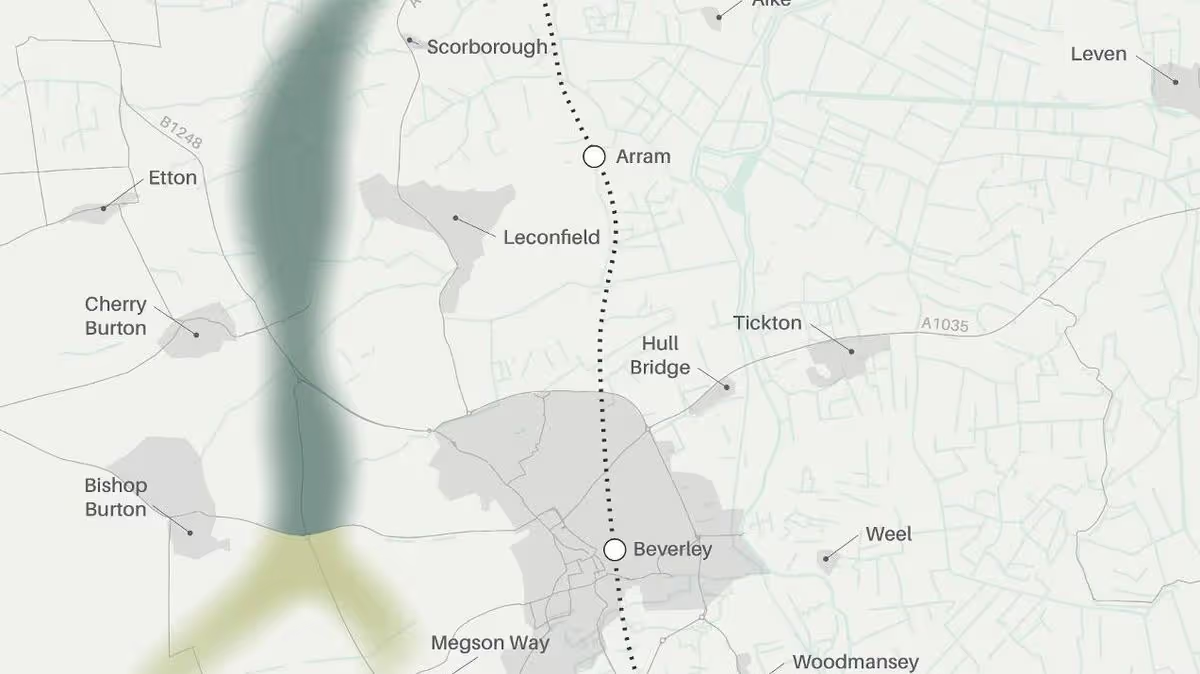
A map of the Clean Air Solar Farm proposals(Image: Clean Air Solar Farm)
Fresh proposals for a 500MW solar farm near Beverley have been announced by renewable energy specialists and joint partners, PS Renewables and Ørsted Onshore. The proposed ‘Clean Air Solar Farm’ represents a revised version of the Kingfisher Solar Farm, which was first announced in January 2025.
The new scheme features a revised site boundary and would generate sufficient electricity to power approximately 160,000 UK homes. It would make it one of the biggest planned, coming just a week after the Government gave the green light to what is set to become the UK’s largest solar farm, rated at 800MW.
Advertisement
The project would be spread across two sites near Beverley. A northern site would sit roughly three miles north of Beverley, to the east of the A164. Plans for this land were put before the public during a consultation in February 2025 under the Kingfisher Solar Farm name.
The southern site would be positioned to the southwest of the A1079. The project would tie into the planned Wanlass Beck substation, which forms an extension of the existing Creyke Beck substation.
Given the volume of electricity the Clean Air Solar Farm would produce, it is classified as a Nationally Significant Infrastructure Project (NSIP). This means the decision on whether to grant final consent for the development would rest with the Secretary of State for Energy Security and Net Zero, rather than the local council, as would ordinarily be the case with planning matters.
A planning ruling is anticipated in 2028. Should consent be granted, the Clean Air Solar Farm is projected to be operational by 2033, reports Hull Live.
Advertisement
Randall Linfoot from the Clean Air Solar Farm team said: “Since we first introduced Kingfisher Solar Farm, there have been significant changes. The project was originally developed to make use of spare grid capacity associated with Ørsted’s Hornsea 4 offshore wind project. Since then, Hornsea 4 has returned to development, and we have been following the statutory National Energy System Operator (NESO) Gate 2 process to secure a new grid connection.
The project would include two sites near Beverley(Image: Clean Air Solar Farm)
“New project partners PS Renewables are a highly experienced, UK renewable energy developer. Together with Ørsted Onshore, the project proposals and site boundary have since evolved. To reflect these collective changes and a fresh start to our proposal, we took the decision to rename to Clean Air Solar Farm.
“Clean Air Solar Farm will be able to power approximately 160,000 UK homes, making a significant contribution toward meeting the country’s ambitious plans to achieve net-zero carbon emissions by 2050. We are committed to making a long-term, positive impact with these proposals and feedback from the community is critical. We would like to thank everyone for the time taken to engage with Kingfisher Solar Farm. All the feedback received to date has been carefully reviewed and fed into our plans.”
A series of Public Information Days regarding the scheme will take place in the local area during June 2026. These drop-in sessions will give local communities near the site an opportunity to discover more about the proposals, speak directly with the project team and share their views on the developing design. This will be followed by a consultation period in Autumn 2026.
Advertisement
Drop in sessions take place in June in Lockington, Beverley and Walkington.
To find all the planning applications, traffic diversions, road layout changes, alcohol licence applications and more in your community, visit the Public Notices Portal.
Good morning, everyone, and thank you for joining us on today’s PageGroup Q1 trading update. My name is Drew, and I’ll be the operator on the call today. After today’s prepared remarks, we will have a Q&A session. [Operator Instructions] With that, it’s my pleasure to hand over to Kelvin Stagg, Chief Financial Officer, to begin. Please go ahead.
Kelvin Stagg CFO, Member of Executive Board & Executive Director
Advertisement
Thank you, Drew. Good morning, everyone, and welcome to the PageGroup 2026 First Quarter Trading Update. I’m Kelvin Stagg, Chief Financial Officer; and on the call with me is Nick Kirk, Chief Executive Officer. Although I will not read it through, I’d just like to make reference to the legal formalities that are covered in the cautionary statement in the appendix to this presentation and which will also be available on our website following the call.
The group produced another resilient performance despite the heightened geopolitical and macroeconomic uncertainty. Q1 gross profit was GBP 187 million, a decline of 4.9% in constant currencies against 2025. Our fee earner headcount increased by 26 or 0.5%, driven by growth in the Americas and Asia Pacific, partially offset by reductions in EMEA in the U.K. Overall, the group ended the quarter with 4,994 fee earners and a total headcount of 6,801.
HAWTHORNE, Calif. — Starlink Mini is proving it can deliver reliable high-speed internet even at highway speeds, SpaceX’s official account declared Monday in a post on X that quickly gained traction among travelers and tech enthusiasts.
The message quoted a user cruising down the interstate, praising the compact satellite terminal for keeping him connected with “great, fast, reliable internet.” Posted April 13, the update underscored Starlink Mini’s growing role as a portable solution for drivers, RVers and digital nomads who refuse to lose service in remote stretches of road.
As of mid-April 2026, Starlink Mini stands out as the go-to hardware for SpaceX’s Roam service plans. Weighing just 2.56 pounds and measuring roughly the size of a laptop, the Mini packs a phased-array antenna and built-in Wi-Fi router into a backpack-friendly package. It draws only 25-40 watts on average, making it compatible with vehicle power systems, portable batteries or solar setups.
Starlink Mini Enables High-Speed Internet on Highways: SpaceX’s Game-Changer for Mobile Connectivity in 2026
Performance has improved markedly since its 2024 debut. Current Roam users report download speeds between 65 and 260 megabits per second, with some tests exceeding 200 Mbps even while moving. Upload speeds range from 8 to 30 Mbps, and latency typically stays under 99 milliseconds — fast enough for 4K streaming, video calls, online gaming and remote work from the passenger seat.
The hardware itself now sells for $199 to $249, depending on promotional offers for new customers, a sharp drop from earlier pricing. Two Roam service tiers are available in most U.S. markets: $50 per month for 100 gigabytes of priority data, or $165 per month for unlimited usage. Additional data can be purchased in blocks if needed.
Advertisement
Mounting the Mini for in-motion use requires a few accessories — magnetic roof mounts, cable routing kits and weatherproofing — but real-world testers confirm it holds a stable connection at interstate speeds when properly installed. One recent road-trip review described uninterrupted Wi-Fi across a 246-mile drive through cell-service dead zones, turning a family van into a rolling office and entertainment hub.
SpaceX has rolled out the Mini alongside broader network upgrades. More than 10,200 Starlink satellites are now operational, part of a constellation that has grown to nearly 11,750 launched vehicles since 2019. The company continues launching batches of 25 to 29 satellites almost weekly, with recent missions from Vandenberg Space Force Base and Cape Canaveral adding capacity for mobile users.
Subscriber numbers reached 9.2 million by early 2026, according to industry estimates, generating roughly $10.6 billion in annual revenue for SpaceX and accounting for about two-thirds of the company’s total income. That financial momentum has allowed continued investment in portability and global coverage.
International expansion is accelerating. In Japan, SoftBank customers gained Starlink Mobile access April 10 without extra fees, enabling voice, video and messaging over the satellite network directly on smartphones. Latin America’s Copa Airlines announced it will become the region’s first carrier to offer Starlink Wi-Fi from gate to gate. Partnerships such as the one with U.S. Mobile bundle satellite broadband with cellular plans, creating hybrid connectivity options for travelers.
Advertisement
For drivers and overlanders, the Mini’s appeal lies in its freedom from terrestrial infrastructure. Truckers crossing remote highways, families heading to national parks and remote workers in vans all report the same benefit: connectivity that simply works where cell towers do not. One user in a Cybertruck posted photos of the Mini delivering strong signals on long hauls, while RVers at rallies across the Southwest described mounting the dish on roofs or using quick-deploy stands at campsites.
Setup takes minutes. The dish auto-aligns to the sky, connects to the nearest satellite and broadcasts Wi-Fi to up to 128 devices within a 1,200-square-foot coverage area. Its IP67 weather resistance handles rain, dust and highway spray. Power options include a standard DC input, making it ideal for 12-volt vehicle systems.
Critics note limitations. The Mini’s speeds, while impressive for satellite internet, trail the larger residential dishes that can exceed 400 Mbps in optimal conditions. Data caps on the lower-cost Roam plan may constrain heavy users, though unlimited options eliminate that concern for a higher monthly fee. Regulatory hurdles in some countries still restrict full mobility, and the system performs best with a clear view of the sky — a challenge in dense urban canyons or thick forests.
Still, independent tests and user videos circulating on X show the Mini maintaining connections at 70 mph and beyond when correctly mounted. Download and upload graphs remain steady through tunnels and over mountain passes, provided the dish has line-of-sight to satellites.
Advertisement
SpaceX continues to refine the experience. Standby Mode, introduced in recent software updates, reduces power draw when the vehicle is parked, extending battery life for overnight use. New mounting accessories and protective cases have appeared on the Starlink shop, addressing feedback from early adopters. Business customers in remote, non-congested areas can already access gigabit-tier upgrades, hinting at faster consumer options later in 2026.
The Mini’s success reflects broader shifts in how people work and travel. Digital nomads, long-haul truckers and weekend adventurers increasingly demand always-on internet. Traditional cellular providers struggle in rural corridors; fiber and cable never reach the open road. Starlink fills that gap, turning any vehicle into a connected node.
Elon Musk’s company has hinted at deeper vehicle integration. Requests for factory-installed Starlink in Tesla models, including the Cybertruck and Semi, appear regularly on X. While no official timeline exists, the Mini’s low power profile and compact size make it a logical candidate for future OEM options.
Globally, Starlink’s reach now spans more than 100 countries. In Australia, Europe and parts of Africa, Roam plans provide the same mobile capability. Aviation partnerships are expanding, with airlines promising in-flight Wi-Fi that rivals ground-based fiber. Maritime users on yachts and commercial vessels report similar reliability.
Advertisement
Environmental and regulatory questions linger. The constellation’s rapid growth has drawn scrutiny over orbital debris and night-sky brightness, though SpaceX says it is addressing both with improved satellite designs and de-orbit protocols. Spectrum-sharing agreements with terrestrial networks continue to evolve to prevent interference.
For now, the focus remains on users like the one featured in Monday’s post. His simple video of streaming and browsing while driving captured what millions seek: freedom from dead zones. The Starlink account’s caption — “Starlink Mini enables reliable high-speed internet on the go 🛰️🛣️” — distilled the promise in nine words.
Analysts predict continued subscriber growth through 2026 as hardware prices fall and coverage densifies. With Starship expected to accelerate satellite deployment in coming years, capacity for simultaneous mobile users should rise dramatically.
Whether crossing the Australian outback, the American Midwest or European motorways, travelers now have a proven tool for staying connected. The Starlink Mini has moved beyond novelty to become essential gear for anyone whose office, classroom or living room has four wheels and an open road ahead.
Advertisement
As the post continues to circulate with thousands of likes and reposts, one message is clear: the future of internet on the move is already here, and it fits in a backpack.
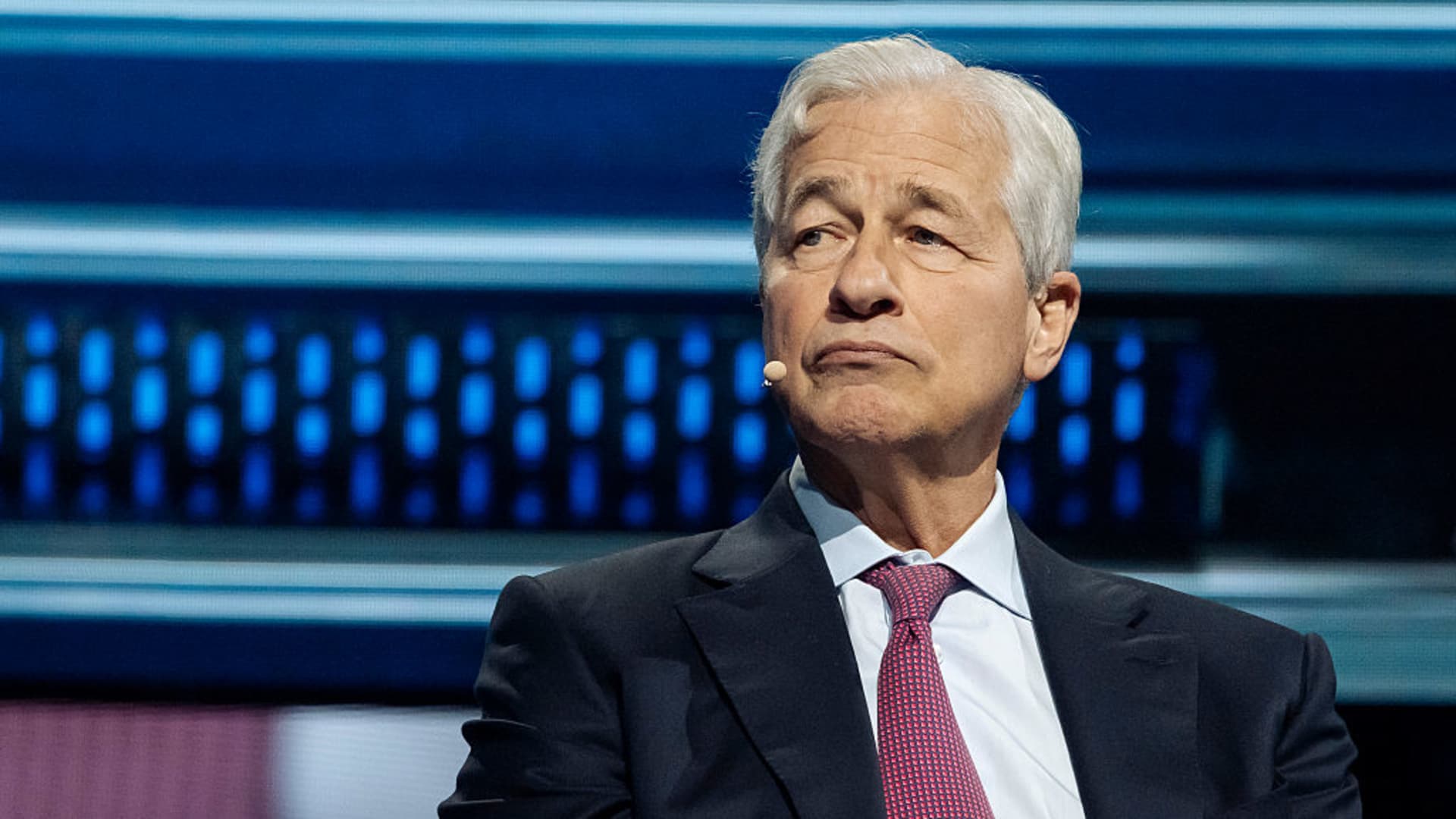
Jamie Dimon, chief executive officer of JPMorgan Chase & Co., during the America Business Forum in Miami, Florida, US, on Thursday, Nov. 6, 2025.
Eva Marie Uzcategui | Bloomberg | Getty Images
JPMorgan Chase is scheduled to report first-quarter earnings before the opening bell Tuesday.
Advertisement
Here’s what Wall Street expects:
Earnings: $5.45 a share, according to LSEG
Revenue: $49.17 billion, according to LSEG
Provision for credit losses: $3.03 billion, according to StreetAccount
Trading Revenue: Fixed income of $6.71 billion, equities of $4.58 billion, according to StreetAccount
JPMorgan will give investors a view into how consumers and corporations fared at the start of this year as a trio of concerns weighed on markets.
Banks have enjoyed tailwinds for the past few quarters, from a rebound in investment banking and trading activity to stable consumer credit.
This year, though, markets have been roiled by concerns over disruption from the latest artificial intelligence models, the risks posed by private credit and the Iran war that began in late February.
Analysts will be keen to hear what JPMorgan CEO Jamie Dimon has to say about his outlook for loan defaults, as well as any concerns he might have about the credit cycle and geopolitical risks created by the war in the Middle East.
Advertisement
Goldman Sachs, a rival to JPMorgan when it comes to trading and investment banking, on Monday posted first-quarter results that topped expectations on record equities trading revenue.
Royal Gold, Inc. (RGLD) Mining Forum Europe 2026 April 14, 2026 4:00 AM EDT
Company Participants
Daniel Breeze – Senior Vice President of Corporate Development – RGLD Gold AG
Conference Call Participants
Advertisement
Cosmos Chiu – CIBC Capital Markets, Research Division
Presentation
Cosmos Chiu CIBC Capital Markets, Research Division
Advertisement
Next up, we have Dan Breeze, Senior VP, Corporate Development at Royal Gold. Morning, Dan. I’ve heard about higher royalties and not really complaining, but the producers are talking about higher royalties, and we have now Royal Gold, the recipient of some of these royalties, so.
Daniel Breeze Senior Vice President of Corporate Development – RGLD Gold AG
Okay. Thanks for that context, Cosmos. Good to see you. Yes. Thanks for hosting this session again. Good morning, everybody. We certainly appreciate the invitation from the Denver Gold Group to be here, and thank you for your interest. I’m really pleased to update you on the Royal Gold story. The last year has been the most defining period in the history of the company. We’re going to go through a few of the key items that we want to cover off for you.
Advertisement
Just bear with me for a moment, I will be making forward-looking statements during this presentation. Actual results may differ materially due to risks and uncertainties. These details are in our most recent 10-K that was filed with the SEC.
This is a high-level presentation and we’ll get into a little bit of detail as we go through it. But I want to start with a summary of why we think Royal Gold is a compelling investment. We are a mine finance and portfolio management company. We are focused on making perpetual investments in royalties and streams, primarily in gold. And in fact, we lead the sector in terms of gold exposure as a percentage
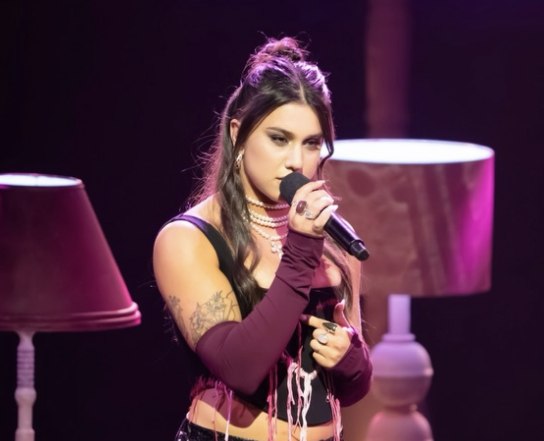
SYDNEY — As Australian Idol 2026 reaches its nail-biting conclusion Tuesday night, 21-year-old Kesha Oayda stands on the cusp of stardom with a genuine shot at claiming the season’s crown in the two-night grand finale.
Kesha Oayda
The Jindabyne skier-turned-singer, one of three remaining finalists, performed her heart out Monday alongside Kalani Artis and Harlan Goode. With public votes now locked in and the winner set to be revealed live on Channel 7 and 7plus at 7:30 p.m. Tuesday, the question on everyone’s lips is whether Oayda’s raw vocal power, emotional depth and hometown momentum can carry her across the finish line.
Oayda has been a breakout star since her Feb. 15 audition, where she delivered a show-stopping rendition of Lady Gaga and Bruno Mars’ “Die With A Smile.” Judges Kyle Sandilands, Marcia Hines and Amy Shark were impressed by her natural stage presence and powerhouse voice, fast-tracking her through the Top 30 and into the live shows. Her journey has been anything but smooth. She landed in the bottom two during Top 12 Movie Week after singing Madonna’s “Like a Prayer,” only to save herself with a stirring “Lay Me Down” by Sam Smith on results night. In Aussie Week’s Top 10, her take on Olivia Newton-John’s “Hopelessly Devoted To You” earned her a judges’ save after another close call.
Yet each setback seemed to fuel her. By Top 6 Heroes and Tributes Week, Oayda hit an emotional peak, performing Miley Cyrus’ “The Climb” with her father Nolen on guitar — a full-circle moment that moved the audience and judges alike. She sailed safely into the Top 3 after a strong “Dancing Queen” save performance. Her consistency, combined with undeniable star quality, has made her a fan favorite and a legitimate threat heading into the finale.
The grand finale kicked off Monday with high-stakes solo and duet performances. Oayda took the stage solo with Adele’s “When We Were Young” and joined Vanessa Amorosi for a show-stopping duet of “Shine.” Guest stars including Pete Murray, Anthony Callea, Morgan Evans and judge Amy Shark added star power to the night, but all eyes remained on the Top 3 as they fought for Australia’s votes.
Advertisement
Oayda’s background sets her apart in a competition full of polished vocalists. Born and raised in the Snowy Mountains town of Jindabyne, she grew up on skis, following in the footsteps of her father Nolen, a professional skier, and her mother, also an avid slope enthusiast. Music, however, was always her true calling. Her father gifted her a guitar the day she was born, and by age 8 she was competing in the local Jindy Idol. The tight-knit farming and skiing community has rallied behind her, flooding social media with support and turning her run into a regional pride story.
In an exclusive interview ahead of the finale, Oayda credited her “secret weapon” — simply enjoying every moment on stage. She discovered the approach after landing in the bottom two earlier in the season. “I just went out and enjoyed it, and I think that was a really big turning point in the competition,” she told New Idea. “As much as it is a competition, it’s doing something you love.” That mindset has kept her grounded amid the pressure, she said, allowing her to focus on connecting with the audience rather than obsessing over votes.
Her father remains her biggest inspiration. Sharing the stage with him during “The Climb” was “indescribable” and “absolutely incredible,” Oayda said. “That’s just my way of beginning to thank him for everything he’s done for me musically and just my life on a regular day-to-day basis.” The duet not only showcased her vocal range but highlighted the personal stakes driving her performance.
Oayda enters Tuesday’s results show as one of the strongest vocalists left. Her performances have consistently drawn praise for emotional authenticity and technical skill — from Hozier’s “Take Me To Church” in the Top 21 to Madonna’s “Like a Prayer,” Cyndi Lauper’s “Girls Just Wanna Have Fun” and ABBA’s “Dancing Queen.” Fans and analysts note her ability to deliver “chills” with powerhouse ballads and upbeat numbers alike. Spotify streams of her Idol tracks, including “The Climb” and “Die With A Smile,” have surged, signaling broad appeal.
Advertisement
The other finalists bring their own strengths. Kalani Artis, 23, a former landscaper from the NSW Central Coast, has impressed with soulful, heartfelt delivery and quiet determination. Harlan Goode, 19, the Brisbane musical theatre standout, wows with big-ballad power and stage-ready charisma inspired by artists like Sabrina Carpenter and Sam Smith. All three delivered standout moments Monday, but the outcome now rests entirely with public votes cast over the past weeks and during the live shows.
Prize incentives are massive for the winner: $100,000 cash, a recording package with Hive Sound Studios, a songwriting camp with Sony Music Publishing, marketing support and VIP access to the ARIA Awards and TV WEEK Logie Awards. For Oayda, the real prize is the platform to launch her original music. “I’m ready to go on tour, I’m ready to start getting songs out,” she said. “I’ve got these songs that I’m writing every day.”
Season 11, which premiered Feb. 2 on the Seven Network, has been a ratings success under hosts Ricki-Lee Coulter and Scott Tweedie. Judges Sandilands, Hines and Shark — joined by guests including Jessica Mauboy and Anastacia — have guided contestants through themed weeks that tested versatility, from Movie Week to Super Twist Week. Oayda’s resilience through multiple bottom placements proved her growth and made her progression to the Top 3 feel earned.
Local support in Jindabyne has been overwhelming. Community posts on social media urge votes via the official Australian Idol app, SMS and online portals. “The Final Climb! Let’s get Kesha to the grand final,” one regional outlet declared after her Top 6 advancement. Her Instagram handle @keshaneve.music has become a hub for fans sharing clips of her performances, including “Hopelessly Devoted To You” and “Take Me To Church,” which racked up tens of thousands of views.
Advertisement
Analysts and fan forums give Oayda solid odds. Some power rankings place her as a dark horse with strong public backing, citing her consistent “wow” factor and underdog narrative. While no official betting odds are released, online buzz suggests the race between the three is tight, with Oayda’s emotional storytelling resonating deeply. One fan site noted her “high probability” of a deep run based on viewer engagement trends.
Regardless of Tuesday’s outcome, Oayda has already won over hearts. Her story — trading skis for a microphone while honoring her roots — embodies the Idol spirit. Whether she takes the title or not, the exposure positions her for a post-show career in music, potentially including tours and original releases.
As the clock ticks toward the 7:30 p.m. announcement, tension is high across Australia. Viewers tuning in will witness history: the culmination of months of auditions, live battles and public votes. For Oayda, it’s the final step in a journey that began with a guitar gift and backyard dreams in the Snowy Mountains.
Will her secret weapon of pure enjoyment and vocal fireworks be enough? Australia decides tonight. One thing is certain: Kesha Oayda has proven she belongs among the best, and her chances remain very much alive as the votes are revealed in what promises to be an unforgettable grand finale.





















































You must be logged in to post a comment Login