
Business
Here’s what happens when you dispute a credit card charge


Financial influencer Taylor Price joins ‘Varney & Co.’ to break down how shifting your mindset can help Americans grow wealth and achieve the American Dream.
You have 60 days from your credit card statement date to dispute a charge. After that, the protection disappears.
If you’ve ever spotted a charge you didn’t recognize and done nothing about it, here’s what you missed, and what to do next time.
What qualifies as a dispute
Not every complaint about a charge is the same thing. The Fair Credit Billing Act (FCBA) covers specific situations: unauthorized charges, charges for goods or services you didn’t receive, charges for something that arrived damaged or different from what was described, and billing errors.
CREDIT CARD INTEREST RATE CAP COULD REDUCE ACCESS FOR OVER 100 MILLION AMERICANS, ANALYSIS FINDS

Not every complaint about a charge is the same thing. (Getty Images)
What it doesn’t cover is buyer’s remorse. If you made a purchase, received what you ordered, and just changed your mind, that’s not a dispute. The distinction matters because issuers treat them differently from the start.
What happens when you file
When you contact your issuer to dispute a charge, they’re required to acknowledge it within 30 days and resolve it within two billing cycles, which in practice means within 60 to 90 days.
In most cases, the issuer will provisionally credit your account for the disputed amount while the investigation is open. You’re not paying for something you’re contesting. That’s a meaningful difference from how the same situation plays out with a debit card, where the money has already left your account and you’re trying to get it back.
TRUMP’S PROPOSED CREDIT CARD INTEREST RATE CAP COULD CURB ACCESS FOR MILLIONS OF AMERICANS: REPORT

You have 60 days from your credit card statement date to dispute a charge. (Brent Lewin/Bloomberg via Getty Images)
The issuer contacts the merchant
Once you file, your issuer initiates what’s called a chargeback: a formal request to the merchant’s bank to reverse the transaction. The merchant gets notified and has the opportunity to respond with documentation: proof of delivery, a signed receipt, records showing you agreed to the charge.
If the merchant doesn’t respond within the required window, the dispute typically resolves in your favor automatically. If they do respond, the issuer reviews both sides and makes a decision.
Most disputes that reach this stage go to the cardholder. Merchants know that fighting chargebacks costs time and fees regardless of the outcome, and many don’t contest smaller amounts.
TRUMP CALLS FOR 1-YEAR 10% CAP ON CREDIT CARD INTEREST RATES
What can go wrong
Disputes get denied when the documentation favors the merchant, when the purchase falls outside the FCBA’s covered categories, or when you waited too long to file. Most issuers require you to dispute a charge within 60 days of the dated statement it appears on.

If you made a purchase, received what you ordered and just changed your mind, that’s not a dispute. (iStock)
There’s also a meaningful difference between a billing dispute and a fraud claim. If the charge is genuinely unauthorized, that’s a fraud case, not a billing dispute, and it gets handled differently. Most issuers have zero-liability policies for unauthorized charges, which means your exposure is $0 regardless of amount.
The thing worth knowing before you need it
Dispute rights are built into your credit card by law. But you have to use them within the window, and you have to be able to describe specifically why the charge qualifies.
GET FOX BUSINESS ON THE GO BY CLICKING HERE
Keep records: confirmation emails, screenshots of what you ordered, correspondence with the merchant. If a dispute reaches the documentation stage, those details are what wins it.
Motley Fool Money does not cover all offers on the market. Editorial content from Motley Fool Money is separate from The Motley Fool editorial content and is created by a different analyst team.The Motley Fool has a disclosure policy.


AUSTIN, Texas — Elon Musk on Saturday shared a breathtaking AI-generated video created with Grok Imagine, xAI’s advanced text-to-video tool, sparking an immediate explosion of user-generated content on X as thousands of subscribers posted their own stunning creations and turned the platform into a showcase for the feature’s creative potential.

The video Musk posted depicts a smiling young woman in a sunlit park holding a vibrant bouquet of flowers while playfully interacting with floating soap bubbles. The high-quality clip, complete with realistic motion, lighting and detail, quickly garnered millions of views and inspired a wave of replies featuring everything from cinematic scenes to whimsical animations made entirely with Grok Imagine.
Grok Imagine, the image and video generation capability integrated into xAI’s Grok chatbot, has rapidly become one of the most talked-about features on X since its expanded rollout. Subscribers to X Premium and SuperGrok plans can access the tool directly in Grok conversations, typing prompts to generate still images or short videos. Musk’s post, simply captioned “Grok Imagine,” served as both a demonstration and an invitation for users to experiment and share.
Within hours, the replies section of Musk’s post transformed into a vibrant gallery. Users posted videos of futuristic cityscapes, historical re-creations, fantasy creatures, and everyday scenes brought to life with surprising realism. Some creations featured cinematic camera movements, dynamic lighting effects, and detailed textures that rivaled professional animation studios. Others experimented with humorous or surreal concepts, such as puppies piloting spaceships or historical figures dancing in modern settings.
The viral response highlights the growing power and accessibility of AI video generation. Unlike earlier tools that often produced inconsistent or low-quality results, Grok Imagine appears to deliver coherent motion, natural physics and artistic flair in many cases. Users praised the tool’s speed, ease of use and ability to handle complex prompts while maintaining stylistic consistency.
xAI has positioned Grok Imagine as part of its broader mission to build AI that is maximally truth-seeking and helpful. The feature builds on Grok’s existing image generation capabilities and represents a significant leap forward in video synthesis. Musk has frequently highlighted Grok’s rapid development, noting that the model continues to improve weekly through real-world usage and feedback from X users.
The timing of Musk’s post coincides with intense competition in the AI creativity space. Tools from OpenAI, Google, Midjourney and others have also advanced rapidly, but Grok Imagine’s direct integration into X gives it a unique social distribution advantage. Users can generate, share and discuss creations all within the same platform, creating a self-reinforcing cycle of discovery and inspiration.
Industry analysts say the surge in user-generated content demonstrates the appetite for accessible AI creativity tools. Many creators who previously relied on expensive software or professional studios are now experimenting with Grok Imagine for concept art, social media content and personal projects. The feature’s availability to Premium subscribers has lowered the barrier to entry for high-quality AI video production.
Reactions from the X community have been overwhelmingly positive, with many users calling Grok Imagine a game-changer for content creation. Some posted before-and-after comparisons showing how a simple text prompt transforms into polished video clips. Others shared side-by-side tests against competing tools, often favoring Grok’s output for realism and prompt adherence.
Musk’s personal involvement in showcasing the tool underscores xAI’s close relationship with X. As both companies fall under his leadership, Grok features frequently receive prominent placement and promotion on the platform. The Grok Imagine post follows a pattern of Musk using his account to highlight technological breakthroughs and engage directly with users.
For xAI, the viral moment serves as powerful marketing and real-world testing. Each user creation provides data that helps refine the model. The company has encouraged feedback on Grok Imagine, promising continued improvements in motion quality, prompt understanding and creative range.
The trend also raises questions about the future of content creation. As AI tools become more sophisticated, the line between human and machine-generated media continues to blur. Some users expressed excitement about new artistic possibilities, while others wondered about implications for professional creators and intellectual property.
Despite the enthusiasm, Grok Imagine remains in active development. Users have noted occasional inconsistencies in longer videos or complex scenes, though overall quality has impressed most early adopters. xAI has not yet detailed exact technical specifications or training data, but the results speak for themselves in the flood of shared videos.
As the weekend progresses, the Grok Imagine trend shows no signs of slowing. Musk’s post continues to accumulate views and replies, with new creations appearing every minute. The moment captures the excitement surrounding AI creativity tools and X’s role as a hub for real-time technological experimentation.
For now, Elon Musk’s simple “Grok Imagine” post has accomplished what few product launches achieve: turning thousands of users into enthusiastic creators and demonstrators. As Grok Imagine evolves, it could redefine how people create and share visual stories on social media.
The viral showcase comes at a pivotal time for xAI and X. With Grok continuing to advance and X serving as its primary testing ground, the feature represents another step toward Musk’s vision of building maximally curious and helpful AI systems.
Users interested in trying Grok Imagine can access it through Grok on X by subscribing to Premium or SuperGrok plans. As the tool gains popularity, it is likely to inspire new trends, artistic movements and creative communities centered around AI-assisted video creation.
The response to Musk’s post suggests Grok Imagine has struck a chord with X’s creative community. Whether generating beautiful nature scenes, futuristic concepts or playful animations, users are embracing the tool’s potential to turn imagination into moving images with remarkable ease.
As more creations flood the platform, the Grok Imagine phenomenon underscores a broader shift in how people interact with AI — not just as consumers of content, but as active participants in its creation. Musk’s post has turned a simple demonstration into a global showcase of AI creativity in action.

SYDNEY — Australian motorists are seeing some relief at the pump in late April 2026 as average unleaded petrol prices settle around $1.89 per litre nationally, but diesel costs remain elevated near $2.59 per litre amid lingering global supply concerns from Middle East tensions and recent excise adjustments.
The latest data from the Australian Institute of Petroleum and GlobalPetrolPrices.com, updated as of April 20, shows unleaded 91 petrol averaging approximately 189 cents per litre across major cities. This represents a welcome decline from peaks above $2.30 in March when geopolitical disruptions drove sharp increases. Diesel, however, continues trading at a premium, with national averages hovering between 259 and 275 cents per litre depending on the state and location.
The federal government’s temporary halving of the fuel excise tax from 52.6 cents to 26.3 cents per litre, effective from April 1, has helped cushion some of the pain for consumers. This three-month measure is expected to deliver around 26 cents per litre in relief at the pump, though the full benefit varies by retailer and region as wholesale prices continue to fluctuate.
In major cities, current averages show Sydney at roughly 192-202 cents for unleaded, Melbourne slightly higher in some reports, Brisbane around 187 cents, and Perth offering some of the lower prices near 175-180 cents on competitive days. Regional areas often face higher costs due to transport expenses, with some remote locations exceeding $2.50 per litre for petrol.
Diesel prices tell a more concerning story. Heavy vehicles and industries reliant on diesel have faced sustained pressure, with prices in some states still approaching or exceeding $3 per litre in early April before modest easing. This has ripple effects on supply chains, contributing to higher costs for groceries and goods transportation.
The volatility stems primarily from international factors. Disruptions in the Strait of Hormuz and broader Middle East instability have tightened global oil supply, pushing benchmark prices higher. While some shipments have resumed, uncertainty keeps fuel markets on edge. Australia imports most of its refined fuel, making it particularly vulnerable to global swings despite domestic crude production.
Government intervention has played a key role in recent weeks. Beyond the excise cut, authorities released strategic fuel reserves and worked with industry to stabilise supply. The Australian Competition and Consumer Commission continues monitoring prices to ensure retailers pass on wholesale reductions.
For Australian households, fuel costs remain a significant budget item. The average weekly fuel spend has risen despite recent easing, with many motorists adopting strategies like shopping around via apps such as Petrol Spy or FuelCheck, filling up mid-week when prices often dip, and reducing non-essential travel. Some families report cutting discretionary driving or switching to public transport where available.
Businesses, particularly in logistics and agriculture, face steeper challenges with diesel. Trucking companies have passed on some costs through higher freight rates, contributing to broader inflationary pressures on consumer goods. Farmers and miners, heavy diesel users, have expressed concerns about profitability if high prices persist.
Industry analysts expect further moderation in petrol prices over the coming months if global oil markets stabilise, but warn against expecting a return to pre-2026 lows. Structural factors including the global shift toward cleaner energy, refinery capacity constraints and geopolitical risks suggest fuel prices will remain elevated compared to historical averages.
The Australian Automobile Association and NRMA have urged motorists to use price comparison tools and plan refuelling strategically. Apps and websites now provide real-time data, helping consumers save 10-30 cents per litre by choosing the right station and timing.
Longer-term, Australia’s fuel future involves greater EV adoption and policy support for the transition. Federal and state governments continue rolling out charging infrastructure, while incentives for electric vehicles aim to reduce reliance on imported oil. However, with millions of internal combustion vehicles still on roads, liquid fuel prices will remain relevant for years to come.
Regional variations highlight the importance of local market dynamics. Western Australia often benefits from proximity to refineries and different tax structures, while remote Northern Territory and Queensland communities face the highest costs due to transport challenges. Seasonal factors, such as holiday periods or harvest seasons, also influence local pricing.
Economists note that sustained high fuel prices act as a de facto tax on economic activity, reducing disposable income and potentially slowing growth. The government’s excise relief provides short-term breathing room, but longer-term solutions require addressing supply chain resilience and accelerating the energy transition.
For now, Australian drivers can expect petrol prices to hover between $1.75 and $2.10 per litre in coming weeks, with diesel remaining 50-80 cents higher. Monitoring daily movements and taking advantage of supermarket discounts or loyalty programs can help mitigate costs.
The current fuel price environment reflects the intersection of global geopolitics, domestic policy and consumer behaviour. While relief at the pump is welcome after March’s spikes, ongoing vigilance and strategic refuelling remain essential for Australian motorists navigating 2026’s volatile energy market.

The longer the vital oil channel doesn’t reopen, traders say, the more consumption is going to have to recalibrate lower to align with supply that’s dropped at least 10%. And for that to happen, people will have to buy less, either through prices they can’t afford, or government intervention to force consumption down.
A billion barrels of supply loss is already all-but guaranteed – more than double the emergency inventories that governments released not long after the conflict began at the end of February. Buffers are being used up fast, helping to keep a lid on oil prices for now. But with the closure now in its ninth week, demand destruction that started in less obvious sectors like petrochemicals in Asia, is quietly spreading to everyday markets the world over.
“Demand destruction is happening in places that are not visible pricing centers,” Saad Rahim, chief economist of trader Trafigura Group, told the FT Commodities Global Summit in Lausanne this week. “That adjustment is already happening, but if this continues, it has to get larger and larger. We’re at a critical inflection point.”


The most dependent industries and markets – including petrochemicals plants in Asia and the Middle East, and shipments of liquefied petroleum gas, a vital cooking fuel in India – saw an immediate hit when the US and Israel first attacked Iran on February 28.
Now, with a stalemate between US President Donald Trump and his Iranian adversaries dragging on, the impact is increasingly shifting west – and to products that are central to consumers’ everyday lives. Airlines in Europe and the US are cutting thousands of flights.Analysts are warning of weakness in consumption of gasoline after prices hit $4 a gallon in the US, and diesel – used to power everything from trucks to construction equipment. Global oil demand is on track to slump the most in five years this month, according to the International Energy Agency, which coordinated the emergency measures by major economies to counteract the supply shock.
Trading giant Gunvor Group estimates the loss could double next month to 5 million barrels a day, or 5% of world supplies, and along with other major traders sees a growing risk of economic recession. Other analysts say that the impact has already reached around the 4 million a day mark.
That toll is beginning to take shape. Germany has slashed economic growth forecasts in half, while the International Monetary Fund has trimmed global estimates, citing the war.
In the most “severe” of three scenarios modelled by the European Central Bank, Brent prices peak at $145 a barrel and cut the region’s growth in half. The need for oil demand and economic activity to adjust lower, most likely through prices that discourage consumption, will only increase with every day the strait stays shut.
Worldwide demand already faces a hit of 5.3 million barrels a day this quarter, and a 12-week disruption of Hormuz would propel Dated Brent, the world’s key physical crude price, above this month’s record to $154 a barrel, according to consultant FGE NexantECA.
“Because there is still no visible disaster” in the west, “people think everything is okay, and a bit higher pump prices are the only impact,” said Cuneyt Kazokoglu, FGE’s director of energy transition. But demand destruction “will come and is coming in waves. Asia was first in line, Africa is the next one. Europe has already started talking about the lack of some fuels and feeling the price impact.”
Ultimately, in a market where demand needs to adjust down to match lower supply, oil prices may be what drive that recalibration. In extreme scenarios, where price alone forces the market to balance, FGE estimates that crude oil would need to surge to $250 a barrel.
Several analysts said privately that extreme uncertainty about what will happen in the conflict makes it almost impossible to model the demand impact. But without a swift resolution, the economic consequences could be profound.

GRAPEVINE, Texas — GameStop Corp. has emerged as one of the most debated investment stories heading into the second half of 2026, with a dedicated base of retail investors and some prominent voices arguing the company offers compelling upside despite years of skepticism from traditional Wall Street analysts. With roughly $9 billion in cash and equivalents, new digital initiatives gaining traction and CEO Ryan Cohen steering a strategic overhaul, here are 10 key reasons some investors are betting on GME stock this year.
1. Fortress Balance Sheet GameStop ended its most recent fiscal year with approximately $9 billion in cash and marketable securities, giving it one of the strongest balance sheets in retail. This massive war chest provides enormous optionality. Cohen has repeatedly signaled interest in a “very, very, very big” transformative move. Whether through acquisitions, share buybacks, or major investments in new growth areas, the cash position acts as both a safety net and a powerful catalyst.
2. Ryan Cohen’s Track Record The Chewy co-founder has a proven ability to create shareholder value through customer obsession and operational discipline. Since taking the helm, Cohen has aggressively cut costs, closed underperforming stores and shifted the company toward higher-margin collectibles and e-commerce. His long-term incentive plan, tied to ambitious market cap and EBITDA targets, aligns management interests with shareholders in a rare way.
3. Power Packs and Collectibles Pivot The April 2026 launch of Power Packs — hybrid digital-physical trading cards for Pokémon, sports and more — has been well received. Early sales suggest strong consumer interest in GameStop’s evolution into a destination for collectors. This category carries higher margins than traditional video game hardware and software, helping offset industry-wide digital download trends.
4. Undervalued Relative to Cash At current trading levels, investors are essentially buying the operating business for almost nothing after accounting for the cash on hand. Some value-oriented investors argue the stock trades at a significant discount to its net cash position alone, creating a margin of safety even if the core retail business continues facing headwinds.
5. Short Interest Still Present While nowhere near 2021 levels, GameStop maintains a dedicated short interest that creates occasional squeeze potential. Combined with a highly engaged retail shareholder base, any positive catalyst can trigger rapid upward moves. This volatility works both ways but offers asymmetric upside for those with conviction.
6. E-commerce and Digital Transformation GameStop has invested heavily in its online presence and fulfillment capabilities. Improved website experience, better inventory management and partnerships in the collectibles space are helping the company compete more effectively in a digital-first world. Early signs show progress in reducing reliance on physical store traffic.
7. Insider Buying Signals Confidence Recent insider purchases, including by prominent investors like Michael Burry, have caught attention. These moves suggest those closest to the company see value at current prices. Cohen’s own significant ownership further aligns incentives.
8. Potential for Major Strategic Move With billions in cash and a clean balance sheet, GameStop is uniquely positioned to make an acquisition that could fundamentally change its trajectory. Speculation ranges from entertainment assets to technology plays that leverage its retail footprint and customer data.
9. Improving Operational Metrics Recent quarters have shown better-than-expected profitability, successful cost cutting and margin expansion in key categories. While revenue faces industry pressures, the company has demonstrated an ability to generate positive adjusted earnings and free cash flow even during challenging periods.
10. Long-Term Entertainment and Community Play GameStop’s physical stores and online presence give it a unique position in gaming culture. As esports, collectibles and community events grow, the company could evolve into something more than a traditional retailer — potentially a hybrid entertainment and commerce platform with strong brand loyalty among core gamers.
Analysts remain divided. Most maintain Hold or Sell ratings with price targets well below current levels, citing secular declines in physical gaming retail. However, a growing cohort of investors sees the combination of cash, leadership and optionality as too compelling to ignore. The stock’s dedicated following ensures any positive development can generate significant attention and momentum.
GameStop faces real challenges. The shift to digital downloads continues pressuring traditional retail, competition from big-box stores and online giants remains fierce, and execution risk on any major strategic move is high. Yet the balance sheet strength provides a runway few retailers possess.
For risk-tolerant investors comfortable with volatility, GameStop represents a high-conviction asymmetric bet. The downside appears limited by the cash position, while upside could be substantial if Cohen successfully transforms the company. As 2026 progresses, the market will watch closely for signs of the next chapter — whether through acquisition, operational improvement or continued evolution of the business model.
The debate around GameStop has always been passionate. In 2026, with real strategic optionality and a massive cash balance, the discussion has shifted from meme-stock dynamics toward fundamental questions about retail transformation and capital allocation. Whether that leads to sustained outperformance remains to be seen, but for believers in Cohen’s vision, the case for buying GME has rarely looked stronger.

AUSTIN, Texas — Elon Musk on Saturday unveiled a major upgrade to xAI’s Grok Imagine model, sharing a highly realistic AI-generated video that demonstrates dramatically improved lip sync and audio capabilities, instantly sparking a flood of user-created content and reigniting debates about the future of AI-generated media on the X platform.
In a post that quickly amassed millions of views, Musk wrote: “New Grok Imagine model just dropped with much better lip sync & sound. Nothing in this video is real.” The attached clip showcased the model’s ability to produce natural mouth movements, realistic facial expressions and convincing audio synchronization, features that have long been weak points in earlier text-to-video AI systems.
The demonstration video featured fluid, lifelike motion and dialogue that appeared almost indistinguishable from real footage at first glance. Musk’s caption explicitly reminded viewers that the entire scene was AI-generated, underscoring both the impressive technical leap and the growing challenge of distinguishing synthetic media from reality.
Within minutes, the replies section transformed into a creative showcase. Users flooded the thread with their own Grok Imagine videos — everything from historical figures delivering modern speeches to beloved cartoon characters rendered in photorealistic style. One popular creation showed a young Elon Musk in conversation with an adult version of himself, complete with natural gestures and synchronized dialogue. Another featured puppies “talking” in perfect lip sync, drawing widespread praise for the model’s handling of animal animations.
The rapid wave of user-generated content highlighted Grok Imagine’s accessibility. Available to X Premium and SuperGrok subscribers directly within Grok conversations, the tool allows anyone to type a prompt and generate short videos or images. Many creators noted the upgrade’s speed and improved prompt adherence compared to previous versions, calling it a significant step forward for consumer-facing AI creativity tools.
xAI has been rapidly iterating on Grok Imagine since its initial rollout. The latest model builds on earlier image-generation capabilities by adding sophisticated video synthesis, enhanced physics simulation and now markedly better lip synchronization. Industry observers say the improvements stem from larger training datasets, refined diffusion techniques and real-time feedback from millions of X users interacting with the system.
The viral moment arrives amid fierce competition in the generative AI space. Tools from OpenAI, Google, Runway and others have also advanced rapidly, but Grok Imagine’s seamless integration with X gives it a unique advantage in social distribution and community engagement. Creators can generate, share and discuss their work all within the same platform, creating a self-reinforcing loop of discovery and inspiration.
Reactions from the X community have been overwhelmingly enthusiastic. Many users celebrated the tool’s potential for storytelling, education and entertainment, while others raised thoughtful questions about its implications. Some expressed concern about the erosion of trust in visual media, asking whether society is prepared for an era where video evidence can no longer be taken at face value. Others wondered about impacts on Hollywood, professional actors and traditional content creation industries.
One widely shared reply captured the mixed sentiment: “This is incredible. It won’t be long before actors won’t be paid to make movies.” Another user noted the dystopian undertone, writing that the technology could lead to “distrust only” if not handled responsibly.
Musk has frequently used his platform to highlight xAI breakthroughs, and Saturday’s post fits a clear pattern. By demonstrating Grok Imagine publicly, he not only showcases technical progress but also invites the X community to stress-test the model in real time. Each user creation provides valuable data that helps xAI refine future versions.
For xAI, the surge in activity represents more than just marketing. Every prompt and generated video contributes to model improvement through reinforcement learning from human feedback. The company has encouraged users to report issues and share their best creations, promising ongoing enhancements in motion quality, audio fidelity and creative range.
The development also raises broader questions about the future of content creation. As AI tools become more sophisticated, the line between human and machine-generated media continues to blur. Some creators see new artistic possibilities, while others worry about job displacement in fields ranging from animation to advertising.
Despite the excitement, Grok Imagine remains a work in progress. Users have noted occasional artifacts in complex scenes or longer videos, though the latest model shows clear progress in addressing previous limitations. xAI has not released detailed technical specifications, but the results speak for themselves in the quality of shared content.
As the weekend continues, the Grok Imagine trend shows no signs of slowing. Musk’s original post continues to accumulate views and replies, with fresh creations appearing every minute. The moment captures the excitement surrounding accessible AI creativity tools and X’s role as a real-time laboratory for technological experimentation.
For users interested in trying the upgraded Grok Imagine, the tool is available through Grok on X for Premium and SuperGrok subscribers. As the model gains popularity, it is likely to inspire new trends, artistic movements and creative communities centered around AI-assisted video production.
The enthusiastic response to Musk’s post suggests Grok Imagine has struck a chord with X’s creative community. Whether generating beautiful nature scenes, futuristic concepts or playful animations, users are embracing the tool’s potential to turn imagination into moving images with remarkable ease.
As more creations flood the platform, the Grok Imagine phenomenon underscores a broader shift in how people interact with AI — not just as consumers of content, but as active participants in its creation. Musk’s post has turned a simple demonstration into a global showcase of AI creativity in action.
Business
First Financial Bancorp. 2026 Q1 – Results – Earnings Call Presentation (NASDAQ:FFBC) 2026-04-25

Q1: 2026-04-23 Earnings Summary
EPS of $0.77 beats by $0.08
| Revenue of $272.70M (28.91% Y/Y) beats by $13.86M

Seeking Alpha’s transcripts team is responsible for the development of all of our transcript-related projects. We currently publish thousands of quarterly earnings calls per quarter on our site and are continuing to grow and expand our coverage. The purpose of this profile is to allow us to share with our readers new transcript-related developments. Thanks, SA Transcripts Team

ATLANTA — Travelers at Hartsfield-Jackson Atlanta International Airport, the world’s busiest, are enjoying relatively smooth security screening on Saturday, April 25, 2026, with most TSA checkpoints reporting wait times under 30 minutes as spring travel demand remains manageable following recent peaks.

According to real-time data from the airport’s official tracker and Delta Air Lines’ wait time dashboard, the Main domestic checkpoint is currently showing approximately 30 minutes, while the North checkpoint stands at about 22 minutes. The Lower North checkpoint reports near-zero wait, and the South checkpoint, reserved primarily for TSA PreCheck passengers, is moving quickly at around 3 minutes. International screening at the Main checkpoint is even faster, with waits averaging just 6 minutes.
These short lines represent a welcome contrast to busier periods earlier this month when record spring break crowds pushed some checkpoints to 60 minutes or more. Airport officials had warned of potential record screening days in early April, but today’s lighter weekend traffic and improved staffing levels have kept operations flowing smoothly.
Hartsfield-Jackson processes millions of passengers monthly, and TSA officers are handling steady but not overwhelming volumes this Saturday. The airport recommends arriving at least 2.5 hours before domestic flights and 3 hours for international departures to account for check-in, bag drop and any unexpected delays. Those with TSA PreCheck or CLEAR can often clear security in under 10 minutes across most checkpoints.
The relatively calm security environment today comes after weeks of fluctuating wait times tied to spring travel surges and occasional staffing challenges. Recent improvements in TSA call-out rates and better scheduling have helped stabilize operations at ATL, which handles more passengers than any other airport globally.
For passengers arriving today, the Plane Train connecting concourses is operating normally, and parking availability remains good across most decks. Real-time updates are available on the airport’s website (atl.com/times) and through airline apps, which many travelers recommend checking before heading to the airport.
Industry experts note that ATL’s security efficiency has improved significantly compared to periods of heavy disruption. The combination of multiple checkpoints, dedicated PreCheck lanes and technology upgrades like credential authentication technology (CAT) has helped reduce average wait times even during moderate crowds.
Travelers are still advised to prepare for variability. While today’s waits are short, afternoon and early evening hours can see slight increases as more flights depart. Factors such as weather delays elsewhere in the system or sudden surges in international arrivals can occasionally affect domestic screening times.
For families, business travelers and international visitors, the current conditions make ATL more navigable than during peak periods. Parents with young children or passengers needing additional assistance are encouraged to use designated lanes where available. The airport’s customer service teams are also on hand to provide guidance.
Broader trends show U.S. airports managing spring travel better than in previous years, thanks to increased TSA staffing and technological improvements. However, Hartsfield-Jackson’s sheer volume means even moderate days can feel busy, underscoring the value of checking live wait times before departure.
Passengers flying today report positive experiences moving through security. Many note the efficiency of PreCheck lanes and the helpfulness of TSA officers. For those without PreCheck, arriving early remains the best strategy to avoid any last-minute stress.
As the day progresses, officials expect wait times to remain manageable through the evening. Travelers are reminded to stay hydrated, follow TSA guidelines on liquids and electronics, and use the airport’s free Wi-Fi while waiting if needed.
Hartsfield-Jackson continues investing in passenger experience improvements, including expanded food and retail options across concourses. The airport’s central location and extensive flight network make it a major hub, but efficient security screening plays a critical role in maintaining its reputation for handling high volumes effectively.
For anyone heading to ATL today or in the coming days, real-time tools provide the most accurate picture. With current short lines, most passengers should have ample time to reach their gates comfortably. The situation highlights how quickly conditions can improve at busy airports when demand aligns with capacity.
Whether traveling for business, leisure or family reasons, today’s lighter security wait times offer a smoother experience at one of the world’s busiest transportation hubs. Travelers are encouraged to monitor updates and plan accordingly for the best journey possible.
ATLANTA — The Weather Channel and its popular mobile app are largely operating normally Saturday, April 25, 2026, with no widespread outage reported, though some users continue to experience minor glitches including inaccurate forecasts and app loading problems amid high spring weather demand.

Monitoring sites like Downdetector show only scattered user reports over the past 24 hours, with the majority of complaints centered on the mobile app rather than the main website or television channel. Most users report normal functionality, with live radar, forecasts and severe weather alerts working as expected across the country.
The Weather Channel’s main website and streaming services appear fully operational, delivering real-time national and local forecasts without interruption. However, a small number of users on iOS and Android have reported the app displaying outdated information or failing to update radar imagery during periods of heavy traffic.
Company representatives have not issued a formal statement, but support channels suggest standard troubleshooting steps such as clearing cache, updating the app, or restarting devices often resolve temporary issues. The Weather Channel has faced occasional app-related complaints in the past during severe weather events when user volume spikes dramatically.
Today’s reports come as spring weather patterns bring active systems across parts of the United States. With severe weather possible in several regions, many users rely heavily on the app for timely alerts, making even minor disruptions particularly noticeable.
The Weather Channel remains one of the most trusted sources for weather information in the United States, reaching millions daily through its cable network, website and mobile applications. Its parent company, The Weather Group, continues investing in technology upgrades to improve reliability during peak usage periods.
For users encountering problems, recommended solutions include force-closing and reopening the app, checking internet connectivity, or accessing forecasts through the web version at weather.com. Most reported issues appear isolated and resolve quickly without broader service impact.
Industry experts note that weather apps face unique challenges due to massive data demands during active weather periods. Real-time radar processing, location services and push notifications require significant server resources, occasionally leading to temporary slowdowns even when core services remain online.
Despite occasional user complaints, The Weather Channel maintains high overall reliability ratings. Its integration with smart home devices, connected cars and television providers ensures multiple access points for critical weather information.
Travelers and outdoor enthusiasts are advised to cross-reference forecasts from multiple sources during active weather days. While The Weather Channel app is generally reliable, having backup options like the National Weather Service website or local TV stations can provide redundancy.
As spring transitions into summer, severe weather season will likely test streaming and app services further. The Weather Channel has historically performed well during major events, though user feedback helps drive continuous improvements in stability and accuracy.
For now, most customers can access current conditions, hourly forecasts and radar without significant issues. Those still experiencing problems are encouraged to reach out directly to The Weather Channel support for personalized assistance.
The situation highlights the growing importance of reliable weather technology in daily life. From farmers monitoring crops to families planning weekend activities, millions depend on accurate, timely information from platforms like The Weather Channel.
While today shows no major outage, the scattered reports serve as a reminder that even established services can face occasional hiccups. Users are encouraged to stay informed through official channels and prepare for variable spring weather conditions across the country.
Business
(VIDEO) Tornado Warnings Triggered Across Southeast Louisiana as Severe Storms Batter Region
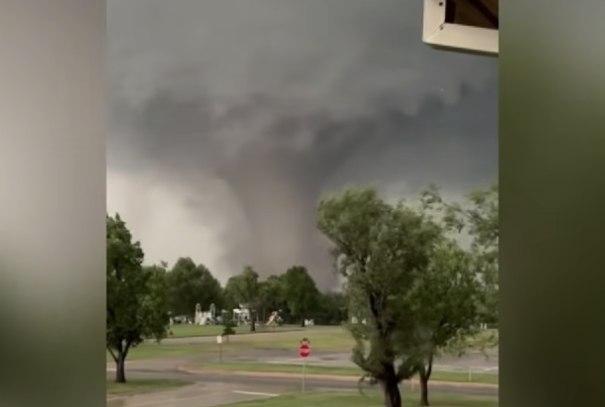
NEW ORLEANS — Tornado warnings swept across southeast Louisiana on Saturday morning, April 25, 2026, as a line of potent thunderstorms unleashed damaging winds, possible waterspouts and radar-indicated rotation, disrupting communities from the West Bank to the Northshore and prompting urgent safety alerts.

The National Weather Service in New Orleans issued multiple tornado warnings before noon as storms tracked southeast at 35-40 mph. One warning covered northwestern Plaquemines Parish, northeastern Jefferson Parish, southwestern Orleans Parish and west-central St. Bernard Parish until 12:45 p.m. CDT. Another targeted areas near the West Bank, with strong winds nearing 70 mph reported over parts of Jefferson Parish, including near TPC Louisiana.
Meteorologists tracked rotation in thunderstorms moving over the region, with one cell crossing Lapalco Boulevard on the West Bank. The Zurich Classic golf tournament at TPC Louisiana faced delays due to the severe weather. Special marine warnings also went into effect for Lake Pontchartrain, Lake Maurepas, Lake Borgne and coastal waters, citing waterspouts and gusts up to 40 knots that could endanger boaters.
No immediate reports of major structural damage or injuries surfaced in the early hours, but officials urged residents to take cover in interior rooms away from windows. Emergency management teams monitored the situation closely as storms continued into southern Mississippi.
The activity stems from an active spring weather pattern across the southern Plains and Mississippi Valley. Friday night into Saturday morning brought a marginal to slight risk of severe weather, with damaging winds as the primary threat, isolated large hail possible and a low-end tornado risk. Storms developed northwest of the area and marched southeast, tapping into instability overnight.
Forecasters noted medium confidence in how far the overnight complex would hold together, but it delivered gusty conditions and lightning across the Northshore and metro New Orleans between 2 a.m. and 6 a.m. before intensifying Saturday morning. A separate slight risk (level 2 of 5) looms for Sunday afternoon and night, mainly north of Interstate 10, with wind damage as the main concern.
Residents woke to thunder, heavy downpours and strong winds. In Baton Rouge, strong-to-severe storms moved in around 4:30 a.m., bringing frequent lightning. Similar reports came from Hammond, Slidell and Houma, where observations showed gusts, rain and mist.
Power outages affected thousands in prior recent severe events, though specific figures for Saturday remained unavailable early in the day. Local utilities prepared crews for potential restoration work.
This outbreak fits a broader pattern of severe weather this month. April 2026 has already seen multiple rounds of storms across Louisiana, with confirmed tornadoes in previous events. The National Weather Service has documented numerous tornado reports statewide in recent weeks, underscoring the heightened spring risk in the region.
Emergency officials reminded the public of safety protocols. “If you hear a tornado warning, take shelter immediately,” said a National Weather Service spokesperson. “Mobile homes and vehicles are especially vulnerable.”
For boaters, marine warnings highlighted sudden higher waves and the risk of waterspouts capsizing vessels. Life jackets were strongly recommended, with advice to seek safe harbor.
The storms follow a week of fluctuating threats. On Friday, severe potential included hail up to 1 inch and damaging winds exceeding 60 mph in some areas. While the overnight system weakened somewhat before reaching deeper into southeast Louisiana, morning intensification caught some off guard.
Meteorologist Zack Fradella with FOX 8 noted strong winds despite modest rotation on radar in one West Bank warning. Live coverage from stations like WWL-TV and WDSU tracked the cells in real time, updating viewers on warning expirations and new issuances.
As the line pushed east, warnings shifted toward St. Tammany Parish and into Mississippi. Forecasters expected gradual weakening through the afternoon, but additional scattered storms could pop up later Saturday.
Looking ahead, the weekend remains unsettled. Another round is possible Sunday, though tornado chances appear lower. Highs will climb into the mid-80s with muggy conditions fueling instability.
Louisiana’s geography — flat terrain, proximity to the Gulf and abundant moisture — makes it prone to such outbreaks. Tornadoes, while not always strong, can develop quickly in embedded supercells or quasi-linear convective systems like the one observed Saturday.
Communities in southeast Louisiana have faced repeated alerts this spring. Earlier in April, tornado warnings hit parishes including Washington, with radar confirming rotation near Bogalusa. Confirmed touchdowns have occurred in multiple events, damaging homes and infrastructure.
Residents are advised to review their severe weather plans. Have a designated safe spot, a weather radio or app with alerts, and an emergency kit. For those in flood-prone areas, monitor for heavy rain that could cause localized ponding despite the main threat being wind and rotation.
The Storm Prediction Center continues to monitor the broader pattern, with active weather expected through the weekend into early next week. While no major outbreak like those farther north materialized, the repeated warnings highlight the need for vigilance.
As skies clear later Saturday, temperatures will rebound, but the memory of morning sirens and swirling clouds will linger. Southeast Louisiana dodged significant impacts this time, yet the event serves as a reminder that tornado season demands respect and preparation.
Local officials reported no confirmed tornado touchdowns by mid-morning, but surveys will follow for any damage. Storm spotters and emergency responders remained active, documenting wind gusts and hail where reported.
In New Orleans proper, rain and lightning affected morning commutes, with some areas seeing reduced visibility. Drivers were urged to slow down and avoid flooded roads.
This story will be updated as more information becomes available, including any damage assessments or additional warnings. Stay tuned to local media and the National Weather Service for the latest.
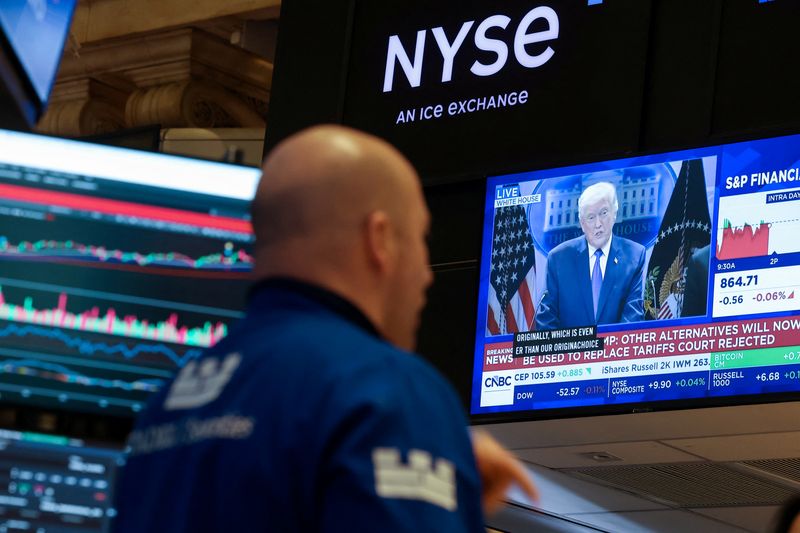

Trump bought at least $51 million in bonds in March, disclosure shows

(VIDEO) Elon Musk Posts Stunning Grok Imagine Video as Users Flood X With AI Creations

Dogecoin Eyes Breakout as Macro Cycle Pattern Aligns With Key Market Levels
11 Light Jackets to Reach for on Not Too Hot, Not Too Cold Days

Manchester United reach agreement with Casemiro over contract clause amid transfer speculation

US brings back mandatory military draft registration

Steven Gerrard disagrees with Gary Neville over ‘shock’ Chelsea and Arsenal claim | Football


-

 Business6 days ago
Powerball Result April 18, 2026: No Jackpot Winner in Powerball Draw: $75 Million Rolls Over
-

 Politics6 days ago
Zack Polanski demands ‘council homes not luxury flats for foreign investors’
-

 Fashion1 day ago
Weekend Open Thread – Corporette.com
-
Entertainment6 days ago
NBA Analyst Charles Barkley Chimes in on Ice Spice McDonald’s Fiasco
-

 Tech7 days ago
Auto Enthusiast Scores Running Tesla Model 3 for Two Grand and Turns It Into Bare-Bones Go-Kart
-

 Politics5 days ago
Gary Stevenson delivers timely reminder to register to vote as deadline TODAY
-
Crypto World5 days ago
Bank of Hawai’i (BOH) Q1 2026: Net Income Drops to $57.4M as Net Interest Margin Expands
-

 Politics3 days ago
Making troops accountable for war crimes threatens US alliance, ex-SAS colonel warns
-

 Business3 days ago
Rolls-Royce Voted UK’s Most Iconic Trade Mark as IPO Register Hits 150
-

 Politics3 days ago
Disabled people challenge government SEND proposals over segregation concerns
-

 Politics3 days ago
Zack Polanski responds to home secretary’s taser threat
-

 Politics3 days ago
Starmer handler McSweeney to be dragged from shadows by Foreign Affairs Committee
-
Politics3 days ago
Wings Over Scotland | How To Get Away With Crimes
-
Crypto World7 days ago
Kelp DAO rsETH Bridge Hack Drains $292M as DeFi Losses Top $600M in Two Weeks
-

 Politics3 days ago
‘Iran is still a nuclear threat’
-

 Crypto World4 days ago
New York sues Coinbase, Gemini over prediction market offerings
-
 Crypto World4 days ago
Five Value Stocks with Recovery Potential in 2026: PayPal (PYPL), Nike (NKE), and More
-

 Business3 days ago
The Job Benefits Most Men Don’t Know to Negotiate
-

 Crypto World1 day ago
Michael Saylor says BTC winter is over. Market analyst disagrees, says bitcoin was in a pullback
-

 Politics6 days ago
Reform investigating candidate who ‘hates’ the NHS
You must be logged in to post a comment Login