
Business
How India is likely to shield its farmers in US trade deal


Both sides have shared the broad outlines of the deal but not the details, with early indications suggesting India will grant the U.S. only limited access to its agricultural market.
WILL INDIA LOWER TARIFFS ON US CORN, SOYBEANS OR SOYMEAL?
India, which bans genetically modified (GM) food crops, is unlikely to lower tariffs on imported farm goods such as corn, soybeans and soymeal as it seeks to protect millions of small farmers who eke out a living on meagre incomes.
The United States primarily produces GM corn and soybeans, limiting the scope for market access in India.
Unlike China, which buys millions of tons of corn and soybeans from the United States, India’s import requirements for both crops are relatively small.

India is holding large stockpiles of corn and soymeal, an animal feed derived from crushing soybeans for soyoil.
While India is the world’s largest importer of soyoil, sourcing supplies mainly from Brazil, Argentina and the United States, its overseas purchases of soybeans remain negligible, including from Africa where non-genetically modified oilseeds are produced. India also has ample supplies of domestically produced ethanol, made from corn, rice and sugarcane, making it unlikely to concede to requests for imports of either ethanol or corn as feedstock for ethanol production.
While the U.S. has pushed for greater access to India’s dairy market, long protected by high import duties and non-tariff barriers, New Delhi is likely to keep the sector off the table given its importance to farmer livelihoods.
The average herd size in India is only two to three animals per farmer, compared to hundreds in the United States – a difference that puts small Indian farmers at a disadvantage, Indian officials have argued.
WHERE ELSE COULD INDIA CEDE GROUND IN AGRICULTURE?
India could agree to lowering tariffs or allowing expanded import quotas on farm products such as almonds, walnuts, pistachios, apples, pears and berries. New Delhi could also lower trade barriers for fruits and vegetables, wine and spirits – the areas that do not tend to hurt Indian farmers.
Since India is already import-dependent for almonds, walnuts, pistachios, apples, pears and berries, it would be easier for Prime Minister Narendra Modi’s Bharatiya Janata Party to sell any lowering of import barriers on these premium farm products to voters and other political constituencies.
Similarly, President Donald Trump’s administration can tout access to Indian markets as a major win for American farmers.
WHY AGRICULTURE REMAINS SENSITIVE ISSUE FOR INDIA
Although the farm sector contributes a relatively modest 15% to India’s almost $4 trillion economy, it sustains nearly half the country’s 1.4 billion people.
Nearly 80% of Indian farmers are smallholders, owning two hectares of land or less, which limits their income. But farmers form an influential voting bloc, and successive governments have sought to avoid angering millions of growers.
The Samyukt Kisan Morcha, an umbrella group of farmers’ organisations, and its top leaders including Rakesh Tikait have already taken Modi’s government to task over its trade deal with Washington.


Annual sustainability report also covers supply chain and packaging.

PPG Industries: Price Hikes Will Help Stabilize Margins
Business
Coal India, NMDC emerge as must-watch mining plays as spot prices surge, says Motilal Oswal’s Siddhartha Khemka

“Coal India is expected to see a 6% QoQ volume growth while NMDC is likely to see a strong 20% QoQ volume growth,” Khemka told ET Now, adding that rising e-auction premiums stand to materially boost Coal India’s profitability. The stock is his preferred pick within the mining space, underpinned by a structural demand thesis: India’s thermal power requirements are set to climb sharply, driven by an expected intense summer season and the longer-term electricity appetite of AI infrastructure and data centres.
Motilal is pencilling in approximately 9% sequential revenue growth for the sector, with realisations improving by Rs 4,000–5,000 per tonne on a sequential basis. Hot-rolled coil prices are seen rising by Rs 6,700 per tonne and rebars by Rs 10,000 per tonne. Base industrial metals are the standout performers — aluminium and copper are tracking 13%–16% sequential improvement, supported by constrained supply and robust global demand. Chinese export prices and EU prices have also firmed, with the latter up around 9% sequentially.
Within non-ferrous metals, Khemka singles out Nalco, citing strong alumina volumes, higher alumina prices, a debt-free balance sheet, and a multi-year capacity expansion roadmap. On the ferrous side, Jindal Stainless earns a place in his portfolio for its shift toward higher value-added products and its exposure to firming nickel prices. Alongside Coal India, these three names constitute his metals picks for the current cycle.
Banking: The Tide Turns Toward Private
The Q4 earnings season is set to expose a widening gulf between India’s private and public sector banks. Khemka projects aggregate earnings growth of roughly 12% year-on-year for private banks, against a meagre 2% for their PSU counterparts, a gap he attributes squarely to base effects and the NIM recovery dynamic now unfolding.
With the Reserve Bank of India having held rates steady, banks that spent much of the last financial year passing on cuts to borrowers are beginning to see margins stabilise and recover. “With the status quo maintained, they will be able to see a stronger NIM improvement,” Khemka said.
SBI remains Motilal Oswal’s top pick in the large-bank space. Khemka forecasts a 13% earnings CAGR over the next two to three years, with return on assets of 1.1% and return on equity of approximately 16% — all while the stock continues to trade at a meaningful discount to HDFC Bank and ICICI Bank. “Despite the ups and downs in the market, in the industry, in the environment, SBI has been delivering on a consistent basis,” he said.
ICICI Bank follows closely. After a period of valuation-driven caution, a time correction in the stock has brought multiples to more comfortable levels. Khemka sees domestic loan growth of around 12%, steady NIMs of approximately 4.3%, and best-in-class asset quality supporting a re-rating toward 2.2 times one-year forward adjusted price-to-book, up from current levels near 1.8 times.
Also read: Ola Electric vs Ather Energy: Which stock looks better after a stellar surge of up to 70% in April?
Autos Rev Higher; Consumption Stays Mixed
The auto sector delivered a strong Q4 on volumes, with the overall segment clocking 23% growth. Tractors led at 33%, followed by two-wheelers at 25% and commercial vehicles at 22%, the latter benefiting from a cyclical recovery. Passenger vehicles lagged at 15%. Input cost pressures are a headwind, but Khemka remains bullish on two-wheelers, tractors, and CVs as the three sub-segments to watch.
Within consumption, jewellery has proven resilient despite gold’s sharp rally, making Titan its top pick in discretionary. Radico Khaitan is expected to deliver strong numbers in the liquor space. Among staples, Marico screens well. Quick-service restaurants show early signs of recovery but face near-term uncertainty from LPG supply disruptions.
(Disclaimer: Recommendations, suggestions, views and opinions given by the experts are their own. These do not represent the views of The Economic Times)


Andrew Archambault pursuing another opportunity, chocolate and snack maker says.
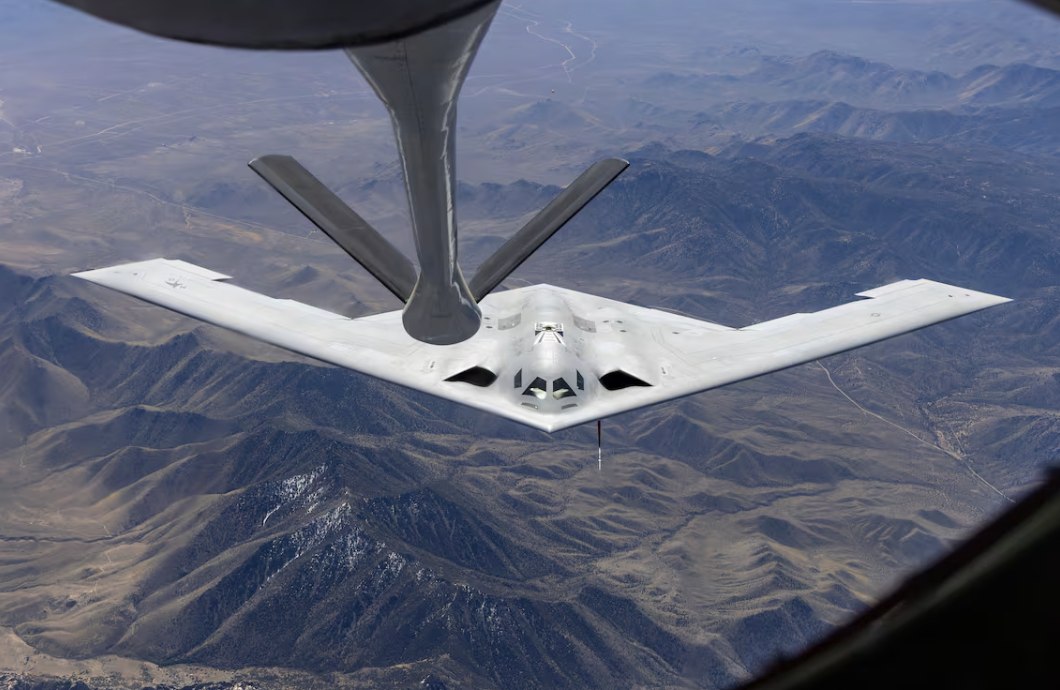
WASHINGTON — The U.S. Air Force released striking new images of its next-generation B-21 Raider stealth bomber in midair refueling this week, a dramatic public display that comes amid heightened tensions with Iran and underscores America’s advancing long-range strike capabilities.

The photographs, shared Tuesday by the Air Force and analyzed widely by defense observers, offer the first clear overhead view of the B-21 Raider during aerial refueling with a KC-135 Stratotanker. The images highlight the aircraft’s sleek flying-wing design, refueling receptacle and subtle exhaust features, showcasing its advanced low-observable technology designed to evade even sophisticated enemy air defenses.
Military analysts and Korean media outlets quickly dubbed the B-21 “the sky’s assassin that laughs at radar,” framing the release as a deliberate show of force directed at adversaries like Iran following recent U.S. operations in the region. The timing amplifies the message: while the B-21 has not yet entered combat, its predecessor, the B-2 Spirit, played a pivotal role in striking deeply into Iranian territory during Operation Epic Fury.
The B-21 Raider, developed by Northrop Grumman, represents the first new American bomber in decades and is engineered as a dual-capable platform able to deliver both conventional and nuclear weapons. Smaller and more affordable than the B-2, the Raider is intended to form the backbone of the Air Force’s future bomber fleet, with plans calling for at least 100 aircraft and discussions of expanding to 145.
Recent flight testing milestones, including successful aerial refueling near Edwards Air Force Base in California, mark significant progress. The new overhead imagery reveals details that differentiate the B-21 from its larger predecessor, such as refined shaping and surface treatments aimed at further reducing its radar cross-section. Defense experts note that these features could allow the Raider to penetrate contested airspace with even greater impunity than the B-2.
The public reveal coincides with accelerated production efforts. In February and March 2026, the Air Force and Northrop Grumman finalized a $4.5 billion agreement to boost annual production capacity by approximately 25%. The move compresses delivery timelines while preserving cost and performance targets, driven in part by the demands of great-power competition and recent conflicts.
First operational B-21 Raiders are still slated for delivery to Ellsworth Air Force Base in South Dakota in 2027, though senior officials have signaled urgency. U.S. Strategic Command leaders have advocated for a larger fleet and even a potential second production line to meet emerging threats from Iran, China and Russia.
The B-21’s development has benefited from lessons learned in actual operations. During strikes against Iranian hardened targets and underground facilities, B-2 bombers demonstrated the unmatched value of stealth platforms in modern warfare. Operating without losses, the Spirits delivered precision munitions against heavily defended sites, proving that penetrating bombers remain essential even against integrated air defense systems.
Iranian officials have long boasted about their radar networks and anti-access capabilities, yet the B-2’s success exposed vulnerabilities. The B-21, with its improved stealth, networked systems and potentially lower operating costs, is positioned to exploit those gaps more effectively in future scenarios.
Air Force officials have been cautious about linking the new images directly to any specific adversary. However, the bold release of high-resolution photos — including the first full top-down perspective — sends a clear strategic signal at a time when regional tensions persist.
The Raider program remains highly classified, with many performance details withheld. What is known is that the aircraft builds on the B-2’s flying-wing configuration but incorporates modern manufacturing techniques, open-system architecture for easier upgrades and enhanced survivability features.
Test flights have ramped up in recent months. Multiple B-21 airframes are now involved in the program, with at least two aircraft conducting flights from Palmdale, California, and Edwards AFB. The recent refueling tests validate the bomber’s ability to extend its already impressive range, critical for global power projection without relying solely on forward bases.
Cost remains a key focus. Each B-21 is projected to cost significantly less than the B-2, which ran over $2 billion per aircraft in adjusted dollars. The Air Force aims to keep unit costs around $700 million or lower in current dollars, making the Raider more sustainable for a larger fleet.
Production acceleration comes as the broader bomber force faces strain. The Air Force’s current fleet of B-52s, B-1s and B-2s is aging, with the B-2 fleet particularly small at just 20 operational aircraft. The B-21 is designed not only to replace retiring bombers but to complement them in high-end conflicts.
Defense analysts say the images serve multiple purposes: reassuring allies, deterring potential aggressors and building public and congressional support for the program. In an era of rapid technological change, demonstrating tangible progress on a sixth-generation platform carries psychological weight.
Korean-language coverage, including headlines calling the B-21 the “radar-mocking sky assassin” that appeared defiantly before Iran, reflects global interest in how the aircraft could reshape deterrence in the Indo-Pacific and Middle East. South Korea and other U.S. partners view advanced American stealth capabilities as vital to countering regional threats.
Northrop Grumman has released limited additional details, emphasizing the aircraft’s maturation through ground and flight testing. Company executives have expressed confidence in meeting the 2027 initial operational capability target at Ellsworth.
Challenges remain. Integrating the B-21 into existing force structures, developing tactics for its unique capabilities and ensuring supply chain resilience for stealth materials will require sustained effort. The program has faced typical developmental hurdles, though officials describe progress as on track.
The new photographs also fuel speculation about future combat roles. With greater automation potential and improved sensor fusion, the Raider could one day operate alongside unmanned systems in collaborative combat aircraft concepts.
As testing continues, the Air Force plans further public and congressional briefings. The service has stressed that while the B-21 enhances conventional deterrence, it also bolsters the nuclear triad’s credibility.
The timing of the imagery release — just days after intense media focus on stealth operations in the Iran conflict — has not gone unnoticed. Some observers interpret it as psychological messaging: America’s stealth edge is not static but evolving rapidly.
Iranian state media has downplayed the significance, claiming its own air defenses and asymmetric capabilities would counter any new American bomber. However, the proven performance of the B-2 has already forced adversaries to reassess their strategies.
U.S. lawmakers from both parties have largely supported the B-21 program, viewing it as essential national security investment. Recent budget actions, including the so-called “One Big Beautiful Bill,” provided the funding flex needed to ramp up production without new appropriations fights.
Looking ahead, the Raider’s entry into service will mark a generational shift in bomber aviation. Its ability to loiter undetected, strike with precision and return safely could redefine how the U.S. projects power in an era of anti-access/area-denial threats.
For now, the sleek black silhouette captured against the sky during refueling serves as a potent reminder of ongoing American technological superiority in the air domain. As one defense commentator noted, the B-21 doesn’t just evade radar — in the eyes of adversaries, it appears to mock it.
The Air Force continues to withhold exact performance metrics, but the visual evidence of successful refueling and the accelerated production schedule suggest the “sky’s assassin” is steadily approaching operational reality.
With global tensions unlikely to ease soon, the B-21 Raider’s development carries strategic weight far beyond its airframe. It embodies a commitment to maintaining air dominance and long-range strike options well into the 21st century.
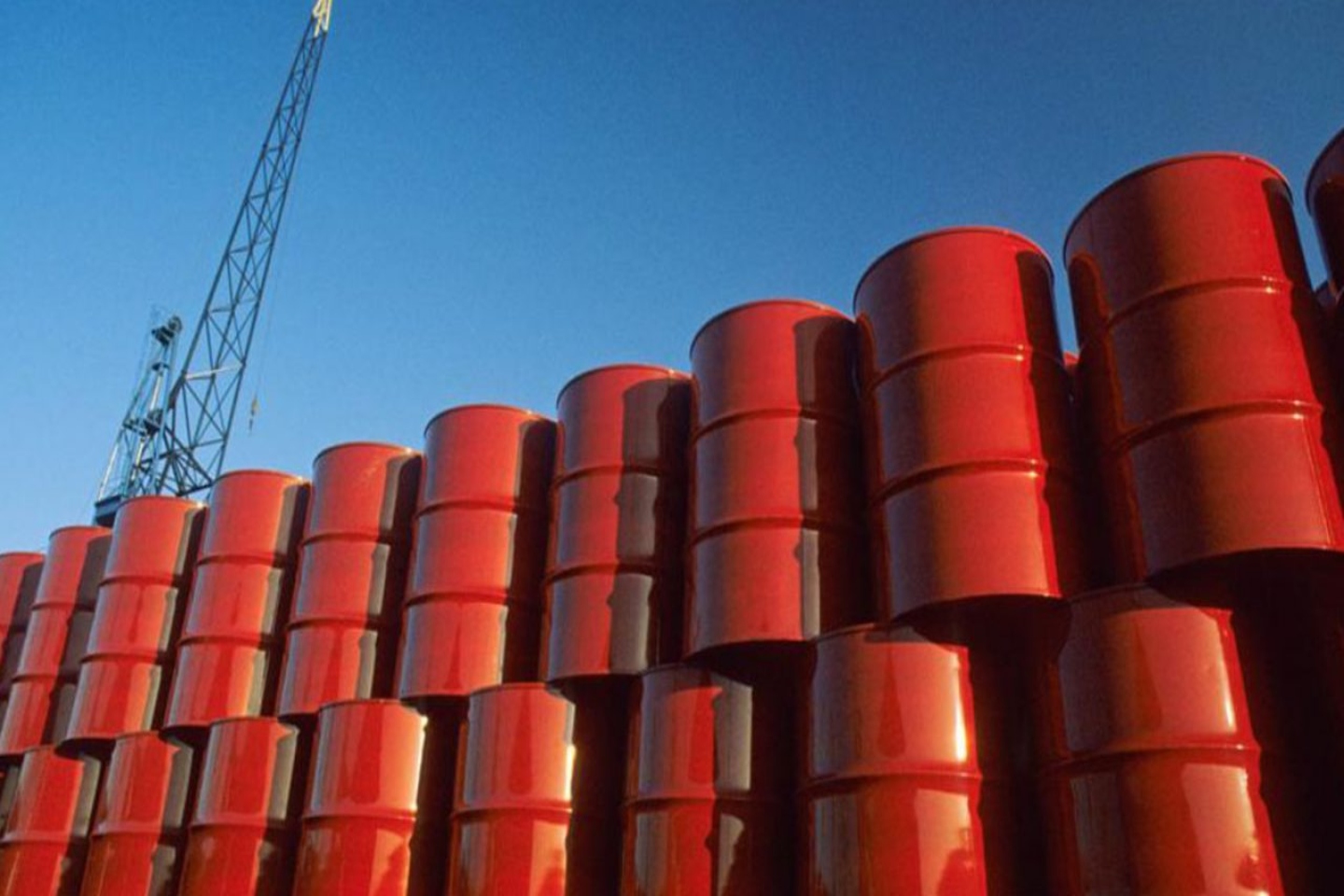
Prime Minister Anthony Albanese has revealed his visits to Brunei and South Korea have secured 100 million litres of additional diesel for Australia.
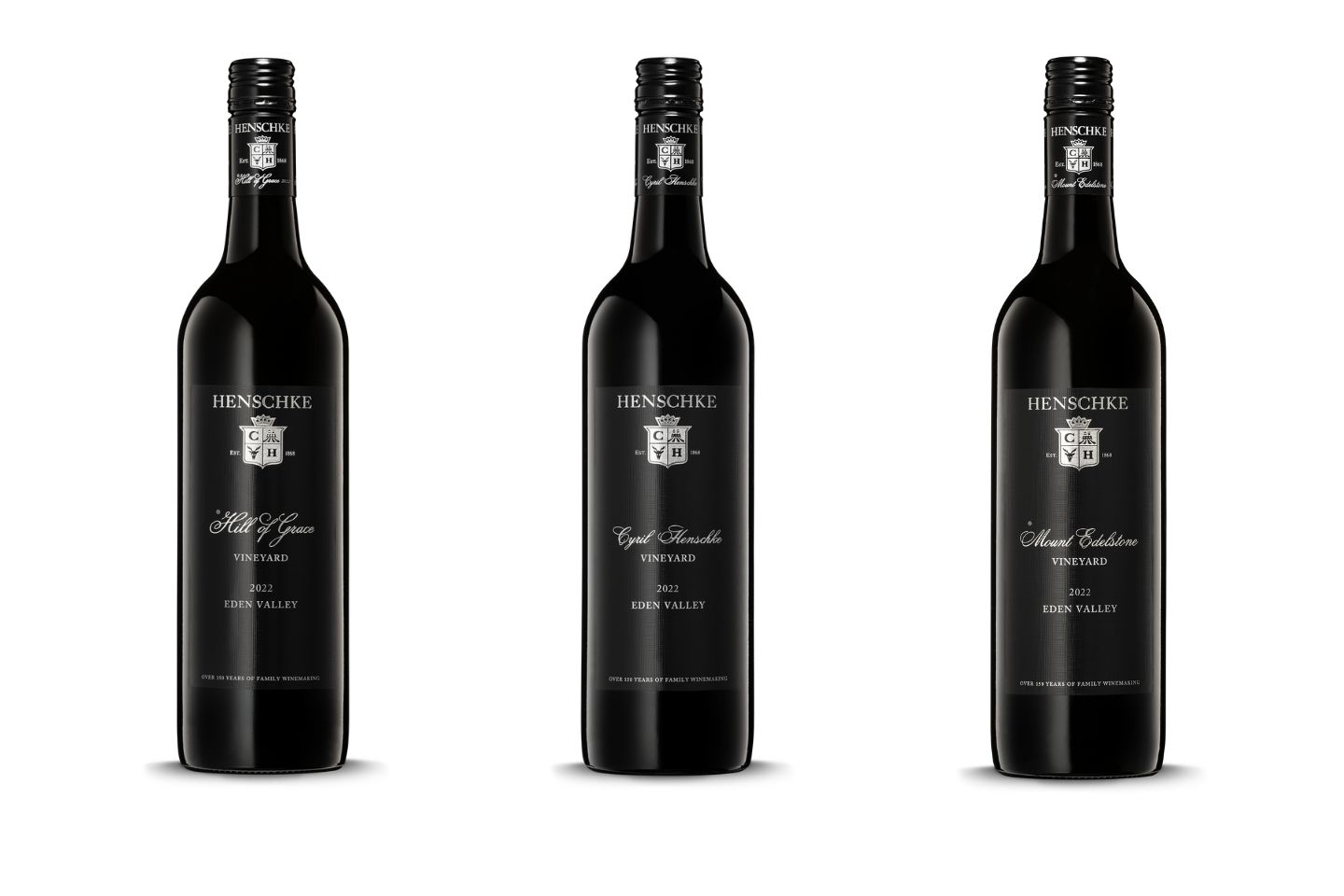
REVIEW: Eden Valley vineyard keeps delivering the goods, with the 2022 vintage a standout.
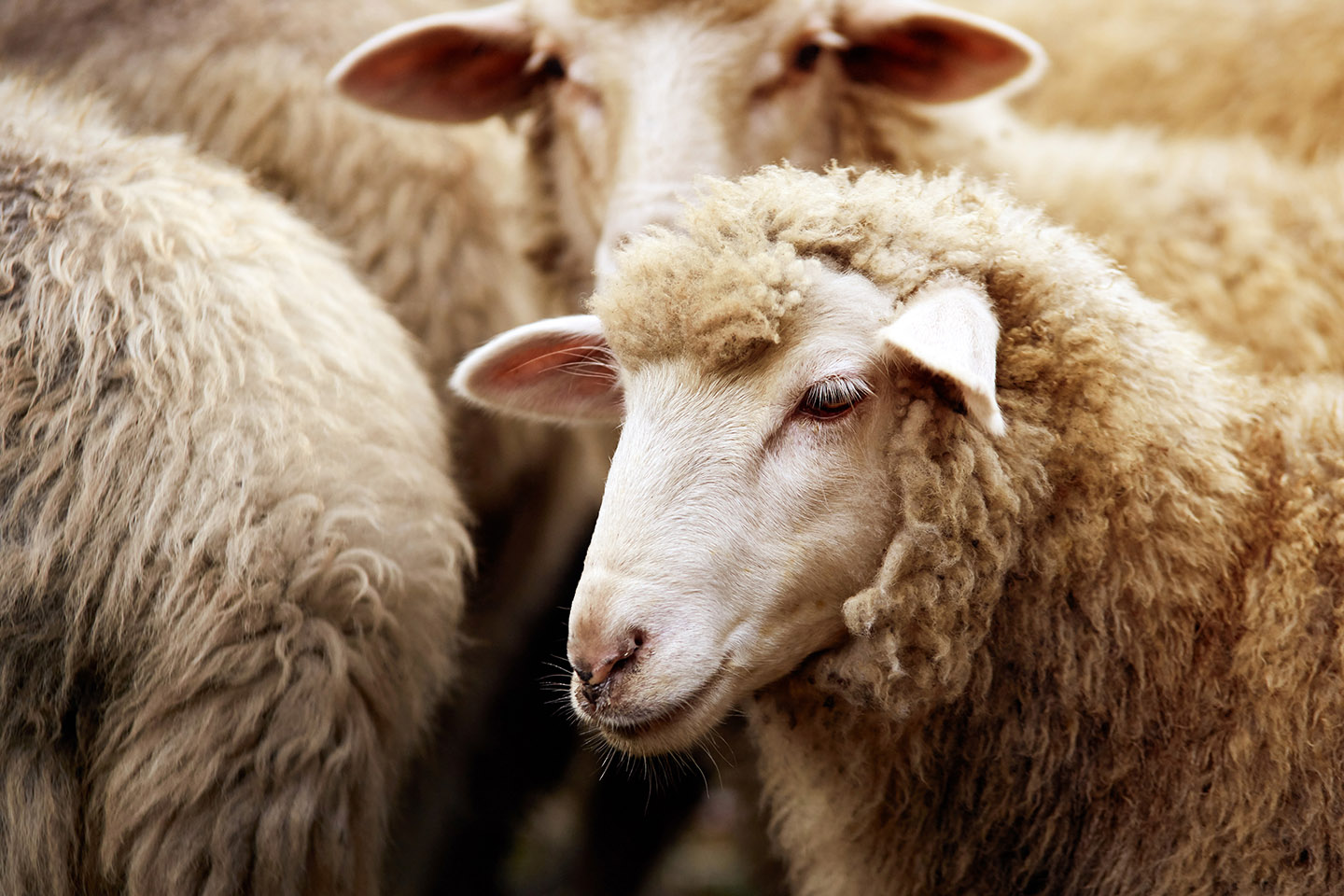
WAFarmers has warned Elders’ retreat from selling Western Australian wool locally is the first domino in the sector’s supply chain to fall as the federal government’s live export ban looms.

Xilio Therapeutics appoints Cheryl R. Blanchard as director and committee chair
Business
Wipro share buyback: IT major announces Rs 15,000 crore offer at 19% premium. Key things to know

Wipro’s board approved the plan to buy back up to 60 crore shares, representing 5.7% of the total paid-up share capital, for an aggregate amount not exceeding Rs 15,000 crore.
The buyback will be done via the tender route, and all shareholders on the record date, including those who received the equity shares after cancelling their American Depository Receipts (ADR), will be eligible to take part in the corporate action.
Also read: Wipro Q4 Results: Profit slips 2% YoY to Rs 3,502 crore, but revenue rises 8%
Wipro said that promoters and promoter groups have indicated their intention to participate in the proposed buyback. The record date and other timelines will be announced soon
Wipro Q4 earnings
Wipro announced the share buyback along with its earnings for the January-March quarter of the financial year 2026. The IT major’s consolidated net profit declined 2% YoY to Rs 3,502 crore during the period under review, while revenue from operations increased 8% YoY to Rs 24,236 crore.
However, Wipro’s core IT services segment showed limited traction. Revenue stood at $2.65 billion, growing just 0.6% quarter-on-quarter and 2.1% year-on-year. On a constant currency basis, IT services revenue rose 0.2% sequentially but declined 0.2% on an annual basis, highlighting weak underlying demand.
Wipro share price
Wipro shares rose marginally to close at Rs 210.26 apiece on NSE on Friday. The stock has gained around 4% in one week and 8% in one month, but declined by over 21% in 2026 so far following the sharp AI worries and Iran-US war-led selloff.
Buyback of shares refers to a corporate action where a company repurchases its own shares from the existing shareholders. Usually, the company purchases the shares at a higher price than the current levels, encouraging investors to participate. Typically, a company decides to buy back its shares in order to increase share value, utilise surplus cash, prevent hostile takeovers or increase promoter holdings.
(Disclaimer: The recommendations, suggestions, views, and opinions given by the experts are their own. These do not represent the views of The Economic Times.)

Steve Coogan joins Funboys series 2 as BBC unveils first look images

General Mills emphasizes key nutrients in US products
Felicity Huffman exiting “Doc” following that heartbreaking season 2 finale


-

 Politics6 days ago
US brings back mandatory military draft registration
-
 Sports6 days ago
Man United discover Nico Schlotterbeck transfer fee as defender reaches Dortmund agreement
-

 Fashion6 days ago
Weekend Open Thread: Veronica Beard
-

 Politics6 days ago
Malcolm In The Middle OG Turned Down ‘Buckets Of Money’ To Appear In Reboot
-

 Politics4 days ago
World Cup exit makes Italy enter crisis mode
-

 Business6 days ago
Tesla Model Y Tops China Auto Sales in March 2026 With 39,827 Registrations, Beating Cheaper EVs and Gas Cars
-

 Crypto World3 days ago
The SEC Conditionalises DeFi Platforms to Be Avoided for Broker Registration
-

 Crypto World3 days ago
SEC Signals Exemption for Crypto Interfaces From Broker Registration
-

 News Videos1 day ago
Secure crypto trading starts with an FIU-registered
-
 NewsBeat4 days ago
Pep Guardiola and Gary Neville agree over Arsenal title problem that benefits Man City
-

 Business6 days ago
OpenAI Halts Stargate UK Data Centre Project Over Energy Costs and Copyright Row
-

 Business5 days ago
Ireland Fuel Protests Enter Day 5 as Blockades Spark Shortages and Government Prepares Support Package
-

 Politics6 days ago
LBC Presenter Mocks Trump Over Iran War Failures
-

 Crypto World6 days ago
Federal judge blocks Arizona from bringing criminal charges against Kalshi
-

 NewsBeat2 days ago
Trump and Pope Leo: Behind their disagreement over Iran war
-

 Crypto World2 days ago
SEC Proposes Certain Crypto Interfaces Don’t Need to Register as Brokers
-
 NewsBeat4 days ago
JD Vance announces ‘no agreement’ with Iran over nuclear weapons fear
-

 Tech7 days ago
A version of Windows 10 released a decade ago is now eligible for additional security patches
-

 Business6 days ago
IMF retains floor for precautionary balances at SDR 20 billion
-

 Business6 days ago
Former Liverpool CEO eviscerates FIFA for World Cup ticket pricing
You must be logged in to post a comment Login