
Business
Indian Celebrity Chef Sanjeev Kapoor Guests on MasterChef Australia, Praises Show’s Professionalism


SYDNEY — Renowned Indian chef Sanjeev Kapoor will appear as a guest judge on the current season of “MasterChef Australia,” bringing his culinary expertise to the popular reality competition series for a special episode.
The announcement highlights Kapoor’s international profile as one of India’s most recognizable television chefs. His guest stint is scheduled for Sunday’s episode, which will be available to stream in India the following day on JioHotstar.
The judging panel for season 18 features returning judges Andy Allen, Poh Ling Yeow, Sofia Levin and Jean-Christophe Novelli. Kapoor joins a lineup of guest judges that has included notable figures from various culinary and cultural backgrounds.
Kapoor previously served as a judge on the Indian version of “MasterChef” during its third and fourth seasons. He is widely known in India for hosting “Khana Khazana,” Asia’s longest-running cooking show for 19 years, and for launching FoodFood, the country’s first 24-hour Hindi-language cooking channel.
In comments about his experience filming the Australian episode, Kapoor noted the logistical demands of the appearance. “I had never travelled such a long distance for a single episode, and it was a fun experience,” he said.
He highlighted the production’s efficiency and professionalism. “At MasterChef Australia, everyone is very professional in the way they manage everything. More importantly, they said they would begin at ‘this time’ and finish at ‘that time’, and they did…which does not happen in shows in our country. That was very heartening and very good to see,” Kapoor told NDTV.
Kapoor also praised the balance the show strikes between competition and emotional engagement. “The contestants were completely immersed in what they were doing. It was exciting to see because, in terms of competitive cooking on television, if there is one show that has cracked the code for keeping it competitive yet very likeable and lovable, I think MasterChef Australia tops the chart. I think they lead, and the rest follow,” he said.
Promotional materials for the episode referred to Kapoor as “The GOAT,” acknowledging his stature in the culinary world.
His appearance underscores growing cultural exchange in global television formats. “MasterChef” has adapted successfully across countries, allowing chefs from different traditions to share perspectives while contestants tackle diverse challenges.
Kapoor’s career spans decades as a restaurateur, author and television personality. His approachable style has made Indian cuisine accessible to millions, while his business ventures extend into food media and products.
“MasterChef Australia” has built a reputation for high production values and compelling storytelling. Contestants face intense pressure to create restaurant-quality dishes under time constraints, often incorporating mystery ingredients or themed challenges.
The current season continues the show’s tradition of blending culinary skill with personal narratives, exploring contestants’ backgrounds and motivations. This emotional layer has contributed to its enduring popularity with audiences.
For Kapoor, participating represented an opportunity to engage with a different competitive format. His observations about punctuality and professionalism reflect contrasts in television production practices between India and Australia.
The episode is expected to feature challenges that showcase Kapoor’s knowledge of spices, Indian techniques and fusion possibilities. Guest judges often introduce cultural elements that expand contestants’ repertoires and challenge their adaptability.
“MasterChef Australia” has previously featured international culinary stars, enriching the competition with global flavors and standards. Kapoor’s inclusion adds an Indian perspective to the mix, potentially inspiring creative interpretations of subcontinental dishes.
In India, where Kapoor commands a massive following, his guest appearance is anticipated to draw significant viewership. The crossover appeals to fans of both the Australian and Indian editions, fostering cross-cultural appreciation of food television.
Kapoor’s long-running “Khana Khazana” program revolutionized cooking shows in India by demonstrating recipes in a relatable, step-by-step manner. Its longevity speaks to his ability to connect with home cooks across generations and regions.
His FoodFood channel further expanded his reach, offering round-the-clock access to culinary content in Hindi. These platforms have helped popularize regional Indian cuisines and modern interpretations.
As a guest judge, Kapoor is likely to emphasize creativity, flavor balance and respect for ingredients — principles central to his own philosophy. His feedback could provide valuable insights for contestants navigating high-stakes cook-offs.
The Australian series maintains strong ratings by combining technical challenges with relatable human stories. Contestants often form bonds, sharing techniques and encouragement despite the competitive environment.
Production teams carefully curate challenges to test versatility, from fine dining to street food and molecular gastronomy. Kapoor’s episode may incorporate elements highlighting his expertise in Indian spices and vegetarian cooking.
His positive assessment of the show’s structure and contestant dedication reinforces its reputation for excellence. The balance of competition and likability has influenced similar formats worldwide.
For Australian audiences, Kapoor’s appearance offers a chance to learn from a chef whose influence extends far beyond India. His global perspective could introduce new flavor profiles and cooking methods to the kitchen.
The collaboration exemplifies how food transcends borders, serving as a medium for cultural exchange. Television programs like “MasterChef” play a role in broadening palates and fostering understanding through shared culinary experiences.
As the season progresses, guest judges bring fresh energy and specialized knowledge. Kapoor’s episode is positioned as a highlight, leveraging his celebrity status and culinary authority.
Viewers in India will have convenient access via streaming, aligning with the growing consumption of international content on digital platforms. This availability expands the show’s reach and strengthens ties between entertainment markets.
Kapoor’s journey from television chef in India to guest judge in Australia illustrates the global nature of modern culinary fame. His career demonstrates how passion for food can create opportunities across continents.
The episode promises engaging moments as contestants respond to Kapoor’s challenges and critiques. His warmth and expertise are expected to enhance the viewing experience for fans of the long-running series.
“MasterChef Australia” continues to evolve while maintaining core elements that have made it a staple of reality television. Kapoor’s participation adds another layer of international appeal to an already successful format.
As both industries exchange talent and ideas, such crossovers enrich programming and celebrate the universal language of cuisine. Kapoor’s appearance stands as a notable example of this dynamic.

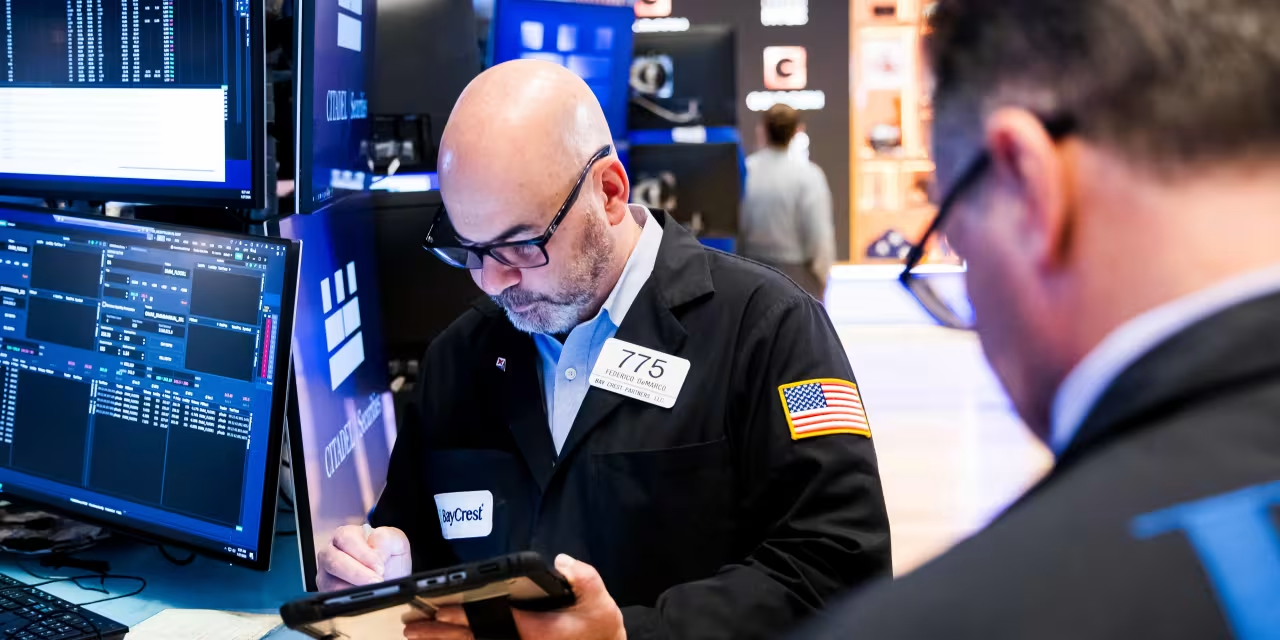
Stock Futures Rise, Oil Drops to Begin a New Month

Reckless mortgage lending was blamed for the financial crisis of 2008, which brought some banks to their knees and saw people lose their homes.
In 2014, the business secretary of the time, Vince Cable, said he was appalled that some mortgage providers were lending five times a mortgage applicant’s income, suggesting a stable level was up to 3.5 times.
But house prices have risen significantly since, outstripping wage rises most of the time. So a bigger loan has become the only option for many potential buyers.
Regulation limited how much lenders were able to lend – technically, only 15% of their new mortgages could be at higher than 4.5 times loan-to-income. Many of the big lenders played it very safe meaning they didn’t get close to the limit.
Business
Oki Electric Industry Co., Ltd. 2027 Q1 – Results – Earnings Call Presentation (OTCMKTS:OKIEY) 2026-08-02


Seeking Alpha’s transcripts team is responsible for the development of all of our transcript-related projects. We currently publish thousands of quarterly earnings calls per quarter on our site and are continuing to grow and expand our coverage. The purpose of this profile is to allow us to share with our readers new transcript-related developments. Thanks, SA Transcripts Team
African Rainbow Minerals Limited (AFBOF) Shareholder/Analyst Call – Slideshow
Donegal Group Inc. 2026 Q2 – Results – Earnings Call Presentation

Palantir CTO Shyam Sankar stated that China has advanced its artificial intelligence capabilities by developing new models through unauthorized means. This development signifies a significant escalation in global AI competition, highlighting concerns over intellectual property breaches and the potential impact on technological leadership. The move underscores the importance of safeguarding innovation in the rapidly evolving AI landscape.
Palantir’s CTO has expressed concerns that Chinese AI models could pose significant economic risks to the United States. As China accelerates its development of advanced artificial intelligence technologies, there is growing concern over the potential for these models to undermine American competitiveness. Chinese AI innovations are rapidly progressing, closing the innovation gap and creating new strategic advantages for China in the global economy.
The CTO highlighted that Chinese AI models could be used to enhance espionage, cybersecurity threats, and economic espionage, potentially compromising US businesses and government operations. This increased capability might lead to a loss of technological edge, threatening America’s leadership in key industries. The worry extends to the potential for China to leverage AI for economic dominance in sectors like finance, manufacturing, and defense.
To counter these risks, Palantir advocates for stronger investments in AI research and development within the US. Enhancing domestic AI capabilities and establishing robust regulatory frameworks are seen as essential steps to safeguard national security and maintain economic stability. The official emphasized that staying ahead in AI is vital to ensuring America’s technological and economic resilience amid global competition.
Other People are Reading

Thailand’s Tourism Minister introduced the 2027 Action Plan, emphasizing high-value tourism growth through innovation, data integration, and targeting premium markets, while promoting sustainability and year-round travel.
Key Points
- Overview of the Action Plan: Minister Surasak Phancharoenworakul launched the Tourism Authority of Thailand (TAT) Action Plan 2027 in Bangkok on July 13, 2026, focusing on positioning Thailand as a high-value tourism destination. Key officials, including Permanent Secretary Natthriya Thaweevong and TAT Governor Thapanee Kiatphaibool, highlighted strategic marketing policies and tourism’s role in the economy.
- Strategic Guidelines: The action plan emphasizes four strategic guidelines: elevating Thailand as a high-value destination, enhancing competitiveness through market balance, advancing the industry via data and innovation, and developing a high-performance organization. Integration of data, technology, and AI is crucial for sustainable travel experiences.
- Focus on Transformation: The TAT identified 2027 as “The Year of Transformation,” shifting its focus from tourist volume to high-value travelers through targeted demographics, promoting secondary cities, and developing sustainable tourism. An upcoming Market Briefing on July 21, 2026, will connect local operators with global market opportunities, with detailed marketing directions to be announced in August 2026.
Tourism Minister Outlines 2027 Action Plan to Position Thailand as a High-Value Destination
Minister of Tourism and Sports Surasak Phancharoenworakul opened the Tourism Authority of Thailand Action Plan 2027 meeting in Bangkok on July 13, 2026. He was joined by Permanent Secretary and Board Chairwoman Natthriya Thaweevong and TAT Governor Thapanee Kiatphaibool to present strategic marketing policies to position Thailand as a high-value regional destination.
The minister emphasized tourism’s role as a primary economic driver and outlined four guidelines for quality, balanced, and sustainable growth: elevating Thailand as a high-value destination, increasing competitiveness through market balance, advancing the industry with data and innovation, and building a high-performance organization. Permanent Secretary Natthriya supported this vision, highlighting the importance of integrating data, technology, and artificial intelligence in planning to strengthen national competitiveness and provide sustainable travel experiences.
The TAT Governor announced 2027 as “The Year of Transformation” for the agency. The strategy shifts focus from tourist volume to high value through four pillars: targeting high-value demographic segments, promoting year-round travel and secondary cities with experience-based marketing, developing new growth engines such as creative culture and sustainable tourism, and transforming the agency into an agile, data-driven organization.
After internal planning, the TAT will host a Market Briefing and Tourism Clinic at the Queen Sirikit National Convention Center on July 21, 2026. This event will enable local operators to connect with overseas directors, build networks, and explore global market opportunities. The official 2027 tourism marketing direction will be announced to industry partners and the public in August 2026.
Source : Tourism Minister Outlines 2027 Action Plan to Position Thailand as a High-Value Destination
Other People are Reading

Russia stocks higher at close of trade; MOEX Russia Index up 0.75%
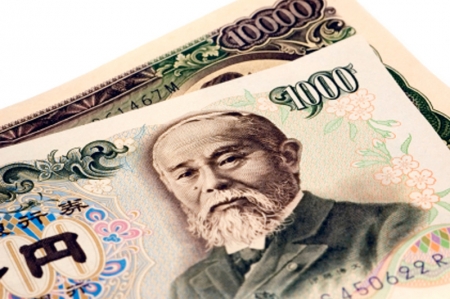
Japan to vow coordination with US on weak yen in historic battle

Ukrainian drone kills one child, injures two in playground in Russia’s Belgorod region

XRP ETFs Keep Drawing Cash, So Why Is the Price Down 40%?

Sheriff Shares Message to Guthries After Nancy’s Disappearance

Greggs offering new deal this week ‘in UK areas with top scores’


-

 Business4 days ago
Why Trees Belong on the Risk Register
-

 Fashion2 days ago
Weekend Open Thread: Wit & Wisdom
-

 Tech7 days ago
Intel is reversing course and bringing hyper-threading back to its server chips
-

 Politics2 days ago
Meta enters AI-training agreement with far-right ‘propaganda rag’ Newsmax
-

 Politics7 days ago
Luke Littler dismantles Gerwyn Price to retain title in Blackpool
-

 Crypto World1 day ago
MicroStrategy Post-Earnings CLARITY Act Push Could Add New Catalyst for Its Stock
-

 Politics6 days ago
The Part of the Electric Transition Nobody Wants to Discuss
-
 Entertainment5 days ago
‘Stargate’ Creator’s New Sci-Fi Series Returns for Season 3 Tomorrow
-

 Business5 days ago
Major shareholder moves on Canyon
-

 News Videos3 days ago
Bitcoin Enters the 3rd Stage of the Bear Market
-

 Crypto World2 days ago
XRP Ledger v3.3.0 brings five institutional features
-

 Crypto World5 days ago
Kraken Enables Retail Access to Jersey Mike’s IPO via Tokenized Shares
-

 Tech6 days ago
New macOS Sequoia & Sonoma security updates for older Macs
-

 News Videos5 days ago
Claude: Build Financial Dashboards in Minutes (2026)
-

 Politics3 days ago
Luke Littler’s dominance sparks GOAT debate
-

 Business5 days ago
Johnson & Johnson agrees to $5.5B settlement over talc cancer claims
-

 Sports3 days ago
Seema Kaliramna Wins Discus Throw Bronze, Takes India’s CWG Medals Tally To 17
-

 Crypto World14 hours ago
Crypto PAC spending tops $2M in Michigan House race
-

 Tech4 days ago
Gemini can now summarize the messiest comment threads in Google Docs
-

 Business2 days ago
Trump Announces Hamas Disarmament Agreement as Iran Strikes Kuwait Air Base and US Attacks Pause Overnight
You must be logged in to post a comment Login