
Business
Japan to vow coordination with US on weak yen in historic battle




Dollar suddenly falls against yen, traders on alert for further intervention

Earnings call transcript: Biome posts record FY 2026 sales, cash flow in Q4 2026
Oil tumbles as Trump cancels attack on Iran to reach nuclear deal
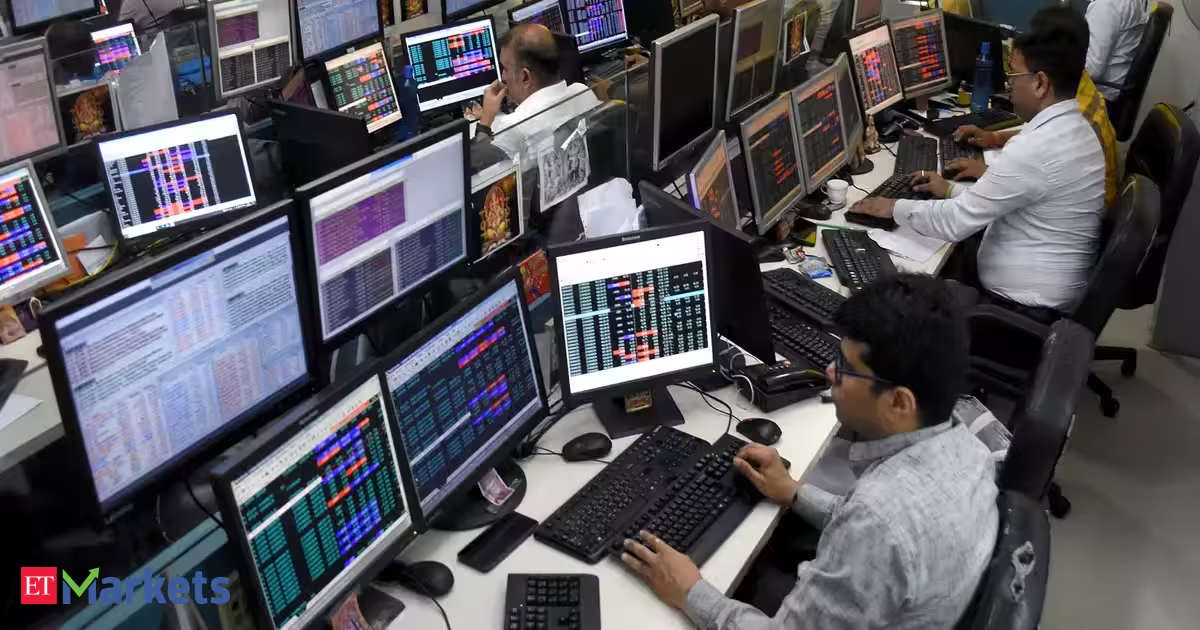
What are exchanges changing?
Exchanges are changing the way the official closing prices of certain stocks are decided. The daily closing price is one of the most important numbers for market participants. It is used to calculate index closing levels, mutual fund portfolios, and settle derivatives contracts.
At present, a stock’s closing price is based on the average price of trades done in the last 30 minutes, between 3 PM and 3:30 PM.
From August 3, stocks that are available in the futures and options segment will have a separate closing auction. Their final closing price will be decided through this auction, instead of using the average price over last 30 minutes.
 Agencies
Till now a stock’s closing price was based on average price of trades done in last 30 mins

How will the new closing auction work?
For stocks part of the F&O segment, normal trading will end at 3:15, after which the closing auction will begin. During this session, buy and sell orders are collected instead of being executed immediately. The exchanges will then calculate a single price at which the maximum number of buy and sell orders can be matched. That price becomes the stock’s official closing price.
To prevent sharp price swings, the auction price can generally move only within 3% above or below the stock’s average traded price between 3 and 3:15.
Read more: RBI likely to extend rate pause; neutral stance seen unchanged
Investors can place both market and limit orders until 3:25. After that, only fresh limit orders are accepted, while market orders already entered cannot be changed or cancelled. These restrictions are meant to discourage last-minute changes or large market orders that could influence the closing price. Also, the auction will close at a random time between 3:28 and 3:30, making it harder for traders to time their orders at the last second.
What’s the big deal about last-minute order changes? Why should it matter?
One reason for the change is that there have been complaints about large orders being placed at the close of trading in a bid to influence the final price. Think of it as the final over of a cricket match. A few big shots in the last moments can alter the final score. Similarly, a few large trades just before the market closes can influence the closing price.
A closing auction helps find one common price at which the maximum quantity can be traded. This is expected to make the closing price more reliable and reduce the impact of sudden orders placed near the end of the session.
Another key reason for the change is to help mutual funds, especially passive funds, execute all their buy and sell orders in the closing auction. This will help them transact at or very close to the official closing price. Currently, asset managers place orders between 3 PM and 3:30 PM at different prices depending on available liquidity, which can lead to tracking errors. Brokerage Zerodha said the new rule helps improve the efficiency of the execution of large orders.
Then, what’s the relevance of the period between 3:30 and 3:40?
By around 3:35, the closing auction for stocks that have F&O contracts will be over. However, F&O contracts continue trading until 3:40. This gives F&O traders a few extra minutes to react to the stock’s final closing price before derivatives trading ends.
Does this mean the market will now close at 3:40?
No. For most stocks, trading will continue to end at 3:30. For stocks that have futures and options (F&O) contracts, normal cash-market trading will end at 3:15, after which a closing auction will determine the final closing price. Only the futures and options market will continue trading until 3:40.
Who will be impacted by the new rules? Do traders need to do anything differently?
The biggest impact will be on active traders, proprietary desks and other institutions that trade near the market close. Brokers could advance intraday square-off timings, so traders should check the revised cut-off times. Investors in non-F&O stocks are unlikely to notice much difference.

Prysmian nears deal to acquire U.S. electrical maker Atkore- Bloomberg
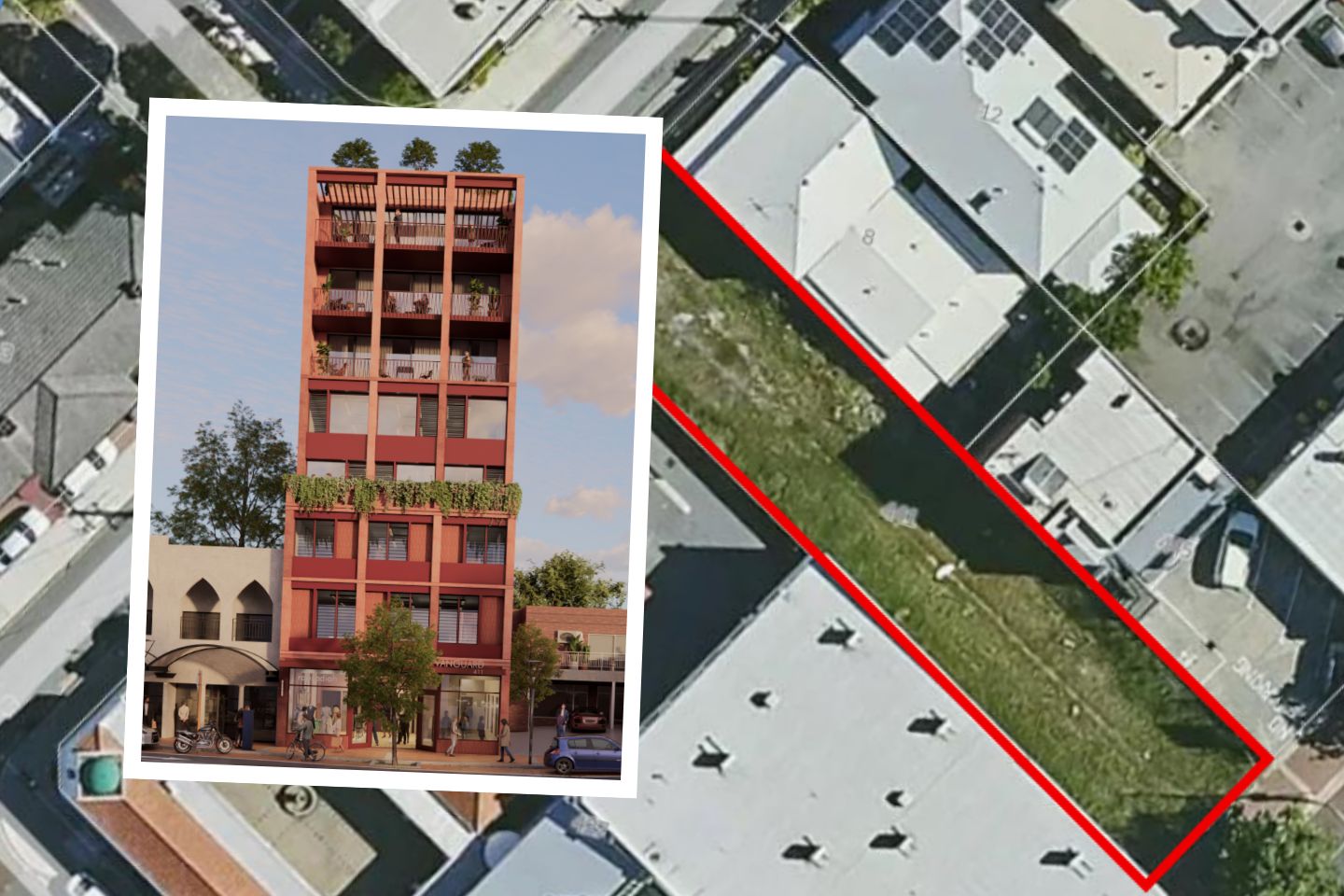
A Malaysian developer’s plan to build a $10 million office and apartment building next to a mosque in Northbridge has been approved by planning authorities.

WA’s transport industry has warned consumers to brace for higher prices as rising fuel costs get passed on to businesses.The federal government’s fuel excise introduced three months ago to ease price hikes caused by conflict in the Arab Gulf comes to an end on Monday.
Business
Industrial Logistics Properties Trust 2026 Q2 – Results – Earnings Call Presentation (NASDAQ:ILPT) 2026-08-02


Seeking Alpha’s transcripts team is responsible for the development of all of our transcript-related projects. We currently publish thousands of quarterly earnings calls per quarter on our site and are continuing to grow and expand our coverage. The purpose of this profile is to allow us to share with our readers new transcript-related developments. Thanks, SA Transcripts Team

Micron: High Risk, High Reward
UK hiring falls but demand for AI skills jumps, job site Indeed says

Commonwealth Games 2026, Closing Ceremony Highlights: Scotland Pass Baton To India; Manushi Chhillar, Shankar Mahadevan Dazzle

Foundation’s Robotic Hand V2 Catches Baseballs Blind

Burnham MUST scrap ‘disastrous’ pro-union strike laws: Tories tell PM to halt job-killing changes


-

 Business4 days ago
Why Trees Belong on the Risk Register
-

 Fashion2 days ago
Weekend Open Thread: Wit & Wisdom
-

 Politics2 days ago
Meta enters AI-training agreement with far-right ‘propaganda rag’ Newsmax
-
 Entertainment5 days ago
‘Stargate’ Creator’s New Sci-Fi Series Returns for Season 3 Tomorrow
-

 Politics7 days ago
Luke Littler dismantles Gerwyn Price to retain title in Blackpool
-

 Crypto World1 day ago
MicroStrategy Post-Earnings CLARITY Act Push Could Add New Catalyst for Its Stock
-

 Politics6 days ago
The Part of the Electric Transition Nobody Wants to Discuss
-

 Business5 days ago
Major shareholder moves on Canyon
-

 Crypto World2 days ago
XRP Ledger v3.3.0 brings five institutional features
-

 News Videos4 days ago
Bitcoin Enters the 3rd Stage of the Bear Market
-

 Crypto World5 days ago
Kraken Enables Retail Access to Jersey Mike’s IPO via Tokenized Shares
-

 Tech6 days ago
New macOS Sequoia & Sonoma security updates for older Macs
-

 News Videos5 days ago
Claude: Build Financial Dashboards in Minutes (2026)
-

 Politics3 days ago
Luke Littler’s dominance sparks GOAT debate
-

 Business5 days ago
Johnson & Johnson agrees to $5.5B settlement over talc cancer claims
-

 Sports3 days ago
Seema Kaliramna Wins Discus Throw Bronze, Takes India’s CWG Medals Tally To 17
-

 Crypto World15 hours ago
Crypto PAC spending tops $2M in Michigan House race
-

 Business2 days ago
Trump Announces Hamas Disarmament Agreement as Iran Strikes Kuwait Air Base and US Attacks Pause Overnight
-

 Tech5 days ago
Gemini can now summarize the messiest comment threads in Google Docs
-

 Tech19 hours ago
ESET tracks rise in malicious AI skills and adaptable malware
You must be logged in to post a comment Login