
Business
King Charles to attend 9/11 event with New York Mayor Mamdani




Business
Bumrungrad Hospital Public Company Limited 2026 Q1 – Results – Earnings Call Presentation (OTCMKTS:BUGDF) 2026-04-27


Seeking Alpha’s transcripts team is responsible for the development of all of our transcript-related projects. We currently publish thousands of quarterly earnings calls per quarter on our site and are continuing to grow and expand our coverage. The purpose of this profile is to allow us to share with our readers new transcript-related developments. Thanks, SA Transcripts Team

OppFi: Cheap For The Risk Tolerant, Maintain Hold

Jefferies initiates Cohu stock with buy rating on AI test demand

British families tell BBC Panorama how the Iran war is affecting their monthly budgets.
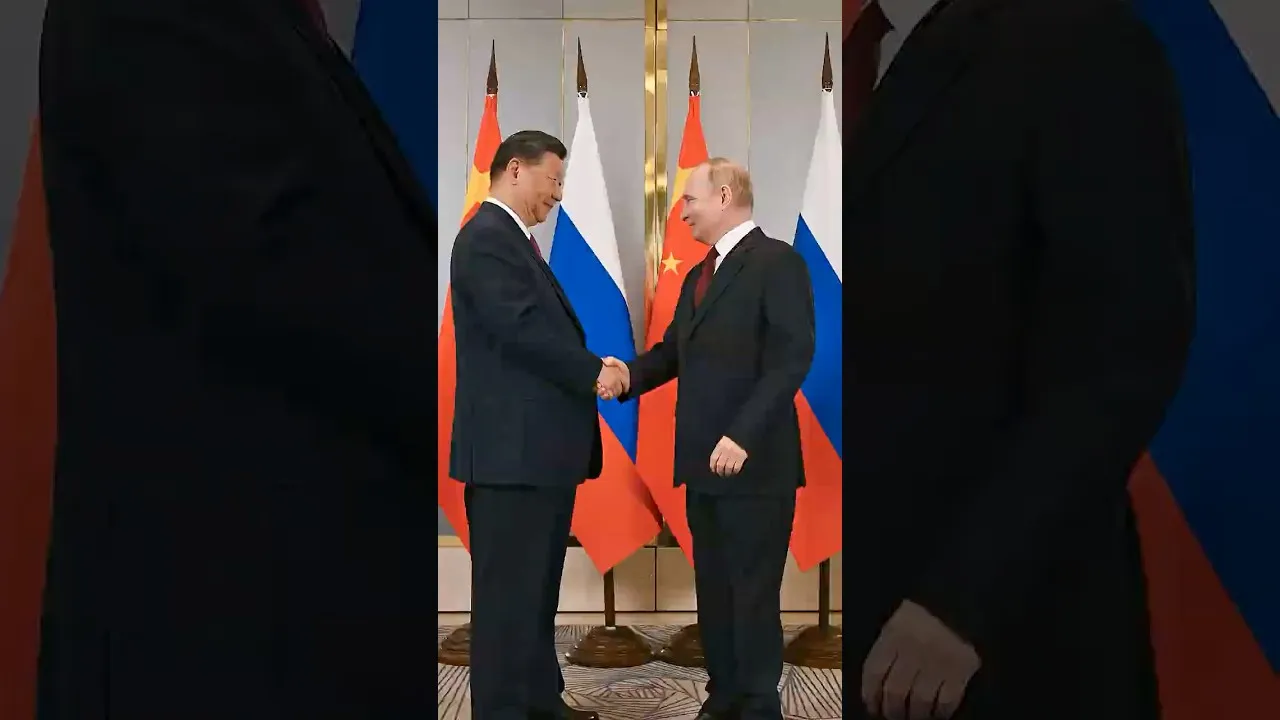
The ongoing Iran war and its resulting energy crisis have significantly shifted global power dynamics, with Russia and China emerging as the main beneficiaries.
Russia, a key player in the global energy market, capitalized on the situation by increasing its oil and gas exports, strengthening its influence over energy markets and geopolitics.
- Russia is a primary winner in the current global energy landscape, earning approximately $250 million per day from oil sales.
- Worldwide importers are actively seeking alternative oil sources to reduce reliance on the Middle East.
- China is also a major beneficiary, gaining significant commercial advantages in the Middle East.
- China’s access to diverse energy resources has strengthened its ability to withstand the energy crisis affecting Asia.
Meanwhile, China seized the opportunity to secure a more stable energy supply, investing heavily in Iranian oil and gas projects despite Western sanctions. This strategic move allows China to diversify its energy sources and reduce dependence on Western-dominated markets. Both nations’ actions reflect a broader shift toward multipolarity, as they expand their influence through energy diplomacy.
How does China benefit from the energy crisis?
- Commercial Advantage in the Middle East: The crisis has created opportunities for China to expand its commercial influence and relationships within the Middle East.
- Energy Security: China’s access to energy resources has allowed it to withstand the difficulties of the energy crisis affecting the rest of Asia, providing a level of stability compared to other importers.
- Strategic Positioning: The situation has improved China’s strategic outlay, enhancing its geopolitical standing as global importers seek alternatives to Middle Eastern oil.
Several nations are actively seeking to diversify their oil supplies away from the Middle East to enhance energy security and mitigate geopolitical risks. While the Middle East remains a dominant supplier for many, the following countries and regions are increasingly turning to alternative sources:
Major Importers Diversifying Away
- China: As the world’s largest oil importer, China has significantly increased its purchases from Russia (its top supplier), Brazil, and other non-Middle Eastern sources. It is also stockpiling heavily to reduce reliance on Middle Eastern supply chains
- India: India has dramatically shifted its imports toward Russia, which now supplies a large portion of its crude oil (reaching nearly 40% in some periods), reducing its dependence on traditional Middle Eastern suppliers like Iraq and Saudi Arabia
- South Korea: With about 70% of its oil coming from the Middle East, South Korea has announced plans to secure additional volumes from outside the region if supply disruptions persist, looking toward the Americas and Africa
- Japan: While still heavily reliant on the Middle East (95%), Japan is diversifying its LNG and oil sources, increasing imports from the United States, Australia, and West Africa to hedge against regional conflicts
Europe and the Americas
- European Union: Following the ban on Russian seaborne crude, European nations like Germany, France, and Italy have pivoted to suppliers in the United States, Norway, Azerbaijan, Kazakhstan, and West Africa (e.g., Nigeria, Libya)
- United States: The U.S. has largely reduced its reliance on Middle Eastern oil, sourcing most of its imports from Canada (over 60%), Mexico, and increasingly from South America (e.g., Brazil) and West Africa
- Netherlands & Germany: These nations are increasingly importing from the United States, Norway, and the United Kingdom to replace traditional suppliers
Key Alternative Sources
The primary non-Middle Eastern sources these nations are turning to include:
- Russia (though subject to sanctions in the West)
- Canada (primary for the U.S.)
- Brazil (growing share for Asia and Europe)
- Norway (key for Europe)
- United States (for Europe and Asia)
- Azerbaijan and Kazakhstan (for Europe and Asia)
- Nigeria, Angola, and Libya (for Europe and Asia)
Overall, the Iran war energy crisis has reshaped international relations, positioning Russia and China as the “big winners” by enhancing their energy security and geopolitical leverage. Their gains underscore the increasing importance of energy resources in global power competition, and may have long-lasting implications for global stability and economic growth.
Other People are Reading
Business
Axis Bank shares tank 5% after weak Q4. What are Motilal Oswal, other top brokerages saying?

Interest income for Q4FY26 rose 4.7% year-on-year to Rs 32,724 crore from Rs 31,243 crore in the corresponding quarter of the previous financial year. Interest expenses also increased 4.7% YoY to Rs 18,267 crore, against Rs 17,432 crore in Q4FY25.
Net Interest Income (NII) for Q4FY26 stood at Rs 14,457 crore, up 5% year-on-year, while Net Interest Margin (NIM) for the quarter came in at 3.62%.
Asset quality improved during the quarter, with Gross NPA and Net NPA at 1.23% and 0.37%, respectively, compared with 1.40% and 0.42% as on December 31, 2025. Recoveries from written-off accounts during the quarter stood at Rs 1,197 crore.
Axis Bank shares: Should you buy, sell or hold?
Motilal Oswal has maintained a Neutral rating on Axis Bank share price with a target price of Rs 1,475, indicating a potential upside of 8%. The brokerage said credit costs declined during the quarter, supported by easing stress in the unsecured portfolio. This also helped improve momentum in higher-yielding assets, along with lower interest reversals.

The bank continues to target medium-term loan growth of around 300 basis points above industry levels. Asset quality also improved sequentially, with both gross NPA and net NPA ratios declining. However, Motilal Oswal said the evolving West Asia situation remains an important near-term monitorable. It added that the bank has prudently created standard asset provisions to account for potential risks.
JM Financial has maintained its Buy rating on Axis Bank shares and raised the target price to Rs 1,575, implying a potential upside of 15.3%. The brokerage said Axis Bank’s valuation is supported by the continued strength of its deposit franchise, improving asset quality, and a more conservative balance sheet backed by incremental provisioning.It also highlighted sustained franchise gains in the SME and wholesale banking segments as key positives. While near-term pressure on net interest margins may keep return on assets improvement gradual, JM Financial believes better liability quality and lower normalised credit costs should support an earnings recovery going forward.
Elara Capital has maintained its Buy rating on Axis Bank stock price and revised its target price upward to Rs 1,629. The brokerage described the quarter as mixed, with strong asset quality trends but weaker core operating performance. It noted that asset quality continues to improve, supported by lower credit costs. It added that liability traction and deposit growth remain key monitorables going ahead. The brokerage said any re-rating in the stock will depend on consistency in performance and that its valuation is based on a SOTP methodology, rolled forward to FY28.
(Disclaimer: Recommendations, suggestions, views and opinions given by the experts are their own. These do not represent the views of The Economic Times)

In a conversation with ET Now, market expert Narendra Solanki from Anand Rathi Shares & Stock Brokers shared his perspective on the earnings trajectory and market reactions so far.
“Yes, definitely, right now the kind of recovery we have seen from 22,000 levels of about almost 2000 points, so the market has recovered smartly and we just entered with that kind of recovery into the result season and the markets were hoping for the result season to be largely in line. But there has been some disappointment from a few large names in the IT, especially from the guidance point of view for at least the next two to three quarters wherein we can see some subdued growth which is less than expectations, so that has actually taken the market by surprise on the negative side.”
The disappointment, particularly around forward guidance, has weighed heavily on IT stocks. According to Solanki, the Nifty IT index has slipped back to levels last seen during the peak of the March downturn, effectively erasing its recent gains.
“If you see the Nifty IT index, it is now trading at the lows which were seen in mid-March, which was at the peak of the crisis. So, the complete recovery in the IT sector is washed out.”
Despite this, the broader market has displayed resilience. With most heavyweight sectors—especially IT and banking—having already reported earnings, the focus is now shifting toward a wider set of companies.
“From next week onwards, the earnings and the results will be more broad-based, including some in financials and some in manufacturing. So, the market would still be reacting to the results but because the heavyweights are out and the earnings would spread out within large sectors, it should consolidate from here onwards.”Solanki expects markets to remain range-bound in the near term, with no sharp directional moves.
“Right now, we do not see any significant run-up on either side. So, we do not see any runaway rally, neither do we see a very sharp selloff, but we see a 2% to 3% kind of range of consolidation happening and the remaining move would be decided by the kind of earnings we see in the quarter.”
On the investment front, the current environment is prompting a strategic shift toward segments with higher agility and domestic exposure.
“We are more focused on smallcaps and midcaps because that is where the companies are more agile and that is where the bases are low, so it really helps them in order to turn around and strategise in a fast manner in comparison with their largecap peers.”
A key theme emerging from Solanki’s outlook is the strong potential in domestically driven sectors, particularly power and infrastructure.
“If you see especially in the power sector, not only on the power generation side but also on the transmission and distribution side, we have a lot of underinvestment there in those spaces and with the kind of renewable targets the government is setting up, there has been a lack of capacity to evacuate the power from the renewable sites. So, there has to be a very huge investment coming up for the next three to five years in the transmission and distribution segment.”
He adds that this opportunity extends beyond core players to ancillary companies supplying equipment to the sector.
Autos—especially two-wheelers and related ancillaries—also feature prominently in his strategy, alongside a cautiously optimistic stance on financials.
“We are also positive on autos, especially two-wheelers and ancillaries. And other sectors like financials we are positive; however, there is a bit of a conscious positiveness into it because right now the macro situation which is there at the moment, it is increasingly becoming hard for the central bank to stay on the current policy and there has to be some relook in terms of inflation trajectory. This crisis is already almost for two months and it is going to linger on for some more time, so that is creating some tight fiscal space for the country.”
As earnings season progresses, the market’s next move will likely hinge on how broader sectors perform and whether domestic growth themes can offset global uncertainties.

TFLO: Cash Is King In A Fragile Geopolitical Moment
Business
Southeast Asia’s RNAi Technology Market Poised for Rapid Expansion, Projected to Soar by 2033

Southeast Asia is quietly emerging as one of the most dynamic frontiers in RNA interference (RNAi) biotechnology, as governments, academic institutions, and pharmaceutical companies converge on a technology once confined to Western research labs
Key takeaways
- Southeast Asia’s RNAi technology market, valued at USD 80.20 million in 2024, is set to grow at a striking 16.25% CAGR through 2033, driven by rising government support and expanding pharmaceutical R&D investment across the region.
- Singapore dominates the regional landscape, cementing its position as Asia’s premier precision medicine hub through landmark collaborations with global pharma giants including Alnylam, Bayer, Boehringer Ingelheim, and Novo Nordisk.
- siRNA leads all RNAi modalities as the most commercially mature technology, with breakthrough research, such as NUS Medicine’s lipid nanoparticle therapy for liver disease, underscoring its growing clinical and commercial relevance across Southeast Asia.
A new industry analysis covering the period through 2033 paints a striking picture of accelerating momentum, and the numbers are hard to ignore.
According to a comprehensive market report published by UnivDatos Market Insights, the Southeast Asia RNAi Technology Market was valued at approximately USD 80.20 million in 2024 and is projected to expand at a compound annual growth rate (CAGR) of roughly 16.25% through 2033. That trajectory, driven by a confluence of government policy, academic-industry collaboration, and surging demand for precision medicine, would place the region firmly on the global map for RNA-based therapeutics and research services.
What Is RNAi, and Why Does It Matter?
RNA interference is a gene-silencing mechanism that enables scientists to selectively suppress the activity of specific genes using short interfering molecules. In practical terms, it offers researchers a molecular scalpel: the ability to turn off disease-causing genes with extraordinary precision. Since its discovery earned a Nobel Prize in 2006, RNAi has moved steadily from the laboratory bench toward clinical application, finding use in drug discovery, rare disease treatment, oncology, and metabolic disorder research.
In Southeast Asia, the technology is gaining traction precisely because it shortens drug development timelines, reduces the cost of target validation, and integrates well with the outsourcing models increasingly favored by pharmaceutical companies seeking efficiency in a competitive global market.
siRNA Dominates the Market Landscape
Among the various RNAi modalities, which include short hairpin RNA (shRNA) and microRNA (miRNA), short interfering RNA, or siRNA, commands the largest share of the regional market. Its dominance reflects a straightforward reality: siRNA is the most clinically validated and commercially mature format, supported by established delivery systems and a proven track record in rare diseases, oncology, and metabolic conditions.
A noteworthy example of siRNA’s real-world potential emerged from Singapore in late 2025, when researchers at NUS Medicine announced a novel RNA-based therapy for metabolic dysfunction-associated steatohepatitis (MASH), a liver condition affecting approximately 25% of people globally and up to 40% of adults in Singapore. The team used lipid nanoparticles to deliver siRNA directly into liver cells, where it silenced a gene called SPTLC2 that drives the accumulation of ceramides, fat-like molecules linked to liver inflammation and fibrosis. The breakthrough illustrated exactly the kind of translational research driving long-term commercial demand for siRNA tools across the region.
Pharma and Biotech Companies Lead Adoption
On the end-user side, pharmaceutical and biotechnology companies represent the dominant segment. Their strategy is clear: use RNAi technology to de-risk drug targets before committing to expensive clinical investment, thereby improving development efficiency and pipeline diversity. Southeast Asia’s pharma companies are increasingly outsourcing RNAi-based discovery efforts, a trend that is catalyzing the growth of specialized service providers and contract development and manufacturing organizations (CDMOs) throughout the region.
A notable example of this dynamic came in April 2025, when GenScript Biotech Corporation, a global leader in biotechnology research services, announced a strategic partnership with NSG Bio, Singapore’s premier biotech incubator. Under the agreement, GenScript committed to offering preferential rates and expert technical guidance across its full range of biotech services to incubator residents, a direct investment in the kind of early-stage ecosystem that feeds long-term RNAi adoption.
Singapore: The Undisputed Regional Hub
If there is one country that defines Southeast Asia’s RNAi ambitions, it is Singapore. The city-state’s combination of world-class intellectual property protections, a proactive government, deep life-science infrastructure, and proximity to global pharmaceutical leaders has made it the region’s dominant commercialization hub for RNA technologies.
The most striking signal of Singapore’s position came in December 2025, when Precision Health Research, Singapore (PRECISE) announced a landmark collaboration with four global pharmaceutical giants, Alnylam, Bayer, Boehringer Ingelheim, and Novo Nordisk, under Phase II of Singapore’s National Precision Medicine (NPM) programme. The initiative marked Singapore as the first country in Asia to establish a pre-competitive collaboration with leading pharmaceutical companies, effectively setting the blueprint for how precision medicine ecosystems should be built in the region.
Thermo Fisher Scientific’s parallel investment reinforced the picture. In December 2025, the company announced an expansion of its bioprocessing capabilities across Asia, including a broadening of its existing Bioprocess Design Center in Singapore, offering bench-to-pilot scale bioprocessing, expert-led training, and technical collaboration to help companies scale early-stage processes toward sustainable biomanufacturing.
Vietnam: The Fastest-Growing Market to Watch
While Singapore commands today’s market, the report identifies Vietnam as the country expected to record the highest growth rate over the forecast period. Vietnam’s emergence reflects a broader pattern: as the biotech ecosystems of Indonesia, Thailand, the Philippines, and Malaysia continue to mature, RNAi adoption is spreading beyond the region’s established innovation hubs into markets characterized by rapidly improving lab infrastructure, growing research talent pipelines, and expanding government commitment to life sciences.
The Competitive Landscape
The Southeast Asia RNAi technology space features a mix of global giants and regional specialists. Key players operating in the market include GenScript, Integrated DNA Technologies (a Danaher Corporation subsidiary), Thermo Fisher Scientific, Merck KGaA, QIAGEN, Revvity, ABT Biomedical Solutions, and Bio Basic Asia Pacific. Their growth strategies span partnerships, new product launches, geographic expansions, and licensing agreements.
One example: in August 2025, Hongene Biotech Corporation, a CDMO focused on nucleic acid therapeutics, secured a non-exclusive licensing agreement with UMass Chan Medical School to produce and supply extended nucleic acid (exNA) monomers and modified oligonucleotides for research use. The deal expanded access to innovative oligonucleotide technologies for both academic and biopharmaceutical researchers working on RNAi, antisense oligonucleotides, CRISPR guides, and related modalities.
Challenges Ahead
The road to full regional maturity is not without obstacles. The report identifies limited local RNAi manufacturing capacity, the high cost of advanced tools, a shortage of specialists trained in RNA technologies, and uneven regulatory frameworks across countries as the principal headwinds. Regulatory complexity for RNA-based therapeutics remains particularly challenging: each Southeast Asian market brings its own approval pathways, complicating the commercialization strategies of companies seeking regional scale.
Uneven adoption is perhaps the most structural challenge. While Singapore and, increasingly, Malaysia and Vietnam are building the institutional and industrial scaffolding for serious RNAi development, other markets in the region are earlier in that journey. Bridging that gap will require sustained policy commitment, cross-border talent development, and deeper integration between academic research and commercial application.
The Bigger Picture
What the Southeast Asia RNAi market ultimately represents is a test of whether the region can convert scientific ambition into durable biotechnology competitiveness. The ingredients are increasingly in place: government support is growing, global companies are expanding their regional footprint, and breakthrough research, from Singapore’s liver disease therapy to the continent-wide precision medicine collaborations, is generating the kind of proof points that attract further investment.
At a 16.25% annual growth rate, the sector is expanding nearly twice as fast as the broader global healthcare market. For investors, researchers, and policymakers with a view toward the next decade of biomedical innovation, Southeast Asia’s RNAi story has only just begun
Other People are Reading
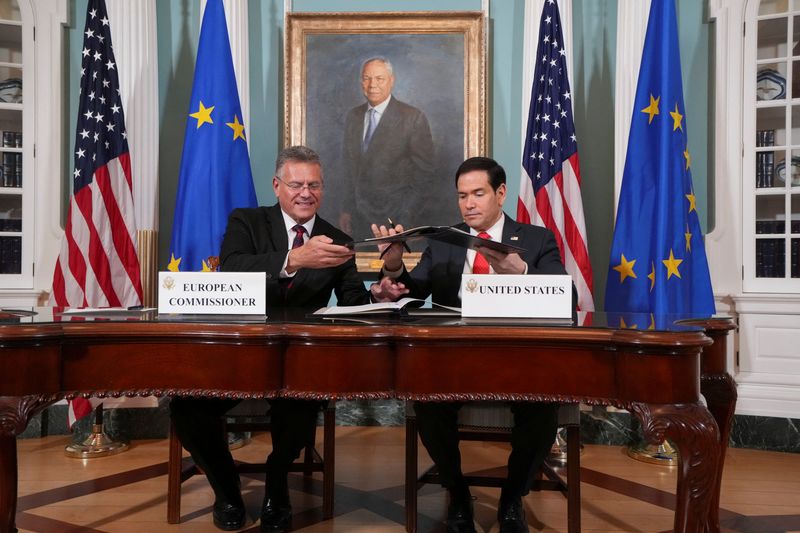

US, EU deepen cooperation on critical minerals with eye to broader agreement

Pudgy Penguins, BAYC rally masks a shrinking NFT market as volumes and users fall

Osimhen scores as Galatasaray thrash Fenerbahçe in Istanbul derby

Microsoft Visual Studio Professional 2026 is down to $35

Manchester United reach agreement with Casemiro over contract clause amid transfer speculation

US brings back mandatory military draft registration

Steven Gerrard disagrees with Gary Neville over ‘shock’ Chelsea and Arsenal claim | Football


-

 Politics6 days ago
Gary Stevenson delivers timely reminder to register to vote as deadline TODAY
-

 Fashion3 days ago
Weekend Open Thread – Corporette.com
-
 Crypto World1 day ago
Hyperliquid $HYPE Rally Builds Momentum as AI Sector Enters Prove-It Phase
-
Crypto World7 days ago
Bank of Hawai’i (BOH) Q1 2026: Net Income Drops to $57.4M as Net Interest Margin Expands
-

 Politics4 days ago
Making troops accountable for war crimes threatens US alliance, ex-SAS colonel warns
-

 Politics4 days ago
Disabled people challenge government SEND proposals over segregation concerns
-

 Business5 days ago
Rolls-Royce Voted UK’s Most Iconic Trade Mark as IPO Register Hits 150
-

 Business3 days ago
Patterson-UTI Energy, Inc. (PTEN) Q1 2026 Earnings Call Transcript
-

 Politics5 days ago
Zack Polanski responds to home secretary’s taser threat
-
 Sports17 hours ago
IPL 2026: Ruturaj Gaikwad registers slowest fifty of the season, enters all-time unwanted list | Cricket News
-
 Crypto World6 days ago
Five Value Stocks with Recovery Potential in 2026: PayPal (PYPL), Nike (NKE), and More
-
Politics5 days ago
Wings Over Scotland | How To Get Away With Crimes
-

 Politics5 days ago
Starmer handler McSweeney to be dragged from shadows by Foreign Affairs Committee
-

 Crypto World5 days ago
New York sues Coinbase, Gemini over prediction market offerings
-

 Politics4 days ago
‘Iran is still a nuclear threat’
-
 Business5 days ago
HCL Tech share price tank over 9% after weak Q4. JPMorgan, HSBC & 3 others cut target price
-

 Fashion6 days ago
Kilkenny Design New Beauty Arrivals for Spring 2026
-
 Sports4 days ago
Tim Bradley names the current best in the world: “Better than Inoue and Usyk”
-

 NewsBeat21 hours ago
LK Bennett closes all stores after entering administration
-
Entertainment6 days ago
Sydney Sweeney cameo cut from “The Devil Wears Prada 2”, source explains why (exclusive)
You must be logged in to post a comment Login