

Business
Koito Manufacturing Co., Ltd. 2026 Q4 – Results – Earnings Call Presentation (OTCMKTS:KOTMY) 2026-05-15



Seeking Alpha’s transcripts team is responsible for the development of all of our transcript-related projects. We currently publish thousands of quarterly earnings calls per quarter on our site and are continuing to grow and expand our coverage. The purpose of this profile is to allow us to share with our readers new transcript-related developments. Thanks, SA Transcripts Team

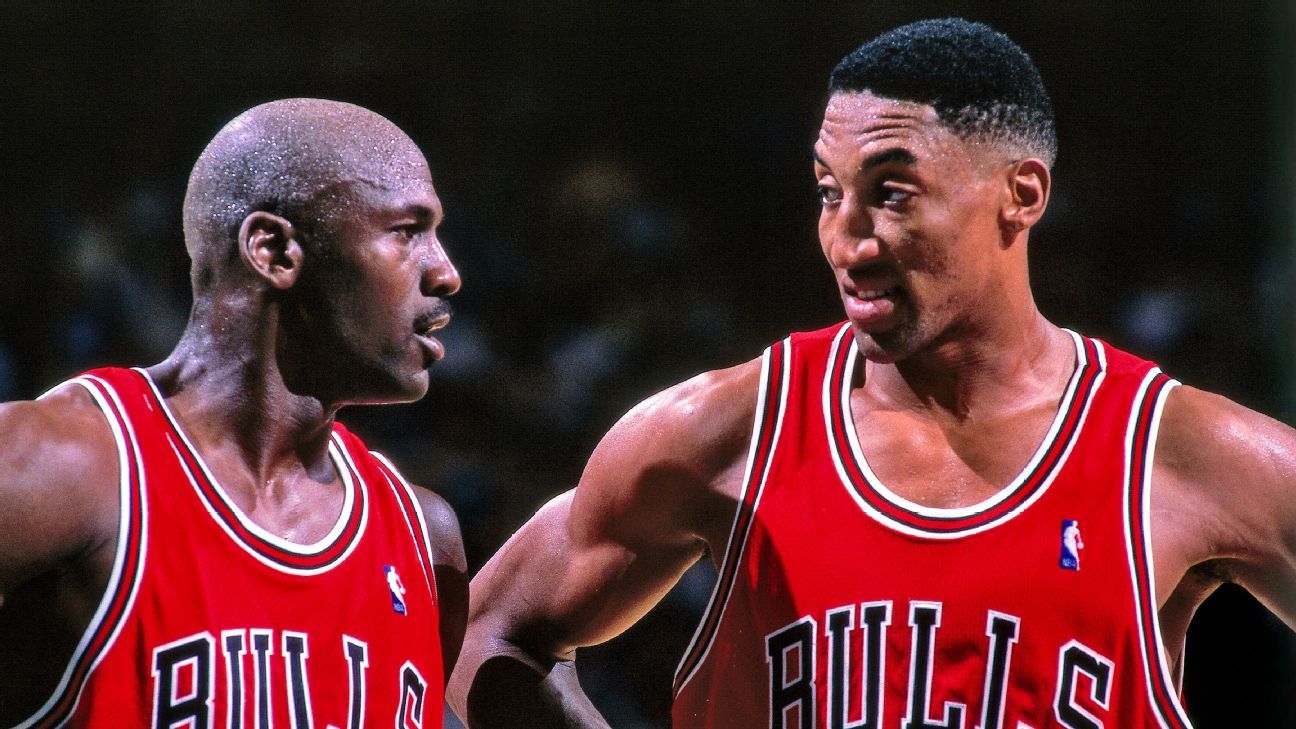
LOS ANGELES — The Los Angeles Lakers’ second-round playoff exit at the hands of the Oklahoma City Thunder has reignited one of sports’ most enduring arguments: the Michael Jordan versus LeBron James GOAT debate. At 41 years old, James once again delivered elite production in the postseason, yet the Lakers’ early departure has prompted fresh claims from Jordan loyalists that the conversation is finally settled in favor of the six-time champion. Most analysts and players, however, insist the discussion remains very much alive.

The Lakers fell to the top-seeded Thunder in a competitive but ultimately lopsided series, with James posting strong individual numbers even as his supporting cast struggled against Oklahoma City’s depth and defensive intensity. James’ continued excellence at an age when most players have long retired has only deepened the divide among fans and commentators. Jordan advocates point to his perfect 6-0 NBA Finals record and unmatched killer instinct, while LeBron supporters highlight longevity, versatility, and statistical dominance across four different franchises.
Perkins and Others Weigh In
ESPN analyst Kendrick Perkins stirred the pot earlier this season by declaring Victor Wembanyama the most dominant player currently, but the broader GOAT conversation always circles back to James and Jordan. James himself has repeatedly downplayed the debate, calling it “barbershop talk” and noting that he and Jordan played fundamentally different styles. In a recent wide-ranging interview, James emphasized his role as a point-forward who prioritizes playmaking over Jordan’s scoring-first mentality.
Jordan, who has largely stayed silent on the matter in recent years, maintains a legendary aura built on six titles, six Finals MVPs and an unmatched winning pedigree. His supporters argue that no amount of regular-season longevity or statistical accumulation can overcome Jordan’s flawless championship record and cultural impact during his prime. LeBron’s four rings and 10 Finals appearances, achieved with three different teams, demonstrate adaptability but also fuel arguments about team-hopping versus Jordan’s loyalty to the Chicago Bulls.
Longevity vs. Peak Dominance
At the heart of the debate lies a philosophical difference in how greatness is measured. Jordan’s peak from 1991 to 1998 remains the gold standard for many: undefeated in the Finals, relentless defensively, and clutch in the biggest moments. James counters with an unprecedented 21 All-NBA selections, the all-time scoring record, and the ability to elevate mediocre rosters to contention well into his 40s. His 2026 playoff performance, leading the Lakers in scoring and assists despite the loss, only reinforced that narrative for his backers.
Advanced metrics tell a nuanced story. James ranks among the all-time leaders in playoff wins, series-clinching victories and versatility stats. Jordan’s efficiency in high-stakes moments and defensive impact during his championship runs still set benchmarks. Younger analysts increasingly favor LeBron for his statistical accumulation and influence on modern basketball, while older observers and many former players side with Jordan’s aura and perfection.
Social media exploded after the Lakers’ elimination, with hashtags like #MJGOAT and #LeBronGOAT trending simultaneously. Some declared the debate “over” citing the sweep, while others pointed to James’ individual brilliance at 41 as further evidence of his unparalleled career. The discourse revealed deep generational divides, with millennials and Gen Z leaning toward LeBron’s longevity argument.
LeBron’s Own Perspective
James has consistently refused to engage deeply in the comparison. “Our games are totally different,” he said earlier this season. “I’ve always looked for the pass first.” He has expressed admiration for Jordan, wearing No. 23 in homage and hoping to make his idol proud. In quieter moments, James has said the only opinion that matters is his own self-assessment at the end of his career.
Jordan, for his part, has avoided direct commentary in recent years, preferring to let his résumé speak for itself. The two icons share mutual respect, with James often citing Jordan as a primary influence and Jordan acknowledging LeBron’s unique place in the game.
What the Future Holds
With James potentially playing alongside his son Bronny and showing no signs of sharp decline, the debate could continue for another season or two. Another deep playoff run or a fifth championship would significantly bolster LeBron’s case. Conversely, Jordan’s untouchable Finals record remains a powerful anchor for his supporters. Most neutral observers now view the conversation as unresolvable, more a matter of personal preference than objective fact.
The 2026 postseason exit changes little in the grand scheme. James once again proved he can perform at an All-NBA level deep into his career, a feat unmatched in league history. Jordan’s six titles in eight years remain legendary. Both players redefined excellence in their eras, and both will be remembered as all-time greats regardless of where the endless online arguments land.
As the NBA moves forward with a new generation of stars, the Jordan-James debate endures as a celebration of basketball excellence rather than a zero-sum contest. Their combined impact has elevated the league’s global popularity and inspired countless players. Whether one prefers Jordan’s perfection or LeBron’s longevity, the conversation itself enriches the sport and ensures both legends remain central to its story.
The GOAT debate is far from over — and that’s exactly how basketball fans seem to prefer it. As long as highlights are watched, stats are debated and new generations discover these icons, the conversation will thrive. LeBron James’ latest playoff run, though ending in elimination, only added more chapters to one of sports’ greatest ongoing narratives.
Company Participants
Walter Pritchard – Senior VP & Head of Investor Relations
Michael Lyons – CEO & Director
Takis Georgakopoulos – Co-President and COO of Technology & Merchant Solutions
Dhivya Suryadevara – Co-President and Head of Financial Solutions, Sales & Operations
Paul Todd – Chief Financial Officer
Conference Call Participants
James Friedman – Susquehanna Financial Group, LLLP, Research Division
Andrew Schmidt – KeyBanc Capital Markets Inc., Research Division
Kartik Mehta – Northcoast Research Partners, LLC
Vasundhara Govil – Keefe, Bruyette, & Woods, Inc., Research Division
Dan Dolev – Mizuho Securities USA LLC, Research Division
Timothy Chiodo – UBS Investment Bank, Research Division
Dominick Gabriele – Loop Capital Markets LLC, Research Division
Bryan Bergin – TD Cowen, Research Division
Harshita Rawat – Bernstein Institutional Services LLC, Research Division
Darrin Peller – Wolfe Research, LLC
Jason Kupferberg – Wells Fargo Securities, LLC, Research Division
Bryan Keane – Citigroup Inc., Research Division
Tien-Tsin Huang – JPMorgan Chase & Co, Research Division
David Koning – Robert W. Baird & Co. Incorporated, Research Division
William Nance – Goldman Sachs Group, Inc., Research Division
Presentation
Operator
Please welcome Head of Investor Relations, Walter Pritchard.
Walter Pritchard
Senior VP & Head of Investor Relations
Thank you, everybody, for coming, both here in New York and on the webcast. Before we kick off, I wanted to review the agenda and provide some information on logistics. We’ll start today with Mike reviewing our strategy and our plans to execute the strategy. Then Takis will follow with a deep dive into the merchant business, and at about 10:15, we’ll take a short break. We have coffee and some light snacks out in the lobby area. At this time, those on the webcast, we’ll hear the music.
We will return at 10:30 with Dhivya, taking us through the Financial Solutions business, and then we’ll have Takis join Dhivya

Trio-Tech director Jason Adelman sells $123,570 in common stock

Apogee Therapeutics CEO Michael Henderson sells $1.64m in stock
Business
Taiyo Yuden Co., Ltd. 2026 Q4 – Results – Earnings Call Presentation (OTCMKTS:TYOYY) 2026-05-15
Seeking Alpha’s transcripts team is responsible for the development of all of our transcript-related projects. We currently publish thousands of quarterly earnings calls per quarter on our site and are continuing to grow and expand our coverage. The purpose of this profile is to allow us to share with our readers new transcript-related developments. Thanks, SA Transcripts Team

Thailand’s opposition is challenging Prime Minister Anutin’s plan to borrow 400 billion baht to mitigate the Middle East conflict’s impact and cost of living crisis. They argue current economic conditions don’t justify such borrowing, questioning the funding for energy transition.
Key Points
- Thailand’s opposition is challenging Prime Minister Anutin’s plan to borrow 400 billion baht (S$15.7 billion) via an emergency decree.
- The funds are for cash handouts, farmer assistance, and a renewable energy transition, but opposition parties argue the country’s growth and fiscal space don’t justify the debt.
- They are seeking a Constitutional Court ruling to suspend the decree, citing concerns about fiscal discipline and the necessity of debt-financing the energy transition.
Opposition Challenges Massive Borrowing Plan
Thailand’s main opposition parties, the People’s Party and the Democrat Party, are actively challenging Prime Minister Anutin Charnvirakul’s plan to borrow 400 billion baht. This substantial sum is intended to mitigate the economic repercussions of the Middle East conflict and alleviate the cost-of-living crisis. The government has authorized this borrowing through an emergency decree, aiming to fund cash handouts to approximately 30 million citizens and provide support to farmers, fisherfolk, and small businesses impacted by soaring energy costs. Furthermore, a significant portion, 200 billion baht, is earmarked for accelerating Thailand’s transition to renewable energy sources.
Fiscal Concerns and Economic Justification
The opposition’s primary argument against the borrowing decree centers on Thailand’s current economic conditions and limited fiscal space. They contend that the economy is still expanding and that the country’s public debt, already nearing its self-imposed 70% of GDP cap, cannot sustain such massive new debt. Specifically, they question the rationale for financing the energy transition through additional borrowing. While the government, through Finance Minister Ekniti Nitithanprapas, argues that the borrowing is crucial to combat the economic crisis fueled by surging energy costs and to prevent stagflation, the opposition believes alternative measures, such as reducing excise taxes on fuel, would be more appropriate.
Government Reassurance and Economic Outlook
Despite opposition concerns, the government maintains that the borrowing will not compromise the nation’s overall fiscal discipline, as public debt will remain below the 70% voluntary cap. Finance Minister Ekniti Nitithanprapas stated that the new debt will be raised from the domestic market, which possesses ample liquidity. He emphasized that the global energy shocks have directly impacted household incomes and the cost of living, making state spending from new debt essential. The Bank of Thailand projects a slowdown in economic growth to 1.5% this year, from 2.4% in the previous year, highlighting the challenging economic climate and Thailand’s vulnerability due to its reliance on imported oil and natural gas.
Other People are Reading
Business
Sumco Corporation 2026 Q1 – Results – Earnings Call Presentation (OTCMKTS:SUOPY) 2026-05-15
Seeking Alpha’s transcripts team is responsible for the development of all of our transcript-related projects. We currently publish thousands of quarterly earnings calls per quarter on our site and are continuing to grow and expand our coverage. The purpose of this profile is to allow us to share with our readers new transcript-related developments. Thanks, SA Transcripts Team
Business
Spotify’s New All-Time Feature Reveals Your Lifetime Top Artists and Songs in Viral Nostalgia Trip

NEW YORK — Spotify has rolled out a highly anticipated new feature that gives users a complete, personalized look at their entire listening history since joining the platform, sparking massive engagement and emotional reactions across social media as millions revisit their musical journeys.
The mobile-only experience, part of Spotify’s 20th anniversary celebrations and dubbed “Spotify 20: Your Party of the Year(s),” launched this week and quickly went viral. Unlike the annual Spotify Wrapped summary, this feature dives deep into a user’s full streaming lifetime, revealing their very first song streamed, total unique tracks listened to, all-time most-played artist with total minutes streamed, and a custom playlist of their personal top 120 songs of all time.
The rollout has triggered an outpouring of nostalgia, with users sharing screenshots of surprising top artists, long-forgotten guilty pleasures and emotional reflections on how their taste has evolved. Many posts highlight rediscovered memories tied to specific life moments — first loves, heartbreaks, road trips and milestones — turning the feature into a cultural phenomenon.
How the Feature Works
Available exclusively in the Spotify mobile app, the experience is presented as an interactive, click-through journey. Users see their join date on Spotify, the exact first song they played, and a running tally of every unique song streamed since that day. The highlight for most is the personalized ranking of their lifetime top artist, complete with total listening time, followed by the automatically generated “Your All-Time Top 120” playlist.
Early data shared by Spotify shows strong global engagement. Justin Bieber leads as the most-streamed artist for over 14 million individual users, while global all-time charts continue to be dominated by Taylor Swift, Bad Bunny and Drake. The feature has prompted countless users to compare their personal results with friends and family, creating shareable moments that boost platform retention.
Why It Resonates So Deeply
The timing could not be better. As Spotify celebrates two decades since its 2006 launch, the feature taps into a universal desire to reflect on personal growth through music. For many, seeing their top artist or first song triggers powerful memories. One user posted, “My top artist is still the band I listened to in high school during my emo phase… I haven’t changed at all.” Another discovered they had streamed a particular breakup song over 800 times in 2018.
Music psychologists note that revisiting listening history activates strong emotional responses because songs become tied to specific periods of life. The feature essentially creates a digital time capsule, blending data with sentiment in a way that feels both analytical and deeply personal.
Social media platforms are flooded with reactions. TikTok and Instagram Reels overflow with users reacting in real time to their results, while X threads compare lifetime top artists across friend groups. The hashtag #Spotify20 and variations of #MySpotifyHistory are trending, with users celebrating or playfully roasting their own unchanging taste.
Broader Impact on Spotify and the Industry
For Spotify, the feature serves multiple strategic purposes. It celebrates the company’s milestone while encouraging users to engage more deeply with the app. By surfacing long-term data, it reinforces user loyalty and provides valuable insights into listening behavior over extended periods. Industry analysts see it as a smart evolution beyond the seasonal Wrapped phenomenon, potentially increasing time spent in-app and playlist saves.
The launch also highlights Spotify’s massive data advantage. With hundreds of millions of users and billions of streams, the platform can deliver highly accurate lifetime insights that competitors struggle to match. This positions Spotify as the definitive keeper of users’ musical memories in the streaming era.
Global vs Personal Charts
While the new feature focuses on personal history, Spotify also released broader all-time platform statistics earlier this year. Taylor Swift tops the global most-streamed artist list, followed by Bad Bunny, Drake, The Weeknd and others. “Blinding Lights” by The Weeknd remains the most-streamed song of all time. These aggregate numbers provide context for individual results and spark additional conversations about cultural impact.
Users are discovering surprising truths about their habits. Some find they have listened to certain artists for hundreds of hours without realizing it, while others are shocked by how much their taste has shifted over the years. The feature has even sparked renewed interest in older catalogs as people rediscover forgotten favorites.
Privacy and Data Considerations
Spotify emphasizes that all insights are generated privately on the user’s device where possible and only use data the user has already shared through normal listening. The company continues to invest heavily in privacy protections while delivering personalized experiences, a balance that has helped maintain user trust amid growing concerns about data usage across tech platforms.
For users concerned about data, the feature can be accessed without sharing results publicly, though most seem eager to post and compare with others.
Looking Ahead
As the feature continues rolling out and gaining traction, Spotify is expected to expand it with additional insights, such as genre evolution over time, most-listened-to decades, and collaborative history with friends. The success of this nostalgia-driven tool may influence how other streaming services approach long-term user data visualization.
In an era where music discovery is increasingly algorithmic, giving users ownership of their full listening story feels both refreshing and deeply human. Whether users are proud of their top artists or playfully embarrassed, the feature has created a shared cultural moment that transcends individual taste.
For Spotify subscribers, the new tool offers more than data — it delivers a musical autobiography. As millions continue discovering their all-time favorites and sharing the results online, one thing is clear: the soundtrack of our lives deserves to be remembered, celebrated and occasionally laughed at. The feature not only entertains but reminds us how profoundly music shapes our personal narratives across years and even decades of streaming.
With Spotify now two decades old and this new experience proving wildly popular, the platform continues evolving from a simple music player into a digital companion that chronicles our evolving relationship with sound. For users, it’s a chance to pause, reflect and appreciate the soundtrack that has accompanied life’s biggest moments — one stream at a time.

NEW YORK — An experimental drug showing dramatic potential to extend survival for patients with one of the deadliest forms of cancer is generating intense demand at specialized clinics across the country as patients and oncologists await full regulatory approval.
Daraxonrasib, which targets the KRAS gene mutation present in roughly 90 percent of pancreatic cancer cases, received fast-track early access authorization from the Food and Drug Administration on April 30. The medication has already demonstrated in clinical trials the ability to nearly double median survival times for patients with advanced disease, prompting a rush of inquiries from desperate families and oncologists seeking options for those with limited time left.
Pancreatic cancer remains one of the most lethal malignancies, with a five-year survival rate below 13 percent and limited treatment options once it spreads. Traditional chemotherapy regimens typically extend life by only a few months. Daraxonrasib’s early results have therefore generated unprecedented excitement in the oncology community, with some physicians describing it as a potential game-changer for a disease long considered nearly untreatable.
Breakthrough Targets Root Cause
The drug works by specifically inhibiting the mutated KRAS protein that drives uncontrolled cell growth in most pancreatic tumors. In Phase 2 trials involving patients with metastatic disease, those receiving Daraxonrasib alongside standard chemotherapy saw median overall survival approach 18 months — nearly double the typical 9 to 11 months seen with chemotherapy alone. Some participants experienced tumor shrinkage significant enough to become eligible for surgery, an outcome rarely seen in advanced pancreatic cancer.
Dr. Elena Ramirez, a gastrointestinal oncologist at Memorial Sloan Kettering Cancer Center, called the results “remarkable” but cautioned that larger Phase 3 data is still needed. “For the first time in decades, we’re seeing a targeted therapy that directly attacks the primary driver mutation in this terrible disease,” she said. “Patients are understandably eager, but we must balance hope with rigorous science.”
Clinics Overwhelmed by Demand
Since the FDA‘s early access approval, specialized cancer centers have reported a sharp increase in requests. Some clinics say they are fielding dozens of calls daily from patients seeking enrollment in expanded access programs. Demand has been particularly high in states with strong pancreatic cancer advocacy networks, including California, Texas and New York.
“We’ve never seen anything like this volume,” said Dr. Michael Chen, medical director of a pancreatic cancer program in Houston. “Patients who were told they had months left are now asking about this drug by name. We’re doing our best to evaluate them quickly and fairly, but supply is limited while full approval is pending.”
The manufacturer has not yet disclosed exact production capacity or pricing for the early access program. Industry analysts estimate monthly treatment costs could exceed $20,000, raising concerns about equitable access even before widespread availability. Patient advocacy groups are already calling on insurers to cover the therapy under compassionate use provisions.
Patient Stories Fuel Optimism
Early participants in the expanded access program have shared cautiously hopeful stories. One 58-year-old patient from Florida, who asked to remain anonymous, said the drug stabilized his tumors after standard treatments failed. “For the first time in a year, I feel like I have time again,” he told local media. “I’m not cured, but I’m still here.”
Such testimonials have spread rapidly on social media, creating both inspiration and pressure on the healthcare system. Pancreatic cancer advocacy organizations report record website traffic and helpline calls since the FDA announcement.
Scientific and Regulatory Path Ahead
Daraxonrasib is currently in late-stage clinical trials, with full FDA approval potentially arriving as early as late 2027 if data remains strong. The drug’s developer has prioritized pancreatic cancer but is also studying its effectiveness against other KRAS-mutated tumors, including certain lung and colorectal cancers.
Oncologists stress that while promising, the drug is not a miracle cure. Side effects include fatigue, gastrointestinal issues and skin reactions, similar to other targeted therapies. Long-term survival benefits and potential resistance mechanisms are still being evaluated.
The National Cancer Institute has highlighted Daraxonrasib as one of several KRAS inhibitors showing real progress after decades of failed attempts to drug this notoriously difficult target. Success against KRAS has long been considered the “holy grail” of precision oncology.
Broader Implications for Cancer Care
If fully approved, Daraxonrasib could reshape treatment paradigms for pancreatic cancer and influence research into other hard-to-treat malignancies. It represents a shift toward mutation-specific therapies rather than broad chemotherapy approaches that have dominated care for decades.
However, experts warn that early access programs, while lifesaving for some, can create ethical challenges around equity. Wealthier patients and those near major cancer centers are more likely to secure spots, potentially widening survival gaps.
Advocacy groups are pushing for expanded compassionate use and accelerated approval pathways to ensure broader availability. They also emphasize the importance of continued research funding for pancreatic cancer, which receives significantly less attention than more common malignancies despite its high mortality rate.
Hope Tempered by Reality
For the thousands of families facing pancreatic cancer diagnoses each year, Daraxonrasib represents a rare beacon of hope in a disease that has long offered little. While the drug is not yet a cure, its ability to meaningfully extend life has already changed conversations in oncology offices nationwide.
As clinics work to meet surging demand and researchers push forward with larger trials, the coming months will be critical in determining whether this experimental therapy fulfills its early promise. For patients and loved ones currently battling the disease, even the possibility of additional time is profoundly meaningful.
The medical community remains cautiously optimistic. Daraxonrasib has ignited excitement not seen in pancreatic cancer for years, but sustained benefits and broad accessibility will ultimately determine its place in treatment history. For now, patients continue seeking enrollment while researchers race to gather the definitive data needed for full approval.
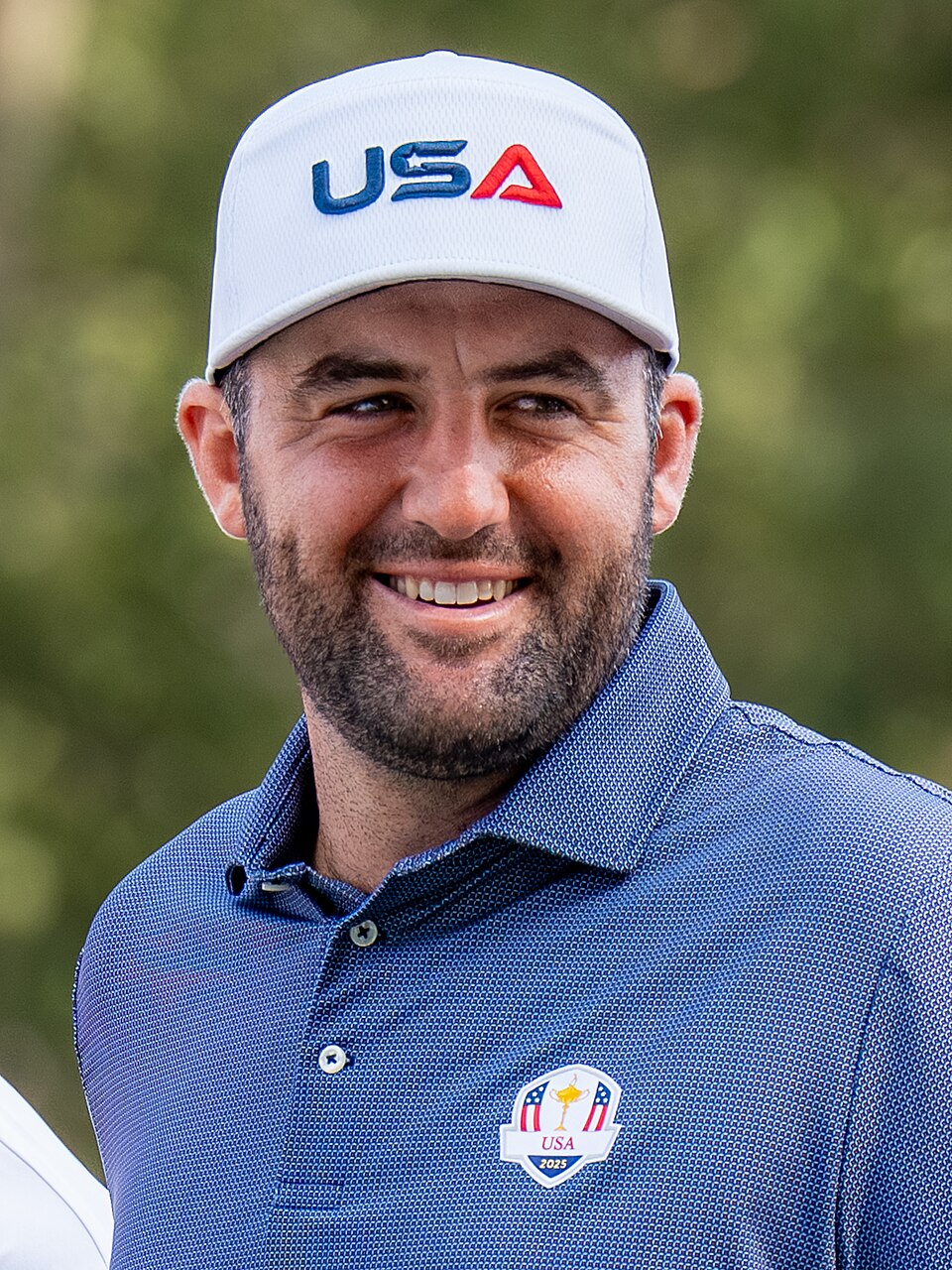
NEWTOWN SQUARE, Pa. — World No. 1 Scottie Scheffler enters the final rounds of the 2026 PGA Championship as the overwhelming favorite to claim his second major title of the year, building on a dominant season and a strong opening performance at Aronimink Golf Club that has him sharing the lead after Round 1.
Scheffler, who has been the most consistent player on the PGA Tour throughout 2026, fired a 3-under 67 in the first round to tie for the lead alongside several others, including Min Woo Lee and a handful of surprise names. His steady ball-striking, elite iron play and calm demeanor under pressure have bookmakers installing him as a massive favorite at around +166 to win the Wanamaker Trophy, a dramatic shift from his pre-tournament odds of +390.
The 29-year-old Texan has won multiple times this season and finished runner-up in both the Masters and another signature event, showcasing the kind of form that makes him the clear man to beat in this loaded field. With Rory McIlroy scuffling early and other top contenders like Jon Rahm and Xander Schauffele lurking but facing an uphill battle, many experts believe Scheffler’s combination of power, precision and mental toughness positions him perfectly for victory at Aronimink.
Why Scheffler Stands Above the Rest
Scheffler’s game has few weaknesses right now. He leads the Tour in strokes gained off the tee and approaches, categories that matter immensely on Aronimink’s demanding layout with firm greens and strategic risk-reward holes. His putting, often a question mark in the past, has stabilized enough to avoid big mistakes, allowing his ball-striking excellence to shine through.
Analysts highlight his experience in big moments. As the defending champion from last year’s PGA, Scheffler knows what it takes to close out a major. His ability to stay composed when others falter has been evident throughout 2026, where he has rarely posted rounds in the 70s. Even on days when his putter runs cold, his tee-to-green superiority keeps him in contention.
Rory McIlroy, the sentimental favorite for many seeking his first major since 2014, struggled in the opening round and sits further back. While the Northern Irishman remains dangerous with his length and creativity, his inconsistency this season makes him a longer shot than in years past. Jon Rahm, Cameron Young and Ludvig Åberg are also in the mix, but none match Scheffler’s current level of dominance.
Field Depth and Course Setup Favor Favorites
Aronimink Golf Club, with its tree-lined fairways and precise approach requirements, rewards players who control their golf ball. This setup plays directly into Scheffler’s strengths. The field is stacked with major winners and rising stars, yet the gap between Scheffler and the rest feels significant after Round 1. Betting markets reflect this reality, with the American sitting well clear of the pack.
Bryson DeChambeau opened with a disappointing score, highlighting the boom-or-bust nature of his game. While capable of brilliance, his high-variance style makes him less reliable over four rounds compared to Scheffler’s metronomic consistency. Xander Schauffele and Brooks Koepka remain threats, but both would need near-perfect golf to overtake the world No. 1 from here.
Weather forecasts for the weekend call for firm, fast conditions that should continue to favor precision over pure power. Scheffler’s well-rounded game gives him an edge in these scenarios, where scrambling and lag putting become critical.
Historical Context and Path to Victory
Scheffler would join an elite group if he wins this week. Only a handful of players have claimed multiple majors in the same year in recent decades. His path involves maintaining focus over the next three days, avoiding big numbers and capitalizing on the par-5s where his length provides an advantage. If he posts rounds in the mid-60s over the weekend, a victory seems almost inevitable.
For golf fans, a Scheffler win would cement 2026 as potentially his breakthrough year of sustained excellence. Already considered the best player in the world by many metrics, adding another major would silence remaining doubters and further solidify his place among the game’s modern greats.
Underdog Stories and Weekend Drama
While Scheffler is the clear favorite, golf’s beauty lies in its unpredictability. Long shots like Min Woo Lee, who is tied for the lead, could make a run. Veterans such as Justin Rose or surprise performers could emerge if the top contenders stumble. The expanded drama of a major championship ensures compelling storylines regardless of the outcome.
Social media has already lit up with predictions and debates. Fans are sharing bold takes on whether Scheffler can close the deal or if McIlroy will finally break his major drought. The conversation underscores golf’s passionate fanbase and the sport’s ability to captivate even casual observers during major weeks.
What to Watch This Weekend
All eyes will be on Scheffler as he attempts to pull away from the pack. His pairing and tee times will draw large galleries, with fans eager to witness history in the making. Meanwhile, contenders like Åberg and Schauffele must post low numbers early to apply pressure. The back nine at Aronimink is expected to produce plenty of drama as the leaderboard tightens on Sunday afternoon.
Regardless of who ultimately lifts the Wanamaker Trophy, the 2026 PGA Championship has already delivered strong performances and compelling narratives. Scheffler remains the player to beat, but golf has a way of rewarding those who seize the moment when opportunity knocks.
As the second round begins, the golf world waits to see if the world’s best player can translate his stellar season into major championship glory once again. For Scheffler, it’s another chance to prove he belongs among the greats. For everyone else, it’s a shot at pulling off one of the sport’s most memorable upsets. The stage is set for an unforgettable weekend at Aronimink.

Wayne Rooney tells Chelsea to bring back club legend as coach | Football

MJ GOAT Debate Far From Over Despite Lakers Elimination

House Panel Urges Trump to Nominate CFTC Members Under CLARITY Act

Manchester United reach agreement with Casemiro over contract clause amid transfer speculation

US brings back mandatory military draft registration

Steven Gerrard disagrees with Gary Neville over ‘shock’ Chelsea and Arsenal claim | Football


-

 Fashion4 days ago
Coffee Break: Travel Steam Iron
-

 Politics7 days ago
Politics Home Article | Starmer Enters The Danger Zone
-

 Fashion5 days ago
What to Know Before Buying a Curling Wand or Curling Iron
-

 Politics4 days ago
What to expect when you’re expecting a budget
-

 Tech6 days ago
Auto Enthusiast Carves Functional Two-Stroke Engine from Solid Metal
-

 Fashion7 hours ago
Weekend Open Thread: Theory – Corporette.com
-
 Business7 days ago
Ignore market noise, India’s long-term story intact, say D-Street bulls Ramesh Damani and Sunil Singhania
-

 Tech5 days ago
GM Agrees To Pay $12.75 Million To Settle California Lawsuit Over Misuse Of Customers’ Driving Data
-

 Crypto World7 days ago
PROS explodes 48% as Upbit and Bithumb listings ignite demand
-

 Crypto World6 days ago
CZ says US crypto rivals tried to block Trump pardon
-

 Tech19 hours ago
Tech Moves: Microsoft AI leader jumps to OpenAI; former AI2 exec joins Meta; and more
-

 Tech4 days ago
GM agrees to $12.75M California settlement over sale of drivers’ data
-
Crypto World3 days ago
Bitcoin Suisse expands with Digital Asset License and Investment Business Act Registration Approval in Bermuda
-

 Crypto World6 hours ago
E-Estate Announces 1 Year Live: Washington DC Summit as Real Estate Tokenization Enters Its Next Phase
-

 Politics3 days ago
Pakistan to enter Chinese capital market as war inflation bites
-
 Crypto World7 days ago
Pi Network Hits 421K Mainnet Nodes Ahead of Protocol 23 Smart Contract Launch
-

 Crypto World1 day ago
Google’s Gemini AI Predicts Incredible Solana Price by the End of 2026
-

 Entertainment7 days ago
Pooh Shiesty Pleads Not Guilty In Gucci Mane Kidnapping Case
-
 Sports7 days ago
‘Not bothered’ – Michael Carrick gives update on Manchester United head coach role
-

 Crypto World3 days ago
Bitcoin Suisse expands with Digital Asset License and Investment Business Act Registration Approval in Bermuda
You must be logged in to post a comment Login