Connect with us

Business

Mamdani’s Free Child Care Plan in New York City May Need $5 Billion More a Year, New Report Shows

Published

on

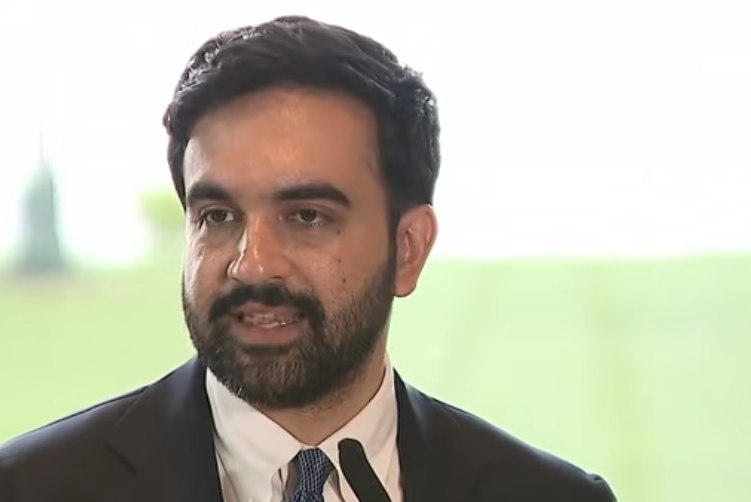
New York City Mayor Zohran Mamdani

NEW YORK — Mayor Zohran Mamdani‘s signature promise of universal free child care for New York City families is likely to cost significantly more than he pledged on the campaign trail, according to a new independent analysis that estimates the city may need to find roughly $5 billion in additional annual funding to fully realize the program.

The gap stems from a report released Monday by the Center for New York City Affairs, a nonpartisan research organization affiliated with The New School, which found that fully funding universal child care for children ages 6 weeks to 5 years would require between $8.7 billion and $9.3 billion annually, well above the roughly $6 billion figure Mamdani cited throughout his mayoral campaign.

A campaign promise meets fiscal reality

Mamdani ran on what was widely described as the most ambitious universal child care proposal in the country, pledging free day care for all children regardless of family income starting at just six weeks old. The plan built on New York City’s existing universal pre-K programs for 3- and 4-year-olds, extending guaranteed access down to infants and toddlers for the first time.

Advertisement

According to the new report, much of the roughly $3 billion gap between Mamdani’s original cost estimate and the center’s updated projection is tied to staffing costs, particularly the mayor’s pledge to bring child care worker pay in line with public school teacher salaries. The report estimates the city would need to hire approximately 23,000 new child care workers to meet the program’s staffing requirements, with the bulk of that hiring concentrated in care for infants and children under age 3, the age groups that require the most intensive staffing ratios.

When accounting for the funding the city has not yet formally secured toward that expanded $8.7 billion to $9.3 billion target, the overall shortfall facing the administration climbs to roughly $5 billion beyond what has currently been committed through state partnerships and existing budget allocations.

Where funding stands so far

Mamdani’s administration has already taken initial steps toward the broader goal, working in partnership with Gov. Kathy Hochul’s administration to launch free child care for 2-year-olds in high-need areas of the city. The state has committed funding, in different reported amounts ranging from roughly $1.21 billion to $1.7 billion, to support the first two years of that rollout, which is set to offer 2,000 free seats for 2-year-olds beginning this fall in low-income neighborhoods, with another 12,000 seats planned for 2027. A similar expansion of roughly 2,000 new seats for 3-year-olds is also planned for the fall.

Advertisement

New York City already guarantees universal child care access for 4-year-olds under its existing pre-K program. Under the state agreement, funding for the 2-year-old expansion is guaranteed for its first two years, after which the state Legislature would need to approve continued funding to sustain the program going forward.

How Mamdani plans to pay for it

Throughout his campaign, Mamdani proposed funding his child care expansion primarily through tax increases on corporations and the city’s highest earners, an approach that requires cooperation from the state government and the Legislature, since New York City does not have unilateral authority to raise many of those taxes on its own. The mayor’s office has estimated that raising taxes on corporations and the top 1% of income earners could generate roughly $9 billion combined, though that revenue would need to cover other budget priorities beyond child care alone.

Separately, the Fiscal Policy Institute has proposed a new 0.43% child care payroll tax on workers earning more than $25,000 annually, an approach the group estimates could generate roughly $3.6 billion toward the program, in addition to its support for higher taxes on corporations and wealthy residents.

Advertisement

Speaking at a press conference announcing a related free child care center for city employees, Mamdani framed the broader investment in economic terms. “This is what Wall Street could call a good investment,” Mamdani said, describing the rationale behind the city’s child care spending.

Not everyone is convinced new taxes are the answer

The plan has drawn skepticism from some business and fiscal policy voices in the city, who argue that new revenue should not be the administration’s first response to the funding gap. Kathryn Wylde, president and CEO of the Partnership for New York City, has cautioned against relying primarily on new taxes to close the shortfall. “While it would be great to offer families free childcare,” Wylde said, arguing that the city and state should first look at spending cuts to free up existing resources before turning to new tax revenue.

The affordability backdrop driving the push

Advertisement

Supporters of the expanded program point to the steep cost of private child care in New York City as justification for the public investment. The average cost of private child care for infants and toddlers has climbed to roughly $18,200 annually for family-based care and $26,000 annually for center-based care, according to figures from the city comptroller’s office. A typical family with an infant and a 4-year-old can end up spending nearly 40% of its annual income on child care, according to separate research cited by state officials.

That affordability crisis has also been linked to broader demographic shifts in the city. The number of New York City families with three or more children has dropped by nearly 17% over the past decade, while the city’s under-20 population has declined by close to 200,000 in recent years, trends that advocates argue are partly driven by the high cost of raising young children in the city.

With the funding gap now more clearly quantified, Mamdani’s administration faces the challenge of either scaling back elements of the original universal child care promise or securing significantly more revenue than initially projected, likely requiring extended negotiations with Hochul’s administration and the state Legislature over new taxes or additional state funding commitments. How the city bridges that gap in the coming budget cycles is expected to shape not only the pace of the program’s rollout to younger children, but also broader questions about the fiscal sustainability of one of the most ambitious social policy pledges of Mamdani’s mayoralty.

Advertisement
Continue Reading
Click to comment

You must be logged in to post a comment Login

Leave a Reply

Business

Forte formulates frozen protein bar

Published

on

Forte formulates frozen protein bar

The bar features 10 grams of protein.

Continue Reading

Business

Exclusive | Zach Dell Is Raising Money to Put a Battery in Your Backyard

Published

on

Exclusive | Zach Dell Is Raising Money to Put a Battery in Your Backyard

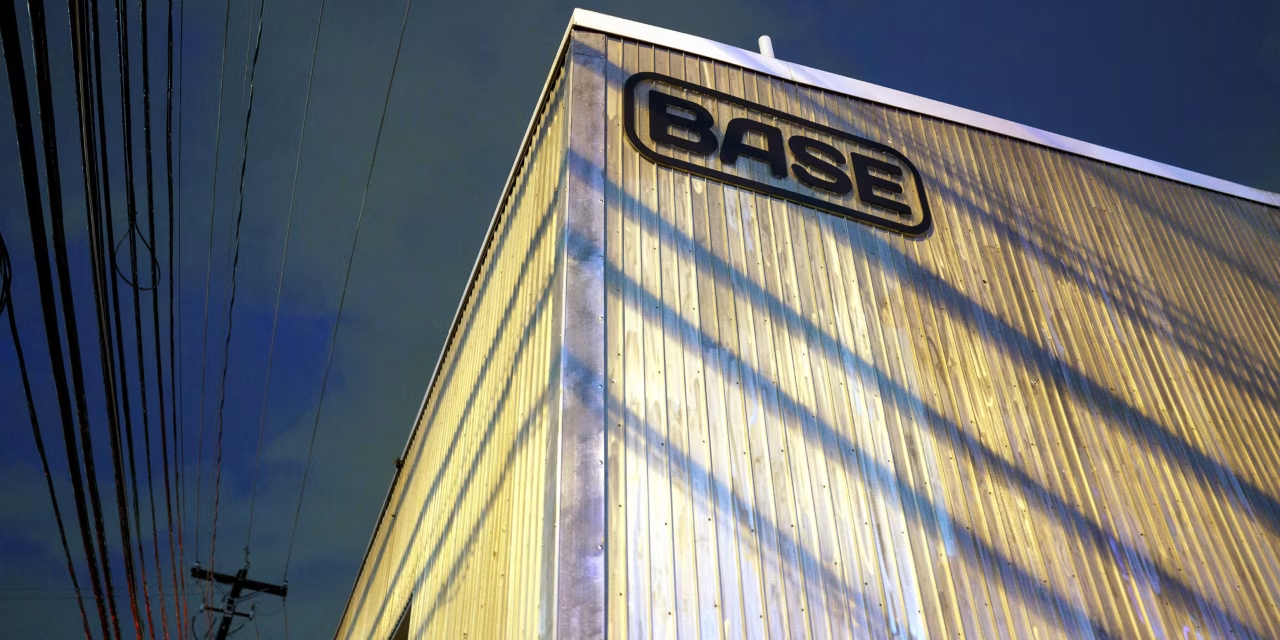
AUSTIN, Texas—Steps away from an old printing press, a fleet of industrial robots and dozens of workers assemble the building blocks of what a highflying startup hopes will be America’s next big power company.

Base Power is racing to build and install tens of thousands of batteries in residential backyards and become one of the country’s largest developers of battery storage. The three-year-old company just locked down a $1 billion funding round that brings its valuation to $13 billion. The company has raised more than $2.5 billion in all.

Copyright ©2026 Dow Jones & Company, Inc. All Rights Reserved. 87990cbe856818d5eddac44c7b1cdeb8

Continue Reading

Business

AstraZeneca Shares Drop, Bristol Myers Squibb’s Climb After Merger Talks Reports

Published

on

AstraZeneca Shares Drop, Bristol Myers Squibb’s Climb After Merger Talks Reports

AstraZeneca

AZN

Advertisement

increase; up pointing triangle shares fell sharply and Bristol Myers Squibb’s BMY climbed, after media reports that the two drugmakers held merger talks.

London-listed shares in AstraZeneca were down 6.4% in European morning trading. Meanwhile, Bristol’s shares were up 5.5% in U.S. premarket trading.

Copyright ©2026 Dow Jones & Company, Inc. All Rights Reserved. 87990cbe856818d5eddac44c7b1cdeb8

Advertisement
Continue Reading

Business

Institutional investors over-subscribe LIC OFS, govt opts for green-shoe option

Published

on

Institutional investors over-subscribe LIC OFS, govt opts for green-shoe option
The government of India has decided to exercise the green-shoe option in the share sale offer of Life Insurance Corporation (LIC) after institutional investors over-subscribed the portion reserved for non-retail investors by putting in bids worth Rs 36,400 crore.

Four years after the initial public offering (IPO), which had fetched Rs 21,000 crore, the government launched LIC’s offer for sale (OFS), looking to sell up to 6.5% stake. This in size compares with the upcoming mega IPO offerings of the NSE and Reliance Jio Platforms.

Through the two-day OFS, the government is selling up to 6.5 per cent stake or over 82.22 crore in the country’s largest insurer LIC at a floor price of Rs 382/share.

The issue comprises a base offer size of 2.5 per cent, with a green shoe option of 4 per cent.

Advertisement

The issue will open for retail investors on Wednesday.


Institutional investors put in bids for over 94.45 crore shares, at an indicative price of Rs 383.84/share. The bids are valued at Rs 36,400 crore at the indicative price bid.
Shares of LIC slid 7.86 per cent to close at Rs 391 on the BSE. Its market capitalisation stands at Rs 4.95 lakh crore.The floor price of Rs 382/share was set at a 10 per cent discount over Monday’s closing price of Rs 424.35 on the BSE.

At the floor price, the sale of over 82.22 crore shares, or a 6.5 per cent stake at the given floor price will fetch about Rs 31,000 crore to the disinvestment kitty.

The stake sale will help LIC achieve the minimum public shareholding requirement mandated by market regulator Sebi ahead of schedule.

Sebi had given LIC time till May 16, 2027, to achieve a minimum 10 per cent public shareholding.

Advertisement

At present, the government holds a 96.5 per cent stake in LIC.

It had earlier sold 3.5 per cent through an initial public offering (IPO) in May 2022 at a price band of Rs 902-949 per share, raising about Rs 21,000 crore.

In April 2026, the LIC board approved a 1:1 bonus issue.

So far in the current fiscal year, the government has mopped up Rs 21,082 crore through stake sale in seven public sector undertakings and remittances from SUUTI (Specified Undertaking of the Unit Trust of India).

Advertisement
Continue Reading

Business

Which Route Matches Your Adventure?

Published

on

Which Route Matches Your Adventure?

The Evolution of Modern Himalayan Trekking: The Changing Face of the Annapurna Region

Annapurna continues to be one of the most popular trekking destinations in Nepal, providing stunning views of the mountains, traditional villages, and a variety of landscapes and experiences. Today’s trekkers aren’t just interested in scenery; they are interested in time, challenge, safety, comfort, and even what type of adventure they want.

The 7 Days Annapurna Base Camp Trek and the Annapurna Circuit trek are two of the most popular treks here. The Circuit is a longer trek, traversing the diverse landscapes and cultures of the Annapurna massif, while the ABC trek is a shorter route that will lead straight to the heart of Annapurna Sanctuary.

A Geographical Blueprint: Mapping the Annapurna Sanctuary vs. the Great Circuit Loop

This is a 7-day Annapurna Base Camp Trek, which is a direct route to Annapurna Base Camp. It then goes through some beautiful Gurung villages, forests, waterfalls and mountain valleys and arrives at Annapurna Base Camp (4130m). The sight of the Annapurna I, Annapurna South, Hiunchuli and Machhapuchhre is a magnificent sight from the destination.

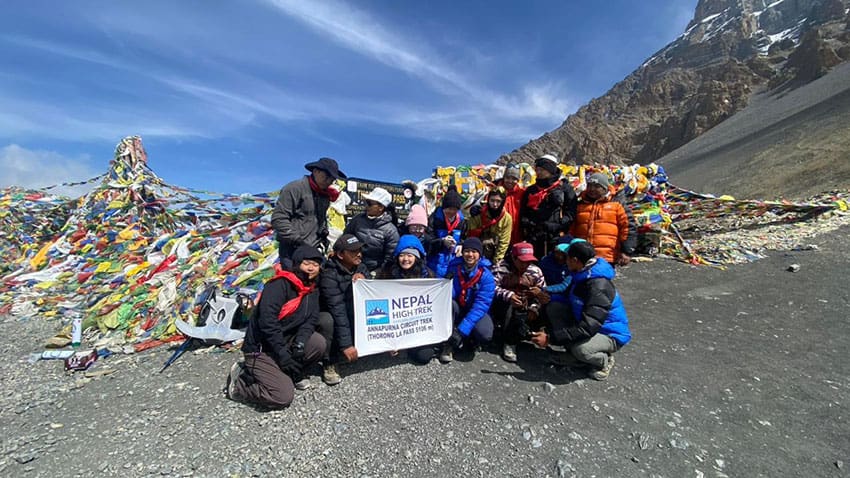
The Annapurna Circuit Trek is a long trek around the Annapurna range. The trail then goes through green valleys, villages for farmers, high altitude deserts and villages influenced by Tibetan culture before it reaches Thorong La Pass at 5416 m.

Advertisement

ABC targets one amazing mountain, and Circuit offers a full circuit of the Himalayas.

Deconstructing the 7 Days Annapurna Base Camp Trek: Route Highlights and Daily Experience

The 7-day Annapurna Base Camp trek package is for those who are looking for a short-duration trek to the Himalayas. The trek from Pokhara is a blend of mountain beauty, cultural experiences, and the rigors of trekking in a short period.

The walk goes through Ghandruk and Chhomrong, both traditional villages, before entering the Modi Khola valley. After trekking through the forests and the alpine scenes, the trek will continue to reach the base of Machhapuchhre and ultimately the Annapurna Base Camp.

The summit of the hike is at an altitude of 4,130 m. The trip is shorter, so it is imperative that the trekker be in good condition and prepared. Typically, walks are done on a daily basis of about 5–8 hours, particularly in the more difficult areas around the base camp.

Advertisement

The price of the 7 Days Annapurna Base Camp Trek is generally priced from Nepal High Trek from $450 to $700 per person, depending on the group size and services. Services offered in the packages are guide support, permits, tea house accommodation, meals during the trek, transportation, and trekking assistance.

The Classic Endurance Journey: Crucial Milestones of the Annapurna Circuit Trek

The Annapurna Circuit Trek is a long-distance trek in Nepal that is one of the country’s classic treks. The difference with the route compared to the ABC route is that you have the possibility to visit the whole of the Annapurna region.

The path passes through various biomes, subtropical forests, terraced farms and dry Himalayan valleys. Trekking along the way, visitors can enjoy a unique culture, Buddhist monasteries and traditional mountain living.

The highest point to cross is Thorong La Pass (5416m). The trek is longer, giving an opportunity to see the Himalayas in a deeper way, as the longer trek affords more opportunity to acclimatize.

Advertisement

Time vs. Terrain: A Head-to-Head Comparison of Duration, Distance, and Difficulty

The most significant difference between these two treks is the amount of time they will take.

7 Days Annapurna Base Camp Trek is ideal for those who have a limited holiday. But on this shorter tour, you will be walking longer days and walking faster.

The Annapurna Circuit takes longer, about 12 to 16 days, but offers a more diverse landscape, cultural experiences, and a more gradual rise in elevation.

If you’re seeking a short trip in the Himalayas, then ABC is for you, but if you want a full trekking experience, then the Circuit is for you.

Advertisement

The Altitude Curve: Comparing Acclimatization Strategies for Annapurna Base Camp and Thorong La Pass

There is a need to manage altitude on both routes.

The ABC trek is 4130m in altitude and needs to be done in a well-paced and well-prepared manner. Lower than Thorong La Pass, but the condensed seven-day trek will require the trekkers to be physically fit for constant ascents.

The Annapurna Circuit is at a higher elevation, reaching Thorong La Pass at 5,416m. However, the longer route will give more time to acclimatize.

Both hikes are a challenge at altitude and require water, clothing, and knowledge of this.

Advertisement

Amphitheater Walls vs. Trans-Himalayan Rain Shadows: How the Landscapes Differ

Both of these routes are unique in their landscape, which results in very different experiences.

The ABC route provides an opportunity for spectacular close-up views of the mountains. The peaks around the sanctuary area start to grow in size and grandeur, as trekkers approach the sanctuary.

The Annapurna Circuit offers more of a geographical variety, from green hills to dry high-altitude terrain.

ABC is a popular route for those looking for dramatic mountain scenery, and the Circuit is a popular one for those looking for changing scenery.

Advertisement

Gurung Hospitality and Tibetan High-Alps: Comparing Culture, Villages, and Teahouse Life

One of the best points of the Annapurna trek is its culture.

The ABC route takes the trekkers to the Gurung and Magar villages where the visitors will get to experience the traditional village way of life, local food and the hospitality of the Himalayas.

The Annapurna Circuit provides more cultural experience that includes Tibetan villages, monasteries, and ancient traditions.

Both routes offer teahouse lodging, which offers basic lodging, local food, and a chance to meet mountain people.

Advertisement

The Insider Strategy: Using Alternative Trails to Avoid Jeep Roads

The Circuit is located in some areas of the Annapurna region that have been altered by road construction. There have been improvements in the roads, which makes travelling around the area easier, but many trekkers choose to take alternative walking routes for a more authentic experience.

The ABC route is still more geared toward traditional trekking as there are few roads in the sanctuary area.

The Weight Factor: Essential Gear for Both Annapurna Treks

Both trips can be fun when you’re well-prepared. Essential items include:

  • Quality trekking boots
  • Warm layers
  • Waterproof jacket
  • Trekking poles
  • Sleeping bag
  • Sunglasses and sunscreen
  • Personal medication

It is particularly crucial to light pack the 7 Days ABC Trek because of the quicker pace.

Understanding Permits, Best Seasons, and Weather Windows

There are required permits for both treks, including the Annapurna Conservation Area Permit.

Advertisement

The best seasons are:

  • Spring (March-May): Perfect for flowers, nice weather, and viewing the mountains.
  • Autumn (September-November): Stable weather, good visibility.

Nepal High Trek also emphasises the spring and autumn seasons as the best time for the 7 Days Annapurna Base Camp trek.

Choosing Between the Annapurna Circuit Trek and the 7 Days Annapurna Base Camp Trek

It’s a matter of choice, based on your travel objectives.

7 Days Annapurna Base Camp Trek is suitable for those who wish to have a shorter trip with stunning views of the mountains and rich cultural experiences along the way. Nepal High Trek packages are available from USD 485 per person, making it a viable choice for those on a time constraint.

Annapurna Circuit Trek is more for trekkers who prefer a longer trek over the different landscapes, culture, and across Thorong La Pass.

Conclusion: Finding Your Perfect Annapurna Adventure

The Annapurna Circuit Trek and the 7 Days Annapurna Base Camp Trek are both remarkable and memorable Himalayan treks. ABC offers a shorter but no less intense experience in the heart of the mountains, and the Circuit offers a longer experience of discovering culture, changing landscapes, and all the mountains have to offer.

Advertisement

The perfect hike is yours to find, depending on exactly how much time you have, how physically fit you are, and what kind of hike you’re looking for. Annapurna offers a host of experiences that are guaranteed to be unforgettable, whether it’s the serene hikes to Annapurna Base Camp or the famed trek across Thorong La Pass.

We’re Nepal High Trek and Expedition Pvt. Ltd., based in Kathmandu, specializing in treks, climbs, and more for solo travelers and private groups.

Contact us at info@nepalhightrek.com or WhatsApp +977 9851142116.

Advertisement

Continue Reading

Business

All eyes on Red Rock Resorts earnings amid renovation headwinds

Published

on


All eyes on Red Rock Resorts earnings amid renovation headwinds

Continue Reading

Business

McDonald’s Corporation (MCD) Q2 2026 Earnings Call Transcript

Published

on

OneWater Marine Inc. (ONEW) Q1 2026 Earnings Call Transcript