

Business
Metropolis Healthcare sees strong Q4 performance driven by specialty and preventive testing push


Strong Q4 performance and full-year finish
Speaking on the quarterly results, C Surendran, MD, Metropolis Healthcare highlighted the company’s strong finish to the financial year.
“We have had a very excellent quarter, quarter four and a grand end to the year. We have had 23 percentage revenue growth and the margins, of course, on the very high side, 70 percentage plus kind of margin growth we had in quarter four and we ended the year very well.”
He attributed this performance to a combination of strategic focus areas and successful integration of recent acquisitions.

“There are two or three things which is really helping us to get this kind of a growth. One, of course, our continuous focus on the speciality segment and our focus on the TruHealth, these two are segments which is growing faster than the company’s growth. Now, this is definitely helping us to grow. And also, the integration that we have done of all the acquired entities, four entities we have acquired during the last 12 months and the acquisitions almost in the last phase, they all started performing well, that is helping us to grow.”
Looking ahead, the company has laid out a steady medium-term growth path.
“In terms of the guidance for the coming years, we definitely see that a revenue growth of 14 to 15 percentage CAGR is definitely possible in the next two-three years, that is what our estimate at this point of time and our margins will also come closer 27-28 percentage in the next two to three years’ time.”
Demand shift toward speciality and preventive testing
On the demand environment, Surendran pointed to a clear structural shift in diagnostics consumption.
“In fact, in the last two quarters, we have seen improved need for the high-end speciality testing and also like you know that we have launched the genomics testing in the last quarter and we have also seen very high uptake on the genomics testing.”
He added that preventive healthcare continues to gain traction.
“So, all the speciality segments is really doing well and also, the preventive health is another segment which is really seeing good amount of traction. So, the overall diagnostics is moving away from a concentration on the routine and semi-special testing to more of speciality and preventive healthcare kind of a testing, that is a real moment that is happening in the industry and that is really what is driving us the growth.”
Margin expansion and operational efficiency gains
The company’s sharp improvement in margins has been a key highlight over the past year. Surendran explained the structural drivers behind the expansion from around 18% last year to 25.5% currently, and confidence in further improvement ahead.
He said three major initiatives have driven profitability gains.
“See, three big initiatives have happened during this year. One, of course, at the end of last year we mentioned that our massive lab expansion has come to an end and now, it is time for us to go and bring in productivity from the labs that we already set up.”
He added that operational improvements have significantly enhanced throughput.
“So, our actions around improving the number of centres around each lab has really taken up very well and we are seeing a very good throughput coming and the productivity of each of the labs getting better and with no more new labs getting added, there is no erosion in the margins, that is one big step that we have taken.”
Technology upgrades have also played a key role.
“Second one is, we have really relook at our lab tech platforms, the platforms in which the testing happens. We looked at upgrading this platform, some vendor consolidations that we have done and we have also brought in the best of technology in the labs, that is really giving us improved material consumption and also we have introduced some technology enablers in the labs to reduce our material consumption.”
He further noted ongoing automation and digital improvements.
“So, this definitely is helping us and there are many other productivity enablers through the digital and the automation path that we are taking. So, all these are giving us very sustainable margin upside.”
Integration nearing completion
On the integration of acquired businesses, the company said most of the heavy lifting is already done.
“Well, like I said, we are on the last phase of the integration, technology part of integration almost over, people integration is over, all the synergies that we want to bring in are all over. Maybe the next three to four months’ time we will complete the full integration in terms of aligning the product portfolios, the sales strategy, etc. So, more or less we are done with integration. Next two to three months we will bring it to a closure and then it would be business as usual for us.”
Acquisitions, growth contribution and future strategy
Acquired entities currently contribute around 8% to FY26 revenue. The company expects stronger growth ahead as integration stabilises.
“So, the year one like we mentioned in the past is all about cleaning up the business and bringing into in tune with the Metropolis ways of working, so that part. So, we did not concentrate too much on the volume growth or the revenue growth in year one, but we concentrated on the synergies and the integration of the platforms, which we have completed and this year will be a year where we will definitely take off with respect to the revenues and volume growth, etc, that will happen and that will be in line with the rest of the organisation’s growth.”
On future acquisitions, management remains open.
“So, we are always in the hunt for suitable opportunities for us to come and buy out. So, we are looking out for it. We have a pie and then once this integration of the already existing acquired integrities are over, we will have the time and energies to go and do the next set of integration of the newly acquired entities.”
Tier-wise growth strategy
On geographic mix, tier I cities currently dominate revenue, but tier II and III are also growing steadily.
“Well, our tier II cities are growing at the same time at around 20 percentage. We have brought in some new labs in the past and some of the acquired entities are sitting in the tier II. So, tier II will also definitely will grow as in there are some cities that we identified we need to put some extra focus, which we will do it. So, our plan will be all the three tiers, tier I, tier II, tier III all the three segments should grow in the days to come.”
Why guidance has been moderated
Addressing the apparent moderation in revenue growth guidance to 14–15%, Surendran clarified the base effect from acquisitions.
“No. Well, I mean in the year 26, you got the additional revenue from the acquired entities which you likely mentioned sometime back is about 8 percentage. So, 8 percentage has come out over 13.5 percentage that we did last year, 13.7 percentage we did on organic level and the remaining about 8 to 9 percentage come because of the newly acquired entities. Now, for the coming year the revenue of the acquired entity will be already there in the baseline, that is not going to come on top of it, that is the reason you will find that the revenue guiding for the coming year is in the range of 14-15 percentage.”


Renewable Infrastructure Investment: How Much Is Too Much?

The Rs 630.62-crore IPO was subscribed 127.07 times overall, making it one of the most sought-after public issues of the year. Institutional investors drove the demand, with the qualified institutional buyer (QIB) portion subscribed 270.46 times.
The non-institutional investor (NII) segment was booked 172.35 times, while the retail investor category attracted bids worth 27.08 times the shares reserved for it
Read More: https://economictimes.indiatimes.com/markets/stocks/news/wipros-rs-15000-crore-buyback-opens-tomorrow-10-key-things-to-know-before-tendering-shares/wipro-buyback/slideshow/131625831.cms
Should you buy, sell or hold CMR Green shares?
Shiavni Nyati, Head of Wealth at Swastika Investmart, said that while the impressive listing highlights positive market sentiment, investors should remember that the IPO was an Offer for Sale (OFS) only, meaning the company did not receive any fresh capital and existing shareholders reduced their stakes through the issue. Following such a sharp listing gain, some profit booking and short-term volatility are likely. Investors who received allotment may consider booking partial profits while continuing to hold the remaining shares for the medium to long term, given the company’s exposure to the growing recycled metals industry. New investors should avoid chasing the stock at elevated levels and wait for a correction or consolidation before considering fresh entries. Overall, caution is warranted after the strong debut. Investors may maintain a stop loss at a cost of Rs 192 to protect gains, as a sustained move below this level could indicate weakening momentum, she added.
Arihant Capital said the company’s leadership in aluminium recycling, and its installed capacity of more than four times that of its nearest domestic competitor, augurs well. The brokerage also pointed to the company’s dominant position in the automotive cast alloy segment, where it commands an estimated market share of 42-45%, and recommended subscribing to the IPO.
SBI Securities said CMR enjoys significant scale advantages with an installed capacity of 4.7 lakh tonnes per annum and sees growth opportunities from expansion into wrought aluminium products and increasing demand for recycled metals. It also maintained a “Subscribe” rating.
Deven Choksey Research noted that the company is well-positioned to benefit from long-term themes such as electric vehicle adoption, rising aluminium intensity in automobiles, decarbonisation and India’s circular economy push. The brokerage recommended subscribing to the issue.
Financially, CMR reported revenue of Rs 6,697 crore and net profit of Rs 155 crore in FY25. For the nine months ended December 2025, it posted revenue of Rs 6,291 crore and profit after tax of Rs 162.4 crore, indicating continued operational momentum.
Also read: A $6 billion share sale wave in India signals deals perking up
CMR Green Technologies, incorporated in 2006, is one of India’s leading non-ferrous metal recyclers and operates in the secondary aluminium market. The company manufactures recycled aluminium alloys, zinc alloy ingots, aluminium billets and other recycled metal products that are used across automotive and industrial applications.
(Disclaimer: Recommendations, suggestions, views and opinions given by the experts are their own. These do not represent the views of The Economic Times)

With the 2026 FIFA World Cup set to begin across the United States, Mexico and Canada, global attention turns to the favorites and standout talents expected to define the expanded 48-team tournament. Spain enters as a narrow favorite, followed closely by defending champion Argentina, France, England and others in a field rich with depth and star power.
Analysts and oddsmakers highlight a competitive landscape where European sides dominate early projections, though South American powerhouses remain dangerous contenders. Power rankings and betting markets reflect recent form, squad evolution and historical pedigree as teams finalize preparations.
Top 10 Teams to Watch
- Spain: Current betting and power ranking leaders, Spain boasts a young, dynamic squad bolstered by Euro 2024 success. Key talents like Lamine Yamal and Pedri drive creativity, with recent form suggesting they could improve further.
- France: Loaded with attacking options including Kylian Mbappé, Michael Olise and Ousmane Dembélé, France seeks to convert talent into a second title. Their depth and resilience position them as perennial threats.
- Argentina: Defending champions led by Lionel Messi aim for back-to-back glory, a rare feat. A balanced squad featuring strong midfield and attack remains competitive despite Messi’s age.
- England: Consistent performers with a mix of experience and youth, England features Harry Kane and Bukayo Saka. They enter with high expectations after strong qualifying and Nations League showings.
- Portugal: Roberto Martinez‘s side benefits from Cristiano Ronaldo’s leadership and a talented supporting cast including Bruno Fernandes. Recent Nations League success adds momentum.
- Brazil: Despite some transitional questions, stars like Vinícius Júnior keep Brazil among the elite. Their attacking flair makes them dangerous in any matchup.
- Germany: Revamped under new leadership, Germany looks to rebound with a blend of veterans and emerging talents capable of deep runs.
- Netherlands: Solid midfield and tactical discipline position the Dutch as consistent knockout contenders.
- Morocco: Fresh off strong showings, the Atlas Lions bring energy and defensive organization that can trouble favorites.
- Colombia or Uruguay: Emerging South American sides with skilled squads capable of upsets and progression beyond group stages.
These rankings draw from recent power lists by outlets like FOX Sports, GOAL and ESPN, alongside betting consensus that places Spain and France at the top with odds around +475 to +500.
Top 10 Players to Watch
Individual brilliance often decides matches in high-stakes tournaments. Experts highlight a mix of established icons and rising stars:
- Kylian Mbappé (France): The Real Madrid forward remains a primary goal threat and leader for Les Bleus, chasing records with his pace and finishing.
- Lamine Yamal (Spain): The teenage sensation dazzled at Euro 2024 and enters as a creative force whose fitness could prove pivotal for Spain’s ambitions.
- Lionel Messi (Argentina): At 41, the captain and defending champion’s talisman still influences games with vision, passing and leadership in what may be his final World Cup.
- Cristiano Ronaldo (Portugal): The five-time Ballon d’Or winner brings record goal-scoring pedigree and motivation for a sixth appearance, inspiring teammates with his work ethic.
- Harry Kane (England): A prolific scorer and leader, Kane’s clinical finishing and hold-up play make him central to England’s hopes.
- Vinícius Júnior (Brazil): Dynamic dribbling and goal threat elevate Brazil’s attack, positioning him as a potential standout.
- Bruno Fernandes (Portugal): Fresh from a record assist season, the midfielder’s creativity and vision orchestrate Portugal’s play.
- Pedri (Spain): Control and intelligence in midfield anchor Spain’s possession-based style.
- Erling Haaland (Norway): The powerful striker makes his World Cup debut as a major goal-scoring presence.
- Michael Olise (France): In-form winger adding depth and flair to France’s already potent attack.
Other notables include William Saliba, Bukayo Saka, Raphinha and more, reflecting the tournament’s overall quality.
Tournament Outlook and Key Factors
The expanded format introduces more matches and travel variables across three host nations. Group stages begin June 11, with knockout rounds testing depth and adaptability. Favorites must navigate potential upsets from motivated underdogs.
Injuries, form and coaching decisions will influence outcomes. Spain’s youth movement, France’s attacking options and Argentina’s experience headline storylines. Messi and Ronaldo’s potential swan songs add emotional weight, while emerging talents like Yamal represent the future.
Analysts note the balance of power remains with established nations, yet surprises are common in World Cups. Home advantage for co-hosts United States, Mexico and Canada could boost their performances, though expectations remain modest compared to European and South American giants.
Strategic and Tactical Considerations
Successful teams will balance attack and defense while managing fixture congestion. Possession-oriented sides like Spain contrast with counter-attacking threats. Player workload from club seasons adds another layer, with recovery and tactical flexibility proving decisive.
Coaches like Roberto Martinez, Didier Deschamps and others face critical choices in squad selection and in-game adjustments. Depth across positions separates contenders from also-rans in the later stages.
Global Excitement Builds
As the tournament approaches, anticipation grows for matches featuring these elites. Fans worldwide will track whether Spain converts favoritism into victory, if Messi adds to his legacy or if a new star emerges. The blend of experience and youth across top teams promises compelling football.
Betting markets and simulations, such as those from Opta, give Spain the edge at around 16% implied probability, but football’s unpredictability ensures no outcome is certain.
The 2026 edition, the largest yet, offers a platform for legends to cement status and newcomers to announce themselves. From group openers to the July 19 final at MetLife Stadium, the focus remains on execution under pressure.
With strong squads and iconic players, the tournament is poised to deliver memorable moments as teams chase the ultimate prize. Early indications suggest a tightly contested race among a handful of elite nations and their standout talents.


Japan’s Asics to spin off popular Onitsuka Tiger sneaker business; shares rise
Business
Afcons Infra shares soar over 9% on Rs 5,301 cr order to build world’s second-largest breakwater

According to the company, the contract is valued at Rs 5,301 crore. Upon completion, the structure is expected to become the second-longest breakwater in the world. The project involves the construction of a 10.14-km-long breakwater as part of the Vadhvan Port development. Afcons said it received the Letter of Award on June 10.
In a regulatory communication, the company highlighted its experience in executing marine infrastructure projects in India and overseas. Afcons has undertaken several marine projects internationally, including the Bulk Jetty at Port of Sohar in Oman, the New Owendo International Port in Gabon, and the Sulphur Jetty project in Kuwait.
The company stated that the Bulk Jetty at Port of Sohar is located at one of the world’s deepest ports. It also noted that the New Owendo International Port in Gabon was completed in 18 months and was recognised as the fastest completed port project in West Africa. The Sulphur Jetty project in Kuwait involved the execution of an EPC berth facility, including trestles, equipment and structural works.
Afcons further said that it has been ranked by Engineering News-Record (ENR), USA, as the world’s eighth-largest marine and port facilities contractor.
The Vadhvan Port project is envisaged as India’s largest public port and one of the world’s largest container ports. According to the company, the port is expected to have a handling capacity of 23.2 million TEUs.
Afcons Infra Q4
Afcons reported a net loss of Rs 89 crore in the fourth quarter of FY26 against a profit after tax of Rs 111 crore in the same period last year. The company said net profit was impacted by macroeconomic uncertainties and certain one-time factors.
The company’s revenue from operations also dipped by 18% to Rs 2,777 crore from Rs 3,387 crore posted in the corresponding quarter of the previous fiscal year, Afcons said in its investor presentation.EBITDA came in at Rs 170 crore, marking a 59% drop from Rs 415 crore posted in the year-ago period. Margins also witnessed a sharp fall, down 6.1% from 12.2% in Q4FY25. For the full year, the company’s order book stood at Rs 32,496 crore, ‘ensuring visibility on its future revenue and profitability’, it said.
Despite Wednesday’s surge, Afcons’ share price is down 12% in 2026 and about 23% in the last 1 year.
(Disclaimer: Recommendations, suggestions, views and opinions given by the experts are their own. These do not represent the views of The Economic Times)
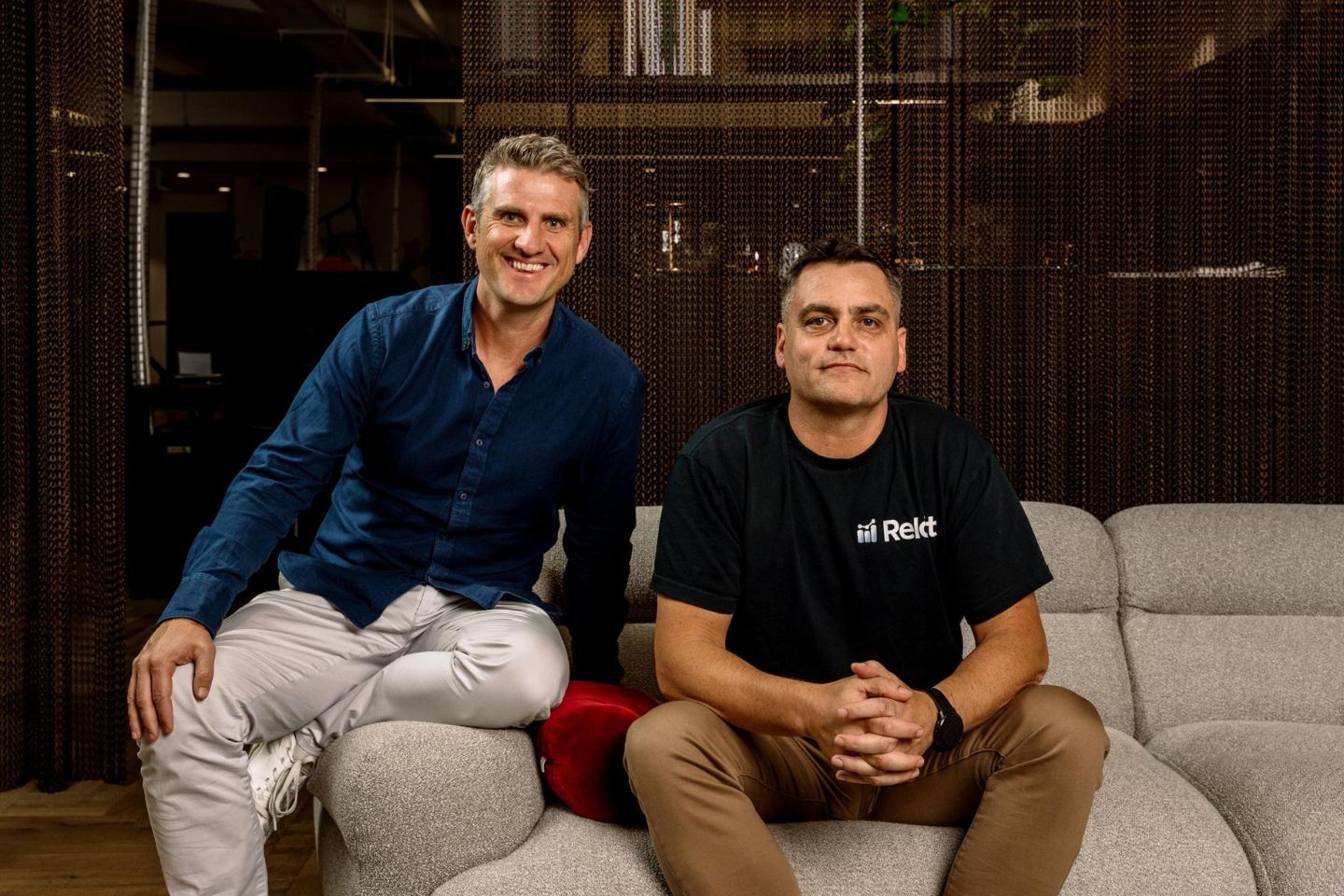
Local startup is rewriting the investor relations playbook, hoping to reshape how listed companies procure corporate services.


Astrada Advisors delivers actionable recommendations that enhance portfolio performance and uncover alpha opportunities, supported by a strong track record in investment research at leading global investment banks. With expertise spanning technology, media, internet, and consumer sectors in North America and Asia, Astrada Advisors excels in identifying high-potential investments and navigating complex industries.Leveraging extensive local and global experience, Astrada Advisors offers a unique perspective on market developments, regulatory changes, and emerging risks. The research integrates rigorous fundamental analysis with data-driven insights, providing a nuanced understanding of key trends, growth drivers, and competitive landscapes.The focus is empowering investors with timely research and a comprehensive view of industry dynamics. Whether navigating volatile markets or exploring new trends, Astrada Advisors remains committed to delivering superior insights to drive informed investment decisions.
Analyst’s Disclosure: I/we have no stock, option or similar derivative position in any of the companies mentioned, and no plans to initiate any such positions within the next 72 hours. I wrote this article myself, and it expresses my own opinions. I am not receiving compensation for it (other than from Seeking Alpha). I have no business relationship with any company whose stock is mentioned in this article.
Seeking Alpha’s Disclosure: Past performance is no guarantee of future results. No recommendation or advice is being given as to whether any investment is suitable for a particular investor. Any views or opinions expressed above may not reflect those of Seeking Alpha as a whole. Seeking Alpha is not a licensed securities dealer, broker or US investment adviser or investment bank. Our analysts are third party authors that include both professional investors and individual investors who may not be licensed or certified by any institute or regulatory body.
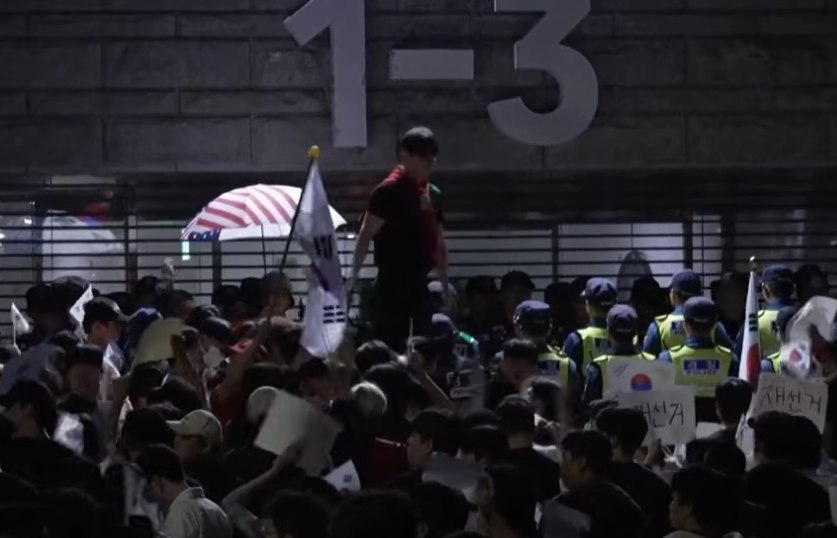
SEOUL — A surge in staff absences at South Korea’s National Election Commission ahead of the June 3 local elections has drawn sharp criticism, highlighting ongoing concerns about the body’s preparedness amid a separate ballot shortage controversy that has shaken public confidence in the electoral process.
As of late May, 181 employees — roughly 6% of the commission’s 3,034 authorized staff — were on leave, according to data released by the commission. The figure marked an increase from 176 in early April and continued a pattern of rising absences as nationwide votes approach.
The trend has persisted across recent elections. During the 2022 local elections, 226 staff members, or 7.6% of the workforce, were on leave. Numbers typically decline after polls close but rise again ahead of major votes, despite internal guidance urging employees to limit non-essential time off.
Pattern of Absences and Organizational Questions
Lawmakers from the opposition People Power Party have seized on the data, obtained through parliamentary channels, to question the commission’s operational culture. The spike occurred as the commission managed nationwide local elections for mayors, governors, council members and education superintendents.
Critics argue the recurring pattern reflects complacency. People Power Party lawmaker Kim Seung-su stated that such issues contributed to broader mismanagement, including ballot shortages that disrupted voting at dozens of polling stations.
“The complacent organizational culture of the National Election Commission led to a major disaster that even stripped voters of their suffrage,” Kim said, calling for systemic reform.
Independent lawmaker Han Dong-hoon has previewed legislation to restrict leave during election periods, aiming to ensure full staffing for future votes. The commission had previously advised staff to refrain from unnecessary absences, but compliance appears limited.
Ballot Shortage Crisis Overshadows Elections
The leave issue has gained traction alongside a more visible crisis: severe shortages of physical ballots on election day. The commission printed ballots for approximately 50% of registered voters, anticipating high early voting turnout would reduce demand. That calculation proved flawed, leading to disruptions at around 91 polling stations nationwide.
Shortages affected areas including multiple districts in Seoul, with some stations extending hours into the evening as emergency supplies arrived. Protests erupted, including demonstrations in Daegu and Seoul, with calls for investigations, resignations and even by-elections in affected areas.
National Election Commission Chairman Rho Tae-ak and Secretary General Heo Chul-hoon resigned in the aftermath, accepting responsibility. An external expert panel was formed to investigate causes, and the presidential office announced plans for a broader overhaul of election procedures.
President Lee Jae-myung described the incident as “shocking,” noting its damage to South Korea’s reputation as a model democracy. Constitutional complaints have been filed, raising questions about voting rights violations.
Context of the June 3 Local Elections
The elections served as a key test for the ruling Democratic Party and President Lee’s administration. Exit polls suggested strong performances for the ruling party in many races, though results in key areas like Busan remained competitive. Turnout and logistics challenges added complexity to an already high-stakes vote.
South Korea’s National Election Commission, an independent body, oversees all aspects of electoral administration. Its track record has generally been viewed positively for transparency, but recent events have fueled calls for accountability and structural changes.
The leave spike is not new but gains significance when paired with logistical failures. Historical data shows fluctuations tied to election cycles: lower during off-years around 130-150, then rising before major polls. This pattern has prompted repeated political scrutiny.
Broader Implications for Electoral Integrity
Analysts note that while staff absences may not directly cause ballot shortages, they contribute to perceptions of under-resourcing and poor planning. With over 14,000 polling stations nationwide, effective staffing is critical for smooth operations.
The commission has acknowledged the need for reform. Printing thresholds were reduced over years — from 80% in 2009 to 50% this cycle — based on internal decisions without full commission review in some cases, according to reports. This has intensified debates over risk assessment and contingency planning.
Public reactions include protests demanding fact-finding investigations and punishment for responsible officials. Some groups organized symbolic “democracy funerals” to highlight perceived failures. The controversy has also sparked online discussions and calls from civic groups for greater oversight.
Reform Proposals and Future Outlook
Proposed legislation to limit leave during election periods aims to address one visible symptom. Broader reforms under discussion include enhanced contingency printing, better supply chain management for ballots and improved coordination with local commissions.
The independent nature of the commission provides insulation from direct political control but also raises questions about internal accountability mechanisms. Experts suggest balancing autonomy with stronger performance standards and external audits.
As South Korea prepares for future national votes, including parliamentary elections, the lessons from June 2026 will likely shape policy. The ruling party and opposition alike have expressed interest in restoring trust, though partisan differences remain on the scope of changes.
The episode underscores challenges in maintaining electoral efficiency in a technologically advanced democracy that still relies on paper ballots for transparency. Early voting continues to grow in popularity, complicating traditional planning models.
Public Trust and Democratic Resilience
South Korea has long prided itself on high-quality elections with strong turnout and minimal irregularities. The recent disruptions, while localized, have tested that reputation. Investigations are ongoing, with the commission committed to transparency in its review process.
Voters and officials alike emphasize the importance of swift corrective action. The resignations of top leaders signal accountability, but sustained reforms will be necessary to prevent recurrence. As the country navigates political polarization, robust electoral institutions remain essential for democratic legitimacy.
Moving forward, stakeholders will monitor implementation of new protocols. The combination of staff management issues and logistical shortfalls has created a moment for comprehensive evaluation, potentially strengthening the system for years to come.
For now, the focus remains on addressing immediate fallout while safeguarding voter rights. The events of June 2026 serve as a reminder that even established democracies must continually adapt to maintain public confidence in their foundational processes.
Business
LeBron James Embraces TIME100 Sports Honor as He Reflects on Legacy and Fatherhood Milestone

LOS ANGELES — LeBron James, the Los Angeles Lakers forward and one of basketball’s most enduring superstars, expressed profound gratitude after being named the cover athlete for TIME magazine’s inaugural TIME100 Sports list in 2026, highlighting the recognition as a testament to his impact both on and off the court.
“Beyond Grateful and Blessed!! 🙏🏾👑” James posted on X following the announcement, underscoring his appreciation for the honor that positions him as a transformative figure in sports. The TIME profile, published ahead of the full list reveal, celebrates his redefinition of the modern athlete through record-breaking performance, business acumen, activism and family legacy.
At 41, James continues to defy expectations in his 23rd NBA season. He became the league’s all-time leading scorer in 2023 and has surpassed 50,000 career points when including playoffs. His longevity includes 22 consecutive All-Star selections and multiple All-NBA honors, alongside four NBA championships and league MVP awards.
Proudest Achievement: Playing Alongside Son Bronny
In the TIME cover story, James identified playing alongside his eldest son, Bronny James, as the pinnacle of his basketball career. The father-son duo made history as the first to share the court in an NBA playoff game during the 2026 postseason.
“Out of all the sh-t I’ve done in basketball, that’s the best accomplishment I’ve ever had,” James said. “The kid has earned his right to be a professional athlete.”
James has been vocal in defending his family’s journey, particularly against criticism directed at Bronny. He emphasized the importance of fatherhood and the values he instills, drawing from his own upbringing in Akron, Ohio, without a similar support system.
“The thing you’re not going to do is throw stones at us as a family. I’m not letting that sh-t slide, because I know what I’ve created because of what I didn’t have. So if you want to talk about the kid, that he shouldn’t be an NBA player, I don’t care about that. As long as you don’t get to the fatherhood piece. I don’t play those games,” he added.
The pair’s on-court connection has included notable moments, such as assists and shared minutes that captivated fans. Bronny, drafted by the Lakers, has navigated the spotlight while carving his own path under his father’s guidance.
LeBron on the GOAT Debate
James also addressed the perennial greatest-of-all-time discussion, placing himself at the top while acknowledging the perspectives of legends like Michael Jordan and Kobe Bryant.
“I’m not taking nobody over me,” James stated. “There’s no question. But I think Mike will say the same thing. Rest his soul, Kobe will say the same thing. Magic will say the same thing. Bird will say the same thing. Shaq could say the same thing.”
In other comments, James has noted stylistic differences with Jordan, describing his own game as that of a point-forward who prioritizes passing. “I never have compared myself to MJ because our games are totally different,” he said in a separate interview. “There are a lot of things where I would say my game is a lot different and a little better than his, but s—, he was f—ing great.”
His case rests on unparalleled versatility, longevity and off-court influence. Beyond scoring, James has shaped player empowerment, notably through his 2010 “Decision” and subsequent moves that prioritized agency. His business empire includes SpringHill Company, and he has invested in media, entertainment and community initiatives like the I Promise School in Akron.
Broader Impact and 2026 Outlook
The TIME100 Sports recognition arrives as James navigates another competitive season with the Lakers. Expectations remain high for him to contribute meaningfully, potentially extending his career for at least one more year to further bolster his resume.
His influence extends globally. From four Olympic gold medals to advocacy on social justice issues, James has leveraged his platform to drive change. The TIME profile details how he has bridged athletic excellence with cultural and economic power, becoming a billionaire athlete who redefines success.
Teammates and analysts praise his leadership and work ethic. Even as younger stars emerge, James’ presence elevates those around him, as evidenced by his mentorship of Bronny and other Lakers players. His ability to adapt — from explosive scorer to facilitator and veteran presence — exemplifies sustained excellence.
Family, Legacy and Future
James’ family life remains central. With wife Savannah and their children, including sons Bronny and Bryce and daughter Zhuri, he balances elite competition with personal milestones. The shared NBA journey with Bronny has created lasting memories, from regular-season games to playoff appearances.
Off the court, his ventures continue to expand. SpringHill has produced acclaimed projects, and his investments span technology, entertainment and health. These endeavors complement his on-court legacy, positioning him as a blueprint for future athletes.
As the 2026 NBA season progresses toward the Finals and beyond, James’ focus remains on team success while cherishing individual honors like the TIME recognition. His story from Akron prospect to global icon inspires generations, proving that resilience, vision and family can coexist with athletic greatness.
The TIME100 Sports list celebrates influencers across disciplines, with James leading the icons category. His selection reflects not only statistical dominance but also cultural resonance in an era of athlete activism and entrepreneurship.
Looking ahead, James has hinted at continued play while preparing for life beyond the court. Whether adding to his championship tally or expanding his business footprint, his trajectory suggests the chapter is far from closed. For fans and observers, the TIME honor serves as a timely affirmation of a career that has reshaped basketball and sports culture.
James’ response to the accolade embodies humility amid achievement. In a landscape of constant scrutiny, his emphasis on gratitude, family and legacy offers a model of perspective. As debates over greatness persist, his body of work — points, titles, influence and now father-son history — solidifies an unparalleled place in NBA lore.
Analysts anticipate his presence will remain pivotal for the Lakers, with potential playoff runs testing his enduring competitiveness. The TIME recognition caps a remarkable phase, celebrating an athlete who continues to evolve while honoring his roots and forward-looking vision. James’ journey underscores the power of purpose-driven excellence in sports and beyond.
Banco Santander: Efficiency Tailwinds To Sustain Growth

Amazon Says Masters of the Universe Is Succeeding Beyond the Box Office : Coastal House Media

#2 Payback Period – Investment Decision – Financial Management ~ B.COM / BBA / CMA

Belfast stabbing latest: Homes and cars set ablaze as protesters accused of ‘thuggery’ after knife attack



-

 Fashion5 days ago
Weekend Open Thread: Evereve – Corporette.com
-
 Crypto World5 days ago
Jensen Huang Approves Samsung, SK Hynix, and Micron for NVIDIA (NVDA) HBM4 Memory Supply
-

 Crypto World2 days ago
Anatomy of the June crypto crash: Fed, Iran, Saylor
-
 Entertainment3 days ago
The Best Mystery Series of All Time Is Surging on Streaming 30 Years After It Ended
-

 NewsBeat2 days ago
Alexander Zverev wins the French Open to finally earn a 1st Grand Slam title
-
 Crypto World3 days ago
Senator Cynthia Lummis Calls CLARITY Act the Most Consequential Financial Legislation of This Generation
-

 Tech4 days ago
Suspicious Polyfill login prompts pop up on Toshiba, Muji websites
-

 Tech5 days ago
Microsoft launches MXC, an OS-level sandbox for AI agents, with OpenAI and Nvidia already on board
-

 Tech3 days ago
Microsoft unveils seven homegrown AI models in new bid for ‘long term self-sufficiency’
-
 Business3 days ago
The Pain Points Taking a Fragile Tech Rally Down a Notch
-
Crypto World5 days ago
LBank Surpasses 25 Million Users Worldwide as AFA Partnership Continues to Drive Global Growth
-

 Business5 days ago
(VIDEO) Justin Bieber Delivers Surprise Happy Birthday Serenade to Diners at Los Angeles Mexican Restaurant
-

 Crypto World3 days ago
Trump’s AI Ownership Plan Could Benefit Anthropic at OpenAI’s Expense
-
 Sports14 hours ago
Bangladesh beat Australia after 20 years in ODIs, register only their second win over six-time world champions | Cricket News
-

 Tech5 days ago
Meta steals a tactic from Tesla and builds data centers in tents
-
 Crypto World2 days ago
Eli Lilly (LLY) Stock Surges 4% Following Breakthrough Sleep Apnea Trial Results
-

 Tech5 days ago
RCS Messages Between iPhone and Android Get End-to-End Encryption With iOS 26.5
-

 Tech4 days ago
Von der Leyen’s AI envoy pick draws conflict-of-interest fire
-

 Tech4 days ago
Hackers now exploit SolarWinds Serv-U flaw to crash servers
-

 Tech2 days ago
Notion restores access to Anthropic after service disruption
You must be logged in to post a comment Login