

Business
Naomi Osaka Retires Injured From Bad Homburg Final, Handing Karolina Muchova the Title Days Before Wimbledon

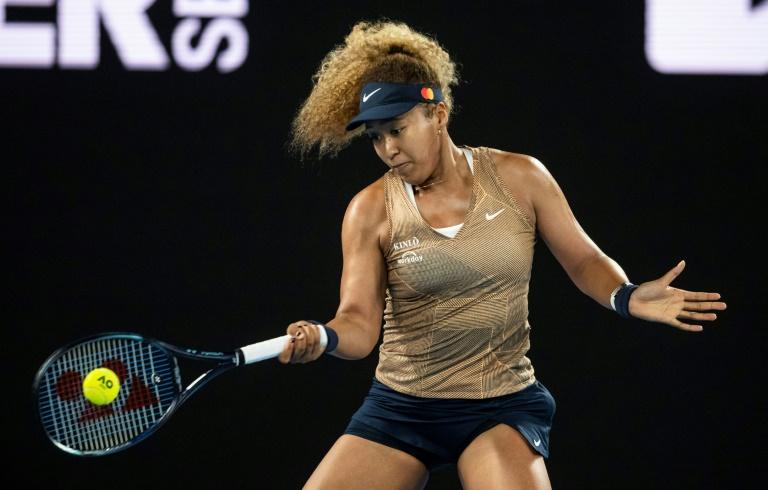
BAD HOMBURG, Germany — Naomi Osaka’s preparations for Wimbledon hit an unexpected snag Saturday when she retired at the start of the second set of the Bad Homburg final because of a foot injury, handing the title to Karolina Muchova just two days before the year’s third Grand Slam begins.
The fourth-seeded Japanese star, competing in the first grass-court final of her career, was trailing 6-1, 1-0 to Muchova of the Czech Republic when she pulled out of the match. Osaka had taken a medical timeout in the first set before ultimately deciding she could not continue.
A dominant start for Muchova
The match never got off to a competitive start for Osaka. Muchova broke serve in the opening game and followed it with an imperious hold to love, quickly building a commanding lead. The Czech player dominated from the opening game with aggressive, varied tennis, mixing in drop shots and frequent approaches to the net that neutralized Osaka’s game throughout the first set, which Muchova closed out 6-1.
Concern over Osaka’s physical condition surfaced midway through that opening set, when she called for a medical timeout to have her right foot examined. According to a match tracker following the contest, Osaka had the medical timeout at 0-3 in the first set for the right foot issue before electing to continue play. She pushed through the remainder of the set and even briefly threatened on her own serve, but was unable to find any break points against Muchova, who closed out the set without facing one herself.
The injury proves too much to play through
Whatever progress Osaka made in fighting through the discomfort in the first set did not last into the second. After dropping the opening game of the second set to fall behind 1-0, Osaka signaled to the chair umpire that she could not continue, then walked to the net to shake hands with Muchova before doing the same with the umpire, officially ending the match in retirement.
The 28-year-old Osaka, a four-time Grand Slam champion, was filling out what had otherwise been one of the most encouraging weeks of grass-court tennis of her career heading into Saturday’s final, including reaching the first grass-court championship match of her career.
Osaka addresses the crowd
Despite the disappointing finish, Osaka took the microphone during the trophy ceremony to thank the crowd that had supported her throughout the tournament. “I just want to say thank you to everyone who came to watch the match,” Osaka told the crowd. “I apologize for not being able to finish, but this atmosphere was incredible the whole week.”
A breakthrough title for Muchova
For Muchova, the win secured the third WTA singles title of her career and her second trophy of the 2026 season, following an earlier title run in Doha. The 29-year-old former world No. 1, who has battled significant injury setbacks at various points in her career, has now positioned herself as one of the form players heading into Wimbledon. She was a quarterfinalist at the All England Club in both 2019 and 2021, giving her a track record on grass that should serve her well as the tournament gets underway.
Even with the abrupt ending, Muchova’s level throughout the week and particularly in Saturday’s final left a strong impression. Her performance in the opening set, in particular, was regarded as close to flawless, with her variety and net play giving Osaka few openings before the injury ultimately ended the contest.
What it means for Osaka’s Wimbledon run
The retirement adds a layer of uncertainty to Osaka’s outlook heading into the year’s third major. A four-time Grand Slam champion across the Australian Open and U.S. Open, Osaka has never advanced beyond the third round at Wimbledon in her career, making her recent run of form on grass — a surface that has historically given her trouble — all the more notable before Saturday’s injury scare.
Osaka is seeded No. 14 for the tournament and is scheduled to open her Wimbledon campaign against Elsa Jacquemot in the first round. Wimbledon begins Monday, leaving Osaka a short turnaround to assess the injury and determine whether she will be fit to compete.
This is not the first time a similar injury situation has disrupted an Osaka final appearance just before a major tournament. In a similar instance last year, Osaka was forced to retire from the final of the ASB Classic, a tuneup event for the Australian Open, while up a set, due to a rib injury. In that instance, a full week between the warmup event and the start of the Australian Open allowed her to recover in time to compete, eventually advancing to the third round in Melbourne. Whether a similar recovery timeline will be possible this time, with only two days separating Saturday’s retirement from the start of Wimbledon, remains to be seen.
A tournament that still showcased Osaka’s progress
Even with the disappointing conclusion, Osaka’s run through the draw in Bad Homburg represented a meaningful step forward in her ongoing effort to find her footing on grass courts since returning to the tour in 2024 following an extended absence. Her victory over Wang Xinyu in the semifinals had already marked the first time she advanced to a grass-court final in her career, and her run through the tournament featured some of the most dominant serving performances of her comeback to date.
For now, attention shifts to whether Osaka’s right foot will allow her to take the court as scheduled against Jacquemot when Wimbledon begins Monday, with her promising form on grass this week offering reason for optimism even as the injury introduces fresh uncertainty into her plans at the All England Club.

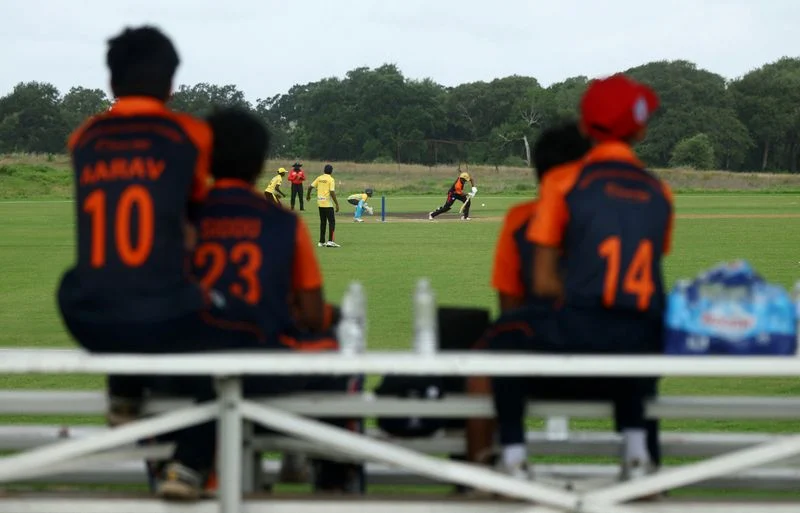

Cricket-Houston’s cricket boom aims to follow in soccer’s footsteps

ECB’s Schnabel says inflation risks remain despite easing energy prices
FOX Business host Charles Payne discusses the market shift driven by artificial intelligence on Making Money.
A Nobel Prize-winning economist has warned that persistent predictions of artificial intelligence destroying the job market could become a self-fulfilling prophecy.
Robert Shiller, who shared the 2013 Nobel Prize in economics for his work on asset prices, wrote a guest essay on Monday in The New York Times that argued the panic over AI is not a new sociological phenomenon.
In fact, he wrote, humans have been worried that new technology could replace them since the days of Aristotle, who envisioned a self-powered loom and a lyre that could play music without someone plucking the strings.
And in the 19th century, a group of English textile workers — who later became known as Luddites — intentionally destroyed machines they believed would put them out of a job.
ROBERT SHILLER: PEOPLE AREN’T AS IMPRESSED BY HOMES ANYMORE
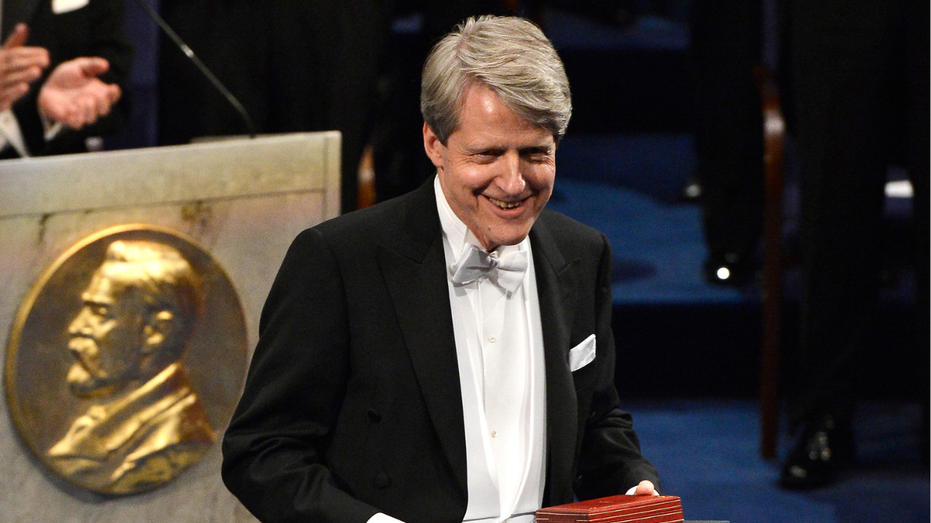
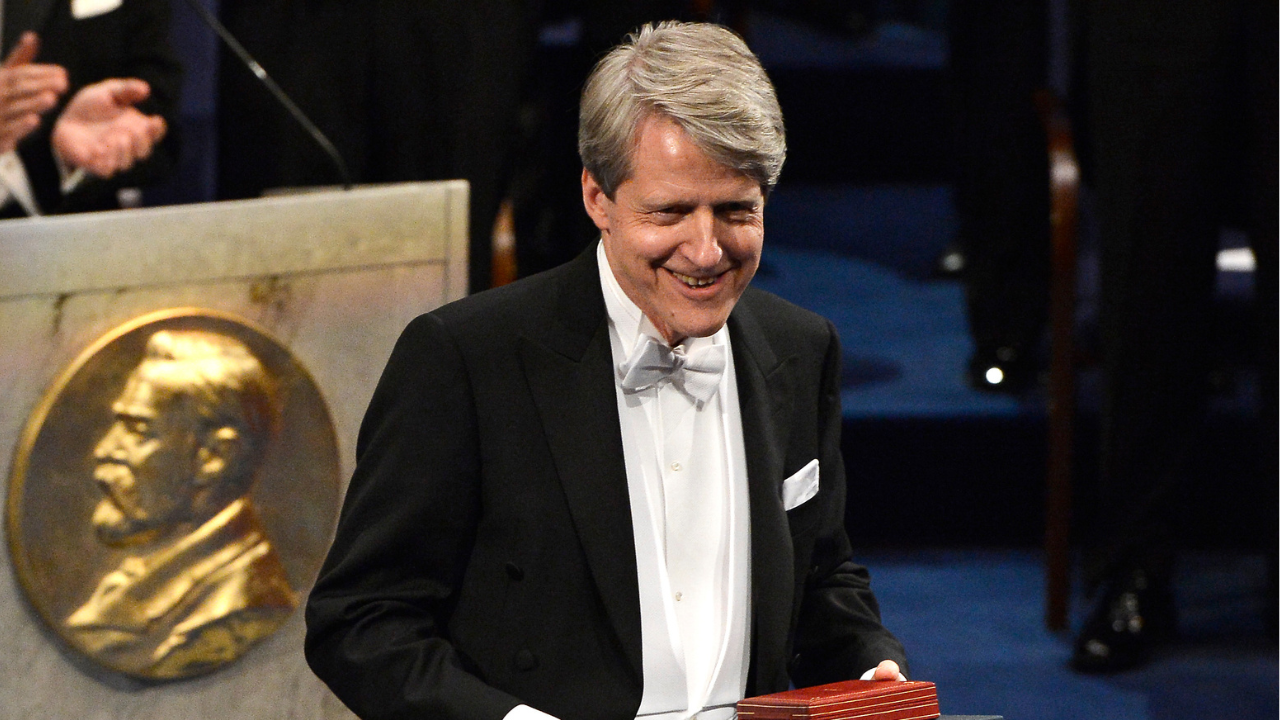
Professor Robert J. Shiller wins Nobel Prize in economic sciences during an awards ceremony on Dec. 10, 2013, in Stockholm, Sweden. (Pascal Le Segretain / Getty Images)
Shiller fears that similar anxieties inherent within us are rearing their head once again.
He cited a Quinnipiac poll from March, which found that 70% of people believe AI will reduce the number of jobs. Additionally, only 16% of Americans believe AI will have a positive impact on society over the next two decades, according to a Pew Research survey conducted in June.
“Like many others, I believe AI could lower employment. But unlike most, I don’t necessarily blame the technology itself. Instead, I worry about the potency of the fear it is generating,” Shiller wrote.
“Our brains are wired to respond to stories. Narratives floating in a population can affect individuals’ economic decisions,” he continued. “When millions of people make millions and millions of decisions based upon negative expectations, there is a risk that fear can actually help birth the reality.”
THE AI REVOLUTION THREATENS OFFICE JOBS, BUT REVIVES DEMAND FOR SKILLED TRADES
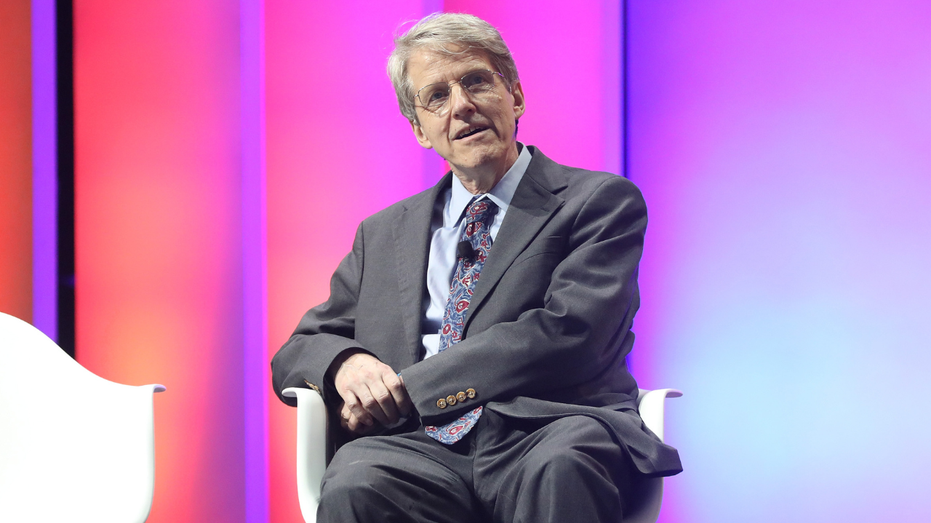
Robert Shiller attends the 2019 Forbes 30 Under 30 Summit at Detroit Masonic Temple on Oct. 29, 2019, in Detroit, Michigan. (Taylor Hill / Getty Images)
Much of the negative media coverage around AI centers on speculation over how much it will impact jobs and the economy.
In late May, Anthropic CEO Dario Amodei told Axios that in the next one to five years, AI could eliminate half of all entry-level white-collar jobs and spike unemployment to as much as 20%. He later expressed uncertainty over the exact timeline.
The current unemployment rate is 4.3%, up from 4% at the beginning of President Donald Trump’s term in January 2025.
AI IS TOP REASON FOR US JOB CUTS FOR THIRD STRAIGHT MONTH
“While the job market has slowed for a host of reasons, there are reports that fear of an AI apocalypse is worsening the freeze and contributing to record lows in consumer sentiment,” Shiller argued.
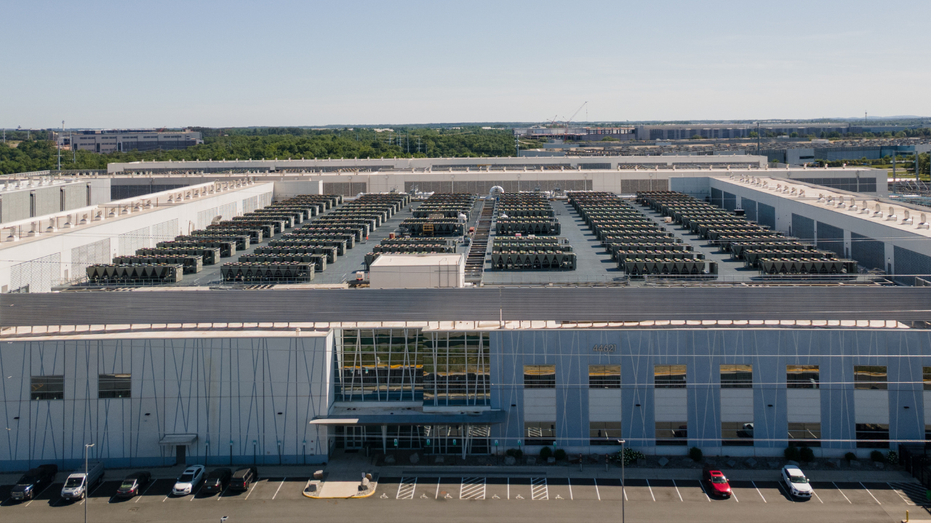
A CloudHQ data center in Ashburn, Virginia, on May 31, 2026. (Lexi Critchett/Bloomberg / Getty Images)
Shiller implied that tech leaders like Amodei, who promote doom-and-gloom scenarios their own companies could help realize, are being somewhat short-sighted and should be reined in to prevent an economic recession.
CLICK HERE TO DOWNLOAD THE FOX NEWS APP
“Perhaps the best we can do is to appeal directly to the leaders of Silicon Valley who have been promoting these negative narratives with such vigor,” Shiller wrote.
He continued: “Surely the resulting media attention highlighting how dangerously powerful your AI model is may help you sell more wares, but it may be far harder to do so in a period of recession. Try not to forget the critical lessons taught by our past.”
Business
Amazon Prime Day offers a glimpse into U.S. consumer as shoppers navigate with pinched wallets
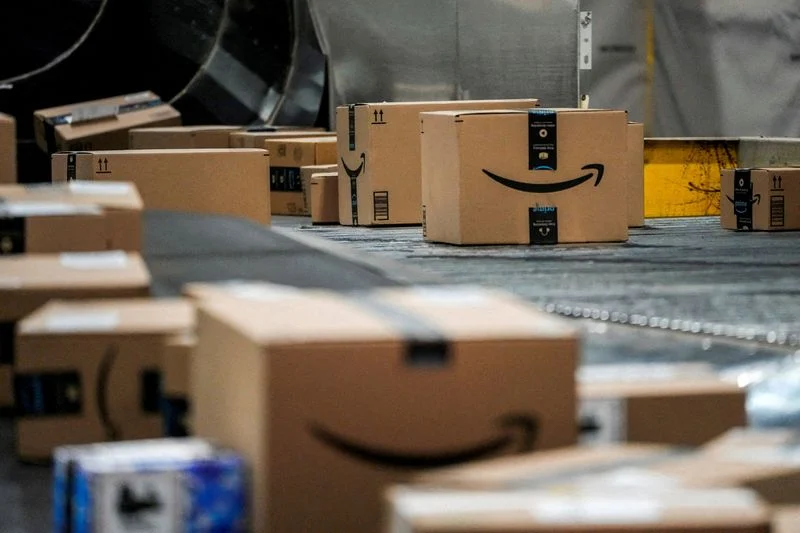

Amazon Prime Day offers a glimpse into U.S. consumer as shoppers navigate with pinched wallets

Indonesia’s expanding digital economy offers opportunities for investors amid regional disparities and regulatory complexities requiring real-time, localized insights for successful investment.
Indonesia’s Growing Economy and Investment Opportunities
Indonesia’s rapidly evolving economy offers significant opportunities for foreign investors, with the digital sector projected to surpass US$124 billion. Its large population of nearly 285 million people, including over 212 million internet users, drives digital growth. However, regional disparities, varied regulatory interpretations, and macroeconomic volatility add complexity to investment decisions, requiring careful navigation of this dynamic market.
Modernization of Regulatory Frameworks
Despite economic fluctuations, Indonesia remains attractive to both regional and global investors. Central to its regulatory system is the Online Single Submission — Risk-Based Approach (OSS-RBA) launched in 2021 to streamline licensing. The system simplifies requirements based on risk levels and consolidates approvals into a single platform. Recent updates aim for better integration with sectoral agencies and stricter enforcement of service standards, improving overall regulatory efficiency.
The Need for Localized Regulatory Insights
Implementation of regulations varies across Indonesia’s provinces, with licensing durations and requirements differing in practice. Investors need real-time, ground-level intelligence to navigate these variations effectively. Local insights help anticipate delays, administrative hurdles, and infrastructural challenges, allowing decision-making based on actual operational conditions rather than relying solely on national data, ultimately enhancing investment success.
Read the original article : Business Intelligence in Indonesia: Reducing Investor Risks with Data-Driven Decisions
Other People are Reading


Serbia President Vucic says to resign within weeks, one year before end of mandate
Qamar Zaman & Rene Perras Podcast releases an AI SEO For Lawyers Episode


Samuel Smith has a diverse background that includes being lead analyst and Vice President at several highly regarded dividend stock research firms and running his own dividend investing YouTube channel. He is a Professional Engineer and Project Management Professional and holds a B.S. in Civil Engineering & Mathematics from the United States Military Academy at West Point and has a Masters in Engineering with a focus on applied mathematics and machine learning. Samuel leads the High Yield Investor investing group. Samuel teams up with Jussi Askola and Paul R. Drake where they focus on finding the right balance between safety, growth, yield, and value. High Yield Investor offers real-money core, retirement, and international portfolios. The services also features regular trade alerts, educational content, and an active chat room of like minded investors. Learn more
Analyst’s Disclosure: I/we have no stock, option or similar derivative position in any of the companies mentioned, and no plans to initiate any such positions within the next 72 hours. I wrote this article myself, and it expresses my own opinions. I am not receiving compensation for it (other than from Seeking Alpha). I have no business relationship with any company whose stock is mentioned in this article.
Seeking Alpha’s Disclosure: Past performance is no guarantee of future results. No recommendation or advice is being given as to whether any investment is suitable for a particular investor. Any views or opinions expressed above may not reflect those of Seeking Alpha as a whole. Seeking Alpha is not a licensed securities dealer, broker or US investment adviser or investment bank. Our analysts are third party authors that include both professional investors and individual investors who may not be licensed or certified by any institute or regulatory body.
Business
Exclusive-China’s Geely to ship first Lotus EVs to Canada in July under Carney-Xi deal, ambassador says
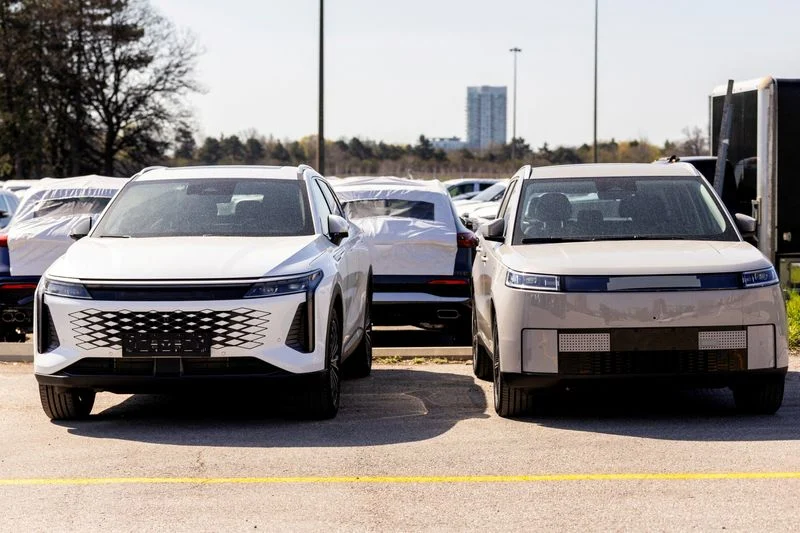

Exclusive-China’s Geely to ship first Lotus EVs to Canada in July under Carney-Xi deal, ambassador says

I am an avid investor with a major focus on small cap companies with experience in investing in US, Canadian, and European markets. My investment philosophy to generating great returns on the stock market revolves around identifying mispriced securities by understanding the drivers behind a company’s financials, and ultimately, most often revealed by a DCF model valuation. This methodology doesn’t limit an investor into rigid traditional value, dividend, or growth investing, but rather accounts for all of a stock’s prospects to determine the risk-to-reward.
Analyst’s Disclosure: I/we have no stock, option or similar derivative position in any of the companies mentioned, and no plans to initiate any such positions within the next 72 hours. I wrote this article myself, and it expresses my own opinions. I am not receiving compensation for it (other than from Seeking Alpha). I have no business relationship with any company whose stock is mentioned in this article.
Seeking Alpha’s Disclosure: Past performance is no guarantee of future results. No recommendation or advice is being given as to whether any investment is suitable for a particular investor. Any views or opinions expressed above may not reflect those of Seeking Alpha as a whole. Seeking Alpha is not a licensed securities dealer, broker or US investment adviser or investment bank. Our analysts are third party authors that include both professional investors and individual investors who may not be licensed or certified by any institute or regulatory body.

Why Kate Gosselin Is Allegedly ‘Spiraling’ Ahead Of Collin’s Memoir
BitGo Slashes Workforce as CEO Bets on AI, Stablecoin and Settlement Growth

INTENDING TO EARN MONEY, BUT MET WITH DISASTER INSTEAD. #construction #infrastructure #lifestyle

No Jackpot Winner as $257 Million Prize Rolls Over to $269 Million Monday Draw

Renter of Home in Anne Heche Crash Denies Settlement With Son

Blockchain.com files with SEC for U.S. IPO
INTENDING TO EARN MONEY, BUT MET WITH DISASTER INSTEAD. #construction #infrastructure #lifestyle

BIS Planned The XRP Endgame Perfectly..They Know XRP Will Be VERY Valuable! MUST SEE IF YOU OWN XRP!

XRP TO BE REPRICED ON JULY 1ST!?!? (THIS IS UNREAL)
-
 Entertainment7 days ago
Renter of Home in Anne Heche Crash Denies Settlement With Son
-
 Sports4 days ago
Two goals and an assist by sheer aura: Cristiano Ronaldo just entered the World Cup chat
-

 Tech5 days ago
Microsoft accidentally kills epic Outlook email threads
-

 Fashion1 day ago
Weekend Open Thread: Staud – Corporette.com
-

 Business7 days ago
Soccer-U.S. defends Iran World Cup travel restrictions, says discussions ongoing
-

 Politics2 days ago
The House | Manchesterism won’t survive the painful trade-offs unless it gets citizens on board
-

 Politics2 days ago
Potential 2028er World Cup attendee leaderboard
-

 Business1 day ago
Asia stock markets slide as tech shares slump
-

 Tech2 days ago
A Look At A Gaggle Of Transputer Boards
-
Crypto World4 days ago
Bitcoin (BTC) Dips Below $62K, Ethereum (ETH) Plunges 6% Daily: Market Watch
-

 Crypto World4 days ago
Securitize Wraps Roubini's SEC-Registered ETF as Dubai VARA Digital Security
-
 Crypto World2 days ago
Dell (DELL) Shares Tumble Over 5% Following Analyst Downgrade to Hold
-
Business4 days ago
Entergy settles forward sale agreements, raises $672 million in cash proceeds
-

 Crypto World14 hours ago
Kraken's xStocks Opens Bending Spoons IPO Registration to EEA Retail
-

 Sports22 hours ago
FIH Pro League: India defeat Pakistan 7-1, register biggest win of campaign | Other Sports News
-

 Crypto World1 day ago
RTX holders must register wallets before token distribution begins
-
 Crypto World1 day ago
Hyperliquid Named on Singapore MAS Investor Alert Register
-

 Sports2 days ago
India vs Bangladesh LIVE Score, Women’s T20 World Cup: Bangladesh Opt To Bat; India Enter ‘Do-Or-Die’ Stage As Semi-Final Race Heats Up
-
 Tech6 days ago
Signal’s Meredith Whittaker says AI chatbots ‘are not your friends’ and calls Copilot agents a backdoor
-
Crypto World1 day ago
The DATA Foundation Launches to Tackle AI’s Multi-Billion Dollar Training Data Bottleneck
You must be logged in to post a comment Login