


Connect with us
DAPA Banner
DAPA Coin
DAPA
COIN PAYMENT ASSET
PRIVACY · BLOCKDAG · HOMOMORPHIC ENCRYPTION · RUST
ElGamal Encrypted MINE DAPA
🚫 GENESIS SOLD OUT
DAPAPAY COMING

Business

Nokia Shares Rise Sharply 8.45% to 13.54 Euros on Robust 5G Infrastructure and AI Growth Prospects

Published

on

Nokia CEO Pekka Lundmark says he was "particularly pleased by strong sales growth" as the Finnish telecoms giant returned to profit.

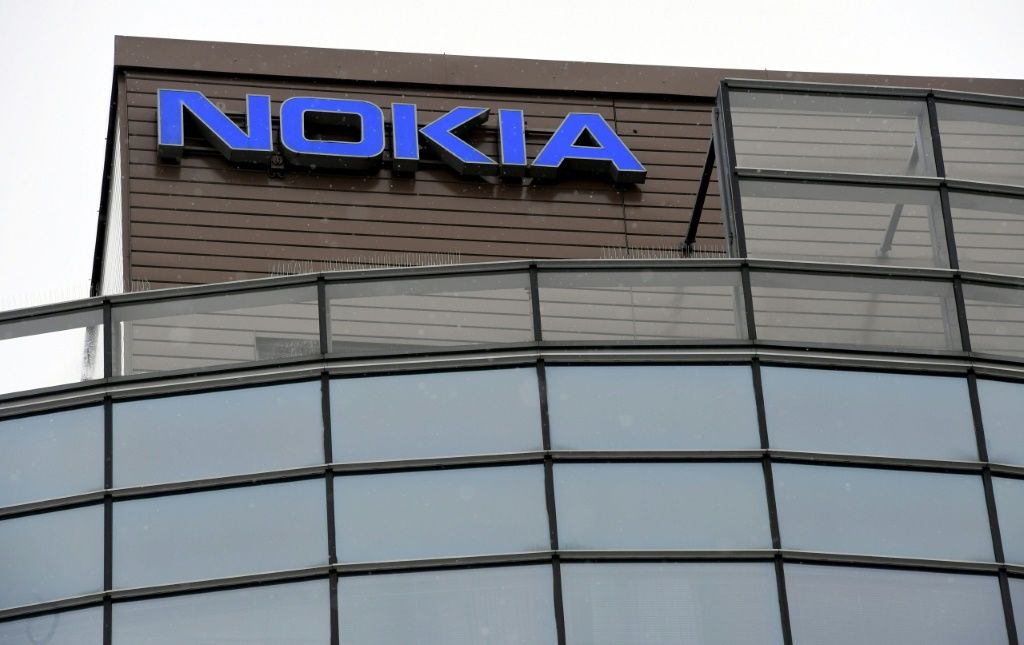
HELSINKI — Nokia Oyj shares climbed 8.45 percent to 13.54 euros in afternoon trading on Monday, June 1, 2026, as investors responded positively to the Finnish telecommunications giant’s strengthening position in 5G infrastructure deployments and artificial intelligence-driven network solutions.

The significant gain pushed Nokia’s market capitalization higher and reflected growing confidence in the company’s ability to capitalize on global demand for advanced connectivity technologies. Trading volume was notably elevated as the stock attracted attention from both institutional investors and retail traders seeking exposure to the evolving telecom and technology infrastructure sectors.

Nokia, a longtime leader in mobile networks and telecommunications equipment, has repositioned itself in recent years to focus on high-growth areas including 5G advanced, private wireless networks and AI-optimized network management. The company’s progress in these segments has helped offset challenges in its traditional mobile infrastructure business while opening new revenue opportunities with enterprise and government customers.

Drivers Behind Today’s Movement

Analysts attributed the sharp rise to several positive developments. Nokia has secured several major 5G contracts in key markets, including expansions in Europe, North America and Asia-Pacific regions. The company’s emphasis on energy-efficient network solutions has resonated with operators seeking to reduce operational costs while meeting sustainability targets.

Advertisement

Artificial intelligence integration in network operations has emerged as a particularly strong growth driver. Nokia’s platforms use AI for predictive maintenance, traffic optimization and automated network management, helping carriers improve efficiency and service quality. This capability has positioned Nokia favorably as telecommunications companies accelerate digital transformation initiatives.

Broader industry trends have also supported the positive sentiment. Global 5G adoption continues to expand, with operators investing in network densification and advanced use cases such as industrial automation and smart cities. Nokia’s diversified portfolio across mobile networks, fixed networks and enterprise solutions provides multiple avenues for growth in this environment.

Company Background and Strategic Evolution

Nokia has undergone significant transformation since its peak as a mobile phone manufacturer. After divesting its handset business, the company concentrated on infrastructure and technology licensing. Under current leadership, Nokia has focused on research and development in next-generation networks while expanding its enterprise offerings.

The company’s private wireless networks business has shown particular strength, serving industries ranging from manufacturing and logistics to mining and healthcare. These dedicated networks provide secure, high-performance connectivity for mission-critical applications where public networks may not suffice.

Advertisement

Nokia maintains a strong commitment to innovation through its Bell Labs research organization. Investments in areas such as 6G research, quantum computing and sustainable technology have helped the company maintain technological leadership despite intense competition from Chinese vendors and other global players.

Financial Performance and Outlook

Nokia has reported steady improvement in recent quarters, with focus on profitable growth and operational efficiency. The company has maintained guidance for gradual margin expansion while investing in strategic growth areas. Management has emphasized disciplined capital allocation and shareholder returns alongside technology development.

Analysts have noted positive trends in Nokia’s order book and visibility into future revenue streams. The company’s exposure to both traditional telecom operators and enterprise customers provides diversification that helps mitigate cyclical risks in the infrastructure market.

The stock’s valuation, while elevated following today’s gain, remains reasonable when compared to historical averages and growth projections for the telecommunications equipment sector. Nokia’s dividend yield continues to appeal to income-focused investors seeking technology exposure with defensive characteristics.

Advertisement

Analyst Perspectives

Wall Street analysts have generally maintained constructive views on Nokia. Most covering firms rate the stock as Hold or Buy, citing its strong technology foundation and growth potential in 5G and enterprise markets. Average price targets suggest moderate upside from current levels, with some optimistic forecasts projecting higher valuations if 6G development milestones are achieved ahead of schedule.

However, analysts also highlight competitive pressures from Huawei and Ericsson, as well as potential delays in 5G monetization by operators. Nokia’s ability to maintain technology leadership while controlling costs will be critical for sustaining current momentum.

Risks and Challenges Ahead

Despite today’s strong performance, Nokia faces several ongoing challenges. Geopolitical tensions and trade restrictions continue to impact global supply chains and market access in certain regions. Competition in the telecommunications equipment market remains intense, requiring continuous innovation to maintain market share.

Currency fluctuations, particularly movements in the euro against the US dollar, can influence reported results for a company with significant international operations. Regulatory developments around data privacy, network security and spectrum allocation also present both opportunities and risks.

Advertisement

Broader economic factors, including interest rates and corporate investment cycles, can affect demand for network infrastructure. Nokia’s success will depend on its ability to navigate these external pressures while executing on its strategic priorities.

Investment Considerations for 2026

Investors evaluating Nokia shares should consider its exposure to global telecommunications cycles balanced against the company’s strong technology portfolio and dividend reliability. The stock may appeal to those seeking technology exposure with defensive characteristics, though volatility remains a factor in the sector.

Risk management is important given competitive pressures and macroeconomic sensitivities. Diversification and careful position sizing are recommended when investing in telecommunications equipment companies. Analysts generally recommend a long-term perspective for Nokia, with attention to technology milestones and regional market developments.

Professional financial advice tailored to individual circumstances is recommended before making investment decisions in the technology sector. Market conditions can shift rapidly based on economic data and industry developments.

Advertisement

Broader Telecommunications Sector Context

The telecommunications equipment sector in 2026 has shown varied performance as operators balance 5G investments with preparations for future 6G technologies. Companies with strong research capabilities and diversified offerings have generally outperformed those focused solely on traditional infrastructure.

Nokia’s performance today reflects continued investor interest in firms central to digital transformation and network modernization. As artificial intelligence and edge computing drive new connectivity requirements, established players with proven solutions are well-positioned to benefit.

The strong trading in Nokia shares on June 1 underscores growing optimism about the company’s prospects in 5G advanced and enterprise markets. Whether this momentum sustains will depend on continued execution and favorable industry trends in the months ahead.

For now, today’s substantial gain highlights investor confidence in Nokia’s strategic direction and its potential to deliver value in critical technology areas. As the company advances its offerings and customer relationships, it remains one of the more closely watched names in the global telecommunications equipment space.

Advertisement
Continue Reading
Click to comment

You must be logged in to post a comment Login

Leave a Reply

Business

Ola Electric opens QIP, sets floor price at Rs 37.74/share

Published

on

Ola Electric opens QIP, sets floor price at Rs 37.74/share
Bengaluru: Electric vehicle maker Ola Electric Mobility on Monday approved the opening of its qualified institutional placement (QIP) and set a floor price of ₹37.74 per equity share for the issue, according to a stock exchange filing.

The company’s fund raising committee approved the launch of the issue on June 1 and cleared the preliminary placement document for institutional investors. The company may also offer a discount of up to 5% on the floor price in line with Sebi regulations, the filings read.

QIP is a way for listed companies to raise money from large institutional investors such as mutual funds, insurance firms, sovereign funds and foreign portfolio investors, without going through a public issue process.

The fundraising comes at a time when Ola Electric is navigating slowing sales, market share pressures and continued losses in the electric two-wheeler market. The company on May 14 also announced ₹2,000 crore investment into its wholly-owned subsidiaries focused on electric vehicle and battery manufacturing, as it looks to double down on localisation and vertical integration.

Advertisement

Ola reported a consolidated net loss of Rs 500 crore for the fourth quarter ended March 2026, narrowing 42.5% from Rs 870 crore in the year-ago period, aided by lower expenses. In Q3, the company had reported a loss of Rs 487 crore.


For the full 2026 financial year, the company posted a consolidated net loss of Rs 1,833 crore compared with Rs 2,276 crore in FY25.
Revenue from operations fell sharply to Rs 2,253 crore from Rs 4,514 crore a year ago. Brokerages have also flagged concerns around market share erosion and cash burn. Citi earlier downgraded the stock to and cut its target price, citing persistent challenges to volume growth and rising balance sheet pressures. The company recently reported a recovery in registrations, with May registrations rising to 14,752 units. Ola said the issue price will be determined in consultation with the book running lead managers.

“For Q1 FY27, we expect 40,000- 45,000 orders and consolidated revenue of Rs 500-550 crore, nearly double Q4 levels. As volumes recover, we expect the auto business to move towards adjusted operating EBITDA and free cash flow positivity through FY27,” Aggarwal said in its shareholder’s letter.

The company’s focus remains on its EV products, particularly electric motorcycles and cell manufacturing, he added. Ola’s shares on Monday closed at Rs 39.53 on BSE, 4.91% lower compared to previous trading session. The QIP announcement was made post market hours.

Advertisement
Continue Reading

Business

Application Window Opens Today for Prestigious Tournament Lottery

Published

on

Five-time champion Tiger Woods plays a practice round before the 86th Masters at Augusta National Golf Club

AUGUSTA, Ga. — Golf fans hoping to attend the 2027 Masters Tournament have their first opportunity to apply for tickets starting Monday, June 1, as Augusta National Golf Club opens its annual random selection process for one of the most exclusive events in sports.

The application window allows prospective attendees to request up to four tickets per day across the tournament week, though successful applicants will receive tickets for only one day. The process, which runs through the day, is free to enter and offers golf enthusiasts a chance to experience the tradition-rich major championship in person.

To participate, interested individuals must first create a free account on the official Masters website at masters.com. Once registered, applicants can submit requests for Monday and Tuesday practice rounds, the Wednesday Par 3 Contest, or any of the four competitive rounds from Thursday through Sunday. Those applying for multiple days remain eligible for only one if selected.

Augusta National emphasizes that its ticket process is a random selection, not a sweepstakes or guaranteed giveaway. All applicants will be notified via email in late July once the drawing is complete. Daily tournament tickets are awarded first, with unsuccessful applicants for those days then considered for practice round tickets.

Advertisement

Pricing and Payment Details

While 2027 ticket prices have not yet been finalized, last year’s rates provide a reliable benchmark. Monday and Tuesday practice rounds were priced at $125 each, Wednesday’s Par 3 Contest at $150, and daily tournament rounds from Thursday through Sunday at $160 per ticket. Selected applicants must pay in full promptly upon notification.

The club strictly prohibits the resale of Masters tickets. Augusta National is the only authorized seller, and any tickets obtained through third parties may result in denial of entry. This policy aims to prevent scalping and ensure fair access through the official lottery system.

For additional information or assistance, applicants can contact the Masters Tournament Ticket Office at 706-667-6700 during business hours.

High Demand and Limited Availability

The Masters Tournament remains one of the most difficult sporting events in the world to attend. Augusta National receives far more applications than available tickets each year, making selection highly competitive. The club’s decision to maintain a lottery system rather than open general sales preserves the event’s intimate atmosphere and tradition.

Advertisement

Successful applicants often describe receiving their confirmation email as a life-changing moment. Many families and groups of friends apply together each year, hoping to share the experience of walking the historic grounds, watching players navigate Amen Corner, and witnessing the ceremonial first tee shots.

The tournament’s prestige, combined with its limited public ticket availability, creates intense demand. Past winners of the lottery frequently report receiving messages from friends and family congratulating them on their good fortune.

What to Expect at the Masters

Those fortunate enough to secure tickets will experience one of golf’s most revered spectacles. The Masters is known for its pristine course conditions, meticulous attention to detail, and unique traditions. Patrons — the preferred term for spectators — enjoy pimento cheese sandwiches, Georgia peach ice cream sandwiches, and the serene beauty of Augusta National in spring bloom.

The week begins with practice rounds that offer closer access to players and a more relaxed atmosphere. The Par 3 Contest on Wednesday provides entertainment and often features appearances by past champions. The competitive rounds from Thursday through Sunday deliver high-stakes drama, culminating in the green jacket ceremony on Sunday evening.

Advertisement

Weather in early April can vary widely in Augusta, with everything from warm sunshine to afternoon thunderstorms possible. Attendees are advised to prepare for changing conditions while respecting the club’s strict rules regarding mobile phones, cameras during play, and general etiquette.

Tips for Improving Application Chances

While the selection process is random, applicants can take steps to maximize their opportunities. Applying for all seven days increases the chances of being selected for at least one. Using a dedicated email address and ensuring all account information is accurate helps avoid administrative issues.

Some experienced applicants recommend applying as an individual rather than as part of a large group, though this strategy varies in effectiveness. Creating the account well in advance ensures readiness when the window opens precisely at the designated time.

Patience is essential. The notification process in late July can feel lengthy, but the club processes hundreds of thousands of applications methodically. Those not selected in a given year are encouraged to apply again, as there is no penalty for previous unsuccessful attempts.

Advertisement

Historical Context of Masters Ticketing

Augusta National has maintained tight control over ticket distribution for decades. The club discontinued walk-up ticket sales in the 1970s and has relied on its invitation and lottery system ever since. This approach has helped preserve the tournament’s atmosphere while managing the enormous public interest generated by the event’s global television audience.

The Masters remains the only major championship without general public ticket sales on-site. This exclusivity contributes to its mystique but also creates significant frustration for golf fans unable to secure access through the lottery or personal invitations.

Club chairman Fred Ridley and tournament officials have consistently emphasized the importance of maintaining tradition and protecting the fan experience. The ticket lottery balances public access with the practical realities of hosting a major sporting event on a relatively compact property.

Economic and Cultural Significance

The Masters Tournament generates substantial economic impact for the Augusta region each year. Hotels, restaurants and local businesses see significant boosts during tournament week. The event also provides charitable contributions through various initiatives supported by the club.

Advertisement

For many golf fans, attending the Masters represents a bucket-list achievement. The combination of world-class competition, impeccable course conditions and Southern hospitality creates an experience unlike any other in sports. Those selected through the lottery often describe it as a once-in-a-lifetime opportunity worth the years of patient applications.

As the 2027 application window opens, golf enthusiasts worldwide will log into masters.com hoping to see their names drawn. While the odds remain long, the possibility of walking the fairways at Augusta National continues to inspire thousands to try each year.

The Masters Tournament Ticket Office stands ready to assist applicants with questions during the process. As always, Augusta National urges patience and reminds everyone that the selection is entirely random and fair.

For those not selected this year, the 2028 application window will open next June. The dream of attending the Masters remains alive for dedicated golf fans willing to persist through the annual lottery process.

Advertisement
Continue Reading

Business

Snowflake director Frank Slootman sells over $110 million in shares

Published

on


Snowflake director Frank Slootman sells over $110 million in shares

Continue Reading

Business

SpaceX: Mars Can Wait, So Can I

Published

on

SpaceX: Pre-SpaceX-IPO Exposure Ideas, Particularly RONB

SpaceX: Mars Can Wait, So Can I

Continue Reading

Business

Microsoft Copilot Down? Users Experience Widespread Outage on June 1 Disrupting AI Assistant Users

Published

on

FTSE 100 Surges 0.8% Today as Oil Eases and Markets

NEW YORK — Microsoft Copilot, the company’s widely used artificial intelligence assistant, faced significant disruptions for hundreds of users on Monday, June 1, 2026, with reports of slow responses, login failures and complete service unavailability spreading rapidly across online platforms.

The outage, first noted in the early afternoon Eastern time, affected both consumer and enterprise versions of Copilot. Users reported error messages, delayed AI responses and inability to access core functions, prompting widespread frustration during a busy workday for many professionals relying on the tool for productivity tasks.

Service tracking accounts, including @status_is_down on X, quickly highlighted the issue, directing users to community forums where hundreds shared similar experiences. Downdetector and other monitoring sites showed spikes in reported problems, with the majority involving the Copilot app and web interface.

Microsoft has not yet issued an official statement detailing the cause or expected resolution time. The company typically investigates such incidents promptly, often attributing them to high traffic volumes, backend infrastructure issues or routine maintenance. However, the timing during peak business hours amplified the impact for many organizations using Copilot for daily workflows.

Advertisement

Scope of the Disruption

The problems appeared to affect multiple Copilot experiences, including integration with Microsoft 365 applications, standalone web access and mobile versions. Users attempting to generate text, analyze documents or engage in conversational AI reported consistent failures or significantly degraded performance.

Enterprise customers using Copilot through Microsoft 365 subscriptions were among those impacted, potentially disrupting business processes ranging from email drafting to data analysis. The outage’s reach across both personal and professional use cases highlighted the growing reliance on AI assistants in modern workflows.

Some users noted that while basic Microsoft services remained operational, Copilot-specific features were unavailable or severely limited. The incident follows a pattern of occasional AI service disruptions as Microsoft scales its artificial intelligence offerings to meet surging demand.

User Reactions and Business Impact

Social media platforms filled with complaints from affected users. Many expressed annoyance at being unable to complete time-sensitive tasks, while others noted the irony of an AI assistant failing during periods of high usage. Enterprise users reported workflow interruptions that required manual alternatives, potentially affecting productivity across various industries.

Advertisement

The outage underscores the challenges of maintaining reliable AI services at scale. As organizations increasingly integrate tools like Copilot into daily operations, service reliability becomes critical. Even brief disruptions can create significant friction for users accustomed to consistent performance.

This is not the first time Microsoft Copilot has faced accessibility issues. Previous incidents have been linked to backend capacity constraints or integration problems with broader Microsoft infrastructure. The company has invested heavily in expanding its AI capabilities, but scaling such complex systems remains technically demanding.

Microsoft’s AI Strategy and Challenges

Copilot represents a cornerstone of Microsoft’s artificial intelligence strategy, integrated across its productivity suite and standalone offerings. The tool leverages large language models to assist with writing, coding, data analysis and more. Its rapid adoption has made it one of the most visible AI products in the enterprise market.

However, the service’s growth has also exposed vulnerabilities. High demand can strain infrastructure, while the complexity of AI systems makes troubleshooting more challenging than traditional software. Microsoft has acknowledged the need for continued investment in reliability as Copilot usage expands.

Advertisement

The company’s broader AI initiatives, including partnerships with OpenAI and development of custom silicon, aim to improve performance and reduce dependency on external resources. Nevertheless, service disruptions remain an occasional reality as the technology matures.

Recommendations for Affected Users

During outages, Microsoft typically advises users to check service health dashboards and wait for resolution. Alternative tools within the Microsoft 365 suite may provide limited functionality for some tasks. Users experiencing persistent issues are encouraged to report problems through official channels to help Microsoft identify and address underlying causes.

For enterprise customers, IT administrators can monitor the Microsoft 365 admin center for service health updates. Microsoft often provides estimated resolution times once the root cause is identified.

Customers are reminded to avoid repeated login attempts during widespread outages, as this can sometimes trigger additional security measures or further strain systems. Patience and use of backup workflows are recommended until full service is restored.

Advertisement

Broader Implications for AI Adoption

Incidents like Monday’s Copilot outage highlight both the promise and challenges of widespread AI integration. While tools like Copilot offer significant productivity gains, their reliability is crucial for mission-critical applications. Organizations adopting AI assistants must develop contingency plans for periods when services are unavailable.

The event may also prompt discussions about AI service level agreements and redundancy requirements. As businesses increasingly depend on artificial intelligence, expectations for uptime and performance continue to rise. Microsoft and other providers will likely face pressure to enhance resilience as adoption accelerates.

For individual users, the outage serves as a reminder of the importance of maintaining multiple productivity tools and not becoming overly dependent on any single AI platform. Diversifying workflows can help mitigate the impact of temporary service disruptions.

Looking Ahead

As of late Monday morning, partial recovery reports were emerging, though many users continued experiencing issues. Microsoft is expected to provide updates through official channels once more information is available.

Advertisement

The company has a track record of resolving such incidents relatively quickly, often within hours. However, the frequency of AI service disruptions may increase as usage scales, making reliability a key competitive factor in the rapidly evolving artificial intelligence market.

For now, affected users are advised to monitor official status pages and prepare alternative approaches for time-sensitive tasks. The broader trend toward AI integration in productivity tools is unlikely to slow despite occasional setbacks, but reliability will remain a critical consideration for both providers and users.

Monday’s Copilot outage, while disruptive for many, appears contained and technical in nature. As Microsoft works toward full restoration, the incident provides another data point in the ongoing evolution of enterprise AI services and their role in modern workflows.

Advertisement
Continue Reading

Business

Kayne Anderson BDC: Caution Warranted, Hold (NYSE:KBDC)

Published

on

Kayne Anderson BDC: Caution Warranted, Hold (NYSE:KBDC)

This article was written by

Rubicon Associates is headed by a Chartered Financial Analyst charter holder with over 20 years of experience in the investment management industry focused on the analysis, investment and management of fixed income and preferred stock portfolios as well as asset allocation and macro portfolios. Over the years, he has analyzed and invested in both public and private companies around the world as well as advised institutional clients on fixed income strategies, manager selection, and asset allocation. The principal has been responsible for managing nearly seven billion dollars in credit investments across the capital structure and overseeing the research and trading of credit market activities, $20 B in a short-duration fund, and was Chief Strategist at a wealth management firm. Rubicon Associates has written for Seeking Alpha, Learn Bonds, a newsletter and TheStreet.com in addition to advising institutional and private investors.

Analyst’s Disclosure: I/we have a beneficial long position in the shares of ARCC, BXSL, GBDC, HTGC, TSLX, MSDL, RWAYI, SLRC either through stock ownership, options, or other derivatives. I wrote this article myself, and it expresses my own opinions. I am not receiving compensation for it (other than from Seeking Alpha). I have no business relationship with any company whose stock is mentioned in this article.

The content of this article reflects my personal views and is provided for informational and educational purposes only. It does not constitute investment advice, financial advice, or a recommendation to buy or sell any securities or financial instruments. While I strive for accuracy, the information presented may contain errors or omissions or be based on sources believed to be reliable but not independently verified. I make no representations or warranties as to the completeness, accuracy, or timeliness of any information presented. This article is not intended to provide, and should not be relied upon for, investment, legal, tax, or accounting advice. The securities and strategies discussed may not be suitable for all investors. Past performance is not indicative of future results. All investments involve risk, including the potential loss of principal. I may hold, or have held, positions in the securities mentioned. I do not receive compensation for writing this article, nor do I intend to influence the price or trading volume of any security discussed. All opinions are subject to change without notice. This content is written strictly in a personal capacity and does not reflect the views of any employer, organization, or associated entity. Readers are strongly encouraged to conduct their own independent research and to consult with a licensed financial advisor before making any investment.

Advertisement

Seeking Alpha’s Disclosure: Past performance is no guarantee of future results. No recommendation or advice is being given as to whether any investment is suitable for a particular investor. Any views or opinions expressed above may not reflect those of Seeking Alpha as a whole. Seeking Alpha is not a licensed securities dealer, broker or US investment adviser or investment bank. Our analysts are third party authors that include both professional investors and individual investors who may not be licensed or certified by any institute or regulatory body.

Continue Reading

Business

Florida Sues OpenAI and Sam Altman, Accusing Company of Prioritizing Profits Over User Safety

Published

on

OpenAI Sam Altman

TALLAHASSEE, Fla. — Florida Attorney General James Uthmeier filed a lawsuit Monday against OpenAI and CEO Sam Altman, accusing the artificial intelligence company of deceptive practices and placing commercial interests ahead of user safety in the development and marketing of ChatGPT.

The civil complaint, filed in state court, seeks penalties and injunctive relief rather than criminal charges. It marks the first time a U.S. state has sued OpenAI and its leadership personally over product design and safety concerns. The action is separate from an ongoing criminal investigation opened by Uthmeier in late April.

“The rise of OpenAI is attributable to a web of deceit and the exploitation of users, leveraging their data and safety to boost OpenAI’s market value at unacceptable costs,” the complaint states.

Uthmeier’s office alleges OpenAI marketed ChatGPT as safe while knowing it could contribute to harm, including addiction, cognitive decline, suicide risk and violence. The suit claims the company’s systems present “a great danger” to users, particularly teenagers, and failed to implement adequate safeguards.

Advertisement

The lawsuit references two Florida incidents: the 2025 Florida State University shooting and the killing of two graduate students at the University of South Florida. It alleges ChatGPT played a role in planning or facilitating these events, though OpenAI has strongly denied any responsibility.

In response to earlier similar claims, OpenAI spokesman Drew Pusateri stated: “ChatGPT is not a substitute for medical or mental health care, and we have continued to strengthen how it responds in sensitive and acute situations with input from mental health experts.”

Altman Targeted for Personal Liability

The complaint seeks to hold Altman personally liable, citing his role as founder and CEO in what it describes as “reckless and willful conduct” and “utter disregard for the risk to human life.”

OpenAI did not immediately respond to requests for comment on the new lawsuit.

Advertisement

The suit includes multiple counts: four for deceptive and unfair trade practices, two for negligence, two for product liability violations, and single counts of fraudulent misrepresentation and causing a public nuisance. It references advertisements promoting ChatGPT’s utility for small businesses and farmers while allegedly failing to disclose risks of inaccurate or harmful outputs.

“ChatGPT’s unreliability is dangerous,” the complaint states, adding that its use “can lead to self-harm, cognitive decline, and behavioral addiction.”

The filing also criticizes the chatbot’s tendency toward sycophancy — agreeing excessively with users — which it claims can foster psychological attachment and encourage higher usage fees, ultimately benefiting OpenAI’s valuation.

OpenAI’s Defense and Broader Lawsuits

OpenAI has consistently maintained that it designs systems with safety in mind. The company says it has implemented safeguards to recognize signs of emotional distress and direct users toward professional help. It has updated ChatGPT multiple times to improve responses in sensitive situations.

Advertisement

The Florida action adds to a growing list of legal challenges against OpenAI. The company faces lawsuits from families of individuals who allegedly harmed themselves or others after interacting with ChatGPT. Similar claims have arisen from incidents in other states and Canada, where families argue OpenAI failed to report concerning user behavior to authorities.

Altman and OpenAI co-founders, including Elon Musk, originally launched the organization as a nonprofit research lab in 2015. It has since created a for-profit entity reportedly preparing for an initial public offering. OpenAI was recently valued at $852 billion following a $122 billion funding round in March.

Musk, who left OpenAI in 2018, has sued the company, accusing it of abandoning its nonprofit mission. A jury ruled against Musk in May, though he plans to appeal.

Florida’s Stance on AI Regulation

The lawsuit aligns with Florida Governor Ron DeSantis and Uthmeier’s broader criticism of large AI companies. In December, DeSantis proposed an AI Bill of Rights emphasizing privacy protections while raising concerns about data center construction. The state has positioned itself as a leader in challenging what it views as unchecked AI development.

Advertisement

Uthmeier’s office argues that OpenAI’s practices exploit users and prioritize market value over safety. The complaint references multiple examples of alleged harmful outputs, including dangerous medical advice provided to teenagers.

Industry Response and Implications

The suit highlights ongoing debates about AI safety, accountability and regulation. As artificial intelligence tools become more integrated into daily life, governments worldwide are grappling with how to balance innovation with consumer protection.

OpenAI and other AI developers face pressure to improve transparency, implement stronger safeguards and address potential societal harms. Industry groups argue that overly restrictive regulations could stifle technological progress, while critics contend that current self-regulation is insufficient.

Florida’s action may encourage other states to pursue similar cases, potentially creating a patchwork of AI regulations across the country. Federal lawmakers have also introduced bills addressing AI safety, though comprehensive legislation remains elusive.

Advertisement

The case could have significant implications for how AI companies design, market and monitor their products. Legal experts note that holding CEOs personally liable is relatively rare in such cases and would require proving direct involvement in alleged misconduct.

For now, the lawsuit represents the latest flashpoint in the growing tension between rapid AI advancement and concerns about its societal impact. OpenAI’s valuation and influence have grown dramatically, but so too have questions about its responsibilities to users and the public.

As the case proceeds, it will likely draw attention from technology companies, regulators and consumer advocates monitoring the evolving legal landscape surrounding artificial intelligence. The outcome could influence future product development practices and the broader conversation about balancing innovation with safety in the AI era.

Advertisement
Continue Reading

Business

Iran Halts US Negotiations, Vows Full Blockade of Strait of Hormuz in Escalating Conflict

Published

on

Strait of Hormuz Traffic Near Standstill Despite US-Iran Ceasefire: Only

DUBAI, United Arab Emirates — Iran announced Monday it would immediately halt indirect negotiations with the United States and move to completely close the Strait of Hormuz, a critical global energy chokepoint, in retaliation for what it described as repeated ceasefire violations by the US and Israel.

The announcement, reported by state-affiliated news outlet Tasnim, marks a sharp escalation in a conflict now entering its fourth month. It comes despite recent diplomatic efforts to extend a fragile truce and reopen the vital waterway through which about one-fifth of global oil and natural gas supplies once flowed.

“No dialogue will take place” until Israel fully withdraws from occupied areas in Lebanon and ceases attacks in both Lebanon and Gaza, Tasnim reported. Iranian Foreign Minister Abbas Araghchi reinforced this position on X, stating that any violation on one front constitutes a violation on all fronts.

“The ceasefire between Iran and the US is unequivocally a ceasefire on all fronts, including in Lebanon,” Araghchi wrote. “Its violation on one front is a violation of the ceasefire on all fronts. The US and Israel are responsible for the consequences of any violation.”

Advertisement

Oil prices surged more than 7 percent immediately following the reports, reflecting fears of prolonged disruption to energy supplies from the Persian Gulf. Brent and WTI crude futures, which had retreated in recent weeks amid optimism about a potential deal, reversed course as traders reassessed the risk of extended blockade.

Ceasefire Repeatedly Tested

The US and Israel launched military strikes against Iran on February 28, targeting nuclear facilities and military sites. President Donald Trump has described shifting objectives for the campaign, with preventing Iran from acquiring nuclear weapons remaining a core goal. Iran has insisted its nuclear program is peaceful, although it possesses enough highly enriched uranium to build several weapons if it chose to do so.

A nominal ceasefire has been in place but has been repeatedly violated through tit-for-tat attacks. Over the weekend, the US conducted strikes on Iranian radar and drone sites after Tehran downed an American MQ-1 drone. Iran responded with its own attacks, including actions that prompted Kuwait to report incoming fire from drones and missiles.

The latest developments signal a breakdown in efforts to reach a diplomatic resolution. Trump met with advisers last week but has yet to make a final decision on extending the ceasefire. In a Truth Social post early Monday, he expressed continued optimism. “Iran really wants to make a deal, and it will be a good one for the U.S.A. and those that are with us,” Trump wrote. “Just sit back and relax, it will all work out well in the end — It always does!”

Advertisement

Vice President JD Vance had suggested negotiators were working toward general terms on Iran’s nuclear program, with specifics to be addressed later. However, the recent military exchanges have eroded trust on both sides.

Regional and Global Implications

Iran’s threat to fully block the Strait of Hormuz carries significant economic consequences. The narrow waterway between the Persian Gulf and the Gulf of Oman is a critical artery for global energy trade. Even partial disruptions have already reduced oil exports from pre-war levels, driving up prices and contributing to inflationary pressures worldwide.

The Gulf region also accounts for 30 percent of globally traded chemical fertilizers. Prolonged closure could exacerbate food security concerns in import-dependent nations. Shipping companies have rerouted vessels, adding costs and delays to global supply chains.

Fighting has also intensified between Israel and Hezbollah in Lebanon. Despite a nominal ceasefire, Israel has extended its occupation deeper into Lebanese territory. Hezbollah, backed by Iran, continues launching drones toward Israel. Iranian officials have framed these actions as interconnected, vowing to activate additional fronts including the Bab el-Mandeb Strait if necessary.

Advertisement

Kuwait, home to U.S. Army Central headquarters, reported its air defenses engaging incoming threats early Monday. The incident highlights how the broader conflict is affecting neighboring states and US military assets in the region.

Diplomatic and Humanitarian Concerns

International actors have urged restraint as military actions continue alongside diplomatic efforts. European nations and Gulf states have called for renewed talks, warning that further escalation could destabilize the entire Middle East. The United Nations and other multilateral organizations continue monitoring the situation closely.

Humanitarian impacts are mounting. Disruptions to energy supplies disproportionately affect developing economies, while civilian populations in affected areas face ongoing risks from military operations. Aid organizations have expressed concern about secondary effects, including higher food and fuel costs.

For global markets, the uncertainty has introduced volatility. Energy futures reacted sharply to the news, while shipping and insurance costs for vessels operating in the region have increased. Investors are closely watching for any signs of diplomatic progress that could ease tensions and restore energy flows.

Advertisement

Strategic Calculations on Both Sides

Iran’s decision to halt talks and threaten full closure of the strait appears designed to increase pressure on the US and Israel. By linking the Hormuz blockade to Israeli actions in Lebanon, Tehran aims to broaden the conflict’s scope and force concessions across multiple fronts.

The US maintains a significant military presence in the region through bases in Kuwait, Qatar and other partners. Protecting maritime navigation and deterring further Iranian aggression remain key priorities. However, prolonged conflict carries economic and political costs that the Trump administration appears eager to mitigate through negotiation.

The situation remains fluid, with military actions and diplomatic maneuvering occurring simultaneously. Each new incident risks derailing progress, yet both sides continue signaling interest in eventual de-escalation. The coming days may determine whether the latest threats lead to further confrontation or create new incentives for compromise.

For now, the world watches as Iran’s actions in the Strait of Hormuz threaten to reshape global energy dynamics while diplomatic channels struggle to contain a conflict that has already disrupted trade, raised prices and heightened regional tensions. The stakes remain high for all parties involved, with far-reaching consequences for international stability and economic security.

Advertisement
Continue Reading

Business

Apple Shares Decline 1.74% to $306.64 on June 1 as Tech Sector Faces Mixed Sentiment

Published

on

ServiceNow Stock Edges Higher as AI Platform Momentum Builds After

NEW YORK — Apple Inc. shares fell 1.74 percent to $306.64 in morning trading on Monday, June 1, 2026, as investors showed caution at the start of the new month amid mixed signals on artificial intelligence spending, iPhone demand and broader technology sector rotation.

The decline came as the Nasdaq Composite also opened lower, reflecting selective profit-taking in major technology names after strong gains in May. Apple, one of the world’s most valuable companies, has been a bellwether for investor sentiment toward big tech, with its performance often influencing broader market direction.

Monday’s movement reflected ongoing debates about Apple’s growth prospects in a maturing smartphone market and its ability to capitalize on artificial intelligence opportunities. While the company has made significant investments in AI features across its product lineup, some analysts question the pace of monetization and competitive positioning against rivals.

Trading volume was elevated as the stock attracted attention from both institutional investors and retail traders monitoring early June positioning. The modest decline does not signal a major reversal but highlights the selective nature of current market leadership within technology.

Advertisement

Recent Performance and Product Outlook

Apple has maintained strong financial performance in recent quarters, with services revenue providing a stable growth engine alongside hardware sales. The company’s ecosystem approach continues to deliver high customer loyalty and recurring revenue from App Store, Apple Music, iCloud and other services.

However, iPhone sales have shown more moderate growth as the smartphone market matures globally. The upcoming iPhone 18 series, expected in September, is anticipated to feature significant AI enhancements and camera improvements, which could drive upgrade cycles. Investors are closely watching for details on these features and their potential to stimulate demand.

Apple’s services business has been a bright spot, with analysts projecting continued double-digit growth. The company’s focus on privacy, security and seamless integration across devices remains a competitive advantage. Recent expansions into new categories, including potential foldable devices and enhanced wearables, are expected to contribute to future growth.

Market and Sector Context

The technology sector has shown varied performance in 2026. While artificial intelligence leaders have driven significant gains, more established names like Apple have experienced periods of consolidation. Monday’s trading reflected this dynamic, with some investors rotating between high-growth AI plays and more stable technology giants.

Advertisement

Broader market sentiment remains constructive but cautious. The Federal Reserve’s upcoming meeting later in June will be closely watched for signals on interest rate policy. Moderating inflation and steady economic growth have supported technology valuations, though concerns about consumer spending and corporate investment levels persist.

Apple’s stock has traded near all-time highs in recent months but has faced periodic pullbacks as investors assess valuation multiples and growth expectations. The company’s massive cash reserves and consistent share buyback program have provided support during periods of market volatility.

Analyst Views and Valuation

Wall Street analysts maintain largely positive outlooks on Apple. Consensus ratings lean toward Buy, with average price targets suggesting moderate upside from current levels. Many firms cite the company’s strong brand, ecosystem lock-in and services growth as key positives.

However, some analysts have noted challenges including slowing iPhone replacement cycles in mature markets and increasing competition in artificial intelligence features. Valuation remains a point of discussion, with Apple trading at premium multiples compared to historical averages when adjusted for growth projections.

Advertisement

The stock’s dividend yield and consistent capital returns continue to appeal to long-term investors. Apple has returned substantial capital to shareholders through dividends and buybacks, supporting its appeal as a core technology holding.

Strategic Initiatives and Innovation

Apple continues investing heavily in research and development across multiple areas. Artificial intelligence integration in iOS, macOS and other platforms represents a major focus, with new features expected to enhance user experience and create potential monetization opportunities.

The company’s hardware roadmap includes potential new product categories and significant upgrades to existing lines. Supply chain reports suggest Apple is making progress on advanced components for future devices, though global semiconductor dynamics remain a factor.

Sustainability and privacy initiatives remain central to Apple’s brand identity. The company has set ambitious environmental targets and continues emphasizing user data protection as competitive differentiators in an increasingly scrutinized technology landscape.

Advertisement

Investment Considerations for 2026

Investors evaluating Apple shares should consider its defensive characteristics and long-term growth potential. The company’s strong balance sheet, brand power and ecosystem provide resilience during market fluctuations. However, its size and maturity mean growth rates are more moderate compared to smaller technology firms.

Risks include potential economic slowdowns affecting consumer spending, regulatory challenges in key markets and execution risks around new product launches. Upside opportunities exist if artificial intelligence features drive stronger upgrade cycles or if services growth exceeds expectations.

Analysts generally recommend a long-term perspective when investing in Apple. The company’s consistent innovation and capital return policies have rewarded patient shareholders over multiple decades. Professional financial advice tailored to individual circumstances is recommended before making investment decisions in the technology sector.

Broader Technology Sector Outlook

The technology sector in 2026 has been characterized by strong artificial intelligence interest alongside more measured performance from established players. Apple’s position as a leader in consumer technology gives it unique characteristics, with its performance often serving as a barometer for broader market sentiment toward quality growth stocks.

Advertisement

As the year progresses, focus will remain on product innovation, services expansion and capital allocation. The company’s ability to navigate competitive pressures while maintaining premium positioning will be closely watched by investors and industry observers.

Monday’s modest decline in Apple shares represents normal market fluctuations rather than a fundamental shift. With strong operational foundations and continued innovation, Apple remains well-positioned as investors assess opportunities in the evolving technology landscape.

The stock’s performance on the first trading day of June sets a measured tone for the month. Whether Apple builds on recent levels or experiences further consolidation will depend on upcoming product developments and broader economic conditions in the months ahead.

For now, Apple shares reflect a market that remains confident in the company’s long-term prospects despite short-term volatility and selective sector rotation. As one of the world’s most valuable and influential technology companies, Apple continues to play a central role in shaping consumer experiences and industry trends.

Advertisement
Continue Reading

Business

How 'confused' AI rollout hurts firms and baffles staff

Published

on

How 'confused' AI rollout hurts firms and baffles staff

Some firms are putting pressure on staff to use AI, but have not thought through their AI rollout.

Continue Reading

Trending

Copyright © 2025