
Business
Novo Nordisk’s Wegovy pill launch draws new wave of patients to GLP-1s

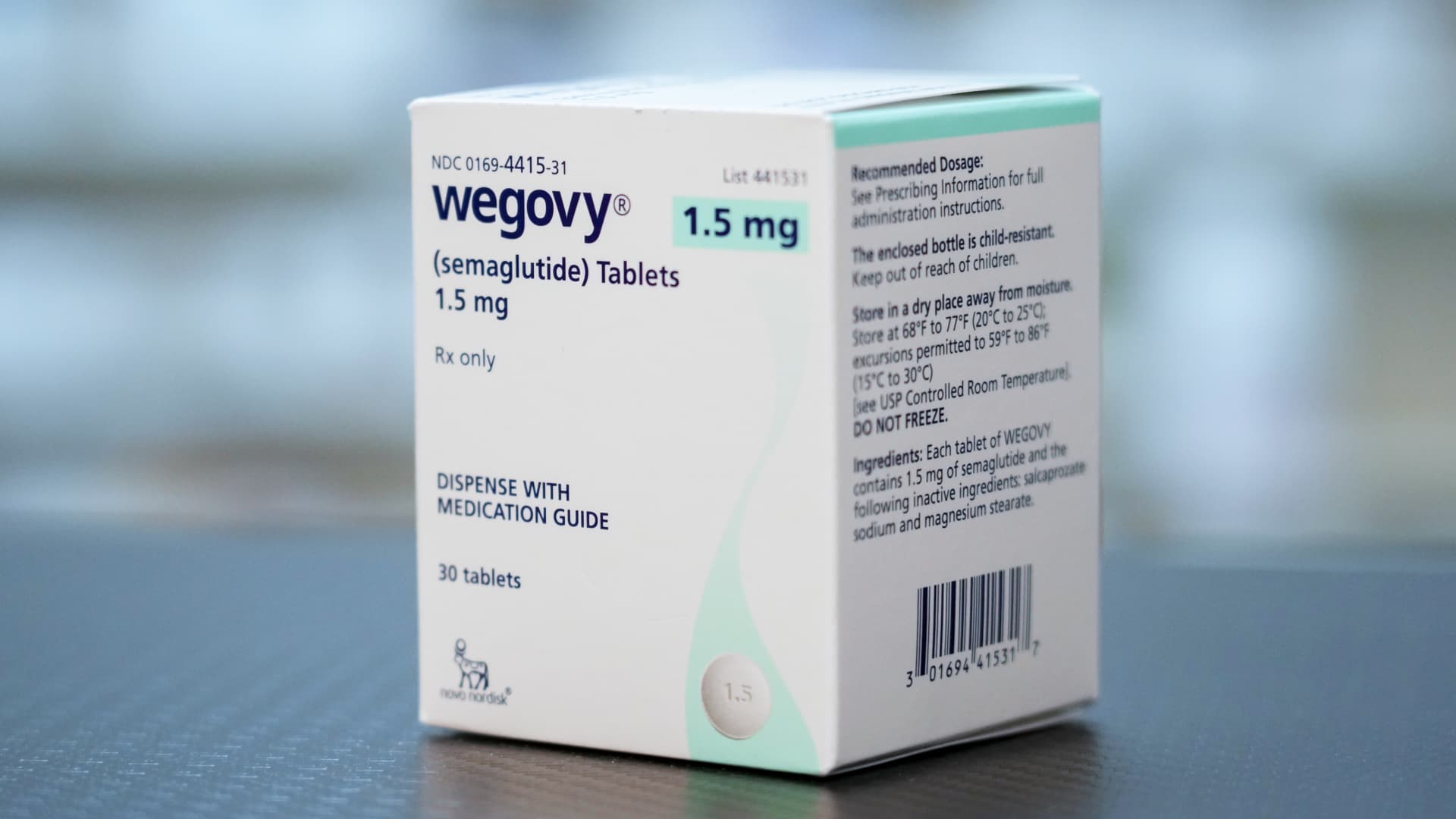

After years of trying to lose weight “the right way,” Jane Zuckerman realized that “putting in the work just wasn’t enough.”
Zuckerman, a 32-year-old data analyst based in Washington, D.C., said she lost 90 pounds in college and spent years cycling through nutritionists, therapy and strict routines — only to find herself at her heaviest after the pandemic, at 270 pounds.
Zuckerman said GLP-1 injections were out of the question, because she’s afraid of needles. But when the first GLP-1 pill for obesity became available in early January, Zuckerman called her doctor immediately, she said.
Almost a month after starting Novo Nordisk‘s new Wegovy pill shortly after it launched, she said, she had lost around 11 pounds.
Zuckerman is among tens of thousands of patients who drove an explosive demand for prescriptions for Novo’s pill just three months into its launch. Many of them share a common thread: They had long held off on using GLP-1s due to barriers such as high out-of-pocket costs for injections or a fear of needles.
That’s one of the earliest takeaways from the rollout: Novo’s pill appears to be expanding the obesity treatment market, largely drawing in new patients rather than converting existing ones from injections. CNBC spoke with five U.S. patients who recently started the pill following its launch, all of whom said they have not previously taken branded GLP-1 injections.
But it’s early days for the pill. Many patients have yet to reach higher doses of the drug, and their experiences vary. It will take more time to determine how effective the pill is in supporting patients’ long-term weight loss journeys, whether it helps keep users on GLP-1s for longer than injections do and whether demand for Novo’s product will hold in the face of fresh competition from Eli Lilly.
Novo has a head start in the pill arena over Lilly, which just won U.S. approval of its own GLP-1 drug for obesity last week. Analysts previously told CNBC they still expect that rival pill, called Foundayo, to capture a segment of the market, in part because it lacks the dietary restrictions that come with Novo’s oral drug.
Still, the Wegovy pill appears to have had the most explosive launch of a GLP-1 product yet. The latest number that Novo disclosed in February is that more than 600,000 prescriptions had been written since its launch, including for more than 3,000 patients in the first week.
Analysts at BMO Capital Markets attributed some of the early uptake to an “attractive” entry price of $149 per month and its connection to the well-known Wegovy brand. The pill carries one of the lowest cash prices for a GLP-1 therapy, ranging from $149 to $299 per month, depending on the dose.
Even so, the pill’s launch has done little to boost Novo’s stock price, as the Danish drugmaker is struggling to win back market share from Lilly in the broader obesity space and convince investors that its drug pipeline can help it grow beyond its existing products.
Novo is expected to report first-quarter sales, which will include the pill for the first time, in May. But sales of the overall Wegovy portfolio are expected to increase from $13.5 billion in 2026 to $18.9 billion in 2031, with the pill contributing $2.76 billion, according to a March GlobalData report.
Reaching new patients
The Wegovy pill is attracting patients with a fear of needles, which is estimated to affect up to 25% of U.S. adults. But the drug is also an alternative for those who have had difficulty accessing branded GLP-1 injections or other medications.
“There are a handful of patients that don’t want to be stung by the needle in the case of a vial and syringe, or stung by the price,” Jamey Millar, Novo’s head of U.S. operations, told CNBC in an interview last week. “We’re appealing to both.”
Dr. Eduardo Grunvald, medical director of the UC San Diego Health Center for Advanced Weight Management, said the main reason he’s prescribed the Wegovy pill to some patients is cost, since its cash prices are slightly lower than those of injections. But Grunvald said overall, obesity medicine specialists like him will still be inclined to prescribe injections over oral drugs, in part because the shots are more effective.
A box of Wegovy pills arranged at a pharmacy in Provo, Utah, US, on Thursday, Jan. 15, 2026.
George Frey | Bloomberg | Getty Images
Cost was a deciding factor for Amy Sawyer-Williams, who works at a theater company in Raleigh, North Carolina, and has gestational diabetes. In 2023, a few years after her son was born, she said, she began developing prediabetes and met the criteria for obesity. She said she would have started using GLP-1 injections sooner, but her insurance would not cover them for her.
That was long before Novo and Lilly slashed the cash prices of their obesity and diabetes injections.
The list prices of their shots are roughly $1,000 per month before insurance and other rebates, or discounts for cash-paying patients — a sum that has long prevented many others from starting and staying on treatment. Novo has committed to cutting the monthly list prices of its drugs in the U.S. by up to 50%, but that change won’t go into effect until 2027.
High prices also shut Sawyer-Williams out from taking the branded weight management treatment Contrave, pushing her to combine two generic medications to mimic the drug’s effects, she said. But earlier this year, she said, her endocrinologist recommended the Wegovy pill, in part due to its lower $149 per month pricing for the starting dose.
Sawyer-Williams became the first patient at her doctor’s practice and local Walgreens to take the pill, starting in mid-January, she said.
Some Wegovy pill users are patients who wanted to switch over from injections, said Dr. Heather Hofflich, a physician and endocrinologist at UCSD Health. She said she’s prescribed the pill for some people whose insurance stopped covering the injections but who want to continue treatment.
Hofflich said she has also prescribed the oral drug to patients who lost weight initially on a shot but are now trying the pill to maintain that progress.
Early progress
While it’s still early, some patients said they’re already benefiting from taking Novo’s drug.
Zuckerman was initially skeptical of how effective the product would be, because it’s an oral medication. But, she said, “I swear I felt the impact on the first day,” particularly decreased appetite and disinterest in food.
“Things that used to give me enjoyment, or things I used to binge on, they just don’t taste as good anymore, and I just don’t see the point in eating them, honestly,” Zuckerman said, listing coffee, cheese, bread and fries, among other food and beverages.
She said she dealt with nausea — a common side effect of the GLP-1 class — but that became more manageable after the first two weeks on the pill.
Zuckerman also said what matters more than the weight loss or food urges is how she feels: “My clothes are looser, I have more energy, I genuinely feel better.”
Cherie Marcus, 72, a retired fabric designer and theater editor based in Brooklyn, said she’s also seen gradual progress — even on the lowest 1.5-milligram dose of the drug. She said that over the last 30 years, after her daughter was born, she’s gained weight and seen her hemoglobin A1c — a key measure of blood sugar levels — creep up.
Marcus said she started the pill on Jan. 24, and has lost about a pound a week while taking the lowest dose for seven weeks. Patients typically increase their dosage after a month, but Marcus said she’s still taking the lowest strength as of early April.
But her weight has “leveled off” over the past few weeks, she said, so she will likely move to a higher dose if she stops losing weight entirely. Marcus sees herself taking the pill long term, with a goal of losing around 30 pounds.
Novo’s Millar last week said some patients may start on lower doses and “be perfectly fine with that,” hitting their own personal goals for weight loss. But the company is monitoring how many patients increase to higher doses of the drug, particularly the 9-mg and 25-mg versions.
Courtney Kim, a stay-at-home mom based in Pittsburgh, is among the patients taking the Wegovy pill who have yet to experience notable side effects.
While she doesn’t qualify as obese, Kim said, the “weight would just not come off” after she had her three children. She started the pill around mid-February after struggling to lose weight with the use of other prescription medications and supplements, she said.
Kim started at a weight of roughly 158 pounds and has so far lost nearly 7 pounds on the pill, she said. She recently started the 4-mg dose of the drug.
“It’s actually working, and I’m shocked that the weight is actually like coming off and staying off,” Kim said. “So far I’ve had a positive experience.”
Some patients wait and see
The early experience with the pill hasn’t been smooth for everyone. UCSD’s Hofflich said she had one patient who could not tolerate the pill due to its gastrointestinal side effects, which is a common issue with the injections, as well.
Another patient had to switch to an injection because the pill’s dietary restrictions — which involve taking it with a small amount of water and waiting 30 minutes before eating or drinking — did not fit into their lifestyle, Hofflich said. Two patients who haven’t seen progress on higher doses of the pill are switching to injections, she said.
Hofflich said other patients who haven’t seen progress on lower doses are starting to take higher doses to see if that will make a difference.
That includes a patient based in New Hampshire named Amy, who said she began taking the Wegovy pill in early February. She asked CNBC not to use her last name, for privacy reasons.
Amy said she initially considered a branded GLP-1 treatment two years ago after her weight crept up to 190 pounds, but her doctor said her insurance wouldn’t cover it. Amy then turned to cheaper, unapproved compounded versions of GLP-1s for a year and lost 30 pounds before stopping in November.
She said the two lowest doses of the Wegovy pill — 1.5 mg and 4 mg — “did absolutely nothing for me” over two months.
Novo’s cash discounts allowed Amy to pay roughly $300 total for a month’s worth of each dose, but she said she feels “frustrated” that she still feels hungry and has noticed no changes apart from side effects including constipation. Amy said her weight is “hovering” around 170 pounds.
“It just kind of felt like a waste of time,” she said.
Amy said she plans to start the 9-mg dose of the pill soon, hoping that she’ll begin to see the benefits of treatment. She said if that doesn’t work, she’ll discuss with her doctor whether to try the highest dose, 25 mg, or potentially turn back to compounded GLP-1s.
Meanwhile, Sawyer-Williams is restarting the lowest dose of the pill after pausing the drug due to gastrointestinal side effects. She said she was nervous about starting the pill, because she’s always had a sensitive stomach.
During her first three weeks on the 1.5-mg dose of the oral drug, she did not notice any weight loss, but experienced nausea if she didn’t eat, Sawyer-Williams said. She started to feel less interested in food by her fourth week, she said, but began taking the next dose, 4 mg, shortly after.
On the seventh day of taking that dose, Sawyer-Williams said, she experienced “the worst” nausea, vomiting and dehydration, which caused her to stop treatment.
“I wish I had just stayed on the 1.5” dose, she said. “I was really, really sick. Even when I quit the pill, I just couldn’t keep down water.”
Sawyer-Williams started at a weight of 177 pounds and lost five pounds overall after taking the drug, she said. She’s been off treatment for a few weeks, but started the lowest dose of the pill as of early April with new habits, including staying hydrated and starting to lift weights, she said.
“We’re going to just have to hope that it’s enough to help me,” she said, referring to the lowest dose.
Dr. Andrea Traina, Novo’s obesity medical director, recommended that patients who are struggling with side effects talk to their health-care provider about strategies to mitigate them. For example, she said some people may benefit from staying on a lower dose until they tolerate the drug better before increasing to a higher dosage.
“Treating obesity, just like most chronic diseases, is kind of a marathon, not a sprint,” Traina said in an interview. “So adding an extra month or two to help with tolerability upfront can help with kind of long-term success.”
Unanswered questions
Several questions remain about the long-term use of the pill, especially on higher doses, and it may not be the best obesity treatment for every patient, experts said.
Traina said each patient has an individual response, and they may respond well above or well below average in terms of weight loss and side effects. That can be tied to their genetics, environment or dietary habits, and experiences can vary slightly across certain populations and age groups, she said.
“It’s very tough to know why one patient’s responding to something and another isn’t,” Traina said, adding that it’s “one of the many benefits of having multiple treatment options available.”
Having an oral option at lower cash prices that “can be attainable for a larger population is a very good thing, to help us cure or alleviate this chronic disease state,” said UCSD’s Hofflich.
She said in the coming months, particularly with the rollout of Lilly’s new drug, “we’ll have many more stories and outcomes” of pills to evaluate, allowing for clearer comparisons between the two pills as well as injections.
Patients such as Zuckerman may offer an early glimpse of those who stand to benefit most from the pill — and the cases where it resonates.
“I was in this boat of seeing the pill as cheating and feeling like I had to lose the weight the hard way,” she said. “But that doesn’t work for everybody, and eventually I got to the point where I was like, do I want to be stubborn and try to do this the ‘right way,’ or do I want to die from being obese?”
“Jumping on the opportunity to the pill at this stage in my life was the right decision,” Zuckerman said.


Form 6K Evotec SE ADR For: 7 April

The ChatGPT-maker said its early policy ideas aim to prompt discussions about action needed as AI systems become more capable.
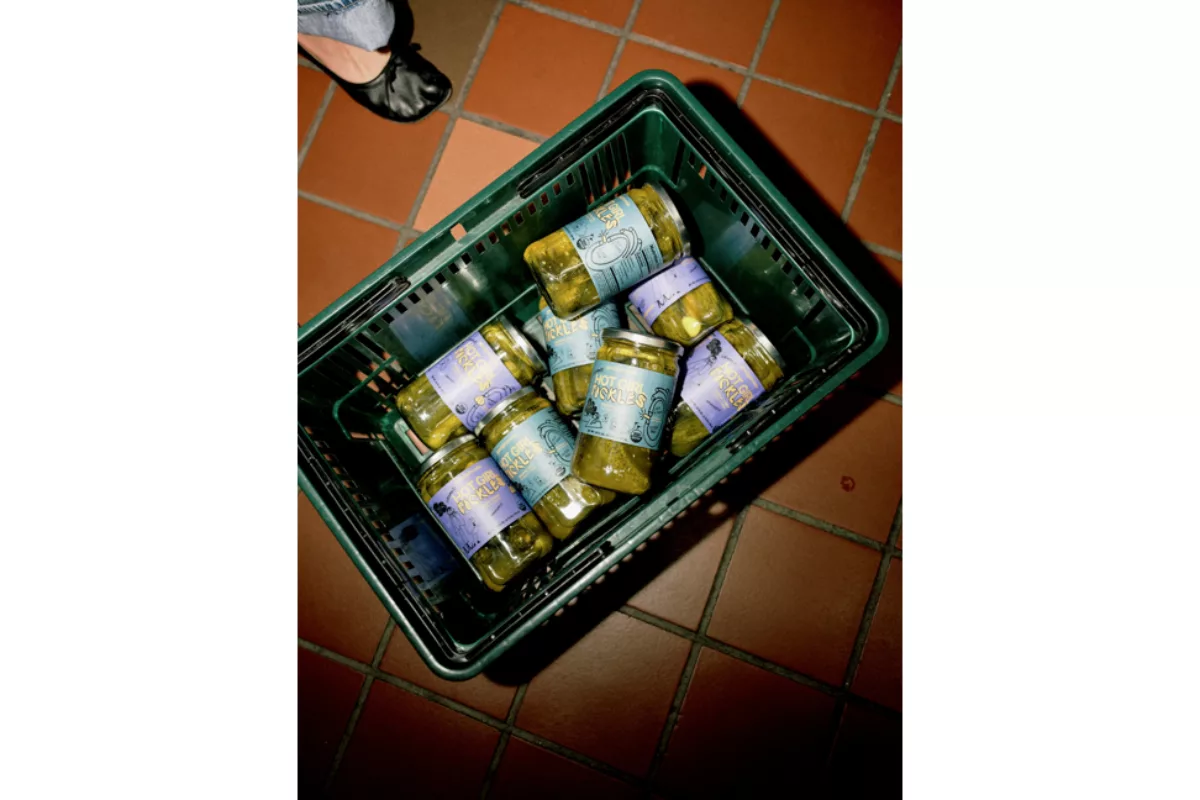

Seed round fueling nationwide launch of company’s Hot Girl Pickle’s line.
Tesla: Three Scenarios, Zero Upside


Food companies may benefit from a ‘longevity dividend’ due to a potential reduction in chronic diseases.

Roku Inc. enters 2026 as the dominant force in connected television, commanding nearly half of all U.S. streaming hours and expanding its reach through aggressive growth in free ad-supported streaming television (FAST), artificial intelligence personalization and new revenue streams that have finally delivered consistent profitability.

The company, known for its streaming players, Roku TVs and The Roku Channel, reported strong momentum in its February 2026 earnings release for the fourth quarter of 2025. Revenue climbed 16% year-over-year to $1.39 billion, beating estimates, while the company swung to a net profit of $80.5 million, or 53 cents per share. For full-year 2026, Roku guided for total revenue of $5.5 billion — up 16% — with platform revenue growing 18% and adjusted EBITDA reaching $635 million.
As cord-cutting accelerates and consumers seek affordable entertainment options amid subscription fatigue, Roku’s hybrid model of hardware, platform services and content is paying dividends. Here are 10 essential things to know about Roku in 2026.
1. Roku dominates the streaming platform landscape with nearly 100 million households.
Roku powers streaming on tens of millions of devices and Roku-branded TVs, which now account for a significant share of U.S. television sales. The platform processes billions of streaming hours annually, giving it unmatched first-party data for advertising and personalization. This scale has turned Roku into the “Switzerland” of streaming — neutral ground where consumers access content from Netflix, Disney+, Amazon Prime Video and hundreds of other services alongside Roku’s own free offerings.
2. The Roku Channel continues explosive growth as a free streaming powerhouse.
The ad-supported Roku Channel added more than a dozen new live linear channels in March 2026 alone, bringing the total FAST lineup to well over 500 channels. Recent additions include Salem News Channel, Scripps Sports, Inspector Gadget, Grizzly and the Lemmings, Nat Geo Animals, Nat Geo History, Flo Racing 24/7 and Life with Derek. The service captured a record 3% share of total U.S. television viewership in late 2025 according to Nielsen data and continues to rank among the top apps on Roku devices. Creator content on the platform grew nearly 80% year-over-year in some metrics.
3. “Last Channel” button finally arrives on Roku TVs, delighting longtime users.
In a long-awaited upgrade rolled out in early 2026, Roku TV owners gained a “last channel” feature in the Live TV Guide. The addition mimics a classic cable TV convenience, allowing quick toggling between live channels — including hundreds of free FAST options — without lengthy reload times. The update significantly reduces lag when switching streams, addressing one of the most frequent user complaints about FAST viewing.
4. Howdy expands affordable ad-free streaming with mobile app and broader distribution.
Roku launched its low-cost Howdy subscription service — priced at just $2.99 per month for ad-free access to a curated library of movies, shows and classics — on Prime Video in March 2026 and introduced a companion mobile app. The service also expanded internationally, including to Mexico. Roku even partnered with Texas A&M University to gift incoming freshmen Howdy subscriptions, signaling creative marketing to younger audiences.
5. AI-driven personalization and advertising set to reshape viewing in 2026.
Roku issued five bold predictions for the streaming industry in 2026, starting with a major leap in personalized TV advertising through deeper data integrations with partners like Amazon and The Trade Desk. The company expects AI to shrink discovery time dramatically, deliver hyper-relevant recommendations and create safer advertising environments as generative AI disrupts the broader internet. Roku also forecasts the “ad-free viewer” becoming nearly extinct, with nearly 100% of audiences exposed to video ads, and TV colliding more deeply with the creator economy.
6. Platform revenue drives profitability while devices remain a strategic loss leader.
Roku’s high-margin platform business — which includes advertising, subscriptions and revenue-sharing from channels — is the growth engine. Executives project 18% platform revenue growth for 2026, with Q1 growth exceeding 21%. The devices segment, which includes streaming sticks and players, grows more modestly but serves as an on-ramp to the profitable platform ecosystem. Full-year 2026 guidance calls for adjusted EBITDA of $635 million, reflecting meaningful operating leverage.
7. Home screen redesign emphasizes monetization and The Roku Channel.
A major home screen overhaul is rolling out in 2026, placing greater prominence on The Roku Channel, the Live TV Guide and recommended free content. The redesign aims to boost engagement and ad inventory while remaining user-friendly. Early beta testers have noted more prominent rows for free channels and improved navigation, though some users can opt out of certain changes during the rollout.
8. Wall Street grows bullish on Roku’s 2026 catalysts.
Analysts have raised price targets following the strong Q4 report, with some calling for shares to reach $120 to $160. Baird lifted its target to $120, while Pivotal Research moved to $140. The stock has shown volatility but trades near $98 in early April 2026, with hedge funds and institutional investors increasing positions on the back of platform revenue gains, premium subscription growth and improving margins. Consensus points to continued double-digit growth and expanding profitability.
9. New hardware and software updates keep the ecosystem fresh.
Roku is preparing a refreshed lineup of streaming players, Roku TVs, security cameras and operating system enhancements for 2026. The company continues to refine the mobile app with richer visuals and interactive features. These iterative improvements help Roku maintain its edge against competitors like Amazon Fire TV, Google TV and Apple TV while attracting new users seeking simple, reliable streaming.
10. FAST and creator content position Roku for long-term leadership in a fragmented media world.
Roku predicts FAST channels could reach 10% of total TV viewing in 2026. By investing heavily in free content, local and national news integration, and tools for smaller advertisers and creators, the company is building a resilient business less dependent on traditional pay-TV bundles. Hyperlocal advertising, political campaign-style targeting and AI-optimized campaigns are expected to drive incremental revenue from brands that previously found TV advertising too expensive or complex.
Despite the positive momentum, challenges remain. Competition in connected TV is fierce, advertising markets can fluctuate, and Roku must continue executing on profitability while managing device gross margins that remain negative. Insider selling has occurred amid the rally, though many analysts view it as routine rather than a red flag.
For consumers, Roku in 2026 means more choice at lower cost: hundreds of free live channels, easy navigation, personalized recommendations and affordable ad-free options. For investors and advertisers, it represents a scalable platform with improving economics in an industry shifting rapidly toward streaming.
As Q1 2026 earnings approach in late April, all eyes will be on whether Roku can sustain its platform growth, deliver on AI initiatives and further expand its content and advertising footprint. The company that began as a simple streaming box has evolved into a full-fledged media and technology player shaping how millions watch television.
Roku, founded in 2002 and headquartered in San Jose, California, employs thousands and operates globally. Its mission remains making streaming television accessible, enjoyable and affordable for everyone.
Whether you are a cord-cutter seeking free entertainment, a marketer exploring connected TV, or an investor tracking the next phase of media disruption, Roku’s 2026 story is one of scale, innovation and resilience in a rapidly evolving landscape.
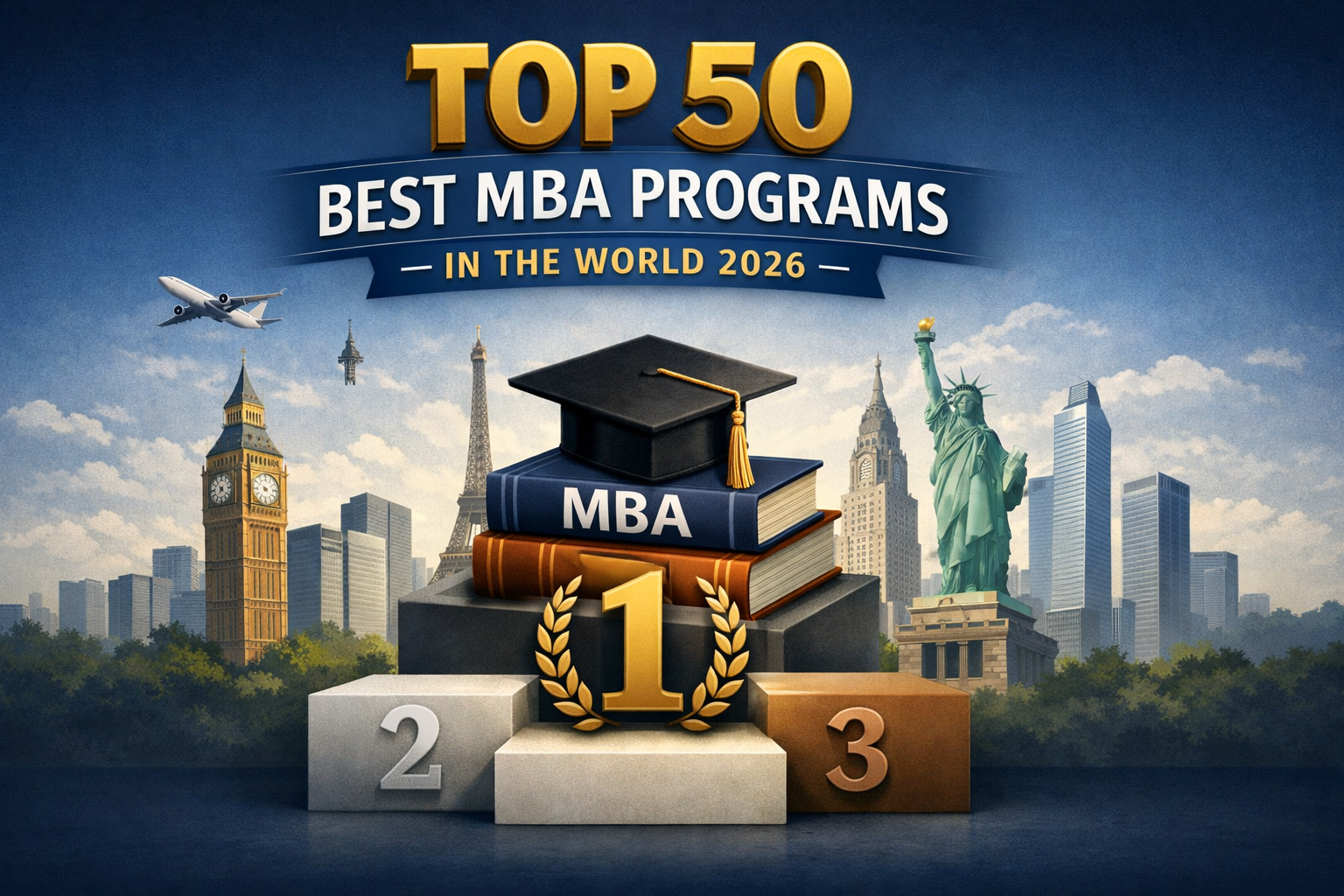
The Wharton School at the University of Pennsylvania has dethroned longtime leader Stanford Graduate School of Business to claim the top spot in the QS Global MBA Rankings 2026, signaling a shift in how the world’s most ambitious professionals evaluate elite business education amid surging demand for artificial intelligence expertise, sustainable leadership and international networks.

As prospective students weigh six-figure investments in full-time MBA programs, 2026 rankings from QS, Financial Times, Poets&Quants, Fortune and U.S. News reveal a highly competitive landscape where American powerhouses still dominate but European and Asian programs are closing the gap with innovative curricula and strong career outcomes.
Wharton’s rise to No. 1 in the QS ranking — its first time at the summit — underscores strengths in employability, alumni outcomes and diversity metrics. Harvard Business School, MIT Sloan and Stanford follow closely in the top four, while HEC Paris claims the highest European spot at No. 5. The rankings reflect evolving priorities: technology integration, global mobility and measurable return on investment as graduates command median starting salaries often exceeding $170,000 plus bonuses.
Business schools are adapting rapidly to an AI-driven economy. Programs emphasizing data analytics, machine learning applications in finance and operations, and ethical leadership in tech-heavy environments are gaining ground. Many top institutions have introduced or expanded concentrations in AI strategy, sustainable business and digital transformation, responding to employer demands for leaders who can navigate disruption.
The 2026 rankings also highlight the growing influence of one-year or accelerated programs in Europe and Asia, which appeal to professionals seeking faster career acceleration with lower opportunity costs compared to traditional two-year U.S. models. INSEAD, IESE Business School and London Business School continue to shine for their international diversity and alumni networks spanning continents.
Why MBA Rankings Matter in 2026
Rankings provide a snapshot of program quality based on factors like academic reputation, employer feedback, alumni salary progression, research output and diversity. However, experts caution that no single list tells the full story. Prospective students should consider fit with career goals, location, culture, cost and specific strengths in areas like entrepreneurship, finance or consulting.
For the class entering in fall 2026, admissions remain selective at top programs, with average GMAT scores often above 700 and significant pre-MBA work experience expected. Many schools report increased applications from candidates with tech, consulting and finance backgrounds, while interest in sustainability and social impact tracks has grown.
Tuition at elite programs can exceed $80,000 per year, but generous scholarships, fellowships and strong post-graduation outcomes often deliver attractive returns. Average salary increases of 100% or more three years after graduation are common among top-10 graduates.
The Top 50 Best MBA Programs in the World for 2026
Here is a synthesized top 50 list drawing primarily from the QS Global MBA Rankings 2026, with cross-references to Financial Times, Poets&Quants, Fortune and U.S. News data for context. Positions reflect a composite view of recent 2026 releases, emphasizing global reputation, employability and outcomes.
- 1. The Wharton School, University of Pennsylvania (USA) — Tops QS 2026 for the first time; strong in finance, entrepreneurship and global alumni network. Median salaries often top $175,000.
- 2. Harvard Business School (USA) — Renowned for case method teaching and leadership development; consistently elite across rankings.
- 3. MIT Sloan School of Management (USA) — No. 1 in Financial Times 2026; excels in technology, innovation and analytics.
- 4. Stanford Graduate School of Business (USA) — Iconic for entrepreneurship and venture capital ties; high selectivity and impact focus.
- 5. HEC Paris (France) — Leading European program; strong international outlook and finance specialization.
- 6. London Business School (UK) — Global diversity and London location drive career opportunities in finance and consulting.
- 7. University of Cambridge Judge Business School (UK) — Rising fast with strengths in innovation and sustainability.
- 8. INSEAD (France/Singapore/UAE) — One-year program with exceptional multicultural experience; frequent top-5 finisher.
- 9. Northwestern University Kellogg School of Management (USA) — No. 1 in Poets&Quants 2025-2026 composite; marketing and teamwork emphasis.
- 10. Columbia Business School (USA) — New York location and value investing heritage; strong finance and media ties.
- 11. University of Chicago Booth School of Business (USA) — Flexible curriculum and rigorous economics foundation.
- 12. IESE Business School, University of Navarra (Spain) — Case method leader; ethics and general management focus.
- 13. New York University Stern School of Business (USA) — Urban advantage and strong finance, marketing programs.
- 14. University of California, Berkeley Haas School of Business (USA) — Innovation culture and Bay Area tech ecosystem.
- 15. Dartmouth College Tuck School of Business (USA) — Close-knit community and leadership development.
- 16. University of Virginia Darden School of Business (USA) — Case method and general management excellence.
- 17. Yale School of Management (USA) — Integrated curriculum with societal impact focus.
- 18. University of Michigan Ross School of Business (USA) — Action-based learning and strong alumni network.
- 19. Duke University Fuqua School of Business (USA) — Team-based learning and global immersion.
- 20. Cornell University Johnson Graduate School of Management (USA) — Cornell Tech synergies for digital business.
- 21. University of Oxford Saïd Business School (UK) — Entrepreneurial and leadership programs with Oxford prestige.
- 22. National University of Singapore (NUS) Business School (Singapore) — Top Asian program; Asia-Pacific business focus.
- 23. HKUST Business School (Hong Kong) — Strong finance and Asia strategy.
- 24. SDA Bocconi School of Management (Italy) — Italian excellence in management and luxury business.
- 25. University of Pennsylvania (additional programs noted, but Wharton leads) — Consolidated strength.
- 26. Indian School of Business (India) — Rapid salary growth and emerging markets focus.
- 27. CEIBS (China) — Leading Chinese program with global outlook.
- 28. University of Toronto Rotman School of Management (Canada) — Creative problem-solving and Canadian business ties.
- 29. University of Southern California Marshall School of Business (USA) — Entertainment and entrepreneurship strengths.
- 30. Georgetown University McDonough School of Business (USA) — International business and ethics emphasis.
- 31. University of Texas at Austin McCombs School of Business (USA) — Energy and technology focus.
- 32. University of North Carolina Kenan-Flagler Business School (USA) — Leadership and analytics.
- 33. Washington University in St. Louis Olin Business School (USA) — Entrepreneurship standout.
- 34. University of Michigan Ross (additional recognition) — Broad strengths.
- 35. Imperial College Business School (UK) — Tech and innovation in London.
- 36. Esade Business School (Spain) — Innovation and sustainability.
- 37. University of Washington Foster School of Business (USA) — Pacific Northwest tech ties.
- 38. Rice University Jones Graduate School of Business (USA) — Small class sizes and energy sector.
- 39. Emory University Goizueta Business School (USA) — Atlanta location and consulting ties.
- 40. Indiana University Kelley School of Business (USA) — Strong online and traditional programs.
- 41. University of Illinois Gies College of Business (USA) — Analytics and accounting excellence.
- 42. Boston University Questrom School of Business (USA) — Digital innovation focus.
- 43. University of Florida Warrington College of Business (USA) — Value and online strengths.
- 44. Arizona State University W.P. Carey School of Business (USA) — Supply chain and innovation.
- 45. University of Maryland Robert H. Smith School of Business (USA) — Information systems and analytics.
- 46. Carnegie Mellon Tepper School of Business (USA) — Quantitative and analytics powerhouse.
- 47. University of Minnesota Carlson School of Management (USA) — Twin Cities business ecosystem.
- 48. Ohio State University Fisher College of Business (USA) — Operations and logistics.
- 49. Purdue University Krannert School of Management (USA) — STEM-designated options.
- 50. Texas A&M University Mays Business School (USA) — Energy and agribusiness strengths.
This composite list balances multiple 2026 sources, with U.S. programs occupying the majority of top spots due to resources, alumni outcomes and research impact. European schools like INSEAD, IESE, LBS and HEC Paris offer compelling alternatives with shorter durations and international exposure. Asian programs from Singapore, Hong Kong and China provide regional advantages and cost efficiencies for some candidates.
Trends Shaping the 2026 MBA Landscape
Artificial intelligence has become a core theme. Schools like MIT Sloan and Carnegie Mellon emphasize AI applications in decision-making, while Wharton and Stanford integrate generative AI across curricula. Sustainability and ESG factors also rank higher in admissions and employer preferences.
Diversity initiatives continue, with many programs reporting record percentages of women and international students. Hybrid and flexible formats have expanded post-pandemic, though full-time residential experiences remain prized for networking.
Admissions data show stable or slightly increased applications at top schools, with emphasis on demonstrated leadership and impact rather than pure academics. Deferred admission programs and joint-degree options with engineering, law or public policy attract diverse talent.
Choosing the Right Program
Experts advise looking beyond rankings. Consider:
– **Career goals**: Finance-heavy? Wharton or Columbia. Tech/innovation? MIT or Stanford. International? INSEAD or LBS.
– **Location and network**: Proximity to industry hubs boosts internships and jobs.
– **Culture and teaching style**: Case method at Harvard/IESE versus experiential learning at others.
– **Return on investment**: Factor in total cost, scholarships and salary outcomes.
– **Specializations**: Many schools excel in niches like healthcare (Duke), real estate (NYU) or social enterprise (Yale).
Campus visits, alumni conversations and class audits remain invaluable. Virtual information sessions have improved accessibility.
The Broader Value of an MBA in 2026
In an era of rapid technological change and geopolitical shifts, an MBA from a top program still offers powerful advantages: accelerated career progression, expanded professional networks, leadership skill development and access to lifelong alumni resources.
Graduates often move into roles at consulting firms, investment banks, tech giants and startups. Entrepreneurship tracks have produced unicorn founders, while general management paths lead to C-suite positions.
Challenges include high costs and opportunity costs of leaving the workforce. Many schools offer income-share agreements or robust loan forgiveness for public service.
As global economies recover and adapt to AI, demand for business leaders with analytical rigor, ethical grounding and cross-cultural competence remains strong. The 2026 rankings underscore that while elite U.S. programs retain prestige, the world’s best MBA education increasingly comes from a diverse set of institutions delivering tailored, high-impact experiences.
Prospective students should apply strategically, tailoring applications to highlight unique experiences and fit. Early application rounds often yield higher acceptance rates and better scholarship opportunities.
With application deadlines approaching for fall 2027 entry at many programs, now is the time to research, prepare test scores and craft compelling narratives. Whether aiming for the historic halls of Harvard or the innovative campuses of Asia and Europe, the Class of 2028 will enter a business world hungry for principled, forward-thinking leaders.
The pursuit of an MBA remains a transformative journey — one that continues to open doors to extraordinary opportunities in 2026 and beyond.
‘The Big Money Show’ reacts to BlackRock CEO Larry Fink saying America lacks enough skilled workers for a coming infrastructure boom.
While Silicon Valley spends billions trying to teach robots how to think, home improvement giant Lowe’s is putting its money on Americans who know how to build.
As artificial intelligence threatens to hollow out white-collar cubicle careers, Lowe’s CEO Marvin Ellison is sounding a wake-up call: AI can write your emails, but it can’t fix your roof.
“We’re a company that believes strongly in the future of AI, but in a world where administrative and analytical occupations are going to be increasingly dominated with the acceleration of AI, we think the skilled trades initiative is going to be even more important here in the near future,” Ellison told Fortune.
“As powerful as AI will become, AI can’t climb a ladder to change the batteries in your smoke detector,” he continued. “It can’t change your furnace filter; it can’t clean your dryer vent; it can’t repair a hole on your roof.”
MIKE ROWE DOUBLES DOWN AFTER BLASTING JIMMY KIMMEL’S ‘TONE-DEAF’ PLUMBER JOKES
Lowe’s also told the outlet that the company is doubling down on the backbone of the American economy, committing $250 million over the next decade to recruit and train 250,000 skilled tradespeople. This includes positions in plumbing, carpentry, electrical work and more.

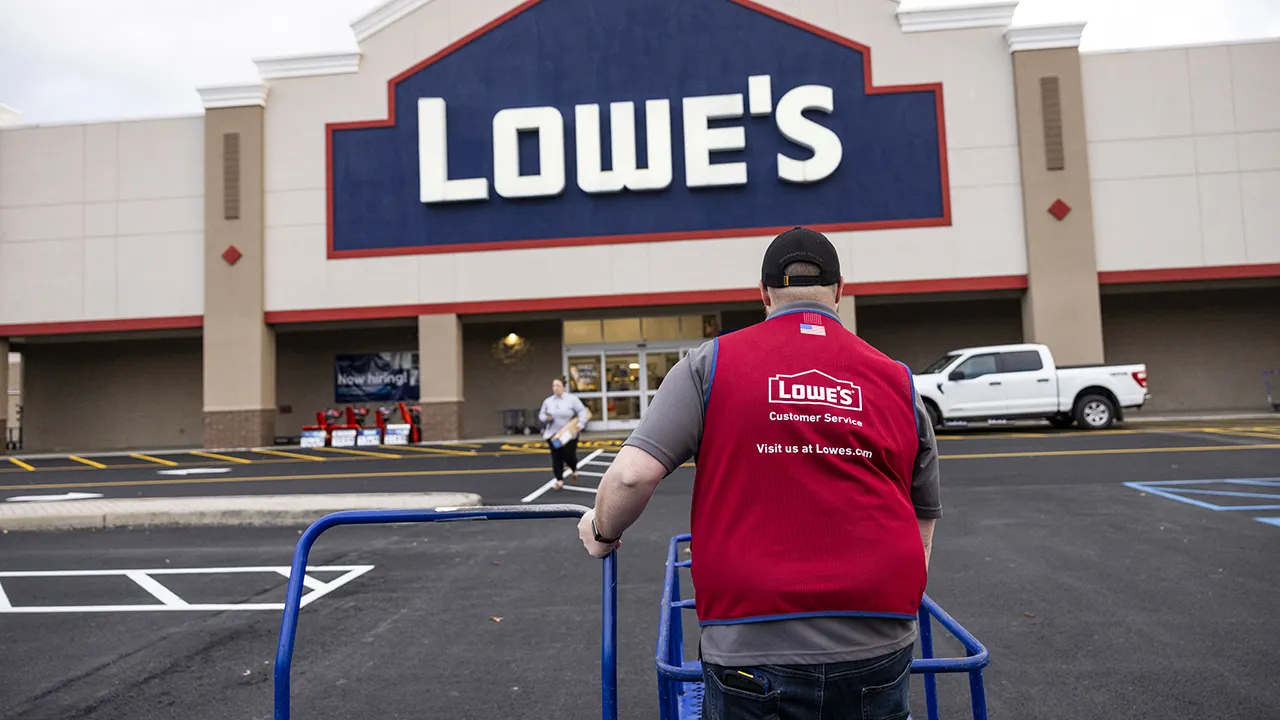
A worker moves empty carts outside a Lowe’s store in Albany, New York, on Tuesday, Nov. 14, 2023. (Getty Images)
The goal is to fill the void in the skilled trades workforce. According to the Associated Builders and Contractors and the latest Bureau of Labor Statistics projections, 349,000 new trade skills workers are needed to meet 2026 demand. Specialty trade contractors added just 95,000 jobs since late 2024, and 92% of construction firms have reported difficulty finding qualified talent.
Recent BLS data also shows that 47% of skilled tradespeople now earn more than the median college graduate, with zero student loan interest eating their take-home pay.
While young Americans have been sold on a college career for decades, Ellison, who holds an MBA, is calling for a culture shift. Even his own executives are now steering their children toward trades to avoid the debt-heavy “prestige” trap.
CEO of mikeroweWorks Foundation Mike Rowe joins ‘Varney & Co.’ to discuss people shifting from white collar to blue collar employment and the launching of an initiative in Texas to promote skilled trades.
“There’s not that one option is better or worse; it’s all about that there are different paths to trying to obtain prosperity, and we all, me included, need to do a better job of presenting skilled trades as rewarding, viable careers, not just backup plans,” the CEO said. “These trades are really a way to create meaningful wealth for yourself, and it’s a way to earn a very dignified living, and you can do it with a lot less debt.”
“Choose your career path, not from pressure around what you think is the most valuable career or most prestigious,” he noted, “but choose it based on your natural interest in your skill set.”
GET FOX BUSINESS ON THE GO BY CLICKING HERE
Made by Anderson Brands co-founders Kory and Ali Anderson discuss their non-profit to encourage and teach students about skilled trades on ‘The Bottom Line.’
With $250 million on the table and a looming worker shortage, the message to American families is simple: The most prestigious job in 2026 might just be the one where you wear a tool belt.
“This is going to be so critical to the future, not only of our company, but to our country,” Ellison said.
BofA maintains Neutral on Nike stock amid regional margin pressures
Business
Trump Warns ‘Whole Civilization Will Die Tonight’ as Iran Faces 8 PM Deadline on Strait of Hormuz

President Donald Trump issued a stark warning to Iran on Tuesday, declaring that “a whole civilization will die tonight, never to be brought back again” unless Tehran meets his deadline to reopen the Strait of Hormuz and agree to a broader deal ending the escalating conflict in the Middle East.

In a Truth Social post published Tuesday morning, Trump wrote: “A whole civilization will die tonight, never to be brought back again. I don’t want that to happen, but it probably will. However, now that we have Complete and Total Regime Change, where different, smarter, and less radicalized minds prevail, maybe something revolutionarily wonderful can happen, WHO KNOWS? We will find out tonight, one of the most important moments in the long and complex history of the World.”
The dramatic rhetoric came with roughly 12 hours remaining before Trump’s self-imposed 8 p.m. EDT deadline for Iran to reopen the vital waterway, through which roughly one-fifth of global oil supplies pass. The president has repeatedly delayed earlier deadlines but signaled Tuesday’s cutoff would be final, tying compliance to freedom of navigation and potential regime moderation.
U.S. forces struck Kharg Island — a key Iranian oil export hub — for the second time in recent days, according to officials, as military pressure intensified alongside the diplomatic ultimatum. Iranian leaders responded defiantly, urging young people to form human chains around power plants and other infrastructure while rejecting immediate ceasefire terms that include reopening the strait.
The escalating tensions stem from broader conflict involving the United States, Israel and Iran that has drawn in regional actors and disrupted global energy markets. Oil prices have risen sharply in recent sessions amid fears that closure of the Strait of Hormuz could trigger a severe supply shock.
Trump’s language evoked the ancient roots of Iranian (Persian) civilization, dating back thousands of years, while framing the potential destruction as tied to the current regime’s actions. He left a narrow opening for a positive outcome, suggesting that “regime change” — interpreted by some as leadership shifts rather than full overthrow — could pave the way for a transformative agreement.
White House officials declined to elaborate on the exact consequences if the deadline passes unmet, but Trump has previously spoken of targeting Iranian power plants, bridges and other infrastructure in what he described as overwhelming force capable of “taking out” significant portions of the country in a single night.
Iranian officials showed no signs of immediate capitulation. State media reported missile activity and defensive preparations, while diplomats pushed back against what they called unacceptable demands. Tehran has sought a lasting end to hostilities that includes lifting sanctions and guarantees for safe passage, but has resisted linking those to immediate reopening of the strait.
The situation has sparked alarm in world capitals. European leaders urged restraint and renewed diplomacy, while China and Russia — traditional Iranian partners — warned against further escalation that could destabilize energy markets and the broader region.
Markets reacted with volatility. Energy stocks rose, while broader indexes showed caution as investors weighed the risk of wider war against the possibility of a last-minute deal. Shipping companies rerouted vessels away from the Persian Gulf, adding to logistical strains already felt from earlier disruptions.
Background of the Crisis
The current standoff builds on decades of U.S.-Iran tensions, intensified by the ongoing Israel-Iran shadow war that erupted into more direct confrontations. Trump, in his second term, has taken a hard line, demanding verifiable steps toward de-escalation that include unrestricted maritime access through the Strait of Hormuz.
Previous deadlines set by the administration were extended, allowing time for back-channel talks, but Trump has grown increasingly frustrated with what he calls Iranian stalling. In recent days he has publicly threatened “hell” on Iran and described potential strikes in vivid terms.
The reference to “civilization” carries particular weight given Iran’s cultural heritage as one of the world’s oldest continuous civilizations, home to ancient sites and a proud national identity. Critics inside and outside the U.S. expressed concern that such rhetoric risks inflaming nationalist sentiments in Iran and complicating any future negotiations.
Supporters of the president’s approach argue that maximum pressure, backed by credible military threats, is necessary to force concessions from a regime they view as destabilizing through its support for proxy groups and nuclear ambitions. Iran has long denied seeking nuclear weapons while advancing its enrichment program.
International Reactions and Risks
Allies and adversaries alike weighed in. Israeli officials have coordinated closely with Washington, conducting their own strikes on Iranian targets in recent weeks. Gulf states, heavily dependent on the strait for exports, have privately urged calm while bolstering defenses.
The United Nations Security Council convened emergency consultations, though veto powers held by permanent members limited expectations for unified action. Humanitarian organizations warned that any large-scale strikes on infrastructure could cause civilian casualties and long-term suffering in Iran, already strained by sanctions and internal challenges.
Oil analysts noted that even a brief closure of the strait could send crude prices surging toward $150 per barrel or higher, with ripple effects on global inflation and economic growth. Alternative routes exist but lack the capacity to fully replace Hormuz volumes quickly.
Domestically, the Trump administration faces questions about congressional authorization for potential military action. While the president maintains broad executive authority in national security matters, some lawmakers from both parties have called for greater oversight amid fears of another prolonged Middle East conflict.
What Comes Next
As the 8 p.m. deadline approaches, attention focuses on whether Iran will offer any gesture toward compliance or if U.S. forces will escalate strikes. Trump has hinted at the possibility of “revolutionarily wonderful” developments if “smarter minds prevail,” suggesting openness to a face-saving agreement that allows de-escalation without full capitulation.
Iranian President’s office and foreign ministry have issued statements emphasizing resilience and the right to defend sovereignty. Reports from Tehran described heightened public anxiety mixed with displays of national unity.
Military experts caution that destroying key infrastructure is easier than managing the aftermath, including potential refugee flows, environmental damage from oil facilities and retaliation through proxies or asymmetric attacks.
For now, the world waits. Trump’s Tuesday morning post has amplified global focus on the hours ahead, turning what began as a demand for maritime access into a high-stakes test of wills with implications far beyond the Persian Gulf.
The president’s blend of threat and optimism reflects a negotiating style that mixes maximum pressure with the promise of transformative deals — a pattern seen in past trade and nuclear talks. Whether it yields breakthrough or broader conflict may become clear by nightfall.
As evening descends on Washington, officials across agencies remain on high alert. Diplomatic channels, though strained, have not fully closed, leaving a slim window for last-minute developments.
Trump’s warning has dominated headlines and social media, sparking debate about rhetoric, strategy and the human cost should the deadline pass without resolution. For a region long defined by ancient civilizations and modern rivalries, Tuesday night could mark a pivotal chapter — one that determines whether conflict deepens or a fragile peace takes hold.

Bolton Green Party candidate filmed himself while driving
Form 6K Evotec SE ADR For: 7 April

Emma Roberts’ Dad Eric Gives Update on Their Relationship


-

 NewsBeat5 days ago
Steven Gerrard disagrees with Gary Neville over ‘shock’ Chelsea and Arsenal claim | Football
-

 Business5 days ago
No Jackpot Winner and $194 Million Prize Rolls Over
-

 Fashion4 days ago
Weekend Open Thread: Spanx – Corporette.com
-

 Crypto World6 days ago
Gold Price Prediction: Worst Month in 17 Years fo Save Haven Rock
-

 Business2 days ago
Three Gulf funds agree to back Paramount’s $81 billion takeover of Warner, WSJ reports
-

 Business3 days ago
Expert Picks for Every Need
-

 Sports3 days ago
India men’s 4x400m and mixed 4x100m relay teams register big progress | Other Sports News
-

 Business6 days ago
Login and Checkout Issues Spark Merchant Frustration
-

 Crypto World7 days ago
Bitcoin enters the public bond market as Moody’s gives a first-of-its-kind crypto deal a rating
-
Crypto World7 days ago
Bitcoin stalls below key resistance as technical signals skew bearish
-

 Tech5 days ago
Commonwealth Fusion Systems leans on magnets for near-term revenue
-
Business2 days ago
No Jackpot Winner, Prize to Climb to $231 Million
-

 Politics7 days ago
Starmer’s centre has collapsed, and the left was right all along
-

 Crypto World6 days ago
Ripple rolls out enterprise crypto treasury platform for corporates
-

 Fashion1 day ago
Massimo Dutti Offers Inspiration for Your Summer Mood Board
-
Crypto World7 days ago
AI Memory Rout Wipes 9% Off Nvidia Stock: Chart Says More Pain Ahead
-

 Crypto World6 days ago
Why It’s Partnering, Not Issuing
-
 Sports7 days ago
How to teach yourself the perfect impact position with every club
-

 Tech7 days ago
Solo Leveling: Ranking All Sung Jinwoo Shadows by Power
-
Sports6 days ago
Tom Pelissero Drives the Final Nail in the Coffin
You must be logged in to post a comment Login