

Business
PlayStation Plus to raise monthly subscription fee



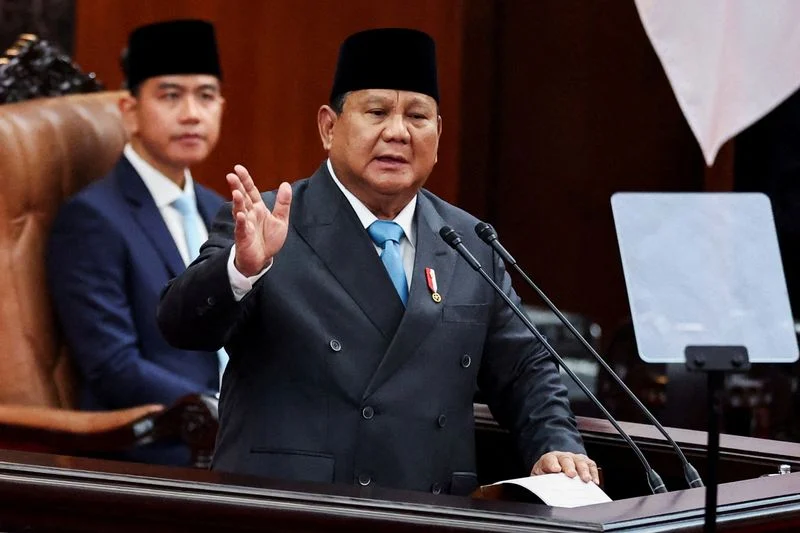

Analysis-Indonesia swallows ’bitter pill’ to stem market rout as policy tide turns

Despite the issue opening for subscription, the stock is currently commanding zero grey market premium (GMP), indicating a muted listing expectation in the unofficial market. At the current GMP, the shares are expected to list around the issue price of Rs 66, although grey market trends can change significantly before listing.
The IPO consists entirely of a fresh issue of 52.34 lakh shares, with no offer-for-sale component. Following the issue, the company’s shareholding will increase from 1.43 crore shares to 1.95 crore shares.
The company plans to utilise the proceeds primarily for expansion and debt reduction. About Rs 11 crore will be used towards repayment or prepayment of borrowings, Rs 9.6 crore will fund machinery purchases for a new manufacturing facility in Khurda, Odisha, while Rs 5.3 crore has been earmarked for working capital requirements.
Incorporated in 2015, Utkal Speciality Industries manufactures paper-based products and packaging materials catering to a diverse customer base that includes manufacturers and retailers. The company offers paper-based alternatives for packaging and consumer applications amid growing demand for sustainable products.

The company operates an integrated manufacturing facility and cites its strategic location on the Kolkata-Chennai highway, diversified product portfolio and lower freight costs due to proximity to southern suppliers as key competitive advantages.
Financially, the company has reported steady growth in profitability. For FY25, revenue stood at Rs 50.3 crore, while net profit rose to Rs 6.68 crore from Rs 3.24 crore a year earlier. EBITDA increased to Rs 9.22 crore from Rs 6.19 crore during the same period.For the nine months ended December 2025, the company reported revenue of Rs 40.9 crore and profit after tax of Rs 5.48 crore.
The IPO allocation structure is tilted towards retail investors, who have been allocated 59.4% of the net issue. Non-institutional investors have been allotted 39.6%, while qualified institutional buyers have been reserved only 1% of the issue.
Affinity Global Capital Market is the book-running lead manager to the issue, while Cameo Corporate Services is acting as registrar. Giriraj Stock Broking is the market maker.
The allotment is expected to be finalised on June 15, with shares likely to be credited on June 16. The stock is scheduled to make its market debut on June 17.
With the GMP currently at zero, investors will closely watch subscription levels over the next three days to gauge whether demand improves ahead of listing.
(Disclaimer: Recommendations, suggestions, views and opinions given by the experts are their own. These do not represent the views of Economic Times)

Australia’s stock market has snapped a three-session losing streak, as interest rate-sensitive stocks rallied on hopes the Reserve Bank is finished hiking rates.


Global AI debt issuance to top $500 billion in 2026, Morgan Stanley says

CUPERTINO, Calif. — Apple on Monday officially announced iOS 27, the next major software update for iPhones, promising significant performance improvements, visual refinements and new capabilities across core apps as the company continues to enhance its mobile operating system. The update builds on previous versions with faster app launches, improved search functionality and expanded cross-platform features.
iOS 27 introduces Liquid Glass, an enhanced design element gaining a transparency slider as part of broader interface advancements. Icons receive sharper definitions with additional layers of refraction for a more polished appearance. According to Apple, apps launch up to 30% faster, while AirDrop transfers see an 80% speed improvement.
The update maintains broad device compatibility, supporting all iPhones capable of running iOS 26, including models from the iPhone 11 and second-generation iPhone SE onward. Older devices are expected to feel more responsive thanks to an optimized CPU scheduler.
Performance and Search Enhancements
A rebuilt search index powers improvements to Spotlight and system-wide search, with iOS 27 indexing device context upon installation for more relevant results. The Mail app gains a new ranking system to better surface important messages. These changes aim to make everyday interactions smoother and more intuitive for millions of users worldwide.
Apple highlighted faster overall system performance, with particular attention to responsiveness on older hardware. The focus on efficiency addresses long-standing user feedback regarding device longevity and software optimization across its aging lineup.
App-Specific Updates and Hardware Integration
Several built-in applications receive notable upgrades in iOS 27. The Photos app now supports sharing iCloud Shared Albums with Android and Windows users, broadening collaboration options. Health gains advanced cycle tracking capabilities, while AirPods users will benefit from new custom EQ settings for personalized audio experiences.
Apple Maps features an upgraded Flyover mode with richer aerial imagery, enhancing virtual exploration. Additional refinements include better battery insights, improved widget options and expanded language support across keyboards and interfaces.
The update emphasizes trust and safety, with enhancements to Apple Child Accounts and parental controls. A wide array of smaller improvements spans Shortcuts, Freeform, Messages and other tools, including faster PDF handling, new drawing capabilities and multilingual grammar checking.
Compatibility and Rollout Plans
Apple confirmed that iOS 27 will be available as a free software update later this year for supported devices. The broad compatibility ensures that even users with older iPhones can access the latest features and security patches, extending the useful life of hardware and reducing electronic waste.
Developers and early testers have already begun exploring the beta versions, with public previews expected in the coming weeks. The update aligns with Apple’s annual cadence of major iOS releases, typically previewed in June and finalized in September alongside new iPhone models.
User and Industry Implications
The performance-focused approach in iOS 27 reflects Apple’s ongoing commitment to software excellence even as hardware innovation continues. Faster app launches and AirDrop transfers address practical pain points for users who rely on their iPhones for daily productivity and connectivity.
Industry analysts view the refinements as evolutionary rather than revolutionary, building steadily on the foundation of previous updates. The inclusion of features like perimenopause and menopause support in the Health app demonstrates Apple’s attention to diverse user needs across life stages.
Cross-platform sharing improvements, such as Shared Albums with non-Apple users, may help bridge ecosystems in mixed households and workplaces. Enhanced parental controls respond to growing concerns about digital safety for children and teenagers.
Broader Context in Apple’s Ecosystem
iOS 27 arrives alongside updates to other operating systems in the Apple family, creating a cohesive experience across iPhone, iPad, Mac, Watch and other devices. Features like improved Continuity, Handoff and iCloud integration benefit users with multiple Apple products.
The emphasis on efficiency and battery life addresses increasing demands on mobile devices in an always-connected world. Optimizations for Low Power Mode, wireless connectivity and background processes help extend usage between charges.
Privacy and security remain central, with incremental improvements building on Apple’s longstanding reputation in these areas. The update includes refinements to emergency alerts, data protection and access controls.
What Users Can Expect
Early indications suggest iOS 27 will feel snappier and more visually refined for most users. The Liquid Glass customization options give individuals greater control over their device’s appearance, while under-the-hood changes deliver tangible speed benefits.
Travelers and international users will appreciate expanded language support, new keyboards and region-specific features. Families benefit from enhanced sharing and parental tools, while health-conscious individuals gain more sophisticated tracking options.
The update continues Apple’s tradition of delivering free annual improvements that keep older devices relevant. This strategy has helped maintain strong customer loyalty and contributed to the longevity of iPhone hardware.
Looking Ahead
As beta testing progresses, Apple is expected to reveal additional details and fine-tune features based on feedback. The final release will likely coincide with the launch of new iPhone models later in 2026, showcasing how software and hardware work together.
For the hundreds of millions of iPhone users globally, iOS 27 represents another step in the evolution of one of the world’s most popular mobile platforms. The combination of performance gains, design polish and practical new tools aims to enhance daily experiences while maintaining the simplicity and reliability that define the iOS ecosystem.
Users are encouraged to back up their devices before installing major updates and to explore new features gradually. Apple support resources and community forums will provide guidance as the rollout begins.
The announcement underscores Apple’s continued investment in software as a key differentiator in a competitive technology landscape. With iOS 27, the company delivers meaningful improvements that benefit users across its diverse device lineup and global audience.
As details continue to emerge, iOS 27 appears poised to deliver a refined, faster and more capable experience for iPhone owners, reinforcing the platform’s position at the forefront of mobile innovation.

NEW YORK — Kyrie Irving, the veteran Dallas Mavericks guard and nine-time All-Star, is generating significant trade interest as the NBA offseason intensifies, with four teams emerging as realistic suitors according to multiple reports. The 34-year-old, recovering from a season-ending ACL tear, could be on the move as the Mavericks continue reshaping their roster following major front-office and coaching changes.
Veteran NBA reporter Brandon “Scoop B” Robinson identified the Detroit Pistons, Minnesota Timberwolves, Houston Rockets and Los Angeles Lakers as teams showing credible interest in acquiring Irving. His current contract includes $39.5 million for the upcoming season and a $42.4 million player option for 2027-28, making any deal complex but feasible under the league’s salary cap rules.
Irving missed the entire 2025-26 season while rehabilitating the knee injury, marking an extended absence from competitive play. Despite the lengthy layoff, recent updates from the guard himself have been encouraging, signaling readiness to return at a high level. The Mavericks, meanwhile, have undergone substantial upheaval, including the firing of general manager Nico Harrison, a major trade sending Anthony Davis elsewhere, and the departure of head coach Jason Kidd.
Potential Destinations and Fit
The Los Angeles Lakers represent a high-profile landing spot, pairing Irving with Luka Doncic in what would be a star-studded backcourt. However, the team would need to navigate existing point guard depth while addressing roster construction around their core. The move could provide immediate offensive firepower but carries injury and chemistry questions.
Detroit Pistons, led by young star Cade Cunningham, could view Irving as a mentor and scoring complement. The Pistons have been building aggressively around their young core, and adding a proven playoff performer like Irving might accelerate their contention timeline in the Eastern Conference.
Houston Rockets, featuring a returning Fred VanVleet, would similarly face backcourt crowding but possess the young talent and assets to make a deal work. The Rockets’ upward trajectory under their current management makes them an intriguing destination for a veteran seeking a fresh start on a rising team.
Many analysts point to the Minnesota Timberwolves as perhaps the most logical fit. The Timberwolves have been linked to Irving, with reports suggesting endorsement from a key figure within the organization. Their need at the point guard position aligns well with Irving’s skill set, potentially creating a dynamic offensive duo alongside Anthony Edwards while bolstering playoff experience.
Mavericks’ Rebuild Context
Dallas finds itself at a crossroads after several high-profile moves. The departures of key personnel and players signal a strategic reset, with Irving now viewed by some as the final piece of the previous regime. Trading the veteran guard could free up salary flexibility and draft assets as the Mavericks look toward the future while remaining competitive in a tough Western Conference.
Irving’s injury history and age introduce risk for any acquiring team. The guard has dealt with various health and availability issues in recent years, though his talent when healthy remains elite. His ability to create off the dribble, finish at the rim and knock down threes at a high clip continues to make him a sought-after talent despite the concerns.
Injury Recovery and Outlook
Irving’s recent positive updates regarding his rehabilitation have helped ease some doubts. The lengthy recovery period from an ACL tear typically spans 9-12 months for athletes at his level, and reports indicate he is progressing well. Teams will conduct thorough medical evaluations before finalizing any deal, focusing on long-term durability.
A move could provide Irving with a new environment and fresh motivation as he enters the later stages of his career. Known for his elite ball-handling and clutch performances, he has a proven track record in high-stakes situations, including deep playoff runs with previous teams.
Broader NBA Trade Landscape
The rumors emerge amid a busy offseason across the league. Teams are evaluating rosters following the conclusion of the 2025-26 season, with salary cap space, draft picks and young talent serving as key currency in negotiations. Irving’s availability adds another high-profile name to the market, potentially triggering a domino effect of additional deals.
The Mavericks’ situation reflects broader trends of roster turnover as franchises seek contention windows or rebuilds. For suitors, acquiring Irving represents a calculated gamble: high upside in the short term balanced against injury and contract considerations. Negotiations are expected to intensify as the draft and free agency periods approach.
What It Means for Contenders
Landing Irving could immediately elevate a team’s playoff prospects. His experience as a former champion and clutch performer offers intangible benefits, particularly for younger squads like the Pistons, Rockets or Timberwolves. For the Lakers, it would represent another attempt to build a championship-caliber supporting cast.
Defensive fit and chemistry with existing stars will be critical factors. Irving’s ball-dominant style requires complementary pieces capable of spacing the floor and defending at a high level. Teams will also weigh his leadership qualities and past off-court narratives when assessing long-term value.
Financial and Contractual Details
Irving’s contract structure provides flexibility but also commitment. The player option for 2027-28 gives him control over his future, a factor that could influence trade discussions. Acquiring teams must factor in luxury tax implications and roster balancing under the collective bargaining agreement.
Dallas holds the right to engage in sign-and-trade scenarios or outright deals, depending on return packages. Potential compensation could include young players, future picks and salary-matching contracts, typical in exchanges involving star veterans.
Fan and League Reactions
News of Irving’s availability has sparked widespread discussion among NBA fans and analysts. Social media platforms buzz with speculation about potential destinations and on-court fit. League insiders expect more clarity in the coming weeks as teams finalize summer plans.
Irving’s career has been marked by brilliance interspersed with challenges, from individual accolades to team success. A fresh start could rejuvenate his performance as he aims for another deep postseason run. For the Mavericks, moving on might allow focus on younger talent and long-term sustainability.
As the NBA offseason heats up, Irving’s situation remains one of the most closely watched storylines. Whether he stays in Dallas or finds a new home among the reported suitors, his next chapter will significantly impact multiple franchises and the broader league landscape.
The coming days and weeks are expected to bring further developments as teams assess their options and Irving’s camp evaluates the best path forward. For now, the four-team interest underscores the enduring appeal of one of the league’s most dynamic and polarizing talents.

The Cloud Has Come Back Down To Earth

Meanwhile, the stock opened at Rs 268 on NSE, surging 40% from IPO price.
Robust IPO subscription
The IPO was subscribed 127.07 times overall, making it one of the most sought-after public issues of the year. Institutional investors drove the demand, with the qualified institutional buyer (QIB) portion subscribed 270.46 times. The non-institutional investor (NII) segment was booked 172.35 times, while the retail investor category attracted bids worth 27.08 times the shares reserved for it.
More than 33.7 lakh applications were received across categories, highlighting strong participation from both institutional and retail investors.
Ahead of the IPO opening, the company had raised Rs 188.44 crore from anchor investors through the allocation of 98.14 lakh shares.
About the company
CMR Green Technologies, incorporated in 2006, is one of India’s leading non-ferrous metal recyclers and operates in the secondary aluminium market. The company manufactures recycled aluminium alloys, zinc alloy ingots, aluminium billets and other recycled metal products that are used across automotive and industrial applications.
Its customer base includes several leading automobile manufacturers and component makers such as Honda Cars India, Bajaj Auto, Hero MotoCorp, Royal Enfield, Endurance Technologies, Maruti Suzuki and Jindal Stainless.
The company is positioned to benefit from increasing demand for recycled metals as manufacturers globally focus on reducing carbon emissions and improving sustainability across supply chains. Aluminium recycling consumes significantly less energy than primary aluminium production, making recyclers increasingly important in the transition towards greener manufacturing.
Financially, the company has shown steady growth. For the nine months ended December 2025, CMR Green Technologies reported revenue of Rs 6,291 crore and profit after tax of Rs 162.39 crore. For FY25, it reported revenue of Rs 6,696.66 crore and net profit of Rs 155.04 crore.
(Disclaimer: Recommendations, suggestions, views and opinions given by the experts are their own. These do not represent the views of Economic Times)

Pattern Group: Defensible MOAT

Why is Geely Automobile stock rallying today?

Love Island USA’s Sincere Accuses Mel of Disrespecting Him

Man and boy rushed to hospital after suspected poisoning with ‘unknown substance’

Analysis-Indonesia swallows ’bitter pill’ to stem market rout as policy tide turns



-

 Fashion5 days ago
Weekend Open Thread: Evereve – Corporette.com
-
 Crypto World5 days ago
Jensen Huang Approves Samsung, SK Hynix, and Micron for NVIDIA (NVDA) HBM4 Memory Supply
-
 Entertainment3 days ago
The Best Mystery Series of All Time Is Surging on Streaming 30 Years After It Ended
-

 Crypto World2 days ago
Anatomy of the June crypto crash: Fed, Iran, Saylor
-

 NewsBeat2 days ago
Alexander Zverev wins the French Open to finally earn a 1st Grand Slam title
-

 Tech4 days ago
Suspicious Polyfill login prompts pop up on Toshiba, Muji websites
-
 Crypto World4 days ago
Senator Cynthia Lummis Calls CLARITY Act the Most Consequential Financial Legislation of This Generation
-

 Tech3 days ago
Microsoft unveils seven homegrown AI models in new bid for ‘long term self-sufficiency’
-

 Tech5 days ago
Microsoft launches MXC, an OS-level sandbox for AI agents, with OpenAI and Nvidia already on board
-

 Business5 days ago
(VIDEO) Justin Bieber Delivers Surprise Happy Birthday Serenade to Diners at Los Angeles Mexican Restaurant
-
 Business3 days ago
The Pain Points Taking a Fragile Tech Rally Down a Notch
-
Crypto World5 days ago
LBank Surpasses 25 Million Users Worldwide as AFA Partnership Continues to Drive Global Growth
-

 Crypto World3 days ago
Trump’s AI Ownership Plan Could Benefit Anthropic at OpenAI’s Expense
-

 Tech5 days ago
Meta steals a tactic from Tesla and builds data centers in tents
-

 Tech4 days ago
Von der Leyen’s AI envoy pick draws conflict-of-interest fire
-
 Sports17 hours ago
Bangladesh beat Australia after 20 years in ODIs, register only their second win over six-time world champions | Cricket News
-

 Business2 days ago
High Stakes for Wembanyama as New York Pushes for 3-0 Lead
-
 Crypto World2 days ago
Eli Lilly (LLY) Stock Surges 4% Following Breakthrough Sleep Apnea Trial Results
-

 Tech4 days ago
Hackers now exploit SolarWinds Serv-U flaw to crash servers
-

 Tech2 days ago
Notion restores access to Anthropic after service disruption
You must be logged in to post a comment Login