

Business
Southeast Asia Loses $13 Billion to Illicit Tobacco Trade as Shadow Market Surges


A landmark study by the EU ASEAN Business Council and Euromonitor International warns that illegal cigarettes and e-vapes now threaten government revenues, public health, and regional investment across six major economies.
Key takeaways
- Southeast Asia’s ASEAN-6 economies lost a combined $13.07 billion in tax revenue over two years to illicit tobacco trade, with the Philippines alone forfeiting $2.46 billion as illicit cigarettes hit 25.3% of the market and illegal e-vapes captured a staggering 85.6% share.
- The crisis is driven by an “affordability trap”, annual excise tax hikes (5% in the Philippines) widen the price gap between legal and illegal products, pushing price-sensitive consumers toward smugglers who operate tax-free and can easily undercut legitimate sellers.
- Neither taxation nor outright bans alone will solve the problem; the report calls for a multi-pronged regional strategy combining smarter excise design, ASEAN-wide customs coordination, digital track-and-trace systems, and stronger enforcement by agencies like the Bureau of Internal Revenue and Bureau of Customs.
Governments across Southeast Asia forfeited a combined $13.07 billion in tax revenues over the past two years as the illicit tobacco trade continued its relentless expansion through the region, according to a major new study released Monday by the EU ASEAN Business Council (EU ABC) and Euromonitor International.
The 43-page report, covering the Philippines, Indonesia, Malaysia, Singapore, Thailand, and Vietnam, collectively known as the ASEAN 6, paints a stark picture of a shadow market growing faster than governments can contain it. Illegal cigarettes, counterfeit products, contraband, so-called “illicit whites,” and unregulated e-vapor devices are displacing legitimate sales, eroding fiscal bases, and fuelling criminal networks across one of the world’s most economically dynamic regions.
“The continued rise in illicit tobacco trade in ASEAN and the broader Asia Pacific region signals displacement of the legitimate market, while amplifying challenges for regulation, enforcement, and diminishing fiscal contribution,” the EU ABC said in the report.
A Region Under Strain
The scale of the problem differs sharply across the bloc, but no country in the study is spared. Indonesia and Malaysia top the list of national revenue losses, with the Philippines ranking third, having shed an estimated $2.46 billion in potential tax receipts between 2024 and 2025. Of that, roughly $2.06 billion was attributable to illicit cigarettes and $400 million to illegal e-vapor products.
The Philippines presents perhaps the most acute case study in the report. Illicit cigarettes accounted for 25.3% of total cigarette sales in the country in 2025, up from 23.8% in 2024, significantly above the ASEAN 6 average of 16.1%. The report projects that figure could climb further to 28.9% by 2028 if current trends continue.
Even more alarming is the situation in the e-vape sector. An estimated 85.6% of e-vapor products sold in the Philippines last year were illicit, the highest incidence among ASEAN markets where e-vapes are legal. Illegal operators across the country are estimated to have reaped approximately $2.21 billion in revenues from this trade during the two year period.
The Philippines, Thailand, and Vietnam have been designated “elevated risk” markets by Euromonitor’s analysts, who cited a convergence of price-sensitive consumers, entrenched regional smuggling routes, and persistent enforcement challenges as key factors.
“The archipelagic composition of the Philippines is expected to render border enforcement challenging in the market, making it particularly susceptible to the inflow of illicit cigarettes,” the report noted.
The Affordability Trap
Researchers point to a structural paradox at the heart of the crisis: tax policy designed to discourage smoking is simultaneously making illicit products more commercially attractive.
Firdaus Muhamad, Euromonitor’s head of consulting for the Asia Pacific region, identified what he termed the “affordability trap” as the dominant driver of illicit market growth.
“The common trap in this story that we’re telling is affordability pressures,” he told reporters at a briefing tied to the report’s release. “Annual tax increases and the legal illicit price gap create room for some illicit products to compete.”
In the Philippines, cigarette excise taxes are mandated to increase by 5% annually under existing law. Muhamad noted that illicit operators, freed from tax obligations, can absorb price increases while still undercutting legal alternatives, preserving or even expanding their profit margins over time.
This dynamic, the study suggests, is not unique to the Philippines. Across the ASEAN 6, the widening gap between the cost of legal and illegal tobacco products is steadily shifting price-sensitive consumers toward the shadow market.
The Wider Economic Damage
EU ABC Executive Director Chris Humphrey argued that the consequences extend far beyond lost excise revenue.
“Here in the Philippines, the National Calamity Fund could easily be funded if we could stop the illicit trade in tobacco and collect the proper taxes from it,” he said.
Humphrey stressed that widespread illicit trade also distorts competitive dynamics and deters broader foreign investment. “It diminishes the region’s attractiveness for investments not just in tobacco, but in other sectors as well,” he said.
The report estimates that the ASEAN 6 illicit tobacco market will continue to expand, with the regional illicit trade incidence projected to rise from 23.6% in 2025 to 27.8% by 2028. Researchers warn that the consequences span multiple dimensions: weakening public finances, undermining legitimate businesses, stimulating criminal activity, and exposing consumers to unregulated products with unknown health profiles.
A Call for Regional Action
To arrest the trend, Humphrey called for strengthened cooperation among ASEAN member states, particularly those sharing porous land borders, and for accelerated investment in digital track and trace systems capable of monitoring tobacco flows across borders.
Analysts and civil society observers echoed the call for coordinated enforcement. Filomeno Sta. Ana III, coordinator of the advocacy group Action for Economic Reforms, pointed to execution as the decisive variable.
“The key measure is good enforcement,” he said, noting that the Bureau of Internal Revenue, the Bureau of Customs, and local governments must intensify anti-smuggling operations to make a meaningful dent in illicit supply chains.
The report also addressed the debate over outright bans on e-cigarettes and vapor products, concluding that prohibition alone has not eliminated illicit trade in jurisdictions where such restrictions are in force. Humphrey warned that banning vapes without robust enforcement would likely drive consumers underground rather than eliminating demand.
Outlook
The EU ABC Euromonitor study arrives at a critical juncture for regional policymakers. ASEAN governments face the dual challenge of maintaining tobacco taxation as a public health tool while preventing the tax structure from inadvertently subsidising a criminal shadow economy.
The report’s findings suggest that neither taxation nor enforcement alone will be sufficient. Researchers point toward a multi-pronged strategy, combining smarter excise design, regional customs coordination, stronger digital monitoring infrastructure, and sustained political will, as the most credible path to reclaiming lost ground.
Without such action, the study warns, the illicit tobacco market in Southeast Asia is set to grow deeper, more organised and more costly, both for governments counting on excise revenues, and for the communities that depend on the public services those revenues are meant to fund.
Other People are Reading

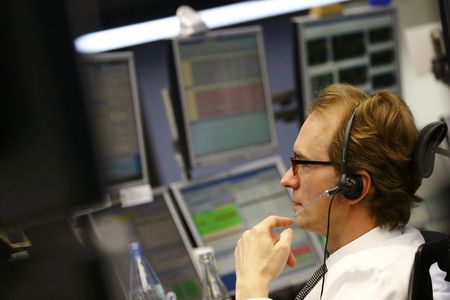
Novo Nordisk stock rises after UK approves Wegovy pill

The North Fremantle apartments are finished after years of battling with rising construction costs, with developer Megara saying attempting the same luxury project now would not be possible.


Marks first collaboration between two companies.

Gerard Daniels’ founders believe the firm’s formula is durable as they step back from control after 40 years in charge.
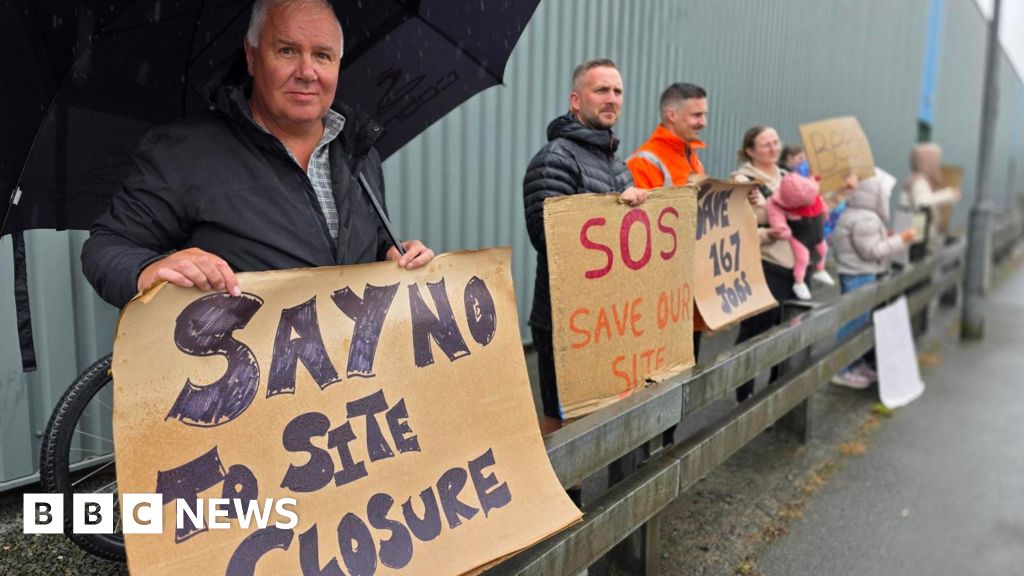
Workers and families held a demonstration with 167 jobs at risk at the site in Launceston.


Darci Vetter explains how shifting trade policy and tariffs are shaping global commerce and what food businesses should monitor.

South Korea’s finance ministry said on Sunday it will step up oversight of offshore currency derivatives. The Philippines has asked banks to ensure non-deliverable forward contracts are limited to economic purposes, while India has tightened limits on banks’ net open position to $100 million.
Indonesia, which unexpectedly raised interest rates on Tuesday, has said its central bank is active in currency markets “around the world, around the clock” to support the rupiah.
The warnings underscore concerns among Asian policymakers that offshore trading is adding to pressure on currencies. The oil-price shock from the US-Iran conflict has worsened the problem, hitting the region’s energy-importing nations. Indonesia’s rupiah breached the closely watched 18,000-per-dollar level, the Korean won has fallen to its lowest since the global financial crisis, while the Indian rupee and Philippine peso have hit record lows.
The efforts to curb offshore forex trading may help ease some pressure, but analysts doubt they can reverse the trend on their own.

“It may have some impact, but ultimately for the measure to be successful there needs to be a shift in the fundamentals as well,” said Michael Wan, senior currency analyst at MUFG Bank Ltd.
 Bloomberg
Non-deliverable forwards are cash-settled derivative contracts that allow investors to hedge or speculate on currencies outside local markets. They make up for about 4% of the global $10 trillion a day FX market, according to Deutsche Bank AG, though they can play an outsized role in Asia where restrictions on convertibility are common.
That means activity driven out of global financial hubs such as Singapore, London and New York can sway local markets.
Authorities across the region have tried to reduce this influence during periods of currency stress.
India allowed local banks to participate in the NDF market in 2020 and has since tried to attract activity onshore to its finance hub at Gujarat International Finance Tec-City, or GIFT City. South Korea has opened its forex market to overseas investors and extended trading hours, while Thailand has allowed non-resident corporates to access onshore baht liquidity and hedge freely.
“The reason the NDF market exists is due to restrictions in the onshore market,” said Khoon Goh, head of Asia research at Australia & New Zealand Banking Group. If those restrictions are eased and there is enough liquidity, the need for NDFs will gradually fade, as seen in the case of the Singapore dollar and Thai baht, he said.
Short-Dollar Book
Yet, the war-induced crisis has left some central banks with little choice but to intervene in those very markets they’ve been warning against. That defense has contributed to the drop in foreign-exchange reserves in the region.
The Reserve Bank of India has been particularly active, selling dollars primarily in shorter maturities, traders say. The central bank’s short dollar book, which includes offshore derivative positions, has likely surged to around $115 billion. Bank Indonesia has also sold dollars overseas to stabilize the currency.
The interventions have helped reduce outsized spillovers from offshore to local markets. In India’s case, the central bank has often been seen intervening just before onshore open to ease pressure on the rupee.
Some investors say currency weakness is the result of economic problems in individual countries rather than offshore trading.
India is facing persistent capital outflows, with global funds pulling a record $30 billion from stocks this year, spurring recent efforts to attract overseas capital. In Indonesia, investors are growing wary of the economic outlook and fiscal trajectory under President Prabowo Subianto.
The Philippines is facing a renewed inflation shock from high oil prices, while South Korea has seen over $78 billion of net foreign investment exit its stock market so far in 2026 despite a rally to record highs earlier this month fueled by retail craze for artificial-intelligence stocks.
The steps central banks have taken, including intervening in offshore markets, are aimed at curbing sharper market moves, said Lavanya Venkateswaran, senior economist at Oversea-Chinese Banking Corp. “We still think that policy rate hikes are on the cards” for India, the Philippines and Indonesia, she said.
Business
Good news for Indian mutual fund investors: SpaceX could join Nasdaq 100 after 15 trading days

According to Jefferies strategist Chris Wood, recent rule changes by Nasdaq could allow SpaceX to enter the Nasdaq-100 index after just 15 trading days, compared with the earlier requirement of a three-month waiting period.
The change could create sharp demand for the stock, as passive funds that track the Nasdaq-100 would be required to buy SpaceX shares once it becomes part of the benchmark.
In his latest GREED & fear note, Wood said Nasdaq has removed minimum free-float requirements for large IPOs and introduced a “fast index inclusion” framework. Under the new rules, mega-cap listings such as SpaceX can enter the Nasdaq-100 shortly after listing.
What makes the situation unusual is that only about 4.2% of SpaceX shares will be freely tradable after the IPO. Despite this, the company will reportedly be treated as having a 12.7% free float for index-weight calculation purposes.
Wood noted that such fast-tracking of a mega IPO into major indices is unprecedented in the US market and could force passive funds to accumulate the stock regardless of valuation concerns.
The development is also relevant for Indian investors.The Nasdaq-100 includes some of the world’s largest technology companies, such as Apple, Microsoft, Nvidia, Amazon, Alphabet and Meta. If SpaceX joins the benchmark, Indian investors holding Nasdaq-100-linked mutual funds could gain indirect exposure to the aerospace and satellite communications giant.
India currently has five mutual fund schemes tracking the Nasdaq-100 Total Return Index, including offerings from Axis Mutual Fund, ICICI Prudential Mutual Fund, Motilal Oswal Mutual Fund and Navi Mutual Fund.
However, fresh investments into several overseas index funds remain restricted after fund houses approached regulatory overseas investment limits.
SpaceX has already generated strong investor interest ahead of its listing. Reports suggest demand has exceeded the number of shares on offer, while the company is expected to rank among the 10 most valuable listed firms in the US from day one.
For investors, the combination of a record IPO and potential early index inclusion means the stock could see a second wave of demand soon after listing, driven not by active investors but by passive funds mandated to replicate benchmark weights.

Benchmark raises Lionsgate Studios stock price target on film slate
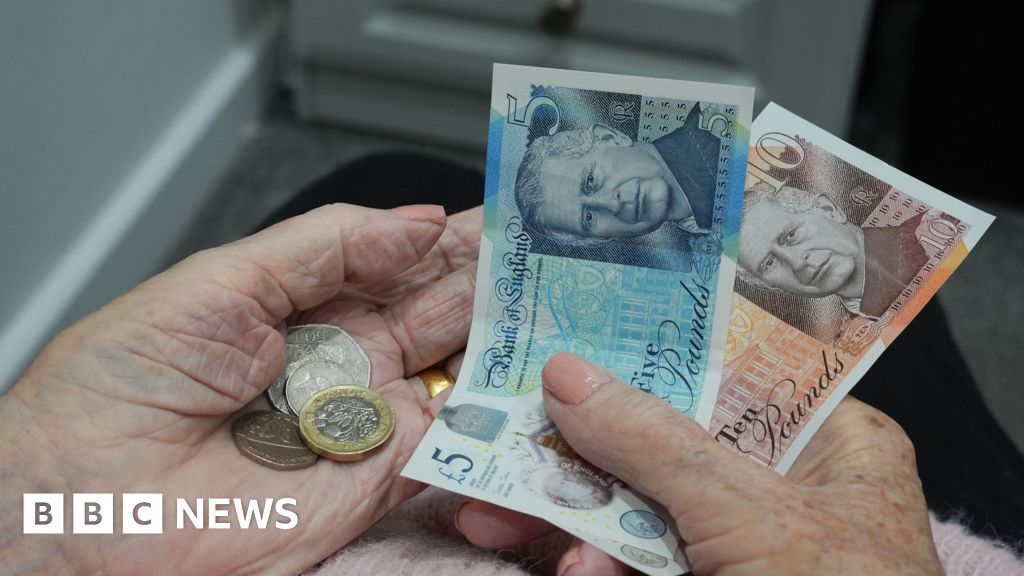
Many of the completed payments have gone to low income families with surging heating oil costs.

PI remains bearish as token unlocks threaten recovery

What DC’s ‘Supergirl’ Tells Us About the New ‘Wonder Woman’ Movie

Porsche Builds Three One-of-a-Kind 911s That Capture Woody, Buzz Lightyear, and Jessie in Celebration of Toy Story 5



-

 Fashion6 days ago
Weekend Open Thread: Evereve – Corporette.com
-
 Crypto World6 days ago
Jensen Huang Approves Samsung, SK Hynix, and Micron for NVIDIA (NVDA) HBM4 Memory Supply
-
 Entertainment5 days ago
The Best Mystery Series of All Time Is Surging on Streaming 30 Years After It Ended
-

 Crypto World3 days ago
Anatomy of the June crypto crash: Fed, Iran, Saylor
-

 NewsBeat4 days ago
Alexander Zverev wins the French Open to finally earn a 1st Grand Slam title
-

 Tech6 days ago
Suspicious Polyfill login prompts pop up on Toshiba, Muji websites
-
 Crypto World5 days ago
Senator Cynthia Lummis Calls CLARITY Act the Most Consequential Financial Legislation of This Generation
-

 Tech4 days ago
Microsoft unveils seven homegrown AI models in new bid for ‘long term self-sufficiency’
-

 Tech6 days ago
Microsoft launches MXC, an OS-level sandbox for AI agents, with OpenAI and Nvidia already on board
-

 Business6 days ago
(VIDEO) Justin Bieber Delivers Surprise Happy Birthday Serenade to Diners at Los Angeles Mexican Restaurant
-
 Business5 days ago
The Pain Points Taking a Fragile Tech Rally Down a Notch
-

 Business3 days ago
High Stakes for Wembanyama as New York Pushes for 3-0 Lead
-
 Crypto World3 days ago
Eli Lilly (LLY) Stock Surges 4% Following Breakthrough Sleep Apnea Trial Results
-

 Tech6 days ago
Von der Leyen’s AI envoy pick draws conflict-of-interest fire
-

 Tech6 days ago
Meta steals a tactic from Tesla and builds data centers in tents
-
Crypto World6 days ago
LBank Surpasses 25 Million Users Worldwide as AFA Partnership Continues to Drive Global Growth
-

 Tech5 days ago
Hackers now exploit SolarWinds Serv-U flaw to crash servers
-
 NewsBeat4 days ago
Alexander Zverev conquers demons and outlasts Flavio Cobolli to win French Open for first major title
-

 Crypto World4 days ago
Trump’s AI Ownership Plan Could Benefit Anthropic at OpenAI’s Expense
-
 Sports2 days ago
Bangladesh beat Australia after 20 years in ODIs, register only their second win over six-time world champions | Cricket News
You must be logged in to post a comment Login