

Business
Protein boom powering dairy powder market dynamics



PayPal agreed to forgo approximately $30 million in transaction fees to end a Justice Department probe into allegations that the financial services company had adopted unlawful preferences for minority-owned businesses.
Justice Department officials had been investigating whether the company violated a federal civil rights law that prohibits creditors from discriminating against applicants based on race. The department’s probe targeted PayPal’s $530 million plan to support Black and minority-owned businesses, which the company created in 2020, shortly after the killing of George Floyd by a police officer prompted a nationwide conversation about racial inequality.
Copyright ©2026 Dow Jones & Company, Inc. All Rights Reserved. 87990cbe856818d5eddac44c7b1cdeb8

Xometry chief sales officer Subir Dutt sells $611,793 in stock
Business
US stocks today: Chip stocks lift Nasdaq, S&P to record closing highs; hot inflation kills rate-cut hopes
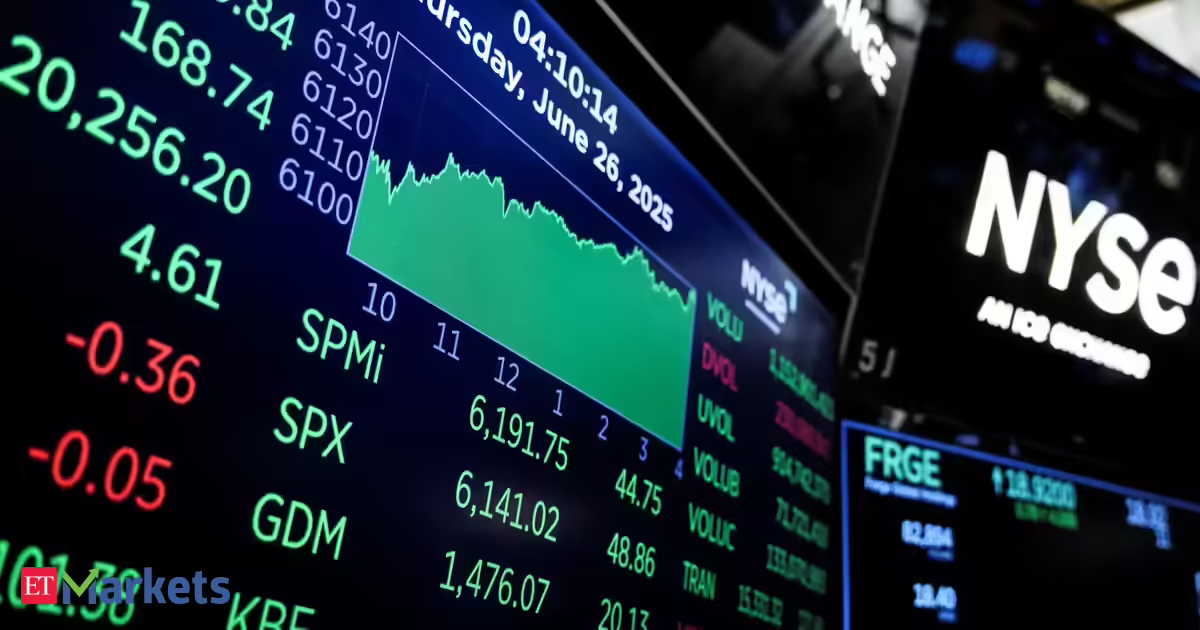
The S&P 500 and the Nasdaq reversed earlier declines to notch fresh record closing highs, as chip stocks rebounded from Tuesday’s decline.
Six of the Magnificent Seven group of AI-related megacaps posted solid gains.
“In the face of continued hot inflation data, technology remains resilient,” said Ryan Detrick, chief market strategist at Carson Group in Omaha, Nebraska. “And after some weakness yesterday, the chip stocks came soaring back today.” A report from the Labor Department showed producer prices jumped by 1.4% last month, the largest monthly increase in four years. While the surge was largely driven by crude supply disruption due to the closure of the Strait of Hormuz, the report showed soaring oil prices are beginning to seep into other segments of the economy, and suggested that rising inflation is becoming pervasive. Recent inflation data is dousing any remaining hopes for a near-term rate cut from the Federal Reserve. In fact, Boston Fed President Susan Collins said on Wednesday that a rate hike could be in the cards if inflation pressures fail to subside. Kevin Warsh, President Donald Trump’s nominee to succeed Fed Chair Jerome Powell, was confirmed by the Senate in a vote along party lines.
“I would just be careful to not overlook the risk of a more prolonged period of inflation and elevated interest rates,” said Jim Baird, chief investment officer at Plante Moran Financial Advisors in Southfield, Michigan. He added that the PPI report “reinforces the inflation risk narrative and at least makes the case for a longer pause at the Fed.”

TRUMP, MUSK, HUANG AND XI Trump arrived in Beijing, along with an entourage that included Nvidia Chief Executive Officer Jensen Huang and Elon Musk, ahead of a two-day summit with his Chinese counterpart Xi Jinping. Topics on the agenda include urging Xi to “open up” to U.S. businesses and maintaining a fragile trade truce. Trump will also seek to bolster his approval rating, which has been battered by the Iran war and resulting surge in energy prices.
Nvidia and Tesla shares advanced on the day. The meeting occurs amid China’s warnings regarding U.S. arms sales to Taiwan and criticism over proposed legislation that would make it harder for Chinese chipmakers to produce AI semiconductors.”President Trump took almost a small army with him to meet with the Chinese leaders and President Xi,” Detrick said. “With all the negative news about Iran, he wants to walk away from this meeting in China with potentially some significant deals.”
According to preliminary data, the S&P 500 gained 43.18 points, or 0.58%, to end at 7,444.14 points, while the Nasdaq Composite gained 316.54 points, or 1.21%, to 26,404.74. The Dow Jones Industrial Average fell 66.93 points, or 0.13%, to 49,693.63.
Morgan Stanley raised its annual target for the S&P 500 index to 8,000 from 7,800, saying U.S. stocks have enough room to rally as companies continue to post strong earnings. Nebius Group jumped after the AI cloud firm reported a nearly eightfold rise in quarterly revenue.
EchoStar climbed the day after the Federal Communications Commission’s approval of the $40 billion sale of wireless spectrum to SpaceX and AT&T.
Cryptocurrency firms Coinbase and Strategy were dragged down by weakness in bitcoin and ethereum .

Stocks stumbled Tuesday, with tech stocks taking a relatively bigger hit, after the latest inflation report came in hotter than expected.
The Dow was flat, while the S&P 500 was down 0.4%. The tech-heavy Nasdaq was down 0.8%.
For years, inflation has stubbornly remained above the Fed’s 2% target, and the latest report showed prices remain nearly two percentage point above the target.
Interparfums appoints Grant Thornton as new auditor, dismisses Forvis Mazars

Operator
Hello, and welcome to the pre-recorded discussion of Nomad Foods First Quarter 2026 Earnings Results. We have posted the accompanying press release and investor presentation on Nomad Foods website at noomadfoods.com. I’m Jason English, Head of Investor Relations and Corporate Strategy, and I’m joined by Dominic Brisby, our CEO; and Ruben Baldew, our CFO.
In addition to these remarks, we’ll host an analyst Q&A session today at 8:30 a.m. Eastern. A replay of this webcast and our subsequent Q&A session will be available on the Investor Relations section of our website. These prepared remarks will include forward-looking statements that are based on our view of the company’s prospects, expectations and intentions at this time. Actual results may differ due to risks and uncertainties which are discussed in our press release, our filings with the SEC, and in our investor presentation which includes cautionary language.
We’ll also discuss non-IFRS financial measures during the call today. These non-IFRS financial measures should not be considered a replacement for and should be read together with IFRS results. Users can find the IFRS to non-IFRS reconciliations within our earnings release and in the appendices at the end of the slide presentation available on our website.
Please note that certain financial information within this presentation represents adjusted figures. All adjusted figures have been adjusted primarily for, when applicable, share-based payment expenses and related employer payroll taxes, exceptional items, foreign currency translation charges or gains and hedge ineffectiveness. Unless otherwise noted, comments from here will refer to those adjusted numbers.
With that, I’ll hand it over to Dominic.
Dominic Brisby
CEO & Director
Thank you, Jason, and hello, everyone. I’m happy
Business
Kendrick Perkins Boldly Declares LeBron James, Steph Curry and Kevin Durant Done Winning NBA Titles
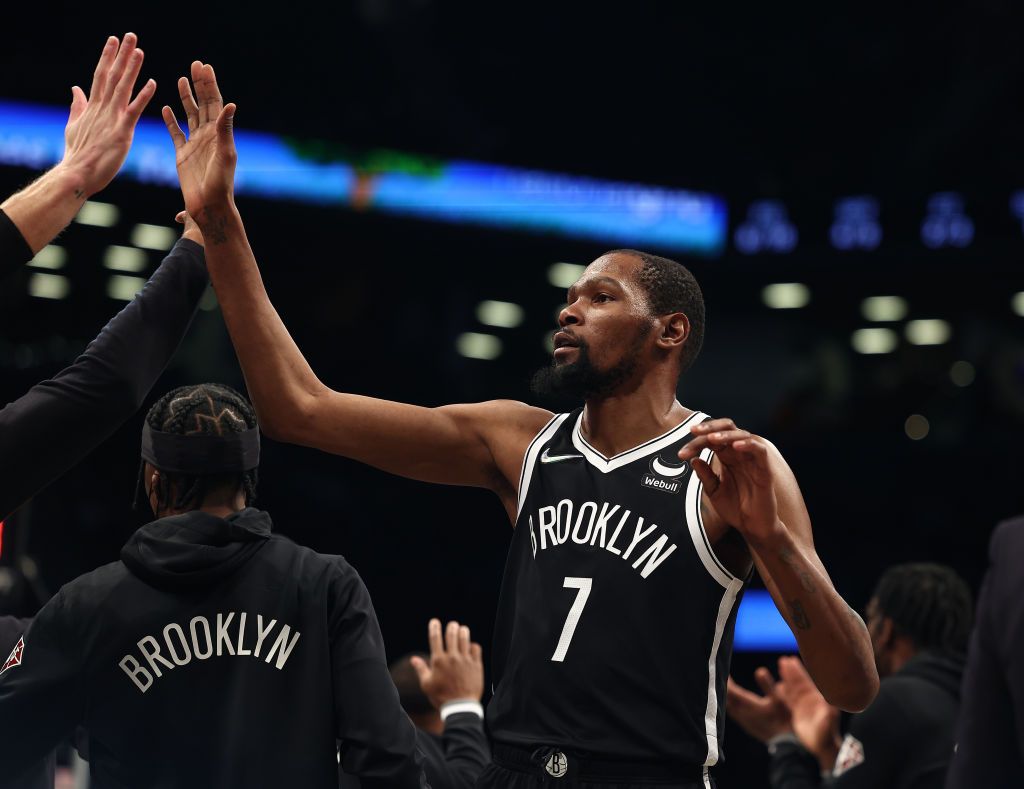
NEW YORK — ESPN analyst Kendrick Perkins delivered a provocative take Tuesday on “Get Up,” declaring that LeBron James, Stephen Curry and Kevin Durant have no realistic path to another NBA championship for the rest of their careers, labeling the three future Hall of Famers as “dead birds” in the title conversation.
“Let’s have a moment of silence for the ones that passed away, the dead,” Perkins said on the May 12, 2026, episode. “LeBron, Steph, and KD, they’re dead birds, tall grass when it comes to them ever stepping foot on the big stage again as far as winning a NBA championship. Those days are over. Neither one of those guys for the rest of their NBA careers will win another championship.”
The comments immediately ignited debate across sports media and social platforms, spotlighting the twilight years of three transcendent stars who have combined for 11 championships and reshaped the NBA over nearly two decades. At ages 41 (James), 38 (Curry) and 37 (Durant), all three remain active but face mounting questions about their ability to lead contenders deep into the postseason.
James, the NBA’s all-time leading scorer, is weighing his future with the Los Angeles Lakers after another early playoff exit. Speculation swirls about whether he will return for a 24th season or retire as the league’s most accomplished player. Perkins’ remarks come as James navigates father-son dynamics with Bronny and contemplates legacy preservation.
Curry, the greatest shooter ever, led the Golden State Warriors to another competitive season but fell short of championship contention. The Warriors’ window appears narrower despite Curry’s enduring brilliance and leadership. His four titles, all with Golden State, cemented his dynasty status, yet Perkins suggests that chapter has closed.
Durant, now with the Houston Rockets after stints in Brooklyn and Phoenix, continues posting elite scoring numbers but has not advanced past early playoff rounds since leaving the Warriors. Perkins has previously questioned Durant’s post-Golden State legacy, amplifying scrutiny around his championship hopes.
Perkins, a former Boston Celtics champion and vocal ESPN personality, built his media career on blunt, headline-grabbing opinions. His latest take aligns with a pattern of challenging aging superstars’ futures while praising the league’s younger generation. Critics quickly accused him of seeking attention, while supporters argued the assessment reflects current roster realities and injury risks.
The NBA landscape has shifted dramatically. Younger stars like Nikola Jokic, Luka Doncic, Giannis Antetokounmpo, Jayson Tatum and Anthony Edwards now anchor true contenders. Teams prioritize athleticism, two-way versatility and depth over individual brilliance in the twilight of long careers. Play-in chaos and parity further complicate paths for veteran-led squads.
James’ Lakers, despite flashes of brilliance, struggle with consistency and supporting cast questions. Curry’s Warriors rely heavily on his gravity but lack the firepower of their 2010s peak. Durant’s Rockets show promise but remain a work in progress amid roster transitions. None currently project as clear favorites in upcoming playoffs.
Yet history cautions against writing off legends prematurely. James dragged undermanned teams to Finals appearances late in his 30s. Curry reinvented offenses at an advanced age. Durant’s scoring touch remains unmatched. All three have defied Father Time before, fueling pushback against Perkins’ finality.
Social media erupted with memes, polls and counterarguments. #DeadBirds trended alongside defenses of each player’s remaining prime. Former players and analysts weighed in, with some agreeing the window has narrowed while others highlighted motivation and potential roster moves. James’ camp has not responded directly, maintaining focus on family and business ventures.
Perkins’ history with these stars adds context. A Celtics rival during Boston’s 2008 title run, he later developed relationships through media and player circles. His commentary often blends respect with tough love, though detractors label it overly pessimistic or performative. Earlier this season, he stirred debate by suggesting a 41-year-old James beating Durant’s Rockets would solidify GOAT status over Michael Jordan.
League insiders note shifting dynamics. Free agency and draft capital favor youth movement. Luxury tax concerns and load management limit veteran minutes. Medical advancements extend careers, but playoff intensity exposes decline. Only exceptional supporting casts can elevate aging cores to contention.
For James, retirement speculation intensified after recent postseason disappointment. A potential 2026-27 return could pair him with younger talent, but championship odds remain long. Curry signed extensions signaling commitment to Golden State’s rebuild-around-veterans approach. Durant’s future appears fluid amid Houston’s youth movement.
Perkins’ declaration underscores broader NBA storytelling. The league thrives on narratives of rise, peak and decline. Legends transitioning from contenders to mentors or role players marks natural evolution. Fans cherish final chapters even without fairy-tale endings.
Defenders of the trio point to intangibles. Leadership, basketball IQ and experience compensate for lost explosiveness. Strategic rest, specialized training and rule changes favoring offense could extend windows. Roster construction around complementary pieces remains possible in a star-driven league.
Critics counter with data. Advanced metrics show declining efficiency in key areas for all three. Playoff win probabilities drop sharply for teams led by players over 35 without elite support. Recent seasons reinforce the trend toward younger dynasties.
The comments arrive amid 2026 playoffs, heightening stakes. As contenders battle without these icons dominating headlines, Perkins’ words reflect a perceived passing of the torch. Yet NBA history is littered with premature eulogies. Michael Jordan, Kobe Bryant and others delivered late-career magic.
Perkins framed his take as realism rather than disrespect. “Those days are over,” he repeated, urging acceptance of new realities. Whether prophetic or premature, the statement guarantees continued debate as each star navigates his final seasons.
James, Curry and Durant have already secured legacies few athletes match. Multiple MVPs, scoring titles, Olympic gold and cultural impact transcend additional rings. Their influence on today’s game — from spacing to player empowerment — endures regardless of future hardware.
As the NBA evolves, Perkins’ bold call serves as a flashpoint. It forces reflection on greatness, mortality in sports and the difficulty of sustaining excellence. Fans will watch closely to see if any of the three can prove the analyst wrong one final time.
For now, the moment of silence Perkins requested echoes loudly. The stars he declared finished retain agency to author different endings. In a league built on drama, their responses — on or off the court — will write the next chapter.

Fuse founder and CEO JC Btaiche discusses President Donald Trumps Golden Dome missile defense initiative and its impact on U.S. security on Mornings with Maria.
The Trump administration’s plan for a “Golden Dome” national missile defense system could cost more than $1 trillion to develop and operate over the next two decades, according to an estimate by the nonpartisan Congressional Budget Office (CBO).
The CBO on Tuesday published a report which estimated that developing, deploying and operating a Golden Dome missile defense in line with what President Donald Trump outlined in his executive order would cost about $1.2 trillion over 20 years.
Per the order, the Golden Dome would be designed to defend against ballistic, hypersonic and cruise missiles, as well as other aerial threats. It would cover the entire U.S., including Alaska and Hawaii, with the capacity to engage a regional adversary or a small-scale attack by a peer, though it could be overwhelmed by a full-scale attack by a peer or near-peer adversary, CBO said.
In the report, the CBO considered a national missile defense system with four layers of interceptors, including a space-based layer, two wide-area surface layers – including an upper layer and a lower layer, and a surface-based regional sector layer.
HOW MUCH WILL TRUMP’S ‘GOLDEN DOME’ MISSILE DEFENSE SYSTEM COST?
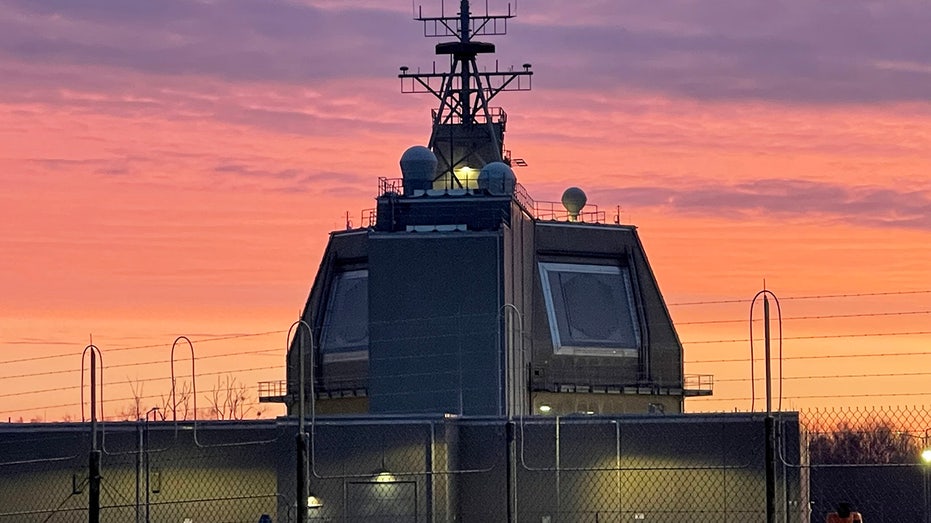
The Golden Dome would build off capabilities like the Aegis Ashore Missile Defense System. (Ashley Whitney/DVIDS)
It would also include additional sensors, communication systems, and battle management systems to coordinate the collective action between the system’s layers.
The most expensive portion of the Golden Dome system would be the space-based interceptor layer, which the CBO said would account for about 70% of acquisition costs and 60% of total costs.
Acquisition costs for the Golden Dome system as a whole would total a little over $1 trillion over the 20-year period, while average operation and support costs would average more than $8 billion per year.
US NATIONAL DEBT SURPASSES SIZE OF THE ECONOMY FOR FIRST TIME SINCE WORLD WAR II

The THAAD missile defense system is a mobile system deployed around the world that has some of the capabilities sought in the Golden Dome system. (Lockheed Martin)
The CBO’s estimate notes that there are substantial uncertainties about how quickly components of a national missile defense system could be deployed.
CBO’s operation and support costs are based on a 20-year period starting in 2028 for surface-based systems and in 2030 for space-based systems. It noted that operation and support costs are likely to be slightly higher if deployments occur later.
US NATIONAL DEBT BREACHES $39 TRILLION MILESTONE FOR FIRST TIME AMID SPENDING SURGE

CBO said there was substantial uncertainty about the timelines to acquire Golden Dome equipment. (Lockheed Martin)
CBO noted that the director of the Office of Golden Dome for America in recent public statements estimated the cost of the program’s objective architecture would cost $185 billion to deploy over the next decade.
The White House’s 2027 budget request documents call for the Golden Dome for America Fund to receive an average of $15 billion per year for the next five years.
As a result, CBO noted the difference “raises the possibility that either GDA’s objective architecture is more limited than CBO’s notional NMD system or DoD expects funding from other accounts to contribute to GDA (or both).”
GET FOX BUSINESS ON THE GO BY CLICKING HERE
CBO added that because of the “limited information available about the Administration’s planned NMD architecture, a direct comparison of DoD’s and CBO’s NMD systems and their costs is difficult,” as many aspects of the plan could ultimately differ from those of its analysis or the objectives of the executive order.
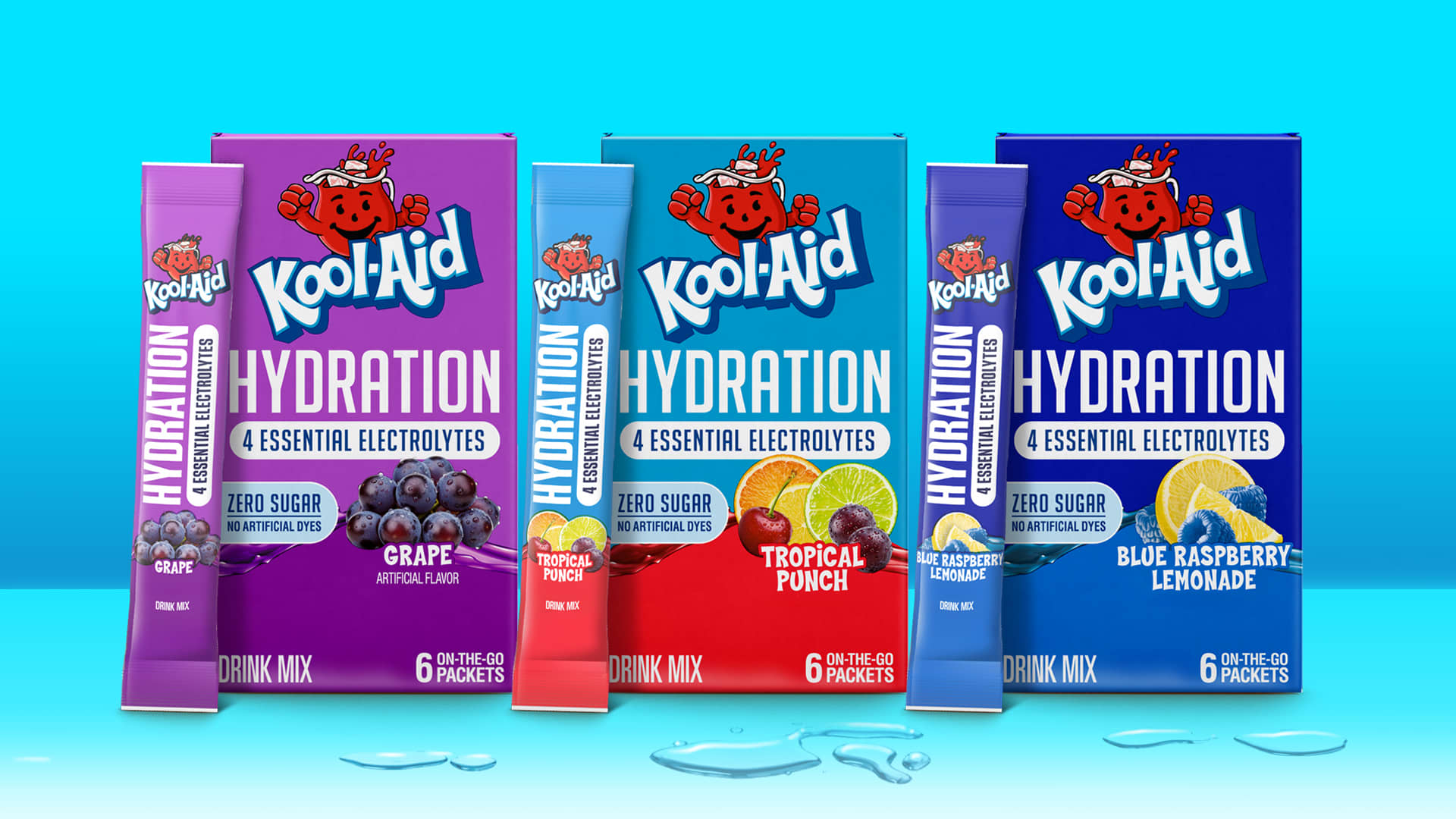
Kool-Aid Hydration is launching with three flavors: grape, tropical punch and blue raspberry lemonade.
Source: Kool-Aid
Kool-Aid is launching electrolyte packets made without artificial dyes, aimed at reaching consumers who want to hydrate, but not for Gatorade or Liquid I.V. prices.
The new product is part of parent company Kraft Heinz’s broader plan to modernize its portfolio and reverse a sales slump that has lasted nearly a decade. Its top brands, including Capri Sun, Oscar Mayer and Kraft Mac & Cheese, have struggled as consumers have sought fresher and more nutritious options to feed and hydrate their families.
One year shy of its 100th birthday, Kool-Aid is — somehow — on the younger end of Kraft Heinz’s portfolio. But its relative youth and iconic mascot have not shielded the brand from many of the same issues dogging the company’s older brands, such as Maxwell House and Philadelphia.
Earlier this year, Kraft Heinz said it was pausing its previously announced plans to split the company in two. CEO Steve Cahillane said that many of the company’s issues were “fixable” and committed to investing $600 million to fuel a turnaround of its U.S. business.
Kool-Aid is part of that plan. Investment in the brand is slated to increase 70% this year compared with 2025, according to Kraft Heinz.
Some of that money went into the development and launch of Kool-Aid Hydration. The line rolls out in retailers later in May with three flavors: fruit punch, grape and blue raspberry lemonade.
“We think it’s the right step to take to contemporize brand and make sure the product offerings remain as relevant as the brand equity and cultural currency,” said Caroline Boulos, president of hydration, desserts and meals at Kraft Heinz.
An electrolyte spark
The U.S. market for powder concentrates has exploded in recent years. The category, which spans all dissolvable powder mixes and tablets from Kool-Aid to Nestle’s Nuun, has more than tripled over the past five years to more than $4.6 billion in sales, according to Euromonitor International data.
Much of that growth comes from the rise of single-serve electrolyte sticks, which were popularized by Liquid I.V., now owned by Unilever. PepsiCo has also introduced single-serve packets and tablets under its Gatorade and Propel brands. And then there’s a number of smaller upstarts such as LMNT and Unwell Hydration from podcaster Alex Cooper.
But Kraft Heinz sees an opportunity for Kool-Aid to make its mark on the electrolyte powder category. Many of the current options available to consumers are “very performance driven” and “very intense,” according to Boulos.
“Consumers find a lot of those offerings to be too salty or bitter, and also, it’s a very premium subset of the category, so it’s not attainable to a larger swath of consumers,” she told CNBC.
Kool-Aid Hydration is launching at an average price point of $4.99 for a pack with six sticks. That price is several dollars below the typical cost of the same pack size of single-serve packets from Gatorade and Liquid I.V.
And in contrast to the electrolyte drinks created with athletes in mind, Kool-Aid Hydration is targeting young adults looking to meet their everyday hydration goals. As a result, the taste is more “approachable,” according to Boulos.
She described the flavor as “very recognizable” as Kool-Aid, although the sodium, potassium, calcium and magnesium are also noticeable.
“You do get a little of that salinity that you do from the presence of electrolytes, but it’s not overpowering or overwhelming,” Boulos said.
A Kool-Aid revamp
Kool-Aid isn’t selling the Hydration line on the electrolytes alone. The brand is also trying to win over shoppers by trumpeting what isn’t in the packets.
Kool-Aid Hydration does not use artificial dyes, as part of Kraft Heinz’s broader pledge to phase out synthetic colors by the end of 2027. Under the influence of Health and Human Services Secretary Robert F. Kennedy Jr. and his “Make America Healthy Again” platform, the Trump administration has put pressure on Big Food to cut out petroleum-based synthetic dyes, although the Food and Drug Administration has not yet revoked authorization for any of them.
In addition to lacking artificial colors, Kool-Aid Hydration also does not contain sugar.
“This is a brand that people love, but from a product side, we took a step back and talked to consumers about why they had stopped buying the brand, and what we heard is they were turning to other alternatives that are better suited to their needs,” Boulos said. “That could be they were seeking out specific benefits or maybe there were barriers over time of [consumers] trying to reduce sugar consumption or reduce certain ingredients.”
Kraft Heinz is taking that approach elsewhere in its portfolio.
In April, it unveiled Capri Sun Hydrate, with electrolytes and vitamin E. Its packaging also touts five grams of total sugar per pouch — less than half of the sugar found in a classic Capri Sun.
And in March, the company showed off Kraft PowerMac, with 17 grams of protein and six grams of fiber.
“All of our innovation really remains rooted in consumer-led insight, and consumers are telling us that they’re looking for their food and their drinks to do more for them,” Boulos said. “We really see an opportunity for legacy brands to play a role there, and the response has been overwhelmingly positive.
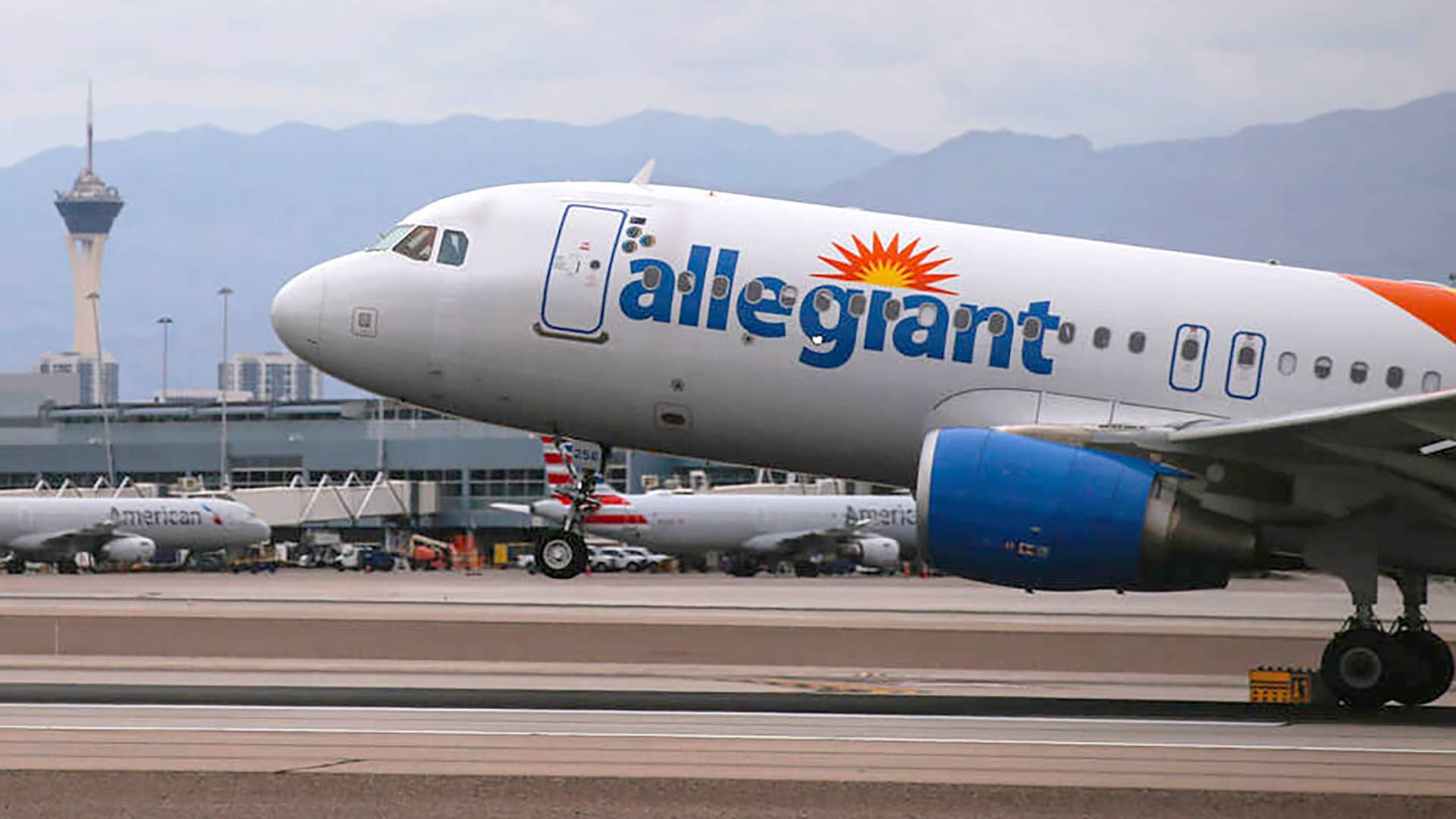
An Allegiant Air plane lands at Harry Reid International Airport on July 26, 2022, in Las Vegas.
Chase Stevens | Las Vegas Review-Journal | Tribune News Service | Getty Images
Allegiant Travel Co.’s acquisition of Sun Country Airlines closed on Wednesday, and the chief executive of the combined company, Greg Anderson, said Allegiant Air will continue to stand out despite industry turmoil, including a surge in jet fuel costs.
“Our model was built to protect margins and not chase growth,” Anderson said in an interview with CNBC.
The Las Vegas-based airline announced its $1.5 billion cash and stock agreement, including debt, to buy Minneapolis-based Sun Country in January. The brands and booking portals will remain separate, for now.
The combined carrier, which Allegiant said will serve about 175 cities with over 650 routes, will continue to be surgical about capacity growth, Anderson said. He said that strategy has insulated the airlines from some of the trouble that other low-cost airlines have faced.
Allegiant’s plan includes ramping up service during peak travel periods, like in the summer or over spring break, and then dialing that back on Tuesdays and Wednesdays in lower-demand weeks, selling more seats to customers at times when the airline could have more pricing power, Anderson said.
“For example, we’ll pull capacity back and really park a lot of fleet on a Tuesday in September,” he said.
Allegiant and Sun Country have focused on cost-conscious travelers, connecting smaller cities to vacation destinations. Sun Country also flies cargo for Amazon.
Anderson said demand continues to be robust, even from the carrier’s more budget-minded leisure customers, despite the spike in jet fuel costs. The industry is facing billions of dollars in added costs from expensive jet fuel that has roughly doubled since U.S.-Israel attacks on Iran began in February. Jet fuel is typically airlines’ second-biggest cost after labor, and carriers have been hiking fares to pass along the cost to customers.
The Association of Value Airlines, of which both Allegiant and Sun Country are members, last month said it asked the Trump administration for $2.5 billion to offset high fuel charges, but Transportation Secretary Sean Duffy has said he didn’t think it was necessary.
Allegiant reported a $42.5 million profit for the first quarter, up 32% from a year earlier.
“It shows you some low-cost models can work,” said Raymond James airline analyst Savanthi Syth.
The close of the acquisition comes just weeks after once fast-growing budget carrier Spirit Airlines shut down in the biggest U.S. airline collapse in a generation.
Allegiant hasn’t disclosed financial estimates for the combined company, but said late last month it expects to cut its capacity 6.5% in the second quarter compared with last year and that third-quarter capacity would be flat to slightly lower than last year.
Smaller budget and leisure-focused airlines are dwarfed by larger competitors Delta Air Lines, American Airlines, United Airlines and Southwest Airlines, which together have a roughly 80% domestic market share in the U.S., according to federal data.

Cordon in place after 6 hour dog rescue from Blakey Ridge
PayPal Reaches $30 Million Pact With Justice Department Over Minority Funding

Jupiter and Bitwise Launch Isolated USDe Market on Solana

Manchester United reach agreement with Casemiro over contract clause amid transfer speculation

US brings back mandatory military draft registration

Steven Gerrard disagrees with Gary Neville over ‘shock’ Chelsea and Arsenal claim | Football

How much money has ArmanTsarukyan made in his UFC career#armantsarukyan #ufc #mma #money #fightpay

Jio financial share latest news, jio financial share anelysis, jio financial share target

#billionairearmy #automobile #viralvideo #top10richestperson #money #top5richest #richpeopleliving
-
 Crypto World6 days ago
HarrisX Poll Found 52% of Registered Voters Support the CLARITY Act
-

 Fashion5 days ago
Weekend Open Thread: Marianne Dress
-

 Crypto World7 days ago
Upbit adds B3 Korean won pair as Base token gains Korea access
-
 NewsBeat7 days ago
NCP car park operator enters administration putting 340 UK sites at risk of closure
-

 Fashion2 days ago
Coffee Break: Travel Steam Iron
-

 Tech4 days ago
Auto Enthusiast Carves Functional Two-Stroke Engine from Solid Metal
-

 Fashion3 days ago
What to Know Before Buying a Curling Wand or Curling Iron
-

 Politics2 days ago
What to expect when you’re expecting a budget
-
 Business4 days ago
Ignore market noise, India’s long-term story intact, say D-Street bulls Ramesh Damani and Sunil Singhania
-

 Politics5 days ago
Politics Home Article | Starmer Enters The Danger Zone
-

 Tech3 days ago
GM Agrees To Pay $12.75 Million To Settle California Lawsuit Over Misuse Of Customers’ Driving Data
-

 Politics6 days ago
Simon Cowell Says He Was ‘Horrible’ To Susan Boyle During BGT Audition
-

 Entertainment7 days ago
Sarah Paulson Called Out For Met Gala ‘Hypocrisy’
-

 Entertainment6 days ago
General Hospital: Ric & Ava Bombshell – Ric’s Massive Secret Exposed!
-

 Crypto World7 days ago
Robinhood says Wall Street is building onchain
-

 Sports7 days ago
UEFA Champions League final schedule, teams, venue, live time and streaming | Football News
-
 Entertainment6 days ago
Why David Letterman Called CBS ‘Lying Weasels’
-

 Fashion7 days ago
The Best Work Pants for Women in 2026
-
 Sports7 days ago
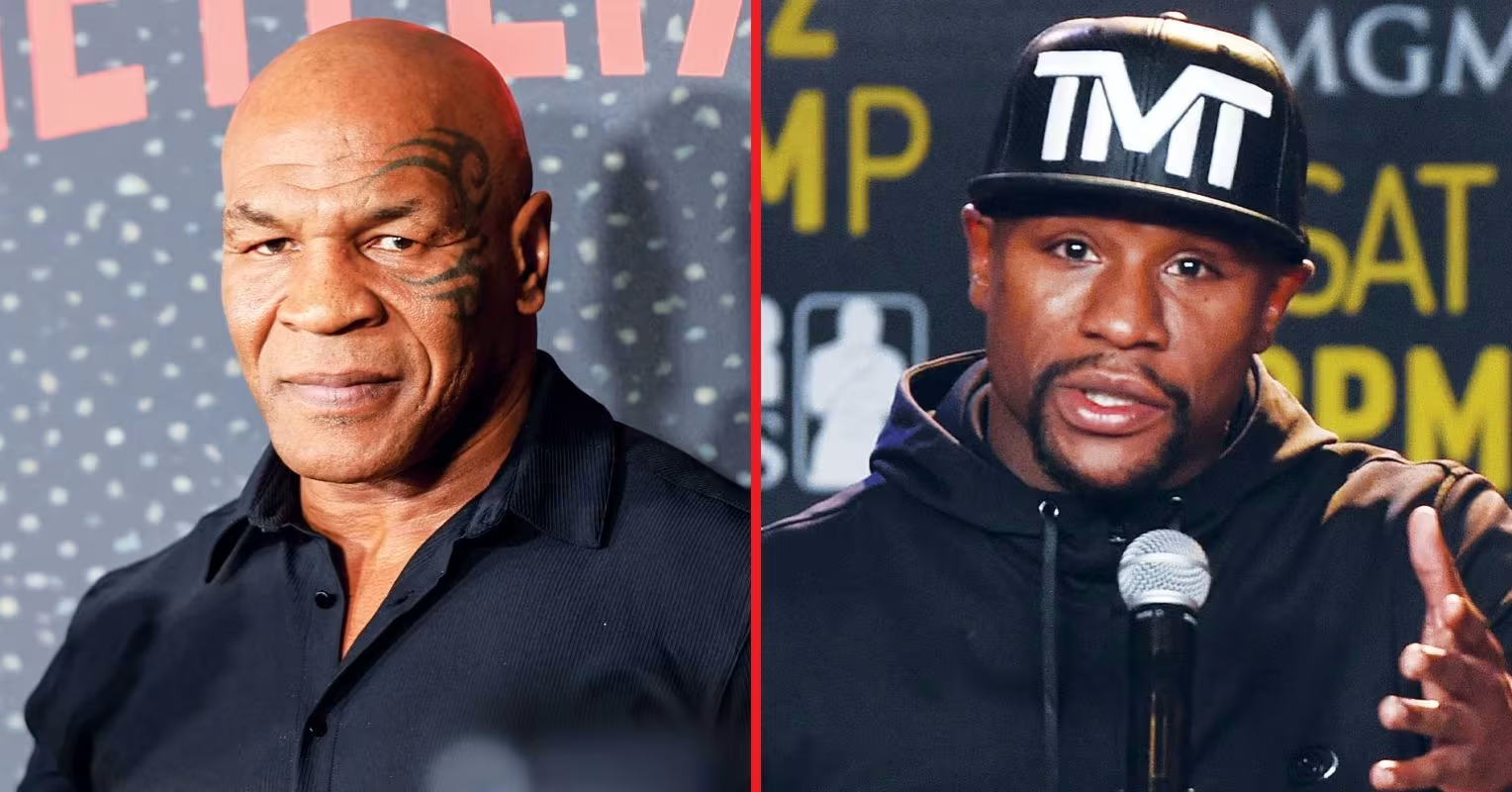
Mike Tyson speaks out on status of Floyd Mayweather fight
-
Entertainment7 days ago
Hayden Panettiere reveals she's estranged from mom, addresses brother Jansen's sudden death: 'I was floored'
You must be logged in to post a comment Login