

Business
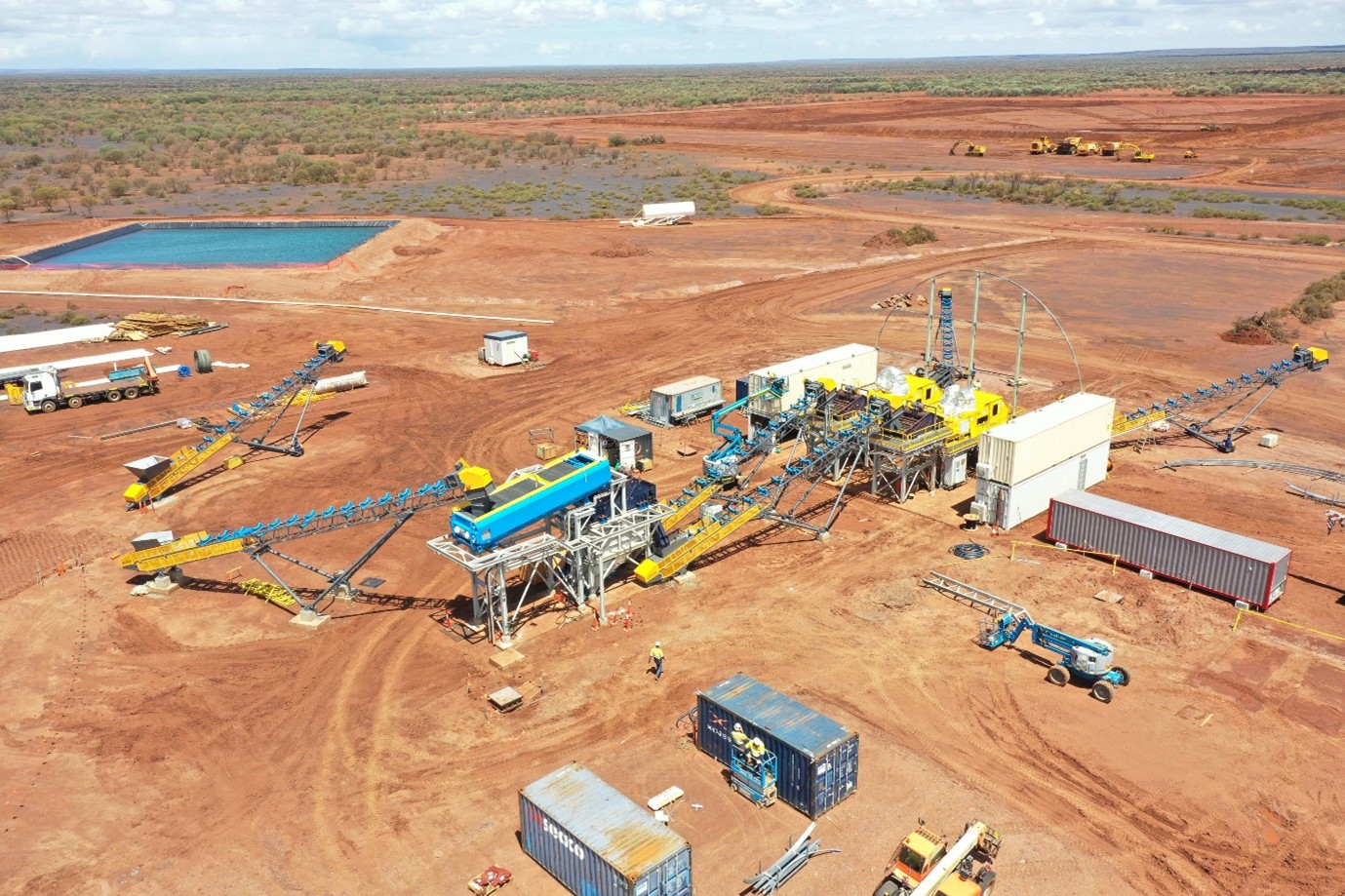
RE:GROUP books work at Element 25’s Pilbara project


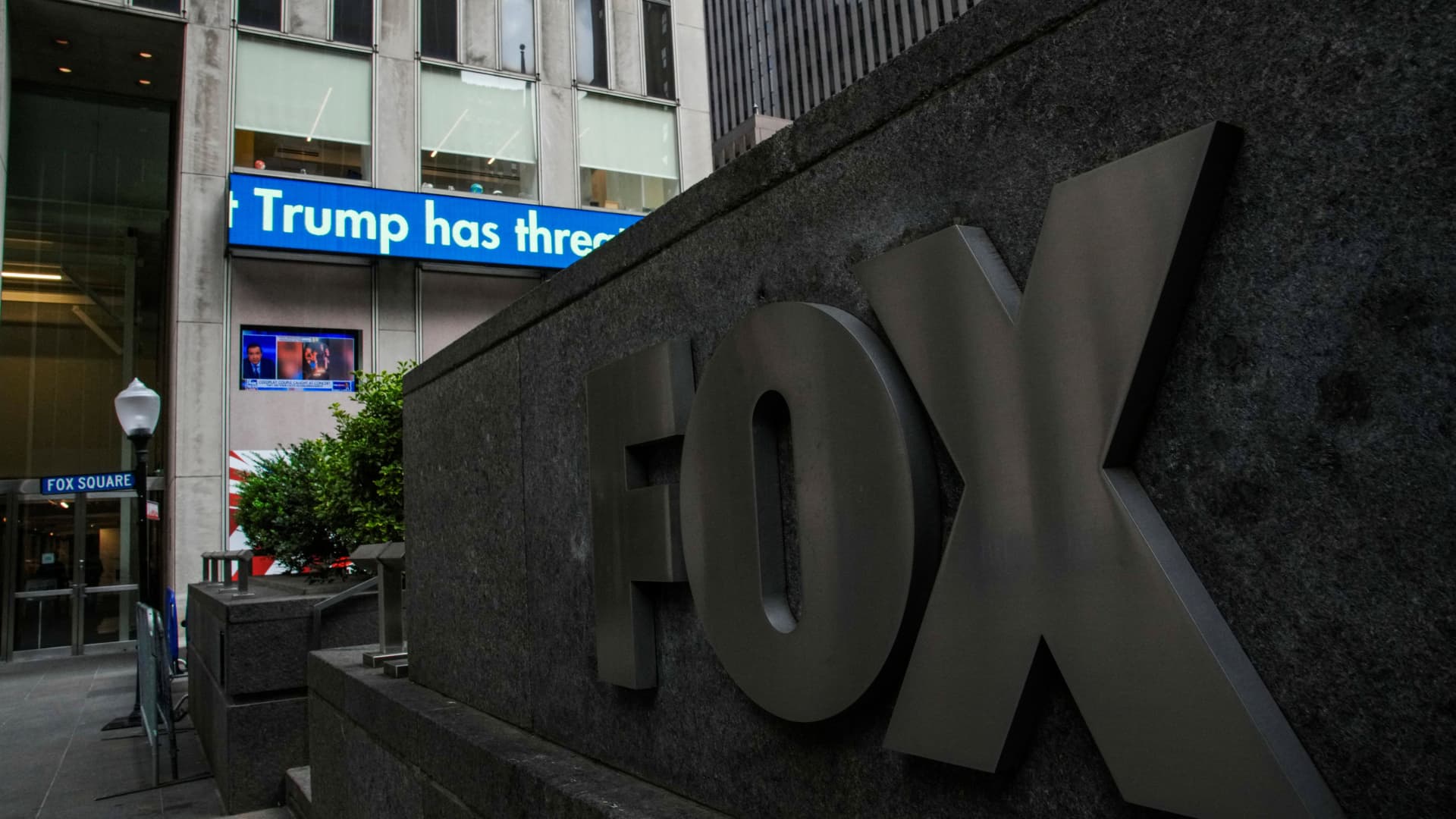
The electronic news ticker of Fox News reads headlines at the News Corp. Building in the Midtown Manhattan area of New York City, U.S., July 20, 2025.
Eduardo Munoz | Reuters
Fox Corp. has reached an agreement to acquire Roku for roughly $22 billion, marking another chapter in media consolidation as the industry grapples with several changes and challenges.
On Monday Fox announced it would acquire Roku for $160 per share. Fox’s stock was trading down about 13% in premarket trading, while Roku was up about 2%.
The combination will bring together Fox’s news and sports channels, as well as its free ad-supported streamer Tubi with Roku, the maker of streaming devices and also the home of The Roku Channel, a service similar to Tubi.
The proposed acquisition comes about seven years after Fox’s last major deal, when it shed its entertainment assets in a $71 billion deal with Disney. Since then, Fox’s portfolio has primarily been made up of its TV channels, namely broadcast network Fox, which has been airing the FIFA World Cup since last week, and Fox News Channel on cable.
In 2020 Fox acquired Tubi for $440 million. That service had long been its answer to the streaming wars, prior to the announcement of Fox One, its direct-to-consumer option that launched last year.

The Department of Intellectual Property led Thai GI producers to Shanghai to boost exports. They secured a 500-ton durian purchase and discussed innovations with Huawei to enhance intellectual property administration.
Key Points
- The Department of Intellectual Property (DIP) from Thailand led a trade mission to Shanghai, China, to boost exports for premium Thai agricultural products, featuring a business matching event with 16 Chinese fruit importers at Huizhan Fruit Wholesale Market.
- Notably, a memorandum of understanding was signed for 500 tons of durian from Sisaket Volcano Durian, with Thailand showcasing products from six provinces. Thailand has over 260 registered GI products, valued at over 116 billion baht, with fruit representing 45%.
- Delegates also met with Huawei Technologies to discuss using AI and digital innovations to enhance Thailand’s intellectual property administration, focusing on improving trademark and patent processes while learning from Huawei’s expertise in innovation and R&D.
The Department of Intellectual Property (DIP), under the Ministry of Commerce, led Thai geographical indication (GI) producers on a trade mission to Shanghai, China, to expand export opportunities and improve market access for premium Thai agricultural products.
A key highlight was a business matching event with over 16 Chinese fruit importers at Huizhan Fruit Wholesale Market, a major distribution hub in Eastern China with annual trade exceeding 100 billion baht.
During the mission, producers from Sisaket Volcano Durian and Huizhan Market signed a memorandum of understanding to purchase in advance 500 tons of durian. The delegation also showcased GI products from six provinces in Thailand.
Thailand has over 260 registered GI products, generating more than 116 billion baht in economic value. Fruit products represent about 45 percent of all registered GI goods. Ongoing Chinese demand for quality, safety, and traceability continues to drive growth opportunities for Thailand’s GI sector.
The delegation met with Huawei Technologies to explore the use of artificial intelligence, cloud systems, and digital innovations to strengthen Thailand’s intellectual property administration. Discussions focused on improving trademark and patent examination processes and learning from Huawei’s experience in leveraging intellectual property for innovation and business growth.
Huawei is a leading example of innovation-driven growth, allocating 21.8% of its annual revenue to research and development, employing over 114,000 R&D personnel, and holding more than 165,000 patents worldwide.
Source : Thailand Secures 500-Ton Purchase Commitment for Durian Exports to China
Other People are Reading

Safehold declares Q2 dividend of $0.177 per share
Pattern Group stockholder launches 8M share offering
Pattern Group stock tumbles on secondary offering announcement
Janus Henderson delivers 66% return after Fair Value flagged undervaluation
Brokerages believe the demerger could unlock significant value for shareholders by allowing investors to directly choose their preferred commodity exposure.
“Apart from simplifying the corporate structure, this will allow investors to invest in their preferred commodities. Furthermore, the company is on the verge of reaping the twin benefits of volume augmentation and cost optimisation across verticals. This will likely be supported by continuous deleveraging and consistent growth capex. This, along with rising commodity prices, could potentially drive upside revisions in our estimates,” ICICI Securities said in a note.
While existing Vedanta shareholders have received shares in all four demerged entities, analysts have begun identifying their preferred bets for investors who missed the demerger opportunity.
Also read: Uday Kotak questions SpaceX valuation, says only time will tell if we’re in ‘mega bubble’
Which post-listing Vedanta demerger stock should you buy?
Sunny Agrawal, Head of Fundamental Research at SBI Securities, believes investors can consider buying Vedanta Aluminium Metal, citing robust aluminium capacity expansion and strong LME aluminium prices.

According to Agrawal, Vedanta Aluminium Metal commands a fair value of Rs 489 per share, making it the most attractive among the demerged entities. He values Vedanta Power at Rs 44 per share, Vedanta Oil & Gas at Rs 42 per share and Vedanta Iron & Steel at Rs 19 per share.
ICICI Securities echoed a similar view, calling aluminium the group’s ‘crown jewel’. The brokerage is most bullish on the aluminium segment, as the ongoing war could lead to a higher-than-expected aluminium supply deficit. This, coupled with better coal integration, presents upside potential to estimates. “Furthermore, we expect debt to maintain a downward trajectory, despite projected annual group-level capex of $1.8-2.0 billion,” the brokerage said.Domestic brokerage ICICI Direct also singled out Vedanta Aluminium as the standout business among the demerged entities. It expects the company to list at a valuation of more than Rs 400 per share, supported by its significant contribution to group revenues and margins, favourable industry dynamics, elevated aluminium prices, tight global supply and ongoing capacity expansion-led volume growth.
Nuvama, meanwhile, expects Vedanta and Vedanta Aluminium to remain large-cap stocks, while Vedanta Power, Vedanta Oil & Gas and Vedanta Iron & Steel are likely to enter the market as small-cap companies. The brokerage highlighted that mutual fund flows are likely to be skewed towards the two large-cap entities, while the smaller demerged businesses may see relatively limited participation.
Also read: Ashish Kacholia’s picks: 12 stocks rally up to 130% in CY26, 3 turned multibaggers; 2 new Q4 bets
What do Vedanta demerged companies do?
Vedanta Aluminium Metal – It is India’s largest aluminium producer, according to the company. In FY25, it produced 2.42 million tonnes of aluminium, accounting for more than half of India’s total aluminium output.
The company operates a 5 MTPA alumina refinery in Odisha’s Kalahandi district and the world’s largest aluminium plant at Jharsuguda, Odisha, with a capacity of 1.85 MTPA. It also operates Bharat Aluminium Company Limited (BALCO) in Chhattisgarh.
Vedanta Power – It has more than 4 GW of installed capacity across four strategic assets located in Punjab, Andhra Pradesh, Chhattisgarh and Odisha. It also has several long-term and medium-term Power Purchase Agreements (PPAs) with state utilities.
Vedanta Power is expected to command a market capitalisation of Rs 17,466 crore at the time of its market debut, according to Nuvama. Domestic brokerage Emkay estimates a value of around Rs 51.7 per share, while Kotak Institutional Equities pegs it at Rs 60 per share. Nuvama’s valuation implies a value of around Rs 47 per share, while CLSA’s estimate corresponds to roughly Rs 35 per share.
Vedanta Oil & Gas – The company claims it is India’s leading private-sector upstream player and aims to scale production to 300,000-500,000 barrels per day through an investment of $5 billion.
Vedanta Iron & Steel – The company has operations spanning India and Africa and is focused on iron ore exploration, mining and processing. The company also produces high-quality steel, wire rods, TMT bars, pig iron, ductile iron (DI) pipes, ferro-silicon, cement and metallurgical coke.
Analysts believe the iron and steel business may attract relatively less investor interest, as larger and more focused players in the sector present a stronger investment case.
The shares of these Vedanta demerged entities will participate in a special pre-open session meant for newly listed companies before regular trading commences. These shares will be in the Trade-to-Trade segment for 10 trading days.
(Disclaimer: Recommendations, suggestions, views and opinions given by the experts are their own. These do not represent the views of The Economic Times)
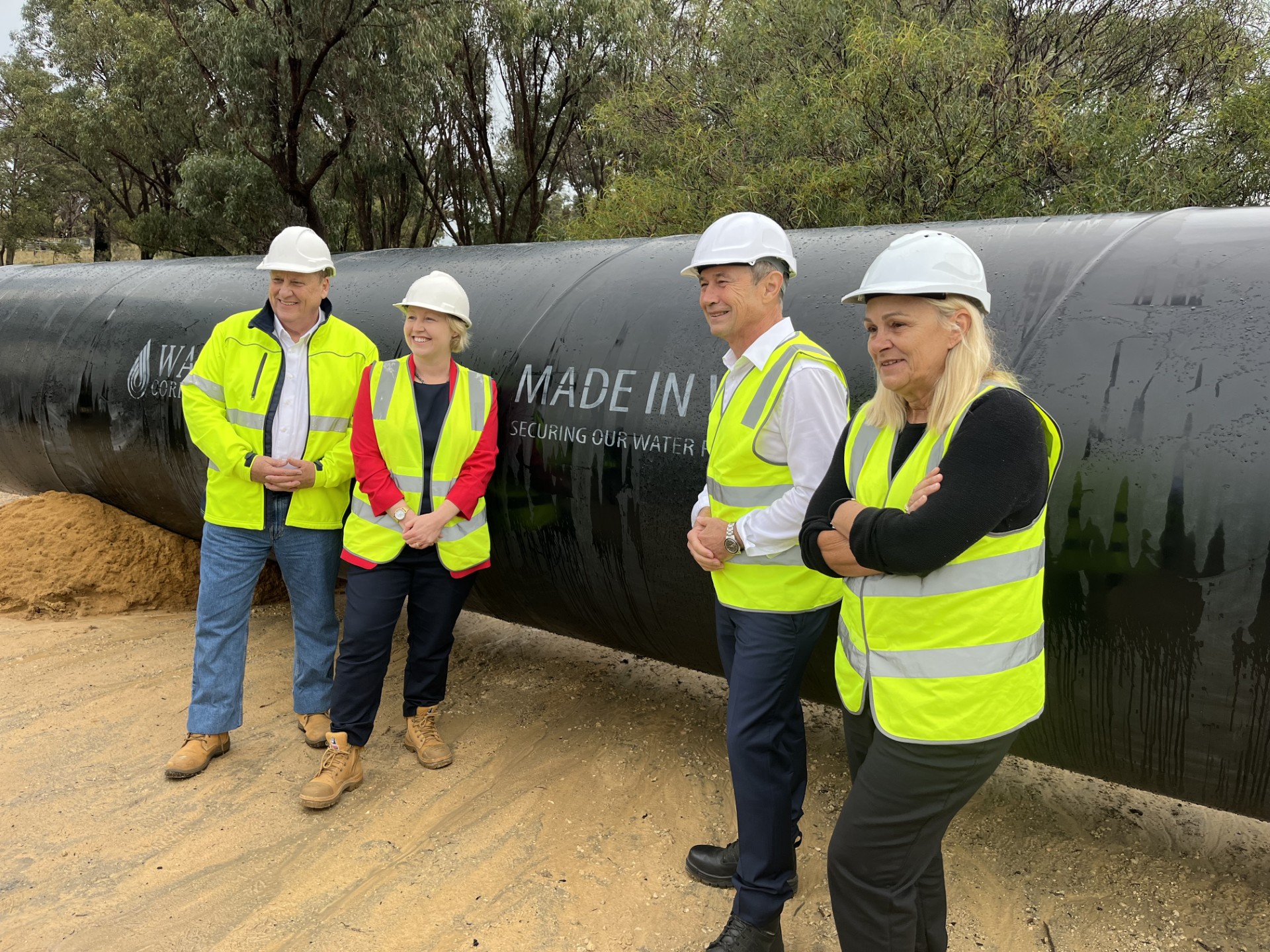
The pipeline for the planned $2.8 billion desalination plant at Alkimos has reached a milestone in its construction from the Water Corporation’s Wanneroo reservoir to the coast.
Business
Texas Tops Fortune 500 List in 2026 with 57 Companies, Dethroning California as Corporate Capital

Texas has claimed the title of the state with the most Fortune 500 companies in 2026, edging out California with 57 headquarters compared to the Golden State’s 56, according to the latest ranking of America’s largest corporations by revenue.
The Lone Star State’s surge reflects years of corporate relocations, business-friendly policies and economic diversification that have attracted major firms seeking lower taxes, lighter regulation and access to growing markets. Combined, Texas companies generated roughly $2.8 trillion in revenue, slightly ahead of California’s $2.7 trillion from its 56 entries, while New York placed third with 53 companies and $2.2 trillion.
This marks the first time in several years that Texas has reclaimed the top spot, highlighting a notable shift in U.S. corporate geography as businesses continue migrating from high-cost coastal states. Houston alone hosts 25 Fortune 500 companies, including energy giants like Chevron, Sysco and Phillips 66, while Dallas and Austin contribute additional headquarters.
Drivers Behind Texas’ Rise
Texas’ appeal stems from multiple factors, including no state income tax, a large and growing workforce, robust infrastructure and energy resources. The state has actively courted relocations through economic development incentives, successfully drawing companies from California and other high-tax jurisdictions.
Major moves in recent years, including expansions by firms in technology, energy and finance, have bolstered its count. Austin’s emergence as a tech hub has added notable names, while traditional strengths in oil, gas and logistics continue to anchor its economy. The addition of three new companies this year pushed Texas to its highest total since 2010.
California, long the leader, saw its dominance challenged by high living costs, regulatory burdens and out-migration of businesses. Despite strengths in technology and entertainment, the state lost ground as several firms relocated or expanded elsewhere. New York maintains a strong presence in finance and media but trails the top two.
Key Sectors and Economic Impact
Texas companies span diverse industries, with heavy representation in energy, retail, logistics and technology. The state’s Fortune 500 roster contributes significantly to employment and tax revenue, supporting local economies across major metros.
The shift underscores broader trends in corporate America, where quality-of-life considerations, tax structures and operational costs increasingly influence headquarters decisions. States like Florida and Tennessee have also gained ground in recent years, though Texas leads the pack.
Analysts note that Texas’ energy sector provides stability amid global transitions, while its growing tech and manufacturing base diversifies risk. The state’s pro-business environment has fostered innovation and job creation, attracting talent from across the country.
Broader Fortune 500 Trends
The 2026 Fortune 500 list reflects a resilient U.S. economy, with aggregate revenue reaching record levels despite inflationary pressures and geopolitical uncertainties. Technology and healthcare giants continue to dominate the upper ranks, but traditional industries like manufacturing and energy maintain strong representation.
Women now lead a record 55 companies on the list, the highest share in its history. The ranking also highlights consolidation in certain sectors and the rise of firms benefiting from artificial intelligence and renewable energy transitions.
Regional distribution shows concentration in a handful of states, with the top three — Texas, California and New York — accounting for a significant portion of total revenue and influence. Illinois, Ohio and others follow with more modest but meaningful presences.
Implications for Business and Policy
Texas’ leadership may encourage other states to review their economic policies, particularly regarding taxation and regulation. For California, the change serves as a reminder of competitive pressures, prompting discussions on retaining businesses through incentives and infrastructure improvements.
Economists view such shifts as natural market responses to differing state environments. While headquarters moves generate headlines, actual operations often remain distributed, with employment impacts varying by case.
For investors, the Fortune 500 distribution offers insights into regional economic strengths and sector exposures. Texas-heavy portfolios may benefit from energy and logistics tailwinds, while California exposure provides technology growth potential.
Looking Ahead
As companies adapt to remote work trends, supply chain shifts and sustainability demands, headquarters locations will continue evolving. Texas is expected to maintain momentum, but sustained leadership will require ongoing investments in education, infrastructure and talent development.
The 2026 list underscores the dynamic nature of American business geography. Texas’ achievement highlights successful long-term economic strategies, while California’s strong showing despite challenges demonstrates enduring appeal in innovation hubs.
This annual ranking remains a key barometer of corporate America, revealing not just size but also the shifting centers of economic power across the nation. As Texas celebrates its position atop the Fortune 500, the competition among states for business headquarters is likely to intensify in the years ahead.
Getty Images
Listen below or on the go via Apple Podcasts and Spotify

Deal expected to be signed Friday. (0:16) Stocks rise as oil tumbles. (1:07) U.K. announces social media ban. (2:01)
The following is an abridged transcript:
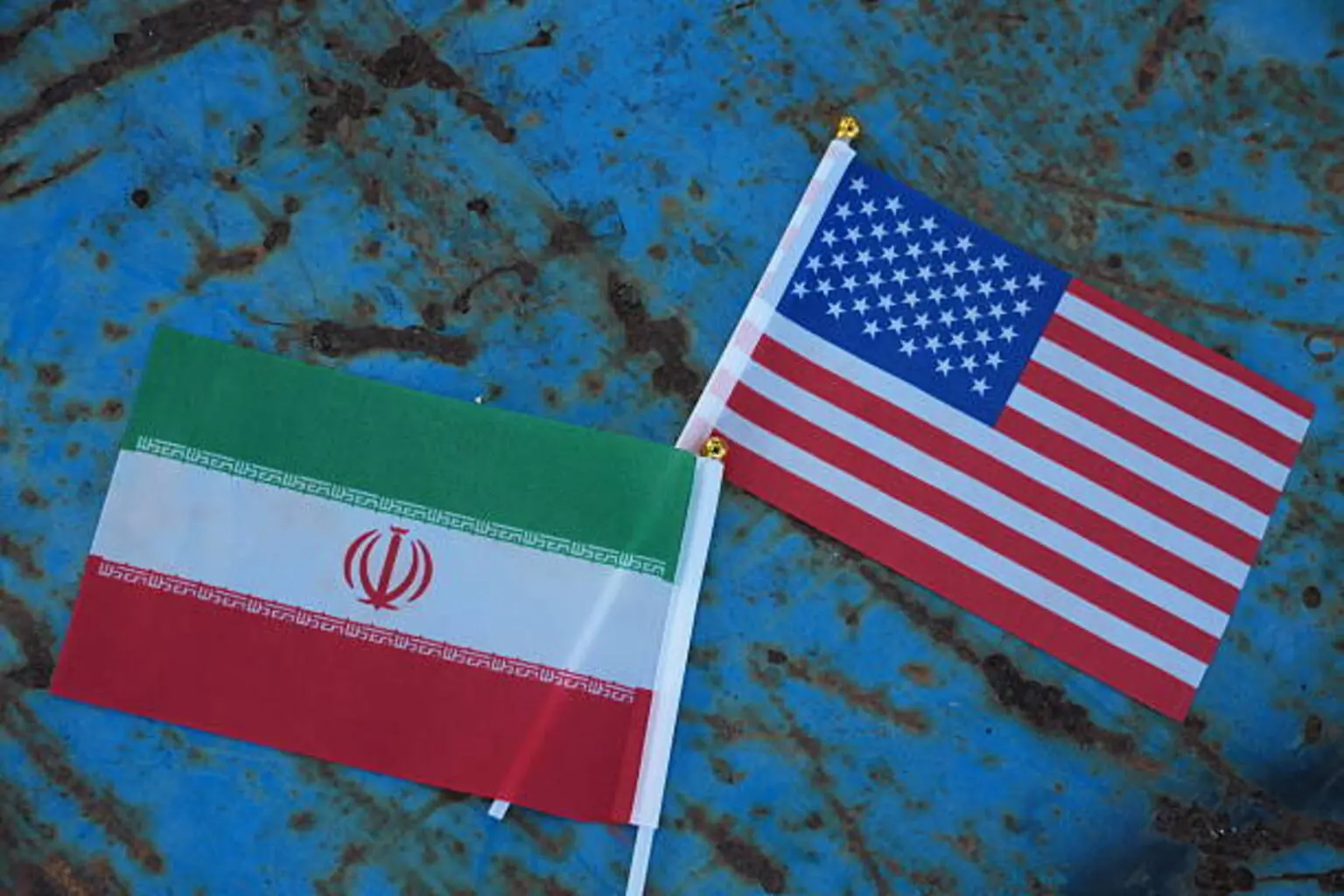
The U.S. and Iran have agreed to a peace deal to end the war, a move that will halt the U.S. blockade and reopen the Strait of Hormuz. But the official text of the memorandum of understanding remains unpublished.
Key details—including long-term access to the Strait of Hormuz, restrictions on Iran’s nuclear program and the situation in Lebanon—have yet to be disclosed.
President Trump told The New York Times he would resume military action if Tehran failed to reach a broader nuclear agreement with the U.S. Negotiations and a formal signing are scheduled for Friday in Switzerland.
According to Iranian state-affiliated Mehr News, the 14-point draft includes an end to the war, including in Lebanon, the withdrawal of U.S. forces around Iran, sanctions relief and reconstruction plans.
But Israeli Prime Minister Benjamin Netanyahu has already rejected a Lebanon-related provision, saying Israel is not bound by that clause.
In reaction, stock-index futures are rallying while oil prices tumble and Treasury yields move lower.
Brent crude (BNO) is down about 5%, while WTI (USO) is also off more than 5%.
Nasdaq 100 futures (US100:IND) lead the advance, up about 2%, while S&P 500 futures (SPX) are up more than 1%.
Anthropic (ANTHRO) is scrambling to restore access to its most advanced AI models, dispatching senior technical staff to Washington for meetings with White House officials, Axios reported.
The Trump administration ordered Anthropic to suspend access to its newly released Fable 5 and Mythos 5 models for foreign nationals, citing national security concerns.
Anthropic said the directive effectively forced it to disable the models for all users worldwide to ensure compliance.
According to Axios, company staff have been holding discussions with administration officials since Friday, while senior technical personnel traveled to Washington for in-person talks aimed at restoring access.
And U.K. Prime Minister Keir Starmer announced a social media ban for children under 16, following a model similar to Australia’s.
“Parents want to keep their kids safe and happy, but the online world has made that harder than ever,” Starmer said. “This is a line in the sand.”
The ban will cover platforms including Snapchat (SNAP), TikTok (TIKTOK), YouTube (GOOGL), Instagram, Facebook (META) and X, while messaging services such as WhatsApp and Signal are exempt.
The government also announced restrictions on livestreaming platforms and said it will explore overnight curfews and limits on infinite scrolling for under-18s.
Now Here’s What’s Trending on Seeking Alpha:
Is the Knicks championship a sign of a market top?
Spielberg’s ‘Disclosure Day’ lands with a $44M debut.
McDonald’s looks beyond Coca-Cola as it chases the specialty drink boom.
And the economic calendar is busy for a Monday as markets prepare for a holiday-shortened week, with Juneteenth on Friday.
- 08:30 am June Empire State Manufacturing
- 09:15 am May Industrial Production
- 09:15 am May Capacity Utilization
- 10:00 am June NAHB Housing Market Index

Fox to buy Roku for $22 billion

$998.9 Trillion to Go: Elon Musk Maps the Path to Quadrillionaire Status

Apple TV’s Best Crime Thrillers Battle for #1 Streaming Spot


-

 Business21 hours ago
No Jackpot Winner as $257 Million Prize Rolls Over to $269 Million Monday Draw
-

 Crypto World4 days ago
Oppenheimer backs SpaceX as $70 billion retail frenzy builds
-

 Crypto World4 days ago
Markets Rally as SpaceX IPO Looms Amid Iran Tensions and Inflation Surge
-

 Fashion3 days ago
Weekend Open Thread: Tuckernuck – Corporette.com
-

 Sports7 days ago
FIFA WC 2026 Group C: Morocco, Scotland challenge Brazil’s hunt for glory | FIFA World Cup 2022
-
 Crypto World12 hours ago
Zimbabwe Requires Crypto Businesses to Register Annually Under New FIU Regulations
-

 Entertainment6 days ago
The Ryan Gosling True Crime Thriller On Netflix That Gets Even Stranger, Stream It Now
-
 Sports6 days ago
Bangladesh beat Australia after 20 years in ODIs, register only their second win over six-time world champions | Cricket News
-

 Tech3 days ago
This Week In Security: Microsoft On Microsoft, Register Your Domains, Linux On ARM, And FreeBSD Joins The File Cache Club
-

 Tech2 days ago
NanoClaw integrates JFrog registries to secure AI agent downloads
-

 Crypto World2 days ago
Bitget enters Argentina’s regulated crypto market through PSAV registration
-

 Politics4 days ago
Politics Home | Healey Resignation Is “Colossal Failure Of Government”, Says Former Labour Defence Secretary
-

 Tech5 days ago
‘This is Seattle’s position on AI’: City Council votes unanimously to pause big new data centers
-
 Tech4 days ago
Dutton Ranch star claims they ‘didn’t see any disruption’ on set following Chad Feehan’s exit from Yellowstone spinoff fueled by Taylor Sheridan clash rumors
-

 NewsBeat4 days ago
El Nino has formed in the Pacific and could set records, forecasters say
-
 Entertainment4 days ago
Donnie Wahlberg & More Heat Up Las Vegas at Circa’s Barry’s Downtown Prime
-

 Sports4 days ago
First Time Since 1971: Australia Register Historic Low In ODI Cricket
-
 Tech4 days ago
Opendoor Ends India Operations, Fueling a Bigger Conversation About AI and Outsourcing
-

 Tech7 days ago
Nvidia and Hyundai deepen their robotics push around Atlas
-

 Politics4 days ago
Belfast burns, while Met chief points finger at Iran and Russia
You must be logged in to post a comment Login