

Business
Ron Harper Calls for Physical Punishment of Floppers During Spurs-Thunder Series

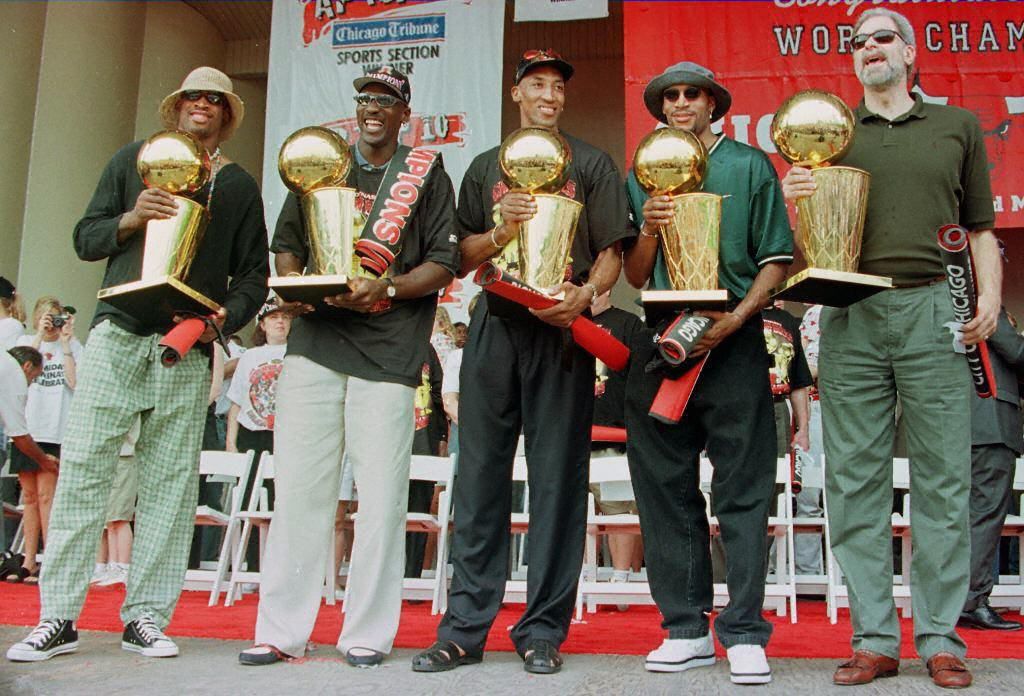
SAN ANTONIO — Ron Harper, father of San Antonio Spurs guard Dylan Harper and a five-time NBA champion, suggested players should physically punish opponents who flop during the Western Conference Finals against the Oklahoma City Thunder.
Harper posted on X after Game 3 on May 22, 2026: “I wish players would start stepping on players as the flop hands chest fingers chest make them pay a price.”
The comment came after the Thunder defeated the Spurs 123-108 to take a 2-1 series lead. The game featured multiple instances of physical contact, foul calls and post-game debate over flopping and officiating.
Game 3 Details
The Thunder overcame a 15-0 deficit early in the contest. Shai Gilgeous-Alexander scored 26 points and went 12-for-12 from the free-throw line. Jared McCain added a playoff career-high 24 points off the bench as Oklahoma City’s reserves scored a playoff-record 76 points.
Victor Wembanyama led the Spurs with 26 points. Devin Vassell scored 20 points and De’Aaron Fox added 15 points in his series debut. Dylan Harper remained sidelined with a right adductor injury.
Technical fouls were issued in the second half after a hard foul on Stephon Castle involving Ajay Mitchell and Devin Vassell.
Harper’s Background
Ron Harper won NBA titles with the Chicago Bulls in 1996, 1997 and 1998 and with the Los Angeles Lakers in 2000 and 2001. He played 15 seasons known for physical defense and toughness.
His son Dylan Harper, a rookie guard for the Spurs, has been limited in the series due to injury. Dylan Harper started Games 1 and 2 in place of De’Aaron Fox.
NBA Flopping Rule
The NBA has a rule allowing referees to assess a non-unsportsmanlike technical foul for flopping and award one free throw to the opposing team. Critics argue the penalty is not strong enough to deter players from exaggerating contact, particularly in playoff games where fouls can shift momentum.
The league has increased fines for repeated offenders in recent seasons, but the issue remains a frequent topic of discussion.
Series Physicality
The Western Conference Finals between the Thunder and Spurs have featured notable physical defense and complaints about foul-baiting. Oklahoma City has utilized its depth and defensive versatility, while San Antonio has relied heavily on Victor Wembanyama.
The Thunder lead the best-of-seven series 2-1. Game 4 is scheduled for Sunday, May 24, 2026, at Frost Bank Center in San Antonio.
Broader Context
Flopping has been a long-standing issue in the NBA. The league introduced specific penalties to address it, but many former players and observers believe the current enforcement does not sufficiently discourage the practice.
Ron Harper’s comment reflected frustration shared by some viewers and former players regarding the balance between physical play and protection of players in the modern game.
The Spurs-Thunder series has drawn attention for its intensity, with both teams featuring young cores and strong defensive capabilities. Oklahoma City, the defending champions, have emphasized bench production and adjustments after Game 1.

Business
GameStop CEO Ryan Cohen’s $35 Billion Pay Package Faces Lawsuit While Hostile eBay Bid Stalls
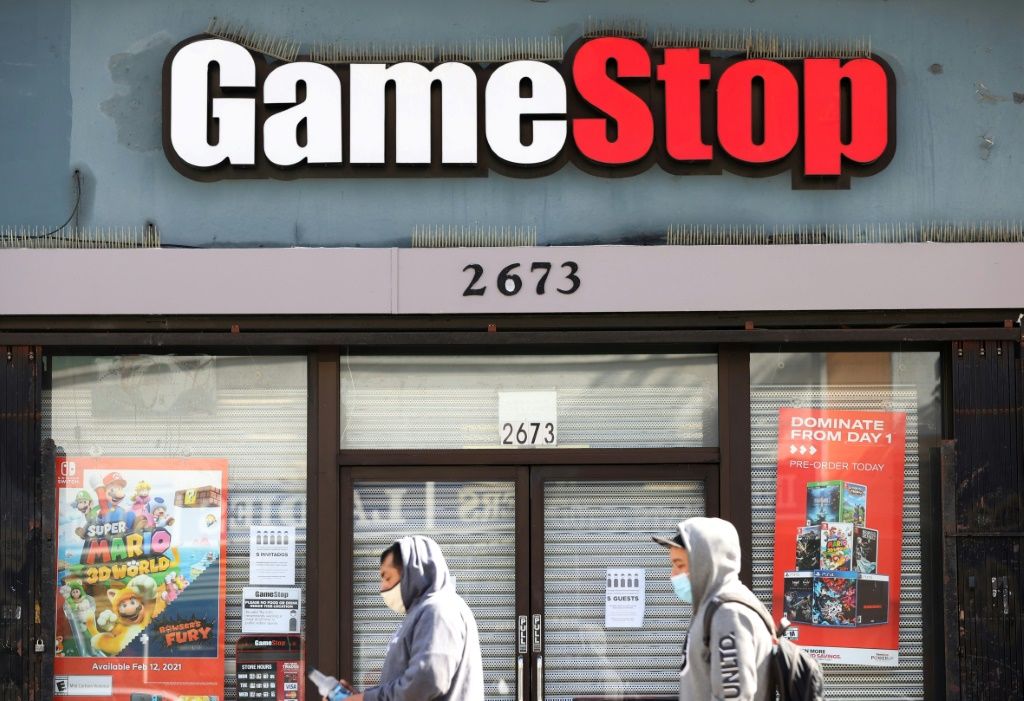
GameStop Corp. finds itself at one of the most turbulent crossroads in its already chaotic modern history. The company that became the defining symbol of the retail investor revolution is simultaneously grappling with a shareholder lawsuit seeking to block what would be one of the largest executive compensation packages ever proposed, a stalled hostile takeover attempt against a company five times its own size, and a stock price that continues to trade modestly while analysts and investors try to price in an extraordinarily uncertain future.
Shares of GameStop traded at $21.54 on Thursday morning, up a modest 0.12%, as the company’s many moving parts continued to generate headlines without delivering the transformational momentum Chief Executive Ryan Cohen has spent years promising.
The Lawsuit: Shareholders Push Back on a Historic Pay Package
A GameStop investor has filed a lawsuit seeking to block a vote on Cohen’s proposed $35 billion compensation package, arguing that investors haven’t been given enough information to understand exactly what they’re being asked to approve.
According to Bloomberg, the lawsuit centers on disclosure concerns. The shareholder claims key details about the structure, valuation, and long-term consequences of the package were not adequately explained in materials distributed ahead of the vote. The suit seeks to halt or postpone the shareholder meeting until additional information is provided.
A $35 billion compensation package would rank Cohen’s potential payout among the largest ever put before shareholders. Corporate governance experts have long argued that mega-pay plans require extensive disclosures so investors can determine whether executive rewards are truly tied to company performance.
The compensation structure itself is tied to performance milestones. Under his January compensation package, Cohen stands to receive options on more than 171 million GameStop shares if he manages to push the company’s market capitalization to $100 billion — a tenfold increase from current levels. That target is staggering given GameStop’s current trajectory, and the lawsuit reflects growing shareholder skepticism that the plan’s terms have been adequately disclosed or justified.
The eBay Gambit: Bold, Rejected, and Still Unresolved
The compensation lawsuit arrives in the direct wake of Cohen’s most audacious and publicly humiliating strategic setback: a $56 billion hostile takeover bid for eBay that the e-commerce giant’s board rejected swiftly and sharply.
In a letter sent in May, GameStop proposed to acquire all common stock of eBay at $125.00 per share, comprising 50% cash and 50% GameStop common stock, representing a 46% premium to eBay’s unaffected closing price and a 27% premium to the 30-day volume-weighted average price. The aggregate undiluted equity value was approximately $55.5 billion.
On May 12, 2026, eBay officially rejected Ryan Cohen’s aggressive takeover attempt. In a sharply worded letter to Cohen, eBay Chairman Paul Pressler called the unsolicited offer “neither credible nor attractive.”
Cohen did not retreat quietly. After the board rejected the proposal, Cohen launched a hostile bid, taking the offer directly to eBay shareholders. In a television interview, Cohen addressed the financing skepticism directly, telling interviewers the cash consideration would be funded from GameStop’s balance sheet and a highly confident letter from TD Securities for up to $20 billion in third-party acquisition financing.
The strategic logic Cohen has advanced is a vision of GameStop as an e-commerce and collectibles powerhouse. GameStop projected it would deliver $2 billion of annualized cost reductions within twelve months of closing, including approximately $1.2 billion from sales and marketing, $300 million from product development, and $500 million from general and administrative expenses. The company also argued its approximately 1,600 U.S. locations would give eBay a national network for authentication, intake, fulfillment, and live commerce.
Record Earnings, Massive Cash, and a Pivot to Collectibles
What makes GameStop’s position unusual is that beneath the drama of hostile bids and compensation fights sits a company that has, by conventional financial metrics, performed remarkably well in recent quarters.
GameStop reported first-quarter 2026 results showing net sales rose 14% year-over-year to $835.3 million, driven by collectibles. Net income reached a record $389.6 million, and operating income was $143.3 million, the highest first-quarter level on record. Liquidity totaled $9.7 billion, including $8.4 billion in cash, cash equivalents and marketable securities.
On June 2, 2026, the board approved a new $2.0 billion share repurchase authorization through June 2, 2029, replacing the 2019 program. That buyback, funded from the company’s enormous cash reserves, represents a direct return of capital to shareholders — a conventional move that stands in stark contrast to the unconventional eBay gambit playing out simultaneously.
GameStop launched Power Packs, a digital trading card platform, in April 2026, with packs starting at $25 and ranging up to $2,500. Cards are PSA-graded, stored in the PSA Vault, and can be sold back instantly, shipped home, or added to a collection. Launch categories include Pokémon, Football, Basketball, and Baseball. The launch signals that Cohen’s collectibles strategy is not merely rhetoric — it is being built out with specific product lines that give GameStop a credible presence in one of retail’s fastest-growing categories.
Bitcoin, Warrants, and a Company Still Reinventing Itself
GameStop’s balance sheet transformation extends to cryptocurrency. GameStop renewed an options deal that ties up nearly all its Bitcoin, with a covered-call strategy attached to its holdings. The Bitcoin position, which had been valued at hundreds of millions of dollars in prior quarters, represents yet another dimension of the company’s ongoing experiment in nontraditional asset deployment.
The company also distributed warrants to shareholders in October 2025. Eligible holders of record as of October 3, 2025 received one warrant per 10 shares. Each warrant permits the purchase of one share at a $32.00 exercise price and is exercisable through October 30, 2026.
What Comes Next
The intersection of the $35 billion compensation lawsuit, the ongoing eBay hostile campaign, record earnings, a $2 billion buyback, and a collectibles-driven transformation makes GameStop one of the most complex and contested investment narratives on Wall Street.
GameStop’s $8.4 billion cash position covers most of its market cap, offering significant downside protection and acquisition optionality, according to analysts, who note that the company’s core fundamentals have improved dramatically even as its strategic ambitions remain deeply polarizing.
For retail investors who drove GameStop’s original short squeeze in 2021, the company’s current chapter offers something simultaneously familiar and strange: a CEO willing to swing for the fences, a market that isn’t sure what to make of it, and a stock that is, for now, waiting for clarity.
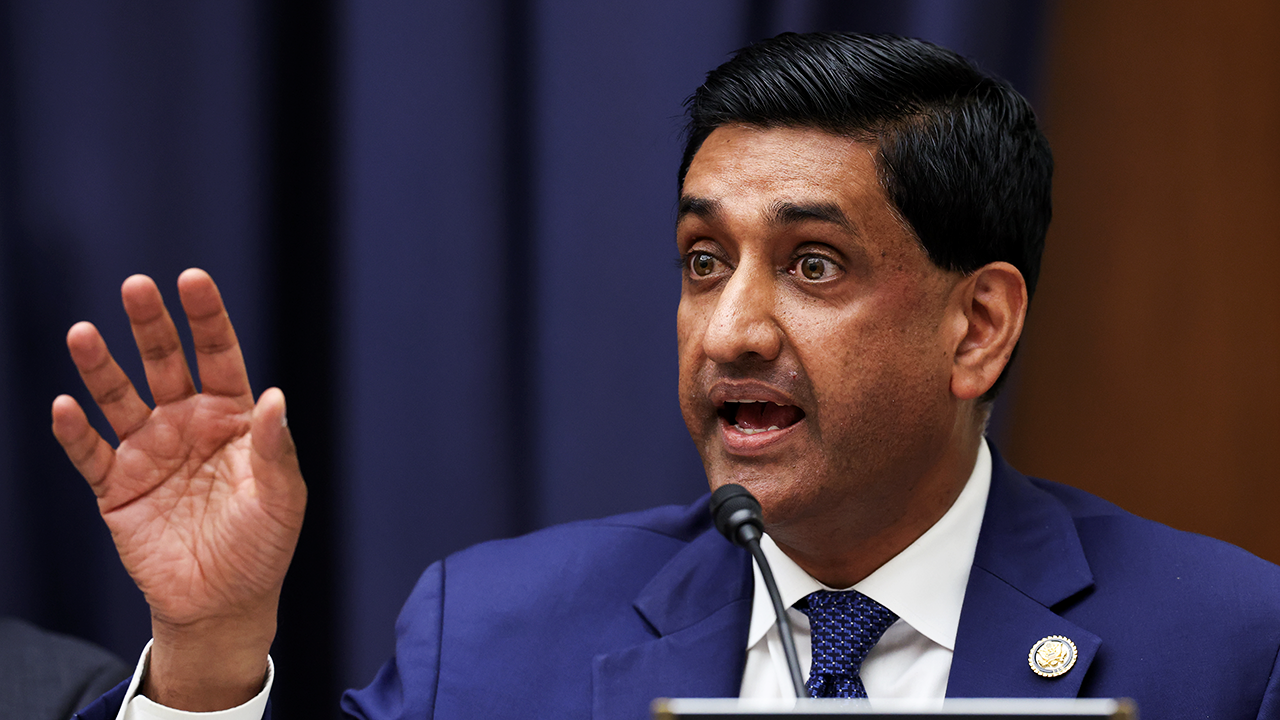
Rep. Ro Khanna, D-Calif., joins ‘Mornings with Maria’ to discuss President Donald Trump’s Iran agreement, admit he was wrong about former President Biden’s reelection bid and weigh in on Gaza.
Rep. Ro Khanna, D-Calif., is backing President Donald Trump’s newly announced agreement with Iran aimed at formally ending the conflict between the U.S. and Tehran, while also raising questions about the economic commitments tied to the deal and whether similar attention is being paid to struggling American communities.
Khanna joined FOX Business’ Maria Bartiromo on “Mornings with Maria” to discuss the agreement, which includes commitments related to Iran’s future economic development and reconstruction and has drawn criticism and praise from lawmakers on both sides of the aisle.
Rep. Ro Khanna (D-CA) speaking during a House Armed Services Committee hearing (Win McNamee / Getty Images)
Khanna said he supports ending the conflict through diplomacy, but argued the agreement comes with tradeoffs that deserve closer scrutiny. He pointed to provisions he said could require raising roughly $300 billion for Iran’s economic development and reconstruction, though he noted the funds would not come directly from U.S. taxpayers.
OIL PRICES FLUCTUATE AS TRUMP’S IRAN DEAL COULD FULLY REOPEN STRAIT OF HORMUZ
“We’re going to be on the hook to raise $300 billion for Iran’s economic development and reconstruction, not U.S. taxpayer money, but raising that money. Why aren’t we focused on the economic development and reconstruction of Middleton, Ohio? Johnstown, Pennsylvania,” Khanna said.
Rep. Richard McCormick, R-Ga., critiques the recently signed Memorandum of Understanding with Iran. He expresses distrust in the Iranian regime and concern over funds freed by the deal.
The comments reflect a broader debate in Washington over how the U.S. balances foreign policy priorities with domestic economic concerns. Communities across parts of the industrial Midwest have spent decades grappling with factory closures, job losses and population decline, making investment in manufacturing and economic development a recurring political issue.
OIL PRICES PLUNGE TO LOWEST LEVELS SINCE EARLY MARCH AFTER TRUMP SIGNS IRAN DEAL
Khanna argued that while Trump has promoted efforts to revive American industry, more should be done to support manufacturing regions.
“What about the heartland and the building up of places that were industrialized? That simply hasn’t happened,” Khanna said.
Rep. Claudia Tenney, R-N.Y., discusses the Trump administration’s release of details from a 14-point memorandum and expresses skepticism about the Iranian regime’s intentions on ‘The Bottom Line.’
Despite his concerns, Khanna urged fellow Democrats to support the agreement, saying he believes diplomacy remains preferable to a prolonged conflict.
“Americans are tired of these wars. They don’t want wars in the Middle East. They don’t want to be dragged in,” Khanna said. “They want diplomacy. Diplomacy actually is better than these wars.”
Business
Czechia and South Africa Face Elimination in World Cup Group A Clash at Mercedes-Benz Stadium

ATLANTA — With World Cup elimination looming over Mercedes-Benz Stadium, Czechia and South Africa collided Thursday in what amounts to a must-win Group A fixture for both nations, their respective opening-round defeats having stripped away any margin for error just one week into the 2026 FIFA World Cup.
Seven days into the 2026 FIFA World Cup and both Czechia and South Africa already find themselves staring down elimination. Neither side picked up a single point on Matchday 1, and with Mexico moving clear at the top of Group A and South Korea sitting second after their 2-1 victory over the Czechs, Thursday’s clash at Mercedes-Benz Stadium in Atlanta has become, bluntly, a knockout match in the group stage.
Given the format of the tournament, where eight of 12 teams that finish third will also qualify for the knockouts, this game offers hope for both teams. But the mathematics are unforgiving. Whoever loses here faces near-certain elimination before the final matchday even arrives.
How Both Teams Got Here
The circumstances surrounding each team’s opening defeat make their meeting all the more charged. For Czechia, the loss to South Korea on June 11 was one of bitter self-destruction after a promising start. The Czech Republic went in front in the 59th minute with a header from captain Ladislav Krejčí to the right of the net from six yards out after a long throw-in from Vladimir Coufal. That lead lasted barely eight minutes. It was 1-1 in the 67th minute when Hwang In-beom received the ball from Lee Kang-in before turning back onto his right foot and scooping the ball over the advancing Czech goalkeeper Matěj Kovář into the right of the net. In the 80th minute, Hwang In-beom crossed low from the right and Oh Hyeon-gyu finished from six yards out to put South Korea 2-1 in front.
A Tomas Soucek effort was additionally ruled out for offside, and goalkeeper Kim Seung-gyu produced a stunning late save to deny Michal Sadilek from point-blank range. Czechia had their chances. They squandered them.
South Africa’s story was even more calamitous. Mexico went in front in the 9th minute when Julián Quiñones scored with a low right-footed finish through the legs of South African goalkeeper Ronwen Williams from just inside the penalty area after Sphephelo Sithole was caught in possession on the edge of the penalty area by Erik Lira. Four minutes into the second half, South Africa’s Sphephelo Sithole was sent off after fouling Mexico’s Brian Gutiérrez when he was going through on goal.
The chaos did not end there. In the 73rd minute, South African substitute Themba Zwane was sent off for a slap in the face of Mexican forward Roberto Alvarado. The Bafana Bafana were reduced to nine men and ultimately fell 2-0, their performance so devoid of attacking intent that it generated a national debate back home about their tactics and leadership.
The Suspensions That Could Define the Match
South Africa’s disciplinary catastrophe against Mexico carries direct consequences for Thursday’s contest. Czechia’s chances are boosted by South Africa being without Yaya Sithole and Themba Zwane, who were both shown red cards as they lost 2-0 to co-hosts Mexico in the opening game of the tournament.
The mood in the Bafana Bafana camp ahead of this fixture is uncomfortable, and that is putting it mildly. The 2-0 defeat to Mexico was damaging enough as a result. The manner of it — three red cards across the match, a formation that surprised even the team’s closest observers, and a performance that left the country’s most respected football voices shaking their heads — has created a pressure cooker heading into Atlanta.
Coach Hugo Broos, who faced heavy criticism for deploying a defensive 5-4-1 formation against Mexico that yielded next to nothing offensively, is expected to make significant changes. Thalente Mbatha could replace Sithole in the center of the field, while Broos could turn to a 4-3-3 system, with Oswin Appollis and Relebohile Mofokeng coming into the XI on the wings.
The Tactical Battle
Czechia enter the match as the higher-ranked side and, statistically, the unluckier team from Matchday 1. Czechia’s qualification story, built on nerve, late drama, and belief, suggests a group capable of responding positively under pressure. The 74-year-old Koubek, who became the oldest manager at a World Cup upon his appointment in December 2025, guided this side through two play-off shoot-outs to reach their first finals since 2006, surviving against Republic of Ireland and then Denmark in an extraordinary penalty sequence that saw goalkeeper Matej Kovar save a decisive spot-kick.
For 66 minutes in their World Cup opener against South Korea, Czechia’s strategy was perfect, as Krejčí scored the opening goal from Coufal’s throw-in. The limitations of this style of play came to the fore in the next 14 minutes as South Korea scored twice as Czechia faded.
Patrik Schick will be his side’s main attacking threat in the final third, the Bayer Leverkusen striker having scored six goals at his previous two major tournaments. Tomáš Souček, who scored an offside goal against South Korea, will also provide offensive support from deliveries.
A Historic Managerial Footnote
Beyond the stakes of the match itself, Thursday’s fixture carries an unusual historical footnote. In Czechia’s Miroslav Koubek, aged 74 years and 290 days, and South Africa’s Hugo Broos, aged 74 years and 69 days, this will be the first match in World Cup history to see both head coaches aged over 70. Two veterans of European football, separated by weeks in age, now find their late-career legacies defined by what happens in Atlanta.
The Group A Picture
South Africa only have a 24.9% chance of making it through to the knockout rounds according to the Opta supercomputer, and a positive result against Czechia will be key to keeping that possibility alive.
Czechia and South Africa have only met once before, in a 2-2 draw at the Confederations Cup in 1997. South Africa’s most recent match against European opposition at the World Cup was a memorable 2-1 victory over France that dumped Les Bleus out of the 2010 World Cup.
The final matchday in Group A will see Czechia take on Mexico in Mexico City and South Africa face South Korea in Monterrey, both on June 24. For either team to reach that round with genuine hope of advancement, three points from Thursday’s clash at Mercedes-Benz Stadium is the minimum requirement.
The match is being televised on FOX in the United States, with kickoff scheduled for noon Eastern Time.


SpaceX shares tumble as post-IPO frenzy loses steam
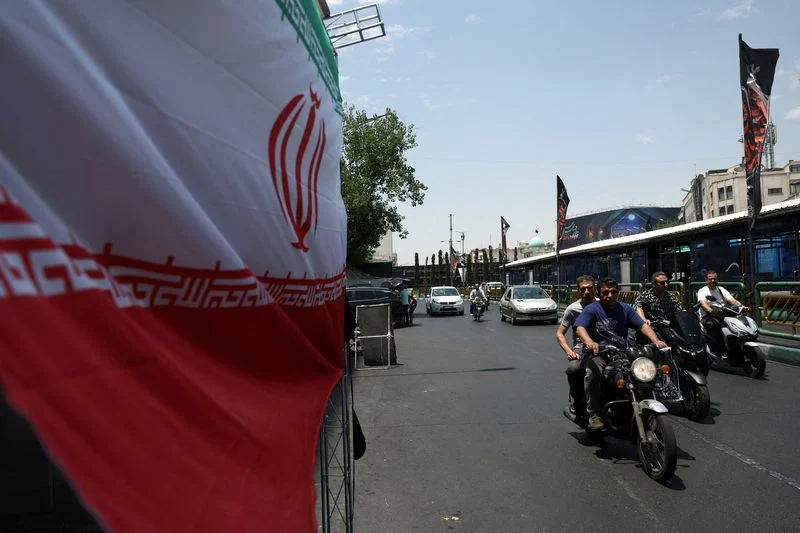

Analysis-US-Iran deal redraws the Middle East: Iran gains, rivals alarmed


US CDC activates $107 million in emergency funding for Ebola response


HowGood teams up with AI company.
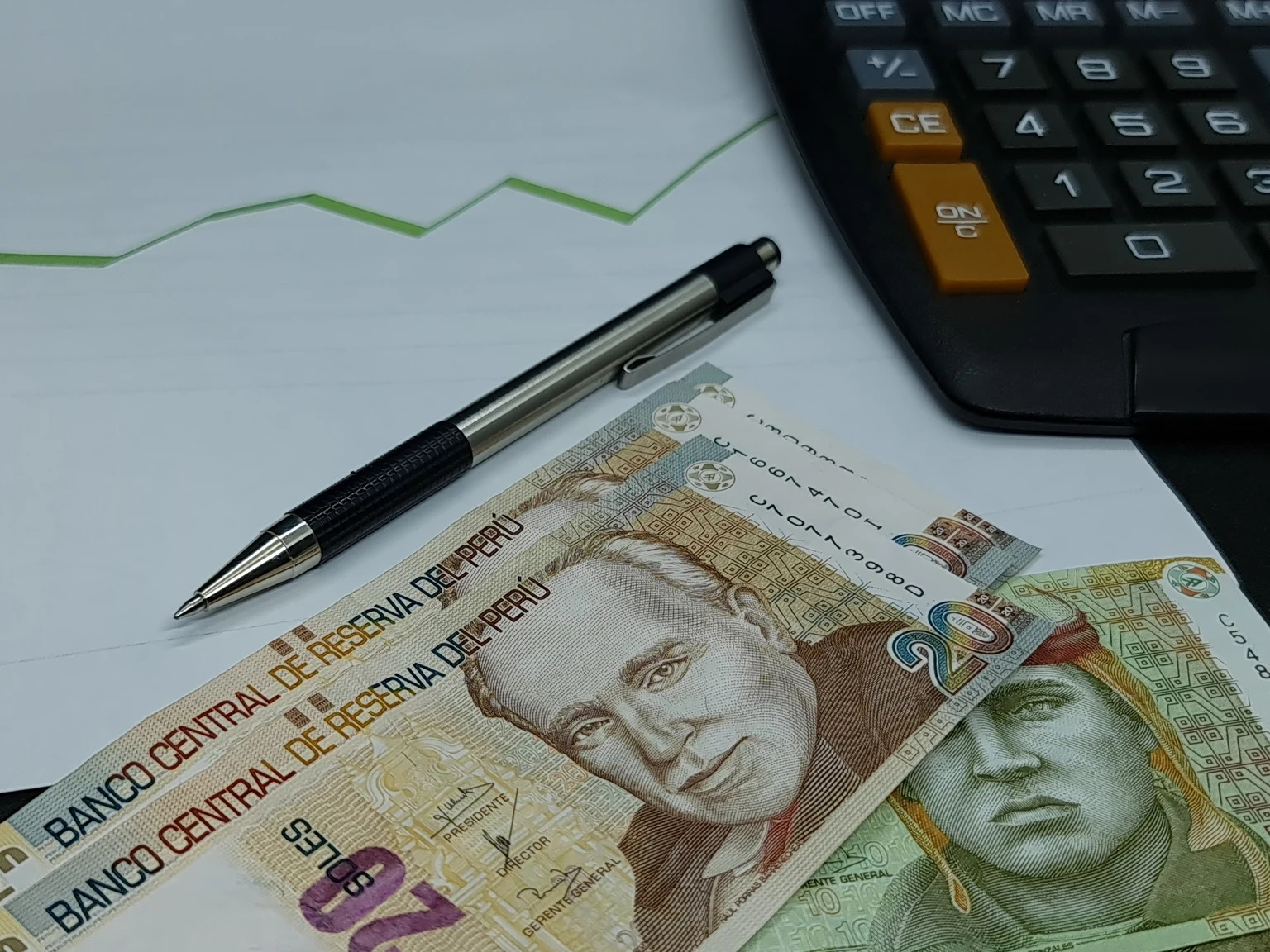
Credicorp: Good Macroeconomic Backdrop, But Valuation Limits Upside

Transport Focus asks it to reduce delays and provide better information during disruption.
Business
QUOTES-Bank of England policymakers set out views on rates outlook in minutes of June meeting
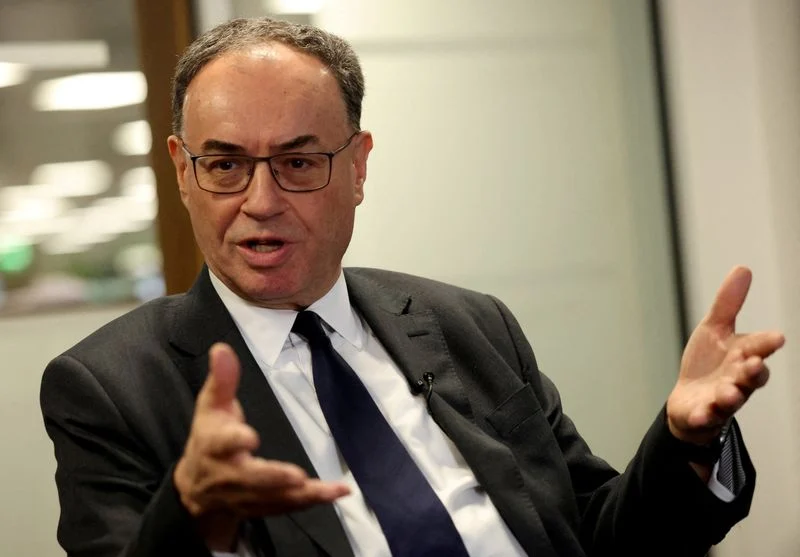

QUOTES-Bank of England policymakers set out views on rates outlook in minutes of June meeting
420,000,000 Dogecoin (DOGE) in 7 Days: Crash Signal or False Alarms?

Critics Flag The Stunning Historical Irony Of Where Trump Signed The Iran Memorandum

World Cup 2026: South Africa fight back to earn draw against Czech Republic


-

 Business4 days ago
No Jackpot Winner as $257 Million Prize Rolls Over to $269 Million Monday Draw
-

 Fashion6 days ago
Weekend Open Thread: Tuckernuck – Corporette.com
-
 Crypto World4 days ago
Zimbabwe Requires Crypto Businesses to Register Annually Under New FIU Regulations
-

 Crypto World5 days ago
Bitget enters Argentina’s regulated crypto market through PSAV registration
-

 Tech6 days ago
NanoClaw integrates JFrog registries to secure AI agent downloads
-

 Tech6 days ago
This Week In Security: Microsoft On Microsoft, Register Your Domains, Linux On ARM, And FreeBSD Joins The File Cache Club
-

 NewsBeat7 days ago
El Nino has formed in the Pacific and could set records, forecasters say
-

 NewsBeat6 days ago
FBI searches office of Ohio voter registration group
-
 Tech7 days ago
Anthropic is spending $150M to embed 1,000 AI fellows inside nonprofits. No degree required.
-
 Entertainment7 days ago
‘The Pitt’s Fan-Favorite Doctor Confirms Noah Wyle Gave His Blessing to Return [Exclusive]
-
 Crypto World7 days ago
Ripple and Bitso Bring MXNB Stablecoin to XRP Ledger
-

 Fashion7 days ago
Coffee Break: Scarf Waist Belt
-
 Tech7 days ago
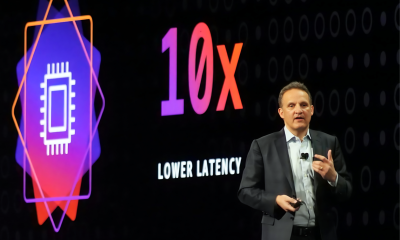
Former AWS CEO Adam Selipsky to lead new $10B AI data center venture
-
 Entertainment4 days ago
Matt Damon’s Viral Sci-Fi Thriller Has Taken Over HBO Max
-

 Business4 days ago
Anthropic staff to meet White House officials next week, Axios reports
-

 Tech4 days ago
As AI companies race to go public, who else is along for the ride?
-

 Business7 days ago
Justin Bieber Prepares for 2026 Tour Return with New Music and Promoter Talks
-
 Crypto World4 days ago
Bitcoin could crash to $48,000, if this historical pattern is triggered
-

 Politics4 days ago
“Israel’s” ban on ICRC visits ruled illegal, but Knesset moves to stop them permanently
-
 Tech7 days ago
Euro-Office 1.0 Arrives To Open-Source Infighting: ‘Compatibility Is Not Sovereignty’
You must be logged in to post a comment Login