

Business
Stephen Miran resigns as Fed Reserve governor, shows support for Warsh as chair


Federal Reserve Governor Stephen Miran joins ‘Mornings with Maria’ to discuss inflation, market optimism about rate cuts and his outlook on President Donald Trump’s tariffs.
Federal Reserve Governor Stephen Miran officially submitted his resignation Thursday, which will take effect upon or shortly before his successor, Chairman-designate Kevin Warsh, is sworn in.
The former chair of President Donald J. Trump’s Council of Economic Advisors (CEA), who began his term in September 2025, Miran resigned from his role as CEA chair in February, following through on a commitment to the Senate to fill the Federal Reserve seat vacated by Governor Adriana Kugler, whose term ended Jan. 31.
In his resignation letter to the president, he touted significant conservative regulatory victories, specifically highlighting his fight against political overreach in the banking sector.
Miran emphasized his support for the removal of “reputational risk” guidelines, a mechanism he argued was previously used by regulators and examiners to force their own political preferences regarding “firearms, climate or any other matter” onto the customers of American banks.

Stephen Miran, former chairman of the Council of Economic Advisors, walks outside the White House in Washington, D.C. (Aaron Schwartz/Sipa/Bloomberg via Getty Images / Getty Images)
WARSH FACES FIRST BIG TEST ON CAPITOL HILL AS TRUMP’S FED VISION COMES INTO FOCUS
He also celebrated his work alongside Vice Chairwoman Michelle Bowman to slash “accumulated excess regulation,” an effort that successfully freed up over $100 billion in capital.
The deregulation reduced leverage constraints, allowing banks to more freely extend credit to U.S. households and businesses without being penalized for holding safe assets like U.S. Treasuries.
On monetary policy, Miran warned that the Federal Reserve risks fighting “fake rather than real inflation” if it fails to account for current economic biases.
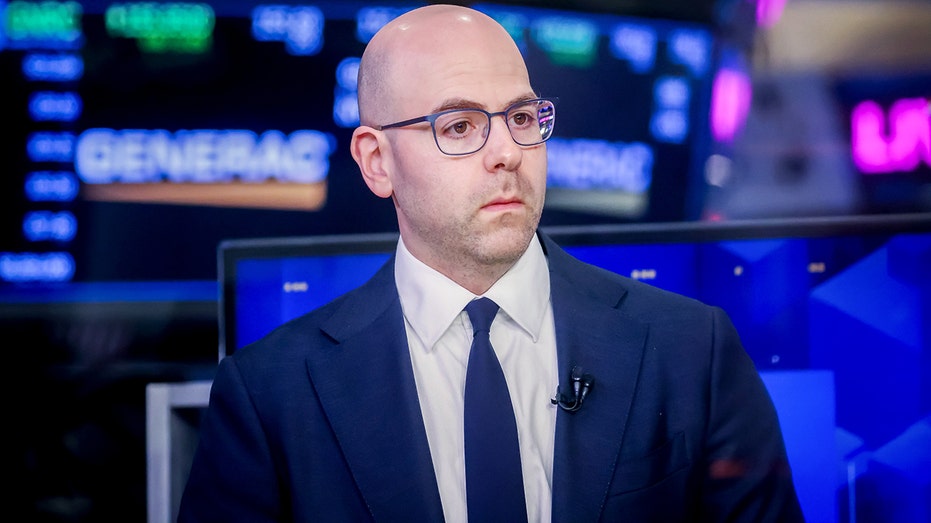
Federal Reserve Governor Stephen Miran touted significant conservative regulatory victories in his resignation letter to President Donald Trump. (Michael Nagle/Bloomberg via Getty Images, File / Getty Images)
THE FED’S FOOLISH INTEREST RATE POLICY IS STOPPING AMERICA’S ECONOMY FROM BOOMING
He argued that reduced immigration and increased supply-side deregulation are “powerfully disinflationary” forces and cautioned that inflation metrics are currently skewed by unavoidable biases, such as those found in portfolio management fees and AI-driven software.
Failing to adjust for the measurement errors, he said, could force the Fed to unnecessarily drive up unemployment.
Miran said he was excited that Chairman-designate Warsh will return the Federal Reserve to its “narrow mandate and out of hot-button political and cultural issues,” while continuing the crucial work of shrinking the central bank’s balance sheet and overall footprint in the U.S. financial system.
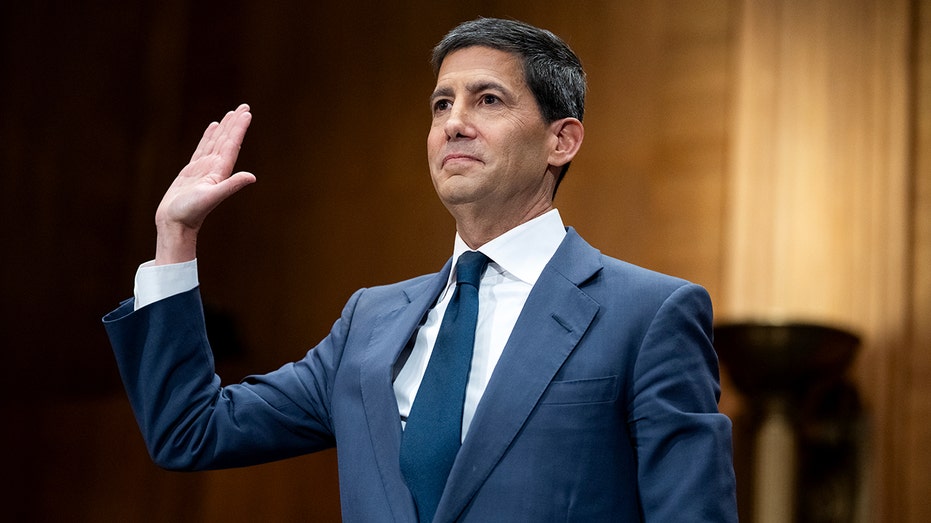
Kevin Warsh, nominee for chairman of the Federal Reserve, is sworn in to his Senate Banking, Housing and Urban Affairs Committee confirmation hearing, April 16, in Washington, D.C. (Tom Williams/CQ-Roll Call, Inc via Getty Images / Getty Images)
Warsh, 56, was confirmed by the Senate on Wednesday as the next Federal Reserve chair, taking over for Jerome Powell, whose term will expire Friday.
CLICK HERE TO DOWNLOAD THE FOX NEWS APP
The Federal Reserve Board of Governors did not immediately respond to FOX Business’ request for comment.


The rapid surge in EV adoption across Thailand, Vietnam, and Indonesia is transforming the region’s industrial landscape, yet the supporting power infrastructure remains critically underdeveloped.
Southeast Asia’s EV Surge
- EV adoption is accelerating rapidly in Thailand, Vietnam, and Indonesia, reshaping industry but straining underdeveloped power grids.
- Thailand leads with strong government targets (30% zero-emission production by 2030) and heavy Chinese automaker presence, but grid capacity lags behind demand.
Electric vehicles are selling faster across Southeast Asia than at any point in history. Thailand is manufacturing them at scale. Vietnam has produced a homegrown brand bold enough to challenge in global markets. Indonesia is betting its vast mineral wealth on becoming the world’s battery supplier. By nearly every headline metric, the region’s clean transport revolution is on track.
But a growing body of evidence, from the International Energy Agency, energy research firm Ember, and on-the-ground reporting across the region, points to a structural problem that enthusiastic sales figures tend to obscure: the electrical grids these vehicles depend on are not ready for them.
Thailand Sets the Pace, But Questions Linger
Thailand has emerged as the unambiguous regional leader in EV manufacturing and sales, backed by an aggressive government target of 30% zero-emission vehicle production by 2030. Chinese automakers, led by BYD, have flooded the Bangkok market with competitively priced models, and consumer uptake has exceeded most projections.
What the government has been slower to address is what happens when millions of those vehicles need to charge simultaneously in a city where peak urban power demand is already climbing. The IEA has found that EV adoption across Southeast Asia is disproportionately concentrated in dense urban centres, precisely where grids are most strained. Thailand’s infrastructure investment, while improving, has not kept pace with the speed of its EV ambitions.
VinFast’s Gamble and Vietnam’s Deeper Problem
- VinFast aggressively pursues global markets despite heavy losses ($3.87B net loss in 2025).
- Domestic EV growth risks worsening Vietnam’s fragile grid, already plagued by curtailment crises and unreliable state utility payments to renewable developers.
- Foreign investor confidence is shaken by tariff defaults and threats of arbitration.
In Vietnam, the EV story has a single dominant protagonist: VinFast, the automotive arm of the country’s largest private conglomerate, backed by billionaire founder Pham Nhat Vuong. The company has pursued global market share with extraordinary aggression and extraordinary cost. In 2025, VinFast posted a net loss exceeding $3.87 billion, even as revenues doubled to $3.59 billion. By conventional metrics, it is a company burning through cash at a pace that would have shuttered most startups. Vuong’s personal backing has kept it alive.
Yet VinFast’s domestic momentum is real, and Hanoi’s policy environment is actively supporting it. The problem is what that success is doing to the national grid.
A recent Vietnamnet analysis estimated that accelerating EV adoption could require grid investment as much as 28% above current high-growth projections by 2030. That is a significant capital commitment for a country already struggling with chronic curtailment, the forced reduction of power output to prevent grid overload.
Every summer, Vietnam’s curtailment crisis returns. In the industrialised north, output reductions have exceeded 50% in certain regions, and the consequences extend far beyond inconvenience. Global manufacturers, including Foxconn, LG, Samsung, Apple and Canon, have seen production disrupted when power is throttled or cut without warning. For a country positioning itself as an indispensable link in global supply chains, that is not merely an energy policy failure. It is a sovereign risk.
The state electricity distributor, EVN, has made matters considerably worse. The utility has failed to honour contracted feed-in tariff payments for approximately 12 gigawatts of solar and wind capacity. More than 170 projects, predominantly solar, face payment suspensions or tariff reductions of up to 43%. Developers are threatening international arbitration. When a state utility defaults on its own contractual commitments, foreign investors take notice, and not in the way Hanoi would prefer.
Indonesia’s Nickel Advantage Meets Coordination Failure
Indonesia’s EV strategy is structurally different from its neighbours’. Rather than relying on domestic consumer enthusiasm or a single high-profile manufacturer, Jakarta has anchored its approach to the country’s dominant position in global nickel supply, the key raw material in EV batteries. The logic is straightforward: if the world is going electric, Indonesia intends to be indispensable to that transition.
The strategy has attracted serious investment and elevated Indonesia’s profile in global battery supply chain conversations. But the domestic charging infrastructure required to actually run EVs on Indonesian roads is being strangled by a more prosaic failure: coordination breakdown between the state utility, Perusahaan Listrik Negara, and private charging operators. Industrial strategy and physical infrastructure are, for now, advancing at very different speeds.
The Fossil Fuel Contradiction Nobody Wants to Discuss
Across all three countries, a fundamental tension sits at the centre of the EV narrative that policymakers have been reluctant to confront directly. EVs are being championed, correctly, as a means of reducing dependence on fossil fuel imports and cutting tailpipe emissions. But the electricity charging those vehicles is still generated predominantly by coal.
⚡ Structural & Environmental Contradictions
- EVs reduce oil dependence but grids remain coal-heavy, shifting rather than eliminating fossil fuel reliance.
- Without transparent accounting of fossil-fuel-powered charging, decarbonisation targets risk distortion.
Governments are not replacing a fossil fuel dependency so much as relocating it, from imported oil to domestically burned coal. That is a meaningful distinction for energy security calculations, and it may be a rational short-term trade. But it is emphatically not the clean energy revolution the promotional narrative suggests. An EV charged on a coal-heavy grid is cleaner than a petrol car, but it is far from carbon-neutral. Honesty about that gap matters when setting decarbonisation targets and measuring progress against them.
At a minimum, governments and energy analysts should be tracking what share of EV charging is actually powered by fossil fuel generation. That data exists, or could be made to exist. The absence of such accounting is a choice, and it is one that distorts the policy conversation.
A Grid Crisis in Slow Motion, and a Looming Complication
Grid stress from EVs does not arrive in a single crisis moment. It compounds gradually, through transformer overloads, localised voltage instability, mounting curtailment, and the steady erosion of investor confidence in new power projects. Ember’s analysis of Southeast Asian grids found transmission infrastructure that is underdeveloped, uneven, and generating bottlenecks that reduce system efficiency and delay project integration region-wide. The problem is structural, and it will not be solved by deploying more EVs faster.
One further pressure point has received insufficient attention in the regional energy conversation: artificial intelligence. Data centre power demand across ASEAN is projected to more than double by 2030, with some estimates forecasting a fourfold increase to around 10.7 gigawatts by 2035. The EV buildout and the AI infrastructure boom are arriving on the same grids at roughly the same time. The compounding effect of those two demand curves is not something the current infrastructure was built to absorb.
The Opportunity Is Real. So Is the Risk.
Southeast Asia’s EV boom is genuine progress, but fragile grids, coal dependence, and looming AI power demand pose serious risks. The region’s success hinges on grid modernisation and regulatory credibility, not just optimism.
The region has a narrow window to close the gap between the pace of EV deployment and the pace of grid investment before that gap becomes a hard constraint on growth. That means transparent, enforceable regulatory frameworks capable of attracting sustained foreign capital. It means state utilities operating as enablers rather than bottlenecks. It means energy planners treating grid modernisation as a precondition for electrification, not an afterthought.
The EV future in Southeast Asia is achievable. But it will not be powered by optimism alone.
Other People are Reading
Business
US set to drop criminal fraud case against India’s Gautam Adani, sources say, as deal reached in civil case
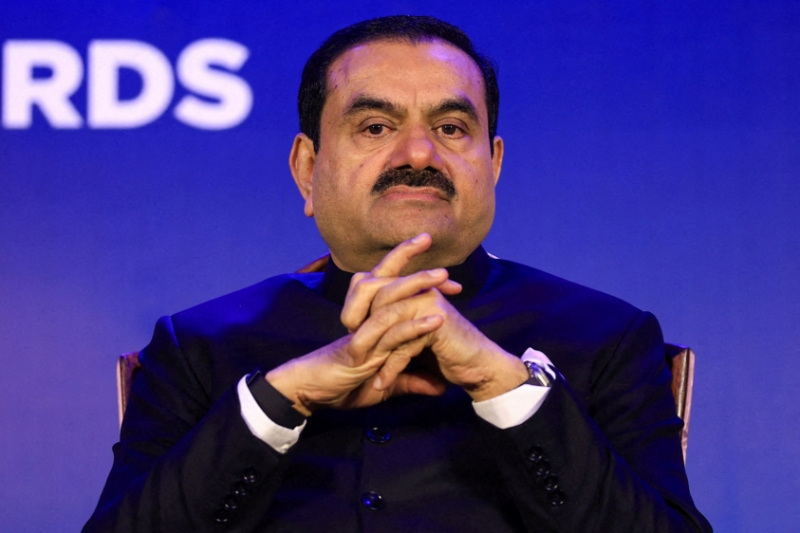

US set to drop criminal fraud case against India’s Gautam Adani, sources say, as deal reached in civil case
Business
Mariah Carey and Justin Bieber Viral Feud Over Fake Murder Accusation Sparks Diddy Party Speculation

LOS ANGELES — A bizarre and entirely fabricated social media rumor claiming Justin Bieber accused Mariah Carey of killing her mother and sister for the Illuminati has exploded across platforms this week, prompting widespread confusion, celebrity denials and renewed discussion about Hollywood’s complicated ties to Sean “Diddy” Combs’ infamous parties.
The hoax originated from doctored screenshots and parody accounts on X and Instagram on May 12, 2026. One widely shared image appeared to show Bieber commenting on Carey’s Instagram post mourning her mother Patricia and sister Alison, who both passed away in early 2024 within weeks of each other. The fake comment read variations of “You killed your mom and sis for the Illuminati” or more extreme versions alleging cannibalism. Almost immediately, another fabricated response attributed to Carey surfaced: “At least I never attended any Diddy parties.”
Neither celebrity made any such statements. Fact-checkers, including Lead Stories and multiple media outlets, quickly confirmed both the accusation and the clapback were completely fabricated. Carey’s verified social media accounts showed no interaction with Bieber, and Bieber’s representatives have not addressed the rumor directly, though sources close to him called it “absurd and harmful.”
The rumor gained traction rapidly due to its shocking nature and timing. Carey had publicly shared her grief over losing both her mother and sister to illness in January 2024. Patricia Carey was 78, and Alison was 52. The singer has spoken openly about her complicated family relationships in the past, including estrangement from some relatives, which conspiracy theorists twisted into wild Illuminati narratives.
Bieber, 32, has his own well-documented history with mental health struggles and past associations with Combs. While he attended some Diddy parties as a teenager, his team has repeatedly stated he was never a victim in the federal sex trafficking case against the music mogul. Combs faces serious charges, and the ongoing legal saga has dragged numerous celebrities into speculation, regardless of their actual involvement.
Social media users were divided. Some treated the rumor as entertainment, creating memes and conspiracy threads, while others expressed genuine concern or outrage. Hashtags like #MariahCarey, #JustinBieber and #DiddyParties trended for hours. Celebrity gossip accounts amplified the fake screenshots before fact-checks spread, creating a classic example of how misinformation travels faster than corrections online.
Mariah Carey, 56, has not publicly responded to the hoax. The five-time Grammy winner has largely stayed out of tabloid drama in recent years, focusing on her music, residency shows and family. She released a statement through her representatives calling the rumor “deeply disrespectful to the memory of my mother and sister” and urging fans to stop sharing unverified content.
Bieber’s camp similarly distanced itself. A source close to the singer told People magazine that Bieber “has enormous respect for Mariah and would never comment on her personal tragedies.” Bieber has been open about his own past traumas, including feeling exploited as a young star, which may explain why the Diddy angle in the fake response resonated with some online commentators.
The incident highlights ongoing issues with celebrity death hoaxes, conspiracy theories and AI-generated or manipulated content. Deepfake technology and easy photo editing tools have made it simpler than ever to create believable celebrity feuds. Platforms like X have struggled to contain the spread, with many users sharing the fake exchange before verification.
This is not the first time Carey and Bieber have been linked in rumors. Both artists achieved massive early success and have spoken about the pressures of fame. Carey’s 1990s dominance and Bieber’s teen idol era share parallels in how the music industry treats young talent. Their paths have crossed occasionally at industry events, but they have never had any known personal conflict.
The Diddy party reference in the fake response tapped into real public fascination. Combs’ legal troubles have led to renewed scrutiny of Hollywood parties from the 2000s and 2010s. Numerous celebrities, including Carey and Bieber, attended events hosted by Combs over the years. Most have distanced themselves from the disgraced mogul, emphasizing they had no knowledge of any criminal activity.
Industry insiders say the viral hoax reflects broader cultural anxieties about celebrity, power and hidden truths in entertainment. Conspiracy communities quickly latched onto the story, weaving it into larger Illuminati narratives that have followed both artists for years.
For Carey, the rumor arrives at a relatively peaceful time. She continues performing, raising her twins and occasionally releasing new music. Her legacy as the “Queen of Christmas” and one of the best-selling female artists of all time remains secure. Friends say she is focused on healing and legacy projects rather than engaging with online drama.
Bieber, meanwhile, has been enjoying fatherhood and focusing on his music and mental health. His wife Hailey Bieber has also faced her share of online scrutiny, and the couple has worked to maintain privacy amid constant public attention.
As the story continues circulating, both artists’ teams are likely monitoring for any real-world impact. Celebrity publicists often advise against responding to obvious fakes, allowing them to die naturally once fact-checks spread. However, the speed and scale of this particular rumor have surprised many in the industry.
The episode serves as a reminder of the responsibility that comes with sharing content online. In an era where a single screenshot can spark global outrage, verifying sources before amplifying stories is more important than ever. For Mariah Carey and Justin Bieber, the fabricated feud is just the latest example of how quickly misinformation can target high-profile figures.
While the rumor has no basis in reality, it has inadvertently highlighted the genuine grief both artists have faced in their personal lives and the complexities of navigating fame in the social media age. As the internet moves on to the next viral moment, Carey and Bieber will likely continue focusing on their careers and families, far removed from the fabricated drama created in their names.
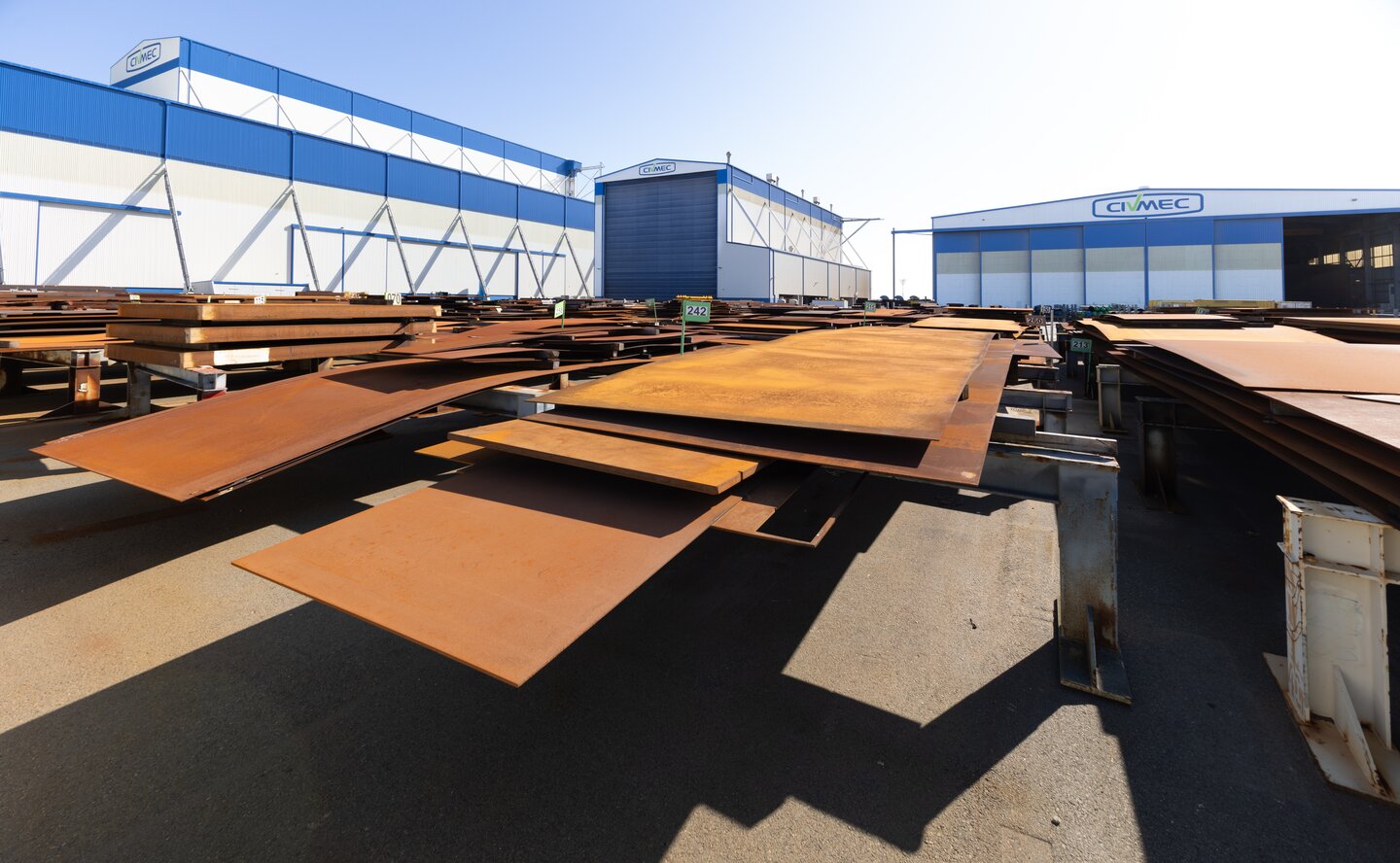
Civmec boss Pat Tallon says the company remains focused on converting its sizeable workbook into added value for its investors.

BALTIMORE — The Baltimore Ravens signed quarterback Diego Pavia on Thursday, adding one of college football’s most electrifying playmakers to their roster following a record-breaking 2025 season at Vanderbilt that saw the former walk-on lead the Commodores to their first SEC Championship Game appearance in program history.
The move, announced by the team via social media and confirmed by multiple league sources, is expected to be a two-year deal worth approximately $4.2 million with incentives, according to a person familiar with the contract. Pavia, who went undrafted in the 2026 NFL Draft despite his standout college career, impressed Ravens coaches during private workouts and a top-30 visit earlier this spring.
“Diego is a winner,” Ravens coach John Harbaugh said in a statement. “He has that rare combination of toughness, creativity and leadership that we value in our quarterback room. We’re excited to add him to the competition and see what he can do in our system.”
Pavia’s journey from overlooked high school prospect to SEC star has captivated football fans nationwide. After beginning his career at New Mexico State as a walk-on, he transferred to Vanderbilt in 2024 and immediately transformed the program. In 2025, he threw for 4,128 yards, 38 touchdowns and just nine interceptions while rushing for 912 yards and 14 scores. His dual-threat ability helped Vanderbilt achieve a 10-3 record and a historic run to the SEC title game, where they fell to Georgia.
The 23-year-old from Bakersfield, California, became known for his fearless style — scrambling out of pressure, making off-platform throws and delivering highlight-reel plays almost weekly. His performance earned him second-team All-SEC honors and finalist consideration for the Heisman Trophy, making him one of the most compelling undrafted free agents in recent memory.
Ravens general manager Eric DeCosta highlighted Pavia’s intangibles. “He’s a proven leader who elevates those around him,” DeCosta said. “In today’s NFL, you need quarterbacks who can create when things break down, and Diego has shown he can do that at a high level.”
Pavia will join a crowded quarterback room in Baltimore that includes Lamar Jackson, who signed a massive contract extension last year, and backup Tyler Huntley. The Ravens have long valued versatile, mobile quarterbacks who can complement Jackson’s unique skill set, and Pavia’s playing style fits that mold. He is expected to compete for the backup role while developing behind one of the league’s most dynamic franchise quarterbacks.
For Vanderbilt fans, the signing represents both pride and loss. Pavia’s departure ends one of the most magical individual stories in recent Commodores history. Head coach Clark Lea called the signing “well-deserved” and praised Pavia’s impact on the program during a press availability Thursday morning.
“Diego changed the culture here,” Lea said. “He showed what’s possible when you combine belief with relentless work ethic. We’re proud of everything he accomplished and excited to watch him compete at the next level.”
Pavia’s college statistics tell only part of the story. Beyond the numbers, he became a locker room leader who helped recruit top talent and inspired a fanbase that had grown accustomed to losing seasons. His famous “Vandy Boys” motto and postgame celebrations became cultural touchstones for the program.
NFL scouts praised Pavia’s football IQ and competitive fire but raised questions about his size (listed at 5-foot-11, 200 pounds) and arm strength in traditional pocket situations. However, his success in structured and improvised plays convinced several teams he could carve out a role as a high-upside backup or eventual starter.
The Ravens’ interest in mobile quarterbacks is well-documented. They have developed several dual-threat signal-callers in recent years, and offensive coordinator Todd Monken’s scheme emphasizes creativity and pre-snap motion — areas where Pavia excels. Monken is expected to work closely with the young quarterback on refining his footwork and progressing through reads more quickly.
Pavia becomes the latest in a growing list of undrafted quarterbacks finding opportunities with contending teams. His story echoes those of players like Brock Purdy and Gardner Minshew, who turned late or undrafted status into successful NFL careers through hard work and opportunity.
Reaction from the NFL community has been largely positive. Former Vanderbilt and current NFL players congratulated Pavia on social media, while analysts praised the Ravens for adding depth without sacrificing significant draft capital. Fantasy football enthusiasts have already begun speculating about Pavia’s potential role in Baltimore’s offense, especially in gadget plays and red-zone packages.
For Baltimore fans, the signing adds another intriguing piece to a roster built for contention. The Ravens reached the AFC Championship Game in 2025 but fell short of the Super Bowl. Adding another mobile threat behind Jackson provides insurance and strategic flexibility, particularly in packages designed to keep defenses guessing.
Pavia is expected to report to the team’s facilities in the coming weeks to begin offseason workouts. He will wear No. 12, a number he made famous at Vanderbilt, after receiving approval from veteran quarterback Trace McSorley, who previously wore it with the Ravens.
As the NFL offseason continues, Pavia’s move to Baltimore represents another chapter in an unlikely success story. From walk-on at New Mexico State to SEC standout to NFL signee, his journey embodies perseverance and the power of opportunity. For the Ravens, it represents another calculated step toward building sustained excellence at the game’s most important position.
Whether Pavia develops into a reliable backup or emerges as something more remains to be seen. For now, the former Commodore has earned his shot in the league — and Baltimore may have found a hidden gem in one of the most intriguing undrafted signings of 2026.
Business
Vedanta, Hindalco, other metal stocks rally up to 11% in one week. Should you buy or wait? Here’s what analysts say
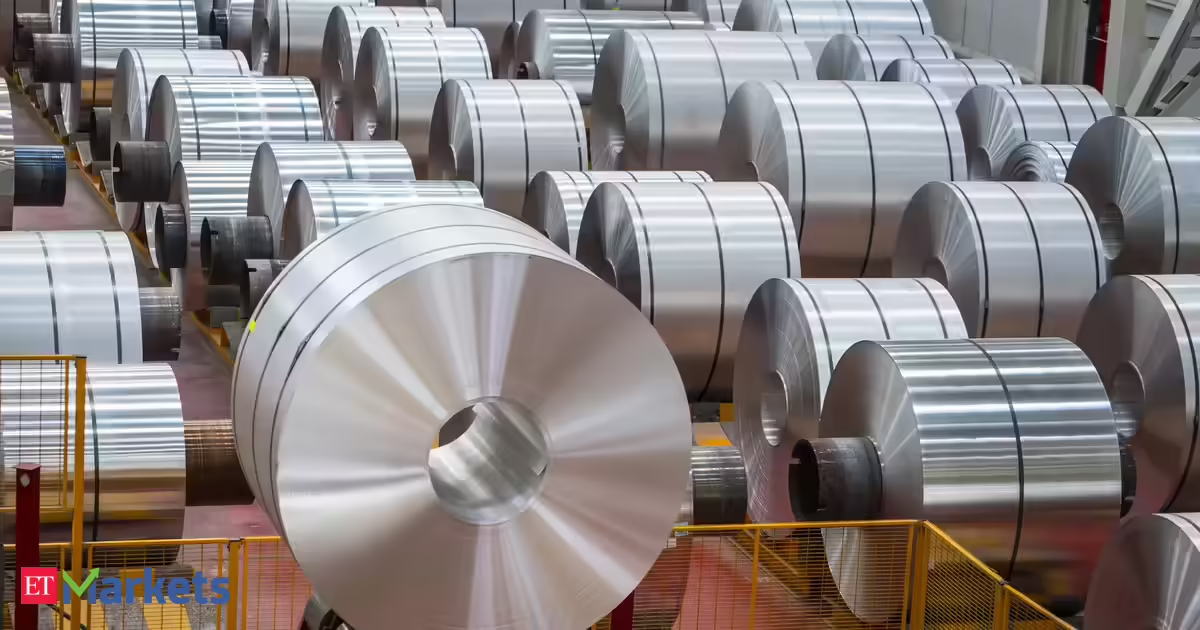
The sharp rally in metal stocks was driven by multiple tailwinds. Gold and silver saw their prices soar after the government increased import duty on the precious metals to 15%, in order to stop rupee’s free fall and moderate non-essential imports during a period of heightened global uncertainty linked to the Iran-US conflict.
Additionally, US President Donald Trump’s visit to China after years of escalating geopolitical friction between the world’s two largest economies may have also supported the bulls in the metals counter. Strong earnings further boosted the market sentiment.
‘Accumulate metal stocks on dip’
The metal stocks have rallied sharply, capturing the positive momentum, said Aditya Welekar, Senior Research Analyst of Metals at Axis Direct. He said investors can consider accumulating the stocks at any pullback. “Non-ferrous metals such as aluminium and copper are finding support from supply disruptions and strong industrial demand from China. Sulphuric acid supply issue has supported copper prices. Aluminium smelters in the gulf form 9% of global supply. With around 3 million tonnes of supply in that region being impacted, aluminium prices are trading at elevated levels of $3,500/t. Steel prices are driven by strong domestic demand,” he explained.

Amarjeet Maurya, Deputy VP of Fundamental Research at Kotak Securities, highlighted that several metal stocks have delivered strong returns even as Nifty 50 corrected over 5% in the past one year. Shares of Hindustan Copper rallied over 161%, while those of Hindalco Industries jumped 70%, Hindustan Zinc rallied 52%, and more.
“Investors can consider buying at current levels, and any further correction or dip may provide an opportunity to accumulate more for the long term,” he said, adding that the medium-term outlook for the metals and mining sector remains positive, supported by strong fundamentals across steel and aluminum.
The metal space continues to offer selective opportunities, particularly in companies linked to commodities witnessing strong price momentum, said Sunny Agrawal – Head of Fundamental Research at SBI Securities.
Why shouldn’t investors chase the metals momentum blindly?
Vaqarjaved Khan, Senior Fundamental analyst at Angel One noted that the metal stocks have already seen a sharp rerating, so this is not the kind of market where investors should rush in blindly.
Among metal stocks, Amarjeet Maurya from Kotak Securities remains positive on JSW Steel and Jindal Steel from a long-term perspective. “Investors can consider buying at current levels, and any further correction or dip may provide an opportunity to accumulate more for the long term,” he said.
“After a strong rally, the risk-reward often improves only when the stock cools off and gives a better entry point. My preference would be to wait for a meaningful dip rather than chase momentum at elevated levels, because metal counters are highly cyclical and can correct quickly if global prices, demand trends, or margins soften,” according to the analyst.
Which metal stock should you buy?
However, if Khan had to choose one metal stock for a patient investor, then Tata Street would be his first pick because it offers scale, liquidity, and a relatively balanced way to participate in the cycle. “JSW Steel is also attractive for those willing to pay up for quality, while the smaller names can be far more volatile,” he added.
Sunny Agrawal from SBI Securities meanwhile said that the markets are seeing a sharp uptick in zinc and silver prices, which is positive for players such as Hindustan Zinc. Investors looking to capitalize on this move may consider adding the stock to portfolios with appropriate stop losses, as it has the potential to deliver nearly 8–10% short-term upside.
“Within steel, finished product prices have seen a meaningful rise over the last three to four months, creating a favourable earnings environment for companies like Tata Steel and SAIL,” he said, adding that copper is another segment drawing attention, with global prices hovering near multi-year highs of around $14,000 per tonne. “In the Indian market, Hindustan Copper remains one of the key listed plays. While valuations appear somewhat elevated, the ongoing strength in copper prices could continue to support the stock, with a potential upside of 8–10% in the near term, subject to disciplined stop-loss levels,” he explained.
Agrawal highlighted that investors must remember that metals remain cyclical in nature. Any correction in underlying commodity prices could lead to sharp pullbacks in these stocks, making risk management and strict stop-loss adherence critical, he added.
(Disclaimer: Recommendations, suggestions, views and opinions given by the experts are their own. These do not represent the views of The Economic Times)
Business
Oil Price Today (May 15): Crude oil above $105 as Iran war resolution stagnates. Where is liquid gold headed?

Markets were also watching closely as U.S. President Donald Trump and Chinese President Xi Jinping entered the second day of talks in Beijing.
Crude oil price on May 15
Brent crude futures rose 60 cents, or 0.57%, to $106.32 a barrel by 0100 GMT. U.S. West Texas Intermediate crude futures gained 54 cents, or 0.53%, to $101.71 a barrel.Trump and Xi are expected to meet again on Friday as the two-day state visit concludes. U.S. Trade Representative Jamieson Greer said China was being “very pragmatic” regarding Iran and noted that keeping the Strait of Hormuz open remained important for Beijing. Speaking to Bloomberg, Greer said uninterrupted movement through the route was a key concern for China.
Geopolitical tensions, however, remained elevated. In a Truth Social post early Friday, Trump said “the military decimation of Iran (to be continued!).” He also expressed hope that ties with China would emerge “stronger and better than ever before!”
The ongoing conflict has significantly tightened global oil supplies, with the International Energy Agency warning this week that the market may stay “severely undersupplied” until October even if hostilities end next month. U.S. inflation data released earlier this week also pointed to renewed price pressures linked to the conflict, adding to political challenges for Trump ahead of the November midterm elections.
Meanwhile, a U.S. naval blockade around Iranian ports remains active, and shipping conditions in the region continue to be risky. A commercial vessel was reportedly seized by unauthorized personnel near the entrance to the Strait of Hormuz before being taken into Iranian waters, on Thursday.
While a ceasefire has formally been in place since early April despite repeated flare-ups, there appears to be little progress between Washington and Tehran toward a lasting resolution. Trump recently said the truce was on “massive life support” and criticised Iran’s response to his proposal to end the conflict.
Analysts at Morgan Stanley said the global oil market is now in “a race against time,” warning that the factors limiting a sharper rise in crude prices may weaken if the Strait of Hormuz stays shut into June.
Despite disruptions impacting nearly 1 billion barrels of oil supply, crude prices are still below the highs reached in 2022 after Russia’s invasion of Ukraine. Analysts led by Martijn Rats said the market entered the current crisis with stronger supply buffers, while investors largely continue to believe the strait will eventually reopen.
Morgan Stanley added that higher U.S. crude exports and softer Chinese imports have so far helped shield the market from a deeper supply shock. However, the brokerage warned that a prolonged closure of Hormuz could once again tighten global supplies if disruptions continue beyond what either China or the United States can manage comfortably.
Haitong Futures said markets remain cautious and warned the ceasefire may only be temporary. The brokerage added that stalled negotiations between Washington and Tehran could trigger another escalation, pushing oil prices even higher.
Saudi Aramco CEO Amin Nasser said on Monday that disruptions to shipments through Hormuz could delay stability returning to oil markets until 2027, potentially affecting around 100 million barrels of oil supply every week.
(Disclaimer: Recommendations, suggestions, views and opinions given by the experts are their own. These do not represent the views of The Economic Times)

The long-running court battle between the Yindjibarndi people, Fortescue and WA government has been a case watched keenly by Australia’s resources, native title and legal professions.

Older homes possess a distinctive charm that continues to captivate buyers across the property market. Character features, architectural individuality, and historical ambience often create a sense of warmth and authenticity that modern developments struggle to replicate.
However, purchasing an older property also introduces significant responsibilities. Restoration projects require careful planning, financial discipline, and realistic expectations. Property professionals, including experienced local agents such as Hunters ashford estate agents, frequently advise buyers that successful restoration begins long before renovation work actually starts. Thorough preparation is often the difference between a rewarding transformation and an overwhelming financial burden.
Understanding the Condition of an Older Property
One of the first priorities when purchasing an older home is obtaining a comprehensive understanding of its condition. Superficial appearance alone rarely reveals the full extent of potential issues hidden beneath floors, behind walls, or within structural elements.
Detailed building surveys are therefore essential. Older properties may contain problems such as subsidence, timber decay, roof deterioration, damp penetration, or outdated construction methods that require specialist attention.
A professional survey provides clarity regarding both immediate repair requirements and future maintenance considerations. This information is invaluable when assessing whether the restoration project remains financially and practically viable.
Setting a Realistic Restoration Budget
Restoration projects frequently cost more than buyers initially anticipate. While cosmetic improvements are relatively straightforward to estimate, structural repairs and hidden defects can significantly increase expenditure.
Creating a detailed and realistic budget is therefore crucial from the outset. Buyers should account not only for renovation costs but also professional fees, permits, temporary accommodation, contingency reserves, and rising material prices.
Including a contingency fund is particularly important. Unexpected discoveries during restoration are extremely common in older homes, and financial flexibility helps prevent delays or compromised workmanship later in the project.
Prioritising Structural Repairs First
Structural integrity should always take precedence over cosmetic improvements. While decorative upgrades may feel more immediately rewarding, unresolved structural issues can undermine the entire property if neglected.
Roof repairs, foundation stabilisation, damp treatment, and drainage improvements should therefore be addressed early within the restoration process. These elements protect the building itself and create a stable foundation for all subsequent renovation work.
Attempting aesthetic improvements before resolving structural concerns often leads to duplicated costs and unnecessary disruption later.
Researching Planning Permission and Regulations
Older homes, particularly listed buildings or properties within conservation areas, may be subject to strict planning regulations. These restrictions often exist to preserve architectural heritage and maintain historical integrity.
Before beginning restoration work, buyers should thoroughly investigate local planning requirements and obtain any necessary permissions. Certain modifications, including window replacements, extensions, or structural alterations, may require specialist approval.
Failure to comply with planning regulations can result in enforcement action, financial penalties, or costly remedial work. Understanding these obligations early prevents complications during the restoration process.
Preserving Original Character Features
One of the greatest appeals of older homes lies in their original architectural features. Fireplaces, exposed beams, sash windows, decorative cornicing, and traditional flooring contribute significantly to character and value.
Whenever possible, restoration should aim to preserve these elements rather than replace them entirely. Authentic restoration often enhances both aesthetic appeal and long term market desirability.
Balancing preservation with practicality is important, however. Some original features may require discreet modernisation to meet contemporary living standards while retaining historical authenticity.
Upgrading Essential Systems
Older properties frequently contain outdated infrastructure that requires substantial modernisation. Plumbing systems, electrical wiring, heating installations, and insulation standards may no longer meet modern safety or efficiency expectations.
Upgrading these systems is essential for both comfort and regulatory compliance. Modern electrical systems improve safety, while efficient heating and insulation significantly reduce long term running costs.
Careful planning ensures that these upgrades integrate sympathetically within the property’s original design rather than compromising its historical character.
Finding the Right Contractors and Specialists
Restoration work requires specialised expertise. Builders experienced primarily in modern construction may lack the technical understanding necessary for heritage properties and traditional building methods.
Selecting contractors with proven restoration experience is therefore critical. Buyers should review previous projects, request references, and verify relevant qualifications before appointing specialists.
Communication is equally important. Restoration projects often evolve as hidden issues emerge, making transparency and adaptability essential qualities within the contractor relationship.
Managing Restoration Timelines Effectively
Restoration projects frequently take longer than initially expected. Delays may arise from material shortages, weather conditions, planning approvals, or unforeseen structural discoveries.
Creating a phased renovation schedule helps maintain organisation and prioritise essential work logically. Structural repairs, infrastructure upgrades, and weatherproofing should generally occur before cosmetic improvements begin.
Realistic timelines reduce frustration and allow for more controlled financial management throughout the project.
Combining Modern Living with Historic Charm
Many successful restorations achieve a balance between traditional character and modern functionality. Buyers increasingly seek homes that retain period charm while accommodating contemporary lifestyles.
Open-plan kitchen extensions, discreet smart-home technology, and energy-efficient improvements can coexist harmoniously within older properties when designed thoughtfully.
The key lies in respecting the architectural identity of the home while enhancing usability. Poorly integrated modernisation can diminish both aesthetic coherence and long term value.
Understanding Long Term Maintenance Requirements
Older homes generally require more ongoing maintenance than newer properties. Traditional materials and ageing structures demand regular attention to prevent deterioration.
Routine inspections, preventative repairs, and careful upkeep are therefore essential aspects of ownership. Maintaining roofs, gutters, timber elements, and ventilation systems helps preserve structural integrity and reduce larger repair costs later.
Prospective buyers should approach restoration not as a one-time project but as an ongoing stewardship responsibility.
Restoration as a Long Term Investment
Restoring an older home can provide both emotional satisfaction and long term financial benefits. Well-executed restorations often enhance market value significantly, particularly where original character has been preserved successfully.
However, the rewards extend beyond financial return alone. Many homeowners value the opportunity to preserve architectural heritage and create uniquely personal living spaces.
Patience, planning, and attention to detail are central to successful restoration. Buyers who approach the process strategically are often rewarded with homes that combine historical richness, modern comfort, and enduring market appeal.
Buying and restoring an older home is both a challenge and an opportunity. While restoration projects require careful financial planning, specialist expertise, and ongoing commitment, they also offer the chance to preserve architectural character and create highly distinctive living environments. By prioritising structural integrity, respecting original features, and planning renovations strategically, buyers can transform ageing properties into valuable and deeply rewarding long term homes.

Operator
Good afternoon, and welcome to the CVD Equipment Corporation First Quarter 2026 Earnings Conference Call. As a reminder, today’s call is being recorded. We will begin with prepared remarks followed by a question-and-answer session. Presenting on today’s call are Emmanuel Lakios, President and Chief Executive Officer; and Richard Catalano, Executive Vice President and Chief Financial Officer. Our earnings press release and information about today’s call replay are available in the Investor Relations section of our website at cvdequipment.com.
Before we begin, please note that the comments made during this call may include forward-looking statements, including statements regarding our future financial performance, market growth, product demand, business outlook and strategic initiatives. These statements are based on current expectations and are subject to risks and uncertainties that could cause actual results to differ materially. For a discussion of these risks, please refer to our filings with the Securities and Exchange Commission, including the Risk Factors section of our annual report on Form 10-K for the year ended December 31, 2025. We undertake no obligation to update any forward-looking statements, except as required by law.
With that, I will now turn the call over to Emmanuel Lakios, President and Chief Executive Officer.
Emmanuel Lakios
President, CEO & Director
Thank you, operator, and good afternoon, everyone. We appreciate you joining us today to review our first quarter 2026 financial results and to provide an update on our business and strategic initiatives. Following our prepared remarks, we’ll be happy to take your questions. As previously disclosed, in response to continued volatility in our order rates and a recent

Charges rise for York’s James House homeless accommodation

Southeast Asia’s Electric Vehicle Boom Outpaces Its Energy Grid
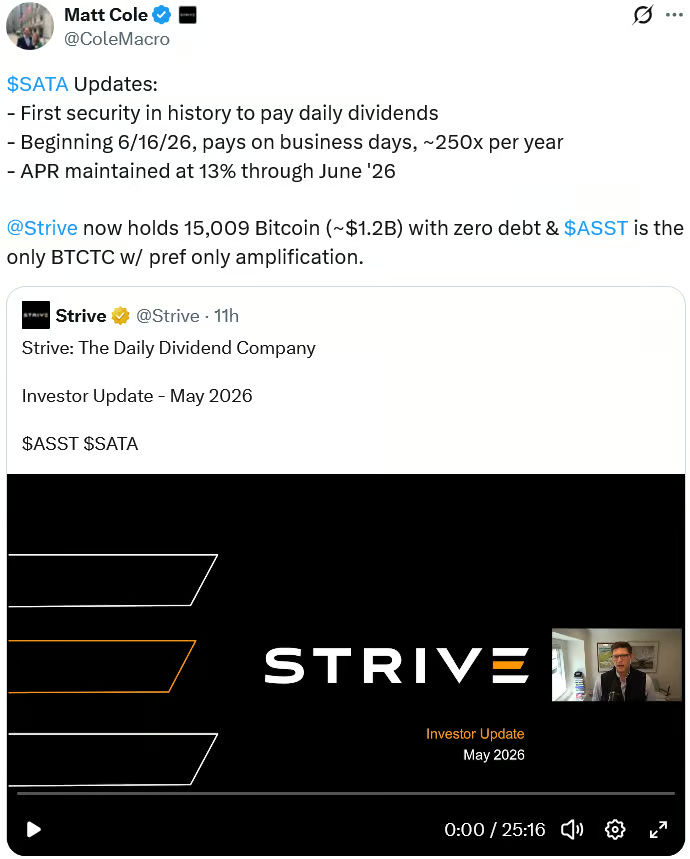
Strive Rises Nearly 6% after Becoming ‘Daily Dividend Company’

Manchester United reach agreement with Casemiro over contract clause amid transfer speculation

US brings back mandatory military draft registration

Steven Gerrard disagrees with Gary Neville over ‘shock’ Chelsea and Arsenal claim | Football


-
 Crypto World7 days ago
HarrisX Poll Found 52% of Registered Voters Support the CLARITY Act
-

 Fashion6 days ago
Weekend Open Thread: Marianne Dress
-

 Fashion3 days ago
Coffee Break: Travel Steam Iron
-

 Fashion4 days ago
What to Know Before Buying a Curling Wand or Curling Iron
-

 Tech5 days ago
Auto Enthusiast Carves Functional Two-Stroke Engine from Solid Metal
-

 Politics3 days ago
What to expect when you’re expecting a budget
-
 Business6 days ago
Ignore market noise, India’s long-term story intact, say D-Street bulls Ramesh Damani and Sunil Singhania
-

 Politics6 days ago
Politics Home Article | Starmer Enters The Danger Zone
-

 Tech4 days ago
GM Agrees To Pay $12.75 Million To Settle California Lawsuit Over Misuse Of Customers’ Driving Data
-

 Crypto World6 days ago
PROS explodes 48% as Upbit and Bithumb listings ignite demand
-

 Crypto World5 days ago
CZ says US crypto rivals tried to block Trump pardon
-

 Entertainment6 days ago
YNW Melly Denied Bond Again Ahead Of Double Murder Retrial
-

 Tech3 days ago
GM agrees to $12.75M California settlement over sale of drivers’ data
-

 Sports7 days ago
Bayern Munich vs PSG UEFA Champions League SF2 live match time, streaming | Football News
-
Tech7 days ago
The Most Exciting Apple Products In The Pipeline For 2026 And Beyond
-
Crypto World6 days ago
The Hantavirus Danger: Can a Potential Outbreak Spark a New Meme Coin Frenzy?
-

 Crypto World6 days ago
Kraken Parent Seeks OCC Charter, Signaling Regulated Banking Access
-

 Politics7 days ago
David Attenborough ‘Overwhelmed’ By Love Shown Ahead Of 100th Birthday
-

 Sports6 days ago
After Waka Waka, Shakira now drops first teaser for FIFA WC 2026 song | FIFA World Cup 2022
-
Entertainment7 days ago
How “Grey's Anatomy” bid farewell to Owen and Teddy — and whether they end up together
You must be logged in to post a comment Login