

Business
‘They Don’t Wanna Spend Any Money’ on Byron Allen

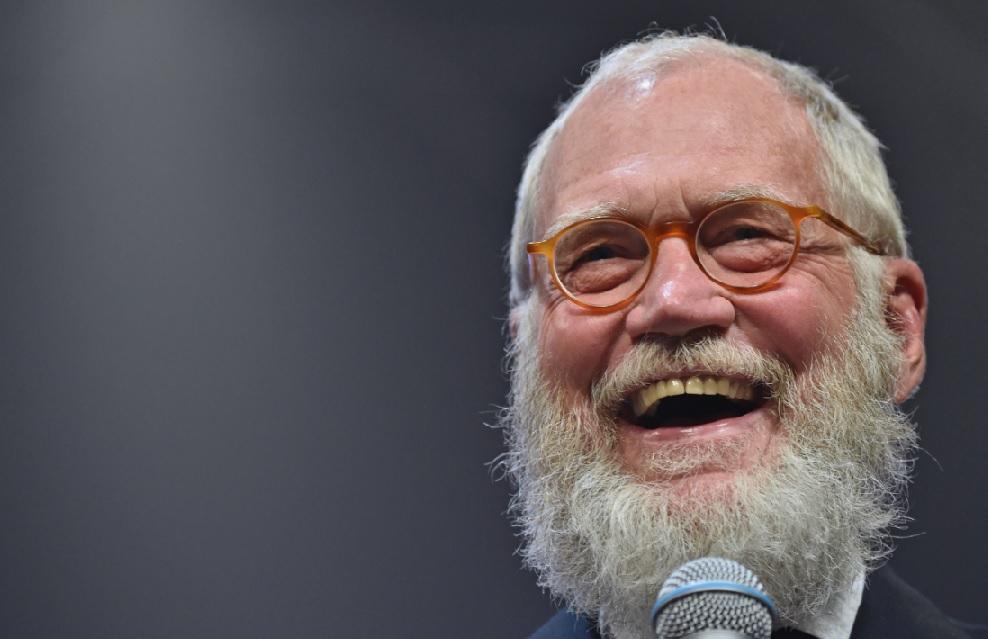
NEW YORK — David Letterman, the longtime face of CBS’s late-night television, has sharply criticized the network’s decision to end “The Late Show with Stephen Colbert” after more than three decades of the franchise and hand the coveted 11:35 p.m. time slot to syndicated programming from media mogul Byron Allen.

In a candid conversation on his Netflix podcast released Friday, the 79-year-old comedy icon described the move as a clear cost-cutting measure rather than a creative choice. “They don’t want to spend any money, so they’re going to make money,” Letterman said while speaking with former “Late Show” executive producers Barbara Gaines and Mary Barclay.
CBS announced earlier this month that Colbert’s final episode will air May 21. Starting May 22, the network will air back-to-back half-hour episodes of Allen’s “Comics Unleashed” in the former “Late Show” slot, followed by Allen’s game show “Funny You Should Ask” at 12:35 a.m. The arrangement is a time-buy deal for the 2026-27 television season under which Allen Media Group pays CBS for the airtime and sells all the advertising itself.
Letterman, who hosted “Late Night with David Letterman” on NBC from 1982 to 1993 before moving to CBS to launch “The Late Show” in 1993 and retiring in 2015, suggested the shift marks the end of an era for big-budget, network-produced late-night talk shows. He characterized Allen’s panel-style format positively but bluntly tied the decision to finances. “They charge Byron Allen some reasonable price. He sells all the advertising for his ‘Comics Unleashed,’ and it’ll be, I think, 90 minutes or two hours of comics talking about funny stuff,” Letterman said. “The show is a pretty good idea. It’s all panel. Nobody’s doing any stand-up, except they’re seated doing stand-up.”
The comments come as the traditional late-night model faces mounting economic pressures. Ratings for “The Late Show with Stephen Colbert” have declined in recent years amid broader industry challenges, including audience fragmentation across streaming platforms and competition from YouTube, podcasts and cable news. Colbert’s program, known for its sharp political satire, often targeted former President Donald Trump and other conservative figures, drawing both praise and criticism depending on the viewer’s perspective.
CBS, now under Paramount Skydance ownership, has described the change as a way to turn a financially challenged late-night hour into a profitable one without the high production costs associated with a full-scale talk show featuring a house band, celebrity guests, writers’ rooms and extensive staff. Industry insiders say the time-buy model allows the network to collect revenue while offloading creative and operational responsibilities to Allen Media Group.
Byron Allen, a comedian, producer and billionaire businessman who built Allen Media Group into a major independent syndication force, has long aired “Comics Unleashed” in later time slots. The show features Allen moderating a panel of comedians riffing on topics in a roundtable format. Allen has called the upgrade to the 11:35 p.m. slot a career milestone, joking in recent interviews that after decades in the business he is ready for the spotlight. Reports indicate he is paying tens of millions of dollars for the lease, betting that strong ad sales and broader distribution will make the venture lucrative.
The transition ends a 33-year run for “The Late Show” brand on CBS. Letterman’s version defined the franchise with its quirky humor, innovative segments and memorable interviews. Colbert, who took over in 2015 after a successful run on Comedy Central’s “The Colbert Report,” brought a more politically charged voice that resonated during the Trump era but faced declining viewership in recent seasons.
Some television observers view the move as part of a larger industry reckoning. As streaming services and digital platforms siphon younger audiences, traditional broadcast networks are rethinking expensive original programming in fringe hours. Similar cost-conscious experiments have appeared at other networks, though none have fully abandoned the late-night talk format yet.
Letterman’s remarks carry extra weight given his deep history with CBS. He expressed disappointment that the network appeared unwilling to invest in developing a new high-profile host or sustaining the established brand. His podcast comments quickly spread across social media, with fans and industry figures debating whether the change signals the death of traditional late night or simply an evolution toward more sustainable models.
Allen, who began his career as a stand-up and later became one of the most successful Black media executives in Hollywood, brings a different energy. His programming emphasizes accessible comedy without heavy political commentary, potentially appealing to a broader, less polarized audience. Supporters argue the format could attract advertisers wary of controversy, while critics lament the loss of a platform for cultural and political satire that “The Late Show” provided under Colbert.
CBS has not publicly responded to Letterman’s comments. A network spokesperson previously described the Allen deal as a strategic step to ensure profitability in late night while maintaining comedy programming. The network will continue airing local news lead-ins, preserving the traditional flow into the 11:35 p.m. hour.
For viewers, the change means a shift from monologues, celebrity interviews and musical performances to a steady diet of panel comedy and game-show laughs. Whether the new lineup can retain the audience that tuned in for Colbert remains to be seen. Early social media reactions have been mixed, with some praising the lighter tone and others expressing nostalgia for the “Late Show” era.
Letterman, who has largely stayed out of the spotlight since retiring and focusing on his Netflix series “My Next Guest Needs No Introduction,” used the podcast moment to reflect on the business realities of television. At 79, he continues to offer unfiltered opinions shaped by decades at the top of the industry.
The final weeks of “The Late Show with Stephen Colbert” are expected to feature emotional farewells, high-profile guests and retrospectives. Colbert has not yet detailed his post-CBS plans, though speculation includes potential streaming projects or a return to more flexible formats.
As the calendar turns to May 22, CBS affiliates will debut the new comedy block. Byron Allen’s “Comics Unleashed” will lead, followed by “Funny You Should Ask.” The arrangement covers at least the 2026-27 season, with options for renewal depending on performance.
Letterman’s blunt assessment has reignited conversations about the future of broadcast television. In an era of cord-cutting and digital disruption, networks face difficult choices between prestige programming and bottom-line stability. His words — “They don’t wanna spend any money” — have become a succinct summary of the tension playing out behind the scenes at CBS and across the industry.
For a franchise that once defined late-night comedy, the transition to a syndicated time-buy represents a stark departure. Whether Allen’s panel format can capture lightning in a bottle or simply fill the hour profitably will determine if this experiment becomes a template for other networks or a cautionary tale.
In the meantime, fans of traditional late-night talk shows may find themselves flipping channels or turning to streaming replays of Letterman and Colbert classics. The desert of 11:35 p.m. is about to look very different, and the man who once ruled it has made clear he is not impressed with the new tenant.



Rubio says Iran deal could take days as US launches fresh strikes
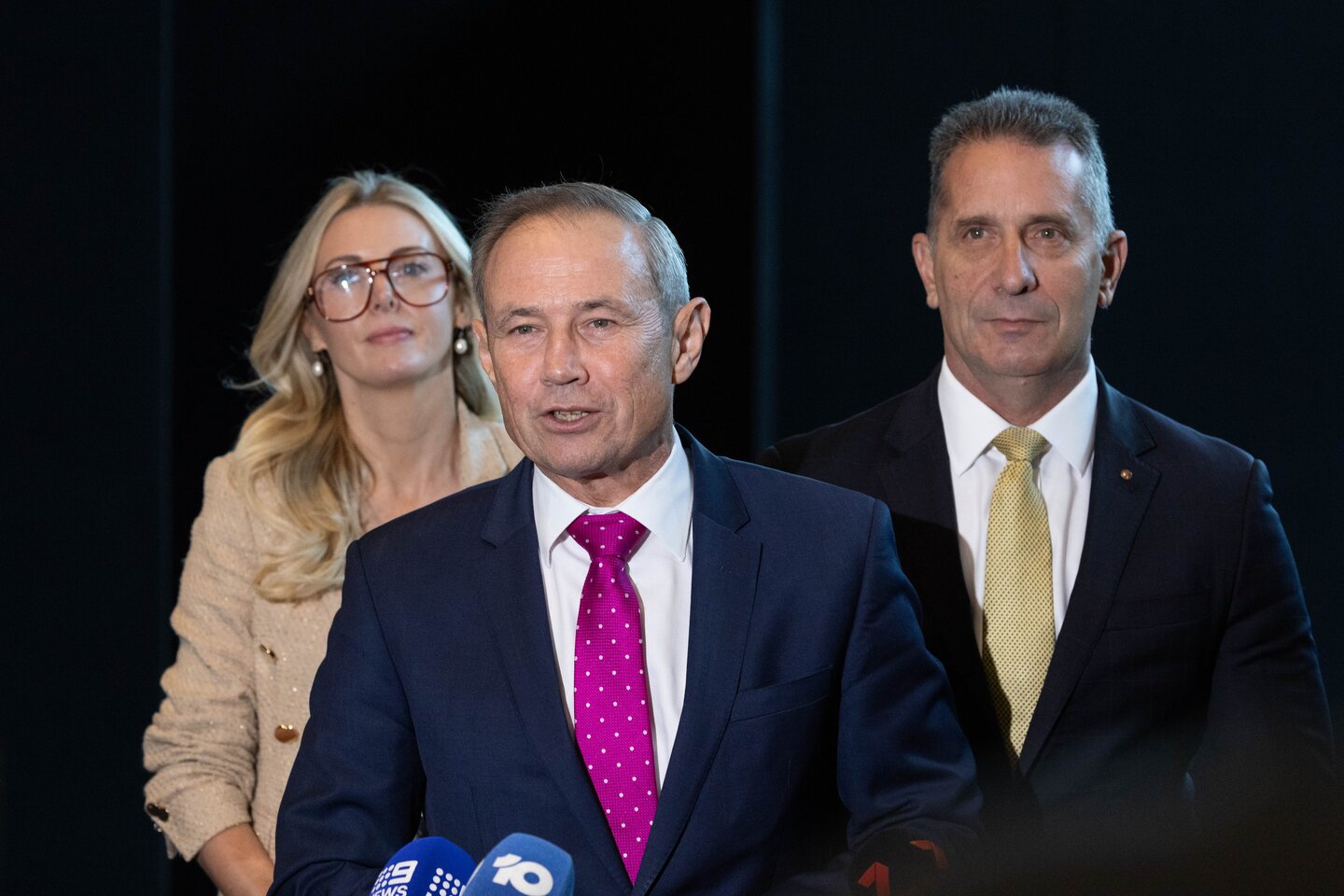
Premier Roger Cook has told a conference of global defence industry and military leaders that Western Australia is planning to build a manufacturing facility that could produce guided missiles and be located in Collie.


Sonny Rollins, saxophone ’colossus’ who honed his sound on a New York bridge, dies at 95

Hansa Biopharma trial results to be presented at ATC in June

Dollar firms after US-Iran strikes spark doubts over peace deal
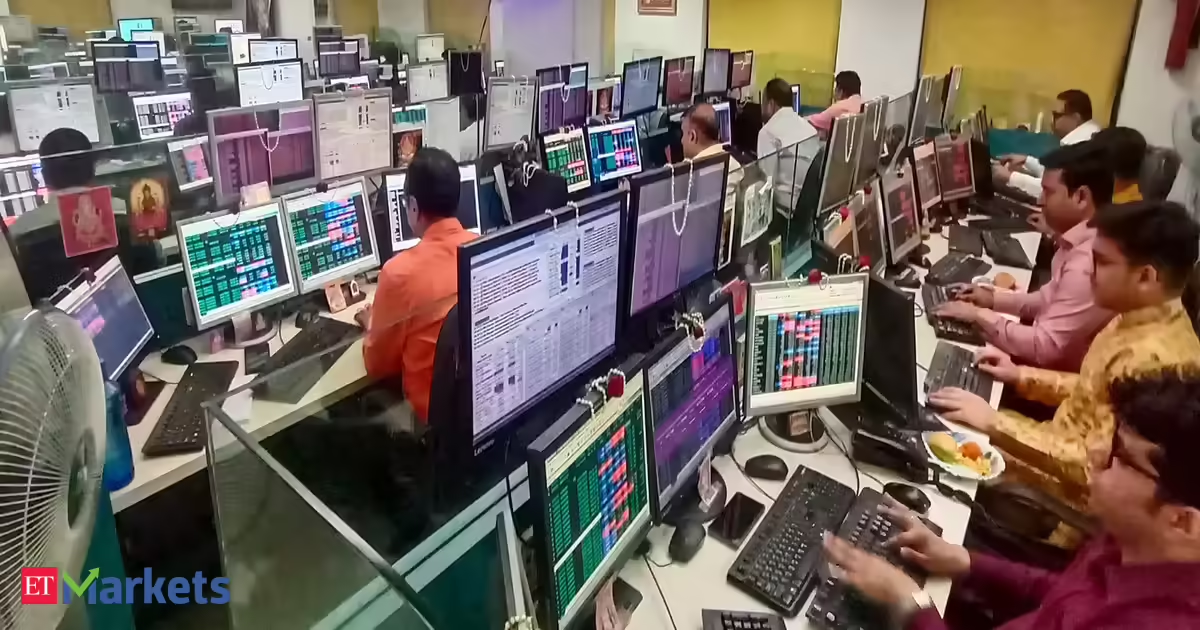
The NSE Nifty 50 advanced 1.3%, or 312.40 points, to close at 24,031.70, reclaiming the 24,000 mark after about two weeks, while the S&P BSE Sensex climbed 1.4%, or 1,073.61 points, to 76,488.96.
Sentiment was buoyed after reports the US and Iran were nearing an agreement that could ease tensions and restore energy flows. US President Donald Trump said over the weekend that both sides had largely negotiated a memorandum of understanding, according to Reuters.
Brent crude declined more than 5% to around $98 a barrel, easing concerns over inflation.
Asian markets rallied in tandem, with Taiwan gaining 3.3%, Japan 2.9%, and China 1%, while Hong Kong and South Korea were shut.

“With every day of delayed truce, there is a chance that the inflation can be higher, so the earlier we have a solution, the better,” said George Thomas, equity fund manager, Quantum AMC.
 Agencies
Lower Risk Outlook
“Even if there was to be a resolution immediately, it would take some time for things to normalise,” said Thomas of Quantum. “While a resolution may not be immediate, incrementally, things will be positive.”
Volatility eased, with the India VIX declining 6.7% to 16.7, signalling that risk expectations are easing. The rupee climbed to 95.23 per dollar Monday, its highest in more than two weeks, versus its previous close of 95.69. Benchmark 10-year bond yields fell to 7.025% Monday, from 7.088% Friday, according to investing.com data. Technically, the rally was aided by short covering, with the index breaking key levels. “Nifty witnessed a decisive breakout and closed strong- driven by short covering,” said Rajesh Palviya, Head of Research, Axis Securities. “Call writers are on the backfoot and if Nifty sustains over 24,000 levels, gains of 200-300 points are expected on an immediate basis.”
Palviya said further gains toward 24,800 levels could materialise if positive triggers emerge on the geopolitical or domestic front. Sectorally, the gains were broad-based, with financial stocks leading the rally as improving macro sentiment supported the space. The Bank Nifty and Nifty Financial Services indices rose 2.3% and 2.2%, respectively, while PSU banks gained 2.9% and private banks 2.1%. Auto and realty indices also advanced. “Banking stocks are available at decadal low valuation which is lending comfort to investors,” said Thomas. “But if this crisis prolongs for a longer time, then there could be an impact on credit cost.”

In the Nifty500 pack, 11 stocks’ closing prices crossed above their 200 DMA (Daily Moving Averages) on May 25, 2026, according to stockedge.com’s technical scan data. Traders use the 200-day daily moving average (DMA) as a key indicator for determining the overall trend in a particular stock. As long as the stock is priced above the 200-day SMA on the daily timeframe, it is generally considered to be in an overall uptrend. Take a look:


BTS takes top award at fan-voted American Music Awards

The island’s market capitalization climbed to $4.95 trillion as of Monday, according to data compiled by Bloomberg. India’s value has dropped to $4.92 trillion. Taiwan’s stock market is now the fifth largest in the world, behind only the US, mainland China, Japan and Hong Kong.
Taiwan’s ascent up the global equity rankings is largely driven by TSMC, which now accounts for about 42% of the benchmark index, representing intense market concentration. The chipmaker’s shares have rallied 49% this year as it has benefited from the artificial intelligence trade, in which its semiconductors have a dominant market position.
The surge in the island’s market value highlights intense optimism in AI that is triggering a global rally in tech shares, disproportionately benefiting manufacturing hubs such as Taiwan and South Korea. India, on the other hand, is grappling with surging energy cost, slowing corporate earnings growth and the lack of companies directly linked to the AI buildout.
Bloomberg“Taiwan’s rising market capitalization is fundamentally a reflection of its heavy concentration in tech hardware, which is currently at the center of the AI investment cycle,” said Yi Ping Liao, a fund manager at Franklin Templeton. “Markets with limited exposure to tech hardware are increasingly being overshadowed by tech hardware–heavy markets such as Taiwan and Korea.”
New regulations are also in TSMC’s favor. Taiwan’s financial regulator last month increased the limit that domestic funds can invest in a single stock. Under the new guideline, funds that invest solely in Taiwanese stocks can hold up to 25% of their net assets in any listed company whose weighting exceeds 10% in the Taiwan Stock Exchange, up from a previous limit of 10%. Currently, only TSMC meets the criterion.
The change may help lure in more than $6 billion of inflows to Taiwan, JPMorgan Chase & Co. said in a research note.While Taiwan has overtaken in market value, India’s $4.15 trillion-dollar economy — among the fastest growing in the world — still trumps the island’s $977 billion gross domestic product, according to International Monetary Fund estimates.
BloombergIndian stocks have fallen this year amid record foreign outflows, driven by elevated valuations and a weakening rupee. Higher energy costs have also stoked inflation concerns and clouded growth prospects.
Global funds have sold nearly $24 billion of local equities so far this year as they chased the AI boom in Taiwan and Korea. India’s gauge is down 8%, heading for its first annual drop after a decade of gains. India’s weight in the MSCI emerging markets index has also fallen to about 12% from 19% last year.
“India has been quite ignored for the better part of two years,” Alison Shimada, portfolio manager at Allspring Global Investments, told Bloomberg TV on Monday. “It is an expensive market so one has to be selective, but I think in terms of financialization of savings, it is very prominent in India and people are moving into financial assets,” she said.
Bank of Japan to monitor Middle East developments for rate decisions- Deputy Gov Himino

Bitcoin stalls near $76,500 as muted trading points to macro wait-and-see

End of an era at Roland Garros: Stan Wawrinka, Gael Monfils bid emotional farewell to French Open | Tennis News

Bitcoin Rejected off the 200D


-

 Crypto World4 days ago
Blockchain.com files with SEC for U.S. IPO
-

 Fashion3 days ago
Holiday Weekend Open Thread – Corporette.com
-

 Business4 days ago
Dell Technologies DELL Stock Surges 15% on AI Server Momentum and Analyst Upgrades in 2026
-

 Crypto World4 days ago
Bitcoin Accumulation Weakens as BTC Realized Losses Hit $600M
-

 Crypto World4 days ago
Space X IPO Is ‘Bad News’ for Tech Stocks: But What About Bitcoin?
-

 Politics3 days ago
Makerfield: a tale of two social-media histories
-

 Crypto World3 days ago
Robinhood crypto COO Tanya Denisova exits
-

 Crypto World4 days ago
MicroStrategy’s Saylor Says Miners No Longer Set Bitcoin Price, Another Force Has Taken Over
-

 Business1 day ago
NYT Strands Answers May 24 2026 Revealed for Puzzle No. 812 Theme Summer Essentials
-
 Tech4 days ago
A 0.12% parameter add-on gives AI agents the working memory RAG can’t
-

 Crypto World4 days ago
AI infrastructure race heats up as IREN pitches full-stack strategy, WhiteFiber lands $160M deal
-

 Tech4 days ago
WhatsApp ads could make Irish debut after discussions with DPC
-

 Tech4 days ago
You Can Now Add ChatGPT To PowerPoint
-

 Business4 days ago
Trump Invests $1M-$5M in Kura Sushi USA Chain With 27 California Locations
-
 NewsBeat5 days ago
Charity run by Reform leader Malcolm Offord accused of ‘law breaking’ over Scottish registration
-

 Sports4 days ago
2026 CJ Cup Byron Nelson leaderboard: Brooks Koepka finds putting stroke in Round 1
-

 Crypto World5 days ago
Exa Labs raises $250 million in funding led by a16z
-
Business4 days ago
Goldman Sachs reinstates Ageas stock coverage with neutral rating
-

 Crypto World4 days ago
Trump Media’s Bitcoin Stash Shrinks Again as 2,650 BTC Lands on Crypto.com
-
 Business4 days ago
Marine engineering firm Avantis eyeing expansion on equity boost
You must be logged in to post a comment Login