Connect with us

Business

True Story Foods introduces Italian-inspired deli meats

Published

on

True Story Foods introduces Italian-inspired deli meats
Continue Reading
Click to comment

You must be logged in to post a comment Login

Leave a Reply

Business

How to Choose the Right Warehouse for Your Business

Published

on

How to Choose the Right Warehouse for Your Business

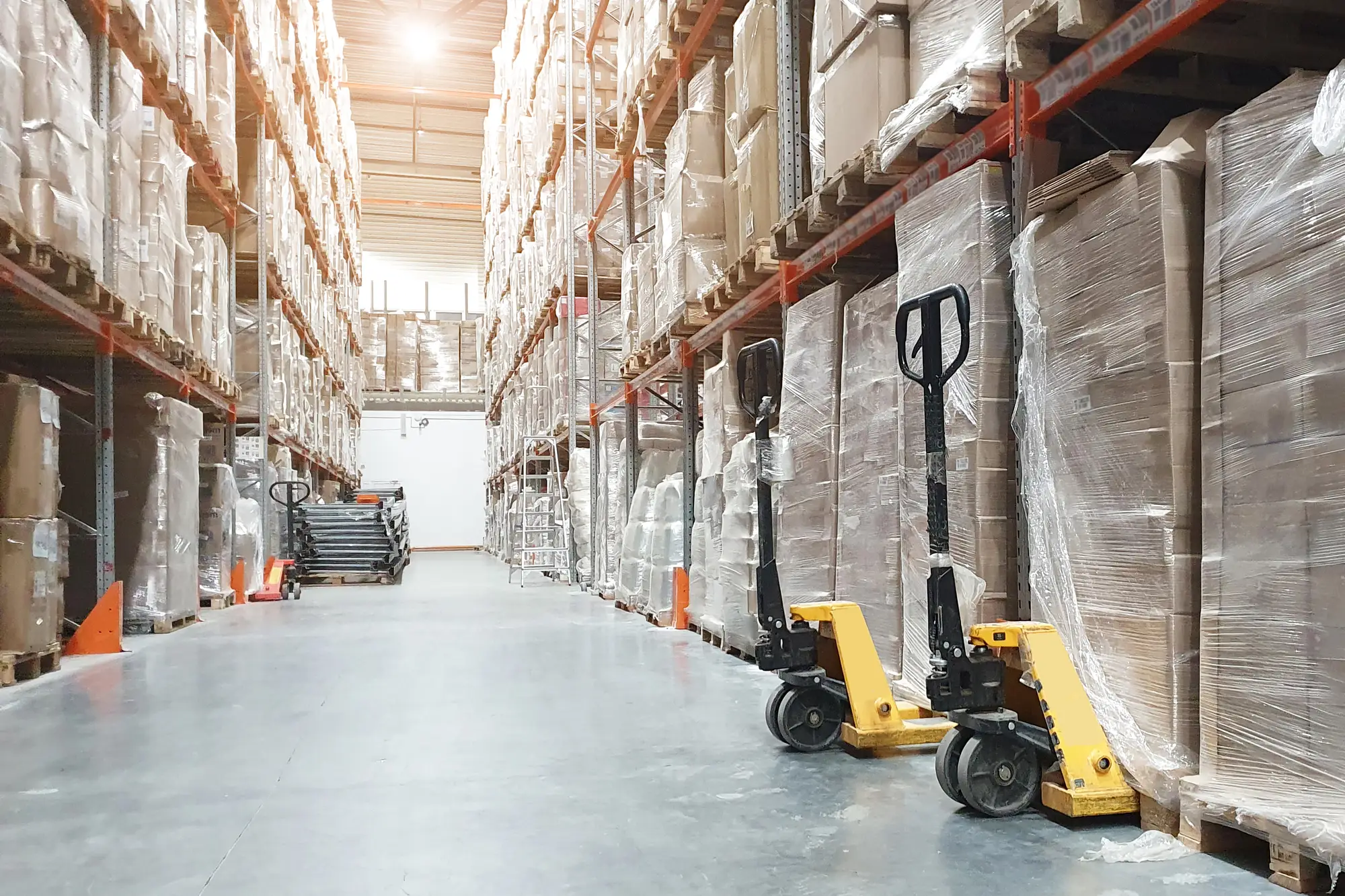
Choosing a warehouse is a strategic decision rather than a simple search for enough empty floor space. The wrong facility can increase transport costs, slow order fulfilment, create bottlenecks around loading areas and leave a growing company with little room to expand.

At the same time, paying for space or technical features that the business does not need can place unnecessary pressure on operating budgets. A suitable warehouse should therefore support current workflows while remaining flexible enough to accommodate changes in stock volumes, staffing and distribution plans.

Start with Location and Transport Connections

Location should be assessed in relation to the entire supply chain, not only the distance from the company’s main office. A warehouse needs convenient access to major roads, suppliers, customers, parcel hubs, ports or airports, depending on the business model. Employee travel also matters, as a poorly connected site may make recruitment and shift planning more difficult. When comparing modern logistics parks in Lithuania, Latvia and Estonia, the property information provided by SIRIN Development can help businesses review available locations and understand how different premises may support warehousing, distribution or stock-office operations. Before making a decision, companies should map their most frequent delivery routes, calculate realistic journey times and consider whether the location will remain practical as sales territories expand.

Match the Building to Your Operations and Growth Plans

The next step is to translate daily operations into specific property requirements. Important factors may include clear internal height, floor load capacity, column spacing, loading docks, ground-level gates, yard depth, parking, office space and fire-safety systems. An e-commerce operator may prioritise efficient picking routes and courier access, while a distributor handling palletised goods may need more loading infrastructure and higher racking capacity. Temperature-controlled products, light manufacturing or automated equipment can create additional technical demands.

Businesses should also estimate how much space they may need in three to five years. Ready-built premises can be suitable when speed, predictable entry costs and flexibility are priorities, whereas a build-to-suit facility may be more appropriate when the operation requires a custom layout, specialised systems or long-term control over the building’s performance. Modern logistics developments may offer adaptable warehouse and office configurations, while customised projects can incorporate automation, operational layouts and sustainability requirements from the design stage.

Advertisement

Compare Total Occupancy Costs, Efficiency and Ongoing Support

Rent per square metre does not show the full cost of occupying a warehouse. The comparison should also include heating, electricity, lighting, maintenance, security, service charges, insurance-related requirements and the potential cost of inefficient workflows. Energy performance is particularly relevant in large industrial buildings. The European Commission notes that improving a building’s energy performance can reduce energy consumption and bills, while efficient technical systems and renewable energy help lower operational demand. Smart building management, LED lighting and efficient heating can therefore influence both running costs and the ability to monitor consumption. Sustainability certification can provide another useful reference point. BREEAM assesses buildings across areas such as energy, water, transport, management and resilience, giving occupiers a structured way to evaluate environmental performance.

It is also worth examining what happens after the lease is signed. Support with fit-out, relocation, maintenance, future expansion and ESG requirements can reduce disruption and make the property easier to manage over the long term.

A warehouse should not merely accommodate today’s stock; it should help the business operate with fewer constraints tomorrow. The strongest choice is often the facility that makes everyday processes simpler, keeps future options open and prevents property limitations from dictating how the company can grow.

Advertisement

Continue Reading

Business

MindsEye’s Comeback Wasn’t Supposed to Look Like This

Published

on

£30m Government Boost for British Video Game Developers

There was no miracle patch or dramatic relaunch. MindsEye’s recovery happened gradually, as Build A Rocket Boy kept updating, expanding and giving players new reasons to return.

A year is a long time in games.

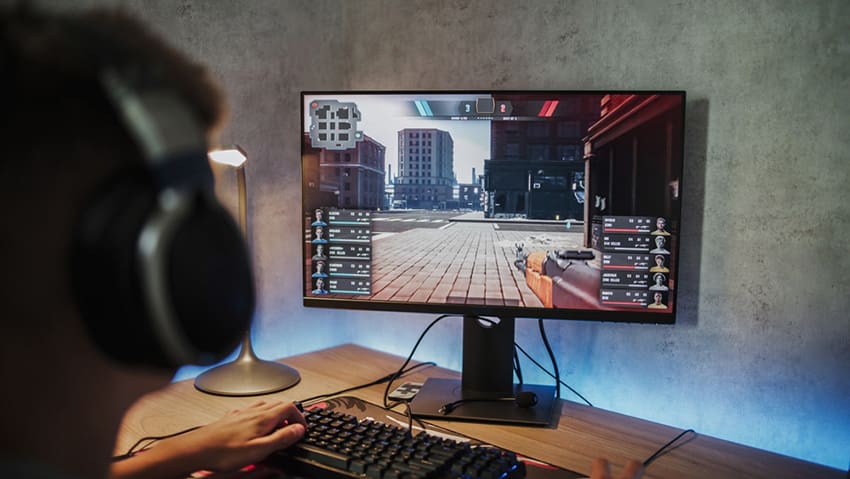
Twelve months ago, MindsEye looked like another cautionary tale. The kind of ambitious release the industry spends years pointing to whenever somebody suggests shipping before they’re ready. Technical issues drowned out bold ideas, reviews were mixed, and the conversation became less about what the game was trying to achieve than what it hadn’t yet delivered.

If comeback stories have taught us anything, though, it’s that first impressions aren’t always the final verdict.

Today, MindsEye’s overall Steam rating remains Mixed, but reviews from the last 30 days are Mostly Positive. The 2026 roadmap continues to land on schedule. Multiplayer arrived last month. A game that once seemed destined to be remembered for its launch is increasingly being talked about for everything that’s happened since.

Advertisement

What’s surprising isn’t that MindsEye recovered.

It’s how.

The Conversation Changed Before the Reviews Did

Most gaming comeback stories have a defining moment.

No Man’s Sky had NEXT. Cyberpunk 2077 had Phantom Liberty. Final Fantasy XIV quite literally rebuilt itself from the ground up.

Advertisement

MindsEye never had that moment.

Instead, Build A Rocket Boy did something far less dramatic.

They simply kept shipping.

Update after update improved stability, fixed long-standing technical issues and expanded existing systems. Alongside every technical patch came new reasons to return. There wasn’t one headline update that suddenly changed everything. Instead, the game improved slowly enough that many players barely noticed it happening.

Advertisement

Until they did.

Players who had written the game off months earlier began returning to find a noticeably different experience waiting for them. Steam’s recent reviews now see roughly seven out of ten recent players recommending the game—a remarkable reversal from launch.

The media narrative shifted as well. Publications that once focused almost exclusively on technical shortcomings gradually began writing about new content, creator tools and future updates instead. One 2026 reassessment described MindsEye as having been “transformed” into a more stable, content-rich experience.

Perhaps that’s the real milestone.

Advertisement

Most comeback stories rely on players forgiving a game.

MindsEye’s depended on players rediscovering it.

The Patches Fixed the Game. Arcadia Explained the Vision.

If technical improvements repaired the launch, Arcadia explained why Build A Rocket Boy had built MindsEye in the first place.

Arcadia isn’t simply a level editor.

Advertisement

It’s the studio’s bet that a traditional single-player game doesn’t have to end when the credits roll.

While many post-launch strategies revolve around expansions or seasonal content, Build A Rocket Boy has spent the past year quietly doing something different. Almost every major update has included new Arcadia missions—professionally crafted experiences built using the very same tools that ship free with the game.

The effect is subtle but significant.

Every new mission expands MindsEye for existing players while simultaneously demonstrating what’s possible for aspiring creators. Instead of asking the community to imagine what Arcadia could become, the studio has been showing them.

Advertisement

That long-term vision wasn’t invented after launch.

Years before MindsEye released, patent filings hinted at a platform where players would build and share their own experiences. Journalists who toured the Edinburgh studio long before release came away describing those ambitions as some of the company’s most ambitious ideas.

Arcadia wasn’t Plan B.

It was simply waiting for the rest of the game to catch up.

Advertisement

Completing the Picture

Last month’s multiplayer update feels less like a change of direction than another piece falling into place.

Grenade Football—a deliberately chaotic, physics-driven team sport—arrives alongside competitive racing across both developer-built and community-built tracks. Combined with a free weekend, it represents another attempt to broaden what MindsEye can be rather than simply adding another feature to the checklist.

Whether multiplayer becomes another turning point remains to be seen.

But that’s almost beside the point.

Advertisement

The more interesting story is how MindsEye got here.

It wasn’t rescued by one miracle patch.

It wasn’t reinvented overnight.

It didn’t disappear for two years before quietly returning.

Advertisement

Instead, Build A Rocket Boy chose the slower route. They kept releasing updates. They kept expanding the game. They kept giving players reasons to come back.

Eventually, the conversation changed.

A year ago, MindsEye was being judged on the week it launched.

Today, it’s being judged on everything that’s happened since.

Advertisement

For any developer attempting one of the hardest feats in modern games, that’s a far more meaningful milestone than any review score.

Advertisement
Continue Reading

Business

StubHub Holdings, Inc. 2026 Q2 – Results – Earnings Call Presentation (NYSE:STUB) 2026-08-12

Published

on

OneWater Marine Inc. (ONEW) Q1 2026 Earnings Call Transcript

This article was written by

Seeking Alpha’s transcripts team is responsible for the development of all of our transcript-related projects. We currently publish thousands of quarterly earnings calls per quarter on our site and are continuing to grow and expand our coverage. The purpose of this profile is to allow us to share with our readers new transcript-related developments. Thanks, SA Transcripts Team

Continue Reading

Business

Spire Global, Inc. 2026 Q2 – Results – Earnings Call Presentation (NYSE:SPIR) 2026-08-12

Published

on

OneWater Marine Inc. (ONEW) Q1 2026 Earnings Call Transcript

This article was written by

Seeking Alpha’s transcripts team is responsible for the development of all of our transcript-related projects. We currently publish thousands of quarterly earnings calls per quarter on our site and are continuing to grow and expand our coverage. The purpose of this profile is to allow us to share with our readers new transcript-related developments. Thanks, SA Transcripts Team

Continue Reading

Business

Monster Beverage achieves monster results

Published

on

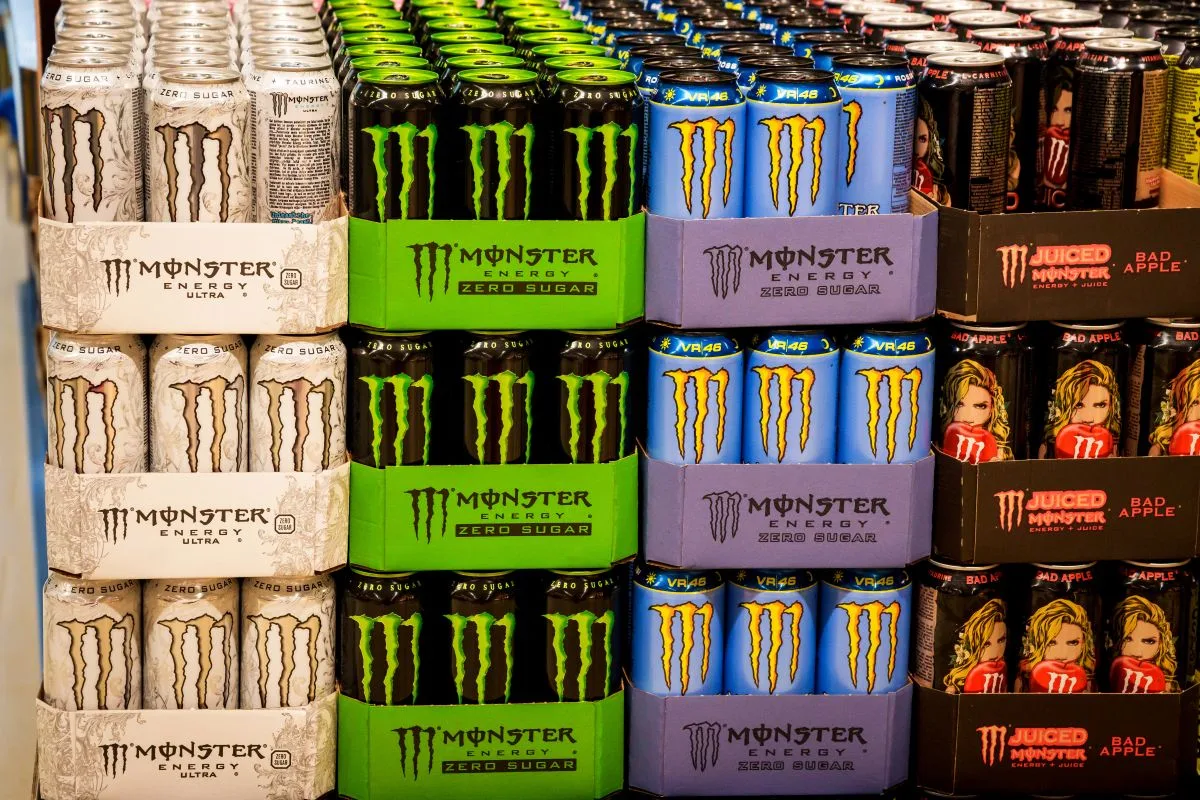
Monster Beverage achieves monster results

Aluminum tariffs, fuel costs put a dent in the company’s performance.

Continue Reading

Business

Guardant Health, Inc. (GH) Presents at Canaccord Genuity’s 46th Annual Growth Conference Transcript

Published

on

OneWater Marine Inc. (ONEW) Q1 2026 Earnings Call Transcript