

Connect with us

Business

TSMC 2nm wafer capacity to exceed earlier estimates, EDN reports

Published

on

Continue Reading
Click to comment

You must be logged in to post a comment Login

Leave a Reply

Business

Ingenia receives third takeover bid

Published

on

Ingenia receives third takeover bid

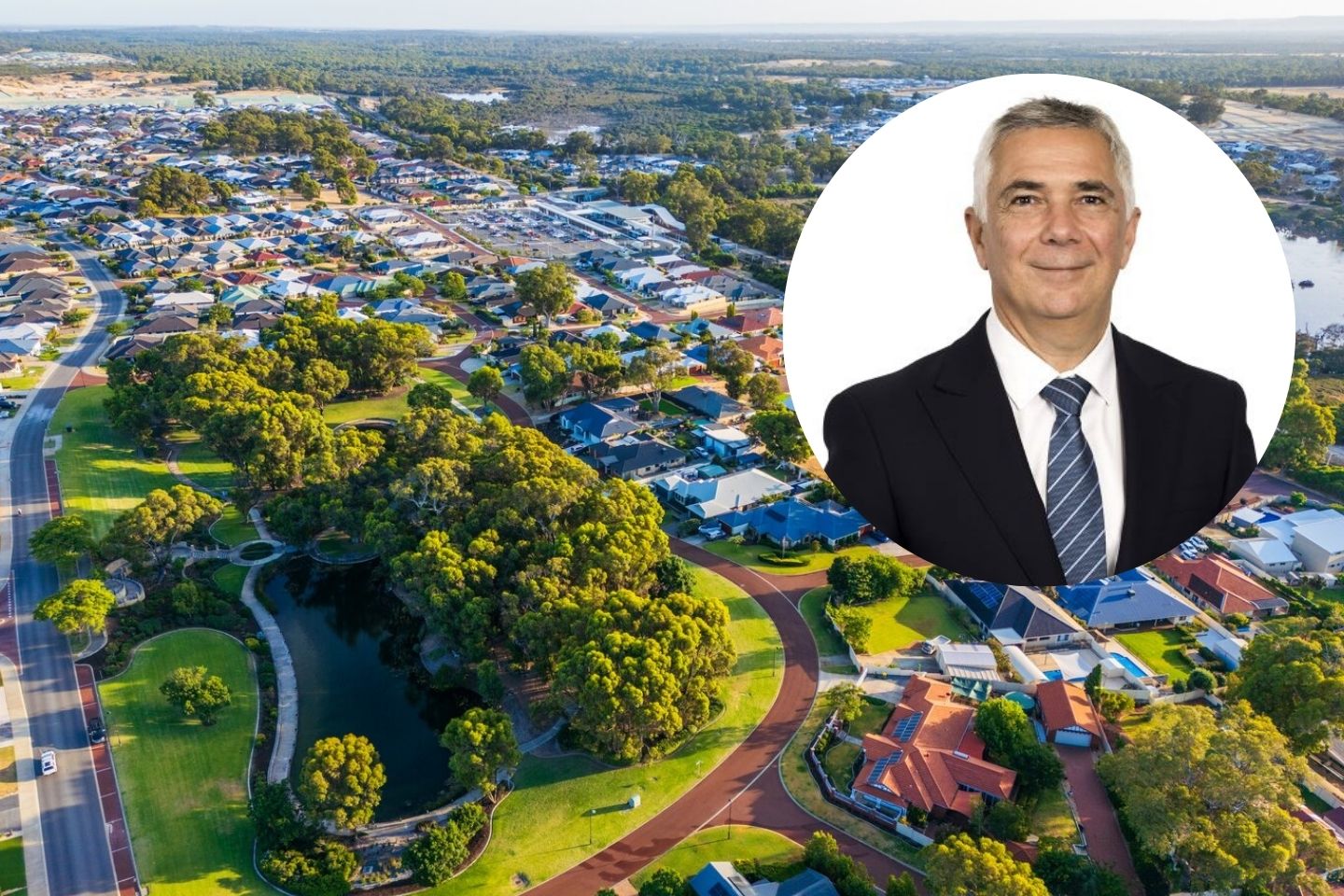
Ingenia Communities Group would not go ahead with its proposed acquisition of Peet if it accepts a $2.14 billion takeover offer from Warburg Pincus.

Continue Reading

Business

Daimler Truck: Valuation Unattractive For New Investment, Still Not A Significant 'Buy' For Me

Published

on

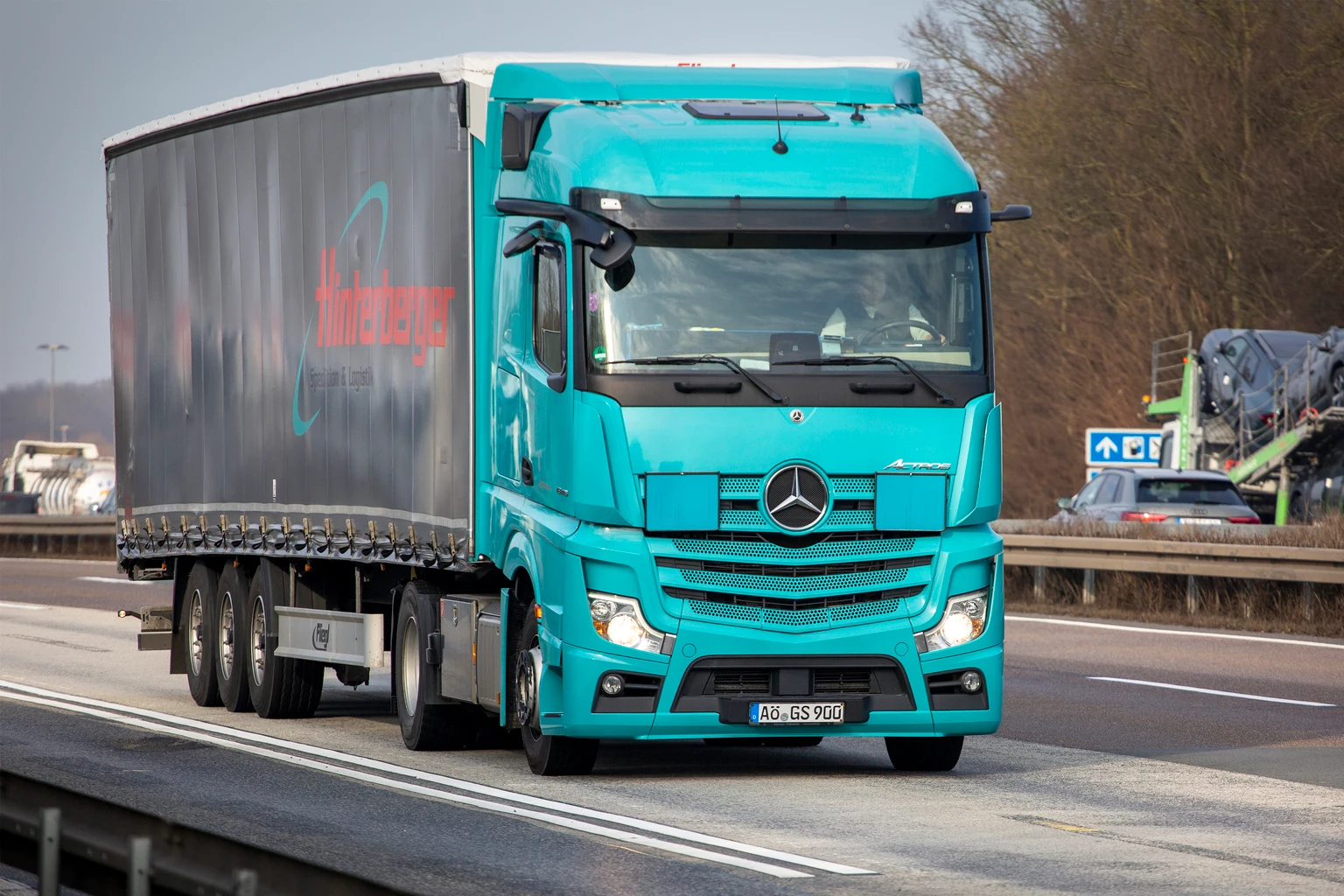
German highway A3 and trucks

Daimler Truck: Valuation Unattractive For New Investment, Still Not A Significant 'Buy' For Me

Continue Reading

Business

IVE: Higher Earnings Yield But Weaknesses Elsewhere, Underperformance Vs. IVV Likely

Published

on

QLV: Sensible Quality And Low Volatility Strategy, Yet Outperformance Is Unlikely, A Hold

IVE: Higher Earnings Yield But Weaknesses Elsewhere, Underperformance Vs. IVV Likely

Continue Reading

Business

George Bamford to become JCB joint chairman alongside father

Published

on

Business Live

Move comes as manufacturer’s pre-tax profits fell to £642m in 2025, from £687.3m.

A JCB digger

A JCB digger(Image: PA)

George Bamford is set to become joint chairman at JCB alongside his father, Lord Anthony Bamford, the digger manufacturer has announced.

Advertisement

The news comes as the firm disclosed a decline in profits for the previous year, following a fall in machinery sales amid a “challenging” global economic climate.

The Staffordshire-based construction and agricultural equipment giant is currently ramping up investment across both the UK and US in an effort to spearhead a return to robust growth.

The business was originally established by Joseph Cyril Bamford in 1945.

His son Anthony has helmed the company as chairman since 1975, steering its global expansion, but has now confirmed he will share the position with his youngest son, George.

Advertisement

Lord Bamford said: “Last year, JCB celebrated its 80th birthday and, as we look ahead, we are investing heavily in the future of the business – from the transformation of our Staffordshire headquarters and pioneering hydrogen technology, to our new factory in Texas.

“As part of that next chapter, I’m delighted that my son George will become joint chairman of JCB.

“We have never been a company that stands still, and these investments will ensure JCB is well placed to seize the opportunities ahead.”

George Bamford, who also founded watch brand Bamford Watch Department, will assume the position from the beginning of October.

Advertisement

The announcement coincides with JCB pressing ahead with its new American manufacturing facility in San Antonio, Texas, which is due to open next month. The facility, which will generate 1,500 jobs over the coming five years, will enable the company to sidestep tariff expenses currently impacting UK-manufactured products exported to the US.

JCB is simultaneously boosting investment domestically, with a £100 million redevelopment of its headquarters, incorporating a £60 million fully automated powder paint facility.

On Monday, the group disclosed that turnover declined to £5.7 billion in 2025, compared with £5.8 billion a year earlier.

This followed the firm selling 113,498 machine units for the year, dropping by 5.2% year-on-year.

Advertisement

It reported pre-tax profits decreased to £642 million for the year from £687.3 million in 2024.

JCB chief executive Graeme Macdonald said: “While 2025 was a more challenging year with mixed market conditions around the world, JCB delivered a robust performance overall.

“Despite nil market growth in North America and a 12% market contraction in India – both important markets for JCB – we increased our global market share during 2025, which is an encouraging result.

“The overall outlook for 2026 is for moderate growth, despite ongoing geopolitical uncertainty, and with new capacity coming on stream in Texas and Staffordshire we are well placed to take advantage of it.”
Advertisement
Continue Reading

Business

Avanti West Coast services to be nationalised next year

Published

on

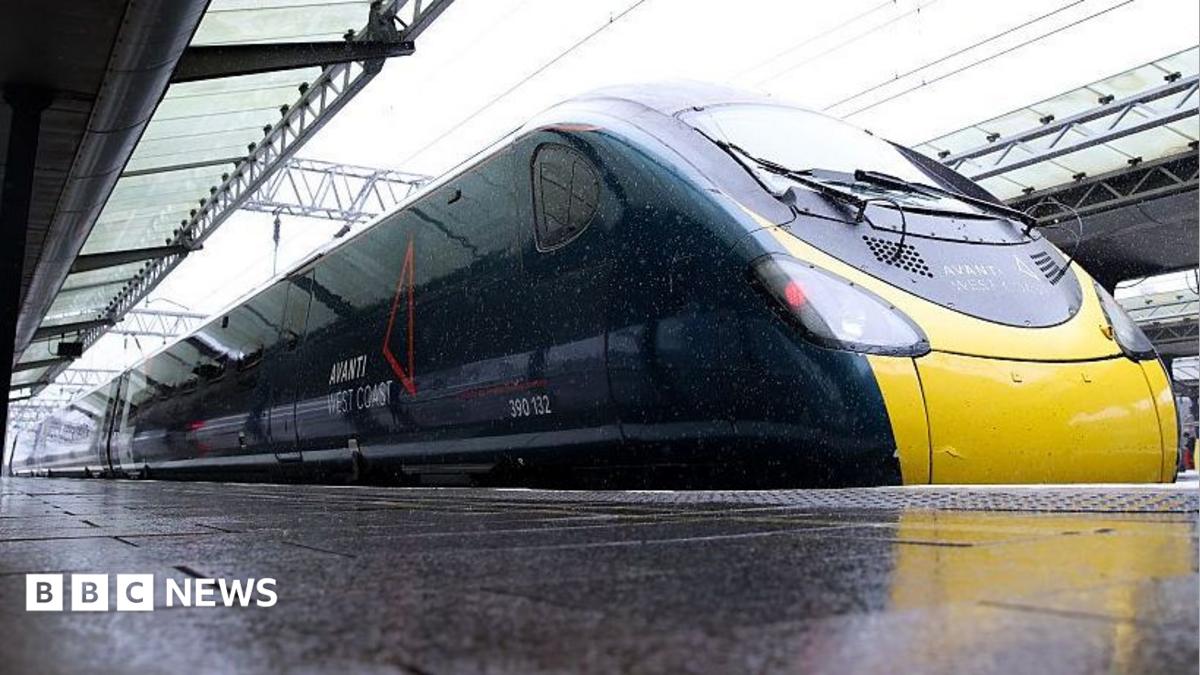
An Avanti West Coast Pendolino train arrives at Manchester Piccadilly railway station on 19 May 19, 2026 in Manchester.

Avanti West Coast train services will be nationalised from March next year, the government has announced.

“For years, we’ve heard stories of Avanti underperforming, with passengers left paying the price. Enough is enough,” Transport Secretary Heidi Alexander said.

The move is part of a government plan to improve rail infrastructure, cut train delays and improve experiences for passengers.

Avanti West Coast’s managing director said he was “proud of what we’ve achieved over the last six years”. The company’s contract was due to come to an end on 7 March.

Advertisement

In a post on social media, Prime Minister Andy Burnham echoed Alexander’s comments.

“For years, people have been expected to put up with Avanti’s cancellations, delays, overcrowding, and a service that has failed them time and time again,” he said.

Andy Mellors, managing director at Avanti West Coast, said: “We’re proud of what we’ve achieved over the last six years – from refurbishing our Pendolino fleet and introducing our new Evero trains to running more services than ever before.”

He added: “Over the coming months, we’ll work closely with the government to ensure a seamless transition into public ownership while remaining focused on delivering for our customers and communities.”
Advertisement

In May, Avanti West Coast said one-in-seven rail services will be cut on its busiest routes following a government request to reduce spending.

The company – a joint venture between FirstGroup (70%) and Italian state operator Trenitalia (30%) – predicted the move would cause minimum disruption to passengers and not reduce revenues.

Companies such as Avanti West Coast have their finances heavily influenced by the Department for Transport (DfT) due to contracts introduced in March 2020 at the start of the Covid-19 pandemic.

All train services operated under DfT contracts are being transferred to public ownership.

Advertisement

Great Western Railway – which is owned by FirstGroup – is to be brought under public ownership in December.

Several rail firms around the country are already publicly owned, including Great Anglia and South Western Railway. Welsh services were nationalised in 2021 and Scotland took trains into public ownership the following year.

Continue Reading

Business

Why is Samsung Electronics stock sliding today?

Published

on


Why is Samsung Electronics stock sliding today?

Continue Reading

Business

Meta says Instagram Plus doesn’t reveal who rewatched your stories

Published

on

Meta says Instagram Plus doesn't reveal who rewatched your stories

Instagram will let you pay $3.99 a month to preview someone’s story without showing up on the viewer list, and some users are raising privacy concerns.

But parent company Meta is pushing back on claims that Instagram Plus reveals who repeatedly viewed a story.

Advertisement

The feature shows how many times a story was replayed in total, a Meta representative told Fox News Digital, but it does not name the people behind those repeat views.

The subscription also adds a search bar to the existing viewer list, making it easier to check whether a particular person saw a story. Another feature, Story Preview, lets paying users take a quick peek at someone else’s story without showing up on that person’s viewer list.

WHAT META’S NEW TEEN RESTRICTIONS MEAN FOR YOUNG PEOPLE

Meta apps including Instagram, WhatsApp and Facebook

Meta says Instagram Plus does not reveal who repeatedly viewed your stories, pushing back on viral privacy concerns over its new $3.99 subscription. (Jens Büttner/picture alliance via Getty Images / Getty Images)

“Instagram Plus does not give subscribers more information about other people’s viewing habits,” the Meta representative said. The company said it designed the paid features to give users more “connection, expression, and control.”

Advertisement

META EMPLOYEE ACCUSED OF ACCESSING PRIVATE IMAGES

TikTok user @suhaadada said she tried Instagram Plus on a free trial and was “ready to never use Instagram again.” She argued that the replay number could make a second view seem more meaningful than it is. Someone may simply swipe past a story too quickly and go back, she said.

Instagram phone app

Instagram Plus is drawing privacy questions, but Meta says the new feature doesn’t expose users’ viewing habits. (Lorenzo Di Cola/NurPhoto via Getty Images / Getty Images)

What unsettled her most, she said, was watching the timestamps beside names on her viewer list. She claimed some names jumped back to the top with updated times, which she took as a sign those people had viewed her story again. She said she found herself refreshing the list throughout the day and worried that other subscribers could draw conclusions about her own viewing habits.

NEW MEXICO SEEKS MASSIVE PENALTY FROM META AFTER JURY FOUND TECH GIANT LIABLE FOR ENDANGERING CHILDREN

Advertisement
Teenager on Instagram

Meta is pushing back on claims that Instagram Plus lets users identify repeat story viewers, saying the $3.99 subscription only shows total replays, not who watched again. (Getty Images / Getty Images)

Other Reddit users have made similar claims about changing timestamps. Those accounts have not been independently verified. Meta said replay counts do not identify individual viewers but did not directly address users’ claims that names move to the top of the viewer list with updated timestamps.

She also objected to Story Preview because a person who posts a story may not see everyone who took a look. Meta confirmed that a subscriber can take a mini preview without appearing on the viewer list but said people who post stories are shown a notice explaining that previews may not show up there.

The subscription costs $3.99 a month in the U.S., with prices varying by country, Meta said. It also lets users extend a story by 24 hours, give one story more prominent placement and add posts to their profile or highlights without putting them in followers’ feeds.

CLICK HERE TO DOWNLOAD THE FOX NEWS APP

Advertisement

The TikTok user said she would not renew her subscription. Other critics have been just as blunt. One Reddit commenter called the features “stalker central,” while another wrote, “PLEASE paywall instagram so i will finally delete the app.”

Continue Reading

Business

Fed tightening bets weigh on gold prices

Published

on

Fed tightening bets weigh on gold prices
Gold prices fell on Monday as a rise in oil prices heightened inflation concerns and reinforced expectations of further Federal Reserve interest rate hikes.

Fundamentals

Spot gold was down 0.7% at $4,254.77 per ounce, as of 0010 GMT. US gold futures drifted 0.7% lower to $4,289.70.
Iran insisted that only diplomacy can solve its conflict with the United States and Israel, after US President Donald Trump said he rejected an Iranian proposal to reopen the Strait of Hormuz and end fighting. Oil prices rebounded more than 1%.

The Fed raised rates earlier this month, lifting its target rate range by a quarter percentage point to between 3.75% and 4%. According to CME’s FedWatch Tool, traders are pricing in a 66% chance of a US rate hike in October.

Higher energy prices can fuel inflation by raising costs across the economy. Gold is widely viewed as a hedge against inflation, but it can struggle in a high interest rate environment as rising yields increase the opportunity cost of holding the non-yielding metal.

Advertisement


Cleveland Fed President Beth Hammack said on Friday she is concerned that persistently high inflation risks conditioning the American public to accept elevated prices as the norm, adding the central bank cannot let that happen.
A survey showed US consumer sentiment slipped to a four-month low in September amid worries that rising inflation would erode households’ purchasing power.Among other metals, spot silver fell 1% to $63.67, platinum was down 0.7% at $1,765.28 and palladium lost 0.7% to $1,257.70.

No Data/Events Expected For Monday, September 28

Continue Reading

Business

Dollar firms as US-Iran tensions lift oil, hawkish Fed bets build

Published

on

Dollar firms as US-Iran tensions lift oil, hawkish Fed bets build
The dollar inched higher to hold near a two-month high on Monday, as the US-Iran standoff continued to push up oil prices while investors looked ahead to a data-packed week for more clues on inflation and central banks’ moves.

The euro and sterling were both 0.1% weaker against the dollar, last at $1.1379 and $1.3232, respectively, hovering near multi-month lows against the greenback.

The dollar index, which measures the US currency against a basket of peers, was a touch higher at 101.15 and on track for a 1.7% gain in September, its best month since June.

Oil prices climbed more than 1% on Monday with Brent crude futures last above $106 a barrel, after US President Donald Trump rejected a peace deal with Iran to resolve their conflict and reopen the Strait of Hormuz.

Advertisement

Energy supply risks and robust fundamentals in the US have heightened inflation concerns and prompted traders to price in a more hawkish Federal Reserve, while elevated long-end Treasury yields also supported the dollar.


“The greenback could overshoot in the near term if energy market tensions persist and inflation risks continue to build,” said Sim Moh Siong, FX strategist at OCBC.
The bank’s base case remains for a moderate USD rally into year-end, he added.The market’s focus is set to turn to US data releases as the week unfolds, with the PCE Index on Wednesday and non-farm payrolls on Friday both expected to be consistent with further policy tightening.

Currently, markets are seeing a 65% chance of a rate hike from the Fed when the central bank meets next at the end of October, according to CME Group’s FedWatch tool.

Other data for the week include China PMIs on Wednesday ahead of the week-long National Day holidays and Japan and euro zone CPIs on Friday.

The yen was last down 0.3% at 157.7 per dollar. It gained on Friday after Japan’s Finance Minister Satsuki Katayama and US Treasury Secretary Scott Bessent held a call on Friday and reaffirmed that yen undervaluation is a matter of concern and that the two nations intend to strengthen cooperation.

Advertisement

The Australian dollar fetched $0.7017, down 0.07%, and the kiwi traded flat at $0.5661.

The Reserve Bank of Australia is expected to raise interest rates by 25 basis points to a near 15-year high of 4.60% on Tuesday, expected to be the final rate increase in the tightening cycle.

Elsewhere, offshore yuan weakened to 6.7235 per dollar after Trump and Chinese President Xi Jinping’s three-day summit did not yield any big public breakthroughs on a host of contentious issues.

Advertisement
Continue Reading

Business

Asia Faces Inflation Pressures Through 2027, ADB Warns

Published

on

Asia Faces Inflation Pressures Through 2027, ADB Warns

The Asian Development Bank projects inflation across developing Asia-Pacific economies will stay above 2025 levels through 2027, driven by geopolitical conflicts, higher energy costs, and extreme weather. The September Asian Development Outlook update slightly lowered the 2026 inflation forecast to 4.2% while raising the 2027 projection to 3.5%. Conflicts affecting oil markets and an expected severe El Niño event threaten to raise transport, food, and electricity costs, though government subsidies are helping moderate near-term price pressures at fiscal cost.

Thailand faces particular vulnerability, with growth forecasts adjusted to 2% for 2026 and 1.9% for 2027. The combination of persistent inflation and modest growth limits policy options, as expanded household support increases fiscal strain while loose monetary policy risks worsening high household debt. Regional growth overall will moderate to 5% in 2026 before rising to 5.1% in 2027, though this does not guarantee protection for consumers facing rising essential goods prices.

Inflation across Asia could remain above last year’s levels through 2027 as geopolitical conflicts, higher energy costs and extreme weather combine to keep pressure on food, transport and electricity prices, according to the Asian Development Bank.

In its September update of the Asian Development Outlook, the ADB slightly reduced its inflation forecast for developing economies in Asia-Pacific for 2026 to 4.2%, from 4.3% previously. However, it raised its 2027 projection to 3.5%, from 3.4%.

Advertisement

Although the 2026 revision appears limited, the figures confirm that price pressures are unlikely to disappear quickly. Both forecasts remain above the 3% recorded in 2025, pointing to a more persistent inflationary period for households, businesses and central banks.

The report attributed part of the pressure to conflicts in Europe and the Middle East. Disruptions in oil and refined fuel markets threaten to raise transport, manufacturing and electricity-generation costs in economies that depend on imported energy.

Weather conditions add a second risk. The ADB expects a severe El Niño event, with possible consequences for harvests from India to Thailand. Lower agricultural output could push food prices higher, while reduced hydropower generation could increase dependence on fossil fuels, according to Bloomberg.

Governments are using broad subsidies to contain the impact of higher energy prices. These measures have helped moderate the 2026 inflation forecast, but they also carry a considerable fiscal cost. Relief for consumers could become a longer-term burden on public finances if international prices remain elevated.

Advertisement

Thailand’s recovery remains fragile

Thailand is not insulated from this environment. Higher fuel prices affect transport, distribution and production, while extreme weather can damage agriculture and electricity generation.

The ADB slightly raised its growth forecast for Thailand in 2026 to 2%, from 1.8%, supported by technology exports and regional demand. For 2027, however, it lowered its projection to 1.9%, from 2%.

The combination of persistent inflation and moderate growth leaves Bangkok with limited room for manoeuvre. Authorities can expand support for households, but additional spending could increase fiscal pressure. They can also maintain an accommodative monetary policy, although excessively loose financial conditions could intensify risks in a country with high household debt.

Regional growth will remain resilient, according to the ADB. Growth across developing Asia will moderate from 5.5% in 2025 to 5% in 2026 before edging up to 5.1% in 2027. But a growing economy does not necessarily protect consumers when the prices of essential goods rise faster than incomes, as their analysis report.

Advertisement

For Thailand, the outlook for the coming months will depend on how long the energy shocks last and whether El Niño significantly affects harvests. If both pressures intensify at the same time, the government will have to decide which costs to absorb, which to pass on to consumers and how long it can finance broad-based support.

Asian inflation is not out of control, but it has not disappeared either. In 2027, households will continue to measure the recovery not through regional forecasts, but by the cost of filling the tank, buying food and keeping a business open.

Continue Reading

Trending