

Business
Tyson Foods adds premium lunch meat line




Meta Platforms’ chief technology officer Andrew “Boz” Bosworth has acknowledged internally that employee morale at the social media giant is near an all-time low, citing the toll of recent mass layoffs, mandatory AI training assignments and broader organizational changes as key factors contributing to widespread dissatisfaction among staff.
Bosworth made the comments during an internal “Tuesdays with Boz” chat on June 2, according to multiple people familiar with the discussion. He described current morale as “maybe not the worst it’s ever been in 20 years here, but it’s probably up there. It’s definitely up there,” while referencing the Cambridge Analytica scandal as a previous low point. He then added that morale is “probably one of the worst it’s ever been.”
The remarks come at a challenging time for Meta, which has been navigating significant restructuring to offset massive investments in artificial intelligence while maintaining its core advertising business. The company laid off approximately 10% of its workforce in May, with additional employees reassigned to AI model training initiatives that some staff have described as mandatory and akin to being “drafted.”
Bosworth’s comments reflect growing internal unease as Meta balances aggressive AI development with efforts to stabilize its workforce. The company has faced criticism from employees over initiatives like tracking mouse movements and keystrokes to improve AI models, further contributing to tensions. Despite these challenges, Meta leadership has begun outlining steps to address morale concerns and rebuild company culture.
In a memo sent to staff on Monday, Bosworth emphasized the need for Meta to “be the best place for the best people to do their best work.” He expressed hope to “rekindle the best of the culture” that attracted employees initially. The memo committed to greater transparency from leadership and enhanced support for personal and career development.
Meta has also taken concrete actions to ease tensions. Employees reassigned to the AI task force will now be allowed to reapply for other internal roles if desired. The company is increasing budgets for travel, events and snacks to improve daily work experiences, according to reports.
Context of Recent Challenges
Meta’s difficulties stem from its ambitious pivot toward artificial intelligence. The company has poured billions into developing advanced AI models, requiring substantial computational resources and human oversight for training. This shift has necessitated workforce adjustments, including layoffs and reassignments that have disrupted team dynamics and career trajectories for many employees.
The May layoffs affected various departments as Meta sought to streamline operations and redirect resources toward AI priorities. For those remaining, mandatory participation in AI training tasks has added to workloads and created resentment among staff who joined the company for different roles. Some employees have privately compared the experience to being drafted into service, highlighting the cultural shift underway.
These changes occur against a backdrop of broader industry pressures. Tech companies across Silicon Valley have been recalibrating after years of rapid expansion during the pandemic, followed by cost-cutting measures as economic conditions evolved. Meta’s situation is particularly notable given its scale and the high visibility of its internal culture under CEO Mark Zuckerberg.
Bosworth’s Role and Leadership Perspective
As Meta’s longtime chief technology officer, Bosworth has been instrumental in shaping the company’s technical direction and fostering innovation. His internal communications, including the “Tuesdays with Boz” sessions, have traditionally served as forums for transparent dialogue with employees. The recent acknowledgment of morale issues represents a candid assessment from a senior leader, potentially aimed at addressing concerns before they escalate further.
Bosworth’s reference to Cambridge Analytica as a historical low point provides context for the current situation. That scandal, involving the misuse of user data for political targeting, severely damaged trust both externally and internally. The fact that he places recent morale challenges in a similar category underscores the seriousness with which Meta’s leadership views the issue.
The memo outlining steps to improve culture signals recognition that sustained low morale could impact innovation, retention and overall performance. By committing to transparency and development opportunities, Bosworth aims to rebuild confidence among employees who may feel uncertain about their roles in Meta’s AI-focused future.
Employee Reactions and Industry Trends
Reports from inside Meta indicate mixed responses to leadership’s acknowledgment. Some employees appreciate the candor and concrete actions like increased budgets for team-building activities. Others remain skeptical, viewing the measures as insufficient to address deeper concerns about job security and shifting priorities toward AI.
The situation at Meta mirrors challenges faced by other major tech companies. Layoffs, reassignments and cultural shifts have become common as firms adapt to artificial intelligence opportunities while managing costs. Employee morale has emerged as a key metric for success in the industry, with companies investing in retention strategies and transparent communication to maintain competitive edges in talent acquisition.
Industry analysts note that high-performing tech organizations increasingly recognize the connection between employee satisfaction and innovation output. Meta’s efforts to address morale could serve as a case study for peers navigating similar transitions.
Meta’s Strategic Direction and Future Outlook
Despite internal challenges, Meta continues pushing aggressively into artificial intelligence. The company has demonstrated commitment to developing competitive AI models, with significant investments in infrastructure and talent. Leadership views these changes as necessary for long-term positioning in a rapidly evolving technology landscape.
The focus on AI has already yielded advancements in content recommendation, advertising tools and user experiences across Meta’s platforms. However, balancing this innovation drive with employee well-being remains an ongoing priority as the company seeks to attract and retain top technical talent.
Meta’s stock performance and financial results have remained relatively strong, providing resources to address internal issues. The company’s ability to maintain business momentum while resolving cultural challenges will be critical for sustained success.
Broader Implications for Tech Industry
Meta’s experience highlights the human element of technological transformation. As artificial intelligence reshapes industries, companies must carefully manage workforce transitions to preserve institutional knowledge and maintain innovation capacity. Successful organizations will likely combine strategic investments with thoughtful change management.
For employees across the tech sector, Meta’s situation serves as a reminder of the importance of adaptability and continuous skill development. Those affected by reassignments or layoffs often find new opportunities, but the process can be disruptive and emotionally taxing.
As Meta implements its morale improvement initiatives, the coming months will reveal their effectiveness. Bosworth’s leadership in addressing these issues directly could strengthen internal culture and position the company for continued growth in the competitive AI era.
The acknowledgment of near all-time low morale represents a significant moment of transparency from Meta’s leadership. While challenges remain, the company’s willingness to confront issues openly and take corrective action demonstrates commitment to long-term organizational health. For a company that has weathered numerous controversies, this latest chapter underscores the ongoing evolution of its workplace culture amid ambitious technological goals.

OPINION: There is a growing appetite in the Kimberley to have some functions of government ceded to native title bodies.
Energy market volatility pressures the Thai Baht due to heavy imports. Thailand’s economy, reliant on stable energy, faces increased costs and vulnerabilities. The USD/THB rate is expected to fluctuate between 36.50 and 37.50, influenced by market conditions and policy responses.
Key Points
- Global energy volatility pressures the Thai Baht (THB) due to Thailand’s heavy reliance on energy imports.
- Rising import costs strain the economy, impacting manufacturing and tourism, potentially leading to USD/THB fluctuations between 36.50 and 37.50.
- The Bank of Thailand faces a balancing act between inflation control and growth support amidst these economic vulnerabilities.
Energy Market Volatility’s Impact on the Thai Baht
Commerzbank’s analysis highlights that global energy market volatility, particularly in early 2026, is exerting substantial downward pressure on the Thai Baht (THB). Thailand’s significant reliance on energy imports, primarily crude oil and liquefied natural gas (LNG), means that rising global energy costs directly worsen its trade balance. This amplified vulnerability is clearly reflected in the USD/THB exchange rate, which has become a key indicator for currency traders closely observing potential policy responses from the Bank of Thailand (BOT). The historical precedent of the 2022 energy crisis, which saw USD/THB surpass 37.00, underscores the Baht’s sensitivity to such price shocks, influencing current market evaluations.
Thailand’s Economic Vulnerabilities and Policy Balancing Act
Thailand’s economy is characterized by significant vulnerabilities, especially within its crucial manufacturing and tourism sectors, which are fundamentally dependent on stable energy prices. Elevated energy costs pose a dual threat: increasing production expenses for businesses and diminishing the disposable income of international tourists. This precarious situation places the Bank of Thailand (BOT) in a challenging position, tasked with balancing inflation control with the imperative to support economic growth. The central bank’s generally hawkish monetary stance is a direct response to these pressures, aiming to manage inflation amidst the macroeconomic impacts of surging energy prices and their potential for further Baht depreciation.
Comparative Performance and Future USD/THB Outlook
In the broader context of Asian foreign exchange markets, while Thailand faces considerable challenges due to its energy import dependence, other nations like India and the Philippines are experiencing similar pressures. However, Thailand’s larger current account exposure amplifies its specific vulnerabilities. Performance metrics indicate that the USD/THB has seen a 4.2% year-to-date increase, largely attributed to the energy import bill, distinguishing it from currencies facing less acute price pressures. As traders meticulously monitor energy market developments and potential policy interventions by the BOT, projections suggest the USD/THB exchange rate will likely fluctuate within the 36.50 to 37.50 range, reflecting the ongoing economic uncertainties.
Other People are Reading

Operator
Good day, everyone and welcome to the Smith & Wesson Brands Fourth Quarter and Full Fiscal 2026 Financial Results Conference Call. This call is being recorded. And at this time, I would like to turn the call over to Kevin Maxwell, Smith & Wesson’s General Counsel, who will give us some information about today’s call.
Kevin Maxwell
Senior VP, General Counsel, Chief Compliance Officer & Secretary
Thank you and good afternoon. Our comments today may contain forward-looking statements. Our use of the words anticipate, project, estimate, expect, intend, believe, and other similar expressions are intended to identify forward-looking statements. Forward-looking statements may also include statements on topics such as our product development, strategies, market share, demand, consumer preferences, inventory conditions for our products, growth opportunities and trends, and industry conditions in general. Forward-looking statements represent our current judgment about the future and are subject to risks and uncertainties that could cause our actual results to differ materially from those expressed or implied by our statements today.
These risks and uncertainties are described in our SEC filings, which are available on our website, along with a replay of today’s call. We have no obligation to update forward-looking statements.
We reference certain non-GAAP financial results. Reconciliations of GAAP financial measures to non-GAAP financial measures can be found in our SEC filings and in today’s earnings press release, each of which is available on our website. Also, when
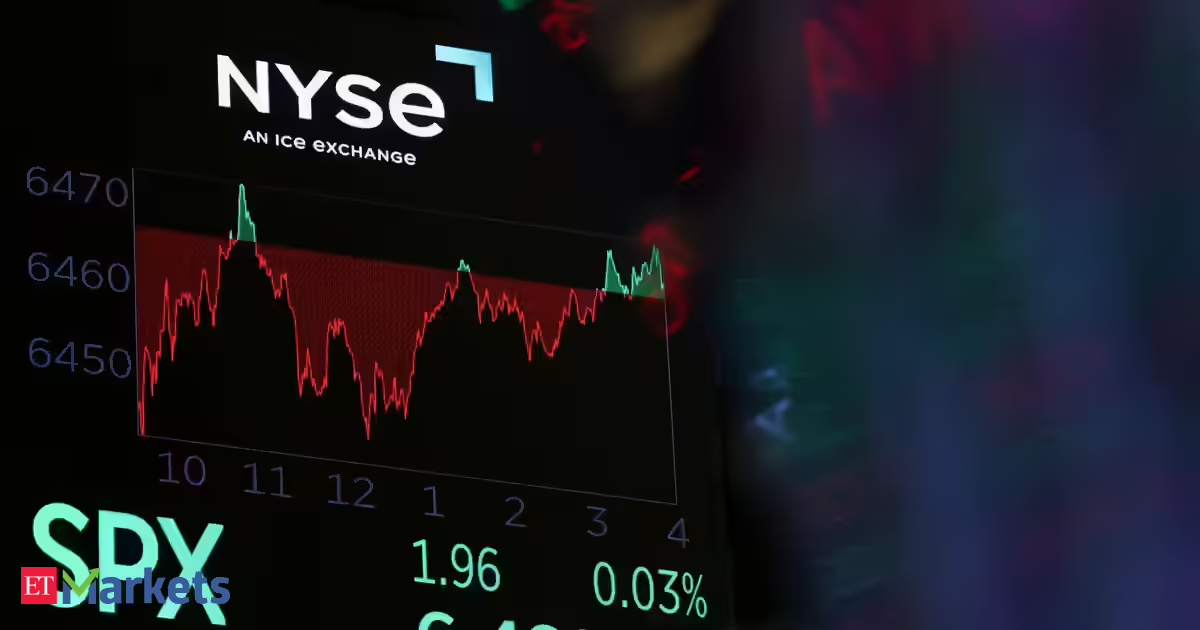
The Fed left rates unchanged as was widely expected but new quarterly projections showed nine central bank officials expect at least one rate hike by the end of 2026. The policy statement removed previous language that had flagged the likelihood for rate cuts this year.
Breaking with past practices by Fed chiefs, Warsh did not submit an interest-rate-path projection as part of quarterly forecasts. He told reporters the central bank would deliver on price stability.
Policymakers had been widely expected to hold interest rates unchanged at the 3.50%-3.75% range as they wrestled with inflation pressures from the oil-price spike during the Iran war. After the meeting, trader bets that rates would hold steady by year-end had dwindled to 15.7% from 40% on Tuesday, according to CME Group’s FedWatch tool.
Also Read | US Federal Reserve keeps interest rates unchanged, projects one rate hike for 2026

Expectations for a 25-basis-point rate hike by December were at nearly 38% while the probability for a 50-basis-point hike was nearly 33%. “There was clearly a hawkish tilt to the Fed’s statement and Chair Warsh’s comments at the press conference. The main takeaway, in my opinion, is the Fed’s focus on the commitment to deliver price stability and the commentary about inflation,” said Michael James, managing director and equity sales trader at Rosenblatt Securities.
According to preliminary data, the S&P 500 lost 89.59 points, or 1.19%, to end at 7,421.76 points, while the Nasdaq Composite lost 349.14 points, or 1.32%, to 26,027.21. The Dow Jones Industrial Average fell 499.18 points, or 0.96%, to 51,494.99.
Economic data showed U.S. retail sales increased more than expected in May, with households purchasing more cars and other vehicles even as they paid higher prices for gasoline.
Stocks had rallied sharply from Thursday through Monday as oil prices fell after President Donald Trump announced a preliminary U.S.-Iran peace deal. Oil prices edged back up on Wednesday after Trump said the agreement with Iran was not final and that the war could resume if he is unsatisfied.
In individual stocks, CME Group slipped after the exchange operator said its CEO, Terry Duffy, will step down on March 1, and transition to the role of executive chairman. Shares of Allbirds soared after the footwear maker-turned-AI company changed its name to Smartbird and appointed former Amazon executive Nadia Carlsten as CEO.
I Was Wrong About Kevin Warsh

Crude oil prices fell sharply on Wednesday as optimism grew over potential Iranian supply returning to global markets following the US-Iran ceasefire agreement, pushing Brent crude below $80 a barrel and contributing to lower bond yields amid reduced geopolitical risks.
Brent futures dropped more than a third from recent peaks, reflecting expectations of resumed Iranian exports that could ease supply concerns and moderate inflationary pressures. The prospect of additional barrels entering the market added to relief over normalized shipping through the Strait of Hormuz, helping stabilize energy costs for importers worldwide.
Westpac economist Luka Belobrajdic noted the potential scale of Iranian exports. “Iran’s total exports could approach around the equivalent of 2% of global demand,” he said, though he cautioned that sanctions relief would not be immediate and would depend on the durability of peace.
The decline in oil prices also supported a drop in government bond yields. German 10-year yields, the euro zone benchmark, fell for a fifth consecutive day to their lowest since early April, last trading down 1.6 basis points at 2.91%. British yields declined sharply after May inflation held at a 13-month low of 2.8%, while U.S. Treasury yields steadied at 4.43%, down around 23 basis points from a May peak.
The moves came ahead of Kevin Warsh’s debut as Federal Reserve chair, with markets watching closely for signals on monetary policy direction. Traders are assessing how Warsh will balance dovish influences from the administration with market expectations of potential rate adjustments later this year.
Market Sentiment and Sector Reactions
European stock markets showed modest gains as lower energy costs supported manufacturing and consumer sectors. The pan-European STOXX 600 rose 0.1%, hovering near recent records, while Germany’s DAX benefited from relief in energy-sensitive industries. However, BMW shares fell 8% after the automaker slashed its 2026 outlook, citing challenges in China and broader geopolitical impacts.
U.S. stock futures pointed to a rebound in technology shares after recent selling pressure eased. Chipmaker-heavy markets in Asia showed mixed performance, with Tokyo and South Korea advancing modestly despite a negative lead from U.S. semiconductor stocks. Taiwan’s benchmark was capped by a decline in TSMC shares.
MSCI’s broadest index of Asia-Pacific shares outside Japan gained 0.4%, with AI-related gains in China offsetting weakness in consumer stocks following soft retail sales data.
The U.S. dollar remained relatively steady, with the euro firming slightly to around $1.16. The yen held near 160.2 against the dollar, supported by intervention risks despite a recent rate hike in Japan.
Gold prices bounced from support levels around $4,000 an ounce, last trading near $4,325, while Bitcoin stabilized above $64,000, recently changing hands just above $65,400.
Warsh’s Fed Debut in Focus
Attention now centers on Kevin Warsh’s first Federal Reserve policy meeting as chair. With no immediate rate change widely expected, focus will shift to his press conference comments, voting record and updated economic projections from committee members.
AFS Group research director Arne Petimezas outlined the cautious outlook. “I don’t have either cuts or hikes on my radar in the next 12 months,” he said. “If Warsh is going to hike, which is where I think the risks are, it will be more than just one hike.”
Sweden’s Riksbank kept rates unchanged but signaled a possible future hike, adding to the global central banking narrative of measured policy adjustments amid evolving inflation and growth dynamics.
Broader Economic Implications
The Iran ceasefire has provided meaningful relief to energy-importing economies, particularly in Europe, where stock markets have lagged U.S. indices this year. Deutsche Bank strategist Maximilian Uleer highlighted potential benefits. “Lower prices could lead to a recovery in manufacturing and consumer sentiment,” he wrote, shifting his preference toward European stocks over U.S. equities.
U.S. inflation reaching a three-year high in May has kept consumer stocks under pressure, but falling oil prices could ease some of those concerns by supporting household spending power and corporate margins.
Strategic oil reserves in the United States remain at their lowest levels since 1983 following the conflict’s impact on supply chains. While the ceasefire offers hope for normalization, full restoration of Iranian exports will take time and depend on diplomatic progress.
Commodity and Currency Dynamics
Oil’s decline reflects both immediate supply optimism and longer-term demand considerations. Analysts caution that any sanctions relief remains subject to verification and could face implementation delays. However, the mere prospect of additional barrels has shifted market sentiment toward greater supply availability.
Currency markets have remained relatively stable, with the dollar holding ground as investors await clearer signals from the Federal Reserve under Warsh’s leadership. The euro’s modest gains reflect improved risk sentiment in Europe, while the yen’s stability underscores ongoing intervention risks from Japanese authorities.
Gold’s recovery from recent lows demonstrates its continued role as a diversification asset, even as safe-haven demand moderates in a lower-risk environment. Bitcoin’s stabilization above key support levels indicates resilience in cryptocurrency markets amid traditional asset movements.
Outlook for Global Markets
As markets digest the latest geopolitical developments, focus shifts toward central bank communications and economic data releases. The Federal Reserve’s next steps under Warsh will be pivotal in setting the tone for global monetary policy, particularly as inflation trends and growth prospects evolve.
European central banks, including the Bank of England, face their own decisions amid cooling inflation pressures. Sweden’s Riksbank’s signal of potential hikes illustrates divergent paths among policymakers responding to local conditions.
Commodity markets will continue monitoring Iranian supply developments closely. Sustained lower oil prices could support global growth while challenging producers, creating varied impacts across regions and sectors.
Equity investors appear cautiously optimistic, with technology shares showing signs of stabilization after recent volatility. Broader indices remain near highs, reflecting confidence in corporate earnings resilience despite shifting macroeconomic conditions.
The coming days will bring further clarity on policy directions and economic indicators. For now, the combination of geopolitical relief and steady monetary policy expectations has created a relatively constructive environment for global markets, though uncertainties around implementation details and longer-term inflation trends warrant continued vigilance from investors.

While the central bank left the policy rate in the 3.50%-3.75% range, new quarterly projections showed nine Fed officials now anticipate a rate hike by the end of 2026, and an updated policy statement removed language that had been used to flag the likelihood of further reductions in borrowing costs in 2026.
The statement, in an early sign of new Fed Chairman Kevin Warsh‘s influence, removed any guidance about future rate moves altogether, with a revised format that simply stated the rate decision and reaffirmed the central bank’s intent to keep “ample reserves in the banking system.”
“This Fed decision was short, but not sweet,” Karl Schamotta, chief market strategist at Corpay in Toronto, said.
“Kevin Warsh moved swiftly to put his stamp on the central bank’s communication strategy by executing a dramatic revision to the official statement, wiping out anything resembling forward guidance and editing out the bulk of the contextual information typically parsed most closely in financial markets.”
The Fed statement showed the outlook for inflation was marked up from 2.7% for the end of 2026 to 3.6%.
“The committee turned sharply hawkish, with the median participant yanking inflation projections much higher – suggesting that officials don’t expect this weekend’s U.S.-Iran deal to result in a serious easing in price pressures – and penciling in at least one hike this year, marking a stark contrast with the cut previously expected,” Schamotta said. “Markets are taking it on the chin, with yields moving up in line with rate expectations, the dollar advancing against all of its major rivals, and equity markets tumbling,” he said.
The dollar index, which measures the greenback against a basket of currencies including the yen and the euro, rose 0.5% to 100.01, the highest in nearly a week. The euro fell 0.5% to $1.1549.
Also Read | Nasdaq, S&P fall over 1% as Fed holds rates; traders raise hike bets
Short-term U.S. interest-rate futures are now pricing in a bigger chance that the Federal Reserve will deliver a rate hike by September than opt to keep rates where they are.
An interim agreement to end the Iran war has pushed oil prices lower and should help ease some inflationary pressure in the months ahead, though the pass-through to consumer energy prices may take time.
Warsh, appointed by President Donald Trump, has suggested he will adopt a different governing approach from his predecessor Jerome Powell, who remains a voting member of the FOMC as a governor.
The dollar showed little reaction to data released on Wednesday showing U.S. retail sales increased more than expected in May.
BOE AND BOJ
The Bank of England meets on Thursday and, as with the Fed, no change in policy is expected, leaving the focus on the tone of policymakers’ commentary.
That commentary could be shaped in part by Wednesday’s UK inflation data, which showed inflation unexpectedly held at 2.8% in May, unchanged from the 13-month low reached in April. Markets currently see one BoE rate hike by year-end.
Sterling was last down 0.5% at $1.3361.
The yen pared gains from earlier in the session to trade up about 0.05% to 160.385 per dollar, still keeping traders on alert for potential intervention by Japanese authorities to support the persistently weak currency.
The BOJ on Tuesday raised rates to a 31-year high in a landmark step in its policy normalization, signaling readiness to tighten further as it focuses on taming price pressures from the war-induced energy shock. However, policymakers offered few clues on the timing of the next move.
Sweden’s crown weakened after the Riksbank held its policy rate unchanged. The central bank said the Iran war had intensified inflationary pressures, raising the likelihood of a future rate hike, while also noting that underlying inflation remained subdued and economic activity was somewhat below normal.
The Swedish crown was last down 0.8% versus the dollar at 9.4382.
Leading cryptocurrency bitcoin was about flat on the day at $65,834.
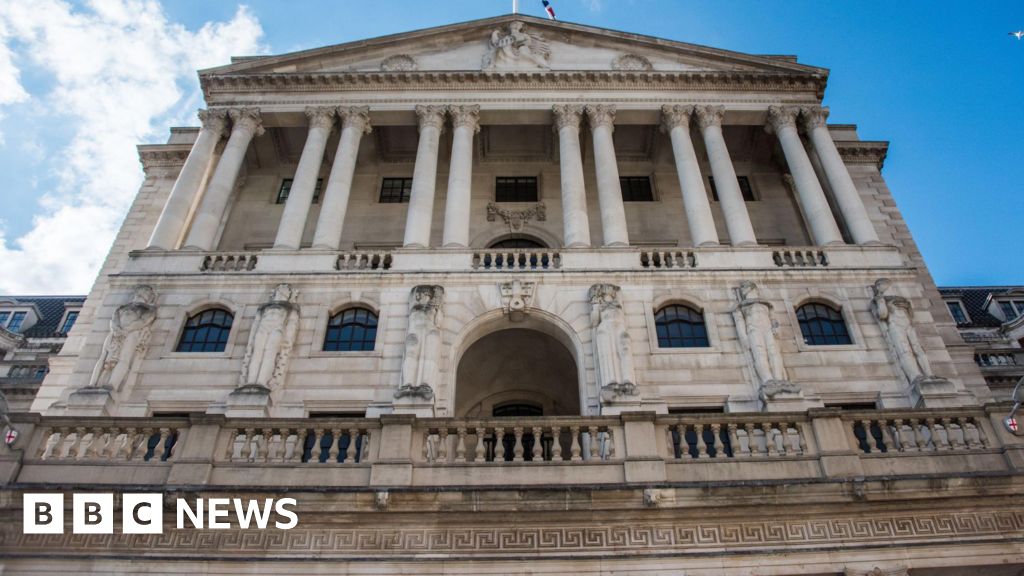
The Bank last cut interest rates in December but upheaval in the Middle East has stalled any further reductions.

The robots, more formally known as autonomous urban delivery vehicles, have started to appear on pavements in a number of cities across the US, plus in the UK, Japan, South Korea and Germany, transporting groceries and fast food, using cameras, sensors and GPS to navigate.

Games Inbox: Do you need to buy a PS5 Pro to play GTA 6?

Meta CTO Andrew Bosworth Says Employee Morale Near All-Time Low Amid Layoffs and AI Push

CZ Reveals the Crypto Playbook He Is Pitching to Governments


-

 Business3 days ago
No Jackpot Winner as $257 Million Prize Rolls Over to $269 Million Monday Draw
-

 Fashion5 days ago
Weekend Open Thread: Tuckernuck – Corporette.com
-

 Crypto World6 days ago
Oppenheimer backs SpaceX as $70 billion retail frenzy builds
-

 Crypto World6 days ago
Markets Rally as SpaceX IPO Looms Amid Iran Tensions and Inflation Surge
-
 Crypto World3 days ago
Zimbabwe Requires Crypto Businesses to Register Annually Under New FIU Regulations
-

 Tech5 days ago
NanoClaw integrates JFrog registries to secure AI agent downloads
-

 Crypto World5 days ago
Bitget enters Argentina’s regulated crypto market through PSAV registration
-

 Tech5 days ago
This Week In Security: Microsoft On Microsoft, Register Your Domains, Linux On ARM, And FreeBSD Joins The File Cache Club
-

 NewsBeat6 days ago
El Nino has formed in the Pacific and could set records, forecasters say
-
 Tech6 days ago
Dutton Ranch star claims they ‘didn’t see any disruption’ on set following Chad Feehan’s exit from Yellowstone spinoff fueled by Taylor Sheridan clash rumors
-

 Politics6 days ago
Politics Home | Healey Resignation Is “Colossal Failure Of Government”, Says Former Labour Defence Secretary
-
 Entertainment6 days ago
Donnie Wahlberg & More Heat Up Las Vegas at Circa’s Barry’s Downtown Prime
-
 Tech6 days ago
Opendoor Ends India Operations, Fueling a Bigger Conversation About AI and Outsourcing
-

 Politics6 days ago
Belfast burns, while Met chief points finger at Iran and Russia
-

 Sports6 days ago
First Time Since 1971: Australia Register Historic Low In ODI Cricket
-

 NewsBeat5 days ago
FBI searches office of Ohio voter registration group
-

 Business6 days ago
AT&T: Verizon's 27% Outperformance Sets Up A Solid Entry Point
-
 Tech6 days ago
Anthropic is spending $150M to embed 1,000 AI fellows inside nonprofits. No degree required.
-
 Politics6 days ago
Modi thanks Trump for wishes as US attacks Indian seafarers
-
 Entertainment6 days ago
‘The Pitt’s Fan-Favorite Doctor Confirms Noah Wyle Gave His Blessing to Return [Exclusive]
You must be logged in to post a comment Login