

Business
UK Hosts 40-Nation Talks to Reopen Iran-Blocked Strait of Hormuz as Oil Prices Surge Amid War


LONDON — Britain convened a virtual summit Thursday with about 40 countries to explore ways of reopening the Strait of Hormuz, the vital Persian Gulf chokepoint effectively shut down by Iran during the ongoing U.S.-Israeli war, as global oil prices climbed on fears of prolonged disruption to nearly one-fifth of the world’s seaborne crude and liquefied natural gas supplies.

British Foreign Secretary Yvette Cooper chaired the discussions, which followed Prime Minister Keir Starmer’s announcement that reopening the waterway “will not be easy” but is essential to prevent Iran from “holding the global economy hostage.” The meeting included major European nations, Gulf states, Japan and others heavily dependent on the strait, though the United States was not directly involved in the talks, according to officials.
The Strait of Hormuz, a narrow passage between Iran and Oman connecting the Persian Gulf to the Arabian Sea and broader Indian Ocean, has seen maritime traffic plummet since Iran began restricting or attacking vessels in response to U.S. and Israeli strikes that escalated in late February 2026. Prior to the conflict, roughly 138 vessels transited daily, carrying about 20% of global oil and significant LNG volumes. Marine traffic data now shows clusters of loitering ships on both sides, with many operators avoiding the route due to safety risks.
Iran has declared the strait largely closed to vessels linked to the U.S. and Israel, while allowing limited passage for others — sometimes in exchange for substantial fees reportedly paid in Chinese currency or cryptocurrency, according to shipping reports and Gulf officials. Iranian parliament panels have discussed formal toll systems, and Tehran has signaled it will use control over the waterway as leverage to extract concessions, refusing a full ceasefire or unrestricted access until attacks on Iran cease.
President Donald Trump has repeatedly urged allies to “build up some delayed courage” and take control of the strait themselves, emphasizing that the U.S. produces ample domestic energy and will not shoulder the burden alone. In recent statements, Trump suggested the waterway could reopen “naturally” at the end of the conflict but warned of further strikes on Iranian energy infrastructure, including power plants and Kharg Island, if it remains blocked. He extended a deadline for action into early April while noting ongoing talks with what he described as a “new, and more reasonable” Iranian regime.
French President Emmanuel Macron pushed back Thursday, calling any military operation to force open the strait “unrealistic” and fraught with high risks. Macron advocated for dialogue and cooperation with Iran rather than confrontation, rejecting unilateral force during a trip to South Korea. Other European leaders echoed concerns that a Red Sea-style naval escort mission — which proved costly and only partially effective against Houthi attacks — would be far more challenging in the confined, Iran-dominated waters of Hormuz.
The disruption has already driven oil prices higher, with benchmarks surging amid supply fears and rerouting of tankers around Africa or elsewhere, adding weeks to journeys and inflating costs. Analysts warn of a potential “food security timebomb” if energy shortages ripple into broader economic pain, particularly for import-dependent Asian nations. China, a major buyer of Iranian oil, has blamed the U.S.-Israeli actions as the “root cause” of the blockage.
Attacks on shipping have compounded the crisis. Reports document multiple incidents since early March, including projectiles striking tankers, unmanned vessel rammings and at least one confirmed crew fatality. On April 1, a QatarEnergy-linked tanker, Aqua 1, was damaged north of Doha. The U.K. Maritime Trade Operations and other monitors have logged over a dozen verified or suspected strikes on merchant vessels in the Gulf region. Iran has escorted some “friendly” tankers through while maintaining its grip, turning the strait into what some describe as a de facto toll booth.
The International Maritime Organization estimates around 2,000 ships stranded or affected in the broader area. Shipping giants have suspended or rerouted operations, echoing disruptions seen earlier in the Red Sea but on a scale that threatens far greater global impact given Hormuz’s role in Gulf oil exports from Saudi Arabia, the United Arab Emirates, Kuwait, Iraq and Iran itself.
Gulf Arab states, including members of the Gulf Cooperation Council, have expressed alarm. The UAE and others have maintained steady postures but joined calls for safe passage. Some Iranian officials, including those close to the Islamic Revolutionary Guard Corps, have boasted of Tehran’s ability to maintain “legal-security dominance” over the strait even after any ceasefire, potentially imposing new rules or tolls long-term.
Environmental risks loom large. Strikes on oil infrastructure and the possibility of escalated targeting of desalination plants — critical for potable water in the arid Gulf — have drawn warnings from U.N. experts about long-term ecological damage, greenhouse gas emissions from burning fields and potential spills in one of the world’s most sensitive marine environments.
The U.K.-led meeting Thursday was described as an initial step, with follow-up discussions planned, including a G7 and Gulf Cooperation Council gathering next week. Participants signed a joint statement demanding Iran end its blockade and pledging contributions to ensure safe passage. Military planners are expected to meet soon under British hosting to assess options, though details remain guarded amid divisions over the use of force.
For Iran, the strait represents both a defensive asset and economic lifeline. Tehran has historically threatened closure during tensions, but the current scale — tied to the wider 2026 war that began with extensive U.S.-Israeli airstrikes on Iranian military targets — marks an unprecedented escalation. Iranian navy vessels have conducted escorts for paying clients while IRGC-linked media emphasize the strait’s value in ensuring regime survival and deterring future threats.
Analysts note that fully reopening the strait could take months even after any ceasefire, due to insurance costs, lingering war-risk premiums, damaged infrastructure and eroded confidence among shippers. Rebuilding trust and clearing potential mines or debris would add further delays. In the interim, alternative routes and increased U.S. domestic production offer only partial relief, as global markets remain tightly linked.
The crisis underscores the strait’s enduring strategic importance. At its narrowest, just 21 miles wide with shipping lanes even tighter, it has been a flashpoint for decades, from the 1980s “Tanker War” during the Iran-Iraq conflict to repeated Iranian seizures of vessels in recent years. Today’s events, however, unfold against a backdrop of direct great-power involvement and hybrid threats including drones, missiles and fast-attack boats.
Trump’s approach — shifting responsibility to energy-importing nations while keeping U.S. options open — has drawn mixed reactions. Supporters see it as America First realism; critics argue it risks fracturing alliances and emboldening adversaries. Retired U.S. Navy officers have assessed that while American forces could neutralize Iranian threats in the strait if ordered, the operation would be complex, costly and potentially prolonged, especially with Iran’s arsenal of anti-ship missiles and asymmetric tactics.
As talks continue, shipping firms monitor real-time intelligence from sources like the U.K. Maritime Trade Operations and U.S. warnings advising vessels to stay clear of certain zones. Crew safety remains paramount, with some operators paying premiums or hiring private security.
Broader implications extend beyond energy. Disrupted supply chains affect everything from jet fuel for airlines to petrochemical feedstocks for manufacturing. Developing nations face heightened vulnerability, while stock markets and currencies react to every headline from the Gulf.
Thursday’s summit reflects growing international urgency. With no immediate resolution in sight, diplomats, military planners and energy executives are weighing a difficult balance: pressuring Iran without triggering wider escalation that could close the strait indefinitely or spark environmental catastrophe.
Iranian assurances of safe passage for certain nationalities, such as Filipino seafarers, offer limited comfort amid the selective blockade. Tehran continues to frame its actions as defensive responses to foreign aggression, vowing not to yield without guarantees.
For now, the Strait of Hormuz remains a contested lifeline — partially open to some under Iranian terms, closed to others and a source of skyrocketing costs for the global economy. The outcome of ongoing diplomacy and any potential naval coordination will shape not only energy markets but the trajectory of the larger conflict in the Middle East.
As Britain and partners seek consensus, the world watches whether dialogue or deterrence will prevail in one of the most critical maritime arteries on the planet.


Oddity Tech: Cheap, But The Ad Fix Still Has To Show Up
Business
Dalal Street Week Ahead: Nifty stuck in consolidation zone; 23,800 remains key breakout hurdle
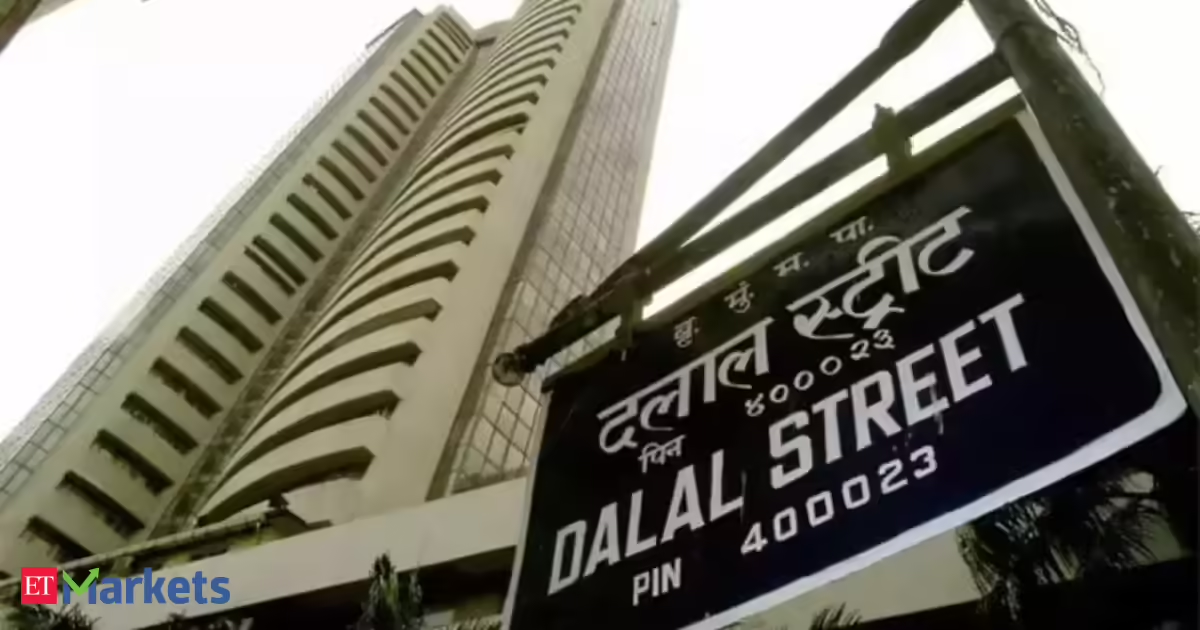
The sharp decline witnessed on Friday was largely driven by MSCI rebalancing-related flows, resulting in accelerated profit-taking and a weak close for the week. India VIX rose by 9.60% to 16.19, reflecting a pickup in volatility expectations and some increase in market nervousness following the late-week selloff. Nifty ended the week with a loss of 171.55 points (-0.72%).
 Agencies
The broader technical structure remains in a consolidation phase. However, the sharp selloff towards the end of the week has once again dragged the immediate resistance levels lower, with the 23,800 zone emerging as the first significant hurdle that the index must overcome. As long as Nifty remains below this level, the ongoing consolidation is likely to continue.
On the downside, the index continues to hold above the lower boundary with the support zone placed in the 23,300-23,400 area. A decisive move beyond either end of this range could set the tone for the next directional move.
The markets are likely to begin the coming week on a cautious note after Friday’s sharp decline. Immediate resistance levels are placed at 23,800 and 24,000, while supports come in at 23,350 and 23,100.

A sustained move above 23,800 would improve the near-term technical outlook and may trigger fresh buying interest. Conversely, any violation of the 23,300 area could invite renewed weakness and increase downside pressure.
The weekly RSI stands at 40.84 and remains below the neutral 50 mark, indicating subdued momentum and showing no divergence against price. The weekly MACD remains below its signal line and continues to stay in negative territory, reflecting a lack of strong upward momentum.A study of the overall pattern shows that Nifty continues to trade within a consolidation beneath a key supply area. The index remains below its 50-week and 100-week moving averages, placed near 24,936 and 24,535, respectively, indicating that the intermediate trend has yet to regain full strength. At the same time, the index remains comfortably above its rising 200-week moving average near 22,057, keeping the long-term structure intact. The ongoing compression between channel support and overhead resistance suggests that the market may be approaching a decisive phase where a directional breakout could emerge over the coming weeks.
Given the current technical setup, traders should continue to maintain a balanced and selective approach. The rise in India VIX alongside the failure to sustain higher levels warrants caution, especially near overhead resistance. Fresh buying should remain stock-specific and focused on pockets displaying relative strength. Traders would be better served by protecting gains, maintaining disciplined risk management, and avoiding aggressive directional bets until the index confirms strength by moving above 23,800. The coming week is likely to reward selectivity and prudent positioning rather than broad-based aggressive exposure.
In our look at Relative Rotation Graphs®, we compared various sectors against the CNX500 (NIFTY 500 Index), representing over 95% of the free-float market cap of allthe listed stocks.
The Relative Rotation Graph (RRG) shows that the Nifty Midcap 100, Energy, Media, Pharma, and Metal Indices are inside the leading quadrant. While the Pharma and Energy groups are showing a slowdown in their relative momentum, overall, these groups are likely to relatively outperform the broader markets.
AgenciesAgenciesThe Nifty Infrastructure and the PSE Indices are inside the weakening quadrant. Collectively speaking, these groups may see a slowdown in their relative performance against the broader markets.
The PSU Bank Index has rolled inside the lagging quadrant. The Nifty Bank, Services Sector, Financial Services, and Auto Indices also continue to languish inside the lagging quadrant. These groups are set to relatively underperform the broader markets. The Nifty IT Index is also in the lagging quadrant; however, it is showing a sharp improvement in relative momentum against the broader Nifty 500 Index.
The FMCG and the Realty Index are inside the improving quadrant; they may continue to improve their relative performance against the benchmark.
Important Note: RRGTM chartsshow the relative strength and momentum of a group ofstocks. In the above Chart, they show relative performance against the NIFTY500 Index (Broader Markets) and should not be used directly as buy or sell signals.
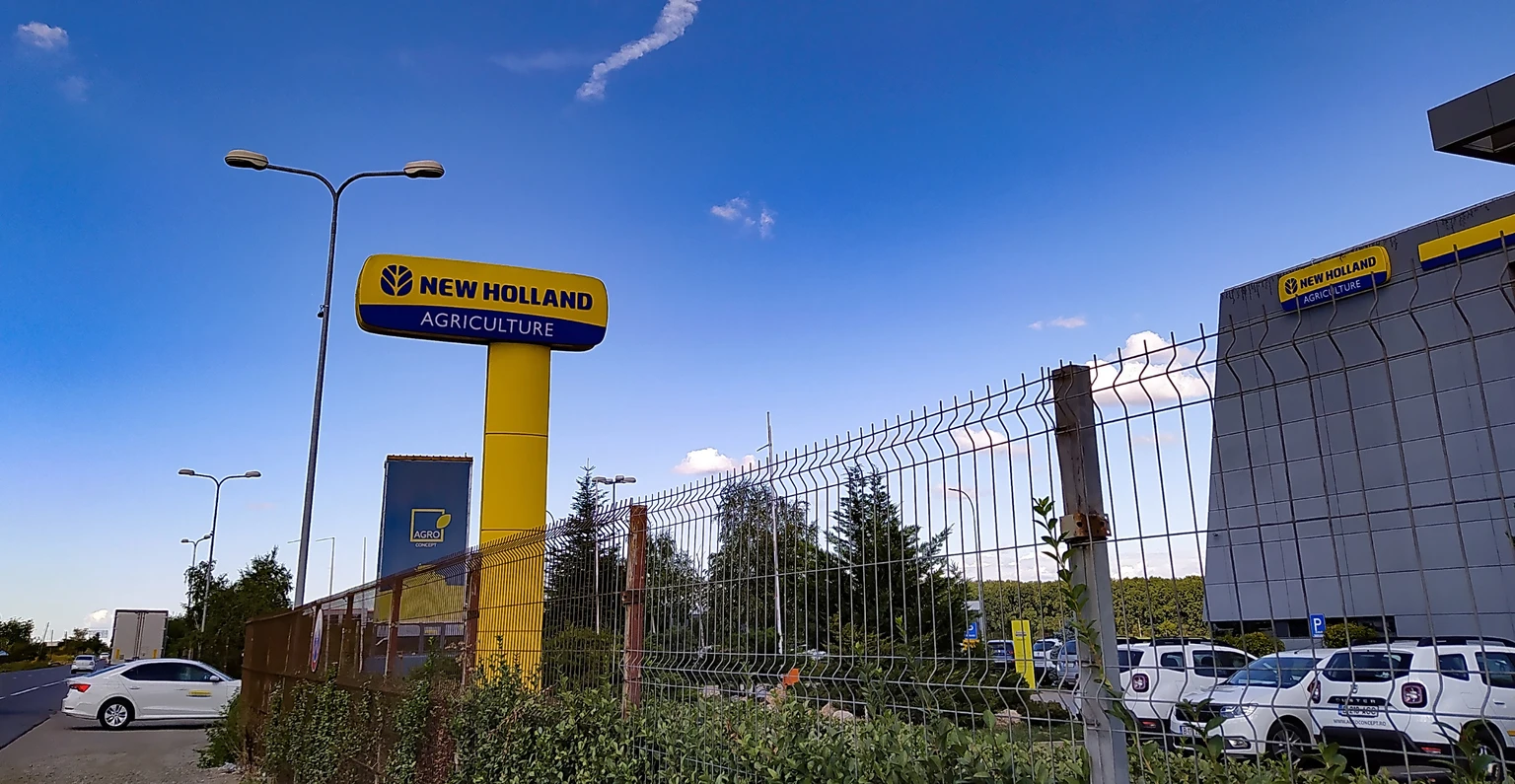
CNH Industrial: Weak Earnings, Mounting End-Market Pressures, And An Unjustified Valuation
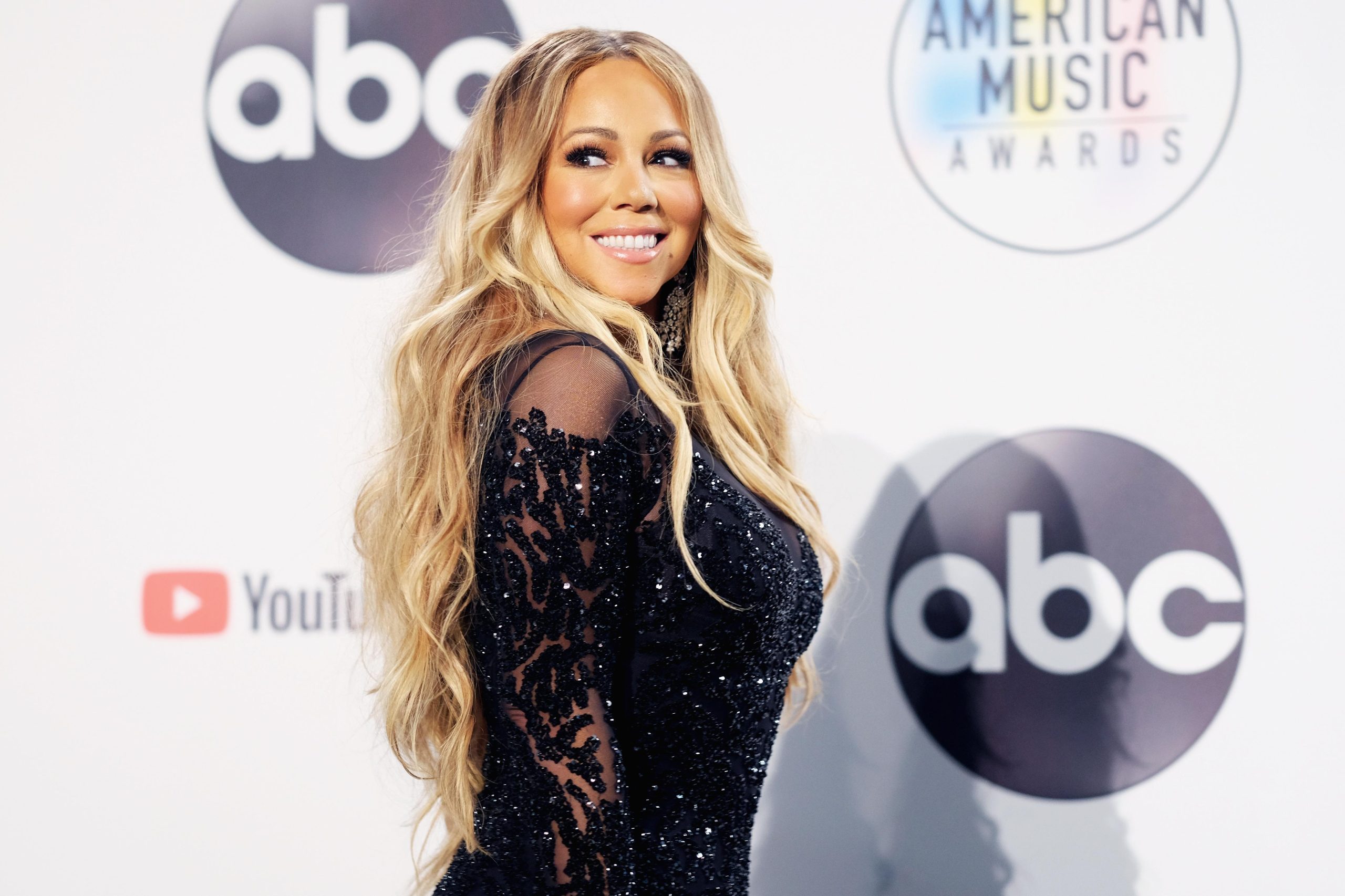
NEW YORK — Mariah Carey has sparked renewed excitement among fans by hinting at additional archival releases and expanded holiday plans, building on the success of her 2020 compilation “The Rarities” and her enduring dominance as the self-proclaimed Queen of Christmas.
As of late May 2026, the pop and R&B icon has not formally announced a new studio album or a follow-up rarities project. However, recent interviews and subtle social media cues have fueled credible speculation that Carey is preparing to mine her extensive vault once again while reinforcing her seasonal stronghold.
The buzz centers on the possibility of “The Rarities 2,” a logical successor to the 2020 collection that featured previously unreleased tracks, international exclusives and live recordings from her early Columbia Records era. Carey has repeatedly referenced the depth of her unreleased material in past conversations, noting that the first volume only scratched the surface of what exists in her archives.
Her catalog continues to demonstrate remarkable staying power. “All I Want for Christmas Is You” has become a modern holiday standard, reaching No. 1 on the Billboard Hot 100 in four separate years — 2019, 2020, 2021 and 2023. This achievement makes her the first artist to send the same holiday song to the top of the chart across multiple distinct years. Industry observers anticipate another strong performance from the track during the 2026 holiday season, supported by consistent streaming surges and playlist placements.
Carey’s broader catalog has also experienced renewed life through streaming platforms and social media. Tracks such as “Fantasy,” “Always Be My Baby” and “We Belong Together” continue to find new audiences via TikTok trends, memes and synchronization deals. Her 19 No. 1 hits on the Billboard Hot 100 remain the most by any solo artist, second only to The Beatles overall.
Anniversaries provide additional momentum for potential archival activity. Key milestones for her 1990 self-titled debut, the 1995 blockbuster “Daydream” and the 1997 album “Butterfly” have already prompted deluxe editions, remixes and vinyl reissues in recent years. The 25th-anniversary campaign for “Butterfly” in 2022 included new remixes and expanded digital content, demonstrating strong fan appetite for deeper explorations of her work.
A prospective “The Rarities 2” could focus on specific eras, such as sessions from transitional albums like “Glitter,” “Charmbracelet” and “The Emancipation of Mimi,” or spotlight collaborations and remixes that never received full commercial support. Such a project would align with broader industry trends of legacy artists revisiting their vaults to generate fresh engagement across streaming, vinyl and immersive audio formats.
Carey’s holiday influence extends beyond a single song. She has built a seasonal empire that includes short-run tours, branded experiences and television specials. Her 2020 Apple TV+ special “Mariah Carey’s Magical Christmas Special” helped cement her position in the streaming era. While no official 2026 holiday tour dates have been announced, patterns from previous years suggest announcements typically emerge by late summer.
The timing of any new archival or holiday activity appears strategic. With the industry preparing for another fourth-quarter push dominated by seasonal releases, a “Rarities 2” project could capitalize on heightened consumer interest in nostalgia and fresh content from established stars. It would also provide new material for algorithms, playlists and social media moments.
Carey’s ability to maintain relevance across decades stems from her vocal prowess, genre-blending style and cultural impact. From early ballads like “Vision of Love” to hip-hop collaborations and gospel-infused work, her music has aged effectively in the playlist-driven era. Her 2020 memoir “The Meaning of Mariah Carey” further positioned her as the authoritative voice of her own narrative, addressing creative challenges and label dynamics that shaped her career.
Fan communities have responded enthusiastically to recent hints. Social media discussions frequently reference the potential for more vault releases, with many expressing desire for deeper cuts from specific periods. This engagement underscores the value of Carey’s catalog as both a commercial asset and a cultural touchstone.
Industry analysts note that vault projects from major artists often deliver strong results across multiple formats. For Carey, such releases could attract both longtime supporters and newer listeners who discovered her through holiday playlists or viral clips. The combination of archival material and holiday programming creates a powerful annual cycle that sustains visibility year-round.
As 2026 progresses, attention will likely intensify around Carey’s next moves. Whether through a formal “The Rarities 2” announcement, expanded holiday touring or strategic catalog reissues, the singer continues to demonstrate her enduring influence on popular music. Her ability to blend nostalgia with modern consumption habits keeps her relevant in an increasingly fragmented entertainment landscape.
For now, fans remain in a state of anticipation. The hints dropped by Carey suggest she is thoughtfully curating her legacy while keeping the door open for future original material. In an era where catalog performance often rivals new releases in commercial importance, her strategic approach positions her to maintain a prominent role in both holiday traditions and broader music conversations.
The prospect of new archival content arriving alongside her seasonal dominance adds another layer of excitement to what has become an annual cultural event. As summer approaches, the music industry and fans alike will watch closely for official confirmation of Carey’s plans, which could shape the final months of 2026 in meaningful ways.


Daniel is an avid and active professional investor.
He runs Crude Value Insights, a value-oriented newsletter aimed at analyzing the cash flows and assessing the value of companies in the oil and gas space. His primary focus is on finding businesses that are trading at a significant discount to their intrinsic value by employing a combination of Benjamin Graham’s investment philosophy and a contrarian approach to the market and the securities therein. Learn more.
Analyst’s Disclosure: I/we have no stock, option or similar derivative position in any of the companies mentioned, and no plans to initiate any such positions within the next 72 hours. I wrote this article myself, and it expresses my own opinions. I am not receiving compensation for it (other than from Seeking Alpha). I have no business relationship with any company whose stock is mentioned in this article.
Seeking Alpha’s Disclosure: Past performance is no guarantee of future results. No recommendation or advice is being given as to whether any investment is suitable for a particular investor. Any views or opinions expressed above may not reflect those of Seeking Alpha as a whole. Seeking Alpha is not a licensed securities dealer, broker or US investment adviser or investment bank. Our analysts are third party authors that include both professional investors and individual investors who may not be licensed or certified by any institute or regulatory body.
Business
NSE Social Stock Exchange gets CSR boost as MCA clears corporate funding route. Check details

The MCA has amended Schedule VII of the Companies Act, 2013, to recognise investments in certain Social Stock Exchange instruments as an eligible CSR activity. As per a Gazette Notification issued on May 27, 2026, “subscription to zero coupon zero principal instruments on Social Stock Exchange” has now been added to the list of approved CSR activities.
The amendment allows companies to allocate up to 10% of their total annual CSR budget towards not-for-profit organisations (NPOs) registered on the Social Stock Exchange through Zero Coupon Zero Principal (ZCZP) instruments.
The Social Stock Exchange serves as a dedicated platform that connects social enterprises and NPOs with donors, investors and other funding sources. Unlike conventional stock exchanges, where investments are made with the expectation of financial returns, the SSE is designed to facilitate measurable social impact.
According to the National Stock Exchange (NSE), the latest policy change could help scale up social financing in India by providing corporates with a regulated and disclosure-based channel to support impact-focused organisations. The exchange said the framework is expected to enhance transparency, credibility and the overall reach of funding within the social sector.
The idea of a Social Stock Exchange was first outlined by Finance Minister Nirmala Sitharaman during the 2019 Budget, with the aim of bringing capital markets closer to the masses while advancing inclusive growth and financial inclusion.
With the amendment now in place, companies can incorporate SSE-based contributions into their CSR programmes through a structured and regulated mechanism. NSE said the move is likely to improve funding access for verified NPOs, strengthen governance and disclosure standards, encourage outcome-oriented philanthropy and foster greater trust and accountability across the social impact landscape.Sriram Krishnan, Chief Business Development Officer at NSE, described the amendment as a significant development for India’s social sector. He said the provision would enable corporates to channel CSR funds through a transparent, regulated and impact-driven platform, helping improve trust, accountability and access to capital for social enterprises.
The MCA notification has come into effect immediately upon its publication in the Official Gazette.
(Disclaimer: Recommendations, suggestions, views and opinions given by the experts are their own. These do not represent the views of The Economic Times)
Business
F&O Talk: Nifty may stay range-bound; Sudeep Shah sees opportunities in banks, IT, picks 7 stocks

Sensex dropped over 1,092 points to 74,776 while Nifty 50 crashed nearly 359 points to 23,547. This came as India VIX, which measures volatility in markets, jumped around 8% to 16.18. The sharp losses wiped off nearly Rs 6 lakh crore from the total market capitalisation of all companies listed on BSE, pulling it down to Rs 465 lakh crore.
Analyst Sudeep Shah, Vice President and Head of Technical & Derivatives Research at SBI Securities, interacted with ETMarkets regarding the outlook for the Nifty and Bank Nifty, as well as an index strategy for the upcoming week. The following are the edited excerpts from his chat:
Nifty rollover for May expiry came in below both the three-month and six-month averages. Does this suggest traders are turning cautious near higher levels, or is it simply profit-booking after the recent recovery?
In the month of May, the benchmark index Nifty traded within a narrow range of 1219 points, marking its smallest monthly range since December 2025. The rollover in the May series also came below the prior month and 3-month average. Notably, a majority of the trading sessions during the month witnessed either an upside or downside gap at the opening, followed by range-bound price action throughout the day. As a result, opportunities for intraday and short-term traders remained limited despite the frequent gap openings. But what made this phase even more unusual was the message hidden within the broader monthly price structure.
On the monthly chart, Nifty has formed a bearish candle with shadows on either side, reflecting indecisiveness among market participants amid ongoing geopolitical uncertainties. Zooming into the final week of May, the index continued to trade within a narrow range for most of the week before witnessing a sharp decline during the final hour of Friday’s trading session, which tilted the balance in favour of the bears. While the market remained range-bound for most of the week, the late sell-off has raised an important question—was this merely profit booking or the beginning of a larger directional move?
From a technical standpoint, Nifty continues to trade below all its key moving averages. More importantly, these moving averages have flattened out, indicating the absence of a strong trend. The daily RSI remains in a sideways zone as per the RSI Range Shift framework, while the daily Stochastic oscillator is also moving within a narrow band. Adding to this, the trend strength indicator, Daily ADX, is placed at near 15 level and continues to decline, suggesting a lack of directional momentum in the index. While these indicators point towards a lack of trend, Friday’s late sell-off has injected fresh uncertainty into the market setup.
Talking about crucial levels, on the upside, the 20-day EMA zone of 23,750-23,800 is likely to act as an immediate hurdle for the index. On the downside, the zone of 23,300-23,250 remains a crucial support area. A breach below 23,250 could intensify selling pressure and open the doors for a decline towards the psychologically important 23,000 mark. With the index approaching key support levels, the market’s next move could set the tone for the coming weeks.
Bank Nifty rollover saw a sharper decline and futures data indicates short build-up despite price weakness. Are banking stocks likely to remain drags on the market in the June series?
In the month of May, the banking benchmark index Bank Nifty traded within a narrow range of 3,550 points, marking its tightest monthly range since January 2026. On the monthly timeframe, it has formed a High Wave candle, reflecting market indecisiveness.
During the past week, the index witnessed a strong upmove in the first half; however, it failed to sustain above the 55,500 level and subsequently underwent a sharp correction. This led to the formation of a bearish candle with a long upper shadow, indicating selling pressure at higher levels.
At present, the index is trading below its key moving averages, which are trending downward, suggesting a weak bias. The daily RSI remains in a sideways zone as per the RSI range shift rules, indicating lack of clear momentum.
Going ahead, the 53,500–53,400 zone is expected to act as an important support for the index. A breach below 53,400 could trigger further downside, with the next key support placed around 52,700. On the upside, the 50-day EMA zone of 55,300–55,200 is likely to act as a crucial hurdle.
FIIs reduced nearly 9,800 index shorts while also adding fresh longs. Do you see this as the beginning of a more constructive stance from foreign investors, or is positioning still defensive overall?
There were clear signs of short covering in Index futures between 21st May and 27th May, with FII net Index futures shorts reducing sharply from 2,31,190 contracts to 1,63,012 contracts. This also led to the long-short ratio improving from 11.80% to 16.14%, indicating a relatively constructive shift in positioning.
On Friday, massive short positions were built up leading to net index futures short contracts once again rising to 2,01,309 and the long short ratio dipping to 11.98%. Similar phases of short covering in the past were quickly followed by aggressive selling, causing bullish expectations to fade rapidly. This pattern has persisted for quite some time and is likely to continue until there is greater clarity on the US-Iran deal, a meaningful fall in the Dollar Index (DXY), stability in crude oil prices, and depreciation in the dollar against the rupee. Until these external factors stabilize, FII sentiment is likely to remain cautious rather than decisively bullish.
What are key levels to watch out for in June series? What triggers could push Nifty decisively beyond in either direction?
Talking about crucial levels, on the upside, the 20-day EMA zone of 23,750-23,800 is likely to act as an immediate hurdle for the index. On the downside, the zone of 23,300-23,250 remains a crucial support area. A breach below 23,250 could intensify selling pressure and open the doors for a decline towards the psychologically important 23,000 mark. With the index approaching key support levels, the market’s next move could set the tone for the coming weeks.
IT continues to trade near 52-week lows with elevated open interest and negative carry. Is the sector still witnessing aggressive short positions, and what would it take for sentiment to improve meaningfully?
The Nifty IT Index has rebounded nearly 8% from its 14th May low of 27,078. However, over the last seven sessions, the Index has remained range-bound between 29,747 and 28,678, indicating a lack of strong directional momentum. The RSI remains flat, while a subdued ADX reflects low volatility and absence of trend strength. Additionally, the MACD continues to trade below both the zero line and signal line, highlighting weak underlying momentum.
On the Relative Rotation Graph (RRG), the Index has shifted from the lagging to the improving quadrant, suggesting early signs of momentum recovery, though relative strength remains limited. The Index continues to trade below its 50, 100, and 200-day EMAs, keeping the near-term trend weak. The 29,900–30,000 zone remains a crucial resistance area, and a decisive breakout above this level could trigger a stronger pullback rally in the IT pack.
Given that the broader market structure remains range-bound with elevated volatility, should traders focus more on stock-specific opportunities rather than aggressive index directional bets in the June series?
With the broader market remaining range-bound amid elevated volatility, traders are likely to find better opportunities in stock-specific setups rather than aggressive directional bets on the Index in the June series. The rising ratio line in the Midcap and Smallcap indices relative to Nifty highlights continued outperformance in the broader market space.
Despite the strong bearish candle on 29th May, the overall market structure remains bullish, with no concrete signs of a major reversal yet. Currently, strength is visible in sectors such as private banks, PSU banks, financial services, and select midcap IT names. Meanwhile, the Index continues to react sharply to geopolitical developments, leading to frequent gap-ups and gap-downs that reduce trading clarity. In such an environment, strong price-action structures backed by robust technicals in trending sectors are likely to outperform across market conditions.
What stocks are you looking out for?
For the short term, Tamilnad Mercantile Bank, Nuvama Wealth Management, RR Kabel, Syrma SGS Technology, Krishna Institute of Medical Sciences (KIMS), and Minda Corporation are looking attractive based on their current market setup.
(Disclaimer: Recommendations, suggestions, views and opinions given by the experts are their own. These do not represent the views of The Economic Times)

Algoma Steel gains 63% as Fair Value models spot opportunity

SAN ANTONIO — Victor Wembanyama’s meteoric rise has ignited one of the most provocative debates in modern NBA history: Is the 22-year-old Spurs superstar already surpassing the legendary dominance of Shaquille O’Neal at a comparable stage of their careers? While Shaq’s physical force defined an era, Wembanyama’s unprecedented blend of size, skill and defensive impact in the 2026 playoffs has many observers drawing direct comparisons — and leaning toward the Frenchman as a generational outlier.
Wembanyama, in just his third NBA season, has delivered playoff performances that echo — and in some statistical categories exceed — the early brilliance of O’Neal. During the 2026 Western Conference finals against the Oklahoma City Thunder, the 7-foot-4 center posted historic numbers, including a 41-point, 24-rebound masterpiece in Game 1 that marked one of the greatest individual playoff performances in recent memory.
Through the early stages of the 2026 postseason, Wembanyama averaged approximately 22.1 points, 12.3 rebounds and 4.0 blocks per game, becoming the youngest player ever to average 20 points, 10 rebounds and four blocks across at least 10 playoff games. He also set the NBA’s postseason blocks record and joined elite company as the first center since O’Neal in 2002 with multiple 30-point games in a Conference Finals series.
Statistical Head-to-Head Career regular-season averages favor the more established O’Neal, who posted 23.7 points per game over 19 seasons compared to Wembanyama’s 23.4 through three years. However, the advanced metrics tell a more nuanced story. Wembanyama has already surpassed O’Neal for the most career games with five or more blocks by a player aged 22 or younger.
In the 2025-26 regular season, Wembanyama averaged 25.0 points, 11.5 rebounds, 3.1 assists and a league-leading 3.1 blocks while shooting efficiently. He became the youngest Defensive Player of the Year in NBA history and the first-ever unanimous winner, claiming all 100 first-place votes.
O’Neal, in his prime with the Orlando Magic and early Lakers years, delivered raw physical dominance with peak seasons approaching 30 points and 13 rebounds. Yet even Shaq has publicly praised Wembanyama as “the first perfect big man that’s ever been created,” citing his shooting, defense, offense and teamwork.
Defensive Legacy Wembanyama’s rim protection and versatility represent a defensive evolution. At 22, he has already anchored one of the league’s top defenses and earned comparisons suggesting he could have a bigger long-term defensive impact than O’Neal. His ability to contest shots from the perimeter while erasing attempts at the rim creates unique problems for opponents.
An anonymous Western Conference executive captured the sentiment: “At least Shaq was human in the sense that you needed three centers to bang with him… But there’s no archetype like (Wembanyama) — no player ever. It’s a problem, and it’s going to be a problem for 15 years.”
Offensive Versatility Where O’Neal relied on overwhelming power and post dominance, Wembanyama offers a more expansive offensive toolkit. His shooting range, passing vision and ability to create for teammates differentiate him from traditional centers. In the 2026 playoffs, he has demonstrated comfort operating from the high post, stretching defenses and finishing with finesse.
Still, detractors note that O’Neal’s peak included three consecutive NBA championships and Finals MVPs with the Lakers, feats Wembanyama has yet to approach. Shaq’s physicality in his prime forced teams into desperate matchup strategies rarely seen today.
Cultural and Market Impact Both players transformed their franchises upon arrival. O’Neal helped elevate the Magic and later powered the Lakers’ dynasty. Wembanyama has resurrected the Spurs, leading them deep into the 2026 playoffs and restoring excitement to a once-proud franchise. His global appeal, particularly in Europe, mirrors O’Neal’s larger-than-life persona but with a modern, multifaceted twist.
Shaquille O’Neal has reacted positively to Wembanyama’s ascent, calling him a joy to watch and acknowledging the uniqueness of his game. This endorsement from one of the most dominant big men ever carries significant weight in the ongoing conversation.
The Verdict Remains Premature At this stage, most analysts conclude that while Wembanyama has achieved unprecedented early success and possesses a skill set that could ultimately eclipse O’Neal’s legacy, it is too soon for a definitive declaration. Longevity, championships and sustained excellence remain the true measures of greatness.
Wembanyama’s combination of length, coordination and basketball IQ evokes comparisons not just to Shaq but to a hypothetical fusion of elite big men across eras. His ability to impact winning at both ends while maintaining efficiency sets a new standard for the position.
As the 2026 playoffs continue, Wembanyama has the opportunity to further cement his place in the conversation. Should he lead the Spurs to a championship run at such a young age, the debate will intensify. For now, the basketball world watches with fascination as one of the most unique talents in league history chases — and in some ways redefines — the benchmarks set by a legend.
The comparison ultimately highlights the evolution of the center position. Where Shaq dominated through sheer force, Wembanyama represents the modern ideal: a mobile, skilled giant capable of adapting to today’s pace-and-space game while retaining old-school rim protection. Whether he surpasses O’Neal’s overall career remains a question for the next decade, but in 2026, the young phenom has already forced the NBA to reconsider what peak dominance looks like.


Financially Free Investor is a financial writer with 25 years investment experience. He focuses on investing in dividend-growing stocks with a long-term horizon. He applies a unique 3-basket investment approach that aims for 30% lower drawdowns, 6% current income, and market-beating growth on a long-term basis and he focuses on dividend-growing stocks with a long-term horizon.
He runs the investing group High Income DIY Portfolios which provides vital strategies for portfolio management and asset allocation to help create stable, long-term passive income with sustainable yields. The service includes a total of 10 model portfolios with a range of income targets for varying levels of risk, buy and sell alerts, and live chat. Learn more.
Analyst’s Disclosure: I/we have a beneficial long position in the shares of ABT, ABBV, CI, JNJ, PFE, NVS, NVO, AZN, UNH, CL, CLX, UL, NSRGY, PG, TSN, ADM, BTI, MO, PM, KO, PEP, EXC, D, DEA, DEO, ENB, MCD, BAC, PRU, UPS, WMT, WBA, CVS, LOW, AAPL, IBM, CSCO, MSFT, INTC, T, VZ, CVX, XOM, VLO, ABB, ITW, MMM, LMT, LYB, RIO, O, NNN, WPC, ARCC, TLT either through stock ownership, options, or other derivatives. I wrote this article myself, and it expresses my own opinions. I am not receiving compensation for it (other than from Seeking Alpha). I have no business relationship with any company whose stock is mentioned in this article.
Disclaimer: The information presented in this article is for informational purposes only and in no way should be construed as financial advice or a recommendation to buy or sell any stock. The author is not a financial advisor. Please always do further research and do your own due diligence before making any investments. Every effort has been made to present the data/information accurately; however, the author does not claim 100% accuracy. The stock portfolios presented here are model portfolios for demonstration purposes. For the complete list of our LONG positions, please see our profile on Seeking Alpha.
Seeking Alpha’s Disclosure: Past performance is no guarantee of future results. No recommendation or advice is being given as to whether any investment is suitable for a particular investor. Any views or opinions expressed above may not reflect those of Seeking Alpha as a whole. Seeking Alpha is not a licensed securities dealer, broker or US investment adviser or investment bank. Our analysts are third party authors that include both professional investors and individual investors who may not be licensed or certified by any institute or regulatory body.

Your power bank is probably overheating, but TORRAS fixed that

BrandAlley fashion site plunges into administration as customers given update

Oddity Tech: Cheap, But The Ad Fix Still Has To Show Up


-

 Business6 days ago
NYT Strands Answers May 24 2026 Revealed for Puzzle No. 812 Theme Summer Essentials
-

 NewsBeat3 days ago
Israel says it has killed new Hamas military leader in Gaza City airstrikes
-

 Politics5 days ago
Bridgerton Season 5: Cast, Release Date And Everything We Know So Far
-

 Business4 days ago
Selena Gomez Reportedly Upset Over Benny Blanco’s Comments on Her ‘Terrible’ Diet
-
 Crypto World4 days ago
Micron Crosses $1 Trillion Market Cap as AI Demand Reshapes Memory Sector
-
 Tech5 days ago
Microsoft’s quiet Claude Code retreat and the real cost of enterprise AI
-

 Business5 days ago
BTS Sells Out Four Las Vegas Shows at Allegiant Stadium for ARIRANG World Tour
-
 Tech4 days ago
China assigns ID codes to 28,000+ humanoid robots
-

 News Videos3 days ago
XRP *JUST* SUCCEEDED!!!! CLARITY ACT EXPOSED!!! (SHE EXPOSED IT)
-

 Tech1 day ago
Waymo dominates autonomous vehicle registrations as Tesla trails behind
-
Tech3 days ago
The Samsung pay deal is the moment Korean unions changed register
-

 Tech5 days ago
Westone Audio and Etymotic Acquired by Fidelity Collective in Major IEM Market Move
-

 Tech4 days ago
Millions of AI agents imperiled by critical vulnerability in open source package
-
Crypto World6 days ago
Brian Armstrong Outlines Crypto Vision for the Future Financial System
-
 Entertainment5 days ago
‘Breaking Bad’ Star’s Easy-to-Binge 6-Part Crime Series Spin-Off Is Finally Heading to Free Streaming
-
Crypto World3 days ago
SpaceX’s $2 Trillion IPO: Why Tech Giants Nvidia (NVDA), Apple (AAPL), and Microsoft (MSFT) May Face Pressure
-
 Crypto World5 days ago
Nvidia (NVDA) CEO Calls on Super Micro to Strengthen Export Controls Amid Smuggling Probe
-

 Tech3 days ago
NASA taps Blue Origin to deliver lunar rovers for Moon Base initiative
-
 NewsBeat5 days ago
Hottest May day ever as London hits 34.8C in 2C leap from previous records
-
 Crypto World20 hours ago
Snowflake (SNOW) Stock Rallies on Strong Q1 Results and AI Product Growth
You must be logged in to post a comment Login