Connect with us
DAPA Banner
DAPA Coin
DAPA
COIN PAYMENT ASSET
PRIVACY · BLOCKDAG · HOMOMORPHIC ENCRYPTION · RUST
ElGamal Encrypted MINE DAPA
🚫 GENESIS SOLD OUT
DAPAPAY COMING

Business

UK house prices fall again as property market ‘deteriorates’

Published

on

Business Live

Rising mortgage rates and energy costs driven by the Iran war are weighing on the property market

A woman looking at houses for sale

A woman looking at houses for sale(Image: David Cheskin/PA Wire)

House prices dropped once more in May as mortgage rate increases and soaring energy bills triggered by the Iran war continued to weigh on the UK’s vulnerable property market.

Advertisement

The average UK house price declined by 0.6 per cent to £278,024 in May, compared with 0.4 per cent growth in April, according to Nationwide’s house price index.

Weakening house prices are accompanied by declining consumer sentiment in the property market, with the Royal Institution of Chartered Surveyors recording a sharp fall in new buyer enquiries in March.

Annual house price growth slowed from three per cent in April to 1.7 per cent in May, as last month’s average house price failed to surpass April’s record.

While mortgage rates jumped sharply at the beginning of the Iran war in February, experts at Nationwide say the housing market’s recent downturn comes as consumer confidence “deteriorates”, as reported by City AM.

Advertisement

Britons’ confidence in their own spending power fell to its lowest level in two years in April.

“Given the uncertainty caused by developments in the Middle East and the subsequent rise in energy prices and market interest rates, some loss of momentum was to be expected,” Nationwide chief economist Robert Gardner said.

This comes despite a surprise improvement in the state of the economy at the start of this year, as GDP grew by 0.6 per cent across the first quarter.

“Nevertheless, economic growth is likely to be somewhat weaker and inflation higher than previously expected this year as a result of developments in the Middle East, although the impact will ultimately depend on the duration of the shock and the policy response,” Gardner said.

Advertisement

Jason Tebb, president of property selling platform On The Market, said: “The fallout from the war in the Middle East is making itself felt, with uncertainty and the challenging economic backdrop resulting in a softening in the market and some loss of momentum.

“That said, the housing market continues to demonstrate resilience. Average prices dipped on a monthly basis as focused, price-sensitive buyers negotiate hard, while sellers realise that they will struggle to sell over-ambitiously priced homes.”

Property giant Savills last week downgraded its property price forecast for 2026, saying the Iran war had “fundamentally changed the outlook for the housing market”.

The property experts said that much of the downgrade was due to the surge in mortgage rates which followed the outbreak of the Middle East conflict.

Advertisement
Continue Reading
Click to comment

You must be logged in to post a comment Login

Leave a Reply

Business

BNP Paribas: The Market Is Underestimating Valuation Risk

Published

on

BNP Paribas: The Market Is Underestimating Valuation Risk

BNP Paribas: The Market Is Underestimating Valuation Risk

Continue Reading

Business

US military says it struck vessel in Caribbean, killing two

Published

on


US military says it struck vessel in Caribbean, killing two

Continue Reading

Business

Global business leaders back faster electrification shift

Published

on

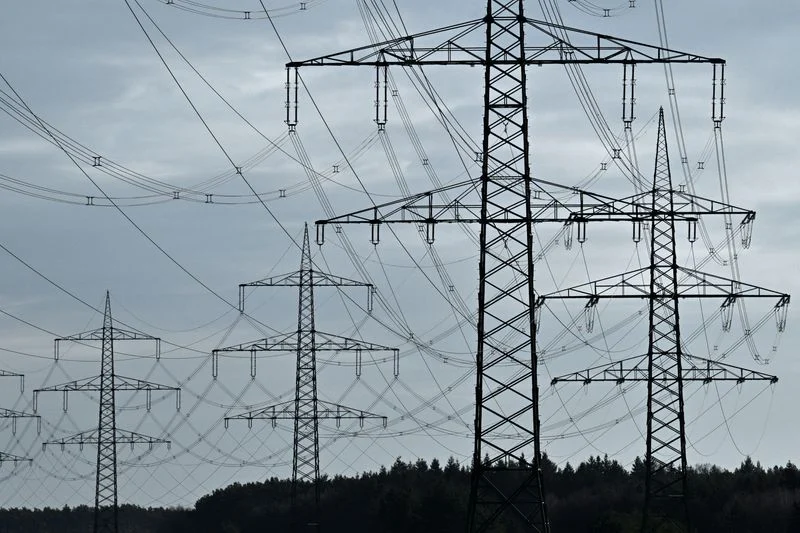
Global business leaders back faster electrification shift


Global business leaders back faster electrification shift

Continue Reading

Business

Gold rebounds as US-Iran talks progress; Fed outlook worries cap gains

Published

on


Gold rebounds as US-Iran talks progress; Fed outlook worries cap gains

Continue Reading

Business

MinRes chair preferences internal candidate to succeed Ellison

Published

on

MinRes chair preferences internal candidate to succeed Ellison

Mineral Resources chair Malcolm Bundey is preferencing an internal candidate to succeed founder Chris Ellison after completing a global search for his replacement.

Continue Reading

Business

China targets US rare earth and other firms with export controls

Published

on

China targets US rare earth and other firms with export controls


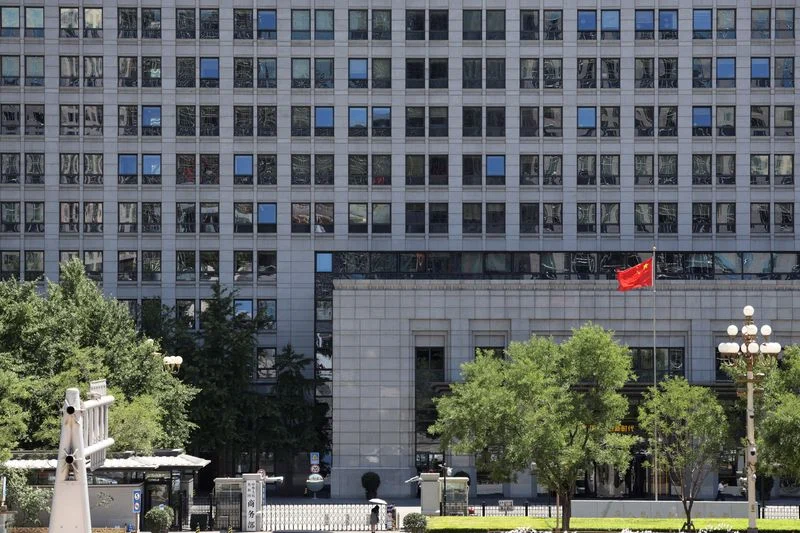
China targets US rare earth and other firms with export controls

Continue Reading

Business

Business News Live, Share Market News – Read Latest Finance News, IPO, Mutual Funds News

Published

on

The Economic Times

Venice may hike visitor entry fee to €50 to curb overtourism

Venice’s new mayor, Simone Venturini, proposes a significant hike in the city’s controversial entrance fee, potentially reaching €50 on peak days. This move aims to curb overtourism by discouraging day-trippers and generating funds for the city’s upkeep. The fee, already in place since 2024, could see a substantial increase, pending government approval, as Venice seeks to balance resident needs with tourist influx.

Continue Reading

Business

Iran touts progress in US peace talks; negotiations set to continue

Published

on


Iran touts progress in US peace talks; negotiations set to continue

Continue Reading

Business

Metcash FY26 presentation: diversification offsets tobacco decline

Published

on

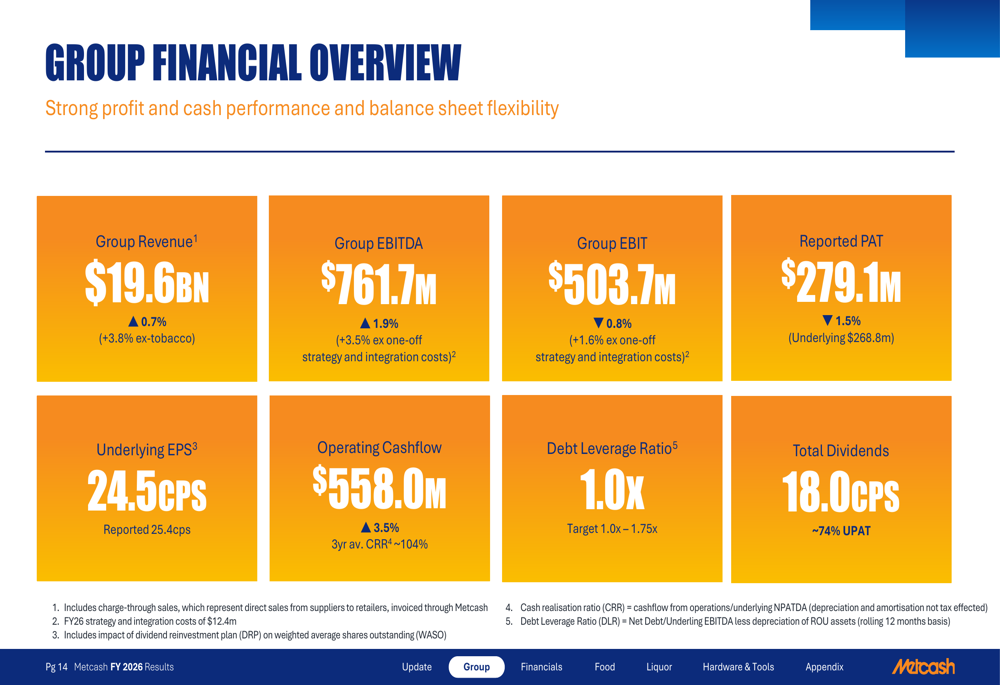
Metcash FY26 presentation: diversification offsets tobacco decline


Metcash FY26 presentation: diversification offsets tobacco decline

Continue Reading

Business

Oil Price Today (June 22): Crude oil rises above $80 as Iran shuts Strait of Hormuz again. What are experts saying?

Published

on

Oil Price Today (June 22): Crude oil rises above $80 as Iran shuts Strait of Hormuz again. What are experts saying?
Oil prices moved higher on Monday as shipping activity through the Strait of Hormuz slowed and early talks between U.S. and Iranian officials under an interim peace agreement got off to a difficult start.

Reuters reported that shipping data showed a sharp decline in the number of vessels passing through the Strait of Hormuz on Sunday after Iran announced it had once again closed the waterway, accusing Israel and the United States of violating the interim peace agreement.

Crude oil price on June 22

Brent crude futures rose 54 cents, or 0.67%, to $81.11 a barrel, after briefly touching $82.30 at the start of trading. U.S. West Texas Intermediate (WTI) crude futures gained $2.02, or 2.64%, to $78.62 a barrel ahead of the contract’s expiry later on Monday. The more actively traded August contract advanced $1.43 to $77.28 a barrel. U.S. markets were closed on Friday due to a holiday, resulting in no settlement.
Adding to market uncertainty, U.S. President Donald Trump threatened to resume attacks on Iran, even as U.S. Vice President JD Vance met Iranian officials on Sunday for the first discussions under the interim deal. Tehran, meanwhile, said Washington had failed to honour its commitment to halt fighting in Lebanon.

Also read: Global Market Today: Asian stocks slip, oil up on peace doubts

Advertisement

In Lebanon, Israeli strikes killed at least 20 people on Saturday, according to the state news agency NNA. The attacks came a day after a ceasefire with Hezbollah took effect in an effort to stop months of escalating violence.


Despite Monday’s gains, oil prices had fallen more than 8% last week amid expectations that cargoes stranded inside the Gulf would be released and that U.S. sanctions on Iranian oil could eventually be lifted under a U.S.-Iran agreement.

Where are prices headed?

Despite the recent slide in oil prices, a complete reopening of Hormuz is expected to be a complex process. It will require careful coordination of vessel movements, the restart of oil wells, repairs to infrastructure and agreement on de-mining operations. Some shipowners also remain wary of operating conditions in the strait and the wider Persian Gulf.
Analysts note that global oil inventories were depleted during the extended disruption of shipping through the Strait of Hormuz and will take time to rebuild. Stockpiles could continue falling before fresh Gulf supplies begin reaching international markets.Last month, Saudi Aramco Chief Executive Officer Amin Nasser cautioned that disruptions in the Strait of Hormuz could delay a return to stability in global oil markets until 2027. According to Nasser, prolonged interruptions could affect nearly 100 million barrels of oil supply each week. Saudi Aramco remains the world’s largest oil producer.

Morgan Stanley described the oil market as being in “a race against time,” warning that some of the factors that have limited the rise in prices could weaken if the Strait of Hormuz remains closed through June.

The brokerage noted that higher U.S. crude exports and softer Chinese demand have so far helped absorb part of the supply shock. However, it cautioned that global supplies could tighten again if disruptions in the strategic shipping route continue, particularly beyond the period during which the U.S. and China are able to cushion the impact.

Advertisement

(Disclaimer: Recommendations, suggestions, views and opinions given by the experts are their own. These do not represent the views of The Economic Times)

Continue Reading

Trending

Copyright © 2025