

Crypto World
Lighter Jumps 20% to Seven Month High After Tokenomics Overhaul

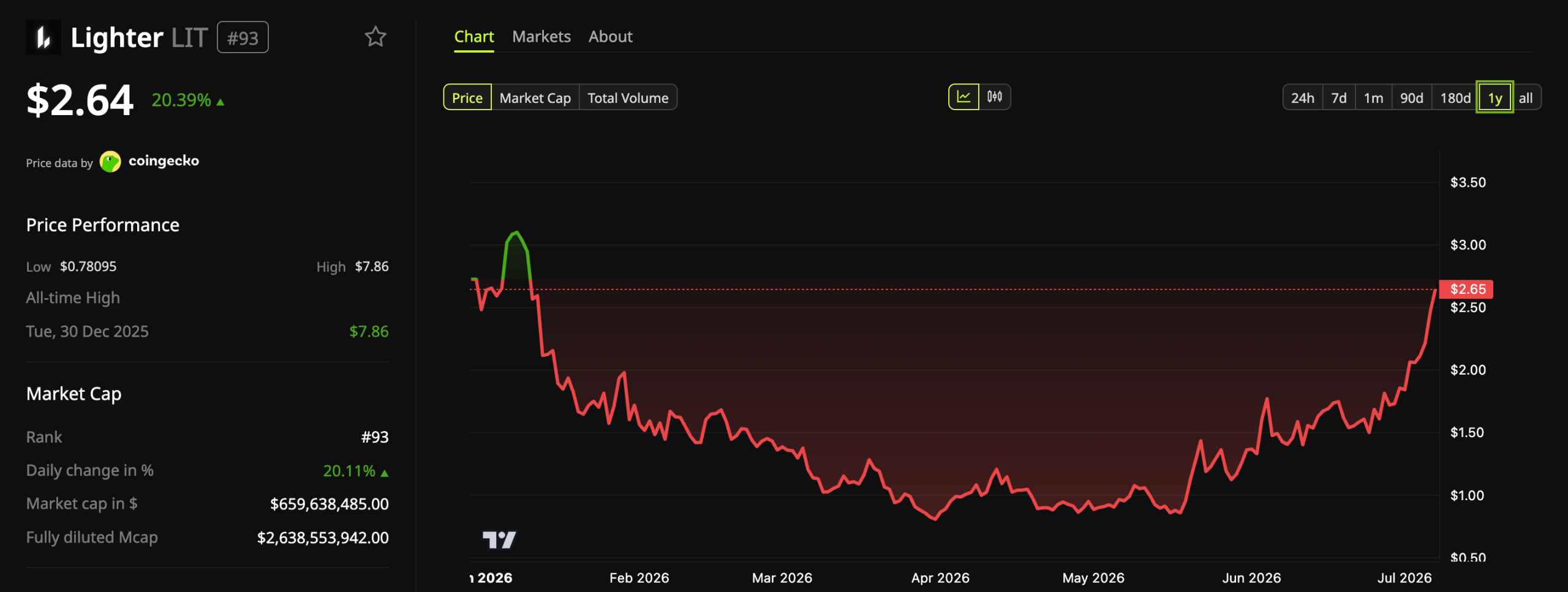
Lighter (LIT) surged more than 20% on Monday to $2.6, its highest level since January, after the perpetuals exchange unveiled a tokenomics overhaul that adds permanent burns and a revamped staking model.
The move made LIT the top gainer among the 100 largest cryptocurrencies. It extended a rally that has lifted the token roughly 40% over the past week, far outpacing the broader market.

Follow us on X to get the latest news as it happens
Lighter Introduces Tokenomics Update
Lighter has bought back LIT with exchange revenue after its token launch. The exchange said it has repurchased about 15.5 million LIT, or roughly 6.3% of the circulating supply. Lighter said it plans to use the buybacks to permanently reduce the LIT supply through burns.
The burns will run by sending LIT to a burn address on the Ethereum (ETH) mainnet. Lighter plans its first burn in the weeks after the second quarter closes. It noted it may burn undistributed LIT rather than the exact repurchased tokens.
“This is economically equivalent for LIT holders and allows Lighter to manage treasury operations efficiently and avoid unnecessary costs,” the exchange said.
Staking Rewards Shift to Reserve
Lighter also changed how it funds staking rewards. Since launching its staking program in January, it has distributed about 3.72 million LIT using pre-TGE revenue, including roughly 170,000 LIT through its fee credits program.
That approach is ending. The exchange will now fund staking rewards using its remaining ecosystem tokens, which total 250 million LIT.
The protocol is targeting a 6% annualized staking yield. With about 125 million LIT currently staked, that would distribute roughly 7.5 million LIT per year.
LIT still trades well below its $7.86 record set in December. Whether the new model sustains demand may hinge on trading revenue holding up in the months ahead.
Subscribe to our YouTube channel to watch leaders and journalists provide expert insights
The post Lighter Jumps 20% to Seven Month High After Tokenomics Overhaul appeared first on BeInCrypto.


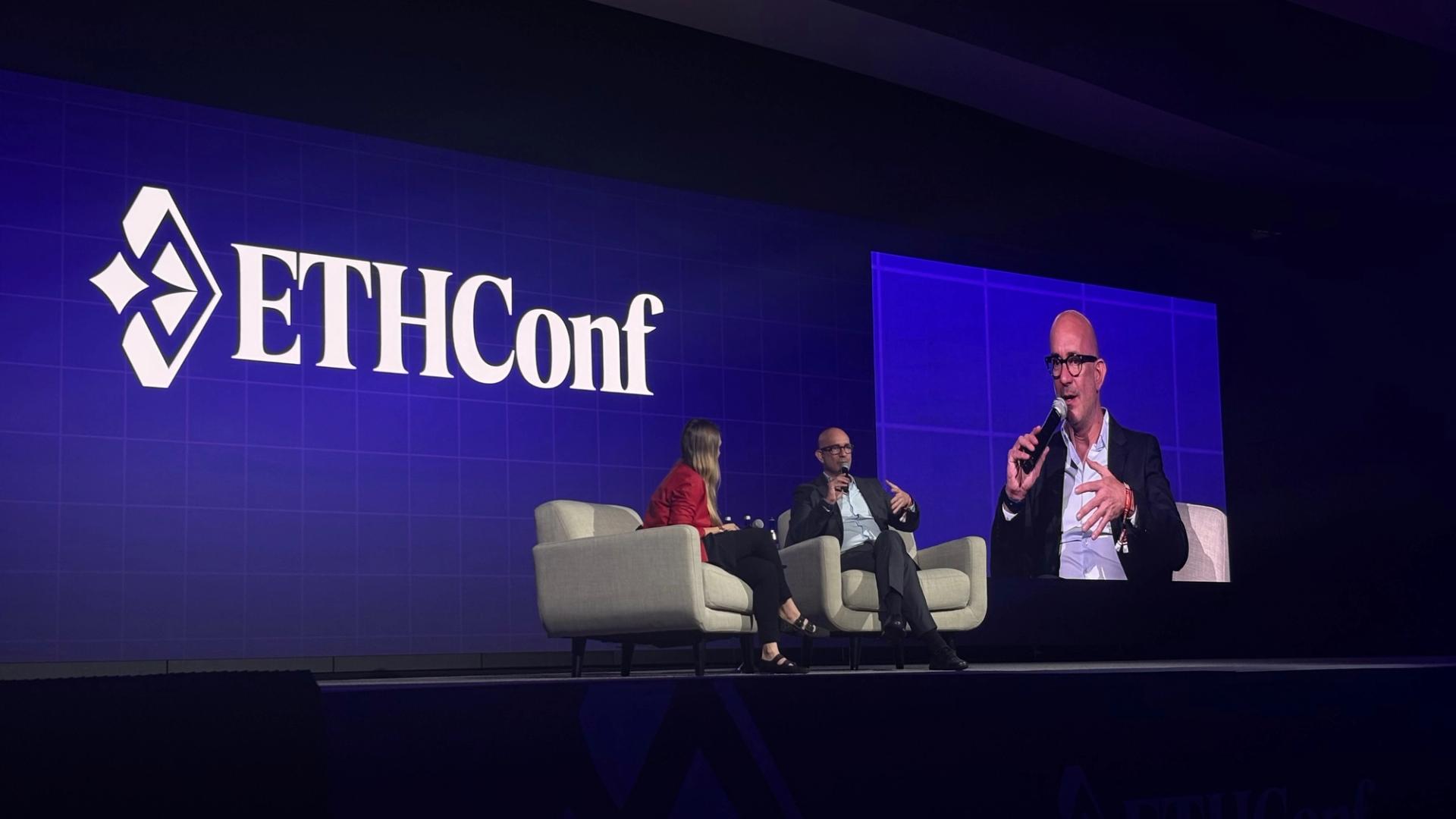
“There is no major negative fundamental catalyst that we can see,” Dorman said. “These kinds of big movements are common after SPACs because the entire investor base turns over from fixed-income-oriented SPAC buyers to new, fundamentally driven long-term equity owners.”
SPAC merger tickers are often volatile in their early days of trading. These vehicles raise money first and seek an acquisition later, allowing a private company to reach the public market by merging with the shell. But once the deal closes, the investor base often turns over, with SPAC arbitrage investors and redemption-focused holders giving way to public-equity investors weighing the company’s fundamentals. That transition can create sharp price swings, particularly when the float is limited or the stock had traded up before the merger.
Crypto IPO hangover
Dorman added that poor performance of recent crypto-related stock listings have conditioned investors to be cautious.
“Given how horrible recent crypto IPOs have been — Coinbase (COIN), Bullish (BLSH), Gemini (GEMI), BitGo (BTGO) and Circle (CRCL) — it’s not that surprising,” Dorman said.
Since its February IPO, digital asset service provider and custodian BitGo tumbled 70%. Gemini, the crypto exchange founded by the Winklevoss brothers, is down 85% from its September debut. Bullish, CoinDesk’s owner, has fallen over 70% from its $90 debut price in August 2025, and sits below its $37 IPO price.
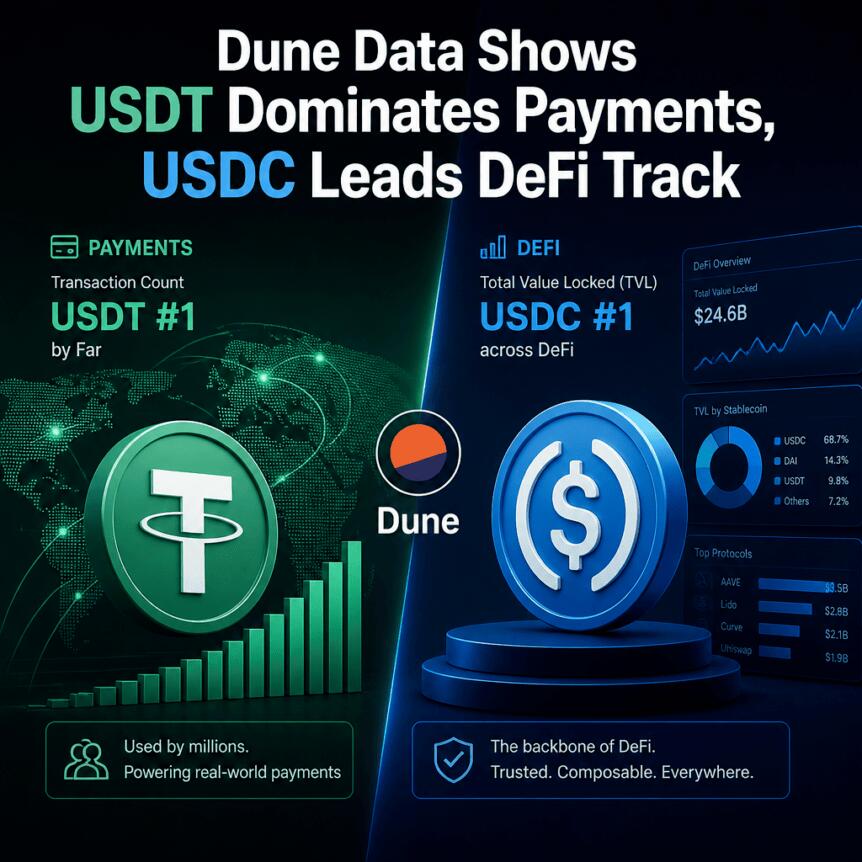
Stablecoin competition is increasingly giving way to specialization. Data from Dune’s Digital Asset Brief suggests Tether’s USDt (USDT) and Circle’s USDC are fulfilling different jobs across the crypto economy—less “winner-takes-all,” more complementary roles feeding payments on one side and DeFi and trading infrastructure on the other.
In the first half of 2026, Dune estimates the biggest stablecoin by activity settled about $95 billion in identified commerce payments. The same dataset points to roughly $14 billion for USDC in those commerce payments and puts USDT at about 92% of the $48 billion business-to-business (B2B) payment volume. On Tron, Dune also reports that approximately 93% of USDT’s supply sits in ordinary wallets rather than exchanges, reinforcing its use as a payment and remittance asset.
Key takeaways
- USDT is leading on real-world-style payments: Dune data shows about $95B in identified commerce payments in H1 2026 versus about $14B for USDC.
- USDC is more central to on-chain finance: USDC transfer volume on Base reached roughly $2.6T in June, with about $1.6T on Ethereum.
- Token distribution hints at use cases: On Tron, Dune estimates ~93% of USDT supply is held in non-exchange wallets, consistent with payments rather than trading.
- Regulatory momentum may change how stablecoins scale: The US GENIUS Act created a federal framework for payment stablecoins, while the CLARITY Act could reshape broader market structure affecting issuers and platforms.
USDT’s payment dominance and what the wallet data implies
Dune’s analysis is particularly telling because it doesn’t just measure token transfers—it focuses on “identified commerce payments.” That framing matters: it aims to map stablecoin flows that resemble merchant and transactional activity rather than purely speculative movement.
According to Dune’s Digital Asset Brief, USDT’s share in B2B commerce is especially large. With roughly 92% of the approximately $48 billion B2B payment volume going to the leading stablecoin, USDT appears positioned as the default settlement rail for corporate and cross-party transfers—at least in the portion of commerce activity Dune can identify.
On Tron, Dune’s “where the supply lives” view adds another layer. With about 93% of USDT supply held in ordinary wallets rather than exchange custody, the stablecoin’s on-chain footprint looks less like an instrument primarily circulating between trading venues and more like an asset staying in the hands of payers, merchants, and intermediaries that use it to settle obligations.
USDC’s DeFi and transfer velocity on Base and Ethereum
While USDT’s dataset emphasizes payments, USDC’s role looks more tied to crypto market plumbing—especially decentralized finance and exchange-like activity. Dune reports that USDC on Base processed roughly $2.6 trillion in transfer volume in June, the highest transfer volume of any token-chain pair. On Ethereum, USDC handled another approximately $1.6 trillion.
Velocity also points to broader usage intensity. Dune notes that USDC on Base recorded daily velocity of about 20 times its circulating supply in June. In practical terms, velocity rising far above one suggests frequent movement of the same supply across trading, lending, or routing activities—patterns often associated with on-chain markets rather than simple payment holding.
Put together, these metrics shift the conversation. Instead of asking which stablecoin “wins,” the more useful question may be where each stablecoin fits in the on-chain stack: USDT appearing to concentrate around payments and remittances, while USDC is more deeply embedded in transfer-heavy trading and DeFi ecosystems.
Why the USDT-versus-USDC narrative is losing clarity
Dune’s findings effectively argue that the traditional framing—USDT competing directly with USDC as the default stablecoin—does not capture how stablecoins actually behave across chains and use cases.
One way to see this is through concentration patterns. Dune reports USDT’s supply is split almost evenly between Tron and Ethereum, whereas USDC remains heavily concentrated on Ethereum despite expanding to newer blockchains. That distribution aligns with the performance profile the dataset shows: USDC’s most prominent volume and velocity signals appear tied to Ethereum and Base activity, while USDT’s stronger commerce-payments footprint aligns with Tron’s large role in everyday transfers.
Meanwhile, the stablecoin market remains dominated by both issuers’ assets. Dune tracked more than 200 stablecoin tokens across multiple blockchains and estimates USDT and USDC together account for roughly 83% of the sector’s approximately $315 billion market capitalization. In other words, even if the “competition” is shifting toward specialization, the center of gravity is still concentrated in these two tokens.
US policy moves: GENIUS passed, CLARITY could broaden the ruleset
These data-driven role distinctions are emerging alongside renewed US regulatory momentum. Earlier this year, the US stablecoin sector gained traction following the passage of the GENIUS Act. Signed into law in 2025, GENIUS created the first federal regulatory framework for payment stablecoins, with the stated goal of enabling banks and other companies to issue US dollar-pegged digital assets. (For background, Cointelegraph previously covered the legislation here: https://cointelegraph.com/news/treasury-genius-act-rule-illicit-finance.)
Lawmakers are now debating the CLARITY Act, which would establish a broader market structure for digital assets by clarifying when crypto assets fall under either the US Securities and Exchange Commission or the US Commodity Futures Trading Commission. While the bill does not target stablecoins directly, it could still influence the operating environment for stablecoin issuers, exchanges, and DeFi platforms through how regulators classify and supervise related activity.
CLARITY cleared the Senate Banking Committee in May and may be brought to a full Senate vote before the August recess, although the odds have been changing as lawmakers face time constraints. Cointelegraph reported that Galaxy trimmed its odds of passage to 50% before the break: https://cointelegraph.com/news/galaxy-cuts-2026-clarity-act-odds-50.
Going forward, investors and builders may want to track more than headline stablecoin market share. Dune’s results suggest that chain distribution, wallet versus exchange custody, and transfer velocity are increasingly important signals of real utility. The next question is how regulation—starting with GENIUS and potentially shaped by CLARITY—will affect which stablecoin roles can scale most easily across payments, lending, and trading.

AbbVie logo on modern glass office building with metal columns, South San Francisco, California, Oct. 16, 2025.
Smith Collection | Gado | Archive Photos | Getty Images
Jefferies recommends owning quality, low-stress stocks to ride out the summer as markets become more volatile amid increased concerns tied to investment in artificial intelligence.
AI-related questions range from potential overcapacity, the profits that will result from hyperscalers investing an estimated $700 billion in capital spending and rising costs for tokens, the fees paid to AI models, according to a note from Desh Peramunetilleke, head of quantitative strategy at Jefferies.
As evidence of the popularity of all things AI, the S&P 500 momentum index has outperformed the broader stock market by more than 70% since 2024, close to levels seen during the dot-com run of the 1990s. Before the outbreak of war with Iran, momentum strategies had included materials and defense stocks, but currently AI alone is carrying the ball, “increasing the risk of an unwind on adverse sentiment,” the strategist wrote Monday.
“While we still see the theme as a long-term winner, the above reasons could drive an unwinding of the AI-led momentum,” Peramunetilleke said.
Peramunetilleke and his team recommended a list of what they call high-quality companies with low momentum to ride out any potential AI-led storms.
Jefferies looked for companies with a high quality score, market values of more than $10 billion, solid fundamentals and long-term free cash flow yields above 3%. The group also had to include stocks with limited momentum and attractive valuations selling for less than 20 times expected earnings over the next year.
Here are 10 stocks from Jefferies’ list:
Drugmaker AbbVie scored a top quality score from Jefferies, which sees the company delivering compound annual earnings growth of nearly 28% in 2026-2027, with a free cash flow yield of 5.2%, one of the stronger growth and cash flow combinations on the list.
AbbVie in its first-quarter financial reported $15 billion in worldwide net revenues, driven largely by a $7.3 billion immunology portfolio. Last week, AbbVie strengthened its next-gen immunology pipeline after agreeing to buy Apogee Therapeutics for $10.9 billion, its largest acquisition in more than five years.
Chicago-based AbbVie is set to release second-quarter results on July 31. The stock has climbed 25% in the past three months, 37% in the past year and yield 2.7%, based on FactSet data.
Netflix, with a $320 billion market value and a 3.6% free cash flow yield, also shared a high quality score in Jefferies’ model. The dominant streaming platform forecast second-quarter revenue growth of 13% despite warning that content spending would be weighted in the first half of the year due to the timing of title launches.
The streaming giant’s shares fell 10% in mid-April when second-quarter guidance fell short of Wall Street expectations and it left full-year forecasts unchanged.
Netflix is set to release second-quarter results on July 16. The stock is down 18% in 2026 so far and almost 41% lower over the past 12 months.
Other companies on Jefferies’ quality, low-stress screen include Lowe’s Companies, McDonald’s and American Express.
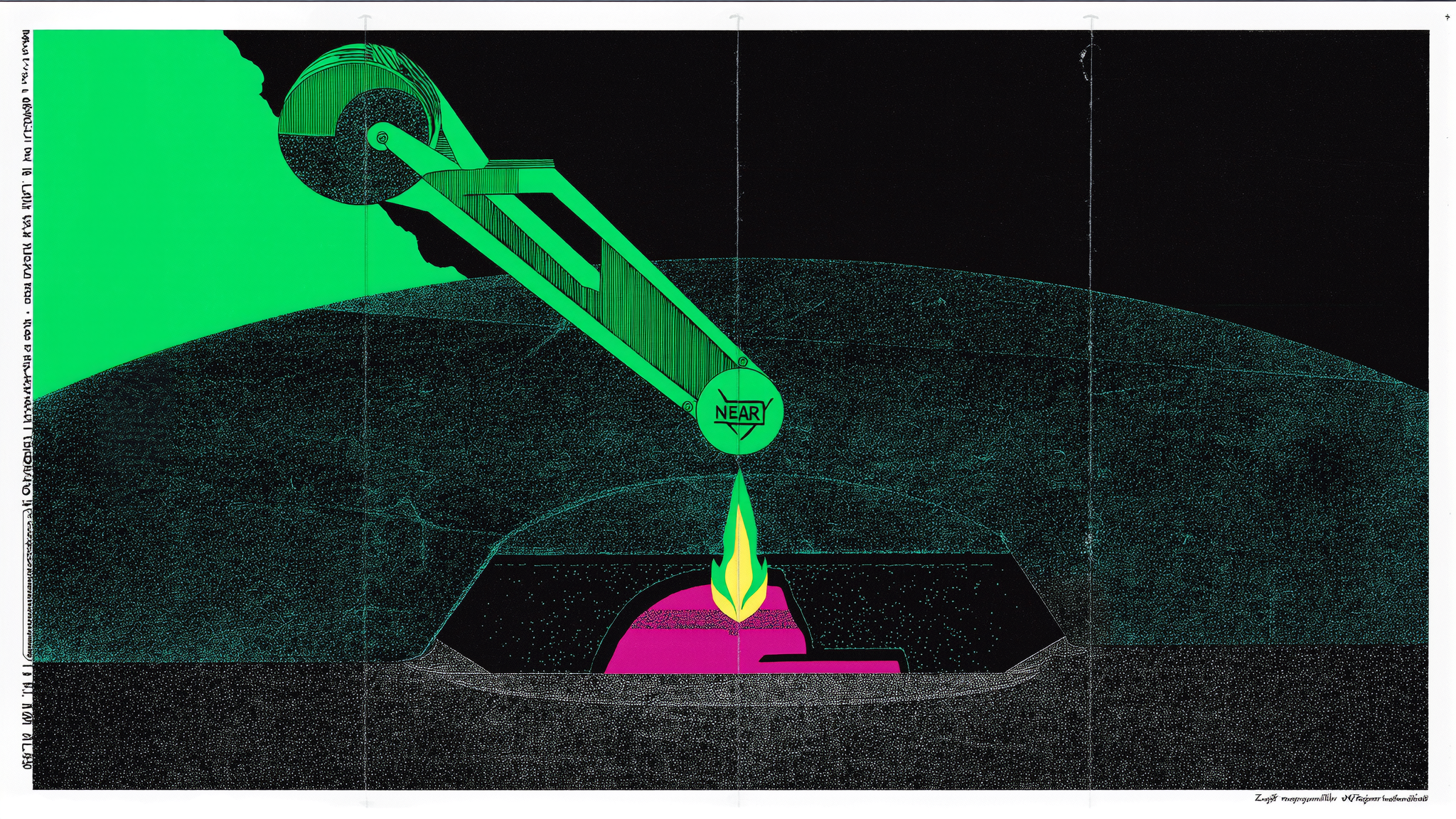
NEAR's on-chain governance body, House of Stake, passed proposal HSP-027 to eliminate the protocol's developer gas rebate, a change that will send all network gas fees to be burned rather than partly rebated to smart-contract owners. NEAR co-founder Illia Polosukhin confirmed the outcome Monday,… Read the full story at The Defiant
Tether has taken a $20 million stake in Brazil’s Mercado Bitcoin as it pushes further into tokenized financial products and stablecoin-powered payments across Latin America. The investment is intended to back the company’s expansion into tokenized assets, lending and other blockchain-based services throughout the region.
Mercado Bitcoin, originally launched in 2013 as a crypto trading venue, has since broadened into regulated financial offerings. The platform says it now serves more than 4.5 million users and has issued over 2 billion Brazilian reais (about $370 million) in tokenized assets, while operating under nearly a dozen licenses in Brazil and Europe, including a payment institution authorization from Brazil’s central bank.
Key takeaways
- Tether’s $20 million investment targets Mercado Bitcoin’s expansion into tokenized assets, lending and stablecoin payments in Latin America.
- Mercado Bitcoin positions its business model as “onchain” financial infrastructure supported by multiple licenses, including Brazil’s payment institution framework.
- Tether says it is using profits from its stablecoin business (including USDT) to fund strategic investments in blockchain financial services.
- The deal builds on Mercado Bitcoin’s earlier tokenization deployments, including a $20 million private credit rollout on Bitcoin’s Rootstock sidechain.
Tether backs Mercado Bitcoin’s regulated onchain push
The partnership highlights how stablecoin issuers are increasingly funding regulated platforms rather than focusing solely on token supply. Tether Investments’ stated approach is to support companies building blockchain-based financial infrastructure, and Mercado Bitcoin is positioned as one of Latin America’s most developed “regulated onchain” ecosystems—according to Tether CEO Paolo Ardoino.
Ardoino said Mercado Bitcoin has established a comprehensive platform by combining licensing, tokenization capabilities, and integrated financial services. For investors and users, the practical takeaway is that the project is aiming to connect tokenization and payments to mainstream financial rails under oversight, rather than treating blockchain services as purely standalone experiments.
While the statement emphasizes regulatory breadth, the investment also implicitly addresses a core challenge facing tokenized finance: making tokenized products easier to deploy within existing legal and payment frameworks. Mercado Bitcoin’s cited license footprint—spanning Brazil and Europe, and including a Brazilian central bank payment institution license—suggests the company intends to keep expanding within compliance constraints as it adds more stablecoin and tokenized offerings.
Tokenization momentum: from private credit to wider asset services
Mercado Bitcoin’s broader tokenization strategy appears to be accelerating. In February, the platform announced it had deployed more than $20 million in tokenized private credit, describing this as part of its expanding real-world asset (RWA) activity. That deployment was carried out on Bitcoin’s sidechain Rootstock, according to earlier reporting from Cointelegraph: Mercado Bitcoin expands LatAm RWA push.
Against that backdrop, Tether’s new investment can be read as reinforcement of a direction already underway: scaling tokenization use cases beyond early pilots. The company’s most recent plan explicitly includes stablecoin payments and lending—two segments that typically require not only token issuance and custody capabilities, but also reliable payment processing and settlement infrastructure.
Still, the specific operational details of how the $20 million will be allocated within Mercado Bitcoin’s product stack weren’t provided in the information available here. Readers should watch for updates on whether the funding is earmarked for token issuance infrastructure, credit origination/servicing, or specific stablecoin settlement integrations.
Where Tether’s money is coming from
For Tether, the Mercado Bitcoin investment fits a broader pattern of deploying capital through its investment arm. The company issues USDT, which it describes as the largest stablecoin by circulation, with about $184 billion in circulation cited in the underlying material.
In its Q1 2026 results, Tether reported approximately $1.04 billion in net profit and said it is using those earnings for strategic investments. The underlying report also notes ongoing emphasis on reserves; the investment announcement ties directly to this broader capital deployment thesis via Tether’s finance strategy.
Beyond Mercado Bitcoin, Tether’s participation in other initiatives—such as a $134 million funding round for the Stablecoin Development Corporation—has also been framed as part of expanding the “stablecoin economy” and the infrastructure around it. In April, Tether backed that financing round, and later invested in remittance platform LemFi with the aim of supporting USDT settlement for cross-border payments across Africa and Asia.
Tether also outlined plans to work with the Government of Georgia to launch a stablecoin pegged to the Georgian lari under the country’s digital asset framework. Separately, Tether has said it invests in sectors including artificial intelligence, energy, biotechnology and digital media through its investment arm.
Signals for stablecoin adoption and regulated finance in LatAm
The Mercado Bitcoin deal matters because it sits at the intersection of three trends: tokenization of real-world assets, stablecoin payments, and regulatory-driven rollout. Stablecoins can reduce settlement friction, while tokenized credit and other RWAs aim to bring traditional financial products onto blockchain rails. Mercado Bitcoin’s licensing and reported track record are positioned as the bridge between those worlds.
For users in Brazil and across Latin America, the most meaningful question is whether stablecoin payments and lending will become integrated into Mercado Bitcoin’s regulated financial stack in a way that supports scale—especially for remittances, merchant payments, and other high-frequency use cases. For builders and institutional participants, the investment suggests continued demand for compliant infrastructure that can connect tokenized assets to payment systems.
There’s also an important context point: Tether leadership has previously addressed speculation about going public. Paolo Ardoino said the company has no plans to go public, according to a social post linked in the underlying material.
That clarification doesn’t change the Mercado Bitcoin story directly, but it underscores that the investment strategy is being presented as an ongoing part of Tether’s operating approach rather than a short-term funding maneuver tied to corporate restructuring.
Next, the market will likely look for concrete milestones from Mercado Bitcoin: how quickly stablecoin payments and lending roll out under its licensing framework, and whether additional tokenized credit or other RWAs expand beyond the earlier Rootstock-based deployment. The $20 million investment is a clear signal of intent, but execution details will determine how much of Latin America’s tokenized-finance promise turns into sustained, usable products.
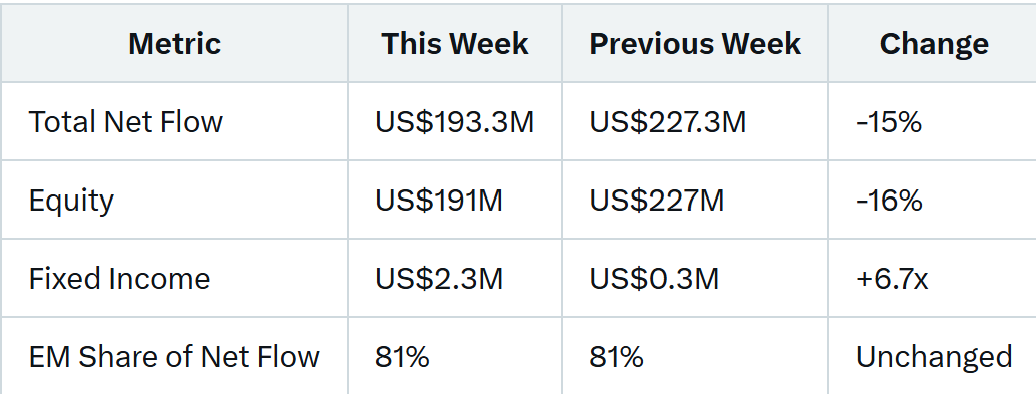
Binance added 10 more bStocks tokenized securities as margin collateral, the second expansion in four days. The list includes Alphabet (GOOGLB), Coinbase (COINB), and the triple-leveraged semiconductor token SOXLB.
The push deepens leverage utility for a product whose first month produced $193.3 million in weekly net inflows but also revealed narrow, tech-heavy demand.
Binance bStocks Collateral Push Builds on $193 Million Week
According to the exchange’s announcement, eligible users can post the tokens as collateral under cross margin and unified account modes. Borrowing is not supported, and access is limited to VIP 3 and above users in approved jurisdictions.
The batch also covers DRAMB, a memory-sector ETF token, and arrives four days after 15 additions disclosed on Square. Those included NVIDIA (NVDAB), Tesla (TSLAB), and SpaceX (SPCXB), bringing eligible bStocks collateral to 25 tokens.
The expansion caps a strong opening month. Binance Research reported a $193.3 million net rise in user stock exposure for the week to July 1. However, that figure fell 15% from $227.3 million the week before.

Binance says users acquired more than $1 billion in US equities after it opened US stock trading on June 1, with roughly 73% of stockholders based in emerging markets.
“Binance launched direct stocks on June 1, giving users access to over 7,000 U.S. stocks and ETFs, right alongside their crypto. In just 30 days after the launch, users have acquired more than $1 billion of U.S. equities on Binance, while generating close to $3 billion in trading volume. Around 73% of people using Binance’s direct stocks come from emerging markets, the places traditional brokerages have underserved for decades.”
Follow us on X to get the latest news as it happens
Warning Signs Behind the Headline Numbers
Binance’s own data reveals heavy concentration. Technology absorbed $159 million, or 83% of net inflows, in the latest weekly report. Binance Research titled that report “From Missiles to Memory” after inflows rotated from defense stocks into memory and chip names.

The pattern runs deeper than one week. Tech accounts for 71% of all stock holdings, with semiconductors alone drawing 48% of allocations. Meanwhile, just over 700 of more than 7,000 available assets have traded, roughly 10% of the catalog.

Against that backdrop, accepting SOXLB (triple-leveraged semiconductor token) as collateral looks bold. The token tracks a 3x leveraged semiconductor ETF, so a chip downturn could hit both positions and their collateral.
In addition, bStocks already back loans through a tokenized stocks collateral market on BNB Chain.
Competition raises further questions. Ondo controls about $870 million of the nearly $1.08 billion tokenized stock market, dwarfing bStocks’ visible share.
Regulatory friction adds pressure too. Binance logged record weekly crypto outflows of $1.23 billion as the EU’s Markets in Crypto-Assets (MiCA) rules took hold.
Collateral expansion may deepen bStocks liquidity, but it could equally concentrate leverage in the same few volatile trades. With weekly inflows already cooling, the next fund flow reports should reveal which effect dominates.
The post Binance Expands bStocks After $193 Million Debut, but Warning Signs Emerge appeared first on BeInCrypto.
The world’s biggest stablecoins are increasingly becoming chain-specific financial products, with Tether’s USDt (USDT) and Circle’s USDC (USDC) serving distinct roles across the crypto ecosystem rather than competing head-on.
Dune’s Digital Asset Brief found that USDT overwhelmingly dominates onchain payments. During the first half of 2026, the biggest stablecoin settled about $95 billion in identified commerce payments, compared with $14 billion for second-biggest USDC. It also accounted for roughly 92% of the $48 billion in business-to-business payment volume. On Tron, USDT’s largest network, around 93% of the token’s supply is held in ordinary wallets rather than on exchanges, underscoring its role as a payment and remittance asset.
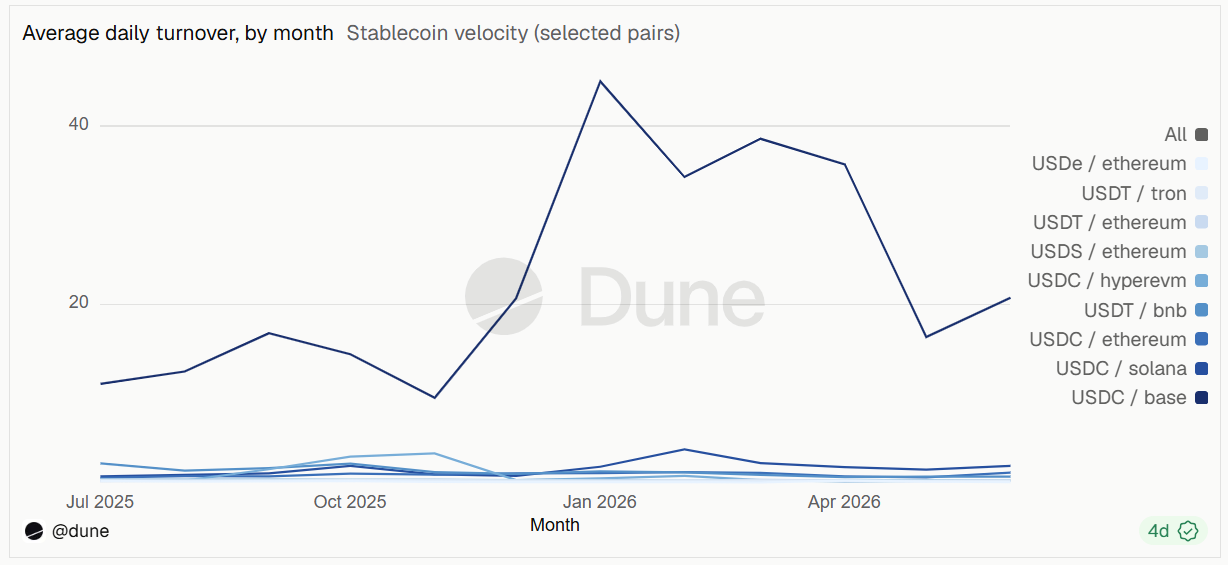
USDC, meanwhile, has established itself as the dominant stablecoin in decentralized finance. USDC on Base processed roughly $2.6 trillion in transfer volume in June, the highest of any token-chain pair, while on Ethereum, that stablecoin handled another $1.6 trillion.
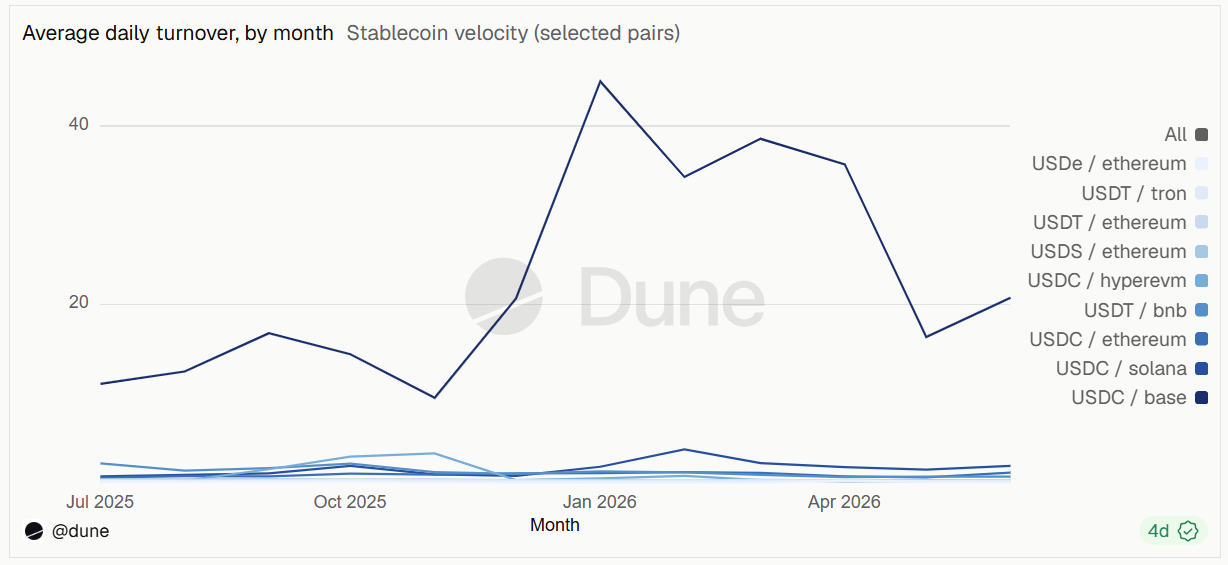
USDC on Base recorded daily velocity of about 20 times its circulating supply in June, reflecting its extensive use in trading and DeFi. Source: Dune
The findings suggest the traditional USDT-versus-USDC narrative is becoming less useful. Instead, each stablecoin is carving out its own niche, with USDT dominating payments and USDC underpinning much of crypto’s trading and DeFi activity.
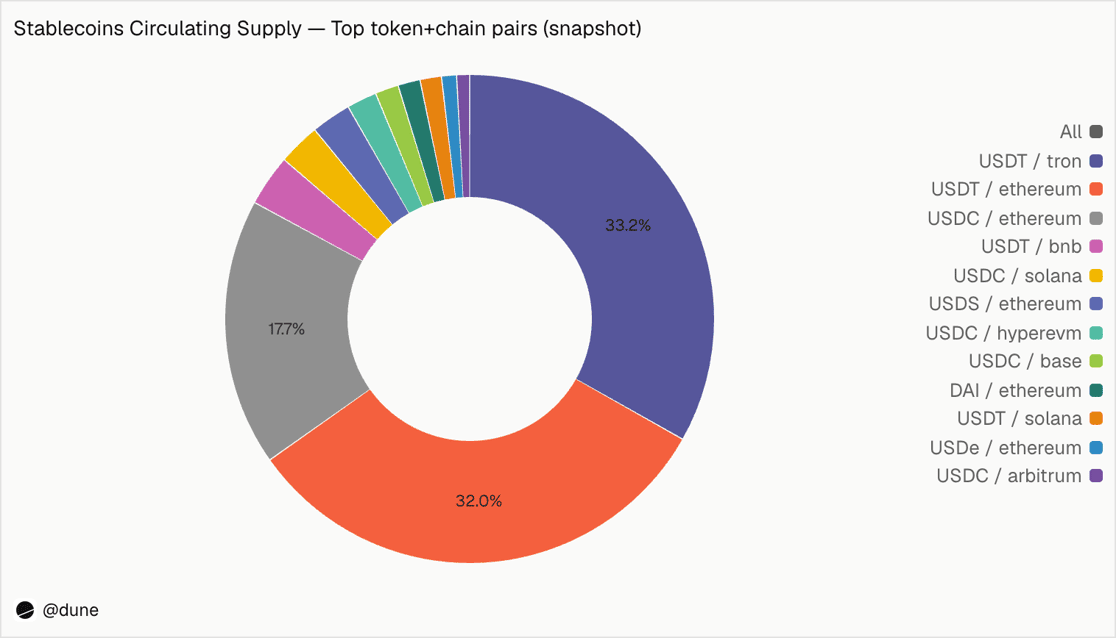
USDT’s supply is split almost evenly between Tron and Ethereum, while USDC remains heavily concentrated on Ethereum despite expanding to newer blockchains. Source: Dune
The findings come as the two digital assets continue to dominate the stablecoin market. Together, they account for roughly 83% of the sector’s approximately $315 billion market capitalization, according to Dune, which tracked more than 200 stablecoin tokens across multiple blockchains.
Related: UN agency moves Stellar blockchain payment initiative beyond pilot stage
US lawmakers reshape stablecoin rules
The stablecoin sector has gained momentum in the United States following the passage of the GENIUS Act. Signed into law in 2025, GENIUS established the first federal regulatory framework for payment stablecoins, paving the way for banks and other companies to issue US dollar-pegged digital assets.
Lawmakers are now debating the CLARITY Act, which would establish a broader market structure for digital assets by defining when crypto assets fall under the jurisdiction of the US Securities and Exchange Commission or the US Commodity Futures Trading Commission. While the bill does not regulate stablecoins directly, it would shape the broader regulatory environment in which stablecoin issuers, exchanges and DeFi platforms operate.
CLARITY cleared the Senate Banking Committee in May and could receive a full Senate vote before the August recess, although Galaxy recently trimmed its odds of passage before the break to 50% as lawmakers run short on time.
Magazine: Kraken’s $600M stablecoin firm, Huione scandal deepens: Asia Express
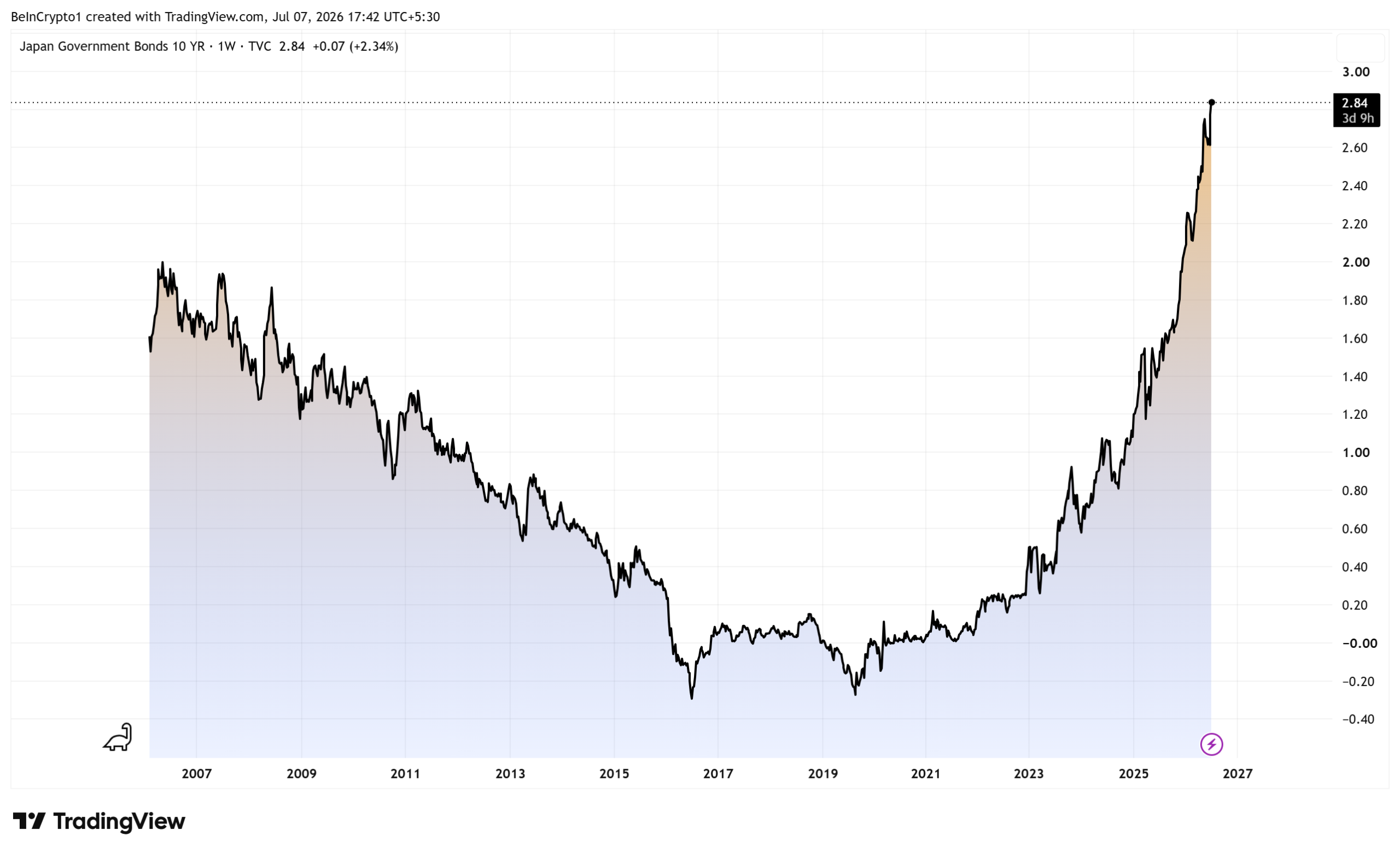
Japan’s bond market stress deepened Monday as the 10-year yield touched 2.825%, its highest level since October 1996. The surge threatens the easy money that funded multi-year rallies in stocks and Bitcoin (BTC).
The yen trades near 162 per dollar, its weakest since 1986, even after Tokyo spent a record sum defending it this spring.

Japan Bond Market Faces More Supply and a Shrinking Buyer
Prime Minister Sanae Takaichi’s government plans to mobilize over ¥370 trillion ($2.28 billion) in public and private investment across 17 strategic sectors through fiscal 2040. The roughly $2.3 trillion program implies heavier bond issuance ahead.
Meanwhile, the Bank of Japan keeps trimming its bond purchases. Reuters reported that policymakers may pause the taper only from fiscal 2027. Until then, the market’s largest buyer keeps stepping back.
Demand elsewhere looks fragile. A weak 10-year auction preceded Monday’s yield spike, and 20-year and 40-year sales follow later this month. Japan’s debt above 200% of GDP leaves little room to absorb higher borrowing costs.
“Less demand at auction plus more supply plus a smaller BOJ bid means yields get pushed higher mechanically, not just sentimentally,” noted macro analyst Bull Theory.
Carry Trade Unwind Risk Hangs Over Bitcoin and Stocks
Investors have borrowed cheap yen for years to fund positions in US equities, Treasuries, and crypto. Higher Japanese yields raise that funding cost and give capital a reason to come home. Repaying those loans means selling the very assets the borrowed money bought.
The precedent is fresh. A surprise BOJ hike in July 2024 triggered a carry trade unwind, which the Bank for International Settlements later detailed in a bulletin.
The Nikkei fell 12.4% on August 5, 2024, its worst day since 1987. Bitcoin briefly slid below $50,000 in the same rout.

Positioning now looks stretched again. Data compiled by LSEG shows yen short bets near $11.3 billion, the largest since July 2024.
Policy tools are losing traction. The Ministry of Finance disclosed a record ¥11.73 trillion ($73.6 billion) in yen-buying intervention between April 28 and May 27. The currency has since surrendered all of those gains and returned to four-decade lows.

The BOJ’s June 16 hike to 1%, its highest rate in 31 years, changed little. Goldman Sachs responded with a more bearish forecast, seeing the yen at 165 per dollar within a year. Analysts already frame further BOJ hikes as a direct risk for Bitcoin.
Bitcoin traded near $63,676 at press time, up 3% over the past 24 hours. Equities carry similar exposure after the Nikkei’s record run in June.
This week’s 30-year auction and the BOJ’s next signals now become key tests. A gradual adjustment would let markets adapt, while a disorderly unwind could spread volatility across stocks and crypto within days.
The post Why Japan’s Bond Market Could Kill the Easy-Money Rally in Stocks and Bitcoin appeared first on BeInCrypto.
Oil prices climbed on Tuesday after Iran reportedly fired at least two missiles at commercial ships crossing the Strait of Hormuz, reviving fears over the world’s key oil chokepoint and the fragile truce between Washington and Tehran.
The rebound landed just days after crude erased its entire war premium and sank closer to pre-war levels.
Oil Rebounds Following Sharp Slide Toward Pre-War Levels
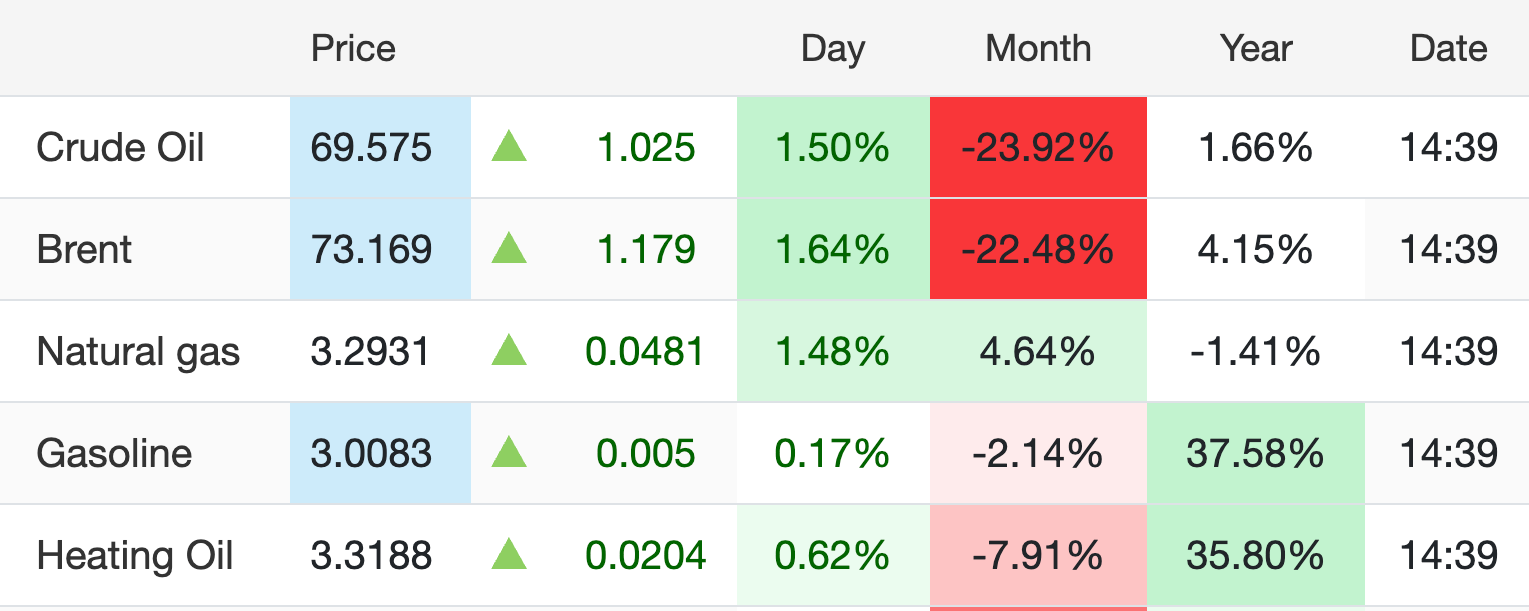
West Texas Intermediate (WTI) crude rose 1.50% to $69.575 on Tuesday. Brent crude gained 1.64% to $73.169.
The wider energy sector also gained. Gasoline rose 0.17%, and heating oil added 0.62%, while natural gas climbed 1.48%.
Follow us on X to get the latest news as it happens

Both oil benchmarks sit far below their wartime highs. Brent has dropped more than 22% over the past month, and WTI has fallen nearly 24% in the same span.
Missile Strikes Test a Fragile US-Iran Truce
The Strait handles roughly 20% of the world’s oil traffic, which magnifies the market reaction to any disruption there. Axios, citing two US officials, reported that Iran fired at least two missiles. The reported strikes came after a one-week agreement between the two sides to halt attacks in the waterway expired.
The United Kingdom Maritime Trade Operations centre reported an incident 8 nautical miles east of Limah, Oman. A southbound tanker was struck by an unknown projectile, causing a fire, according to UKMTO.
A US official said a second commercial vessel was hit by an Iranian missile. Both ships suffered significant damage, though no casualties.
The reported fire threatens a memorandum of understanding barely three weeks after both governments signed it. That deal, reached last month, aimed to end their nearly four-month war. A round of indirect talks in Doha last week closed without meaningful progress.
Meanwhile, the conflict has weighed on President Donald Trump politically. A recent poll found 58% of voters judged the war not worth the cost, while his approval rating held at 36%.
Whether oil extends its bounce or slips back toward pre-war support depends on how Washington responds.
Subscribe to our YouTube channel to watch leaders and journalists provide expert insights
The post Iran Reportedly Hits Ships in Strait of Hormuz: Oil Price Jumps Again appeared first on BeInCrypto.

Key Highlights
- STLA experiences decline as FIAT announces Topolino pre-orders launching July 2026.
- Compact Topolino model targets city-based transportation and brief neighborhood commutes.
- Stellantis broadens portfolio beyond conventional automobiles into micromobility sector.
- Urban convenience drives FIAT’s strategy with small-format vehicle design.
- Topolino represents fresh U.S. micromobility alternative in Stellantis brand family.
Shares of Stellantis declined 1.29% to $5.73 as FIAT announced its plan to begin accepting U.S. pre-orders for the Topolino starting July 2026. This move represents the automaker’s strategic shift toward micromobility solutions. The initiative positions FIAT within the emerging compact neighborhood transportation market.
FIAT Launches Topolino for American Consumers
The Italian brand plans to offer the Topolino as a micro-vehicle solution tailored for American buyers. This model emphasizes brief journeys, crowded urban environments, and customers prioritizing straightforward transportation. It incorporates FIAT’s signature Italian styling within a miniature vehicle format.
While the Topolino projects a whimsical aesthetic, FIAT markets it as functional urban infrastructure. Its compact dimensions facilitate simplified parking and reduced operational complexity. Consequently, the vehicle addresses increasing consumer interest in localized mobility solutions.
According to company announcements, U.S. customers can begin placing orders in July 2026. FIAT enters a market segment defined by accessibility and metropolitan functionality. This introduction provides Stellantis with an additional pathway into the compact transportation arena.
Stellantis Broadens Mobility Portfolio
Stellantis leverages the Topolino introduction to diversify beyond conventional passenger automobiles. The conglomerate currently oversees numerous brands spanning diverse international territories. Accordingly, the Topolino addresses a niche for abbreviated daily transportation requirements.
Micromobility solutions have attracted significant interest as metropolitan areas reconsider congestion, affordability, and accessibility. Compact vehicles serve localized travel without substituting full-sized automobiles. FIAT’s market entry acknowledges this transformation and enhances overall product adaptability.
The Topolino reinforces FIAT’s distinctive character within the Stellantis brand ecosystem. Its aesthetic honors the marque’s historical legacy while fulfilling contemporary mobility demands. Nevertheless, consumer acceptance hinges on affordability, availability, and regulatory frameworks.
FIAT Introduces Specialized Metropolitan Solution
STLA experienced weakness during morning sessions before recovering modestly at midday. This movement coincided with Stellantis announcing its fresh U.S. product initiative. Individual product debuts seldom influence immediate market perception significantly.
The Topolino establishes FIAT within the specialized compact urban transportation category. It facilitates daily mobility across residential areas, educational facilities, and brief metropolitan routes. Thus, the vehicle may attract consumers beyond conventional automotive segments.
Stellantis now incorporates the Topolino into its American mobility strategy. The model provides FIAT with a unique position within an expanding transportation sector. Meanwhile, the corporation’s overall success depends on comprehensive portfolio execution.


OpenAI teams with Work Louder to launch Codex-native keyboard, weeks after CEO of Apps told staff ‘not to be distracted by side quests’

Securitize (SECZ), BlackRock’s tokenization partner, slides 40% after SPAC debut

10 Network TV Storylines That Would Never Air Today


-

 Fashion4 days ago
Weekend Open Thread: High Hopes
-

 Fashion1 day ago
Open Thread: What Great Books Have You Read Recently?
-
 NewsBeat3 days ago
Taylor Swift and Travis Kelce wedding staffer hilariously struggles to keep her cool while checking in megastars
-

 Politics4 days ago
The House | “Reframing the debate from a binary discussion of winners and losers”: Yuan Yang reviews ‘We Are Not Machines’
-
 Crypto World6 days ago
Airdrop Registration Becomes Key Focus For Remittix As RTX Launch Updates Approach
-

 Crypto World4 days ago
Standard Chartered Secures MiCA License as ESMA Adds 37 New Crypto Firms
-

 Business1 day ago
AXT Shares Jump Nearly 14% as Semiconductor Materials Maker Rebounds on AI-Linked Indium Phosphide Demand
-

 Sports6 days ago
Broncos roster: OL Ben Powers (No. 74) entering final year of contract
-

 Crypto World6 days ago
Binance stock trading tops $1B in first month after launch
-

 NewsBeat7 days ago
Presenter Caroline Flack’s brother Paul Flack dies aged 55
-
Crypto World1 day ago
SK hynix (000660.KS) Stock Dips as $28B Nasdaq ADR Offering Drives AI Memory Expansion
-

 Crypto World6 days ago
Alibaba-affiliate Ant Group enters the humanoid robot market with 12 deals
-

 Crypto World2 days ago
South Africa proposes crypto tax guidance under existing rules
-

 News Videos1 day ago
Best Time to Enter Small Caps Right Now? Another Bull Run? | Financially Free
-

 Tech2 days ago
Lenovo laptops are now shipping with YMTC SSDs, a sign of Chinese NAND entering the mainstream
-

 Business6 days ago
Meta Platforms Stock Jumps 7% Today as Bloomberg Reports Company Plans to Enter the Cloud Business
-

 News Videos16 hours ago
Whats Hidden Inside This Cash Register? #treasure #reselling #money
-
 NewsBeat5 days ago
New exhibition reflects five decades of movement between island of Ireland and GB
-

 Business5 days ago
What a 10 Percent Drop Means for Buyers, Sellers and Renters
-

 Crypto World5 days ago
Binance Re-Enters Philippines As EU MiCA Rules Restrict Access
You must be logged in to post a comment Login