
Crypto World
Researcher suggests AI may decentralize just as Bitcoin mining turns industrial



Bitcoin and artificial intelligence appear to be moving in opposite directions regarding how their power is distributed.
Summary
- Bitcoin mining is increasingly shifting toward industrial-scale operations while AI development begins to move toward smaller and more personal device applications.
- The edge AI market is projected to reach 119 billion dollars by 2033 as localized data processing and privacy needs drive a 300 percent growth rate.
- High energy costs in the United States are pushing Bitcoin hash rates toward the Global South, with Ethiopia and Paraguay emerging as major hubs for hydroelectric mining.
Galaxy Research head Alex Thorn pointed out on Sunday that Bitcoin mining, which started on simple home computers, now mostly happens in massive industrial warehouses using specialized gear. AI, however, may take the reverse route.
While AI currently lives in giant, restricted data centers, Thorn believes open-source progress is closing the gap as major models hit limits in memory and data.
“If local models keep getting smaller, cheaper, and more efficient, AI may become increasingly personal and on-device,” he noted.
Localized computing on the rise
Grand View Research estimates the global market for “Edge AI”—technology that runs locally on gadgets rather than through a central cloud—will reach $119 billion by 2033.
This represents a jump from roughly $25 billion expected in 2025. The growth stems from the explosion of connected devices and a need for instant data processing that does not rely on a distant server.
Market analysts at GVR attributed this momentum to the expansion of the Internet of Things (IoT). Industry trends show a “rising focus on data privacy and localized intelligence at the network edge,” which allows companies to automate tasks without sending sensitive information to a central hub.
Mining moves to the Global South
A separate report from the crypto exchange KuCoin on Friday showed that while Bitcoin hardware is harder for individuals to own, the locations of these machines are spreading out globally.
High electricity prices in the United States have made mining unprofitable in certain regions, with costs to produce a single coin sometimes exceeding $100,000.
Operators are now seeking cheaper energy in places like Ethiopia and Paraguay, where hydroelectric power is plentiful. Such a move helps protect the network by ensuring it isn’t tied to the politics or power grids of just one or two nations.
According to KuCoin, “this decentralization of mining power across different continents enhances the security of the network by making it less vulnerable to any single country’s political or environmental shocks.”


This editorial introduces a press release describing a rapid market reassessment driven by geopolitical tensions and a rise in oil prices. It notes that talks with Pakistan collapsed and a blockade of the Strait of Hormuz has occurred, shifting sentiment from relief to caution across energy and equity markets. The release links higher crude costs to potential inflationary pressure and central‑bank policy responses, while framing the upcoming earnings season as a gauge for how firms price energy risk. A market analyst is quoted on whether the move signals a short‑term tactic or the start of a longer supply shock, a distinction readers will weigh carefully.
Key points
- Crude prices have risen about 8% on the development, signaling tighter energy markets.
- US equity futures have slipped as markets reassess risk and potential supply disruptions.
- Emergency stockpiles are being drawn down and the IEA warns that supply pressures could intensify.
- S&P 500 earnings are expected to grow about 12.6% this quarter, with major banks set to report; forward guidance will be critical.
Why it matters
The practical effect of geopolitical risk and higher energy costs extends to inflation expectations, borrowing costs, and corporate forecasting. If the disruption proves temporary, markets may adjust; if it persists, inflation and policy responses could become louder market drivers. For readers, traders, and investors, the message is to monitor how energy risk is priced into forecasts and what earnings commentary reveals about resilience or vulnerability in the near term.
What to watch
- The ceasefire deadline of April 22 and any progress toward a resolution.
- How companies adjust guidance on energy costs and demand in earnings reports.
- Oil maintaining levels above $100 per barrel and the implications for inflation and policy.
- Market volatility in response to headlines and headline-driven risk reassessment.
Disclosure: The content below is a press release provided by the company or its PR representative. It is published for informational purposes.
Markets Reprice as Oil Surges and Geopolitical Risks Escalate
Abu Dhabi, UAE -13 April 2026: Markets have rapidly shifted from optimism to uncertainty following the collapse of Pakistan talks and the immediate blockade of the Strait of Hormuz, reversing last week’s relief rally driven by ceasefire hopes. The move has already pushed crude prices higher by around 8%, while US equity futures have slipped, underscoring growing investor concern over potential disruptions to global energy supply.
Josh Gilbert, Market Analyst at eToro, said: “The key question for markets right now is whether this is a short-term negotiating tactic or the start of a more prolonged supply shock. If it’s temporary, markets may look through it. But if this disruption persists, the inflationary consequences will be significant and will quickly move back to the top of the agenda for investors.”
Higher oil prices are already feeding into global inflation expectations, complicating the outlook for central banks that had been edging closer to rate cuts. With oil expected to remain above USD $100, policymakers may be forced to delay easing plans, adding further pressure on consumer sentiment and economic growth.
The impact is being felt globally, with emergency stockpiles being drawn down and limited buffer capacity to absorb further shocks. Warnings from the International Energy Agency suggest supply pressures could intensify in the coming weeks, increasing the risk of sustained volatility across energy markets.
This backdrop coincides with the start of US earnings season, where the S&P 500 is expected to report earnings growth of approximately 12.6%, marking a sixth consecutive quarter of double-digit growth. Major banks including Goldman Sachs, JPMorgan, Wells Fargo, and Citi are set to report, offering early insight into how rising geopolitical tensions are impacting the real economy.
Gilbert added: “Forward guidance will be critical this earnings season. While first-quarter results may not fully reflect the impact of higher oil prices, the real focus will be on whether companies are starting to factor in a prolonged disruption. Any signs of caution around consumer spending, corporate confidence, or deal activity could add another layer of pressure on markets.”
With the ceasefire deadline approaching on April 22 and no clear path to resolution, markets are expected to remain highly sensitive to headlines. Volatility is likely to persist, with investors needing to stay prepared for further downside risks if tensions continue to escalate.
About eToro

eToro is the trading and investing platform that empowers you to invest, share and learn. Founded in 2007 with the vision of a world where everyone can trade and invest in a simple and transparent way, today eToro has 40 million registered users from 75 countries.
eToro believes in the power of shared knowledge and that investors can become more successful by investing together. The platform has built a collaborative investment community designed to provide users with the tools they need to grow their knowledge and wealth. On eToro, users can hold a range of traditional and innovative assets and choose how they invest: trade directly, invest in a portfolio, or copy other investors.
Visit eToro’s media centre for the latest news.


The crypto market entered a new phase of geopolitical stress on Monday morning when the US Navy began enforcing a blockade of Iranian ports at 10 AM ET, sending Brent crude above $103 a barrel and keeping bitcoin pinned near the $70,000 support level that has held since the Islamabad ceasefire talks collapsed over the weekend.
Summary
- Brent crude rose more than 7 percent to top $103 a barrel after CENTCOM confirmed the blockade, while WTI climbed 7.8 percent to $104; the moves came after the US and Iran failed to agree on extended terms during 21 hours of talks in Islamabad on April 11 and 12, with VP Vance announcing the breakdown Saturday night.
- Bitcoin traded around $70,600 to $71,085 on Monday morning, holding above $70,000 through the blockade announcement; the ceasefire technically remains in effect until April 22, though neither side has indicated it will be extended following the Islamabad collapse.
- CENTCOM clarified the blockade targets maritime traffic to and from Iranian ports only and will not impede freedom of navigation for vessels transiting the Strait to non-Iranian ports, a partial scaling back of Trump’s social media announcement which said the Navy would interdict any ship that had paid a toll to Iran.
As CNN Business reported, WTI crude is now more than 50 percent higher than before the war effectively shuttered the Strait in late February. Iran’s oil accounts for roughly 4 percent of world supply, most of it exported to China, and the blockade could cut off a significant source of funding for Tehran’s government and military. Capital Economics chief economist Neil Shearing wrote in a note that the move “risks creating new potential flashpoints,” raising the question of whether the US Navy would seize allied ships that had paid tolls to Iran or target Chinese vessels in the Strait. Only 17 ships passed through the waterway on Saturday, compared with an average of roughly 130 daily crossings before the war.
Bitcoin’s resilience at the $70,000 level through this weekend’s events is meaningful. The asset dropped into the low $60s when Iran first closed the Strait in late February, then rallied to $72,700 when the ceasefire was announced April 7, liquidating $427 million in short positions. The subsequent pullback to the $70,000 to $71,000 range on the Islamabad collapse and Monday’s blockade news shows the market has partially priced in a return to conflict. Holding $70,000 through a formal naval blockade is a structurally different outcome than the early-war behavior.
What the Oil Price Level Means for Bitcoin
The direct transmission between oil and bitcoin runs through inflation expectations and Federal Reserve policy. Every dollar oil climbs above $100 makes a rate cut less likely, keeps liquidity tighter, and suppresses risk appetite across equities and crypto simultaneously. As crypto.news has reported, bitcoin’s behavior as a high-beta risk asset during oil spikes has been consistent across the entire conflict period, with an 85 percent correlation to the Nasdaq-100 during energy price surges.
What Happens Next Before April 22
As crypto.news has noted, three catalysts now define the two weeks ahead: the ceasefire expiry on April 22, the CLARITY Act Senate markup targeted for late April, and the FOMC meeting on April 28 and 29. If the blockade tightens oil supply further and prices push past $110, analysts project bitcoin could fall toward $65,000. A last-minute diplomatic breakthrough before April 22 could reverse that move sharply, as the original ceasefire rally demonstrated.
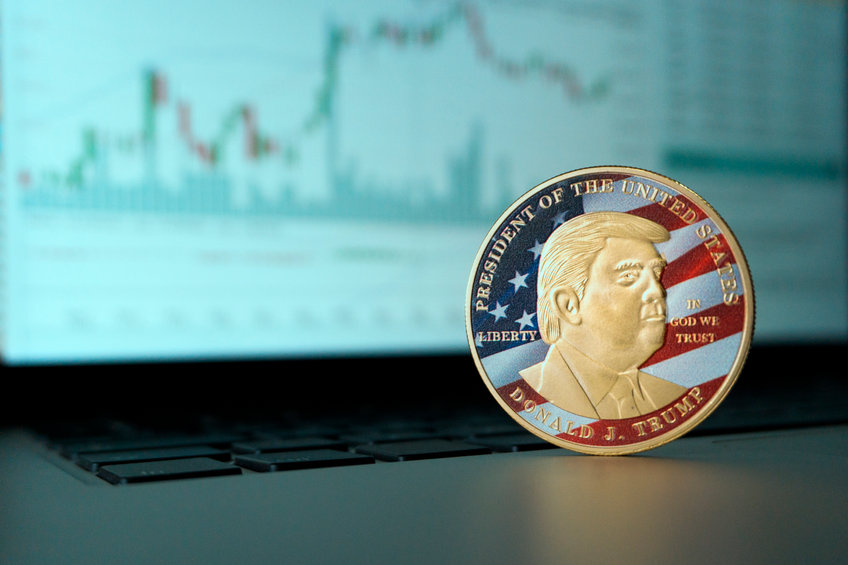

- TRUMP price holds $2.78 support after a technical double-bottom bounce.
- Whale accumulation grows ahead of April 25 Mar-a-Lago event.
- The memecoin’s price may target $3.34 if support holds.
The Official Trump (TRUMP) token is beginning to show signs of life after weeks of sustained pressure, with price action stabilising just above a critical support level.
While the broader trend remains weak, recent movements suggest that large investors are quietly positioning themselves ahead of a highly anticipated event later this month.
At the time of writing, TRUMP was trading around $2.81, posting a modest daily gain and slightly outperforming Bitcoin (BTC), which has remained relatively flat.
Technical support sparks a cautious price rebound
The recent bounce can largely be traced to a well-defined support zone around $2.78, forming a double-bottom pattern and giving traders a clear reference point for short-term positioning.
Notably, after testing the support area, the price held firm and began to edge higher, suggesting that buyers are stepping in at this range.
This kind of reaction is typically driven by market structure rather than new fundamental developments.
Repeated tests of a support are often viewed as a confirmation that a floor has been established and, in this case, $2.78 has become the immediate floor price.
As long as TRUMP holds above this support, the structure remains intact.
A sustained move below it, however, would weaken the setup and likely open the door to lower levels near $2.44.
Whale accumulation builds quiet pressure
Alongside the technical setup, steady accumulation by large holders is helping to support the market.
In recent days, several high-value wallets have been increasing their exposure to TRUMP, often moving tokens off exchanges into private storage.
This behaviour is typically associated with longer-term positioning, as it reduces immediate selling pressure and signals intent to hold.
Notably, this accumulation coincides with an upcoming event scheduled for April 25 at Mar-a-Lago for large TRUMP token holders.
The Mar-a-Lago event has created a unique layer of demand, which, while it may not be sustainable over the long term, can still provide a meaningful boost for the token’s price in the short term.
TRUMP price outlook: A narrow path toward $3.34
With support holding and whale demand building, attention is now shifting to the next key level on the chart, which is $3.34.
However, a move toward $3.34 would require continued stability above $2.78, along with enough buying pressure to push through minor barriers along the way.
And at the moment, the setup suggests a market that is range-bound but leaning slightly upward, and eyes are on whether momentum can build.
It is also worth noting that the token remains deep in a broader downtrend, having lost a significant portion of its value over the past year, meaning any upside move is likely to be viewed with caution until stronger confirmation appears.

TLDR
- Kraken identified and contained two insider-related access incidents involving limited client data.
- The company confirmed that no systems were breached and no client funds were at risk.
- About 2,000 accounts were potentially viewed, representing only 0.02% of users.
- Kraken rejected extortion demands and is cooperating with law enforcement authorities.
- Galaxy Digital reported a separate cybersecurity incident with no impact on client data or funds.
Kraken confirmed an extortion attempt involving internal access claims, while it denied any system breach or fund risk. The company said it contained two insider-related incidents and limited data exposure. It also stated that affected accounts represented about 0.02% of its global user base.
Kraken Rejects Extortion Attempt and Secures Internal Systems
Kraken reported that attackers tried to extort the firm using alleged internal access videos. However, the company said its systems remained secure, and funds stayed protected.
The firm identified two separate incidents involving support staff access and limited client data visibility. It removed both individuals quickly and enforced tighter security controls after internal investigations.
Kraken said the first case emerged in February 2025 after it received a tip about a circulating video. The company then revoked access, identified the individual, and informed affected users.
Later, Kraken received another tip about a similar video linked to a different insider. It terminated access again and notified impacted users while strengthening safeguards.
Nick Percoco, chief security officer, stated, “Our systems were never breached; funds were never at risk.” He also added that the company will not negotiate with criminal groups.
Kraken said about 2,000 accounts were potentially viewed across both incidents. However, the firm emphasized that millions of users remained unaffected by the events.
Insider Access Cases Highlight Targeted Attack Attempts
Kraken reported that extortion demands followed shortly after it blocked the latest unauthorized access. The group threatened to release materials through media channels and social platforms.
The company confirmed it will not comply with any demands from the attackers. It also said it is working closely with law enforcement agencies and industry partners.
Kraken believes the case connects to wider insider recruitment efforts targeting crypto and technology firms. It stated that investigators have enough evidence to identify suspects.
The exchange added that it continues to improve internal monitoring and employee access controls. It also said it reviews processes to prevent similar incidents.
The firm stressed that no funds were lost and no core systems were compromised. It maintained that its infrastructure remained secure throughout both events.
Related Cybersecurity Event Reported by Galaxy Digital
Galaxy Digital also disclosed a separate cybersecurity incident involving unauthorized access. The company said the breach affected an isolated development workspace.
Galaxy Digital confirmed that no client funds or account data were exposed. It stated that the incident remained contained within internal systems.
The firm acted quickly to block access and investigate the situation. It also confirmed that operations continued without disruption.
Kraken said it continues to monitor threats and cooperate with authorities. Percoco stated, “We remain committed to combating insider recruitment threats globally.”

Crypto World
Coinbase selloff ‘de-risks’ stock as USDC growth turbocharges outlook, William Blair says
William Blair says Coinbase’s 26% pullback has largely “de‑risked” the stock, with weak trading now priced in as surging USDC adoption turns the exchange into a higher‑margin, cycle‑resistant bet on crypto’s share gains versus fiat.
Summary
- William Blair says Coinbase’s roughly 26% pullback from its Q1 peak has largely “de-risked” the stock, with weak trading already priced in.
- The bank highlights surging USDC adoption as a core positive, with the stablecoin’s market share climbing to about 27%, up from around 21% in 2024.
- Analysts argue USDC’s expansion creates powerful synergies for Coinbase and Circle and gives the exchange “asymmetric upside” as the crypto cycle turns.
Investment bank William Blair says Coinbase’s recent share price decline has effectively reset expectations, arguing that a roughly 26% drawdown from first‑quarter highs has “largely de‑risked” the stock by baking in soft spot and derivatives volumes. In a research note summarized by The Block and Investing.com, analysts write that “weak trading activity in early 2026 is now fully reflected in the valuation,” and that the firm continues to view Coinbase as “the best way to participate in crypto’s market‑share gains versus the fiat economy.”
The bank stresses that Coinbase is steadily evolving into a “full‑service trading platform,” pointing to the build‑out of derivatives, staking, DEX aggregation, 24/7 stock trading and prediction markets on top of its Base L2 infrastructure. That shift has already tilted the business mix: Coinbase’s Q3 2025 shareholder letter flagged subscription and services revenue — including stablecoin income — in a $710–$790 million quarterly range, while external estimates suggest trading fees now account for less than half of total revenue.
Where William Blair is most emphatic is on stablecoins. The note calls the continued growth of USD Coin “a core positive,” estimating that USDC’s share of the dollar stablecoin market has risen to roughly 27%, up from around 21% in 2024, as it steadily gains ground on Tether’s USDT. KuCoin and CEX.IO data show USDC supply has jumped about 220% since late 2023 to roughly $78–$81 billion, helping push total stablecoin capitalization to a record $315 billion in Q1 2026, with stablecoins now representing around 75% of all crypto trading volume.
That growth directly feeds Coinbase’s bottom line. Bloomberg Intelligence estimates the exchange generated about $1.35 billion in USDC‑related revenue in 2025 — roughly 19% of total income — through its share of reserve interest and fees, with analysts at FinanceFeeds and CCN projecting that figure could grow two‑ to seven‑fold if USDC‑based payments and B2B settlement rails continue to scale. Coinbase also holds a significant minority stake in USDC issuer Circle and splits global reserve income 50/50, a structure William Blair says creates “powerful economic alignment” as the stablecoin expands into merchant, payroll and card‑network integrations.
William Blair’s January note described Circle as “positioned to ride a wave of USDC commercialization,” highlighting Visa’s decision to formally settle some U.S. card flows in USDC, as well as new integrations with Intuit and other enterprise software providers. The latest update reiterates that view, arguing that as USDC becomes embedded in payment flows, on‑chain treasuries and tokenized real‑world assets, Coinbase’s USDC revenue stream should become “more recurring, higher‑margin and less cyclical than trading fees,” even under tougher U.S. stablecoin rules.
On the macro side, the bank assigns a low probability to a prolonged “crypto winter” and frames Coinbase’s setup as an “asymmetric upside” bet: if markets stay muted, stablecoin and subscription revenues still support the business, while any renewed bull phase in bitcoin and ether volumes would come on top of an already improving earnings base. In that sense, USDC’s rise from a roughly one‑fifth to more than a quarter share of the stablecoin market is not just a technical detail in on‑chain plumbing; for Coinbase and Circle, William Blair argues, it is the spine of a long‑term equity story.
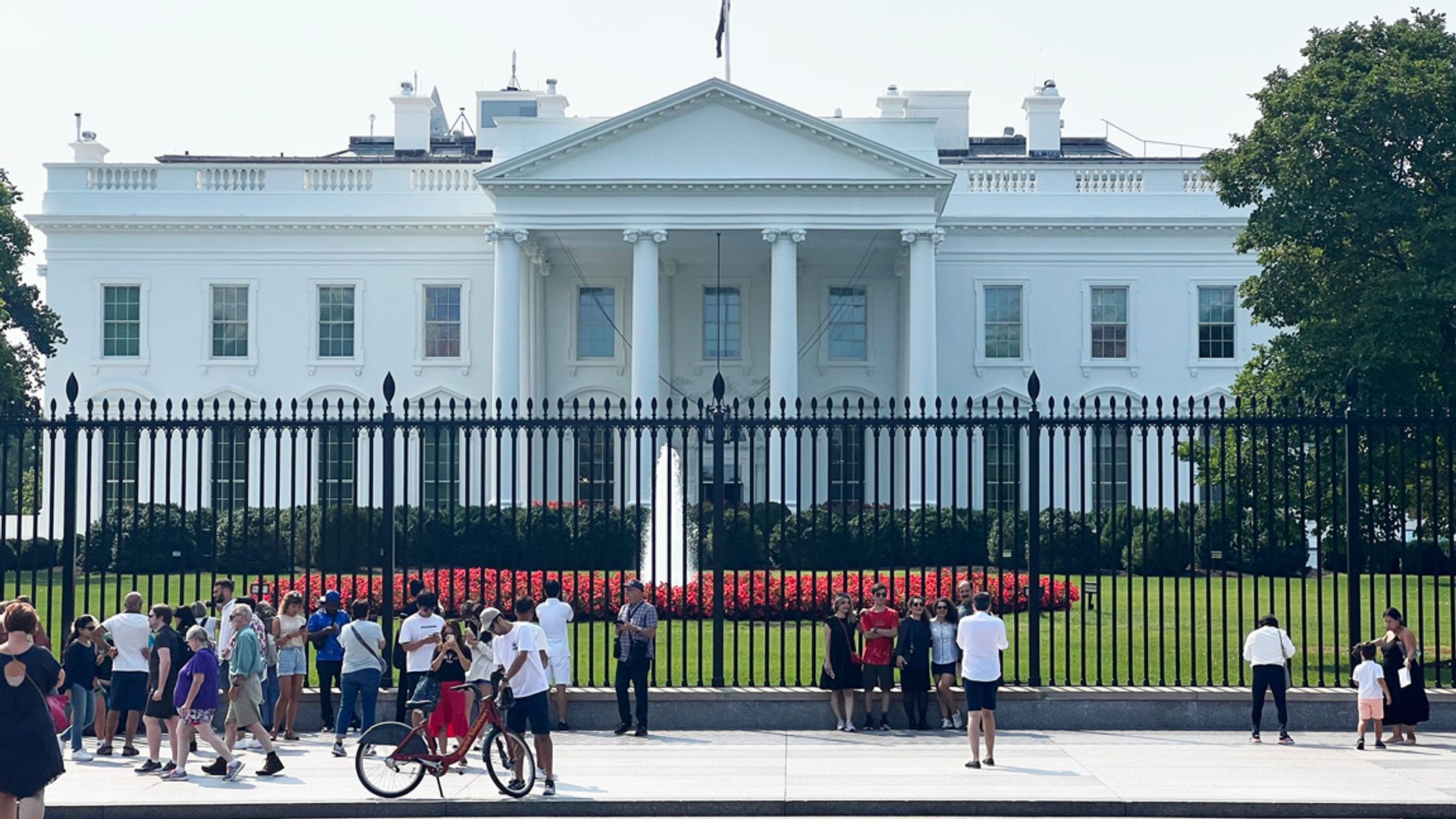
The crypto industry’s chief effort in U.S. policy — the Digital Asset Market Clarity Act — has remained held up on a point about stablecoin yield that has little to do with the bill’s central aim to regulate U.S. crypto markets. It’s still a sticking point as bankers fired the latest volley to claim the industry’s reward programs are a danger to bank deposits.
In response to a recent White House economists report that the banks have little to fear from the rise of stablecoins, the American Bankers Association contends that the Council of Economic Advisers was analyzing the wrong scenario. Instead of looking at what would happen if Congress were to institute a ban on stablecoin yield now, it should have looked at what would happen if such returns from stablecoins were allowed.
“The CEA paper minimizes the core risk by starting from the wrong question,” according to ABA economists. “There is already ample evidence and analysis showing that a prohibition on yield for payment stablecoins is a prudent safeguard. Such a policy will allow stablecoins to mature as a payments innovation rather than as an economically risky substitute for insured bank deposits.”
This conflict over a topic already partially dealt with in last year’s Guiding and Establishing National Innovation for U.S. Stablecoins (GENIUS) Act effectively derailed the Senate legislation for months. Though the Clarity Act’s lawmaker advocates have predicted it could get its necessary hearing in the Senate Banking Committee before the end of this month, that session hasn’t yet been scheduled.
Senators from both parties had been moved by the bankers’ arguments that their depositors (who fund their lending) would leave them in droves to chase stablecoin yield that outpaces what the banks offer in interest. So the lawmakers hashed out a compromise that would ban yield on stablecoin holdings that look like deposit accounts and only allow rewards programs for activity, akin to credit-card rewards. But the banks haven’t come out cheering it.
Senator Cynthia Lummis, the Wyoming Republican who chairs the Banking Committee’s digital assets subcommittee, posted Monday on social media site X, “America needs Clarity.” She’s kept a steady stream of posts going on the topic, saying over the weekend that it’s “now or never” for the bill.
The longer this debate stretches out, the more difficult it’ll be to get Clarity through the Senate process that can lead to a floor vote. While crypto insiders have been relatively vocal about the clash, bank representatives have been more reserved.
The bankers’ latest arguments suggest that the absence of intervention on stablecoin yield now would let stablecoin markets scale rapidly from $300 million to as much as $2 trillion.
“In a larger market, yield is not a minor product feature; it is the mechanism that would accelerate migration out of bank deposits,” they contend.
And though leading stablecoin issuers would deposit reserves in banks, they’re likely to go to larger institutions and not community banks, according to the ABA’s thinking.
Read More: Clarity Act returns to U.S. Senate, bank earnings: Crypto Week Ahead

Key Takeaways
- For the first time ever, Meta is expected to eclipse Google in worldwide digital advertising revenue during 2026.
- Emarketer forecasts Meta’s net advertising revenue at $243.46B compared to Google’s $239.54B.
- Meta’s advertising expansion rate is anticipated to climb to 24.1% in 2026, rising from 22.1% in 2025.
- Advanced AI capabilities and fresh advertising formats including Reels, Threads advertisements, and WhatsApp commercial placements fuel expansion.
- The trio of Meta, Google, and Amazon is predicted to command 62.3% of worldwide digital advertising expenditure in 2026.
Meta Platforms is positioned to claim the title of the world’s dominant digital advertising enterprise in 2026, based on forecasts from market intelligence firm Emarketer. This milestone would mark the first occasion Meta has surpassed Google in this competitive arena.
Emarketer’s analysis indicates Meta’s worldwide net advertising revenue will hit $243.46 billion this year. Google’s projection stands at $239.54 billion. Both numbers exclude traffic acquisition and content-related expenses.
Meta’s advertising expansion velocity is anticipated to surge to 24.1% in 2026, compared to 22.1% in 2025. Meanwhile, Google’s growth trajectory is expected to remain relatively stagnant at approximately 11.9%.
Industry observers highlight that Meta’s aggressive growth at this magnitude is uncommon. Typically, platforms experience deceleration as they expand. Meta is bucking this trend.
Artificial intelligence plays a central role. Meta’s AI-powered recommendation algorithms increased Reels viewing duration in the United States by over 30% in the latest quarter versus the prior year period. Extended viewing translates directly to additional advertising opportunities.
Reels alone is projected to deliver $50 billion in revenue over the coming twelve months, the Wall Street Journal reports. Meta additionally disclosed that its video-generation technology achieved a $10 billion revenue run rate during Q4.
Advantage+ and Emerging Ad Formats Drive Momentum
Meta’s Advantage+ automated advertising platform has emerged as a critical catalyst. The solution streamlines campaign creation and enhances marketing ROI, attracting widespread advertiser adoption.
The social media giant has simultaneously broadened its advertising real estate through new placements on WhatsApp and Threads. This expansion positions Meta as a direct rival to platforms such as X. Instagram’s Reels format remains locked in competition with TikTok and YouTube Shorts for short-form video advertising dollars.
Emarketer analyst Max Willens credited Meta with demonstrating “incredible patience” — cultivating user engagement across Reels, Threads, and WhatsApp prior to activating monetization features. The approach is yielding substantial returns.
Meta’s infrastructure investment is projected to reach $135 billion this year as the company accelerates its AI capabilities.
Google Confronts Challenges Across Multiple Sectors
Google is navigating obstacles that extend beyond Meta’s ascension. The search giant’s portion of the US search advertising market is forecast to slip beneath 50% for the first time in more than ten years, declining to 48.5% in 2026.
Amazon has gradually eroded Google’s search supremacy as growing numbers of shoppers initiate product searches directly within the e-commerce marketplace.
Google’s varied business structure also constrains advertising revenue expansion. YouTube Premium diverts a significant user base away from ad-supported content, restricting monetization potential.
Smaller competitors experience heightened vulnerability from this transformation. Snap and Pinterest are viewed as particularly susceptible to advertising budget reductions, as marketer spending concentrates increasingly among dominant platforms.
Google and Meta both declined requests for comment.
Emarketer clarified that recent judicial decisions affecting Meta and YouTube were excluded from the analysis, as projections were finalized prior to those rulings.
Collectively, Meta, Google, and Amazon are forecast to control 62.3% of global digital advertising expenditure in 2026, advancing from 59.9% in 2025.
Key Highlights
- Altimeter Capital’s Brad Gerstner projects Anthropic’s ARR could surge to $80B–$100B by year-end 2026
- The company’s ARR currently exceeds $30B, a massive jump from $9B recorded at 2025’s close
- Claude’s average daily user count more than doubled between February and March 2026
- More than 1,000 enterprise clients now invest over $1M per year in Anthropic’s services
- ChatGPT experienced declines in web traffic and mobile usage during March as Claude and Gemini expanded their presence
Brad Gerstner, who founded Altimeter Capital, recently described Anthropic’s revenue trajectory as among the most explosive growth stories in technology sector history. During a weekend podcast appearance, he projected the AI company’s annual revenue run rate could climb to somewhere between $80 billion and $100 billion before 2026 concludes.
This projection represents approximately a threefold increase from Anthropic’s current position. The company’s ARR has now crossed the $30 billion threshold, surging from roughly $9 billion when 2025 ended. Just months earlier in 2026, that metric stood at approximately $15 billion.
Anthropic had initially set its sights on achieving an ARR ranging from $20 billion to $26 billion throughout the calendar year. The company has already exceeded those ambitious targets.
According to Gerstner, the organization has experienced a significant “rebound” during the last three months following a period where it received relatively little attention throughout 2025. He now characterizes the company as surpassing OpenAI, whose ARR currently sits in the $24 billion to $25 billion range.
Business Customers Driving Explosive Revenue
Anthropic now counts over 1,000 enterprise organizations that each commit more than $1 million annually to its platform. The company’s Claude AI models have gained widespread adoption for coding assistance, workflow automation, and API-driven applications.
The company introduced Claude CoWork in January 2026 and most recently unveiled an innovative AI model named Mythos. These product launches have maintained strong visibility for Anthropic throughout the tech industry.
To accommodate its rapid expansion, Anthropic has partnered with Google and Broadcom on developing 3.5 gigawatts of computing infrastructure. Gerstner emphasized that achieving the $100 billion ARR milestone will demand substantial infrastructure capital.
Market Share Shifts Favor Claude
Recent analysis from BNP Paribas reveals that Claude’s portion of chatbot website traffic nearly doubled, climbing from 3.6% in February to 6.6% by March. The platform’s average monthly daily active users jumped from 0.8% to 1.8% during the same timeframe.
Google’s Gemini platform similarly expanded, with its website visit share increasing from 26.2% to 28% in March.
While ChatGPT maintains its position as the leading chatbot platform, it experienced declines in both web traffic and mobile application usage throughout March, based on analysis from BNP researchers led by Nick Jones.
Amazon also featured prominently in the BNP analysis. Uber recently broadened its deployment of Amazon’s Gravitron4 and Trainium3 chip architectures. Amazon CEO Andy Jassy disclosed that AWS AI-related ARR has reached $15 billion, while chip-specific ARR stands at $20 billion.
Meta’s recently launched Muse Spark AI model triggered a significant spike in downloads for the Meta AI application. BNP analysts noted the launch demonstrates Meta’s advancing AI strategy.
Anthropic ranks among multiple privately-held technology companies potentially preparing for public offerings in 2026, with preliminary valuation estimates hovering around $300 billion.
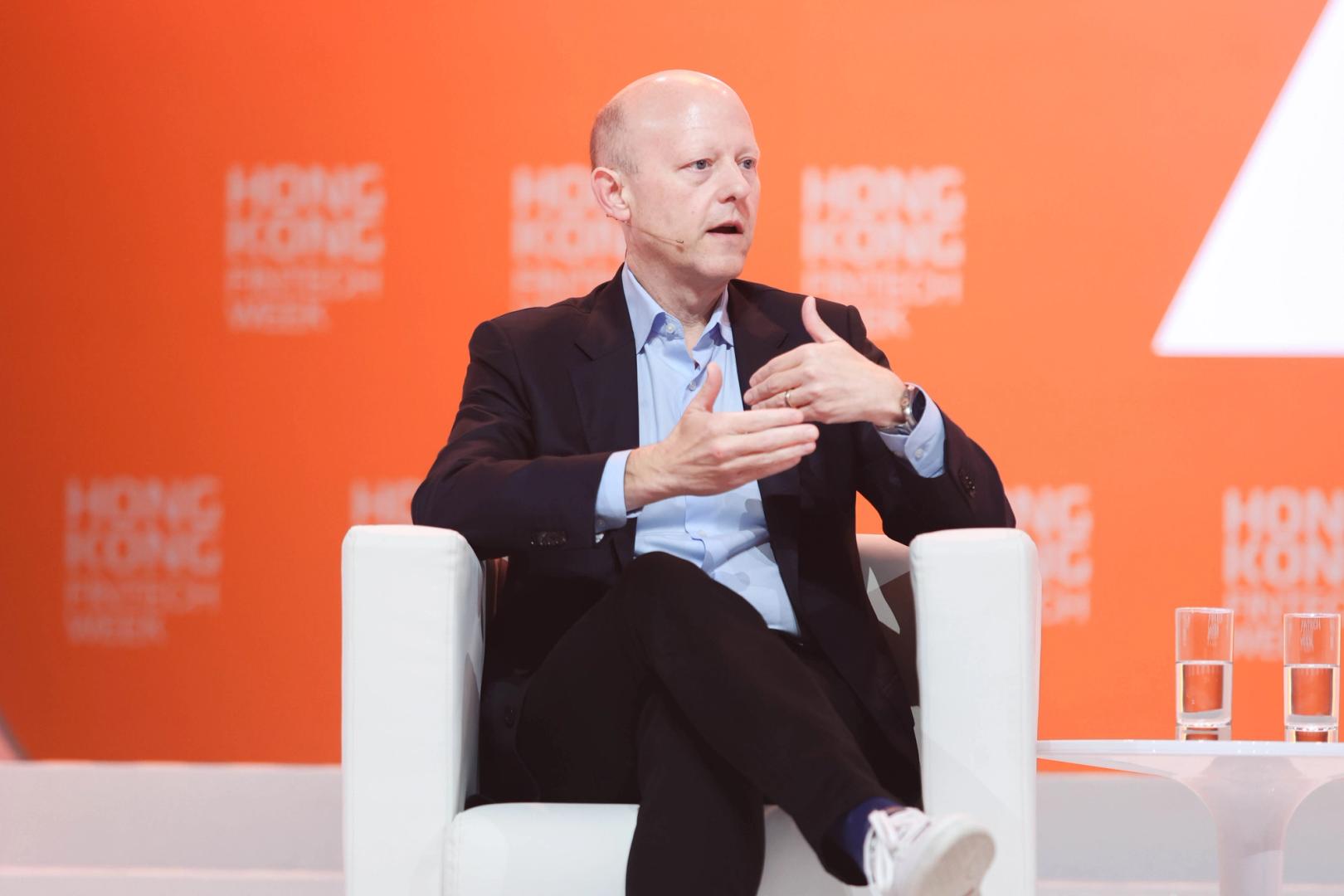
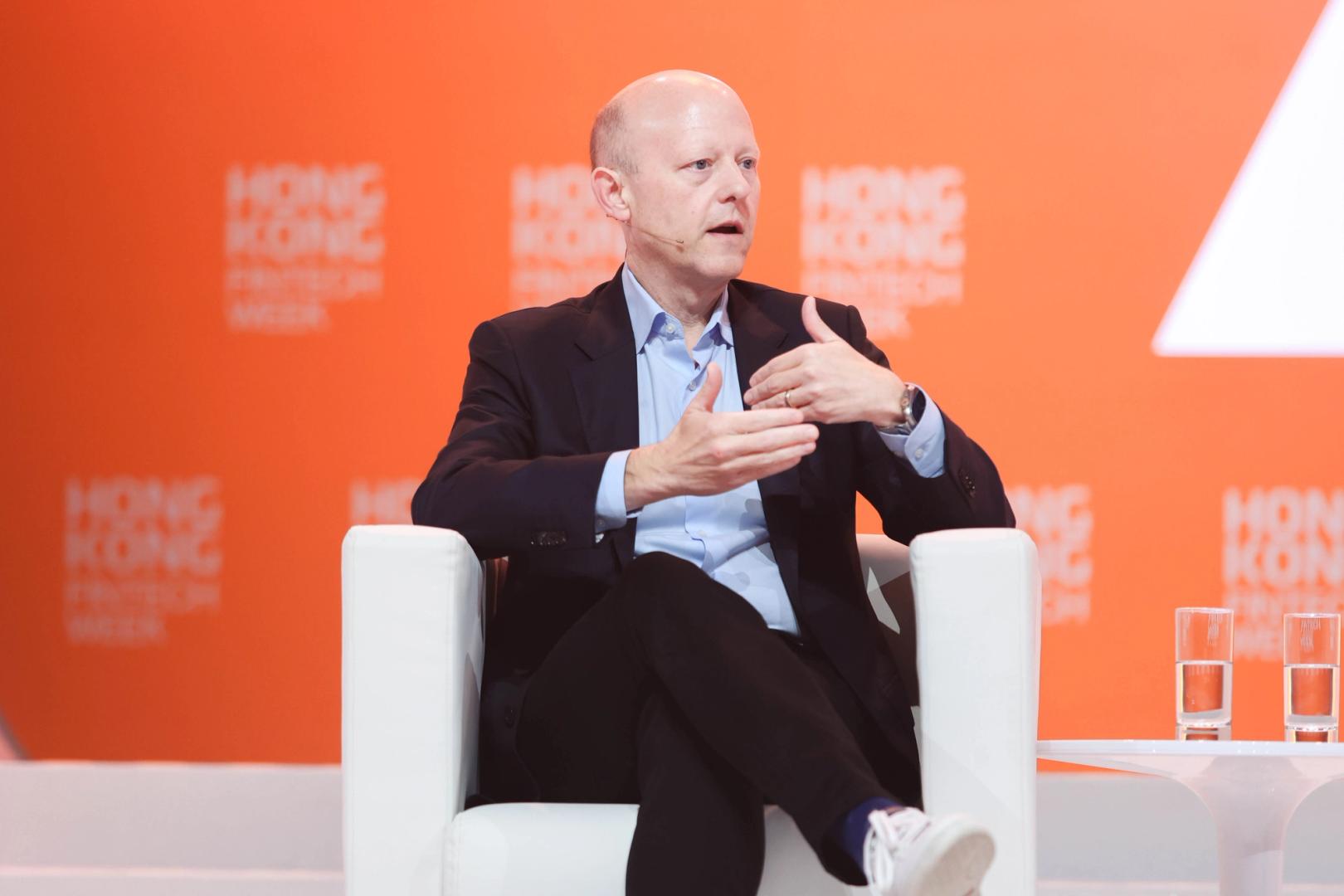
Circle Internet (CRCL) CEO Jeremy Allaire offered his clearest public response yet to growing criticism over how the stablecoin issuer handles illicit funds, saying it does not freeze wallets unless there is a formal legal basis to do so.
Speaking on stage at a press conference in Seoul, Allaire positioned USDC, the second-largest dollar-pegged stablecoin, as a regulated financial product rather than a tool for real-time intervention.
“Circle has a very, very clear performance obligation under the law,” Allaire said. “Circle follows the rule of law, and we are able to undertake actions such as freezing a wallet at the direction of law enforcement or the courts.”
Allaire framed USDC as part of the traditional financial system, subject to legal process and oversight. Decisions to blacklist or freeze funds, he suggested, should not be made at the discretion of the company in the heat of an exploit, but instead follow requests from law enforcement or court orders. The approach reflects Circle’s broader strategy to align closely with regulators and institutions.
Rival Tether, the issuer of the world’s largest stablecoin, USDT, has a more proactive approach. The company has repeatedly frozen funds linked to hack and illicit activity within hours. In several cases cited by blockchain sleuth ZachXBT, including exploits affecting Ledger and Remitano, Tether blacklisted stolen funds while equivalent USDC remained untouched.
Allaire’s remarks come at a time of mounting scrutiny. Earlier this month, Drift Protocol suffered a suspected North Korea-linked exploit that resulted in losses of up to $280 million. Roughly $230 million in USDC was moved across chains over several hours. The incident has become a focal point for critics who argue that Circle is failing to act despite having the technical ability to do so.
Intervention carries risks, too
ZachXBT is among the most vocal. In a widely circulated thread on X, he said Circle’s inaction across more than a dozen cases since 2022 has contributed to over $420 million in illicit funds escaping. He pointed to multiple incidents where stolen USDC remained in identifiable wallets for hours or even days without being frozen, including exploits affecting Cetus, SwapNet, and Nomad.
Critics say the pattern highlights a deeper issue. USDC is centrally issued and contains controls that allow Circle to block addresses. Yet those powers are rarely used in real time. By deferring to legal processes that move far more slowly than blockchain transactions, they argue, Circle creates a gap that attackers can exploit.
Others in the industry argue that faster intervention carries its own risks. Omid Malekan, an adjunct professor at Columbia Business School, responded to calls for discretionary freezes by warning that allowing issuers to act beyond legal requirements would undermine the foundations of decentralized finance (DeFi).
Such powers could erode trust in DeFi systems by introducing centralized points of control, Malekan said.
“If Circle and other stablecoin issuers implement arbitrary freeze or seize functions beyond what the law requires, then not only is code not law, but also law is not law,” he wrote on X. “Instead what a single executive inside a single corporation decides is law.”


Self-styled “unbreakable” Hyperbridge protocol has been exploited, less than two weeks after making a tasteless April Fools’ joke about being hacked.
Despite previously explaining how a hack was impossible as part of the April 1 prank, the project acknowledged the exploit in a “bridge update!” posted to X.
According to crypto security firm CertiK, the hacker “forged message to change the admin of Polkadot token contract on Ethereum and profited ~$237K from minting and selling 1B tokens.”
Another on-chain analyst flagged a further 245 ether (worth over $500,000) which was allegedly drained from the project’s TokenGateway contract before being deposited into Tornado Cash.
While this loss may be modest compared to many crypto hacks, especially bridges, many have focused on the karma dealt to a project with a consistently cavalier attitude towards security.
Read more: Bitcoin Depot didn’t spot 50 BTC hack for three days, report
Hyperbridge claimed the North Korean Lazarus Group had drained $37 million on April 1. The announcement linked to a (now deleted) blog post which contained a Rickroll gif before explaining “Why Hyperbridge Can’t Be Hacked.”
Following backlash, Hyperbridge’s “mad scientist,” who goes by “Web3 Philosopher” on X, boasted of the protocol’s “incorruptible” infrastructure.
In February, they also posted screenshots which appear to show correspondence with a big bounty hunter flagging critical vulnerabilities, who was told “exploit them if you found them.”
Apparently taking the April Fools’ prank as a challenge, a known exploiter address began testing Hyperbridge. The attempts were dismissed with “hope you have a quantum computer bro.”
Got a tip? Send us an email securely via Protos Leaks. For more informed news and investigations, follow us on X, Bluesky, and Google News, or subscribe to our YouTube channel.

Markets Reprice as Oil Surges on Escalating Geopolitical Risks

This ‘Fountain of Youth’ Supplement Supports Healthy Aging

Row over expansion of Harrogate Spring Water

Why Israel is blocking foreign journalists from entering

Bitcoin: We’re Entering The Most Dangerous Phase

Alan Cumming Brands Baftas Ceremony A ‘Triggering S**tshow’

Top 5 Coins For ROI Except XRP #xrp #digitalassets #ripplecrypto #blackrock #xlm #flash #ripple

Iran Proposes $1 Per Barrel Toll on Hormuz Tankers in Crypto #iran #hormuz #oiltrade #crypto #shorts

#cryptocurrency #youtubeshorts #xrpcrypto #crypto #xrp #cryptocurrencynews #xrparmy #viral
-

 Politics3 days ago
US brings back mandatory military draft registration
-

 Fashion3 days ago
Weekend Open Thread: Veronica Beard
-
 Sports3 days ago
Man United discover Nico Schlotterbeck transfer fee as defender reaches Dortmund agreement
-

 Tech6 days ago
How Long Can You Drive With Expired Registration? What Florida Law Says
-

 Politics1 day ago
World Cup exit makes Italy enter crisis mode
-

 Crypto World4 days ago
Canary Capital Files SEC Registration for PEPE ETF
-

 Business3 days ago
Tesla Model Y Tops China Auto Sales in March 2026 With 39,827 Registrations, Beating Cheaper EVs and Gas Cars
-

 Crypto World5 days ago
Bitcoin recovers as US and Iran Agree a Ceasefire Deal
-

 Politics4 days ago
Malcolm In The Middle OG Turned Down ‘Buckets Of Money’ To Appear In Reboot
-

 Fashion6 days ago
Let’s Discuss: DEI in 2026
-
 NewsBeat19 hours ago
Pep Guardiola and Gary Neville agree over Arsenal title problem that benefits Man City
-

 Business3 days ago
OpenAI Halts Stargate UK Data Centre Project Over Energy Costs and Copyright Row
-

 Business2 days ago
Ireland Fuel Protests Enter Day 5 as Blockades Spark Shortages and Government Prepares Support Package
-

 Politics3 days ago
LBC Presenter Mocks Trump Over Iran War Failures
-

 Crypto World3 days ago
Federal judge blocks Arizona from bringing criminal charges against Kalshi
-

 Tech4 days ago
A version of Windows 10 released a decade ago is now eligible for additional security patches
-
 NewsBeat1 day ago
JD Vance announces ‘no agreement’ with Iran over nuclear weapons fear
-

 Business3 days ago
IMF retains floor for precautionary balances at SDR 20 billion
-
 Entertainment5 days ago
Alfred Hitchcock’s 10 Most Suspenseful Masterpieces, Ranked
-
 Entertainment3 days ago
A ‘Bridgerton’ Star’s New Survival Thriller Is a Must-Watch on Netflix This Weekend
You must be logged in to post a comment Login